


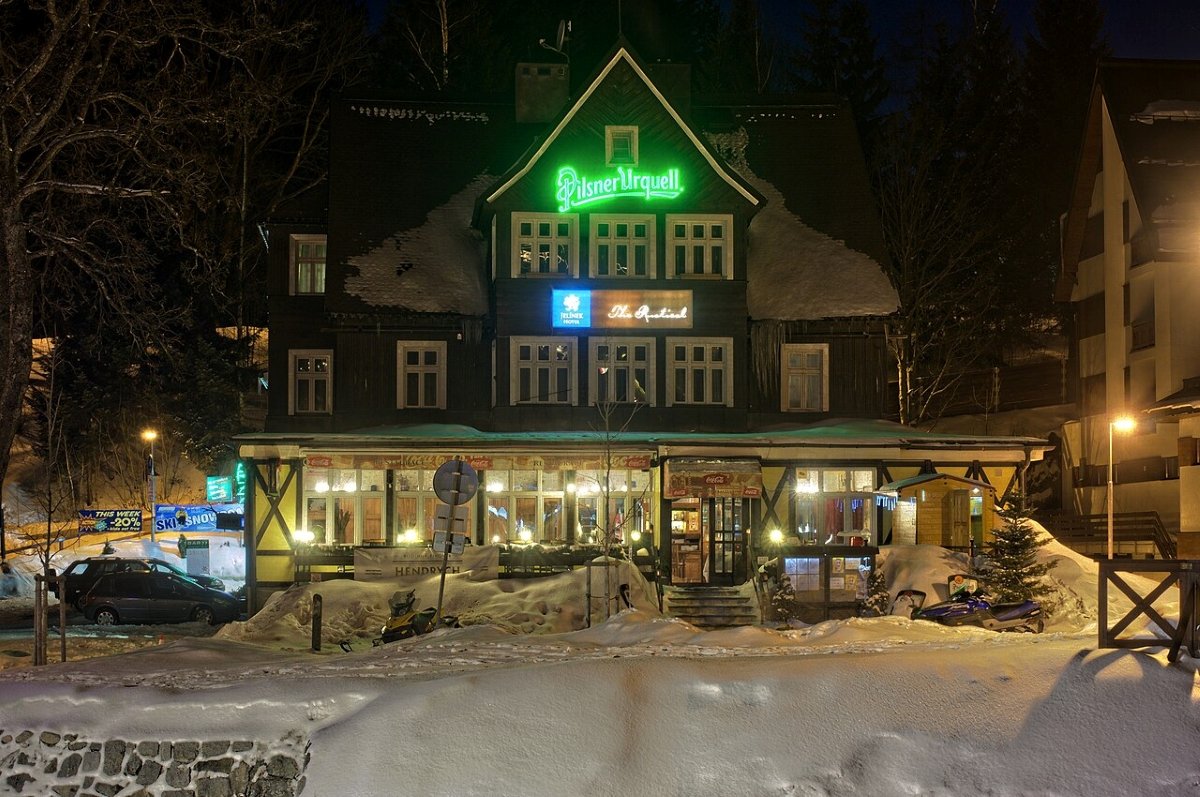




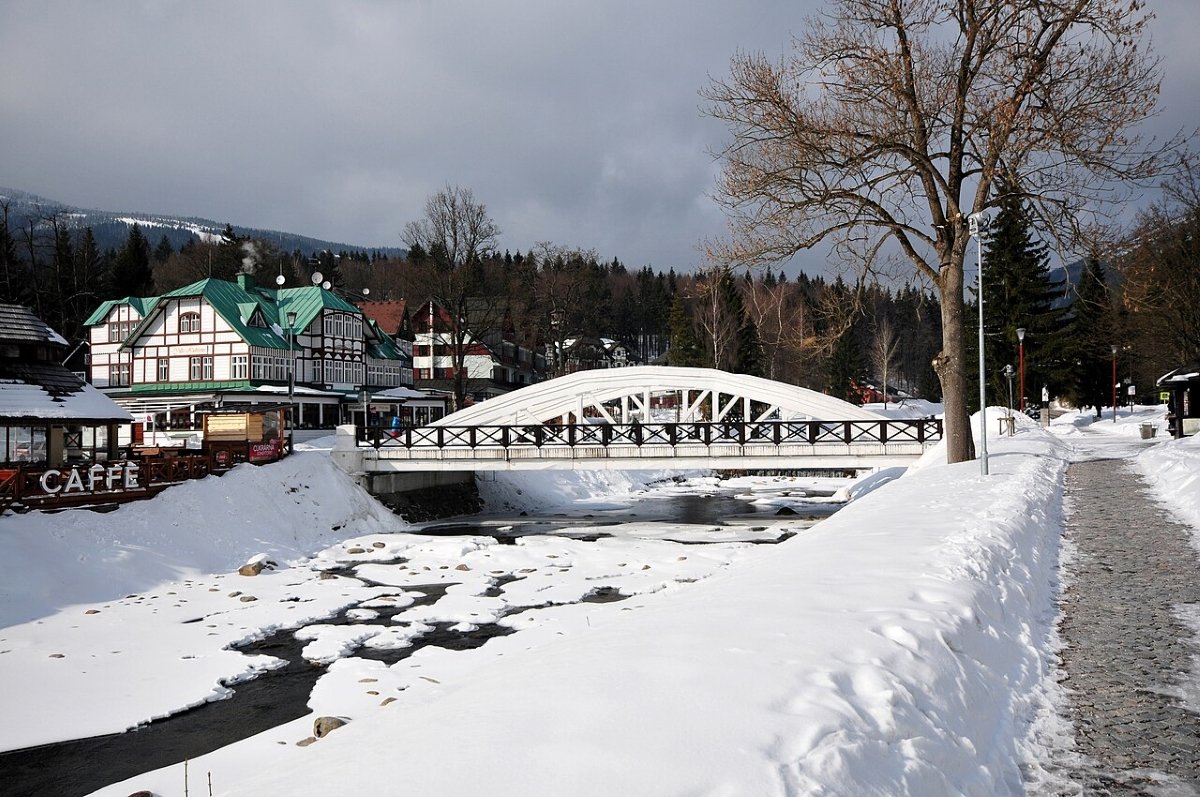
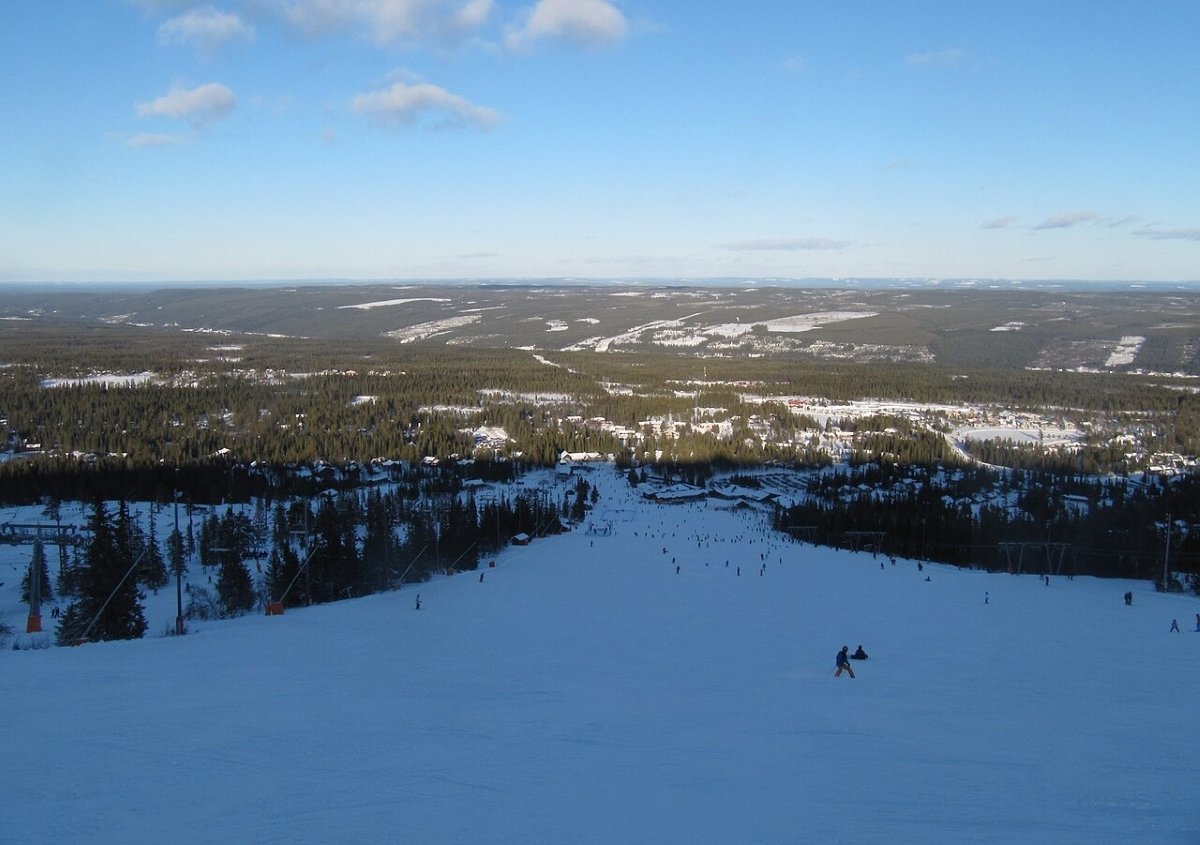

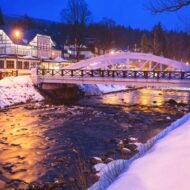
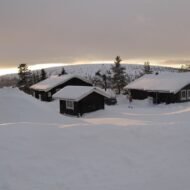

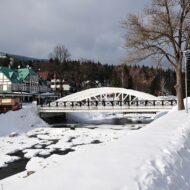
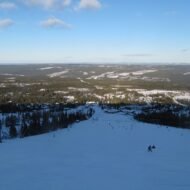

4. Špindlerův Mlýn, Czech Republic ⭐ 4.3/5
Why you’ve never heard of it: Czechia’s ski scene lives in Austria’s shadow. Meanwhile, locals and Polish neighbors have been quietly enjoying Central Europe’s best-value winter sports.
Family-Friendly Highlights:
- Medvědín slopes offer gentle terrain with cartoon mascot trail markers kids actually follow
- Labská dam area provides sledding hills and easy winter hikes
- Aquapark in nearby Špindlerův Mlýn gives you the rainy-day backup plan
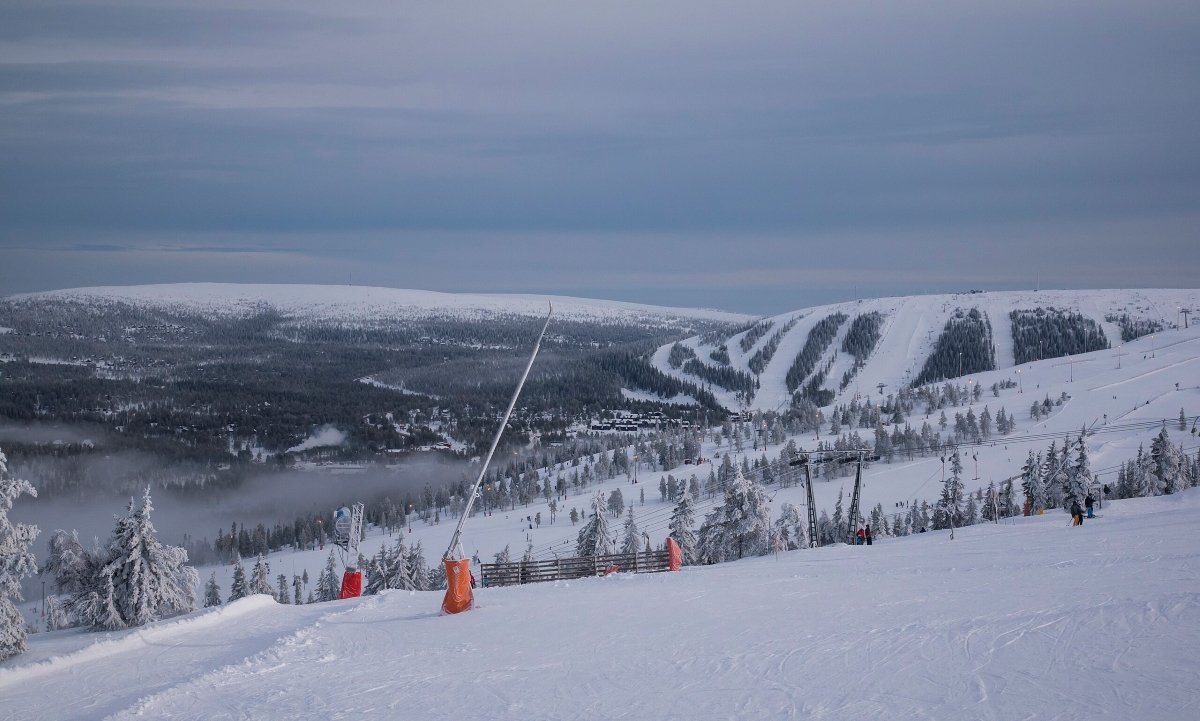
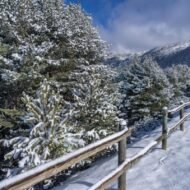
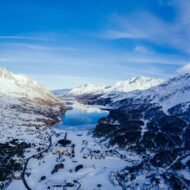
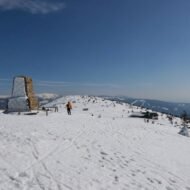
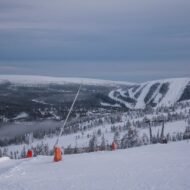
The Skiing Situation: This Krkonoše (Giant Mountains) resort spans two main areas: Svatý Petr and Medvědín, connected by free shuttle. You’re working with 25km of slopes—not massive, but well-groomed and crowd-free midweek. Season typically runs December through March.
Local Traditions Worth Your Time:
- Vánoční trhy (Christmas markets) appear in town square with serious trdelník (chimney cake) game
- New Year’s Eve includes public celebrations with fireworks over the mountains
- Masopust (Carnival, February): Folk costumes and street parades before Lent
Budget Reality Check:
- Accommodation: €50-90/night for pensions or apartment hotels
- Ski passes: €35-45/day (this is why Poles drive over for weekends)
- Meals: €8-15 for restaurant meals (yes, really)
- Beer: €2-3 for half-liter (cheaper than bottled water)
Food Scene: Load up on svíčková (beef in cream sauce with dumplings), bramboračka (potato soup), and smažený sýr (fried cheese—don’t judge until you try). Mountain huts serve klobása (sausages) grilled over open fires. Recommended: Švýcárna Bouda for mountain views, or Krkonošská restaurace in town. Pro tip: Pilsner Urquell tastes different (better) in Czech pubs.
Cultural Bonus: Krkonoše Mountains folklore includes Krakonoš (mountain spirit) legends—local shops sell wooden carvings and your kids will hear stories. Summer hiking culture translates to winter walking trails.
Events Calendar:
- ČEZ Krkonoše Maraton (late February): Cross-country ski race brings festive vibe
- Easter markets (March/April): Traditional painted eggs and willow whips
Useful Info:
- Getting there: Prague airport, then 2.5-hour bus or rental car
- Language: Czech (English less common than Western Europe—learn basic phrases)
- Border proximity: Polish side (Karpacz) offers more options within 30-minute drive
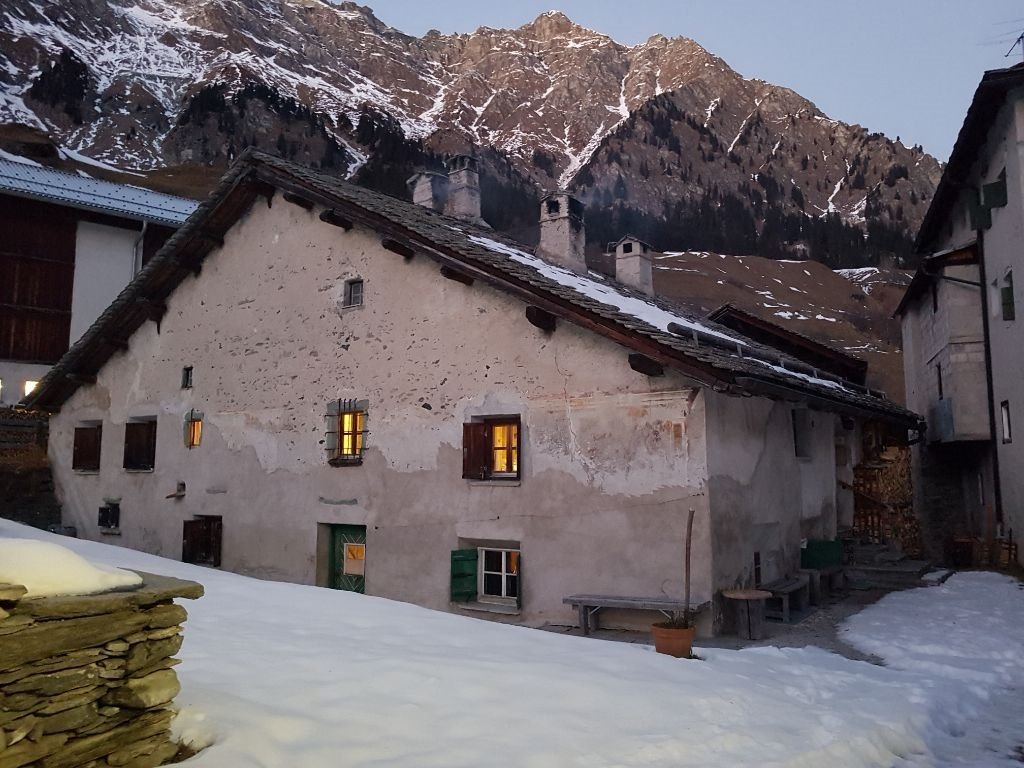
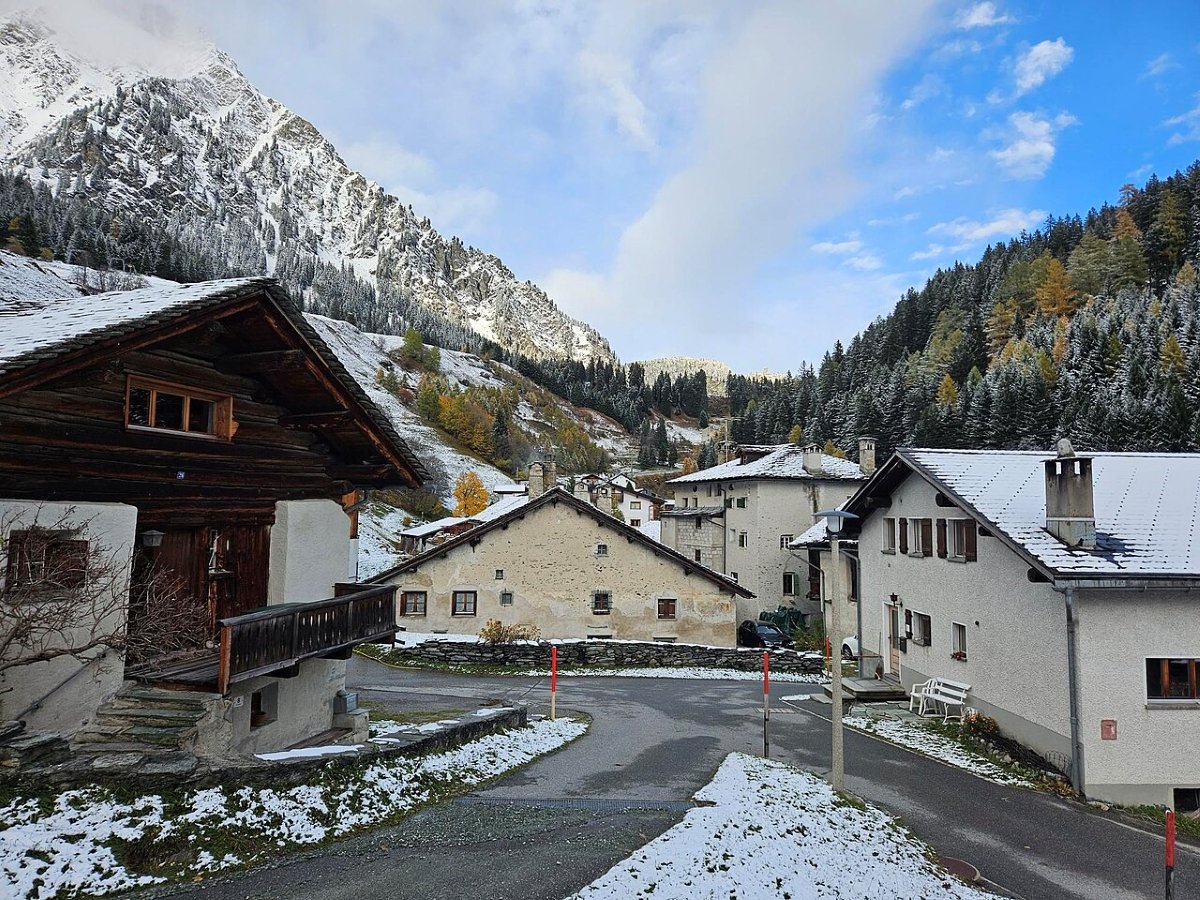
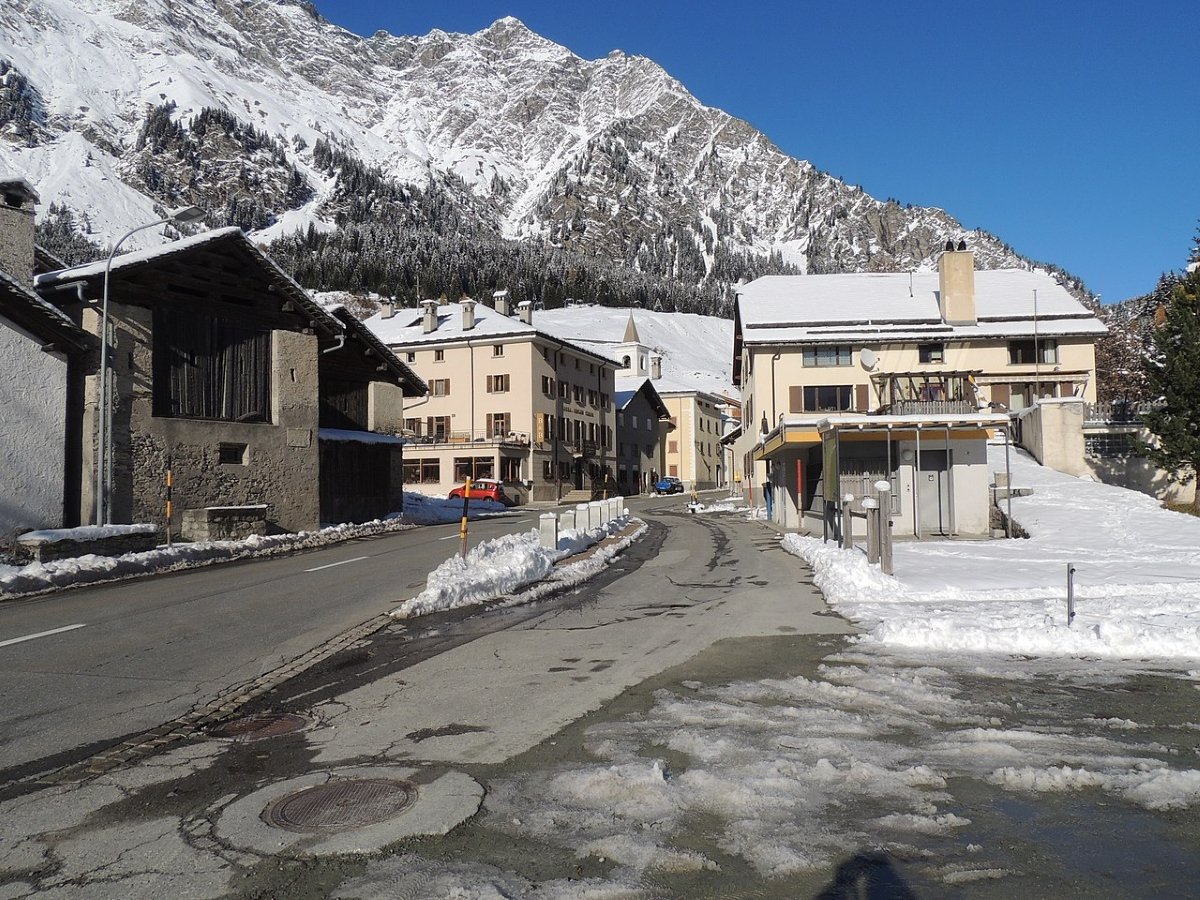
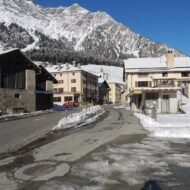
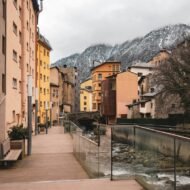
5. Val Bregaglia, Switzerland ⭐ 4.3/5
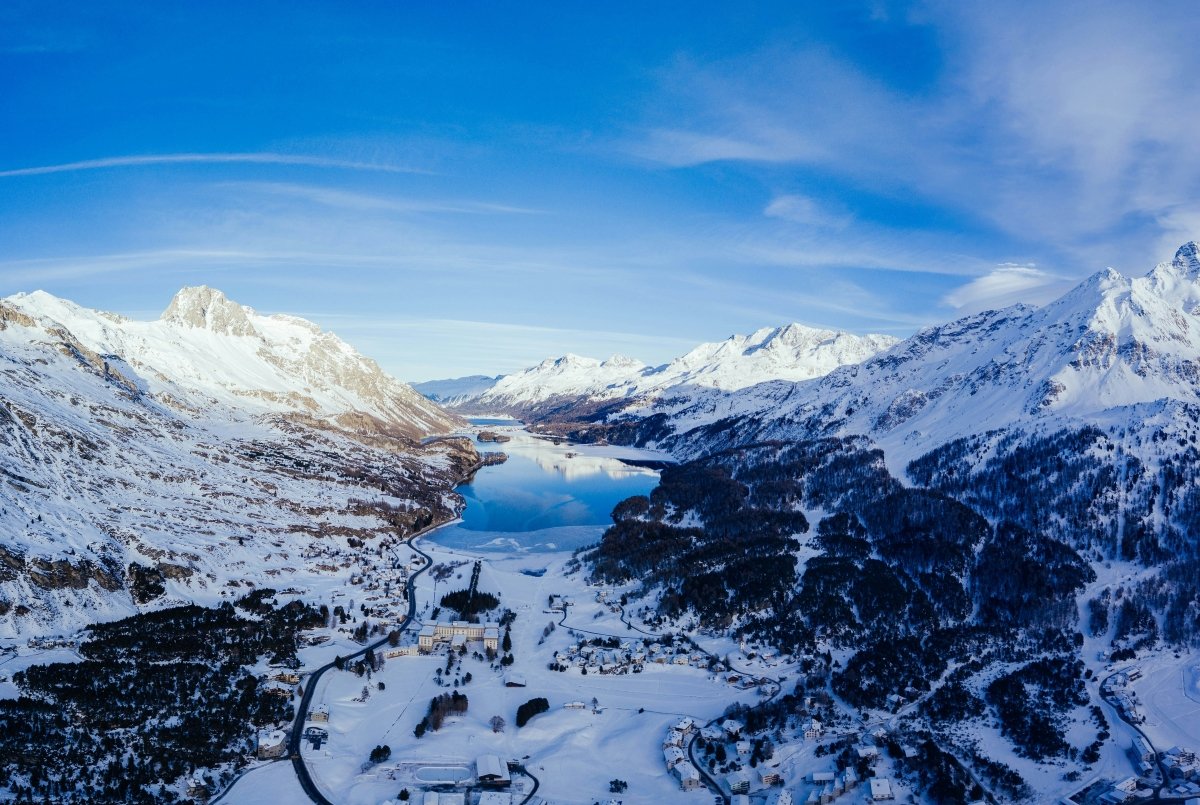
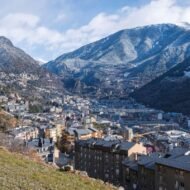
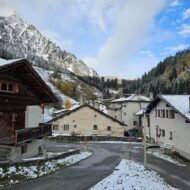
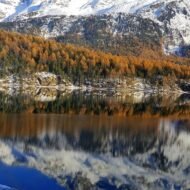
Why it’s flying under the radar: Tucked in Switzerland’s Italian-speaking corner near the Italian border, this valley gets overshadowed by glitzy St. Moritz just over the pass.
Family-Friendly Highlights:
- Aela village offers beginner slopes with instruction in multiple languages
- Hiking trails along Via Bregaglia work for all abilities with minimal elevation gain
- Ciäsa Granda museum in Stampa makes local history accessible (and heated)
The Skiing Situation: This isn’t a ski resort—it’s a valley with small ski areas. Aela provides modest terrain for learning, while serious skiers day-trip to nearby Italian resorts (Madesimo) or Engadin options. Best for families wanting skiing as one activity among many.
Local Traditions Worth Your Time:
- Chestnut harvest culture (October-November) extends into winter with roasted chestnut snacks everywhere
- Befana (Epiphany, January 6th): Italian tradition where witch delivers treats to good children
- Swiss-Italian hybrid celebrations for holidays create unique local flavor
Budget Reality Check:
- Accommodation: €90-160/night for vacation apartments (this is still Switzerland)
- Ski passes: €40-55/day (smaller areas)
- Meals: €18-30 for restaurant meals (Swiss prices, Italian portions—net positive)
- Money-saving move: Shop in Italian border towns (Chiavenna) for groceries
Food Scene: This valley invented pizzoccheri (buckwheat pasta with cabbage and cheese) and perfected bresaola (air-dried beef). Winter calls for cassoeula (pork and cabbage stew) and polenta dishes. Don’t skip torta di pane (bread cake dessert). Try: Ristorante da Giovanoli in Soglio, or Grotto Serta near Chiavenna (Italian side). Local grappa and walnut liqueur make excellent après-ski warmers.
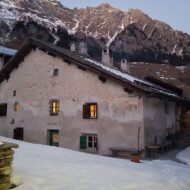
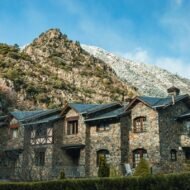
Cultural Bonus: This valley produced Alberto Giacometti (sculptor) and Augusto Giacometti (painter)—art heritage visible in local museums and studios. Soglio village ranks among Switzerland’s most beautiful, with 16th-century architecture preserved.
Events Calendar:
- Palio di Chiavenna (Italian side, second Sunday of October): Medieval games worth timing visits around
- Festa della Castagna (chestnut festival, late October): Extends into early winter season
Useful Info:
- Getting there: Zürich or Milan airports, drive or bus via Chiavenna (3-4 hours)
- Language: Italian (Swiss German less useful here; English works in tourism)
- Cross-border flexibility: Italian villages offer better value dining and shopping
Final Thoughts
These five destinations share something the Instagram-famous resorts lost: authenticity without pretension. You’ll find families who’ve been skiing the same slopes for generations, restaurants where grandma’s recipe still runs the kitchen, and accommodation owners who actually live in town year-round.
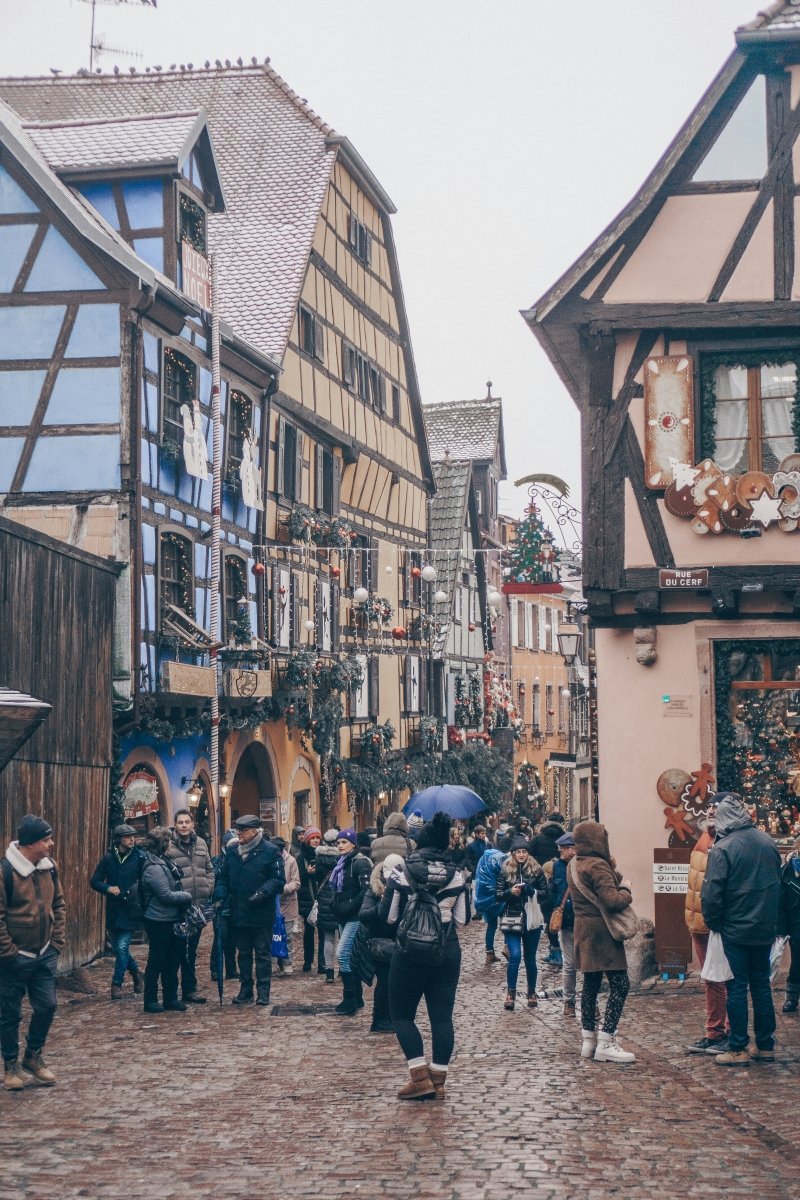
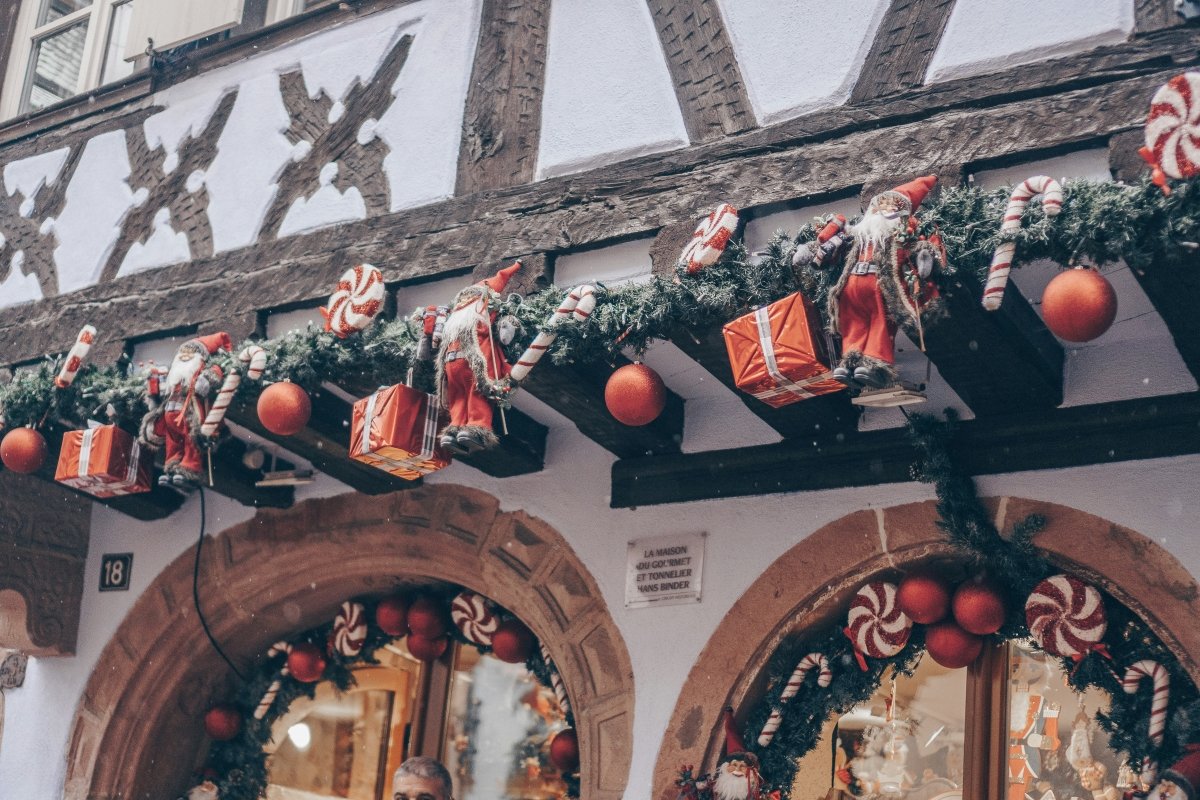
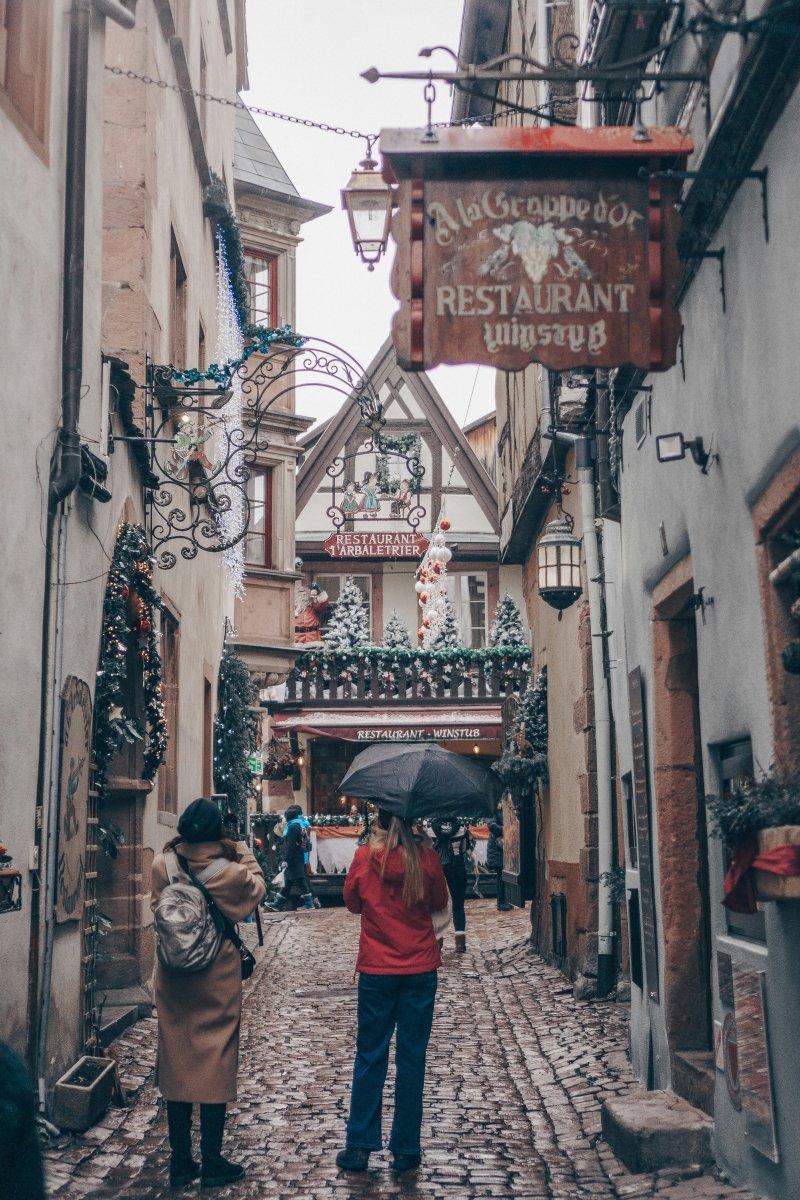
The “lesser-known” label won’t stick forever. Andorra’s already seeing increased traffic, and Riquewihr’s Christmas market gets mobbed. But for now, these spots offer the increasingly rare combination of genuine mountain culture, manageable crowds, and budgets that don’t require selling a kidney.
The real advantage? When your kids ask “Where did we go that winter?” they won’t say “Some place with ski lifts.” They’ll remember the Czech beer-and-dumpling hut, Swedish fika in the forest, or that weird Swiss-Italian valley where everyone spoke three languages. That’s worth more than any number of vertical meters.
Pack your warmest socks, download offline maps, and book accommodation now—ideally through local booking sites rather than international platforms. Your winter just got more interesting.
Disclaimer
Ratings reflect aggregate user scores from Google Reviews, TripAdvisor, and specialist ski forums as of late 2024. Weather, snow conditions, and travel circumstances vary—always verify current information before booking. Prices listed represent average ranges for 2024/2025 winter season and fluctuate based on booking timing, accommodation type, and currency exchange rates. Some traditions and events adjust dates yearly or may be affected by local circumstances. The author has no commercial relationships with destinations, accommodations, or businesses mentioned—these recommendations come from research and traveler feedback, not sponsorship. Always purchase appropriate travel insurance and verify visa requirements for your nationality. Winter mountain activities carry inherent risks—assess your family’s abilities honestly and prioritize safety over ambition.