





TL;DR: Vitoria-Gasteiz is a vibrant, walkable capital city in Spain’s Basque Country that punches way above its weight. Think stunning medieval architecture, world-class museums, incredible local cuisine, and a vibe that feels authentically Spanish without the tourist overload. Whether you’re after culture, food, nature, or just a chill European escape, this is the place.
Why Vitoria-Gasteiz Should Be on Your Radar
Let’s be real—most people skip right over Vitoria-Gasteiz and head to Barcelona or Madrid. That’s their loss. This city of around 250,000 people has become a darling of the European travel community, and there’s a seriously good reason why.
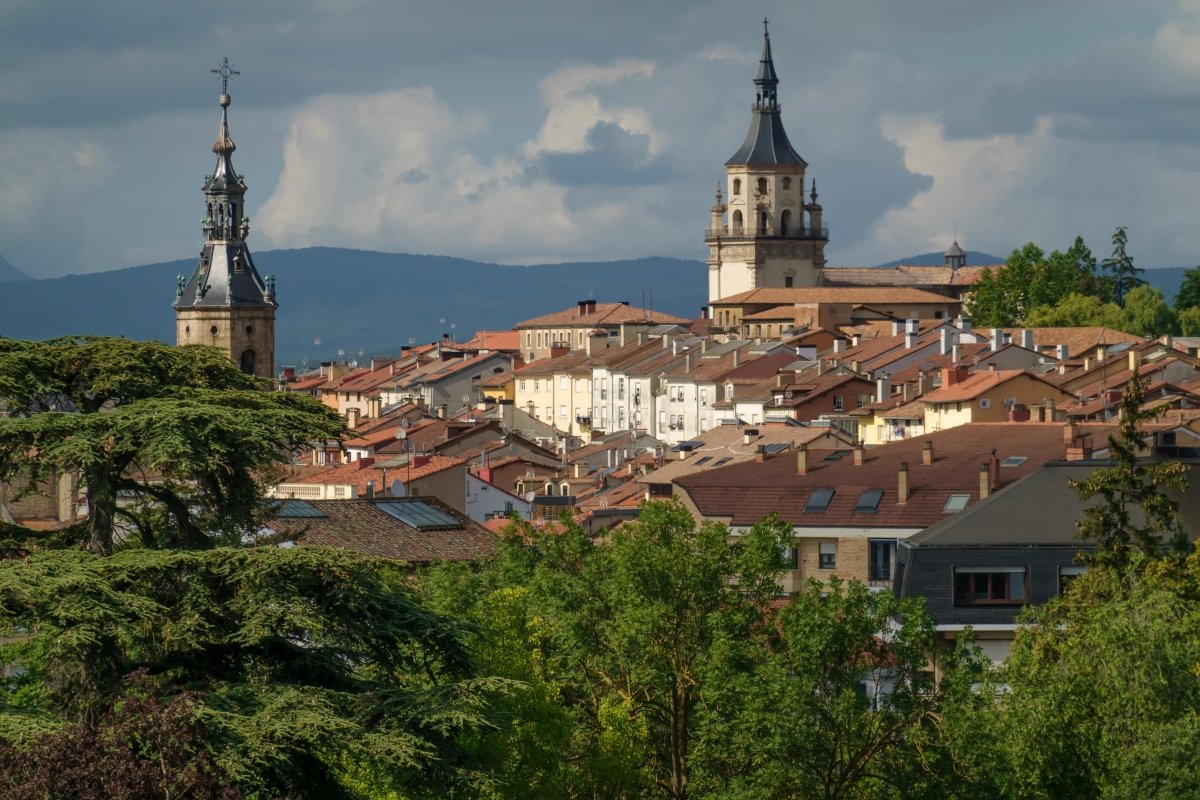
Vitoria-Gasteiz is the capital of Álava province in the Basque Country, and it’s been named Europe’s Green Capital multiple times. But it’s not just about the parks (though there are plenty). The city nails that sweet spot between historical charm and contemporary cool. You get medieval quarter vibes mixed with cutting-edge museums, pintxos bars that’ll change your life, and locals who are genuinely welcoming without being performative about it.
Plus, it’s affordable compared to other major Spanish cities, walkable as hell, and the transportation is smooth and efficient. That means more money for amazing food and experiences, less time wasted figuring out metro systems.
Getting There
By Air: Most visitors fly into Bilbao (about an hour away) since it has the best international connections. From there, you can rent a car, take a bus, or hop on a train. The journey’s scenic and straightforward—no drama.
By Train: Vitoria-Gasteiz has solid train connections to Madrid, Barcelona, and Bilbao. If you’re already in Spain, this is often the most relaxing option. You roll into the city center, and you’re ready to explore.
By Bus: Budget airlines and coach services connect Vitoria-Gasteiz to most major Spanish cities. It’s cheap but takes longer—worth it if time isn’t your constraint.
By Car: Renting a car gives you flexibility to explore the broader Basque Country, though the city itself is best experienced on foot.
Where to Stay: Neighborhoods That Actually Matter
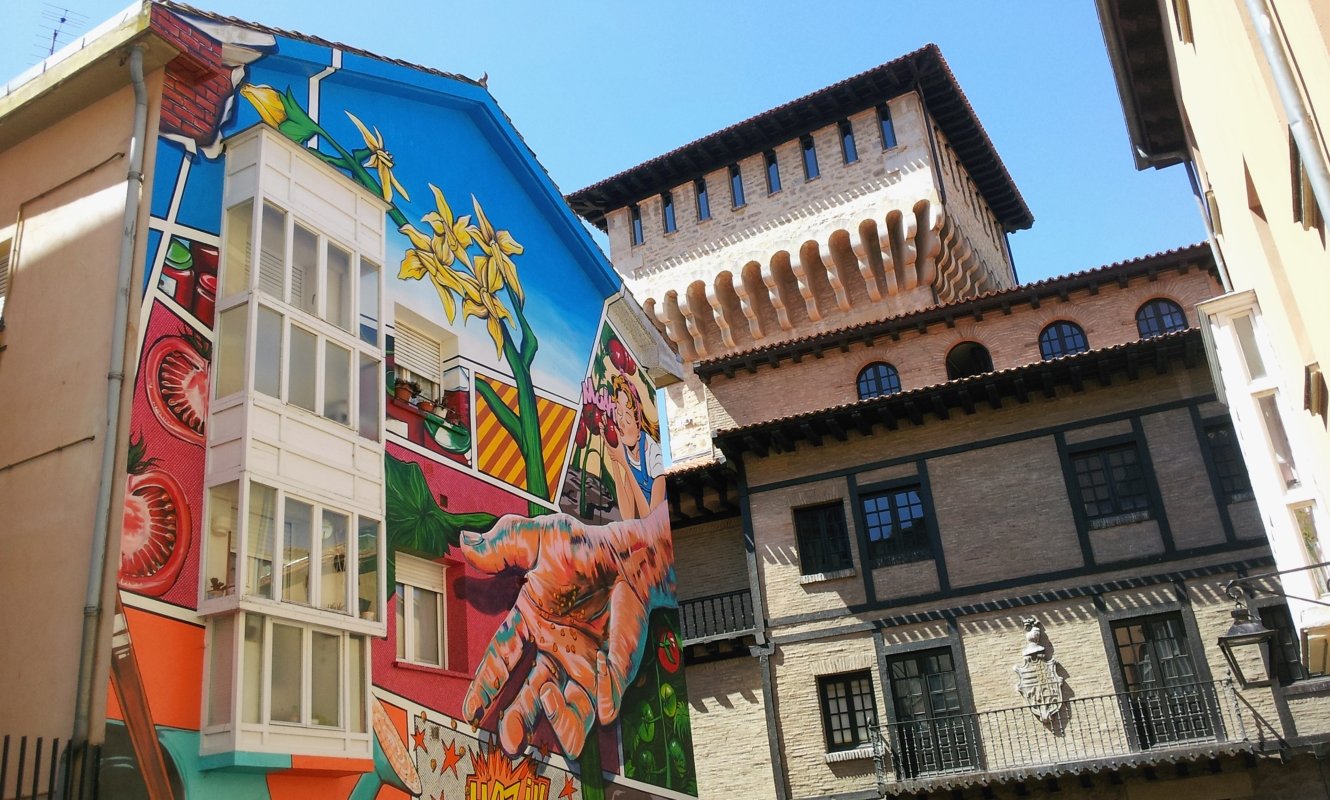
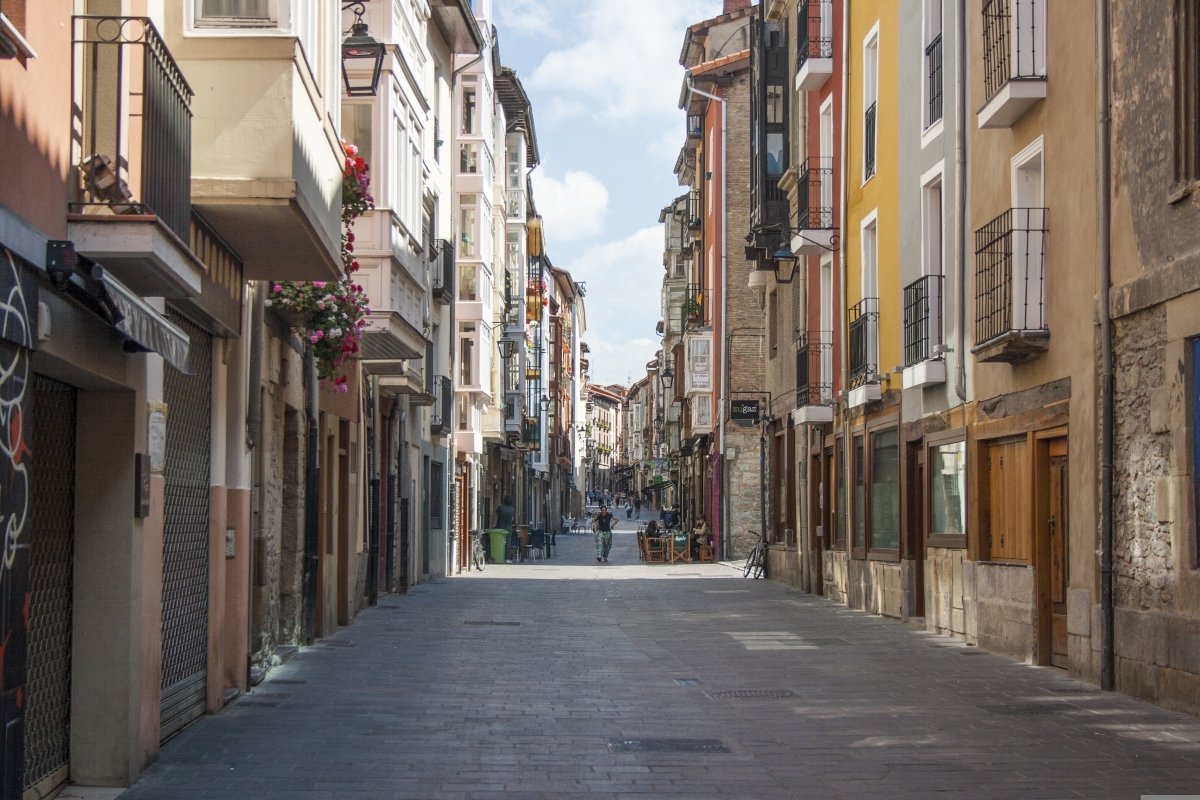
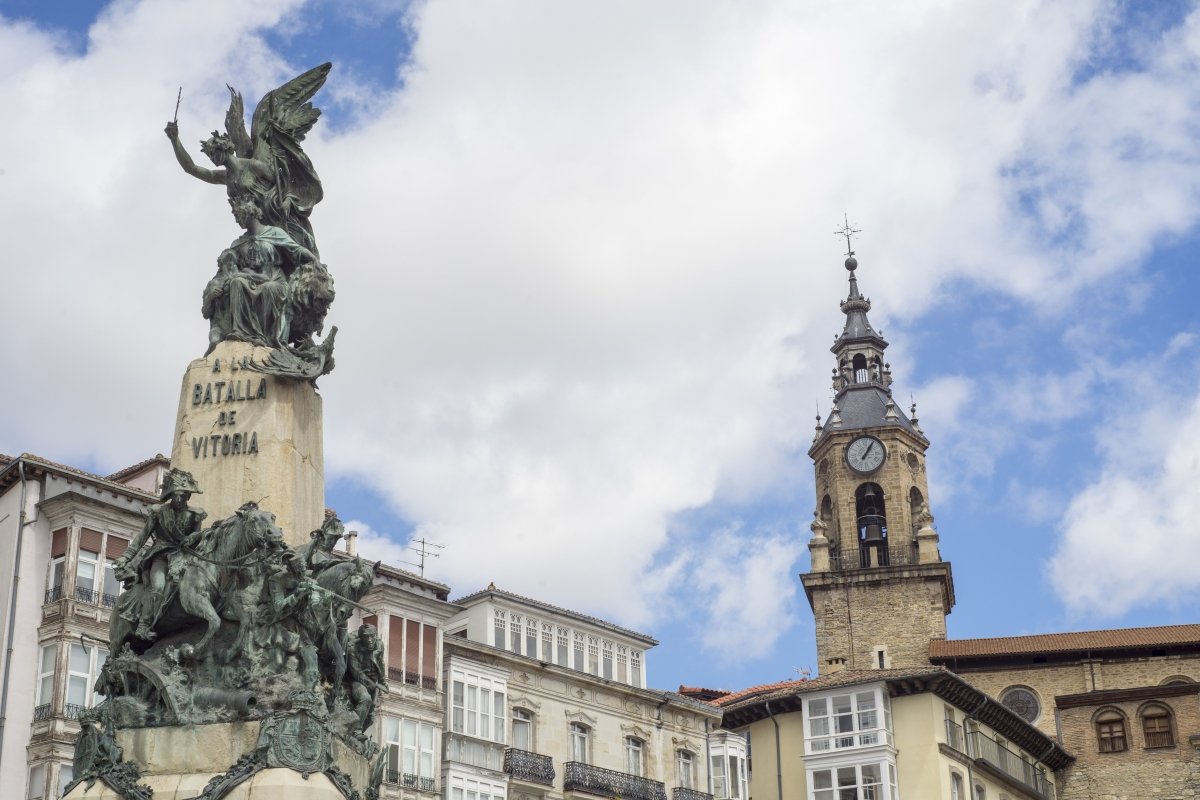
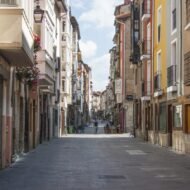
Medieval Quarter (Casco Antiguo): This is where history lives. Narrow cobblestone streets, Gothic architecture, and the stunning Plaza de la Virgen Blanca create that postcard-perfect vibe. Staying here means you’re steps from everything cultural, though it’s a bit touristy in summer. It’s pricey but worth it if you want atmosphere.
Parkland Zone (Around Salburua Park): Perfect if you prefer modern comfort with green space access. More locals, fewer tourists, but still walkable to the center. Great for families or anyone who wants a quieter base.
Ensanche District: The newer part of town has contemporary hotels, trendy restaurants, and a modern energy. It’s where young professionals hang out, so expect a younger crowd and more nightlife.
Around Spain Plaza: Central location with good vibes, solid restaurant options, and easy access to museums. It’s the Goldilocks zone—not too touristy, not too quiet.
The Must-See Attractions
Plaza de la Virgen Blanca
This is basically Vitoria-Gasteiz’s living room. The plaza is ringed by stunning architecture, with the iconic monument to the Battle of Vitoria in the center. Grab a coffee at one of the outdoor cafés and just people-watch for an hour. The energy here is infectious—locals genuinely hang out here, which means you get authentic vibes, not manufactured tourism.
The Medieval Quarter (Casco Antiguo)
Forget guidebooks—just wander. The narrow streets, hidden plazas, and centuries-old buildings create this magical maze. You’ll stumble onto tiny museums, local shops, and hole-in-the-wall bars. The Cathedral of Santa María is breathtaking, and while you’re up there, explore the surrounding streets. Allow at least half a day.
Artium Contemporary Art Museum
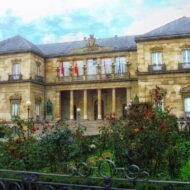
If you’re into modern art, Artium is genuinely exceptional. The collection focuses on contemporary Spanish and Basque art, and the building itself is architecturally stunning. Even if modern art isn’t usually your thing, this museum does a killer job of making it accessible and engaging. Honestly, it rivals museums in much bigger cities.
Barbastro Museum
This is what happens when you take an archaeological collection and actually present it brilliantly. The Barbastro Museum showcases prehistoric, Roman, and medieval artifacts from the region. The display design is thoughtful and engaging—you learn stuff without feeling like you’re in a lecture.
Salburua Park
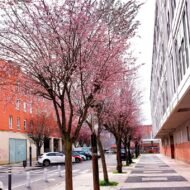
This 200-hectare green space is where Vitoria-Gasteiz flexes its “Green Capital” status. There are walking trails, bird-watching spots, a lake, and just beautiful nature. It’s perfect for families, fitness enthusiasts, or anyone who needs to decompress. The park has multiple entrances and designated areas for different activities, so you can spend a couple hours or an entire afternoon here.
Cathedral of Santa María
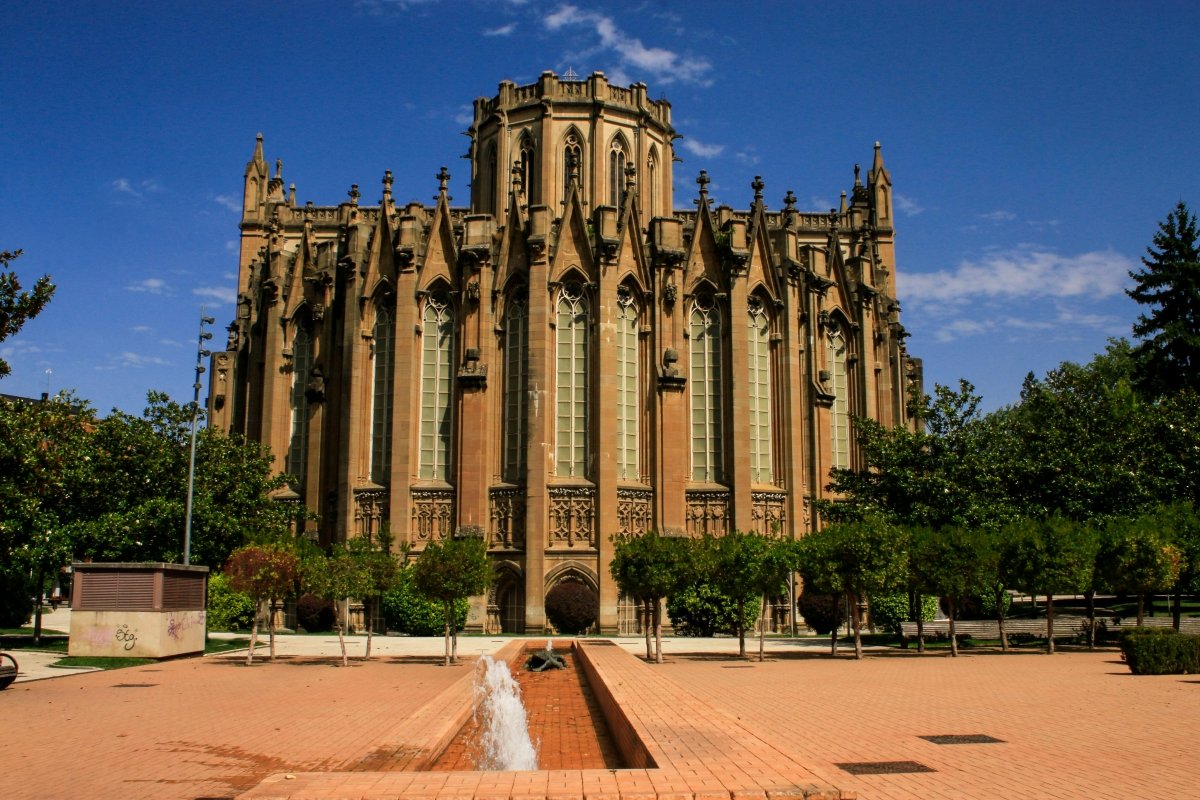
The facade of this Gothic cathedral is extraordinary—intricate stonework that took centuries to build. You can visit the interior, and they offer guided tours that really dig into the history and architecture. The views from certain angles across the medieval quarter are Instagram-gold, but more importantly, they’re genuinely beautiful.
Eating and Drinking: The Culinary Scene
Let’s cut to the chase—Vitoria-Gasteiz has a food scene that will ruin you for other Spanish cities. The Basque Country is famous for its gastronomy, and Vitoria-Gasteiz delivers without the Michelin-star price tags (though those restaurants exist if you want them).
Pintxos Culture
This is everything. Pintxos are small bites of bread topped with literally whatever—jamón ibérico, local cheeses, seafood, vegetables, creative combinations you’ve never imagined. The tradition is you hop from bar to bar, ordering a few pintxos and a drink at each place. It’s social, fun, and costs way less than you’d expect. Hit up the bars around Calle Chiquita and Plaza de la Virgen Blanca for the authentic experience.
Local Restaurants Worth Finding
While pintxos are perfect for casual eating, Vitoria-Gasteiz has excellent sit-down restaurants that showcase Basque cuisine. Look for menú del día (menu of the day) offerings at lunch—typically 12-15 euros for a three-course meal. You’ll eat what locals eat, which is always the move. Ask your hotel staff or locals for current favorites; restaurant scenes evolve, and word-of-mouth is more reliable than any guidebook.
Markets and Fresh Produce
The El Ensanche market and surrounding shops let you grab fresh produce, local cheese, jamón, and cider straight from producers. Perfect for picnicking in Salburua Park or assembling charcuterie at your accommodation.
Cider Houses
If you venture outside the city proper, traditional sidrerias (cider houses) are an experience. You eat a fixed menu (tortilla, grilled meat, cheese, dessert) and drink unlimited local cider. It’s casual, communal, and genuinely fun. Many locals make weekend trips to sidrerias in the countryside—it’s part of Basque culture.
Dietary Considerations
Vitoria-Gasteiz is increasingly accommodating for different diets. Vegetarian and vegan options exist at most restaurants, especially in the Ensanche district. Muslim travelers will find halal options in certain areas. Gluten-free dining requires more planning, but some restaurants are equipped. Always mention dietary needs when booking or ordering—Basque hospitality means they’ll do their best to accommodate.
Activities Beyond Sightseeing
Hiking and Nature
The countryside around Vitoria-Gasteiz is stunning. Sierra de Arcaya and other nearby natural areas offer hiking trails ranging from easy walks to challenging multi-hour treks. Most are accessible by short drives or bus rides from the city. Websites like Wikiloc have detailed trail info and user reviews.
Wine Region Day Trip
The Rioja wine region is about an hour south. Many operators run day tours that include vineyard visits, tastings, and lunch. If you’re a wine person, this is non-negotiable. Even non-wine enthusiasts find the region’s landscape and local culture fascinating.
Cycling
Vitoria-Gasteiz has an excellent cycling infrastructure. You can rent bikes and explore the city or venture into nearby villages. The topography is manageable, and drivers are generally respectful of cyclists.
Museum Hopping
Beyond Artium and Barbastro, there’s the Museum of Fine Arts, the Fournier Museum of Playing Cards (yes, it’s niche, but it’s surprisingly interesting), and the Museum of Vitoria’s History. If you’re a museum person, you can easily spend 2-3 days diving deep.
Local Markets and Shopping
Calle Dato and the surrounding streets have independent boutiques, vintage shops, and bookstores. Sunday mornings at local markets are when locals do their shopping—great for observing everyday Basque life.
Nightlife
Vitoria-Gasteiz has a lively bar scene, especially in the Ensanche district. Pintxos bars naturally lead to evening drinks, and there are proper clubs if you want to dance until late. The scene is welcoming and low-pressure—you’ll see everyone from students to retirees out and about.
Practical Essentials
Best Time to Visit
Spring (April-May) and fall (September-October) are perfect—mild weather, fewer tourists than summer, and lower prices. Summer is busier and hotter. Winter is cool and occasional rain, but atmospheric if you like quieter cities.
Language
Spanish is the main language, but Basque is also official. English is spoken in tourist areas and among younger people, but not universally. Learning a few Spanish phrases helps and locals appreciate the effort. Download a translation app as backup.
Getting Around
The city center is very walkable. Public transportation (buses) is efficient and cheap. The transit app makes navigation easy. Walking is genuinely the best way to experience the city.
Money Matters
Credit cards are widely accepted, but some small shops and bars prefer cash. ATMs are everywhere. The city is reasonably priced compared to Barcelona or Madrid, and budget accommodations are available without sacrificing quality.
Safety
Vitoria-Gasteiz is safe. Like any city, use common sense in quieter areas at night, but violent crime against tourists is rare. The city has a relaxed vibe that extends to safety.
Accessibility
The medieval quarter has cobblestones and steep streets, which can be challenging for mobility-restricted travelers. However, other areas of the city are accessible, and the municipal tourism office can provide detailed accessibility information. Many museums and public buildings have elevators and accessible facilities.
Why Vitoria-Gasteiz Hits Different
Here’s the thing about Vitoria-Gasteiz: it doesn’t feel like a city that’s trying to be a tourist destination. It’s just a genuinely cool place where people live, work, eat well, enjoy art and culture, and take pride in their surroundings. You get that authentic European experience without the crowds or the commercialization.
Whether you’re a culture vulture, a food fanatic, a nature lover, or someone who just wants to wander around and absorb the atmosphere, Vitoria-Gasteiz delivers. It’s the kind of city that makes you want to stay longer than you planned, and that leaves you telling everyone back home that they have to visit.
Final Thoughts
Vitoria-Gasteiz won’t make your Instagram feed explode like Barcelona might. But it will give you something better: authentic memories, incredible food, meaningful interactions with locals, and the kind of travel experience that makes you fall in love with a place. It’s a city that respects its history while embracing the future, and that balance is rare.
So yes, skip the crowds in Seville or Barcelona. Come here instead. Your travel experience (and your wallet) will thank you.