


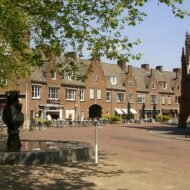
A Complete Travel Guide to Wageningen, Netherlands
The Independent Traveller’s Dispatch · Central Netherlands Edition · 2026
- A Complete Travel Guide to Wageningen, Netherlands
- TL;DR — The 60-Second Version
- So, You’ve Never Heard of Wageningen. Let’s Fix That.
- A City Shaped by Centuries — and One Momentous Day
- The Must-Sees (and the Delightful Surprises)
- Honestly? The Outdoors Alone Is Worth the Trip
- Eating & Drinking Like a Wageninger
- Getting There
- Best Time to Go
- Use Wageningen as Your Base: Day Trip Gold
- Know Before You Go
- Recap
- Disclaimer
TL;DR — The 60-Second Version
Wageningen is a compact, walkable Dutch university city on the banks of the Lower Rhine with a genuinely world-altering claim to fame: this is where Germany signed its surrender on May 5, 1945 — ending World War II in the Netherlands. Beyond that history, you’ll find stunning arboreta, sculpture gardens, riverside cycling, excellent food, a buzzy international student vibe, and some of the best day-trip access in the country. It’s 90 minutes from Amsterdam, almost entirely unknown to mass tourism, and absolutely worth two to three days of your time.
So, You’ve Never Heard of Wageningen. Let’s Fix That.
Let’s be honest — when most people plan a trip to the Netherlands, their minds go straight to Amsterdam’s canals, Keukenhof’s tulips, or Delft’s cobalt pottery. And fair enough. But if you’re the kind of traveller who gets a small thrill from discovering places that haven’t been Instagrammed to death yet, pull up a chair. Wageningen is about to become your new favourite obsession.
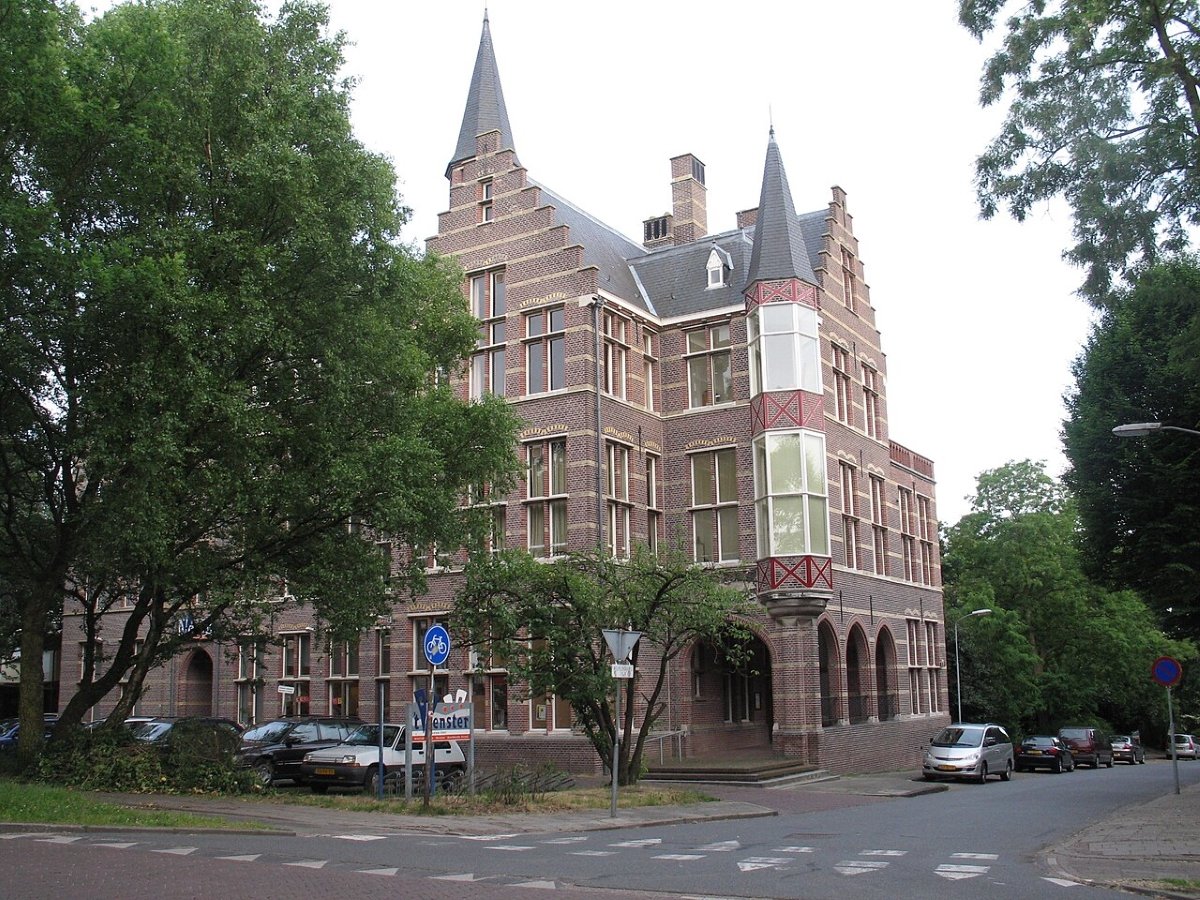
Located into the Gelderland province in the heart of the Netherlands, Wageningen (locals say “VAH-khen-ing-en,” roughly) sits on the northern bank of the Lower Rhine, right where the river curves lazily through a landscape of forests, floodplain wetlands, and gentle hills. It’s home to around 40,000 permanent residents — and a massive, wonderfully international student population courtesy of Wageningen University & Research (WUR), consistently ranked among the world’s top institutions for life sciences and agriculture.
That combination — historic weight, intellectual energy, natural beauty, and tourist-light streets — makes Wageningen one of the most genuinely enjoyable places to spend a few days in the entire Netherlands. No queues. No ticket markup. Just good stuff.
“On May 5, 1945, a small Dutch city quietly ended a world war. Eighty years later, it’s still celebrating — and you’re invited.”
A City Shaped by Centuries — and One Momentous Day
Wageningen’s roots stretch back to the Stone Age — excavations near the Rhine have confirmed settlements that old. The name itself appears in written records as far back as 838 AD, making this one of the Netherlands’ genuinely ancient communities. The town grew into a trading hub along the Rhine, suffered floods, occupations, and sieges over the centuries, and eventually pivoted to tobacco cultivation in the 17th century when the river shifted course and undercut its merchant trade.
The Dutch government chose Wageningen in 1876 as the site for the country’s first agricultural college — a decision that would define the city’s character for the next 150 years. A local legend insists the town was offered a choice between a university and a train station. It picked the university. It still doesn’t have a train station. No regrets, apparently.
May 5, 1945: The Day That Defined Everything
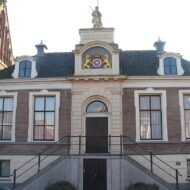
The moment that put Wageningen on the global map happened in a hotel drawing room. On May 5, 1945, at the Hotel de Wereld (“Hotel of the World”) on Wageningen’s main street, German General Johannes Blaskowitz signed the instrument of capitulation — formally surrendering all German forces in the Netherlands to Canadian General Charles Foulkes. The war was over.
Every year on May 5 — Liberation Day — Wageningen hosts the Netherlands’ most significant national commemoration. Over 100,000 people flood in for a military parade, concerts, exhibitions, and ceremonies. The 2025 event, marking the 80th anniversary, was particularly emotional. If you can time your visit around Liberation Day, don’t miss it.
The Must-Sees (and the Delightful Surprises)
🏨 Hotel de Wereld The epicentre of Dutch liberation. The original surrender room is preserved inside — you can see the actual furniture, the pen, and the signed terms. A quietly powerful experience.
🏛 Museum De Casteelse Poort Built over ruins of a medieval castle, this city museum traces Wageningen from its origins through WWII, with a dedicated “Zaal 40–45” room of original wartime artefacts.
🌳 Belmonte Arboretum A hillside botanical garden with sweeping Rhine views, hundreds of tree species, and the kind of quiet that feels genuinely restorative. Free entry. Phenomenal.
🗿 Beeldengalerij Het Depot A sculpture gallery set within a beautiful woodland arboretum, specialising in the human torso. Contemporary, thought-provoking, and completely unexpected.
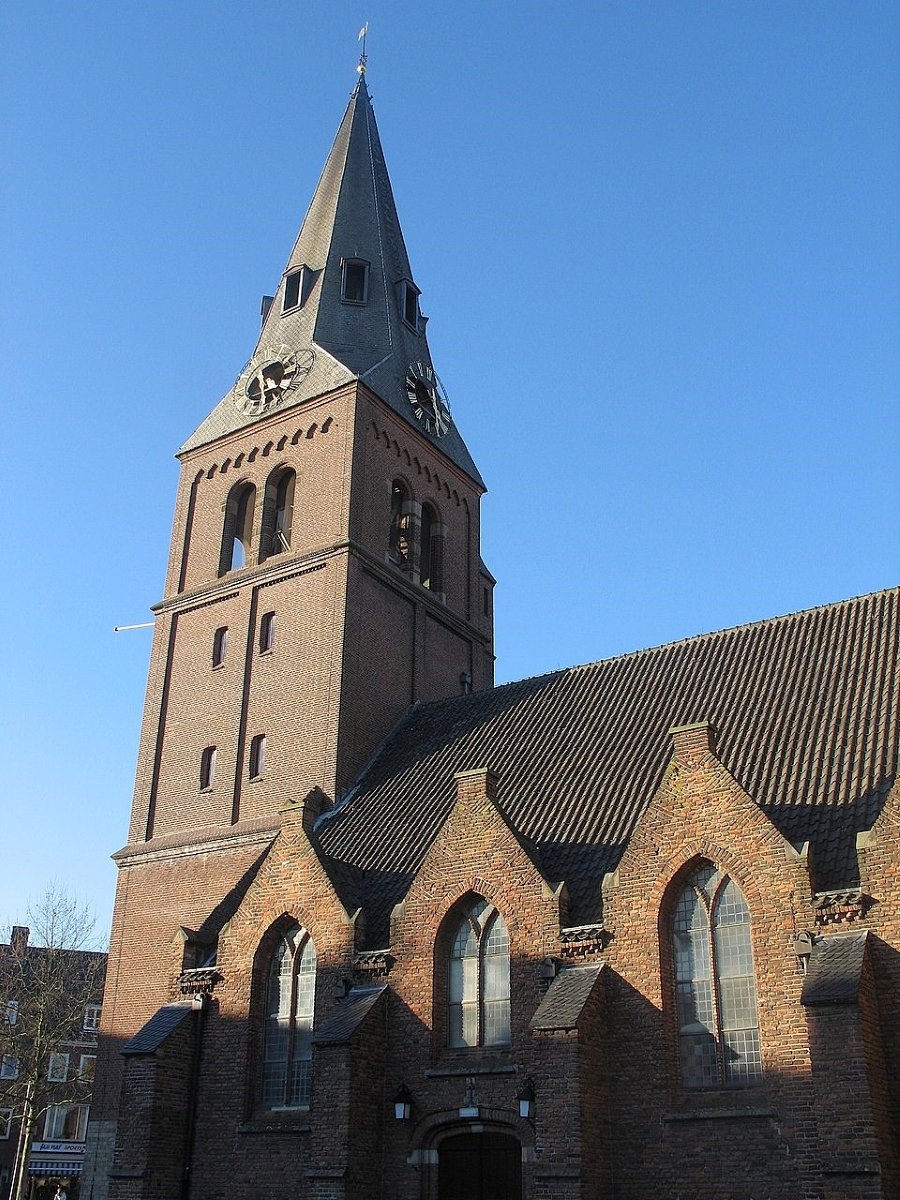
⛪ Grote Kerk The grand Gothic church at the heart of the city survived WWII bombing largely intact and remains an architectural centrepiece of the historic centre.
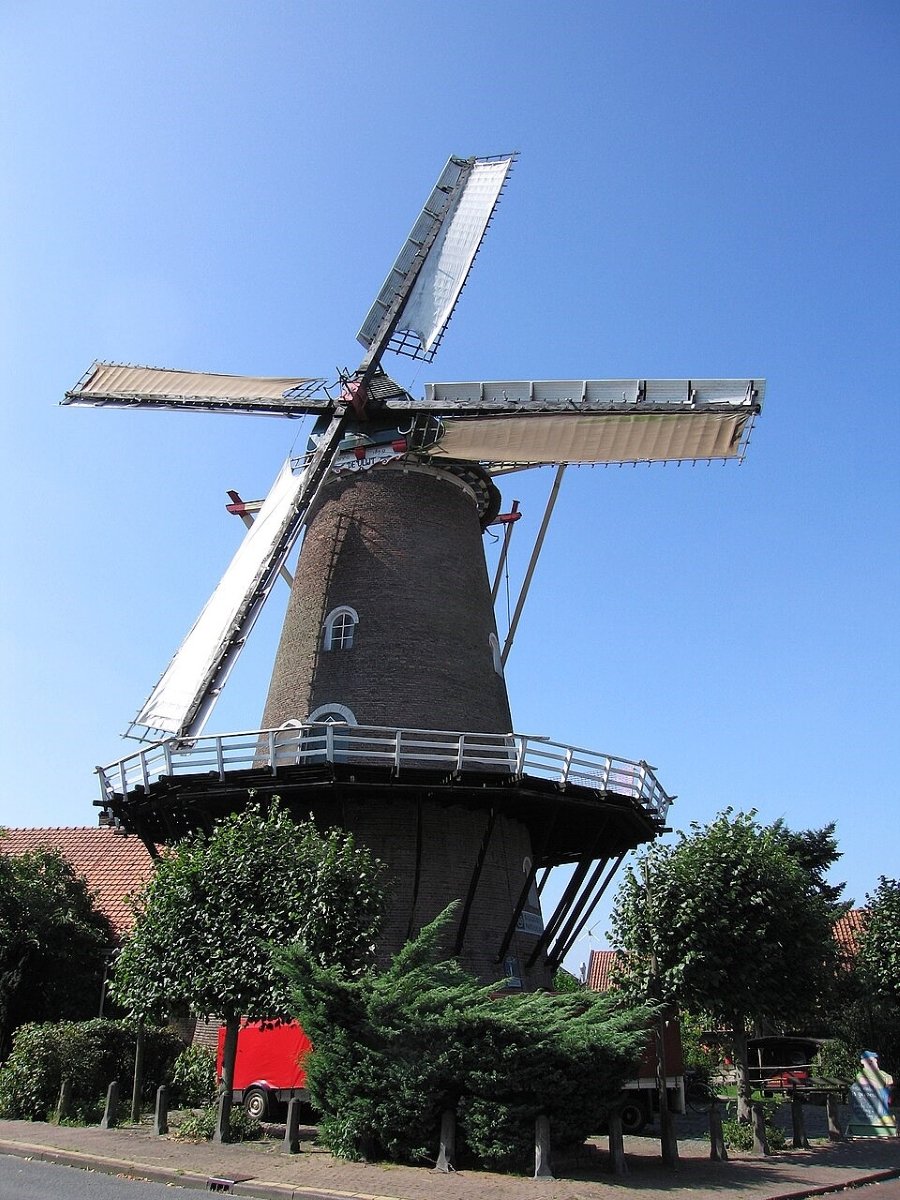
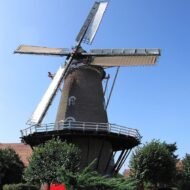
⚙️ Historic Windmill A 19th-century wind-powered flour mill open to the public every Saturday — free entry. The shop downstairs sells organic baking supplies. Very Dutch. Very charming.
⛰ Grebbeberg A hill with deep WWII significance — site of fierce Dutch resistance in 1940. Walking paths wind through the landscape, and the views across the Rhine valley are exceptional.
🌊 De Blauwe Kamer A nature reserve and floodplain park between the Rhine branches. Spot herons, spoonbills, and dragonflies. A favourite with cyclists and birdwatchers alike.
Honestly? The Outdoors Alone Is Worth the Trip
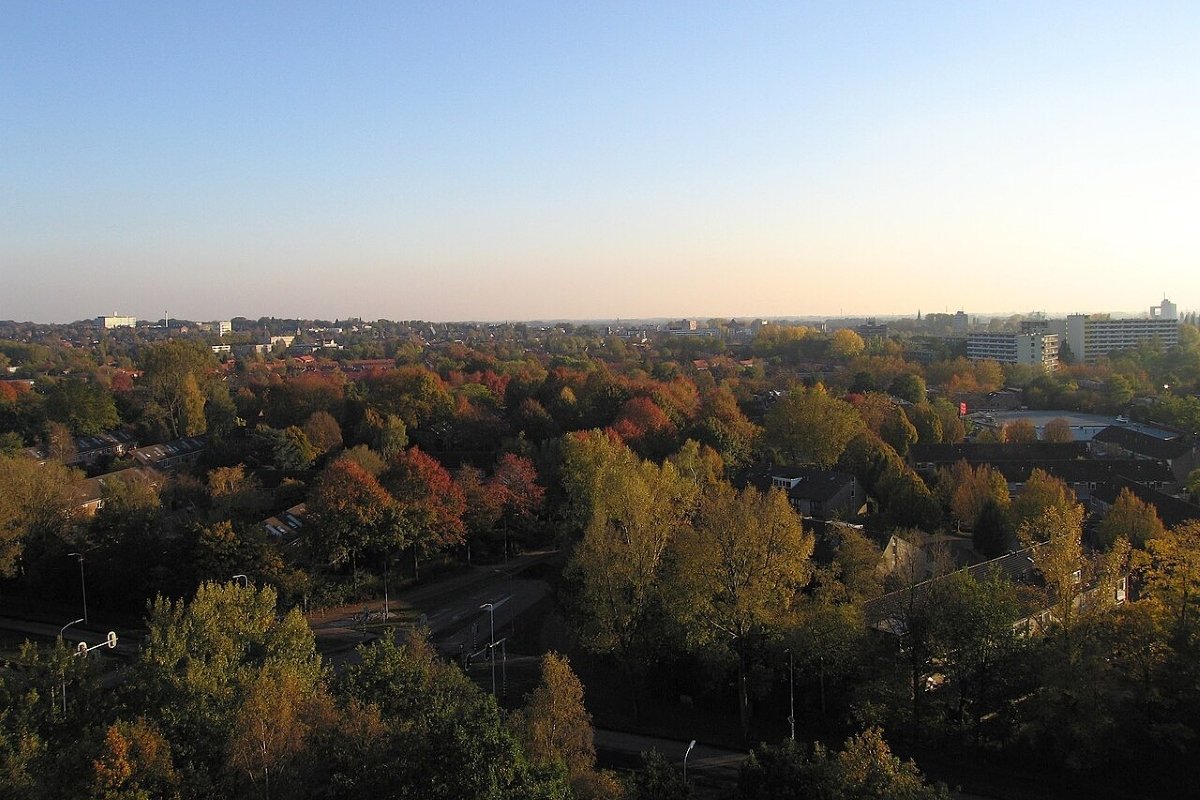
Wageningen’s position — wedged between the Rhine river valley and the forested hills of the Veluwe — gives it an outdoor offering that embarrasses many larger Dutch cities. You’ve got riverside cycling paths, ancient forest trails, botanical gardens, and floodplain wetlands all within a 20-minute bike ride of the city centre. Cycling is absolutely the way to do it.
The Wageningse Berg (Wageningen Hill) rises just east of the city and delivers some of the best forest walking in Gelderland. Trails suit everyone from casual strollers to dedicated runners. The Oostereng Arboretum (adjacent to Belmonte) is a secondary gem that most visitors overlook entirely.
For river lovers, a stroll or cycle along the Lower Rhine is practically mandatory. The water, the flat polders stretching out on the far bank, the occasional barge drifting past — it’s exactly what a Dutch river view is supposed to look and feel like.
Eating & Drinking Like a Wageninger
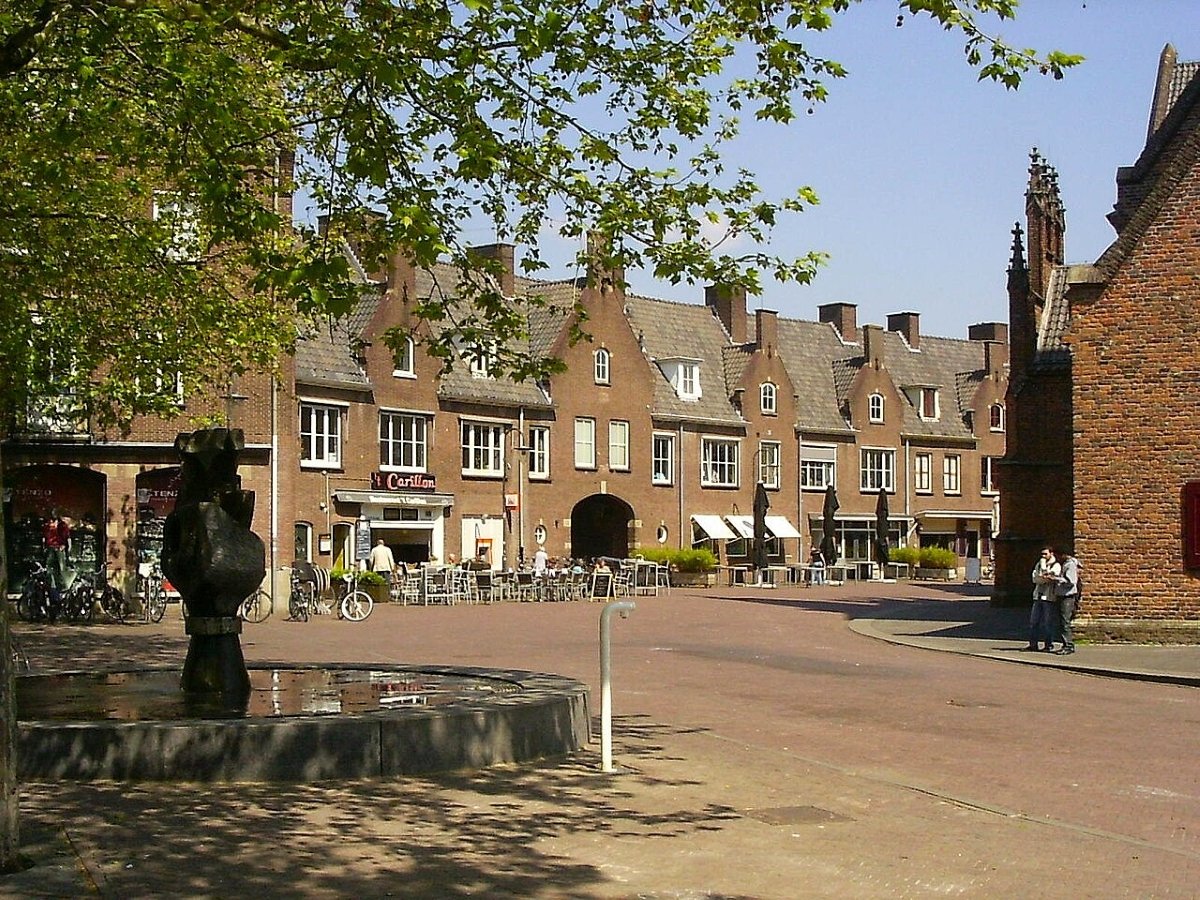
University towns punch above their weight on food and drink, and Wageningen is no exception. The Hoogstraat and the market square area form the social and culinary heart of the city, with a mix of Dutch cafes, international restaurants, and cosy terraces filling up fast when the sun shows up.
Don’t leave without visiting Wageningen’s local brewery, which produces small-batch craft beers, cider, and some bold stronger liquors. It doubles as a brewpub, meaning you can taste on draught in a relaxed, neighbourhood setting. There’s even a local winery near the Wageningse Berg — one of very few in the Netherlands — producing biologically farmed wine.
The Saturday market on the main square is a highlight: organic produce, Dutch street snacks, fresh-baked goods, and the odd secondhand bicycle bargain. It’s exactly the kind of local scene that doesn’t make it into guidebooks — which is, of course, why you should go.
Getting There
Wageningen doesn’t have its own train station. The nearest is Ede-Wageningen, about 8 km away. From there, Bus No. 88 runs directly into downtown Wageningen.
The train journey from Amsterdam or Schiphol Airport takes roughly an hour to Ede-Wageningen, with services every 30 minutes. If you’re driving, the A12 (to the north), A15 (to the south, via Rhine ferry), and A50 (to the east) all connect to Wageningen.
Eindhoven Airport is approximately 80 km away and serves a wide range of European destinations — a useful option for budget travellers flying in from outside the Netherlands.
Best Time to Go
| Season | Months | Highlights |
|---|---|---|
| 🌸 Spring | Mar–May | Liberation Day on May 5 is the headline event. Arboreta in full bloom. |
| ☀️ Summer | Jun–Aug | Peak warmth (~23°C), outdoor dining, riverside cycling at its finest. |
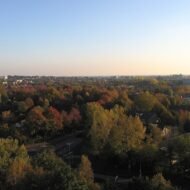
| 🍂 Autumn | Sep–Nov | Forest colours are stunning; fewer crowds, cosy café atmosphere. |
| ❄️ Winter | Dec–Feb | Cold (~4°C), quiet, atmospheric. Occasional frozen floodplains are magical. |
Use Wageningen as Your Base: Day Trip Gold
Arnhem (just to the east) is a must — the famous “Bridge Too Far” from Operation Market Garden, the immersive Netherlands Open Air Museum, and Burgers’ Zoo are all here.
Nijmegen, to the south, claims the title of oldest city in the Netherlands with Roman-era roots, a lively student atmosphere, and beautiful views from the Waalkade quay.
Utrecht, an easy drive or train away, offers Kasteel de Haar (the Netherlands’ grandest castle) and the extraordinary National Railway Museum.
The Hoge Veluwe National Park — with its Van Gogh museum, free white bicycles, and vast wilderness — is practically on Wageningen’s doorstep and easily a full day’s adventure.
Know Before You Go
| Country / Region | Netherlands (Gelderland Province) |
| Language | Dutch; English widely spoken, especially in university areas |
| Currency | Euro (€). Cards accepted almost everywhere. |
| Nearest Airport | Schiphol (AMS) ~90 min; Eindhoven (EIN) ~80 km |
| Nearest Train Station | Ede-Wageningen (8 km); Bus 88 to city centre |
| Best Time to Visit | May (Liberation Day), June–August (warm & sunny) |
| Recommended Stay | 2–3 days (more if day-tripping) |
| Getting Around | Bicycle (ideal) · Walking · Local bus · Car rental |
| Must-See | Hotel de Wereld · Belmonte Arboretum · Museum De Casteelse Poort |
| Must-Eat / Drink | Saturday market · Local brewpub · Riverside café |
| Accessibility | City centre is flat and highly walkable; most major sites accessible |
| LGBTQ+ Welcome | Yes — the Netherlands ranks among Europe’s most inclusive destinations |
| Family Friendly | Yes — arboreta, windmill, nature parks, cycling routes suit all ages |
| Solo Travel | Excellent — safe, walkable, welcoming student atmosphere |
| Budget Range | €60–€150/night accommodation; many free attractions |
| Tipping | Not obligatory; rounding up or 5–10% appreciated |
Recap
→ Wageningen is where Germany surrendered in the Netherlands on May 5, 1945 — a moment of national significance celebrated every Liberation Day
→ Home to Wageningen University & Research, one of the world’s leading life sciences institutions, giving the city a cosmopolitan, international energy
→ Outstanding natural surroundings: arboreta, forested hills, Rhine riverfront, and floodplain nature reserves all within cycling distance
→ Key attractions include Hotel de Wereld, Museum De Casteelse Poort, Belmonte Arboretum, Beeldengalerij Het Depot, and the Grebbeberg
→ No train station — the nearest is Ede-Wageningen, 8 km away, with bus connections. Factor this in when planning
→ Brilliant base for day trips to Arnhem, Nijmegen, Utrecht, and Hoge Veluwe National Park
→ Two to three days is the sweet spot; May (Liberation Day) is the single best time to visit
→ Almost entirely off the mass-tourism radar — which means no queues, genuine local atmosphere, and that rare feeling of discovering somewhere real
Disclaimer
This travel guide is intended for general informational purposes only. All travel information — including transport routes, opening hours, admission prices, event dates, and accommodation details — is subject to change without notice. Readers are encouraged to verify all details directly with local tourism boards, venues, and service providers before travelling. The author and publisher accept no liability for any inconvenience, loss, or injury arising from reliance on the information contained herein. Travel safely, respect local communities and environments, and always check current entry requirements and travel advisories for the Netherlands before you book.
Wageningen Travel Guide · Gelderland, Netherlands · Updated March 2026 · Independent Editorial