







Europe’s waterfalls aren’t just natural wonders—they’re sensory experiences that leave you breathless. From the thunderous roars of Norway’s giants to the delicate veils across Mediterranean cliffs, these liquid masterpieces have captivated travelers for centuries. Whether you’re a dedicated nature photographer, adventure junkie, or simply someone seeking a moment of peace amidst nature’s raw power, Europe’s waterfall scene has something magical waiting for you. Pack your waterproof gear and prepare for some serious wanderlust as we dive into the continent’s most spectacular splashes—where each droplet tells a story of geological wonder and timeless beauty.
A Cascade Through History
Europe’s relationship with its waterfalls stretches back thousands of years, woven deeply into the continent’s cultural fabric. Ancient Celtic and Norse peoples viewed these powerful water features as sacred places where gods and spirits dwelled. The Old Norse even used the word “foss” for waterfall—a term still found in Scandinavian place names today.
During the Romantic era of the 18th and 19th centuries, waterfalls became artistic obsessions. Painters like J.M.W. Turner traveled dangerous paths just to capture the raw emotion of cascading water. Writers including Goethe and Wordsworth penned passionate verses about nature’s watery wonders. This period sparked Europe’s first waterfall tourism, with wealthy travelers making arduous journeys to witness the Rhine Falls or Gavarnie as part of their “Grand Tour” education.
Meanwhile, local communities harnessed waterfall power for practical purposes. Early mills and factories sprouted alongside falls across Europe, from the textile workshops of northern Italy to the timber mills of Sweden. These industrial hubs often grew into towns and cities, with waterfalls at their economic heart. Today, many historic hydroelectric plants at major falls have become heritage sites themselves—showcasing how these natural wonders helped power Europe’s industrial revolution while now serving as breathtaking attractions for visitors seeking both natural beauty and human ingenuity.
Where Can They Be Found?
Europe’s waterfalls paint the continent like falling stars on a map—clustered in certain regions but with stunning surprises hidden in unexpected corners. The Nordic countries claim the lion’s share of Europe’s most powerful falls, with Norway alone boasting over 300 significant waterfalls plunging from its dramatic fjord landscapes. Iceland’s volcanic terrain creates the perfect setting for otherworldly cascades surrounded by black basalt columns and emerald moss.
The Alpine regions cutting through Switzerland, Austria, France, and northern Italy hide countless falls among their peaks, with snowmelt feeding spectacular spring displays. Lesser-known but equally captivating waterfall hotspots include Croatia’s Plitvice Lakes, where tiered falls create a natural staircase through turquoise pools, and Ireland’s verdant countryside, where modest but charming cascades punctuate the famous green landscape.
Even in seemingly unlikely places like Spain’s dry interior or Greece’s sun-drenched isles, seasonal waterfalls emerge after winter rains, offering ephemeral displays that locals celebrate as special events. From the highest peak to the most unassuming forest, Europe’s geographical diversity ensures waterfall hunters always have another hidden gem to discover.
Fun Facts
- Europe claims the highest waterfall in the world—kind of! While Venezuela’s Angel Falls gets the official title on land, Denmark’s underwater “Falling Creek” waterfall plunges 3,280 feet beneath the Denmark Strait between Greenland and Iceland.
- Rhine Falls in Switzerland makes such thunderous noise that local legends claim it’s the angry roars of Nibelung dwarves protecting their gold treasure hidden behind the cascades.
- The waters of Krka Falls in Croatia are so mineral-rich that they continuously create new travertine barriers, meaning the waterfall actually grows and changes its form over decades.
- Iceland’s Dettifoss appears in the opening scene of Ridley Scott’s sci-fi film “Prometheus,” standing in for an alien world.
- The “Witch’s Tears” microfall in Slovenia’s Triglav National Park freezes in winter to create ice formations that locals swear change facial expressions throughout the day.
- Britain’s highest waterfall, Eas a’ Chual Aluinn in Scotland, is three times the height of Niagara Falls but receives only a fraction of the visitors due to its remote location.
Reasons to Go
Why make waterfalls a centerpiece of your European adventure? Beyond their obvious beauty, these natural wonders offer experiences that engage all your senses. The negative ions released by falling water create that refreshing feeling you can’t quite explain but definitely can feel—scientists even suggest these particles boost mood and energy levels naturally.
For photographers, waterfalls present the perfect subject to master technical skills like long exposure shots, while hikers find the journey to remote cascades as rewarding as the destination itself. History buffs can explore old mill ruins and hydroelectric plants that showcase human innovation across centuries.
Perhaps most compelling is how waterfalls create perfect microenvironments—unique ecosystems where specialized plants thrive in constant mist and wildlife gathers at these reliable water sources. Visit in different seasons to see completely transformed landscapes: spring brings raging torrents, summer offers refreshing swimming holes, autumn paints surrounding forests in vibrant colors, and winter transforms cascades into magnificent ice sculptures.
Most Popular Waterfalls
- Gullfoss (Iceland) – The “Golden Falls” plunge dramatically in two stages into an ancient canyon, creating rainbows on sunny days against black volcanic rock.
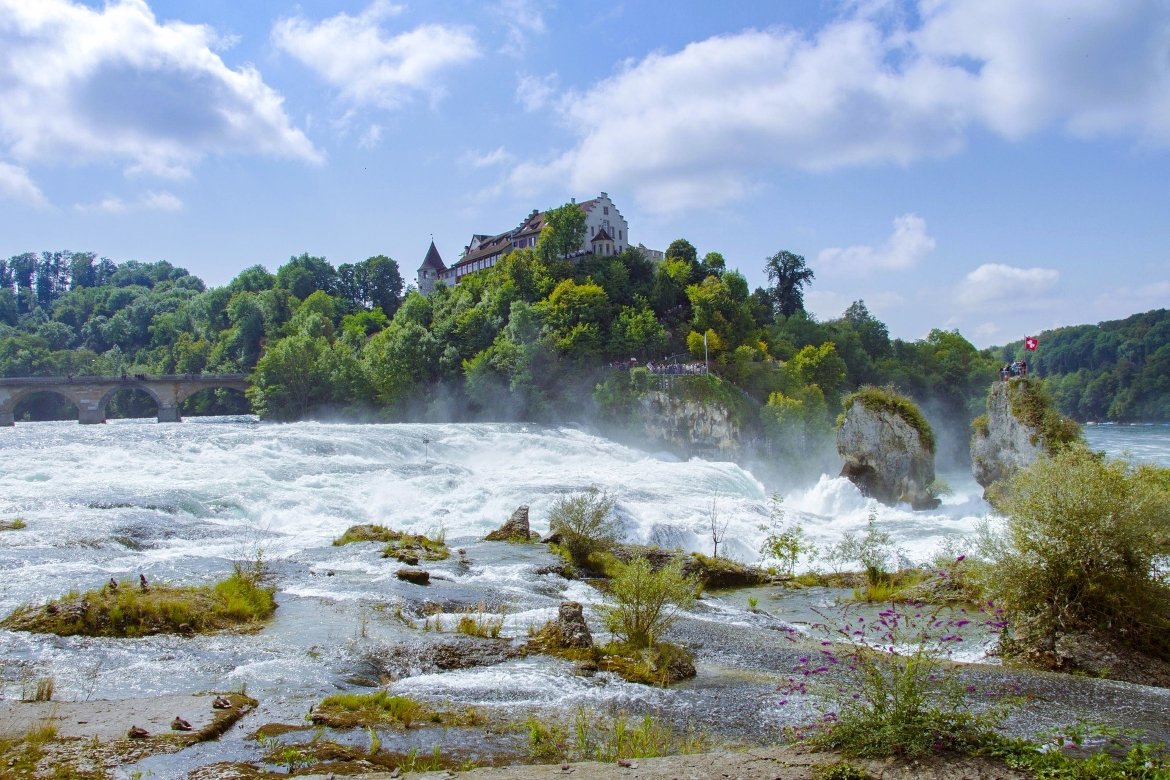
- Rhine Falls (Switzerland) – Europe’s largest waterfall by volume creates a spectacular 150-meter-wide curtain of water that has inspired artists for centuries.
- Plitvice Falls (Croatia) – Not one but a series of cascades connecting 16 terraced lakes in crystal-clear blue-green hues surrounded by lush forests.
- Krimml Falls (Austria) – The highest waterfall in Austria drops in three dramatic stages through Alpine scenery for a total of 380 meters.
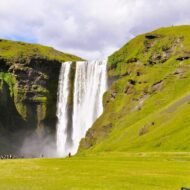
- Skógafoss (Iceland) – This perfectly rectangular curtain of water is the stuff of legends, with tales of treasure hidden behind its powerful flow.
- Marmore Falls (Italy) – Remarkably, this 165-meter three-tiered cascade is actually man-made, created by ancient Romans over 2,000 years ago.
Other Notable Mentions
While the headline-grabbers get all the attention, these lesser-known gems offer equally magical experiences with smaller crowds:
Savica Waterfall (Slovenia) – An A-shaped emerald cascade fed by underground Alpine water that inspired some of Slovenia’s most famous poetry.
Triberg Falls (Germany) – Germany’s highest waterfall is especially enchanting in winter when the Black Forest setting transforms into a snow-covered fairy tale.
Giessbach Falls (Switzerland) – Fourteen cascades drop through woodland to Lake Brienz, with a 19th-century grand hotel and funicular adding historic charm.
Goðafoss (Iceland) – The “Waterfall of the Gods” may not be Iceland’s biggest, but its horseshoe shape and historical significance make it unforgettable.
Cascata del Toce (Italy) – Only flowing certain hours and months (typically summer afternoons), this controlled release creates one of Europe’s highest temporary falls.
Events Not to Miss
Time your waterfall adventure right to catch these special happenings:
- Rhine Falls Illumination Festival (July/August) – Switzerland’s largest waterfall becomes a canvas for spectacular light shows set to music on summer evenings.
- Marmore Falls Release Times (Italy) – Since this Roman-engineered waterfall is still used for hydroelectric power, check scheduled release times when the full force of water is unleashed—a dramatic change from its gentler default state.
- Krka National Park Night Tours (Croatia) – Special summer evening access lets you experience the falls under moonlight with reduced crowds.
- Norwegian Waterfall Solstice Celebrations (June) – Local communities gather around major waterfalls during midsummer to continue ancient traditions with music and bonfires.
- Ice Climbing Festivals at frozen waterfalls across Austria, Norway, and Italy during January and February.
Cycling Routes
Pedal your way to waterfall glory on these cyclist-friendly routes:
The Via Claudia Augusta ancient Roman road now serves as a stunning cycling path that links several Alpine waterfalls between Italy, Austria, and Germany. For a gentler ride, the Danube Cycle Path includes detours to hidden falls in the river valley, particularly beautiful in the Wachau region. Mountain bikers shouldn’t miss Norway’s challenging Låtefoss Loop that circles the twin cascades with breathtaking (and breath-stealing) climbs. E-bikes have made previously daunting waterfall routes like Switzerland’s Rhine Falls Circuit accessible to more riders, with rental stations conveniently located at major tourist points.
Hiking Trails
Lace up your boots for these unforgettable waterfall treks:
Norway’s Four Waterfall Trail near Husedalen delivers exactly what it promises—a day hike passing four increasingly spectacular cascades. For multi-day adventures, the Seven Lakes Valley in Poland’s Tatra Mountains strings together numerous falls between alpine lakes. History and nature combine on the Robert Bruce Way in Scotland, which passes both medieval ruins and secluded highland falls.
For families, the Krka Boardwalk Trail in Croatia offers accessibility without sacrificing views, while experienced hikers seeking solitude should attempt the challenging Glymur Waterfall Track in Iceland, where rope assists lead to dramatic viewpoints overlooking Iceland’s second-highest fall.
Travel Tips and Practical Information
- When to go: Spring snowmelt (April-June) creates the most dramatic flows, while summer offers swimming opportunities at some falls. Autumn brings colorful foliage, and winter transforms cascades into ice sculptures.
- Photography tips: Bring a tripod for those silky water long exposures, polarizing filters to cut glare, and protective gear for your equipment (waterproof bags are essential).
- Stay dry(ish): Pack quick-dry clothing and a waterproof outer layer—even distant viewing points often experience substantial mist.
- Safety first: Stick to marked paths and viewpoints. Accidents happen when visitors climb barriers for photos or underestimate slippery surfaces.
- Conservation matters: Practice “leave no trace” principles and consider contributing to local waterfall preservation efforts that maintain trails and protect surrounding ecosystems.
- Beat the crowds: Visit major falls early morning or late afternoon midweek. Consider traveling in shoulder seasons (May or September) for better experiences at popular sites.
Final Thoughts
Europe’s waterfalls offer more than just photo opportunities—they’re windows into the continent’s geological past and cultural heritage. From the tumbling giants of Norway to the delicate veils of Mediterranean limestone, each cascade tells its own story of the landscape’s formation and humanity’s relationship with water’s raw power. Whether you seek adventure, tranquility, or natural wonder, following Europe’s waterfall trails rewards you with experiences that engage all senses and create memories more permanent than the ever-changing waters themselves. So grab your camera, pack your hiking boots, and prepare to be mesmerized by nature’s most dynamic displays—just don’t forget to occasionally put the phone down and simply watch, listen, and feel the magic of falling water that has captivated humans since time immemorial.