



TL;DR: Wicklow Mountains National Park is Ireland’s largest national park, offering stunning lakes, ancient monasteries, hiking trails for all levels, and easy day trips from Dublin. Best visited April-October with waterproof gear. Must-sees include Glendalough, Powerscourt Waterfall, and the Wicklow Way trail.
- Why Wicklow Mountains Should Be Your Next Adventure
- Getting There: Your Gateway to Paradise
- When to Visit: Timing Your Perfect Trip
- Must-See Attractions That’ll Steal Your Heart
- Glendalough: Where History Meets Natural Beauty
- Powerscourt Waterfall: Ireland’s Tallest Drop
- The Wicklow Way: Ireland’s Oldest Waymarked Trail
- Hidden Gems Worth the Detour
- Adventures for Every Energy Level
- Easy Walks (Perfect for Families and Beginners)
- Moderate Hikes (Good Fitness Required)
- Challenging Adventures (Experienced Hikers Only)
- Where to Stay: From Budget to Luxury
- Practical Tips for Your Visit
- Local Food and Culture
- Making the Most of Your Visit
- Transportation and Getting Around
- Beyond the Obvious: Unique Experiences
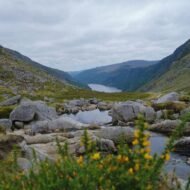
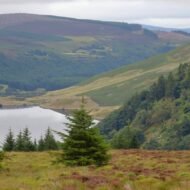
Forget everything you think you know about Irish landscapes – Wicklow Mountains National Park is about to completely blow your mind. Just an hour south of Dublin lies what locals affectionately call “the Garden of Ireland,” and honestly? They’re not exaggerating. This 20,000-hectare wonderland of rolling hills, pristine lakes, and ancient forests is where Hollywood comes to film (hello, Braveheart and P.S. I Love You!), and where stressed-out city dwellers come to remember what fresh air actually smells like.
Why Wicklow Mountains Should Be Your Next Adventure
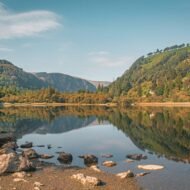
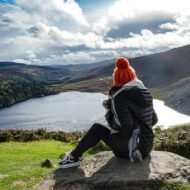
Picture this: you’re standing at the edge of a glacial lake so perfectly still it mirrors the sky, surrounded by purple heather-covered mountains that seem to stretch into infinity. Ancient stone circles whisper stories from 4,000 years ago, while red deer graze peacefully in valleys that haven’t changed since medieval times. This isn’t a fantasy – it’s just another Tuesday in Wicklow.
Whether you’re a hardcore hiker looking to conquer Ireland’s second-highest peak, a family wanting gentle woodland walks, or someone who just needs to escape the digital world for a hot minute, Wicklow delivers. And the best part? It’s ridiculously accessible, with multiple entry points and accommodation options that won’t break the bank.
Getting There: Your Gateway to Paradise
From Dublin: The DART train or Dublin Bus will get you to Bray (40 minutes), then connect to local Bus Éireann services into the park. Driving takes about an hour to most park entrances.
From Cork/Galway: The M50 and N11 make for straightforward driving routes (2-3 hours).
Flying In: Dublin Airport is your best bet, with direct connections to the park area. Car rental at the airport gives you maximum flexibility for exploring those hidden gems that public transport simply can’t reach.
Pro tip: Download the Wicklow Mountains National Park app before you go – it’s got offline maps that’ll save your bacon when you inevitably wander into a phone dead zone.
When to Visit: Timing Your Perfect Trip
Peak Season (June-August): Warmest weather, longest days, but also the busiest trails and highest accommodation prices. Book everything months in advance.
Sweet Spot (April-May, September-October): Milder crowds, comfortable temperatures, and absolutely stunning autumn colors or spring wildflowers. Weather can be unpredictable, but that’s half the Irish charm.
Winter (November-March): Dramatic, moody landscapes and practically empty trails, but prepare for rain, wind, and limited daylight hours. Some higher elevation areas may be inaccessible.
Weather Reality Check: Irish weather is famously fickle. Pack layers, waterproofs, and embrace the fact that you might experience all four seasons in a single afternoon. That’s not a bug, it’s a feature!
Must-See Attractions That’ll Steal Your Heart
Glendalough: Where History Meets Natural Beauty
This 6th-century monastic settlement beside two pristine lakes is Wicklow’s crown jewel. St. Kevin founded this spiritual retreat in 498 AD, and walking among the ancient round tower, cathedral ruins, and Celtic crosses feels like stepping back in time. The Upper and Lower Lakes offer easy walking paths perfect for families, while the Spinc and Glenealo Valley routes challenge more adventurous hikers.
Insider tip: Visit early morning or late afternoon for the best light and fewer crowds. The visitor center offers fascinating insights into both the area’s religious significance and its unique ecosystem.MORE READ..
Powerscourt Waterfall: Ireland’s Tallest Drop
At 121 meters, this spectacular cascade is Ireland’s highest waterfall. The 30-minute woodland walk to the base passes through ancient oak and beech forests, with plenty of spots to pause and soak in the surroundings. Kids love scrambling over the rocks at the bottom, while photographers go crazy for the dramatic shots possible from multiple viewpoints.
The Wicklow Way: Ireland’s Oldest Waymarked Trail
This 127-kilometer trail from Marlay Park in Dublin to Clonegal in Carlow showcases the very best of Wicklow’s diverse landscapes. Don’t worry – you don’t need to hike the whole thing! Popular day sections include:
- Marlay Park to Enniskerry: Gentle introduction through forests and farmland
- Enniskerry to Knockree: More challenging terrain with rewarding mountain views
- Glendalough to Glenmalure: Classic Wicklow scenery of lakes, valleys, and heather moorland
Hidden Gems Worth the Detour
Sally Gap: This mountain pass offers some of the most dramatic panoramic views in Ireland. The lunar-like landscape feels otherworldly – it’s where they filmed scenes for Excalibur.
Lough Tay (The Guinness Lake): Named for its resemblance to a perfect pint, this heart-shaped lake surrounded by white sand beaches and dark water creates an unforgettable sight.
Vale of Clara: Often overlooked by tourists, this peaceful valley offers stunning walks along the Avonmore River and through some of Ireland’s most beautiful mixed woodlands.
Adventures for Every Energy Level
Easy Walks (Perfect for Families and Beginners)
Glendalough Green Road (5km): Flat, well-maintained path around the Lower Lake with interpretive boards explaining local wildlife and history.
Powerscourt Gardens to Waterfall (3km): Gentle woodland path with minimal elevation gain and spectacular payoff.
Avondale Forest Park (Multiple options): Choose from several circular walks ranging from 1-7km through Ireland’s oldest forest park.
Moderate Hikes (Good Fitness Required)
Glendalough Upper Lake Circuit (9km): Includes the famous Spink cliff walk with breathtaking views over the valley.
Great Sugar Loaf (4km return): Short but steep climb rewarded with 360-degree views across Wicklow and the Irish Sea.
Djouce Mountain (8km): Well-marked trail leading to spectacular views from one of Wicklow’s most accessible peaks.
Challenging Adventures (Experienced Hikers Only)
Lugnaquilla (9km return): Ireland’s second-highest peak at 925 meters. Requires good navigation skills and mountain experience.
Wicklow Mountains Challenge (Multiple routes): Various combinations of peaks including Mullaghcleevaun, Tonelagee, and Scarr.
Multi-day Wicklow Way sections: Combine accommodation in local villages with serious hiking between mountain huts and B&Bs.
Where to Stay: From Budget to Luxury
Budget-Friendly Options
Glendalough Youth Hostel: Basic but clean accommodation right in the heart of the action. Book well in advance during peak season.
Camping: Several official campsites offer stunning locations at fraction of hotel costs. Roundwood Caravan Park and Glenmalure Lodge are popular choices.
Mid-Range Comfort
Glenview Hotel: Family-run hotel in Glen of the Downs with excellent restaurant and spa facilities.
Brooklodge & Macreddin Village: Eco-friendly resort offering everything from standard rooms to luxury tree houses.
Luxury Retreats
Powerscourt Hotel: Five-star luxury with championship golf course, award-winning spa, and Michelin-starred dining.
Ritz-Carlton Powerscourt: Ultimate luxury with Sugar Loaf Mountain views and world-class amenities.
Practical Tips for Your Visit
What to Pack
- Waterproof jacket and trousers (non-negotiable!)
- Sturdy hiking boots with good ankle support
- Layers for changing weather conditions
- High SPF sunscreen (Irish sun is deceptively strong)
- Insect repellent for summer visits
- Portable phone charger/power bank
- First aid kit for longer hikes
Safety Considerations
- Always inform someone of your hiking plans
- Check weather forecasts before heading into mountains
- Carry emergency contact numbers and GPS device
- Respect private property and stay on marked trails
- Be aware that mountain weather can change rapidly
Local Etiquette
- Leave no trace – pack out all rubbish
- Close gates behind you when crossing farmland
- Keep dogs on leads around livestock
- Support local businesses in mountain villages
- Respect the peace and tranquility that others come here to find
Local Food and Culture
The villages surrounding the park offer fantastic opportunities to experience authentic Irish culture. Enniskerry, Roundwood, and Laragh all feature traditional pubs serving hearty Irish fare alongside local craft beers. Don’t miss trying traditional Irish stew, fresh brown bread, and locally caught trout.
Many B&Bs and hotels source ingredients from local farms, offering visitors a true taste of Wicklow’s agricultural heritage. The annual Wicklow Mountains Walking Festival (usually held in May) combines great hiking with traditional music, storytelling, and local food celebrations.
Making the Most of Your Visit
Day Trip Strategy: Focus on 1-2 main attractions rather than trying to see everything. Glendalough plus either Powerscourt or a moderate hike makes for a perfect day.
Extended Stay Approach: Base yourself in one of the charming villages and take different day trips. This allows for more spontaneous adventures based on weather conditions.
Photography Tips: Golden hour (early morning/late afternoon) provides the most dramatic lighting for those Instagram-worthy shots. Bring a polarizing filter to cut through Ireland’s frequent atmospheric haze.
Weather Backup Plans: Have indoor alternatives ready – Glendalough Visitor Centre, Powerscourt House and Gardens, or cozy pub sessions are perfect for rainy days.
Transportation and Getting Around
While public transportation exists, having your own wheels gives you much more flexibility to explore hidden corners and adjust plans based on weather. Car rental from Dublin is relatively affordable, and driving in rural Wicklow is generally stress-free with well-maintained roads and clear signage.
For those relying on public transport, the St. Kevin’s Bus service from Dublin to Glendalough runs year-round and connects with other local services. Many accommodation providers offer shuttle services to popular hiking starting points.
Beyond the Obvious: Unique Experiences
Consider timing your visit with local events like traditional Irish music sessions, farmers markets, or seasonal festivals. Many local guides offer specialized tours focusing on everything from botanical walks to historical tours of ancient monuments.
The park’s designation as a UNESCO Biosphere Reserve means it’s home to rare plants and animals found nowhere else in Ireland. Spring brings spectacular wildflower displays, while autumn offers some of Europe’s most beautiful fall colors.
Bottom Line: Wicklow Mountains National Park isn’t just another pretty place – it’s a complete sensory reset that’ll have you questioning why you ever thought you needed a passport to find paradise. Whether you’re seeking adventure, tranquility, or just really good Instagram content, Ireland’s Garden delivers every single time. Pack your sense of wonder (and those waterproofs), and prepare for landscapes that’ll ruin you for everywhere else.