

















TL;DR: Winter Spa Retreats in Europe 2026 , Craving a winter escape that combines snow-capped mountain views with world-class pampering? These five European spa destinations offer thermal springs, Michelin-starred dining, and wellness treatments that’ll make you forget winter blues exist. From Switzerland’s alpine luxury to Iceland’s geothermal wonderland, here’s where travelers are actually booking their 2026 wellness retreats.
- 1. Bad Gastein, Austria – The Alpine Thermal Wonderland
- At a Glance
- Why Travelers Are Obsessed (According to Reviews)
- Things to Do Beyond the Spa
- Accommodation Options
- Cultural Aspects & Local Traditions
- Food & Signature Dishes
- Shopping
- Outdoor Adventures
- Budget Considerations
- Events (Winter 2026)
- Nearest Major Airport
- Useful Info
- 2. Blue Lagoon Area, Iceland – Geothermal Paradise
- At a Glance
- Why Travelers Are Obsessed (According to Reviews)
- Things to Do Beyond the Lagoon
- Accommodation Options
- Cultural Aspects & Local Traditions
- Food & Signature Dishes
- Shopping
- Outdoor Adventures
- Budget Considerations
- Events (Winter 2026)
- Nearest Major Airport
- Useful Info
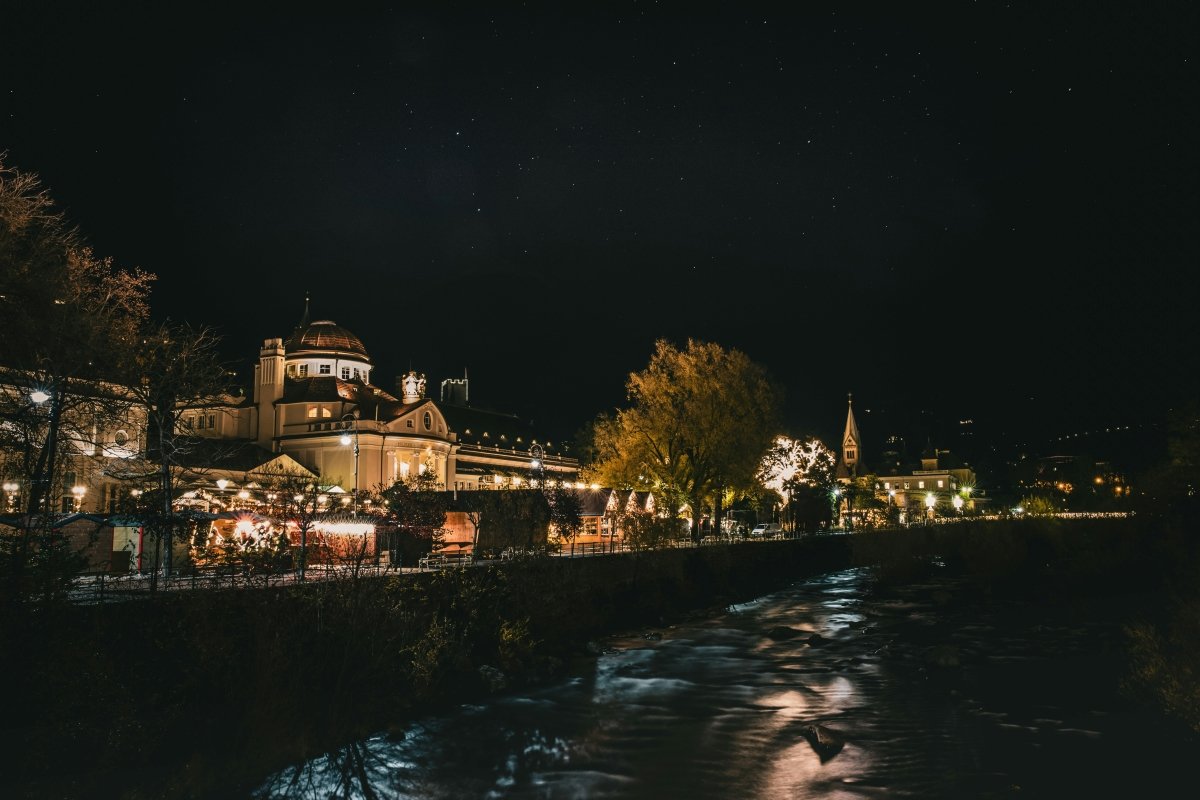
- 3. Merano (Meran), South Tyrol, Italy – Alpine Meets Mediterranean
- At a Glance
- Why Travelers Are Obsessed (According to Reviews)
- Things to Do Beyond the Spa
- Accommodation Options
- Cultural Aspects & Local Traditions
- Food & Signature Dishes
- Shopping
- Outdoor Adventures
- Budget Considerations
- Events (Winter 2026)
- Nearest Major Airport
- Useful Info
- 4. Vals, Switzerland – Minimalist Luxury in Stone
- At a Glance
- Why Travelers Are Obsessed (According to Reviews)
- Things to Do Beyond the Therme
- Accommodation Options
- Cultural Aspects & Local Traditions
- Food & Signature Dishes
- Shopping
- Outdoor Adventures
- Budget Considerations
- Events (Winter 2026)
- Nearest Major Airport
- Useful Info
- 5. Budapest, Hungary – Grand Thermal Heritage
- At a Glance
- Why Travelers Are Obsessed (According to Reviews)
- Things to Do Beyond the Baths
- Accommodation Options
- Cultural Aspects & Local Traditions
- Food & Signature Dishes
- Shopping
- Outdoor Adventures
- Budget Considerations
- Events (Winter 2026)
- Nearest Major Airport
- Useful Info
- Quick Comparison: Which Destination Suits You?
- Final Recap: Your Winter Spa Journey Awaits
- Disclaimer
1. Bad Gastein, Austria – The Alpine Thermal Wonderland
At a Glance
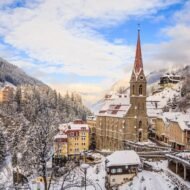
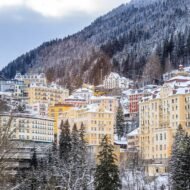
What makes it special: Natural radon thermal springs cascading through a Belle Époque village that feels like stepping into a luxury time capsule.
Avg. Temp (Jan): -3°C to 2°C (27°F to 36°F)
What to Expect: Think crisp mountain air, steaming outdoor thermal pools with snow falling around you, and that magical contrast of hot water against cold winter nights. Pack layers—you’ll go from heated spa to snowy slopes multiple times a day.
Why Travelers Are Obsessed (According to Reviews)
Visitors consistently rave about the surreal experience of soaking in 47°C thermal waters while surrounded by snow. One reviewer called it “bathing in liquid gold with mountain gods watching over you.” The historic Felsentherme spa literally cascades down the mountainside—it’s architectural therapy before you even get in the water.
Things to Do Beyond the Spa
- Ski Gastein: 200km of slopes connecting four mountains (beginners love the Stubnerkogel area)
- Gastein Waterfall: A 341-meter frozen spectacle in deep winter—Europe’s highest accessible waterfall
- Snowshoe through Kötschachtal Valley: Untouched powder and absolute silence
- Evening torchlight skiing: Because regular skiing is too mainstream
Accommodation Options
Luxury: Grand Hotel de l’Europe (from €280/night) – Original 1906 grandeur with modern thermal spa Mid-Range: Hotel Miramonte (from €180/night) – Mountain views, thermal pool, unpretentious elegance Wellness-Focused: Alpentherme Gastein partnered hotels (from €150/night including spa access)
Cultural Aspects & Local Traditions
Bad Gastein invented spa tourism as we know it. Emperors, artists, and world leaders soaked here for centuries—the town still hosts classical music festivals in venues where Brahms and Strauss once performed. The “Perchtenlauf” winter solstice parades feature locals in terrifying carved masks chasing away evil spirits (and delighting tourists).
Food & Signature Dishes
- Kasnocken: Cheese dumplings that locals swear cure everything thermal water can’t
- Bauernkrapfen: Sweet fried pastries dusted with powdered sugar—post-hike fuel
- Gasteiner Alpenkäse: Mountain cheese aged in cellars for up to 18 months
- Glühwein at mountain huts: Not unique to Gastein, but theirs hits different at 2,000m elevation
Shopping
The town center offers traditional Austrian woolens, local herbal remedies made from alpine plants, and upscale boutiques in the historic arcades. Wednesday farmers’ markets sell everything from homemade schnapps to hand-carved wooden ornaments.
Outdoor Adventures
Beyond skiing: ice climbing on frozen waterfalls, winter hiking on 300km of trails, and paragliding over the snow-covered Hohe Tauern National Park (yes, even in winter—experienced guides make it happen).
Budget Considerations
- Daily average: €200-€400 (mid-range comfort with spa access)
- Splurge territory: €500+ (luxury hotels, private spa suites, fine dining)
- Money-saving tip: Book spa-inclusive accommodation packages—day passes add up fast
Events (Winter 2026)
- Gastein Snowjazz Festival (Early March): International jazz musicians perform in mountain restaurants
- FIS Snowboard World Cup (January): If you’re into watching professionals defy gravity
- New Year’s Eve Mountain Party: Fireworks at 2,300m elevation
Nearest Major Airport
Salzburg Airport (90 minutes): Direct transfers available, or rent a car for scenic route flexibility Munich Airport (3 hours): More international connections
Useful Info
- The Gastein Card (included with most accommodations) offers free ski bus, discounts on lifts, and spa entry
- Thermal water contains radon—scientifically proven to reduce inflammation (yes, it’s safe)
- Book thermal spa slots in advance during peak season (December-March)
2. Blue Lagoon Area, Iceland – Geothermal Paradise
At a Glance
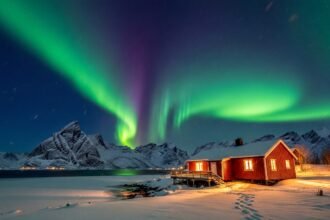
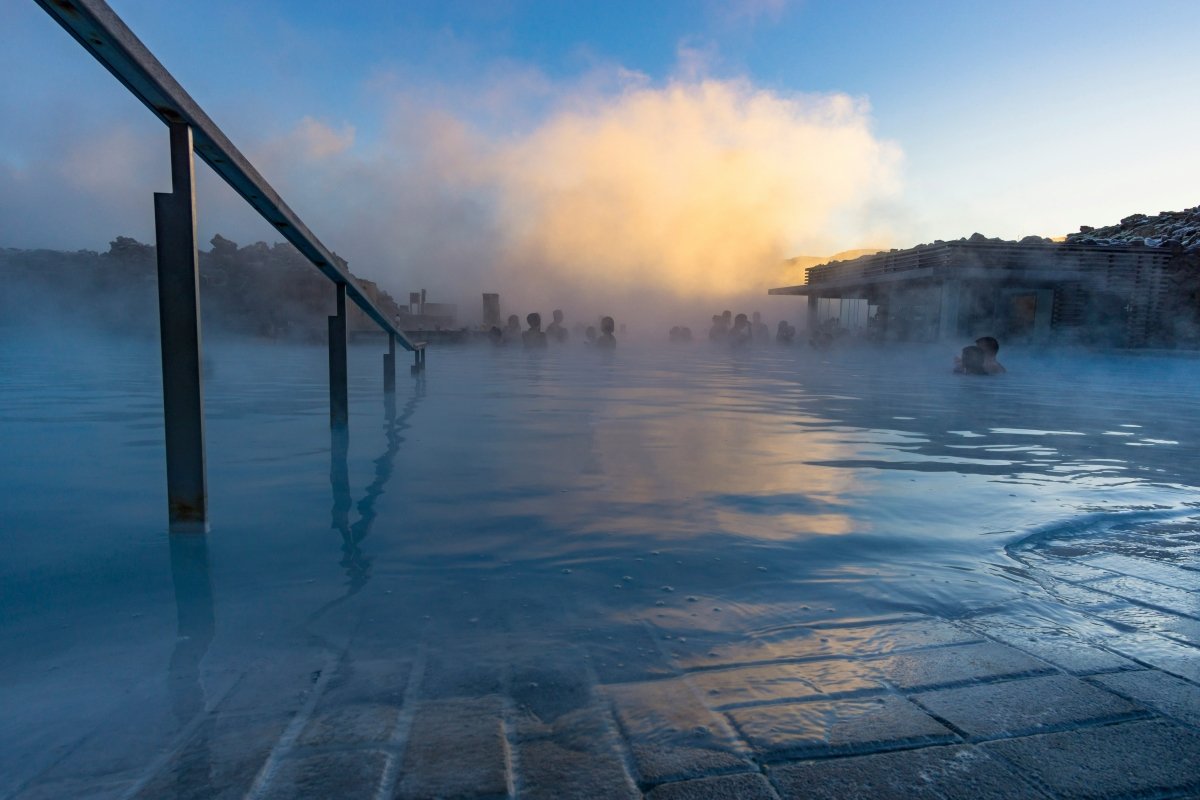
What makes it special: Bathing in milky-blue 38°C geothermal seawater while Northern Lights dance overhead and snow dusts volcanic rocks around you.
Avg. Temp (Jan): -2°C to 2°C (28°F to 36°F)
What to Expect: Iceland’s winter darkness (only 4-5 hours of daylight in January) becomes magical when you’re floating in warm mineral water under the aurora borealis. The cold air on your face while your body melts in the heat creates an addictive contrast. Bring a headband—wet hair freezes instantly when you step out.
Why Travelers Are Obsessed (According to Reviews)
“Life-changing” appears in roughly every third review. Visitors describe the otherworldly landscape, the silica mud masks included with entry, and the surreal experience of watching the Northern Lights from chest-deep water. The newer Retreat Spa receives particular praise for its exclusivity and the in-water bar serving Icelandic craft beer.
Things to Do Beyond the Lagoon
- Northern Lights hunting: Peak season is January-March; book super jeep tours for remote viewing spots
- Golden Circle in winter: Geysir, Gullfoss (partially frozen), and Þingvellir under snow
- Silfra Snorkeling: Dry suit snorkeling between tectonic plates—yes, in winter
- Reykjanes Peninsula exploration: Volcanic craters, geothermal areas, and dramatic coastlines
Accommodation Options
Ultra-Luxury: The Retreat at Blue Lagoon (from €950/night) – Built into 800-year-old lava, unlimited lagoon access, underground spa Luxury: Silica Hotel (from €550/night) – Private lagoon access, minimalist Nordic design Mid-Range: Northern Light Inn (from €180/night, 15 mins away) – Aurora wake-up service, comfortable without breaking the bank Budget-Friendly: Grindavík guesthouses (from €90/night) – 5 minutes from the lagoon, basic but clean
Cultural Aspects & Local Traditions
Icelanders have bathed in geothermal waters for 1,000+ years—it’s woven into their social fabric. “Sundlaugin” (public pools) serve as community centers where locals gossip, debate politics, and relax. The Blue Lagoon itself was an accidental creation in 1976 when geothermal plant wastewater formed a pool—locals discovered its healing properties for psoriasis and eczema.
Food & Signature Dishes
- Plokkfiskur: Creamy fish stew—pure Icelandic comfort food
- Hangikjöt: Smoked lamb, traditionally served at Christmas but available year-round
- Skyr: Icelandic yogurt (technically cheese) with berries—locals eat this daily
- Lava Restaurant at the Retreat: Tasting menus featuring Icelandic ingredients like langoustine, arctic char, and birch-smoked lamb
Shopping
Reykjavík (30 minutes away) offers Nordic design shops on Laugavegur Street, woolen sweater outlets (look for authentic Lopapeysa patterns), and cosmetics made from geothermal minerals. The Blue Lagoon’s own skincare line makes pricey but effective souvenirs.
Outdoor Adventures
Winter activities include glacier hiking on Sólheimajökull, ice cave tours under Vatnajökull, horseback riding on Icelandic horses (they’re 5-gaited and unfazed by snow), and coastal cliff walks along Reykjanes.
Budget Considerations
- Daily average: €250-€500 (accommodation, lagoon entry, meals, one tour)
- Splurge territory: €800+ (Retreat Hotel, private experiences, fine dining)
- Money-saving tip: Book Blue Lagoon entry 3+ months ahead for lower rates; grocery shop at Bónus supermarkets
Events (Winter 2026)
- Þorrablót (Mid-January to February): Traditional Viking feast celebrating preserved foods—adventurous eaters only
- Reykjavík Winter Lights Festival (Early February): Art installations, museum nights, fireworks
- Design March (Late February): Nordic design showcase across the city
Nearest Major Airport
Keflavík International Airport (20 minutes): The lagoon is literally on the way from the airport to Reykjavík—perfect for arrival-day soaking
Useful Info
- Book Blue Lagoon time slots weeks in advance—they sell out
- The Retreat Spa is adults-only and significantly less crowded
- Sky Lagoon in Reykjavík offers a similar experience with ocean views (newer, less touristy)
- Drink heavily from your water bottle—the air is extremely dry
3. Merano (Meran), South Tyrol, Italy – Alpine Meets Mediterranean
At a Glance
What makes it special: A microclimate where palm trees grow in the Alps, thermal baths with Dolomite views, and Italian aperitivo culture blended with Austrian spa tradition.
Avg. Temp (Jan): 0°C to 7°C (32°F to 45°F)
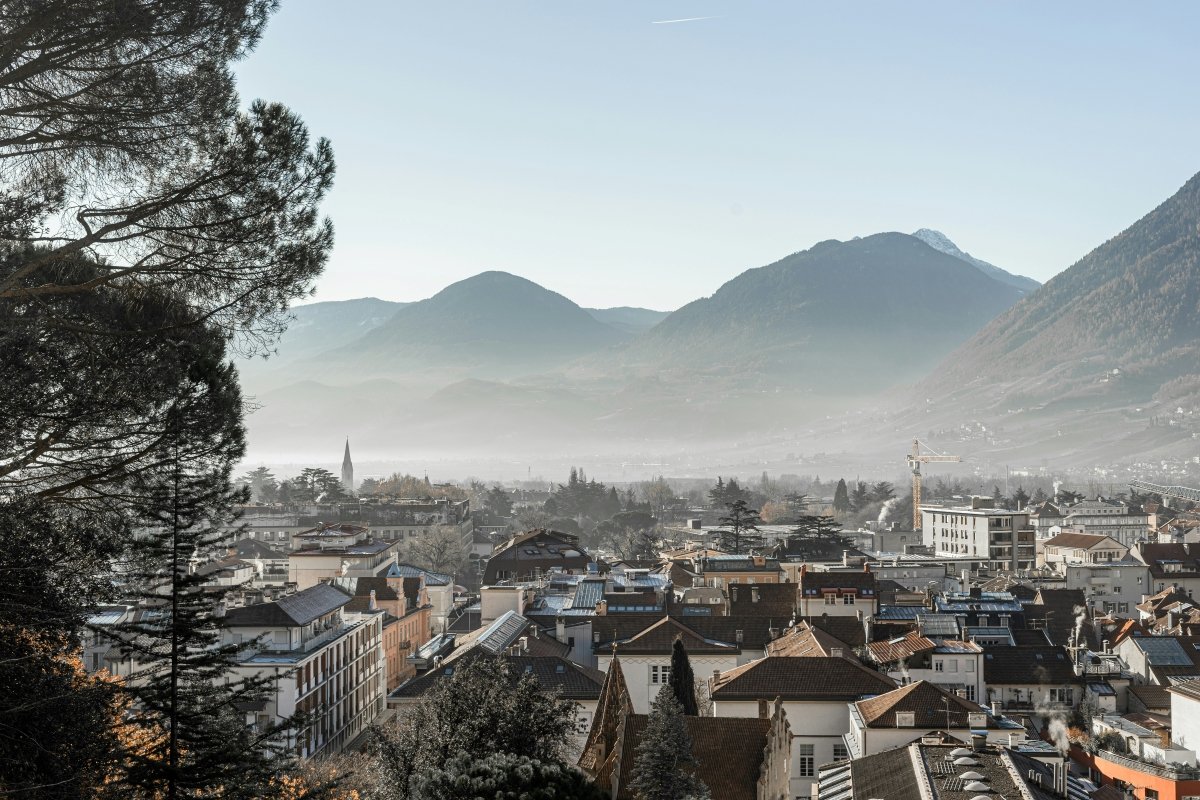
What to Expect: South Tyrol’s unique weather creates milder winters than surrounding Alps—you’ll still get snow on peaks, but the valley stays surprisingly temperate. Expect sunshine about 300 days a year. The contrast of Mediterranean gardens against snowy mountains feels geographically impossible but gloriously real.
Why Travelers Are Obsessed (According to Reviews)
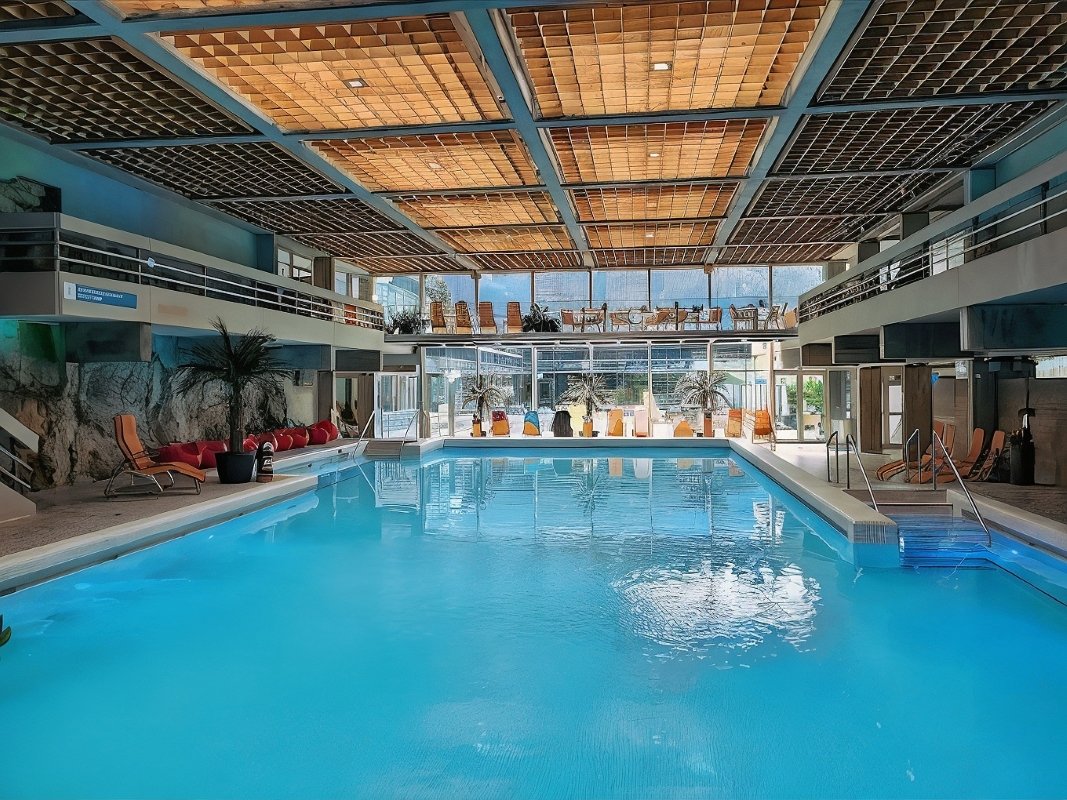
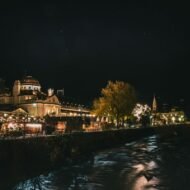
Visitors consistently mention Terme Merano’s architectural beauty—Matteo Thun designed a glass-and-light masterpiece with 25 pools cascading across levels. Reviews emphasize the “healing air” (the town was a 19th-century sanatorium for tuberculosis patients), outstanding food that fuses Italian and Austrian cuisines, and the lack of crowds compared to Swiss alternatives.
Things to Do Beyond the Spa
- Tappeinerweg: 6km panoramic promenade through Mediterranean vegetation with Dolomite backdrop
- Merano 2000: Family-friendly skiing and winter hiking plateau
- Trauttmansdorff Castle Gardens: Even in winter, the architecture and mountain views justify the visit
- Christmas Markets (through early January): South Tyrol does this better than most—artisan crafts, glühwein, and stollen everywhere
Accommodation Options
Luxury: Palace Merano Espace Henri Chenot (from €650/night) – Medical spa with personalized wellness programs, Michelin-starred restaurant Upscale Comfort: Terme Merano Hotel (from €280/night) – Direct spa access, rooftop pool with mountain views Mid-Range: Hotel Aurora (from €140/night) – Historic center location, thermal package deals Apartment Rentals: €80-€150/night for self-catering flexibility
Cultural Aspects & Local Traditions
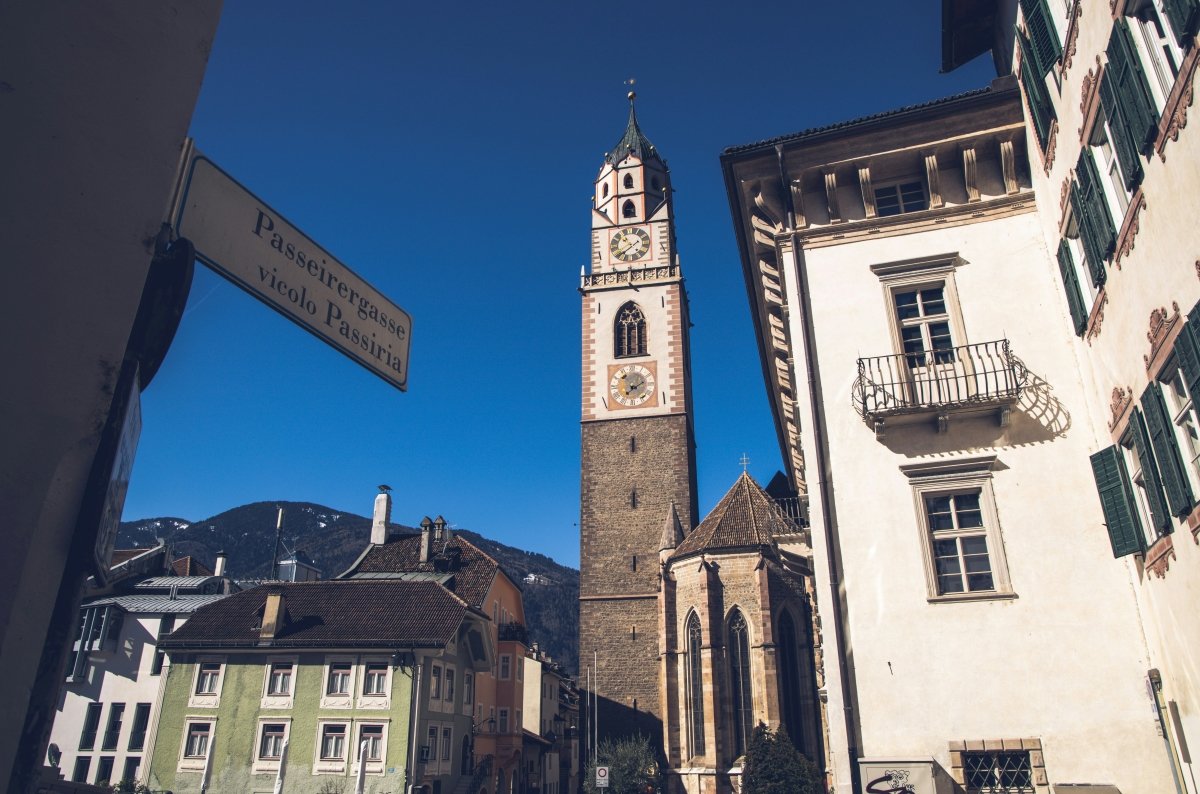
This region is culturally schizophrenic in the best way—it was Austrian until 1919, so locals speak German and Italian (often in the same sentence). The “Törggelen” tradition involves autumn wine-tasting hikes, but winter sees “Eisacktal” wine routes where you taste in heated cellars. The Krampus parades (early December) feature demonic creatures with elaborately carved masks chasing children through medieval streets.
Food & Signature Dishes
- Speck: Alto Adige smoked ham—protected designation of origin
- Schlutzkrapfen: Half-moon pasta filled with spinach and ricotta
- Apfelstrudel: South Tyrolean apple strudel with vanilla sauce
- Lagrein wine: Local red wine grape—bold, fruity, perfect with alpine cuisine
- Sissi Restaurant (1 Michelin star): Modern takes on regional ingredients
Shopping
Merano’s porticoed shopping streets offer everything from Italian fashion to Austrian loden coats. Look for local crafts like wood carvings, ceramics from nearby Thun Castle, and regional specialty foods (speck, cheese, wine). Friday morning market sells local produce and artisan goods.
Outdoor Adventures
Beyond spa-going: snowshoe through Passeier Valley, winter hiking on 100+ km of cleared trails, cross-country skiing at Pfelders, and scenic drives through snowy mountain passes when weather permits.
Budget Considerations
- Daily average: €150-€300 (mid-range accommodation, spa access, meals)
- Splurge territory: €500+ (luxury spa hotels, fine dining, private treatments)
- Money-saving tip: Many hotels include Terme Merano access—always book packages
Events (Winter 2026)
- Merano WineFestival VinoVip (Late January/Early February): Premium wine tastings
- Südtirol Jazz Festival (Throughout winter): International musicians in intimate venues
- Traditional Carnival (February): Colorful parades and masked balls
Nearest Major Airport
Bolzano Airport (30 minutes): Limited connections Innsbruck Airport (90 minutes): Better international links Verona Airport (2.5 hours): Most flight options, scenic mountain drive
Useful Info
- The Südtirol Guest Pass (included with accommodation) offers free public transport
- Terme Merano offers women-only and textile-free areas—check schedules
- Book Christmas market visits for December; town quiets significantly after January 6
- Learn basic German or Italian phrases—locals appreciate the effort MORE READ..
4. Vals, Switzerland – Minimalist Luxury in Stone
At a Glance
What makes it special: The Therme Vals—designed by Pritzker Prize-winning architect Peter Zumthor—is less a spa and more a spiritual journey through 60,000 slabs of local quartzite.
Avg. Temp (Jan): -8°C to 1°C (18°F to 34°F)
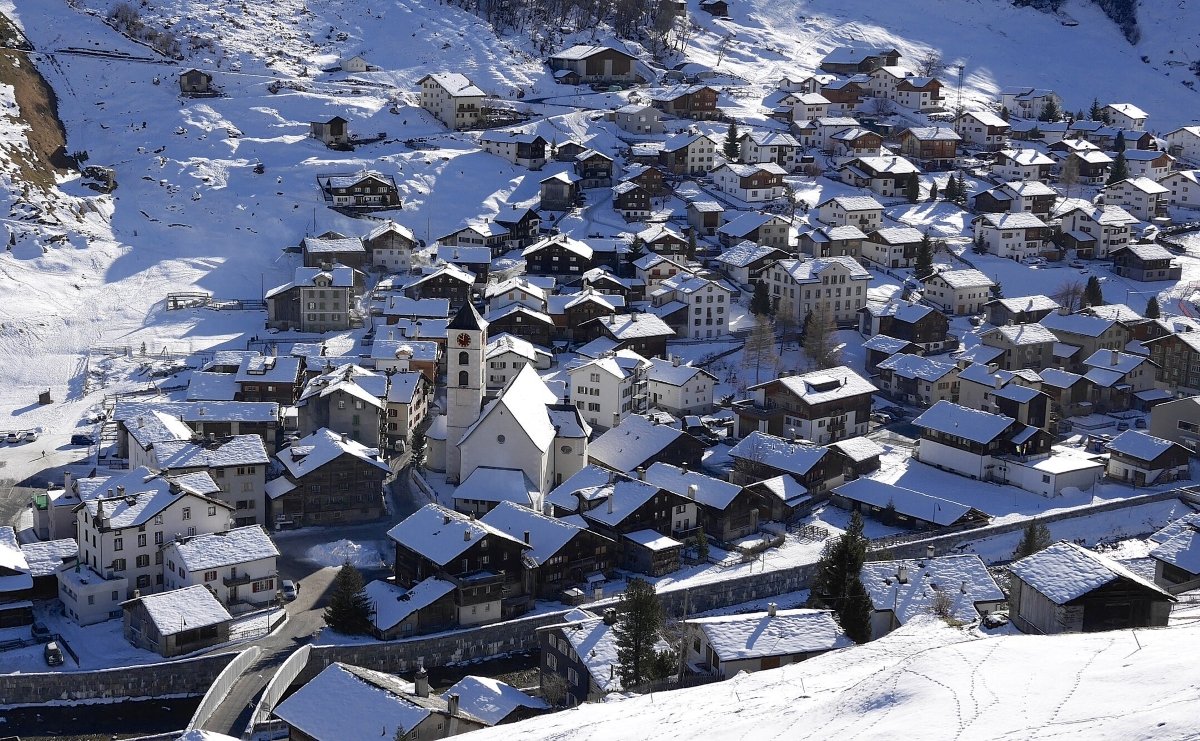
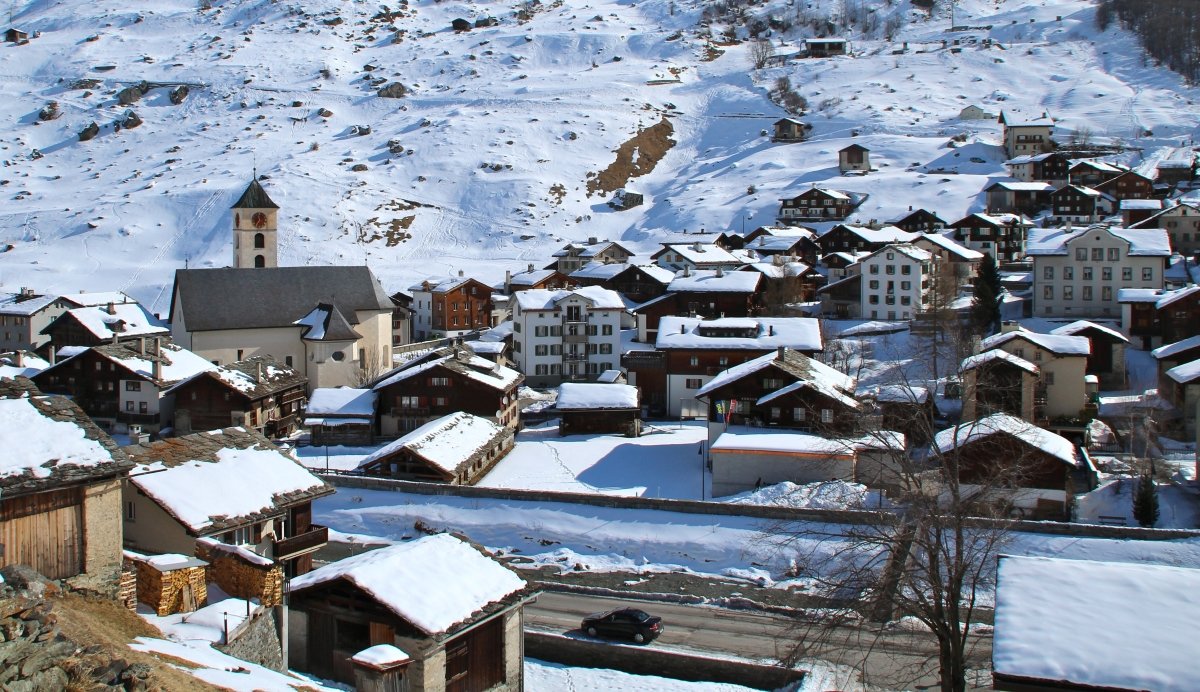
What to Expect: Serious cold outside, profound warmth inside. This is Switzerland’s coldest inhabited valley, so expect pristine snow conditions and that bone-deep chill that makes the 30°C thermal water feel transcendent. The spa’s philosophy is “bathing as contemplation”—no music, no chatter, just water, stone, and silence.
Why Travelers Are Obsessed (According to Reviews)
Architecture lovers make pilgrimages here. Reviews describe “bathing in a cathedral,” “meditation without trying,” and “the most beautiful building I’ve ever experienced.” The interplay of light, shadow, and water through Zumthor’s design creates an almost religious experience. Note: this isn’t for families seeking entertainment—it’s for adults seeking profound relaxation.
Things to Do Beyond the Therme
- Skiing in Vals: Small, uncrowded slopes perfect for intermediate skiers
- Winter hiking to Zervreila Reservoir: Frozen alpine lake surrounded by 3,000m peaks
- Via Ferrata: Frozen waterfall climbing (guides required)
- Simply existing: Vals rewards slow travel—reading, reflecting, disconnecting
Accommodation Options
Ultra-Luxury: 7132 Hotel (from €520/night, designed by Peter Zumthor) – Connected to the Therme, minimalist perfection Luxury: 7132 Silver (from €380/night, designed by Tadao Ando) – Japanese-influenced design, also spa-connected Mid-Range: Local guesthouses in Vals village (from €120/night) – Purchase separate Therme tickets Unique: Book the “Zumthor Suite” (€1,200+/night) – Sleeping inside the architectural masterpiece
Cultural Aspects & Local Traditions
The Vals quartzite used in the Therme has been extracted from local mountains for centuries—the building literally emerges from its landscape. Traditional Walser culture (German-speaking mountain farmers who settled here 700+ years ago) persists in local architecture and winter festivals. The community maintains alpine meadows that become cross-country skiing paradises in winter.
Food & Signature Dishes
- Capuns: Swiss chard rolls filled with spätzle and dried meat—labor-intensive comfort food
- Bündnerfleisch: Air-dried beef sliced paper-thin
- 7132 Hotel restaurants: Two Michelin-starred options showcasing Swiss alpine cuisine
- Raclette: Melted cheese scraped onto potatoes—essential winter fuel
- Local trout: From pristine mountain streams
Shopping
Vals is intentionally uncommercial—that’s the point. Buy local honey, cheese, and schnapps from village producers. The 7132 Hotel boutique sells high-end Swiss design objects and skincare made with Vals thermal water.
Outdoor Adventures
Winter activities center on pristine nature: ski touring in the Vals valley, ice climbing in nearby gorges, snowshoeing to mountain huts, and Nordic skiing through silent forests. The area deliberately limits development—you won’t find snowmobiles or jet skis here.
Budget Considerations
- Daily average: €400-€700 (accommodation, spa access, meals at 7132 properties)
- Splurge territory: €1,000+ (luxury suites, Michelin dining, private spa experiences)
- Money-saving tip: Stay in village guesthouses and purchase day passes to the Therme (€65-85)—still expensive but more accessible
Events (Winter 2026)
Vals intentionally avoids events—the philosophy is anti-spectacle. That said:
- Architecture tours (by appointment): Deep dives into Zumthor’s design philosophy
- Full moon bathing: Special evening Therme access during full moons
- Local yodeling concerts: Occasional traditional music in village church
Nearest Major Airport
Zurich Airport (2.5 hours): Scenic train journey through mountain valleys Altenrhein Airport (1.5 hours): Smaller regional option
Useful Info
- The Therme has strict rules: no photos, no phones, no children under 14
- Book Therme access times when reserving accommodation
- Bring two swimsuits—wet suits aren’t allowed back into the spa within the same day
- The spa is closed one day each month for maintenance—check schedules
- This is the opposite of a party destination—come ready for silence and introspection MORE READ..
5. Budapest, Hungary – Grand Thermal Heritage
At a Glance
What makes it special: Bathing in 16th-century Ottoman thermal baths under domed ceilings while snow falls outside—and doing it at a fraction of Western European prices.
Avg. Temp (Jan): -2°C to 3°C (28°F to 37°F)
What to Expect: Cold, crisp Central European winter with occasional heavy snowfall that transforms the city into a fairytale. The Danube sometimes freezes at the edges. The thermal baths stay at 27-40°C year-round, creating dramatic steam clouds that rise into cold air. Pack warm clothes for exploring between bath sessions.
Why Travelers Are Obsessed (According to Reviews)
Travelers consistently rave about the value—world-class thermal experiences at €15-25 per entry versus €50+ in Western Europe. The historic baths (especially Széchenyi and Rudas) receive praise for architectural grandeur, local atmosphere (you’ll bathe alongside Hungarians who visit weekly), and the surreal experience of playing chess while soaking in outdoor pools as snow falls.
Things to Do Beyond the Baths
- Ruin bars in winter: Szimpla Kert and others offer heated gardens and indoor warmth
- Hungarian Parliament Building tours: Even more dramatic under winter skies
- Christmas markets (through early January): Vörösmarty Square and Basilica markets
- Danube winter cruises: Heated boats, mulled wine, illuminated bridges
- Budapest Wine Festival (winter edition): Sample Hungarian wines in historic cellars
Accommodation Options
Luxury: Four Seasons Gresham Palace (from €450/night) – Art Nouveau masterpiece, Danube views Upscale: Corinthia Hotel (from €180/night) – Historic property with its own Royal Spa Mid-Range: Boutique hotels in District V (from €90/night) – Central location, walking distance to baths Budget: Hostels and budget hotels (from €25/night) – Allowing you to spend more on experiences
Cultural Aspects & Local Traditions
Budapest sits atop 123 thermal springs—the Romans built baths here 2,000 years ago. The Turks expanded them during 150 years of occupation, creating the distinctive domed architecture that defines Rudas and Király baths. Hungarian spa culture is democratic—you’ll see everyone from students to pensioners soaking together. The tradition of “taking the waters” for health remains central to local life.
Food & Signature Dishes
- Gulyás (goulash): The real deal—beef soup with paprika, not the stew tourists often get
- Lángos: Deep-fried flatbread topped with sour cream and cheese—street food perfection
- Chimney cake (kürtőskalács): Caramelized dough cooked on open flames at Christmas markets
- Dobos torte: Multi-layered sponge cake with chocolate buttercream
- Tokaji wine: Sweet Hungarian dessert wine—considered liquid gold
- Onyx (2 Michelin stars): Modern Hungarian fine dining
Shopping
Váci Street offers touristy souvenirs, but venture to the Great Market Hall for real Hungarian products: paprika, salami, foie gras, embroidered linens. Király Street and District VII have independent designers selling Hungarian fashion and ceramics. Look for Herend porcelain—expensive but exquisite.
Outdoor Adventures
Winter activities include ice skating in City Park (Europe’s largest outdoor rink), hiking in the Buda Hills with panoramic city views, and thermal cave exploration at Molnár János Cave (wetsuit provided—it’s underwater).
Budget Considerations
- Daily average: €80-€150 (comfortable mid-range experience)
- Splurge territory: €300+ (luxury hotels, Michelin dining, private spa experiences)
- Money-saving tip: Buy the Budapest Card for free public transport and bath discounts; eat at local “étkezde” canteens for €5 meals
Events (Winter 2026)
- New Year’s Eve on Andrássy Avenue: Massive street party, fireworks over the Danube
- Budapest International Wine Festival (February): Buda Castle hosts Hungary’s best winemakers
- Busójárás (Late February, in nearby Mohács): UNESCO-listed carnival where masked figures chase away winter
Nearest Major Airport
Budapest Ferenc Liszt International Airport (30 minutes): Direct metro connection to city center
Useful Info
- Essential baths: Széchenyi (iconic yellow building, outdoor pools), Gellért (Art Nouveau splendor), Rudas (Ottoman history, rooftop pool), Király (intimate, locals-focused)
- Most baths have gendered days or sections—check schedules
- Bring flip-flops and a swim cap (required at some baths)
- Learn the bathing etiquette: shower before entering, no swimming in thermal pools
- The thermal water has high mineral content—stay hydrated with regular water
Quick Comparison: Which Destination Suits You?
For architectural lovers: Vals (Zumthor’s masterpiece) or Budapest (Ottoman heritage)
For Northern Lights chasers: Iceland (obvious choice)
Best value: Budapest (luxury at mid-range prices)
Most exclusive: Vals (intentionally limited access)
Best food scene: Merano (Italian-Austrian fusion) or Budapest (value + quality)
Most accessible: Merano (mild climate) or Budapest (urban convenience)
Best for serious skiers: Bad Gastein (200km+ of slopes)
Most otherworldly: Iceland (volcanic landscapes, geothermal phenomena)
Final Recap: Your Winter Spa Journey Awaits
Europe’s winter spa destinations offer something no tropical beach can match—the primal contrast of your warm body immersed in thermal waters while cold air, snow, and steam create an atmosphere that’s part meditation, part magic. Whether you’re watching Northern Lights from Icelandic geothermal pools, contemplating existence in Zumthor’s stone cathedral, or playing chess in a Budapest thermal bath while snow falls around you, these experiences reconnect you with winter in its most luxurious form.
The common thread: Natural thermal waters, stunning winter landscapes, and cultures that have perfected the art of warm-water relaxation over centuries or millennia.
The differences: Budget (Budapest versus Vals), atmosphere (party-friendly versus contemplative), and what surrounds the baths (mountains, geothermal landscapes, historic cities).
Booking tip: Reserve accommodations 3-6 months ahead for January-February travel. Spa reservations often open earlier—book those first, especially for Iceland and Vals.
Winter 2026 is calling. Your body deserves this.
Disclaimer
Information in this guide reflects conditions and prices as researched in January 2026. Spa facilities, accommodation rates, events, and travel requirements can change. Always verify current details directly with hotels, spas, and official tourism boards before booking. Weather conditions vary year to year—the temperatures provided are historical averages. Individual experiences at any destination will differ. This guide contains subjective recommendations based on user reviews and travel research, not paid promotions. Thermal bathing has health benefits for many people but may not be suitable for everyone—consult healthcare providers if you have concerns. Travel insurance is recommended for all international trips.
Ready to book your winter wellness escape? Start with accommodation—spa access often comes bundled, saving you money and planning headaches. Your muscles are already thanking you.