




















Tired of overpriced beach clubs and tourist traps? These hidden Mediterranean gems offer pristine beaches, crystal-clear waters, and authentic culture without the Mykonos price tag.
- 1. Karpathos, Greece – Where Ancient Traditions Meet Untouched Beaches
- Accommodation Options
- Summer Activities
- Winter Activities
- Must-See Attractions
- Events & Festivals
- Useful Info
- 2. Gozo, Malta – Mediterranean Charm in Miniature
- Accommodation Options
- Summer Activities
- Winter Activities
- Must-See Attractions
- Events & Festivals
- Useful Info
- 3. Mljet, Croatia – Where Odysseus Got Stranded (And You’ll Want To)
- Accommodation Options
- Summer Activities
- Winter Activities
- Must-See Attractions
- Events & Festivals
- Useful Info
- 4. Sardinia (East Coast), Italy – Emerald Waters Without the Emerald Coast Prices
- Accommodation Options
- Summer Activities
- Winter Activities
- Must-See Attractions
- Events & Festivals
- Useful Info
- 5. Lefkada, Greece – Caribbean Vibes in the Ionian Sea
- Accommodation Options
- Summer Activities
- Winter Activities
- Must-See Attractions
- Events & Festivals
- Useful Info
- 6. Susak, Croatia – The Mediterranean’s Secret Sahara
- Accommodation Options
- Summer Activities
- Winter Activities
- Must-See Attractions
- Events & Festivals
- Useful Info
- 7. Samothraki, Greece – Where Greek Gods Went to Party
- Accommodation Options
- Summer Activities
- Winter Activities
- Must-See Attractions
- Events & Festivals
- Useful Info
- 💬 Final Thoughts: Your Mediterranean Adventure Awaits
Let’s be honest – when most people think Mediterranean islands, they picture themselves sipping overpriced cocktails in Santorini or fighting crowds in Ibiza while their wallet weeps. But what if I told you there are stunning islands scattered across this azure playground where €50 can still get you a decent meal, accommodation won’t require selling a kidney, and you’ll actually meet locals instead of just other tourists?
After countless hours researching (and yes, some seriously enviable “research trips”), I’ve compiled seven Mediterranean islands that deliver all the sun-soaked magic you’re craving without the financial hangover. These aren’t budget destinations in the “questionable hostel and instant noodles” sense – they’re places where your money stretches further while the experiences get richer.
1. Karpathos, Greece – Where Ancient Traditions Meet Untouched Beaches
💸 Average nightly stay: $45 | Meal: $8 | Camper spot: $15
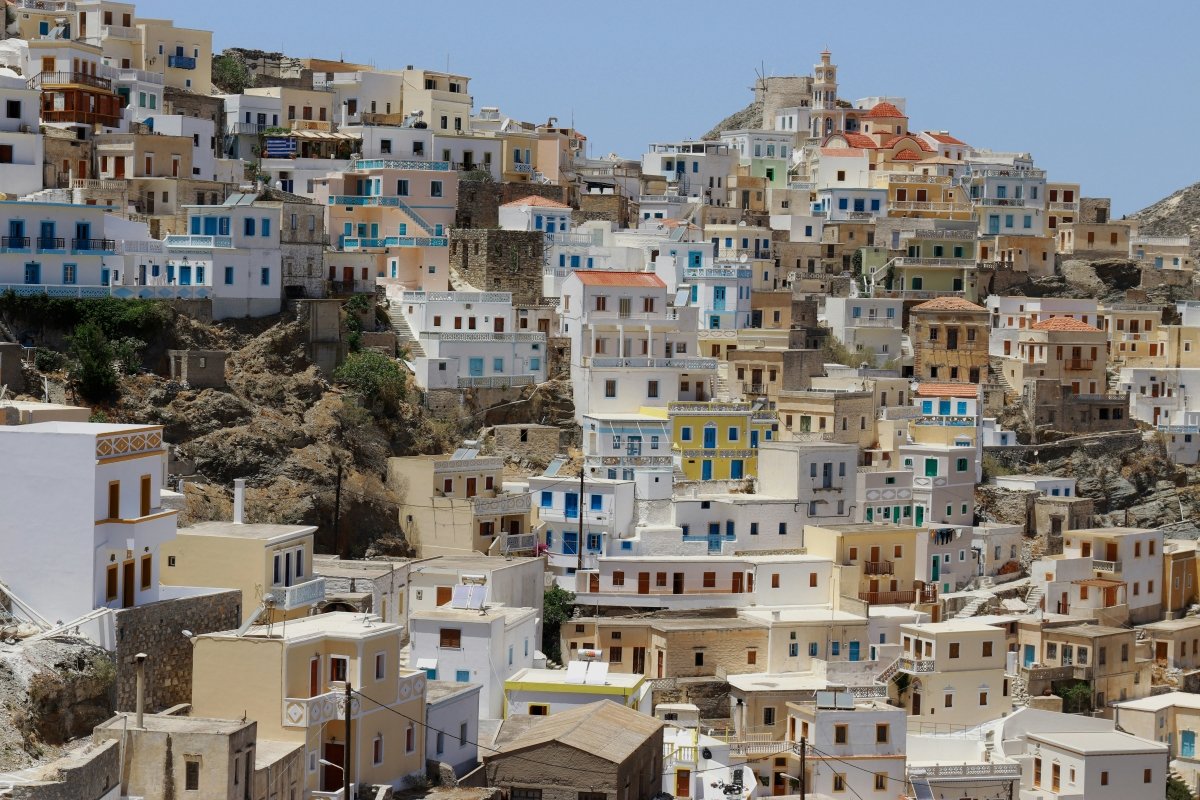
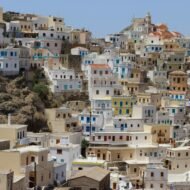
Situated between Crete and Rhodes, Karpathos feels like Greece’s best-kept secret. While its famous neighbors attract millions, this rugged beauty hosts visitors who appreciate authenticity over Instagram-perfect sunsets (though the sunsets here are pretty spectacular too).
What Makes It Special: Traditional villages where women still wear colorful folk costumes, beaches that require a bit of hiking to reach (meaning fewer crowds), and prices that haven’t inflated with tourism madness.
Accommodation Options
- Budget-Friendly (€30-50/night): Family-run guesthouses in Pigadia or Olympos offer simple but clean rooms with that genuine Greek hospitality your grandmother would approve of
- Mid-Range (€60-90/night): Boutique hotels with sea views and traditional architecture – think stone walls and blue shutters without the Mykonos markup
- Splurge (€100-150/night): Luxury villas with private pools, though “splurge” here costs less than a basic room in Santorini
Summer Activities
The hiking here is phenomenal – trails to Kyra Panagia Beach reward you with turquoise waters and zero beach bars (bring your own snacks). Windsurfing at Afiarti Beach attracts enthusiasts from across Europe, while the more adventurous can try rock climbing on the island’s dramatic cliffs.
Winter Activities
Karpathos transforms into a hiker’s paradise with mild temperatures perfect for exploring inland villages. Traditional festivals become the main attraction, especially around Orthodox Easter when the whole island comes alive with music, dancing, and enough food to feed a small army.
Must-See Attractions
- Olympos Village: A living museum where time seemingly stopped centuries ago
- Apella Beach: Consistently rated among Greece’s most beautiful beaches
- Menetes Village: Panoramic views and traditional architecture without tour buses
Events & Festivals
The Panagia Festival in August transforms quiet villages into celebration central, while the Wine Festival in September lets you sample local varieties that never make it to export markets.
Useful Info
Getting There: Fly via Athens or Rhodes (budget flights available), or ferry from Piraeus (longer but scenic) Best Time: May-June and September-October for perfect weather and smaller crowds Language: Greek, but English widely spoken in tourist areas Currency: Euro Average Daily Budget: €40-60 including accommodation, meals, and activities
🧠 Insider Tip: Rent a scooter for $10/day and explore mountain villages with epic views.
⭐ User Review: “Way cheaper than Santorini and just as beautiful. Locals were SO kind.” – Rachel T., 🇺🇸
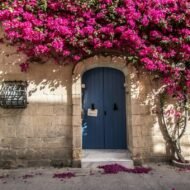
2. Gozo, Malta – Mediterranean Charm in Miniature
💸 Average nightly stay: $50 | Meal: $10 | Camper spot: $20
Malta’s quieter sibling packs serious punch into its compact 67 square kilometers. While Malta proper bustles with cruise ships and package tourists, Gozo maintains a laid-back vibe that feels more like visiting your Mediterranean cousin than checking destinations off a bucket list.
What Makes It Special: Diving sites that rival Egypt’s Red Sea, megalithic temples older than Stonehenge, and a pace of life that makes Italian “slow food” seem rushed.
Accommodation Options
- Budget-Friendly (€35-55/night): Traditional farmhouses converted into guesthouses, often including breakfast and local insights from chatty owners
- Mid-Range (€70-100/night): Boutique hotels in converted palazzos with rooftop terraces and pools
- Splurge (€120-180/night): Luxury resorts with spa facilities and private beach access
Summer Activities
The diving here consistently ranks among Europe’s best – the Blue Hole and Azure Window (now sadly collapsed, but still diveable) attract underwater photographers worldwide. Sea kayaking along the dramatic coastline reveals hidden caves and secluded beaches, while the Ggantija Temples offer air-conditioned cultural exploration during midday heat.
Winter Activities
Perfect hiking weather transforms Gozo into a walker’s paradise. The island’s compact size means you can explore coastal paths in the morning and hilltop citadels in the afternoon. Traditional craft workshops welcome visitors, and the slower pace means deeper conversations with locals over long lunches.
Must-See Attractions
- Victoria (Rabat): The island’s mini-capital with a stunning citadel
- Ramla Bay: Red sand beach that looks like it belongs in the Caribbean
- Ta’ Pinu Basilica: Pilgrimage site with remarkable architecture and peaceful gardens
Events & Festivals
The Feast of Santa Marija in August turns the entire island into one big street party, while the Mediterranean Conference Centre hosts year-round cultural events that attract intellectuals and artists from across Europe.
Useful Info
Getting There: Short ferry from Malta (every 45 minutes), which connects to major European cities Best Time: April-June and September-November for perfect weather and blooming countryside Language: Maltese and English (both official) Currency: Euro Average Daily Budget: €45-70 including accommodation, meals, and activities
🧐 Useful Info: Gozo is accessible by a 25-min ferry ($5) from Malta.
⭐ User Review: “Loved the balance of nature and history. And SO budget-friendly.” – Arjun K., 🇨🇦
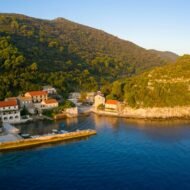
3. Mljet, Croatia – Where Odysseus Got Stranded (And You’ll Want To)
💸 Average nightly stay: $40 | Meal: $9 | Camper spot: $10 (limited)
Legend says Odysseus was shipwrecked here and seduced by the nymph Calypso for seven years. After experiencing Mljet’s pristine national park, crystalline lakes, and monastery on a tiny island within a lake within an island, you’ll understand why he wasn’t in a hurry to leave.
What Makes It Special: Two-thirds national park, two saltwater lakes connected to the sea, and tourism infrastructure that prioritizes conservation over commercialization.
Accommodation Options
- Budget-Friendly (€25-40/night): Private rooms in family homes (sobe) offer authentic experiences and insider tips
- Mid-Range (€50-80/night): Small hotels with traditional stone architecture and modern amenities
- Splurge (€90-130/night): Boutique properties with waterfront locations and gourmet restaurants
Summer Activities
Kayaking the saltwater lakes feels like paddling through an enchanted forest, while cycling trails connect ancient Roman ruins with secluded beaches. The snorkeling here rivals more famous destinations – visibility often exceeds 30 meters, and you’ll spot octopi, sea horses, and monk seals if you’re lucky.
Winter Activities
Hiking trails become even more spectacular without summer heat, leading to viewpoints overlooking neighboring islands. The slower pace allows for deeper exploration of cultural sites, including the 12th-century Benedictine monastery that seems to float on Veliko Jezero lake.
Must-See Attractions
- Mljet National Park: Two lakes, ancient forests, and the famous island monastery
- Odysseus Cave: Swimming spot with dramatic lighting effects
- Roman Palace Ruins: 1st-century ruins in Polače with remarkably preserved mosaics
Events & Festivals
The Summer Cultural Festival brings concerts to the monastery island, creating magical acoustics over water, while local wine festivals in autumn celebrate indigenous grape varieties found nowhere else.
Useful Info
Getting There: Ferry from Dubrovnik (2 hours) or Split (4.5 hours) Best Time: May-June and September for perfect weather and wildflower blooms Language: Croatian, with English common in tourist areas Currency: Euro (as of 2023) Average Daily Budget: €35-55 including accommodation, meals, and activities
🤔 Useful Info: Accessible by ferry from Dubrovnik (1.5 hours). Bring cash—ATMs are rare.
⭐ User Review: “Felt like my own private island. Best $40 I ever spent.” – Elena G., 🇮🇹
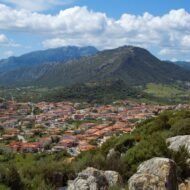
4. Sardinia (East Coast), Italy – Emerald Waters Without the Emerald Coast Prices
💸 Average nightly stay: $55 | Meal: $12 | Camper spot: $18
While the famous Costa Smeralda attracts celebrities and their eye-watering budgets, Sardinia’s east coast offers equally stunning beaches, crystalline waters, and authentic Italian culture at prices that won’t require a second mortgage.
What Makes It Special: Beaches that look photoshopped, mountain villages where shepherds still practice transhumance, and cuisine that blends Italian sophistication with ancient island traditions.
Accommodation Options
- Budget-Friendly (€40-65/night): Agriturismos (farm stays) offering authentic experiences, local food, and often cooking classes
- Mid-Range (€80-120/night): Small hotels with traditional architecture and regional cuisine
- Splurge (€150-250/night): Luxury resorts with spa facilities, though still cheaper than Costa Smeralda equivalent
Summer Activities
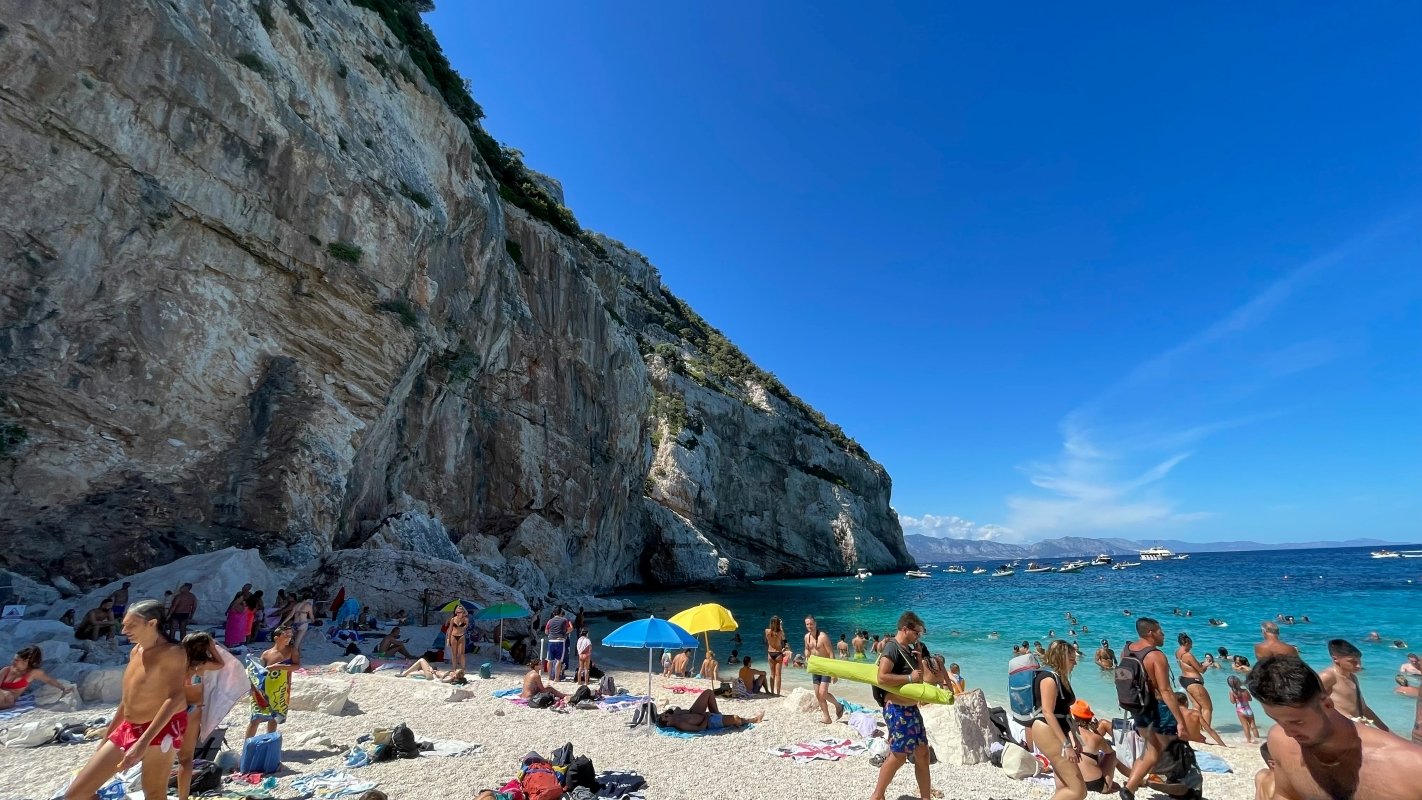
Cala Gonone serves as base camp for boat trips to hidden beaches accessible only by sea. Rock climbing on limestone cliffs attracts international enthusiasts, while the Gennargentu mountains offer hiking with panoramic coastal views. The beaches – Cala Luna, Cala Mariolu – consistently rank among Italy’s most beautiful.
Winter Activities
Mild temperatures make hiking the Selvaggio Blu trail possible (one of Europe’s most challenging coastal treks), while inland villages celebrate traditional festivals with authentic music, dancing, and enough culinary specialties to expand your waistband permanently.
Must-See Attractions
- Cala Gonone: Gateway to the east coast’s most spectacular beaches
- Grotta del Bue Marino: Sea cave system with prehistoric cave paintings
- Nuragic Sites: Bronze Age stone structures unique to Sardinia
Events & Festivals
The Festival of Sant’Efisio in May is one of Italy’s most colorful religious processions, while autumn wine festivals celebrate indigenous grape varieties that produce wines you’ll find nowhere else.
Useful Info
Getting There: Fly to Cagliari or Olbia, then drive (car rental essential for east coast exploration) Best Time: May-June and September-October for perfect weather and fewer crowds Language: Italian and Sardinian, with English in tourist areas Currency: Euro Average Daily Budget: €50-80 including accommodation, meals, and activities
🚵️ Campervan Perk: Wild camping is semi-legal—park respectfully in rural areas.
⭐ User Review: “Underrated, affordable, and way less crowded than Sicily.” – Liam D., 🇬🇧
5. Lefkada, Greece – Caribbean Vibes in the Ionian Sea
💸 Average nightly stay: $38 | Meal: $7 | Camper spot: $12
Connected to mainland Greece by a bridge (making it the only Greek island accessible by car), Lefkada offers some of the Mediterranean’s most spectacular beaches without the ferry logistics or inflated prices of more remote destinations.
What Makes It Special: Beaches that rival the Caribbean for color and clarity, a lively windsurfing scene, and mountain villages that feel authentically Greek rather than tourist-oriented.
Accommodation Options
- Budget-Friendly (€30-50/night): Family-run hotels and apartments with traditional Greek hospitality
- Mid-Range (€60-100/night): Boutique hotels with pool facilities and sea views
- Splurge (€120-200/night): Luxury resorts on private beaches, though “luxury” here costs less than basic rooms on Mykonos
Summer Activities
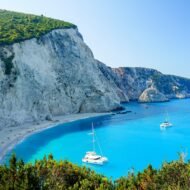
Porto Katsiki Beach consistently ranks among the world’s most beautiful, while Egremni Beach offers equally stunning scenery with fewer crowds (requires hiking down cliffs). Windsurfing at Vasiliki attracts international competitors, and sailing schools offer courses for all levels.
Winter Activities
Mountain villages like Karya and Englouvi offer traditional architecture and handicraft workshops. Hiking trails reveal waterfalls, ancient olive groves, and panoramic views of the Ionian Sea. The island’s famous lentils (among Europe’s best) are celebrated in winter festivals.
Must-See Attractions
- Porto Katsiki Beach: Often called Greece’s most beautiful beach
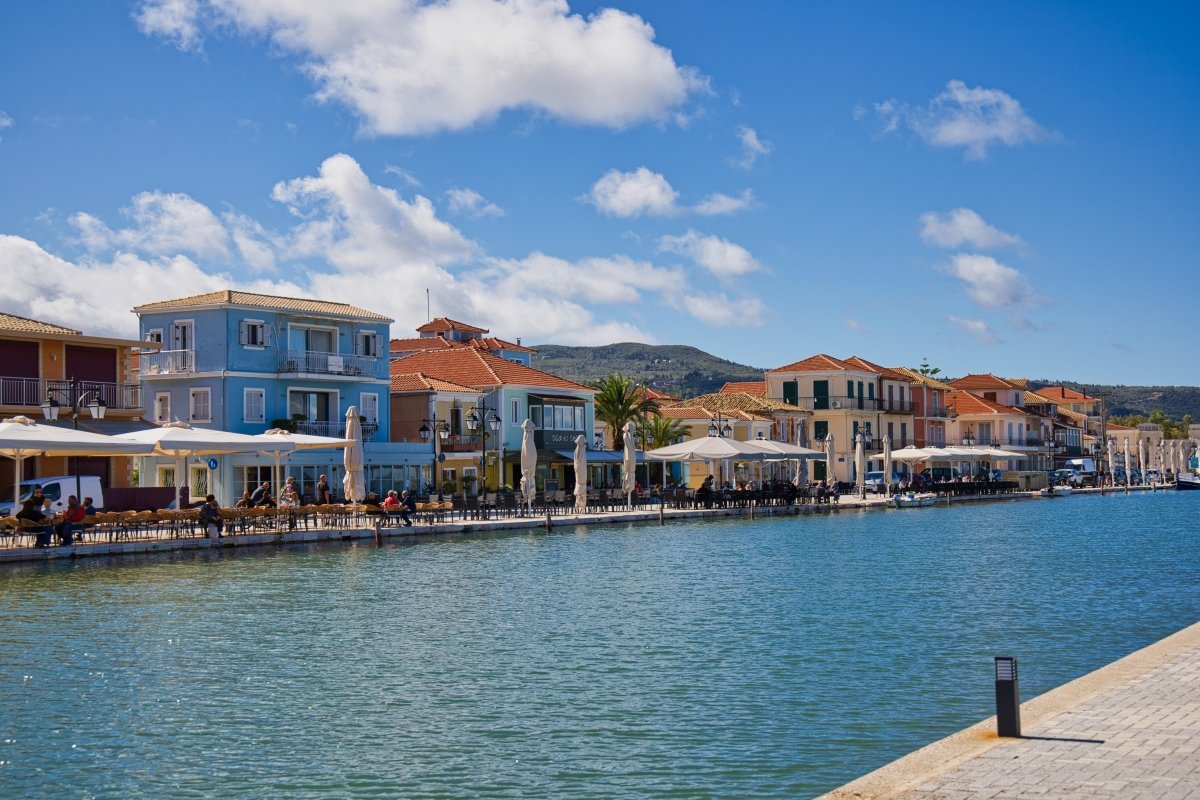
- Lefkada Town: Charming capital with colorful architecture and waterfront promenades
- Nydri Waterfalls: Refreshing swimming holes accessible by easy hiking trails
Events & Festivals
The International Folk Festival in August brings traditional music and dance from across the Balkans, while the Lefkada Arts Festival showcases local and international artists in stunning outdoor venues.
Useful Info
Getting There: Drive from Athens (3.5 hours) or fly to nearby Preveza/Aktio airport Best Time: May-June and September for perfect weather and smaller crowds Language: Greek, with English widely spoken Currency: Euro Average Daily Budget: €40-65 including accommodation, meals, and activities
Bonus: Accessible by car = fewer travel costs.
⭐ User Review: “Greece on a shoestring, without sacrificing beauty.” – Sofia M., 🇪🇸
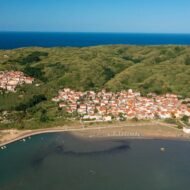
6. Susak, Croatia – The Mediterranean’s Secret Sahara
💸 Average nightly stay: $35 | Meal: $8 | Camper spot: N/A
This tiny island (less than 4 square kilometers) consists almost entirely of sand – a geological anomaly in the rocky Adriatic. With no cars, limited electricity, and a population that swells from 200 year-round residents to maybe 2,000 in summer, Susak offers digital detox in its most appealing form.
What Makes It Special: Unique sandy composition creates otherworldly landscapes, traditional viticulture produces wines found nowhere else, and the absence of modern tourism infrastructure forces genuine relaxation.
Accommodation Options
- Budget-Friendly (€20-35/night): Private rooms in family homes, often including homemade meals and local wine
- Mid-Range (€40-65/night): Small guesthouses with basic amenities and authentic island atmosphere
- Splurge: Doesn’t exist – the island’s charm lies in its simplicity
Summer Activities
Swimming and snorkeling in crystal-clear waters, exploring sandy beaches that feel more like desert oases, and learning traditional fishing techniques from locals who’ve perfected them over generations. Evening entertainment consists of sunset watching and conversations with fellow travelers.
Winter Activities
The island becomes even more serene, perfect for writer’s retreats or deep meditation. Local wine cellars open for tastings of indigenous grape varieties, and traditional handicraft workshops welcome visitors seeking authentic cultural exchange.
Must-See Attractions
- Sandy beaches: Unique in the Adriatic for their Saharan appearance
- Traditional wine cellars: Underground caves storing locally produced wines
- Village center: Traditional architecture and the island’s tiny church
Events & Festivals
The Grape Harvest Festival in September is the island’s biggest celebration, featuring traditional music, dancing, and enough local wine to make everyone temporarily fluent in Croatian.
Useful Info
Getting There: Ferry from Mali Lošinj (seasonal service, book ahead) Best Time: June-September for ferry connections and swimming weather Language: Croatian, with limited English Currency: Euro Average Daily Budget: €25-40 including accommodation and meals
🚊 Access Tip: Ferry from Mali Lošinj or Rijeka.
⭐ User Review: “Felt like a time capsule. No cars, no crowds, just calm.” – Jakob L., 🇩🇪
7. Samothraki, Greece – Where Greek Gods Went to Party
💸 Average nightly stay: $30 | Meal: $6 | Camper spot: Free (wild camping accepted)
This rugged island in the northern Aegean hosted ancient mystery religions so secret that their rituals remain unknown today. Modern visitors come for different mysteries – hidden waterfalls, natural pools, and hiking trails that lead to sacred sites where ancient Greeks believed gods actually lived.
What Makes It Special: Dramatic mountain scenery rising directly from the sea, natural hot springs, and archaeological sites that predate the Parthenon by centuries.
Accommodation Options
- Budget-Friendly (€25-40/night): Simple guesthouses and rooms in traditional stone houses
- Mid-Range (€50-80/night): Small hotels with mountain or sea views and authentic Greek character
- Splurge (€90-130/night): Boutique properties featuring traditional architecture with modern comfort
Summer Activities
Hiking to Fonia Falls and its natural swimming pools ranks among Greece’s best outdoor experiences. The challenging trek to Mount Saos (the island’s highest peak) rewards climbers with panoramic Aegean views. Natural hot springs at Therma provide relaxation after active days.
Winter Activities
Milder weather makes exploring archaeological sites more comfortable, while traditional villages celebrate Orthodox festivals with authentic music, dancing, and locally produced specialties. The island’s mystical atmosphere intensifies during stormy winter weather.
Must-See Attractions
- Sanctuary of the Great Gods: Ancient religious site with remarkable surviving structures
- Fonia Falls: Natural pools fed by mountain waterfalls
- Therma Hot Springs: Natural thermal waters with therapeutic properties
Events & Festivals
The Festival of Traditional Music in August brings musicians from across the Aegean, while Orthodox celebrations throughout the year offer glimpses into authentic Greek religious traditions.
Useful Info
Getting There: Ferry from Alexandroupoli (2 hours) or Kavala (3 hours) Best Time: May-June and September for hiking weather and ferry connections Language: Greek, with limited English in tourist areas Currency: Euro Average Daily Budget: €35-55 including accommodation, meals, and activities
🚪 Low-Cost Life: You can live here for under $25/day if you’re frugal.
⭐ User Review: “Spiritual, affordable, and WILD. My new fave.” – Zoë B., 🇳🇱
💬 Final Thoughts: Your Mediterranean Adventure Awaits
These seven islands prove that paradise doesn’t require premium pricing. Each offers unique character, stunning natural beauty, and authentic cultural experiences without the crowds and costs that plague more famous destinations. Whether you’re drawn to Karpathos’ traditional villages, Mljet’s pristine national park, or Susak’s otherworldly sandy landscape, you’ll discover that the Mediterranean’s best-kept secrets often hide in plain sight.
The key to enjoying these destinations lies in embracing their individual personalities rather than expecting standardized resort experiences. Come prepared for adventure, pack curiosity alongside your sunscreen, and remember that the best travel stories often unfold in places where your phone signal occasionally disappears.
Your wallet – and your Instagram followers – will thank you for choosing roads less traveled through waters just as blue.
Pro Travel Tip: Travel in shoulder season (May–June or Sept–Oct) for the best deals, weather, and fewer crowds.
Disclaimer:
Prices are estimates based on 2025 user reviews and public data. and may vary depending on season, exchange rates, and local economic conditions. Accommodation prices reflect average costs during shoulder seasons and may be higher during peak summer months or local festivals. Ferry schedules, especially to smaller islands, can change due to weather conditions or seasonal adjustments. Always verify current information with official tourism boards or local operators before traveling. Some activities mentioned may require advance booking or have seasonal restrictions. Travel insurance is recommended for all destinations, particularly for activities like hiking, diving, or water sports. While effort has been made to ensure accuracy, readers should conduct their own research and planning for current conditions and personal requirements.