

TL;DR: Faenza is Italy’s ceramic capital where you can watch artisans create masterpieces, explore world-class museums, savor Emilia-Romagna’s legendary cuisine, and experience authentic Italian charm without the tourist crowds – all just 30 minutes from Bologna.
- Why Faenza Should Be Your Next Italian Escape
- Getting to Faenza: Easier Than You Think
- The Ceramic Capital: What Makes Faenza Special
- Workshop Hopping: Where to Find Active Artisans
- Beyond Ceramics: Faenza’s Historic Treasures
- Foodie Paradise: Emilia-Romagna’s Culinary Heritage
- Perfect Faenza Itineraries
- Seasonal Events Not to Miss
- Smart Travel Tips
- Nearby Destinations Worth Exploring
- Why Faenza Beats the Tourist Traps
Why Faenza Should Be Your Next Italian Escape
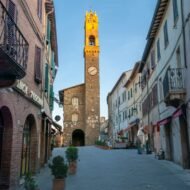
Forget the crowded streets of Florence or the touristy canals of Venice. Faenza is a charming city in Italy’s Emilia-Romagna region known internationally for its ceramics, and it’s about to become your new favorite Italian destination. This medieval town of 59,000 people has been quietly perfecting the art of pottery for over 800 years, and frankly, it’s criminal how few travelers know about it.
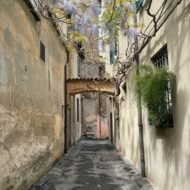
Picture this: strolling through cobblestone streets where over sixty ceramic workshops line the historic center, watching master artisans hand-paint intricate designs that have been passed down through generations. The best part? You can purchase a high-quality, authentic work directly from one of Faenza’s ceramic masters for less than a hundred Euro. Try finding that kind of value in tourist-heavy destinations!
Getting to Faenza: Easier Than You Think
From Bologna (Your Gateway Hub):
- Direct trains depart hourly from Bologna Centrale, taking just 23-31 minutes and costing €5-45
- Services operate every day with the first train at around 5:00 AM and last at 00:35
- Perfect day trip or base for exploring Emilia-Romagna
From Bologna Airport:
- Take a train via Bologna Centrale (total journey: 1h 27m including transfers)
- Alternative: Direct shuttle service (55 minutes, €32-100)
Pro tip: Faenza sits perfectly on the Via Emilia, halfway between Bologna (50km) and Rimini (65km), with easy connections to Ravenna (32km) and Florence (100km).
The Ceramic Capital: What Makes Faenza Special
The International Museum of Ceramics (MIC)
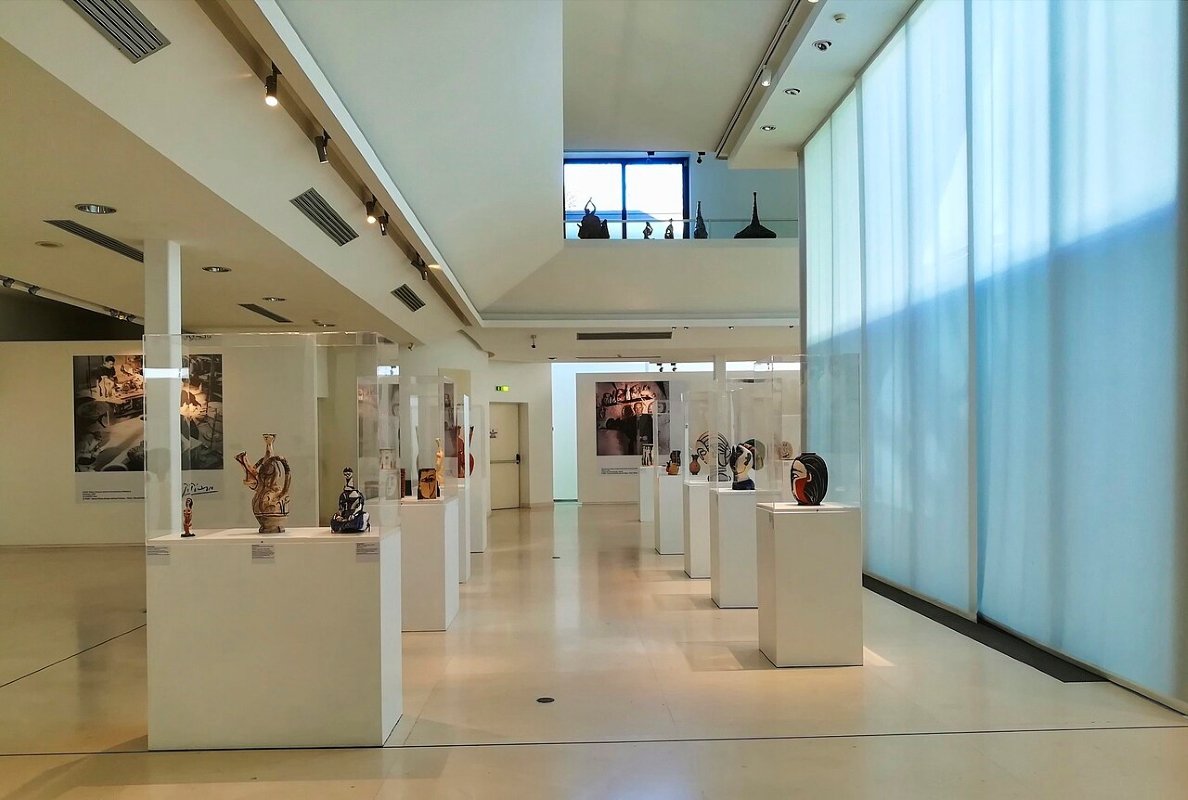
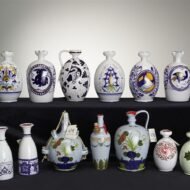
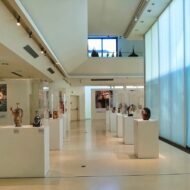
This isn’t just any museum – it represents the most important ceramic collection in the world with over 60,000 works ranging from 4000 B.C. to the present day. The International Museum of Ceramics (MIC) in Faenza is one of the world’s most important ceramics museums, featuring works not only from Faenza but from diverse cultures around the globe.
What you’ll discover:
- Historical ceramics: From ancient Greek pottery to Islamic ceramics
- Renaissance masterpieces: The famous “Whites of Faenza” that made the city legendary
- Modern art section: Works by Picasso, Chagall, and Matisse
- Hands-on workshops: The MIC organizes workshops for children and adults, offering a fun, hands-on opportunity to create ceramic pieces under expert guidance
Understanding Faenza’s Ceramic Styles
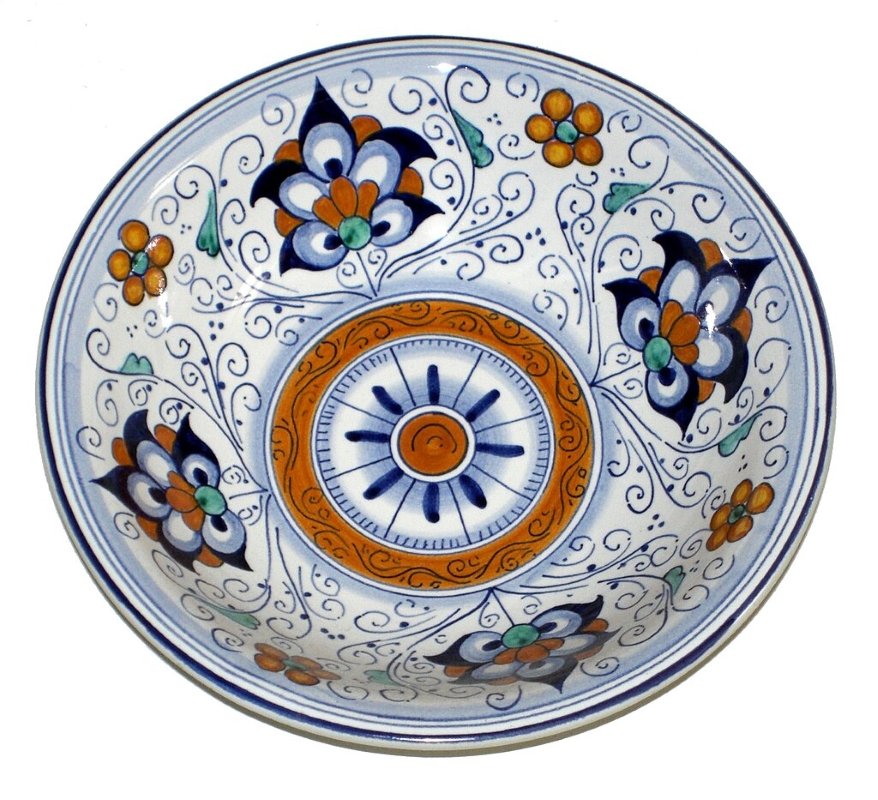
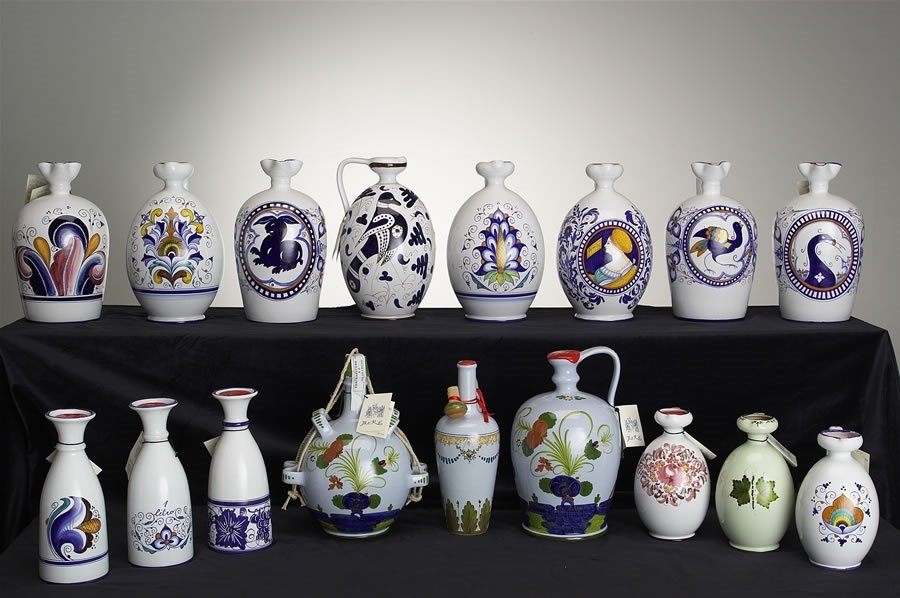
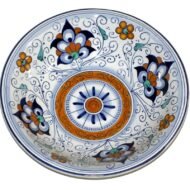
There’s no single style of Faenza ceramics, but today artisans who follow historical tradition take their inspiration from one or more of the main ceramic periods:
- Stile Arcaico (Archaic Style): Medieval monochromatic pieces with dark blue geometric patterns
- Stile Severo (Severe Style): Renaissance style featuring noblewomen in profile with gold and ochre colors
- Stile Bello (Beautiful Style): Storytelling pottery with religious and mythological scenes
- Stile Compendiario (Abbreviated Style): Minimalist decoration with elaborate basket patterns
Workshop Hopping: Where to Find Active Artisans
Must-Visit Ceramic Studios
Corso Giuseppe Mazzini District: Continue along Corso Mazzini where you’ll find four ceramic studios, all very close to one another. This pedestrian-friendly street is perfect for studio hopping.
Spazio Ceramica Faenza: Visit the shop Spazio Ceramica Faenza, via Pistocchi 16, where you can see a collection of all the Faenza ceramists, even those whose studios are further away.
Zauli Museum: Begin at the Zauli Museum in via della Croce, (closed on Sundays and Mondays). This Museum offers an impressive anthology of one of the 20th century’s greatest ceramic sculptors, Carlo Zauli.
La Vecchia Faenza: Welcome to the website of the La Vecchia Faenza ceramic workshop and the ceramist Laura Silvagni. We manufacture majolica, entirely hand decorated in the traditional Faenza styles.
Ceramic Workshops and Classes
Faenza Art Ceramic Center offers a wide range of activities: pottery workshop, artist residencies and ceramic contest. It’s the perfect place to get your hands dirty and create your own masterpiece.
Beyond Ceramics: Faenza’s Historic Treasures
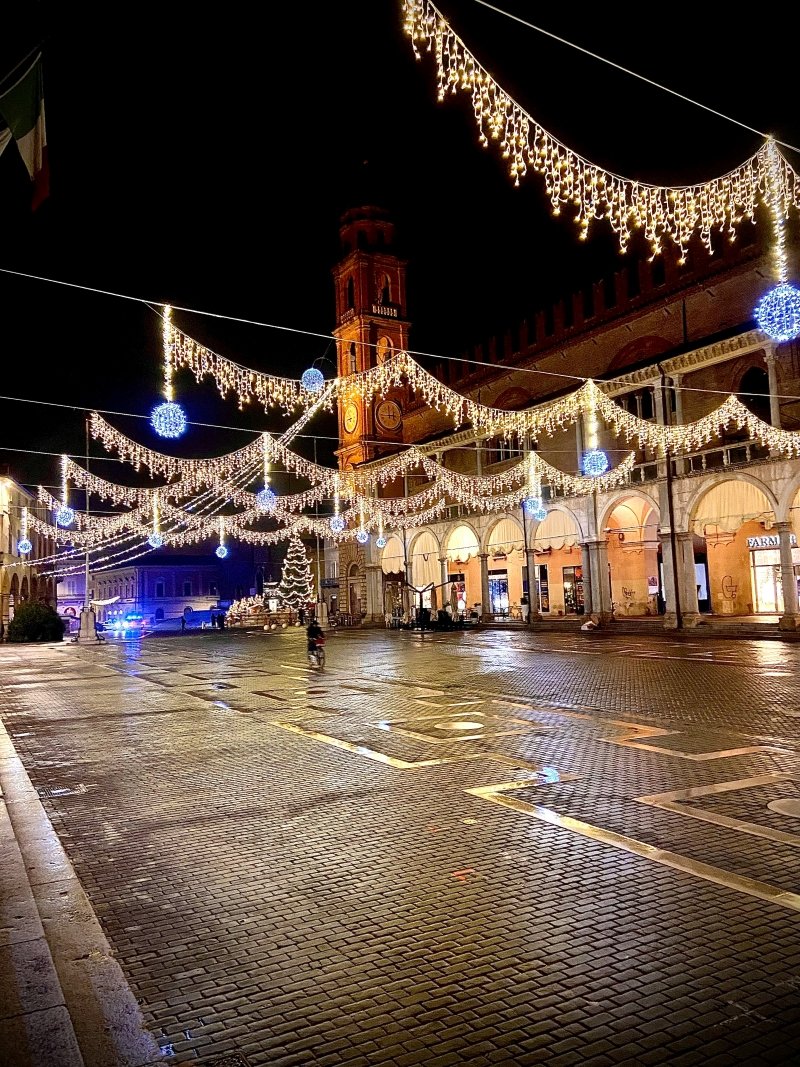
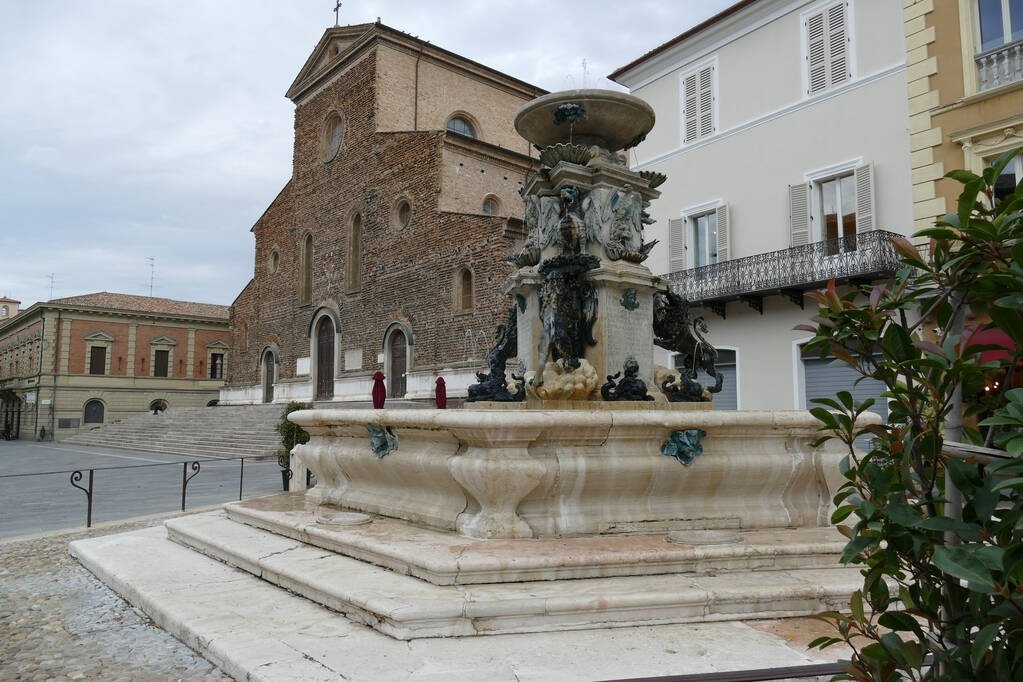
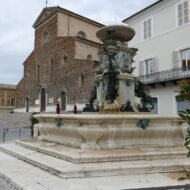
Piazza del Popolo: The Heart of Faenza
The medieval heart of the town has lots of buildings of interest to see and is usually quite lively, especially on market days (Saturdays, Tuesdays and Thursdays). This imposing square features:
- Palazzo del Popolo: 12th century palace accessed via an imposing staircase, former seat of the ‘Captain of the People’ then later home to the Manfredi Family
- Faenza Cathedral: Founded in the second half of the 15th century by Bishop Federico Manfredi to a design by Giuliano da Majano
- Monumental Fountain: Perfect for that Instagram shot!
Palazzo Milzetti
Don’t miss this neoclassical gem! Palazzo Milzetti, a palace built for eighteenth-century Count Nicola Milzetti. With an English audio guide, you can walk through impressive-sounding rooms named and painted after Greek myths.
Galleria dei Cento Pacifici
The famous ‘Galleria dei Cento Pacifici’ is in Molinella Square and one of the highlights in Faenza: it is an extraordinary work by Giuseppe Pistocchi (1785) with decorations by Serafino Barozzi (1735-1810).
Foodie Paradise: Emilia-Romagna’s Culinary Heritage
What to Eat in Faenza
Faenza sits in Emilia-Romagna, widely regarded as the home of the finest food traditions found in all of Europe. You’re in the birthplace of:
- Parmigiano Reggiano cheese
- Prosciutto di Parma
- Traditional balsamic vinegar
- Fresh pasta perfection
Must-Try Local Dishes
Passatelli in Brodo: A comforting soup with bread dumplings Tagliatelle al Ragù: The ragù is then used to dress fresh ribbons of tagliatelle pasta for a filling and hearty dish Garganelli: Traditional tube-shaped pasta unique to the region Cappelletti in Brodo: Small hat-shaped pasta in rich broth
Top Restaurant Recommendations
Osteria della Marianaza: A rustic tavern where the Faenza tradition of homemade tagliatelle and grilled meat has been maintained since the 19th century. Marianaza successfully showcases the best of la cucina romagnola
Bistrò Rossini & Enoteca Astorre: In the main square, you can opt for a relaxed bite to eat either at the Bistrò Rossini or at the Enoteca Astorre
La Tana del Lupo: Mentioned as one of the favorites where you can enjoy a meal by the pool
San Biagio Vecchio Ristorante: A hidden gem nestled in the hills of Romagna, offering exquisite traditional Italian cuisine with a modern twist
Perfect Faenza Itineraries
Half-Day Quick Visit (4-6 hours)
Morning (9:00-12:00):
- Start at Piazza del Popolo
- Visit Faenza Cathedral
- Explore the historic center
Afternoon (12:00-15:00):
- International Museum of Ceramics
- Window shopping and gelato on Corso Giuseppe Mazzini lined with shops featuring Italian fashions and locally created ceramic art
- Quick ceramic workshop visit
Full Day Experience
Morning: Historic center exploration + ceramic studios Afternoon: MIC Museum + Palazzo Milzetti Evening: Traditional dinner at Osteria della Marianaza
Perfect Weekend
Day 1: Faenza exploration + ceramics immersion Day 2: Visit nearby towns: Brisighella (13km), Riolo Terme (17km), or Ravenna (32km) for Byzantine mosaics
Seasonal Events Not to Miss
Palio del Niballo (June)
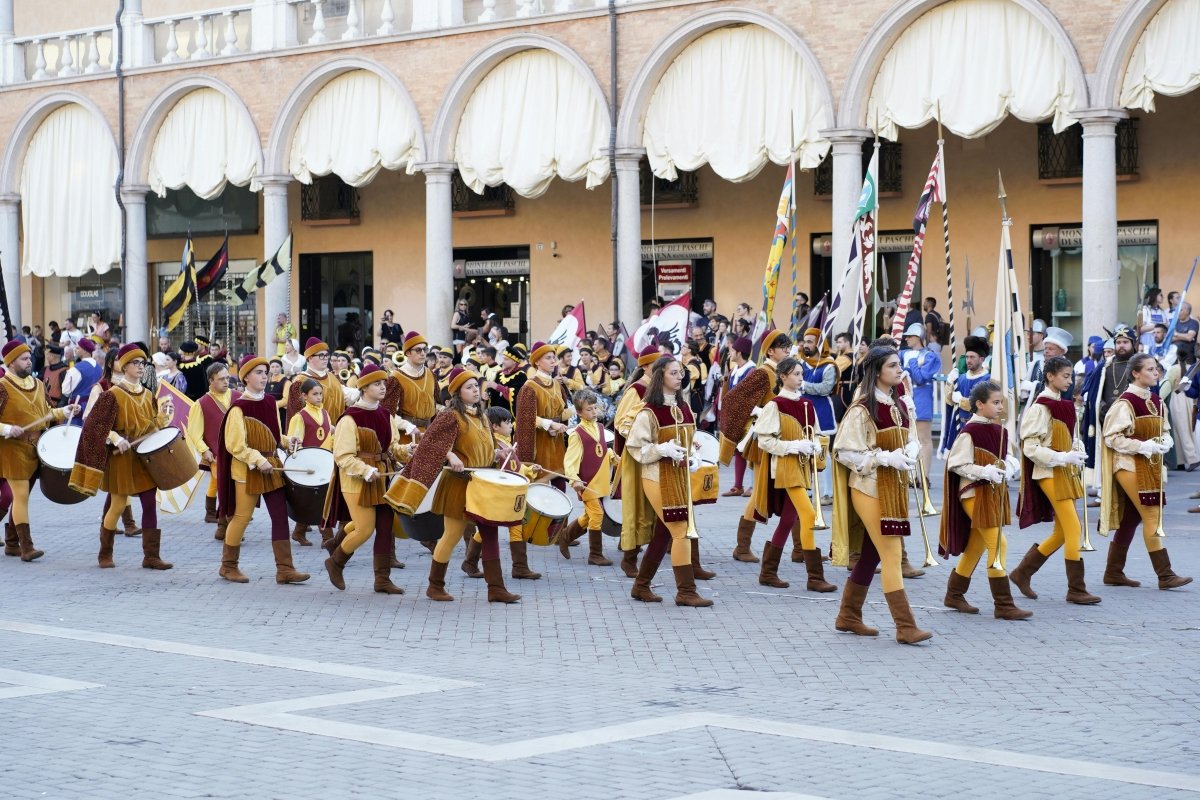
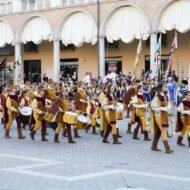
Faenza celebrates its past in the “Palio del Niballo”, one of the oldest jousting events ever known. In the month of June, the five town districts enliven the city with challenges between flag wavers and drummers, enjoyable food and wine evenings and entertaining shows.
Argillà – Italia (Every Two Years, September)
Every two years, during the first weekend of September, Argillà – Italia takes place, one of the major European ceramic festivals. The exhibition market is also open in the evening and offers visitors the possibility of a pleasant night walk among the stands.
Smart Travel Tips
When to Visit
- Best weather: April-June, September-October
- Budget option: June to August, when hotel prices are generally the lowest
- Avoid: Peak summer heat in July-August
Getting Around
- The city is compact and pedestrian-friendly, and all of the attractions can be reached within 10 minutes
- Historic center is mostly car-free
- Train station is walking distance from main attractions
Money-Saving Tips
- Many ceramic workshops offer free browsing
- Market days (Tues, Thurs, Sat) are perfect for local food shopping
- You can comfortably see the highlights of Faenza in just one day, or even a half-day if you’re on a tight schedule
What to Buy
- Authentic ceramics: Look for certified Faenza ceramics with traditional markings
- Local food products: Parmigiano Reggiano, balsamic vinegar, local wines
- Handcrafted items: From local artisan workshops
Nearby Destinations Worth Exploring
Ravenna (30 minutes): Ancient Byzantine city which is famous worldwide for its mosaics
Bologna (30 minutes): Food capital and university city
Brisighella (15 minutes): One of Italy’s Most Beautiful Villages
Florence (1.5 hours): Renaissance art and architecture
Why Faenza Beats the Tourist Traps
While everyone’s fighting crowds at the Duomo in Florence or paying €6 for a coffee near the Colosseum, you’ll be sipping espresso for €1.50 in Faenza’s main piazza, watching real artisans work their magic. For first-time visitors to Italy, many suggest skipping Faenza in favor of more well known cities in the region like Bologna, Ravenna, or Parma, but that’s exactly what makes it special.
Today Faenza is home to several dozen working ceramics firms whose artisans quietly turn out small masterpieces. Quality and price vary tremendously in Faenza, but in general, you can find good values on ceramics given that the town is off the beaten tourist track.
The magic of Faenza lies in its authenticity. This isn’t a place that’s been polished for tourists – it’s a living, breathing town where centuries-old traditions continue to thrive. You’ll leave with not just beautiful ceramics, but stories of the artisans who made them and memories of genuine Italian hospitality.
So pack your bags, grab your appetite, and prepare to discover Italy’s best-kept secret. Faenza is waiting to show you what real Italian craftsmanship and culture look like – no crowds required.
Have you experienced Faenza’s ceramic magic? Share your stories and favorite discoveries in the comments below! And don’t forget to follow us for more hidden Italian gems that’ll make your friends seriously jealous of your travel game.