

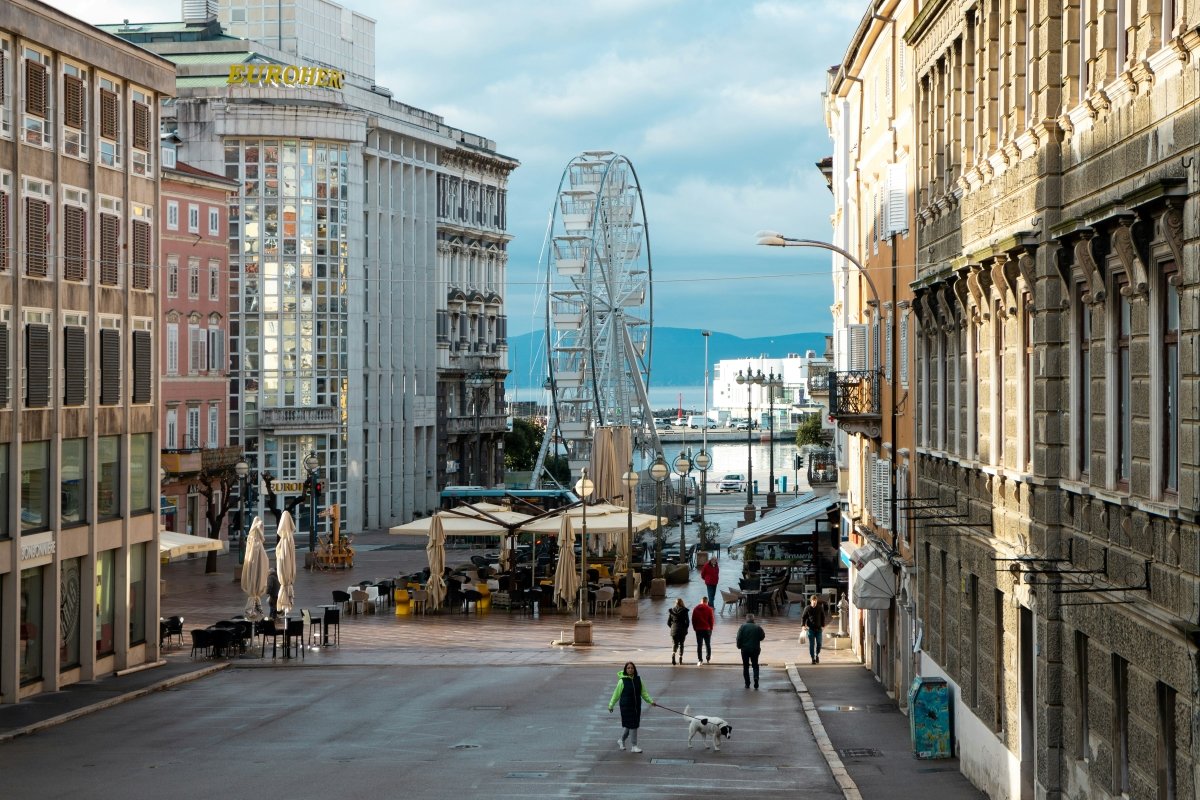
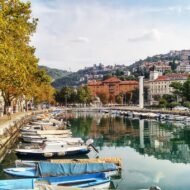
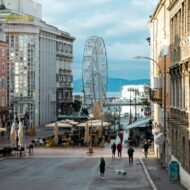
Rijeka is Croatia’s cool, underrated port city that offers everything Split and Dubrovnik do—stunning architecture, incredible seafood, vibrant nightlife—but with way fewer crowds and softer prices. Whether you’re a history buff, foodie, or beach-hopper, this Mediterranean jewel deserves a spot on your Balkans itinerary.
- Why Rijeka Should Be on Your Croatian Bucket List
- Getting to Rijeka: Your Transportation Guide
- Where to Stay: Accommodation for Every Budget
- The Best Things to Do in Rijeka
- Korzo: The Heart and Soul of Rijeka
- Trsat Castle: Views That’ll Blow Your Mind
- St. Vitus Cathedral: Unique Architecture
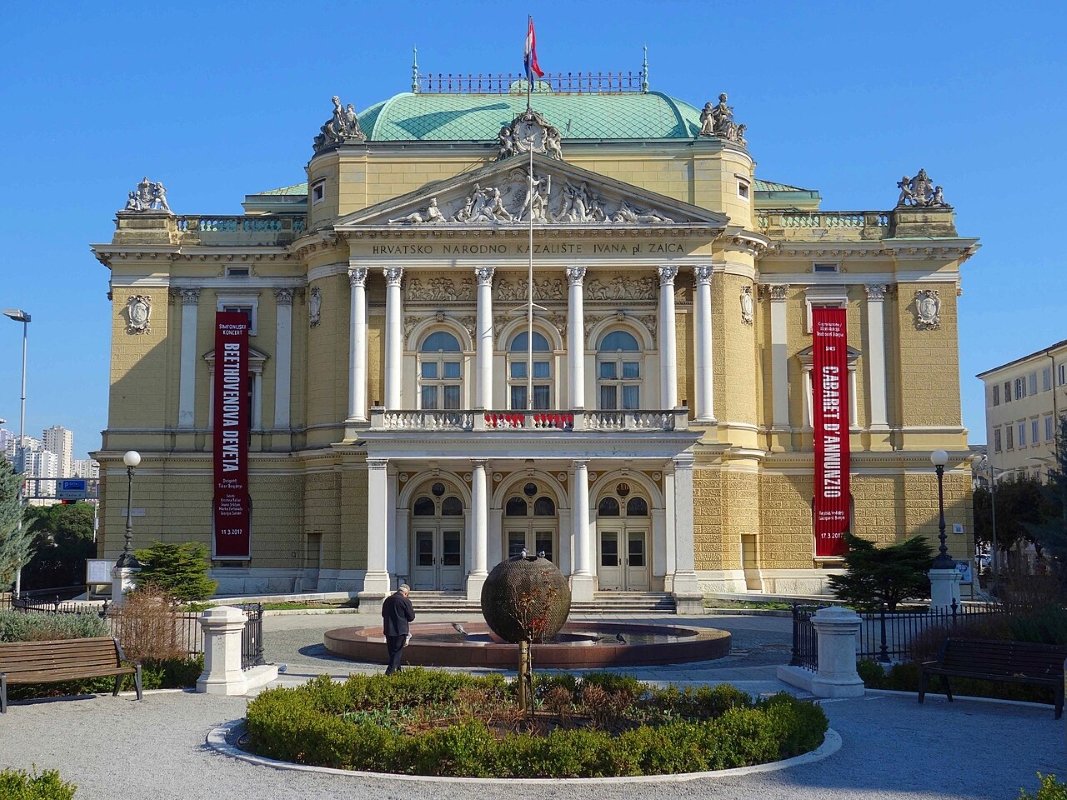
- Croatian National Theatre “Ivan pl. Zajc”
- Peek & Poke Computer Museum
- Maritime and History Museum (Governor’s Palace)
- The Shrine of Our Lady of Trsat
- Central Market (Jadranski Pazar)
- What to Eat: Your Guide to Rijeka’s Food Scene
- Must-Try Local Dishes
- Top-Tier Restaurants
- Budget-Friendly Eats
- Where to Grab Coffee & Cake
- Street Food & Markets
- The Rijeka Carnival: A Once-in-a-Lifetime Experience
- Beyond the City: Day Trips from Rijeka
- Practical Info for Your Visit
- Why Rijeka Wins (And Why You Shouldn’t Miss It)
- Final Thoughts
Why Rijeka Should Be on Your Croatian Bucket List
Let’s be real: everyone talks about Dubrovnik, Split, and Rovinj. But if you want to experience Croatia like actual Croatians do—eating amazing food, sipping local wines, and hanging out with locals instead of tour buses—Rijeka is where it’s at.
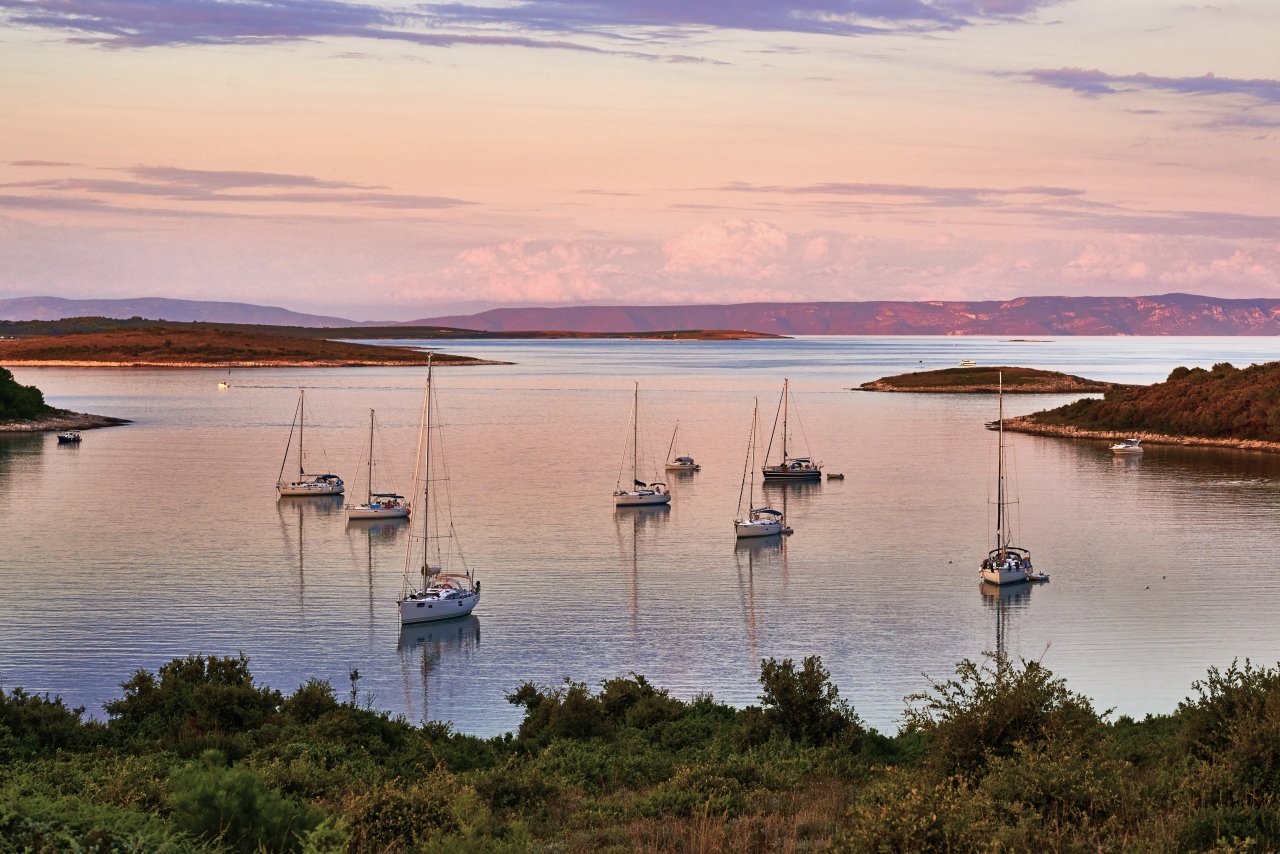
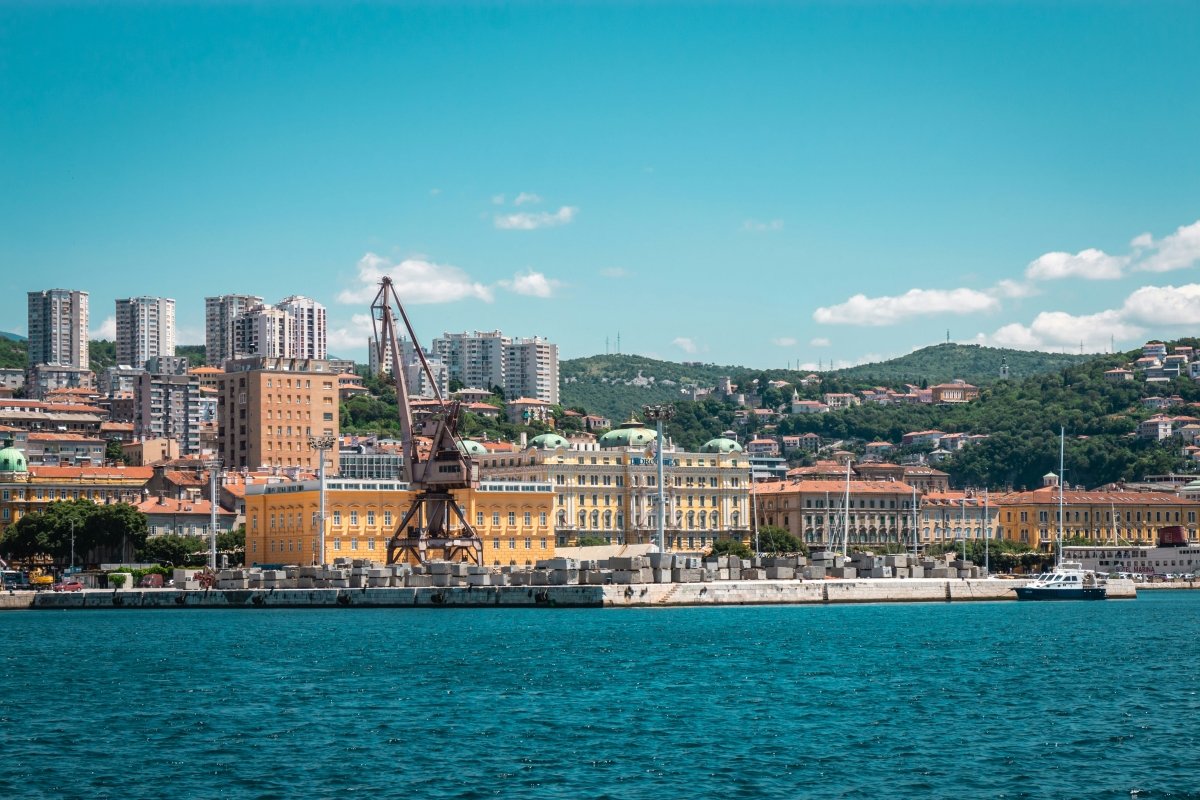
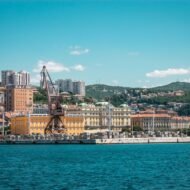
As Croatia’s third-largest city with about 150,000 people, Rijeka isn’t trying to be a postcard-perfect tourist destination. Instead, it’s a living, breathing port city with a fascinating past, jaw-dropping architecture from the Habsburg era, thriving museums, and a food scene that’ll make you weep with joy. Plus, it’s the gateway to the Croatian islands, meaning you can base yourself here and explore the stunning Kvarner Bay without the premium price tag of beachside resorts.
The vibe? Authentic. The crowds? Minimal. The value? Exceptional.
Getting to Rijeka: Your Transportation Guide
By Air
Rijeka Airport sits on nearby Krk Island, about 30-40 minutes from the city center by car or shuttle bus. It’s small and manageable—way less chaos than Zagreb’s airport. You can book airport transfers in advance or grab a shuttle.
By Bus
This is the most popular option for traveling within Croatia. The main bus station is conveniently close to the city center. Regular services connect Rijeka to:
- Zagreb (2+ hours)
- Rovinj (1.5-2 hours)
- Pula (1.5-2 hours)
- Split (5 hours—grab a window seat for the stunning coastline)
- Zadar and other Croatian cities
Check FlixBus or Arriva for schedules and bookings.
By Train
If you’re not in a hurry, overnight trains from Budapest or Zagreb offer an adventurous (and budget-friendly) option. The journey takes around 12 hours from Budapest, but you save a night of accommodation. The train station is about 1km from the city center.
By Ferry
Coming from nearby islands like Cres, Rab, or Pag? Jadrolinija ferries connect directly to Rijeka’s port. Perfect if you’re island-hopping through Kvarner Bay.
Getting Around the City
Once you’re here, the compact city center is super walkable. Many attractions are within a 15-30 minute stroll, though some areas are hilly (bring comfy shoes). The city bus network is reliable and cheap if you need it. Uber and taxis are available and reasonably priced.
Where to Stay: Accommodation for Every Budget
Rijeka caters to everyone, from backpackers to luxury seekers. Stay in the city center for easy access to attractions, or pick a coastal property nearby for sea views and more breathing room.
Budget-friendly: Old Town Inn, Tre Re Inn, and numerous guesthouses offer clean, comfortable stays without breaking the bank. Prices drop significantly outside peak season (July-August).
Mid-range: Several solid hotels with good amenities dot the central area, many housed in beautiful historic buildings.
Luxury: Seafront resorts and upscale hotels offer spa facilities, fine dining, and Adriatic views.
Pro tip: Visit in shoulder seasons (May-early June or September-October) for pleasant weather, fewer tourists, and lower prices. Winter months are budget-friendly but cooler—though this is when the famous Rijeka Carnival happens, so prices spike in February.
The Best Things to Do in Rijeka
Korzo: The Heart and Soul of Rijeka
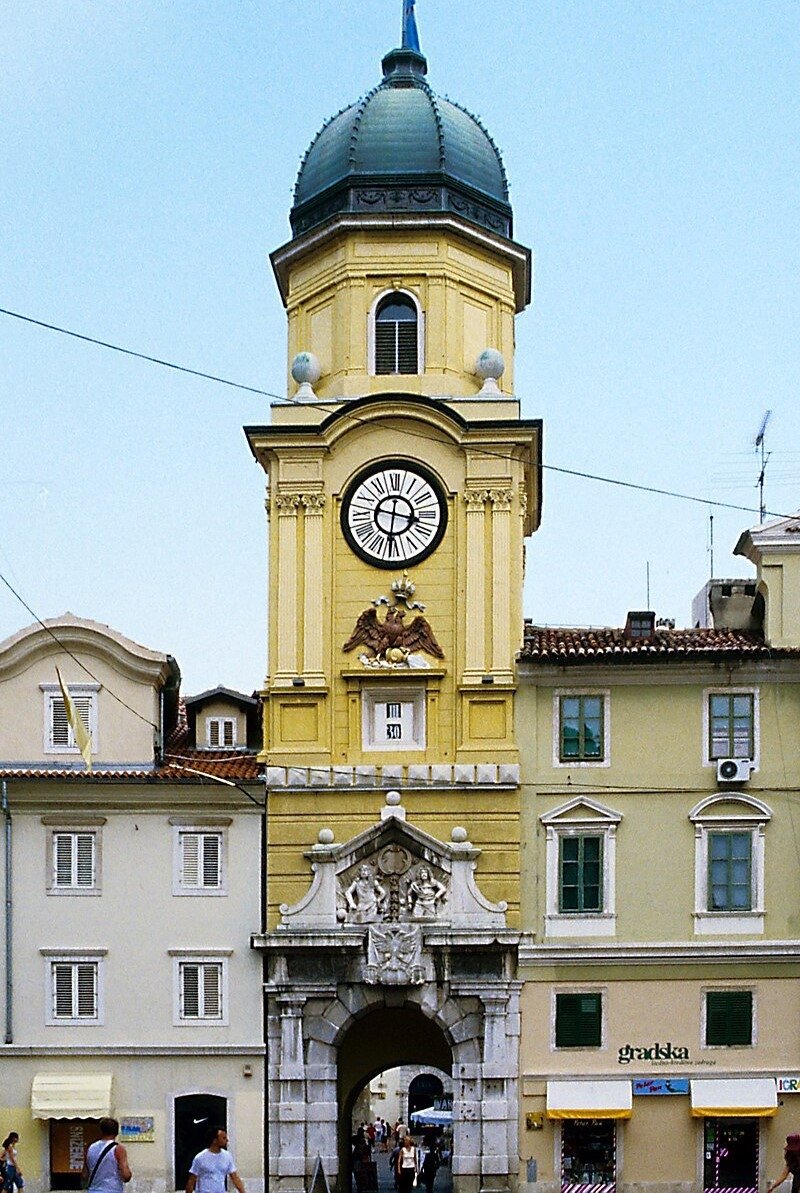
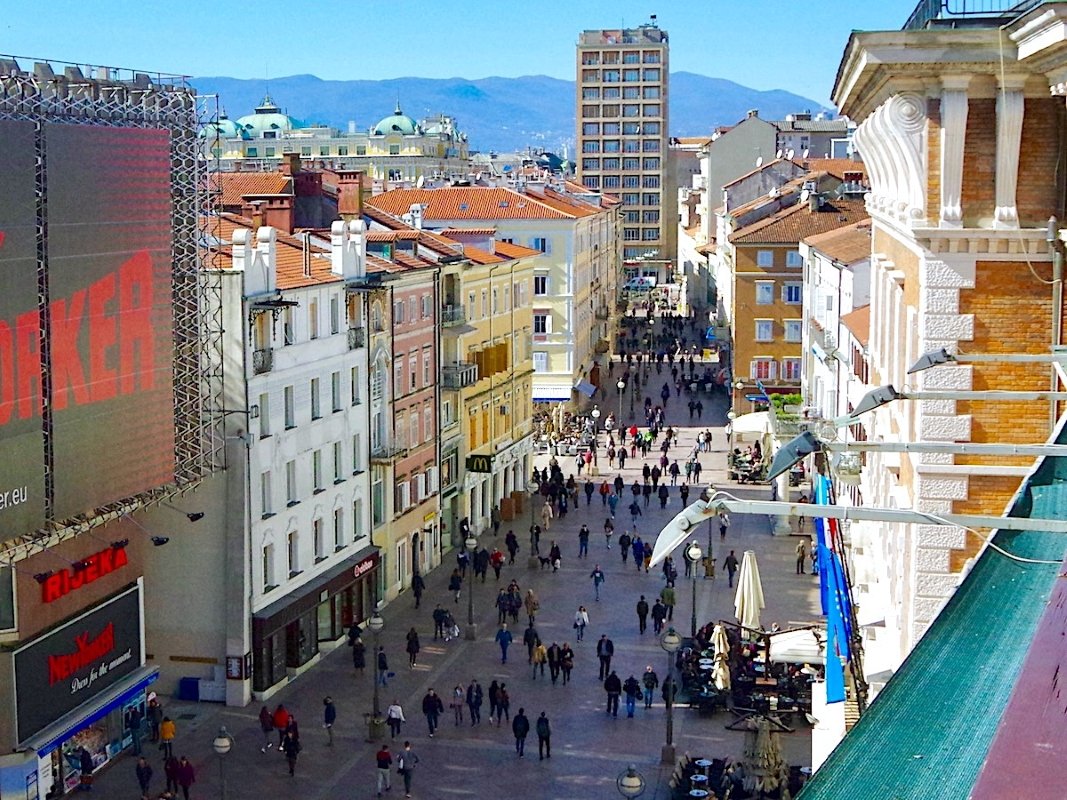
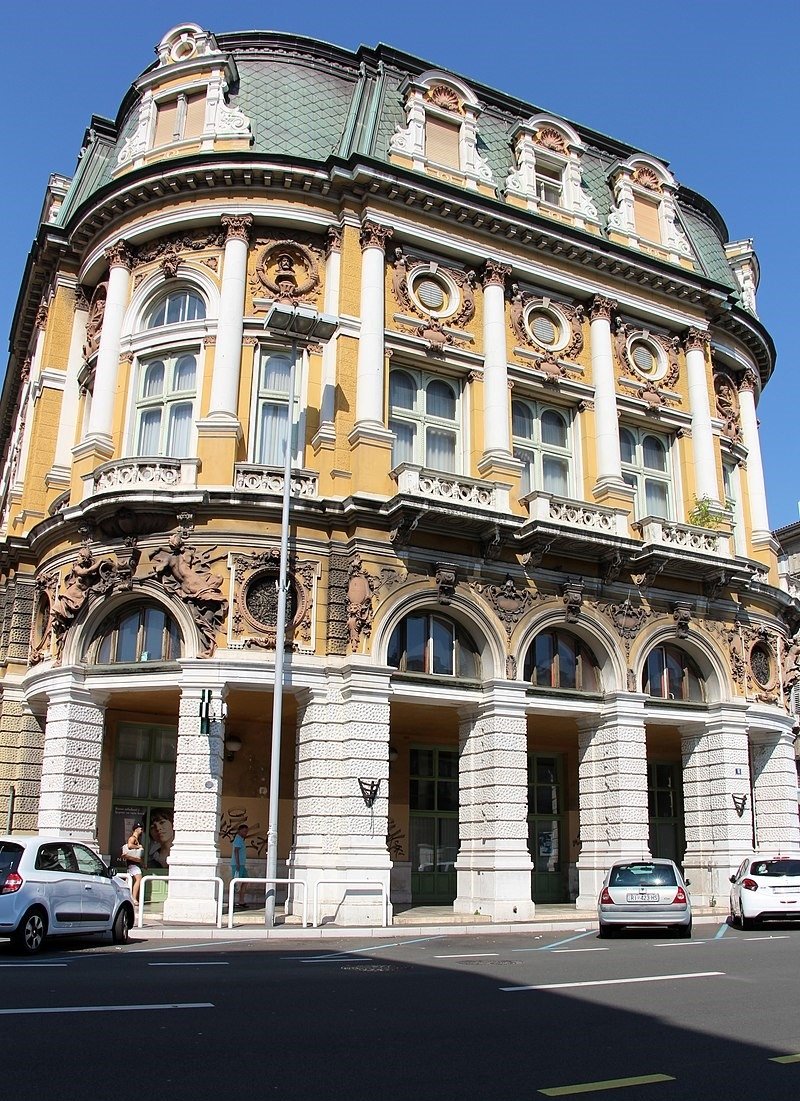
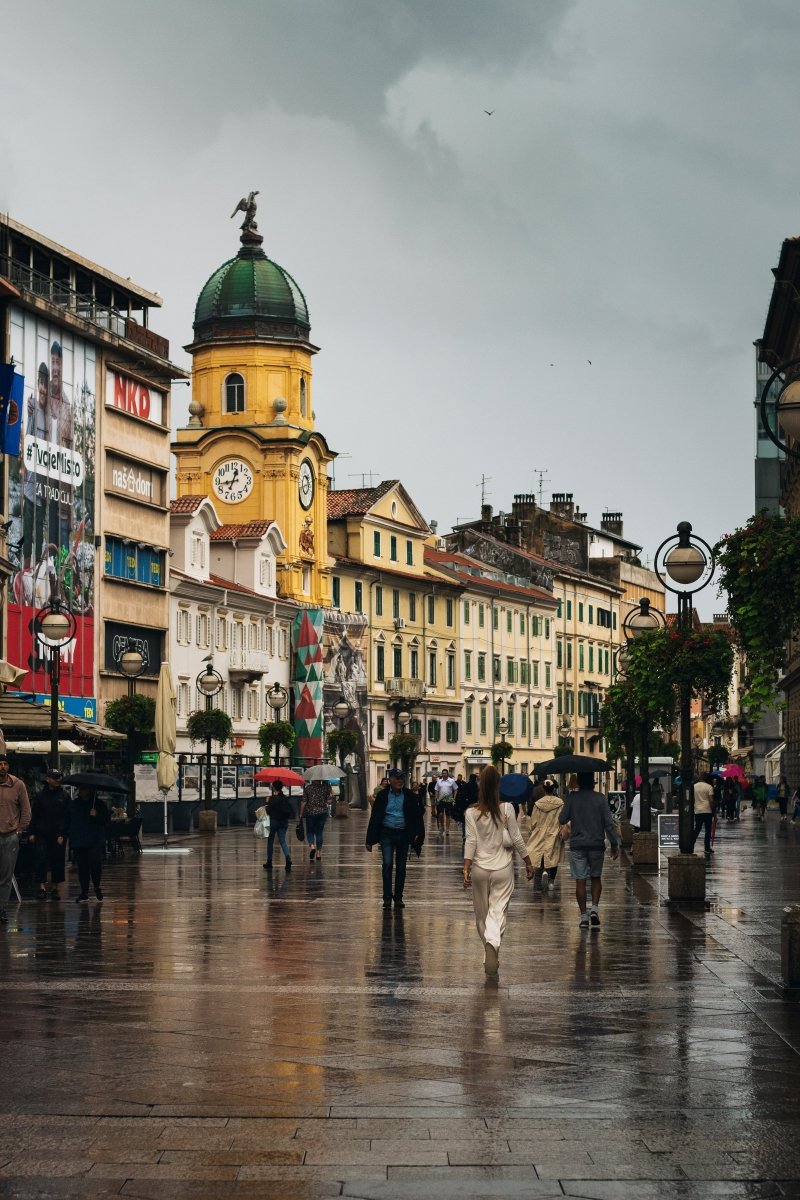
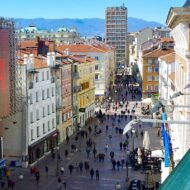
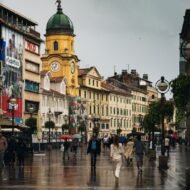
This isn’t just a street; it’s an experience. Korzo is Rijeka’s main pedestrian promenade, lined with colorful Habsburg-era buildings, cafés, bars, and shops. It’s where locals hang out, tourists soak up the atmosphere, and street life unfolds throughout the day. Stop for an espresso, people-watch, browse boutiques, or just soak in the vibe. The iconic City Clock Tower with its yellow façade sits here—perfect photo op.
Trsat Castle: Views That’ll Blow Your Mind
Perched on a hill above the city, this charming castle delivers panoramic views of Rijeka, Kvarner Bay, and the surrounding landscape. Two ways to get there: take the bus or climb the famous Petar Kružić Stairway with over 500 stone steps (yes, it sounds intense, but locals do it for exercise). The castle itself is small but atmospheric, with stone walls, an open courtyard, and a relaxed café with a terrace perfect for sunset. Best part? Free entrance. Pro tip: Walk up early morning to beat crowds and enjoy the view with fewer people.
St. Vitus Cathedral: Unique Architecture
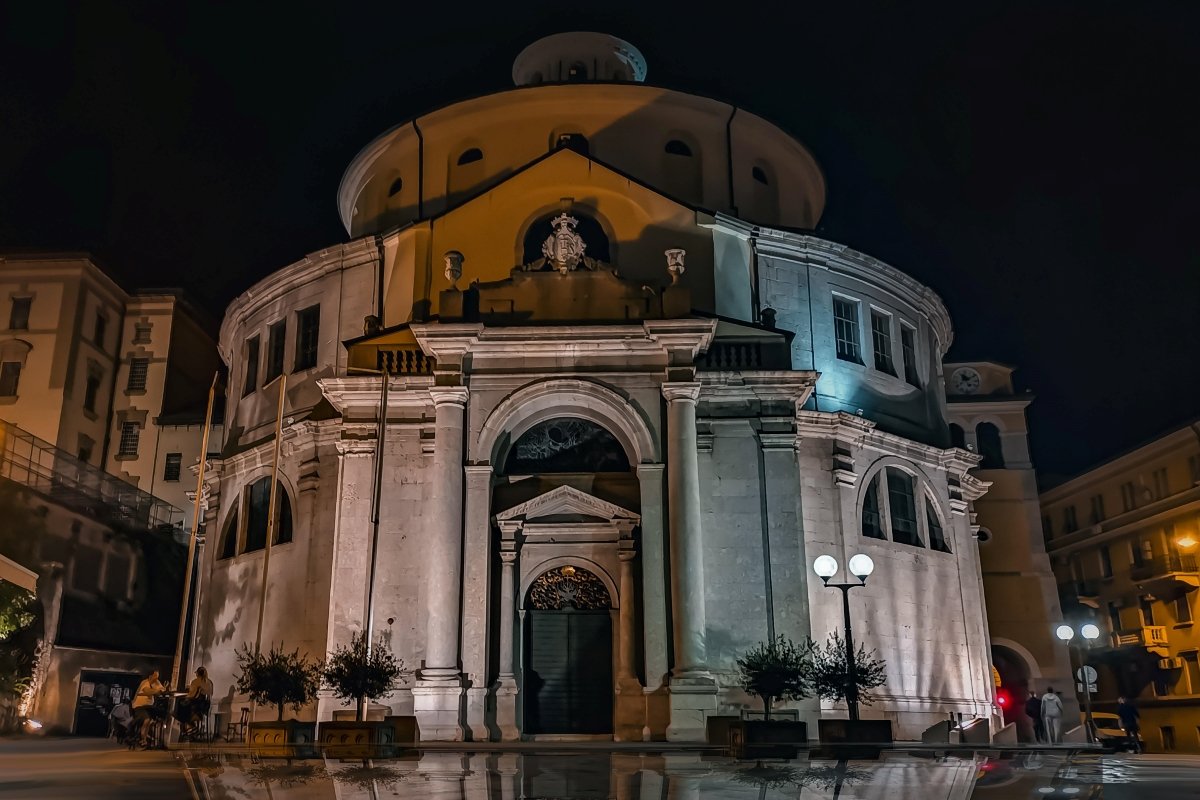
This isn’t your typical European cathedral. Built in a round Baroque style (rare in Croatia), St. Vitus is a beautiful oddity. The interior is dark, peaceful, and dramatic, with an impressive dome and ornate altars. It’s not enormous, but it’s absolutely worth stepping inside for a moment of quiet reflection. Free entry, and it’s quick if you’re passing by.
Croatian National Theatre “Ivan pl. Zajc”
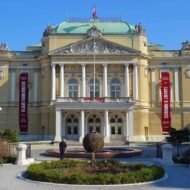
Built in 1885, this stunning theatre is architectural eye candy. Named after Croatian composer Ivan Zajc, it adds elegance to the old town and sits next to a quiet park with benches and fountains—perfect for a rest or photos. If you’re in town longer, check the schedule for plays, ballets, and operas. Even if you don’t catch a performance, the building exterior is worth admiring.
Peek & Poke Computer Museum
Yes, this sounds niche—but it’s genuinely fascinating. Housing over 2,000 exhibits (old computers, game consoles, calculators, tech gadgets), this interactive museum is a nostalgic trip through the history of computing. Many items are hands-on, so you can actually play retro games from the ’80s and ’90s. Entry costs around €4-€6. Fun for all ages, not just tech nerds.
Maritime and History Museum (Governor’s Palace)
Housed in the majestic Habsburg-era Governor’s Palace, this museum showcases Rijeka’s deep maritime heritage. Explore exhibits on historical ships, navigational instruments, and artifacts telling the story of the Croatian Littoral. The palace architecture and beautifully maintained gardens are worth the visit alone. It’s a must for history buffs and maritime enthusiasts.
The Shrine of Our Lady of Trsat
Located above Rijeka, this is Croatia’s oldest sanctuary dedicated to the Virgin Mary and attracts pilgrims from across Europe. The climb is rewarding—both spiritually and for the views. Whether you’re religious or just curious about Croatian culture, it’s an interesting stop.
Central Market (Jadranski Pazar)
Wander through pavilions bursting with fresh produce, seafood, meats, and cheeses. The outdoor stalls overflow with colorful fruits and vegetables. This is where locals shop, so it’s authentic, lively, and perfect for grabbing snacks, sampling traditional Croatian foods, or picking up unique souvenirs. Pro tip: Arrive early (mornings are best) for the freshest selection.
What to Eat: Your Guide to Rijeka’s Food Scene
Rijeka’s food is no joke. Being a port city, seafood dominates—and it’s incredibly fresh. But there’s way more than just fish. The city’s culinary scene blends Mediterranean flavors, Austro-Hungarian heritage, and local tradition into something special.
Must-Try Local Dishes
Kvarner Scampi: Locally caught and considered some of Croatia’s best. Usually grilled with garlic and olive oil—simple and spectacular.
Grilled Fish and Calamari: Often paired with blitva (Swiss chard and potatoes) and a squeeze of lemon. The calamari is always tender and flavorful.
Buzara: A traditional Adriatic seafood stew—usually squid or prawns cooked in white wine with tomatoes. Comfort food at its finest.
Black Risotto (Crni Rizoto): A creamy, inky risotto made with squid and squid ink. Sounds adventurous; tastes incredible.
Fritule: Little fried dough balls, like mini doughnuts, sometimes with raisins or rakija (local brandy). Perfect for dessert or snacking.
Pljukanci with Mushrooms or Seafood: Hand-rolled, cigar-shaped pasta that’s homemade and delicious.
Top-Tier Restaurants
Konoba Feral: This cozy 1789 building serves Mediterranean and Croatian cuisine made from local, organic produce. Specialties include tuna and swordfish skewers, cod goulash, and grilled squid. The live folk music adds authentic charm. Prices are reasonable, and the Croatian wine list is solid.
Municipium: Set in a grand Habsburg-era courtyard building, this fish-oriented restaurant is refined without being stuffy. The menu changes daily (chalked up on a board), quality is exceptional, and prices are surprisingly reasonable.
O’Hara: Want the best pizza in Rijeka? This is it. High-end pies (pricier than elsewhere in Croatia, but worth it) served on a terrace with boats moored across the street. Book ahead in summer.
Konoba Fiume: Located right next to the fish market, this traditional tavern is the real deal. Mrs. Mena, the owner, is wonderfully friendly and will guide you to the best catches of the day. Try anything fresh—calamari, cuttlefish, sea bass—all cooked perfectly and served with blitva.
Konoba Tarsa: Hidden in quiet suburban lanes, this gem offers traditional dining with rustic charm (exposed brick, wooden beams). Lavish platters of grilled/baked local meat and fish, homemade pasta with goulash, and some of the Kvarner’s best scampi. Great value.
La Rose: A charming French-Mediterranean bistro steps from St. Vitus Cathedral. French onion soup, duck breast with orange salad, or rump steak with wild mushroom sauce. Indulgent desserts complete the experience.
Hidden Wine Bistro: The foodie’s haven. Exclusively uses fresh, local ingredients from the central market with a sustainable approach. Hand-picked wine selection. This is where locals go for something special.
Nebo Restaurant & Lounge: Award-winning Michelin-starred restaurant if you want to splurge. Mediterranean-inspired cuisine in a modern environment with stunning views.
Budget-Friendly Eats
Konoba Ribica: Homemade pasta and fresh seafood at prices locals actually pay. Mussels and bread for under €5? Yes.
Bistro Mornar: Operating since 1945, this casual spot near the ferry serves solid seafood with rustic charm. Affordable and authentic.
Grill Lovorka: Traditional Balkan and Croatian barbecue. Order the ćevapčići (grilled Balkan sausages) and meze platters. Great value for the quality.
Priroda i Društvo: Health-conscious café and juice bar. Fresh juices, smoothies, salads, soups, and sandwiches. Prices are fair and perfect for a light meal or breakfast.
Where to Grab Coffee & Cake
CukariKafè: Part gallery, part fairy tale, part Nile steamer. Seriously quirky but charming. Specialty beers and tea served with fresh orange. This place has character.
Cacao: For ice cream and desserts. Pricey but absolutely worth it. Incredible flavors and presentation.
Street Food & Markets
The downtown market (open weekends) is an amazing spot for fresh foods. Depending on the season, you’ll find roasted chestnuts, popcorn, candy, and fresh produce. Apple and potato burek from the little stall near the market? Some of the best you’ll find.
The Rijeka Carnival: A Once-in-a-Lifetime Experience
If you’re flexible with dates, plan your trip for February and catch the Rijeka Carnival—one of Europe’s most colorful festivals. Attracting around 100,000 visitors, it’s a dazzling display of elaborate costumes, masks, floats, and parades. The centerpiece is the Sunday parade before Ash Wednesday, with the famous Zvončari (bellringers in terrifying masks) casting out winter’s darkness.
The whole city lives in carnival spirit. Stake out a spot early on Korzo and prepare for late-night partying. It’s chaotic, joyful, and completely unique.
Beyond the City: Day Trips from Rijeka
Rijeka is the gateway to Kvarner Bay, making it a perfect base for exploring the region.
Opatija Riviera: A short drive away, this charming coastal stretch features beautiful beaches like Sveti Jakov and Medveja with clear Adriatic waters. More upscale than Rijeka, but excellent for swimming.
Krk Island: About 30-40 minutes away, Krk is Croatia’s largest island with beautiful towns, beaches, and restaurants.
Cres Island: Known for its unspoiled nature and laid-back vibe.
Pag Island: Famous for its distinctive landscape and excellent cheese.
Plitvice Lakes: About 2 hours inland, these cascading lakes are a UNESCO World Heritage site and absolutely stunning.
Istrian Towns: Rovinj and Pula are 1.5-2 hours away and worth the trip if you have time.
Practical Info for Your Visit
Best Time to Visit
May-early June or September-October: Perfect weather, fewer crowds, lower prices.
July-August: Peak season. Expect more tourists and higher prices, but guaranteed sunny weather.
February: Carnival season. Book accommodation early; prices spike.
December-February (excluding Carnival): Budget-friendly, cooler weather. Great for exploring without heat and crowds.
Money & Costs
Rijeka is notably cheaper than Split or Dubrovnik. Expect to pay €8-15 for lunch at casual restaurants, €15-30 for nice dinners. Accommodation ranges from €30-50 for budget hostels to €100+ for mid-range hotels. It’s an excellent value destination.
Language
English is widely spoken in tourist areas, especially among younger people and in restaurants. But locals appreciate attempts at Croatian—a simple “hvala” (thank you) goes a long way.
Safety
Rijeka is safe for travelers. Like any city, use standard urban precautions—don’t flash valuables, be aware in crowded areas at night. It’s genuinely one of the safer European cities.
Getting Around on a Budget
The city buses are cheap and reliable. Walking the compact center costs nothing. Uber and taxis are affordable compared to Western Europe.
What to Pack
- Comfortable walking shoes (seriously, some areas are hilly)
- Sunscreen and sunglasses (Mediterranean sun is intense)
- Layers (mornings/evenings can be cool, especially outside peak season)
- Casual clothing (dress code is relaxed; nobody cares)
- Reusable water bottle (public fountains are common)
Why Rijeka Wins (And Why You Shouldn’t Miss It)
Rijeka isn’t Instagram-famous like Dubrovnik, and that’s exactly why it’s brilliant. You get:
- Authentic culture without feeling like a theme park
- Incredible food without the tourist markup
- Interesting history from Roman times through the Habsburg empire
- A vibrant nightlife you’ll actually enjoy (not overpriced club culture)
- The gateway to Kvarner Bay for island hopping
- Way fewer crowds than other Croatian destinations
- Genuine value for every euro spent
The city has a personality. It’s gritty in parts, elegant in others, and completely unpretentious. You’re dining with locals, not tour groups. You’re exploring neighborhoods because you’re curious, not because they’re on a checklist.
Final Thoughts
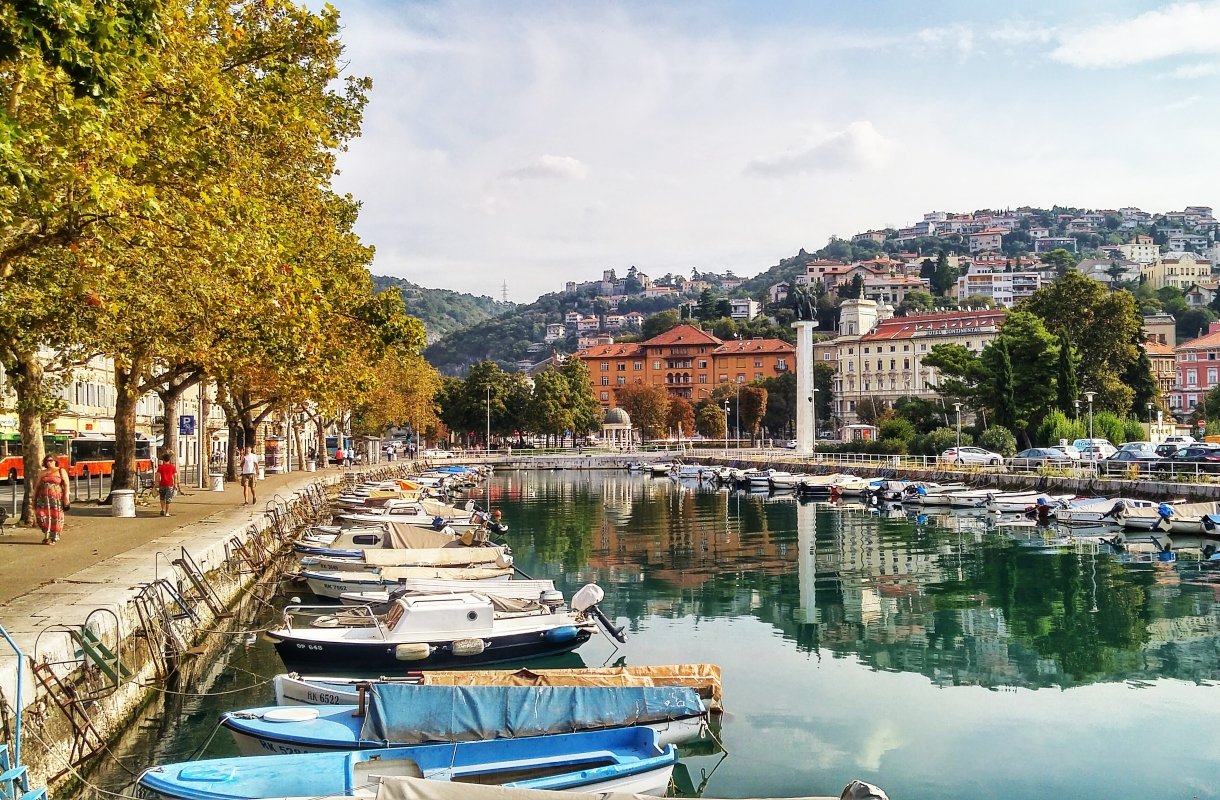
Rijeka often gets overlooked by travelers racing between popular destinations. But spend a few days here—walk the Korzo, climb to Trsat Castle, eat your weight in seafood, sip Croatian wine, and chat with locals in harbor-side kafés—and you’ll discover one of the Adriatic’s best-kept secrets.
This is Croatia as Croatians live it. And honestly? It might just be better than you expected.
Welcome to Rijeka. You’re going to love it here.