







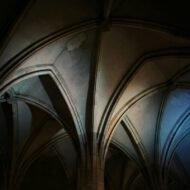
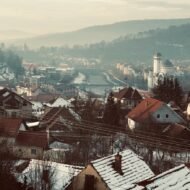
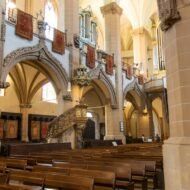




TL;DR: Medieval Romania is Europe’s best-kept secret for castle lovers and history buffs. From Dracula’s legendary fortress to UNESCO-protected citadels, you’ll find jaw-dropping Gothic architecture, vampire folklore, and cobblestone streets that look straight out of a fairytale—without the Western European crowds or price tags. This guide covers the top 5 medieval destinations you absolutely cannot miss.
- 1. Sighișoara – The UNESCO Medieval Citadel That’s Actually Still Lived In
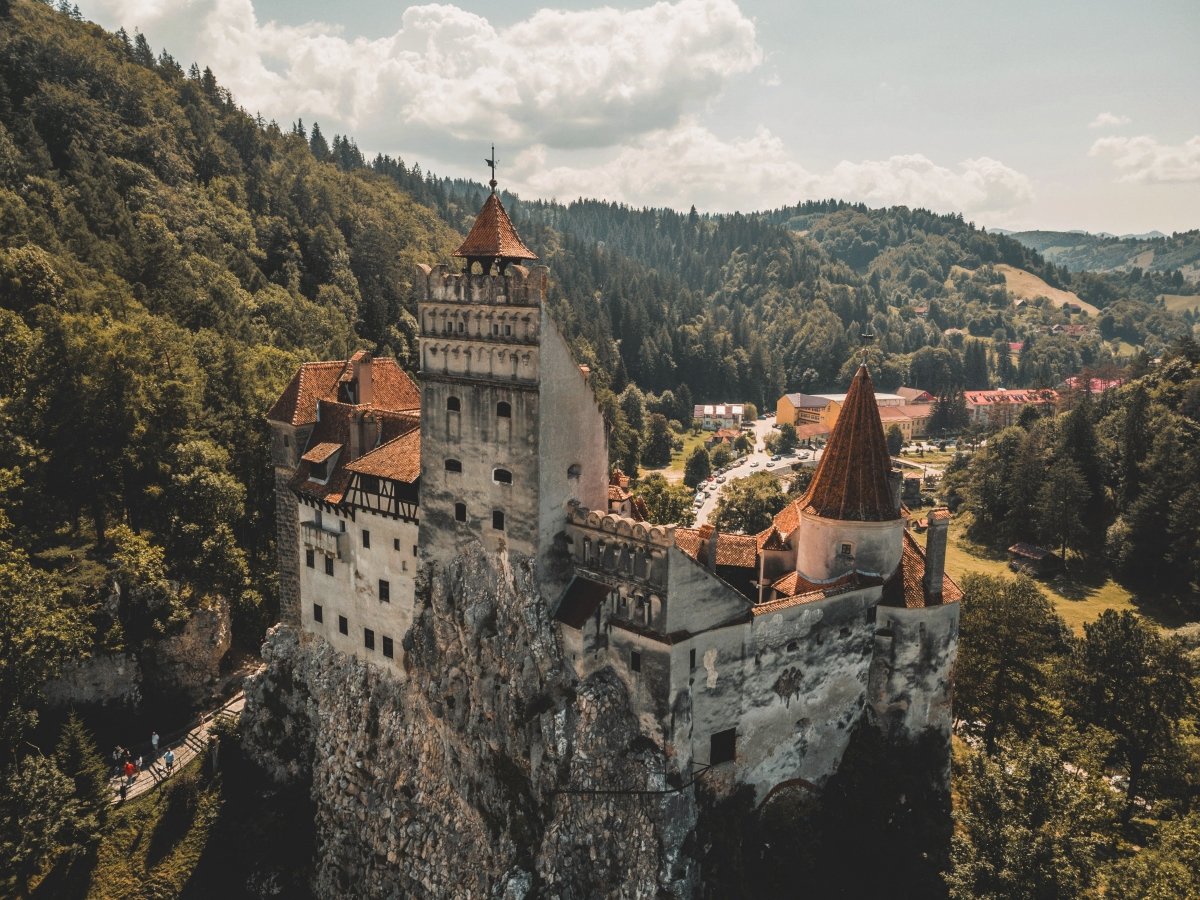
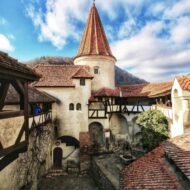
- 2. Bran Castle – Yes, It’s “Dracula’s Castle” (Sort Of)
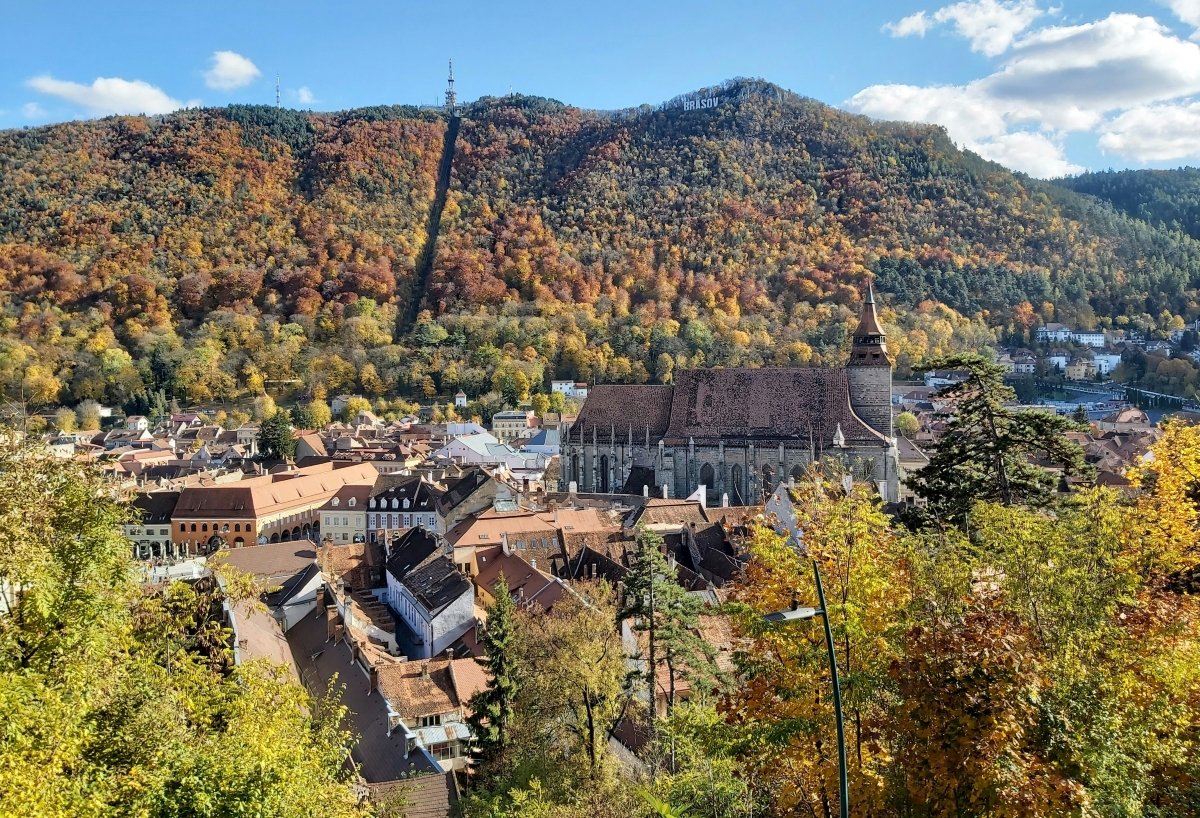
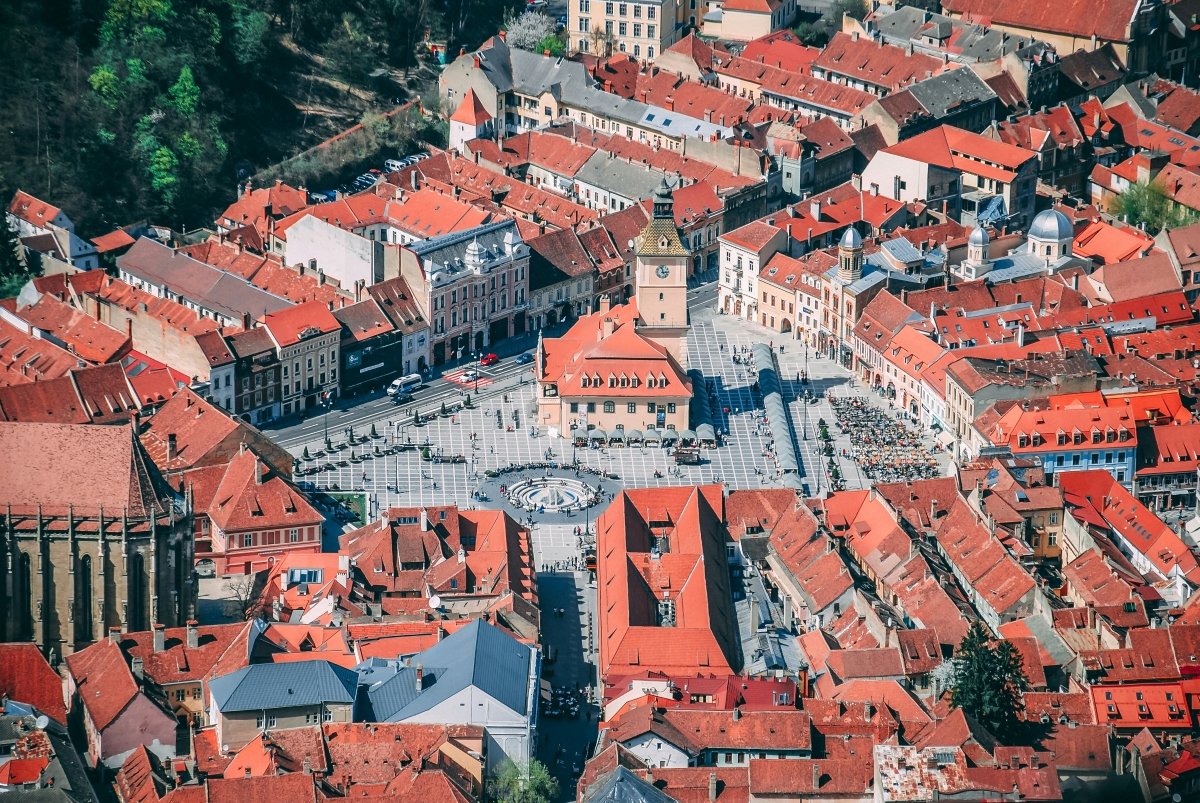
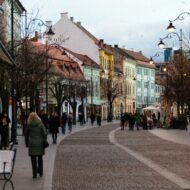
- 3. Brașov Old Town – Medieval Streets Meet Mountain Adventure
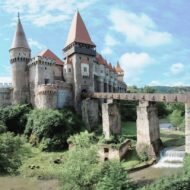
- 4. Corvin Castle – The Fairy Tale Fortress That Puts Disney to Shame
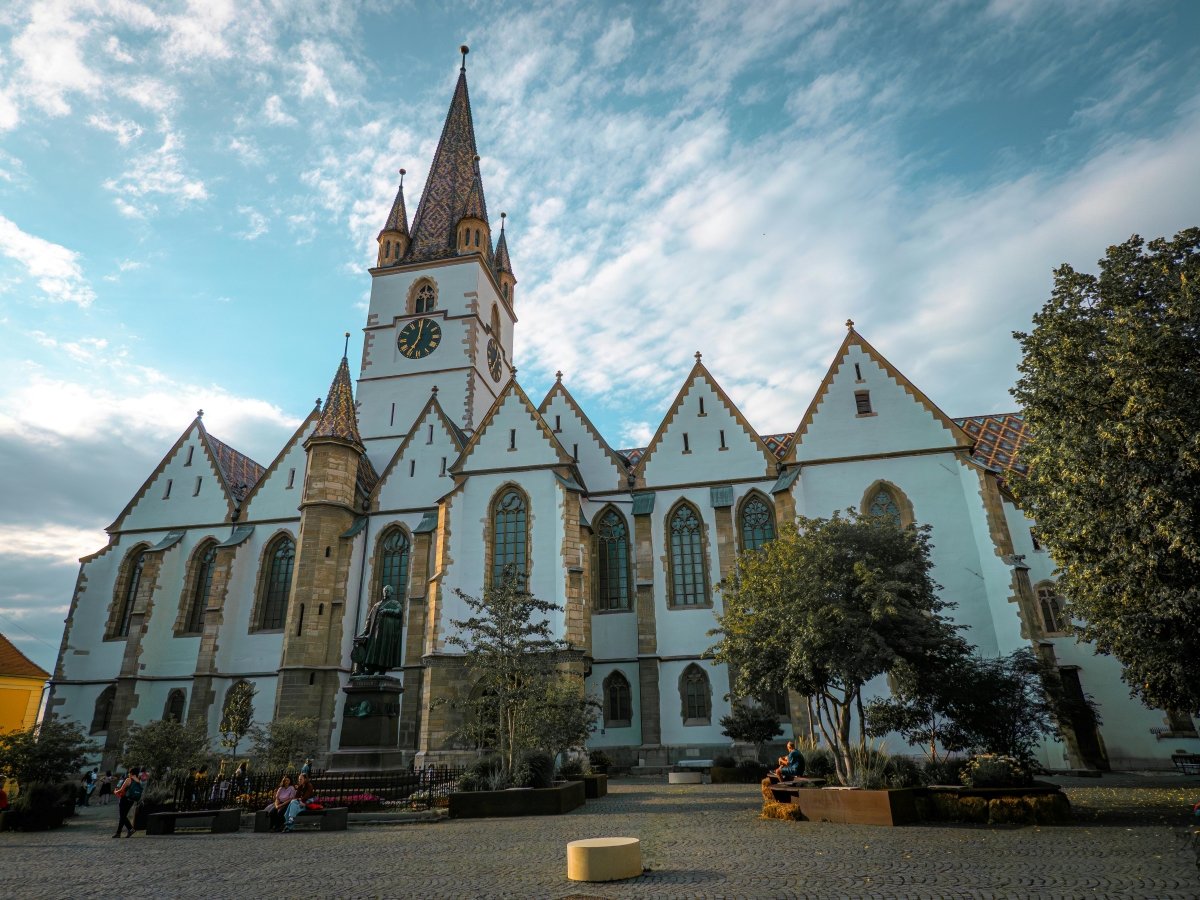
- 5. Sibiu – The Saxon Medieval City That Feels Like You’ve Stepped Into a Grimm Fairy Tale
- Quick Recap: Your Medieval Romania Itinerary
- Disclaimer
Look, I’ll be straight with you: Medieval Romania doesn’t get nearly enough credit. While everyone’s crammed into famous European landmarks, Romania’s sitting over here with some of the most authentically preserved medieval sites in Europe—and you can actually breathe while exploring them.
We’re talking castles that make Game of Thrones locations look like theme parks, towns where time genuinely stopped around 1450, and yes, enough vampire lore to make your Instagram followers insanely jealous.
Ready to step back 600 years? Let’s go.
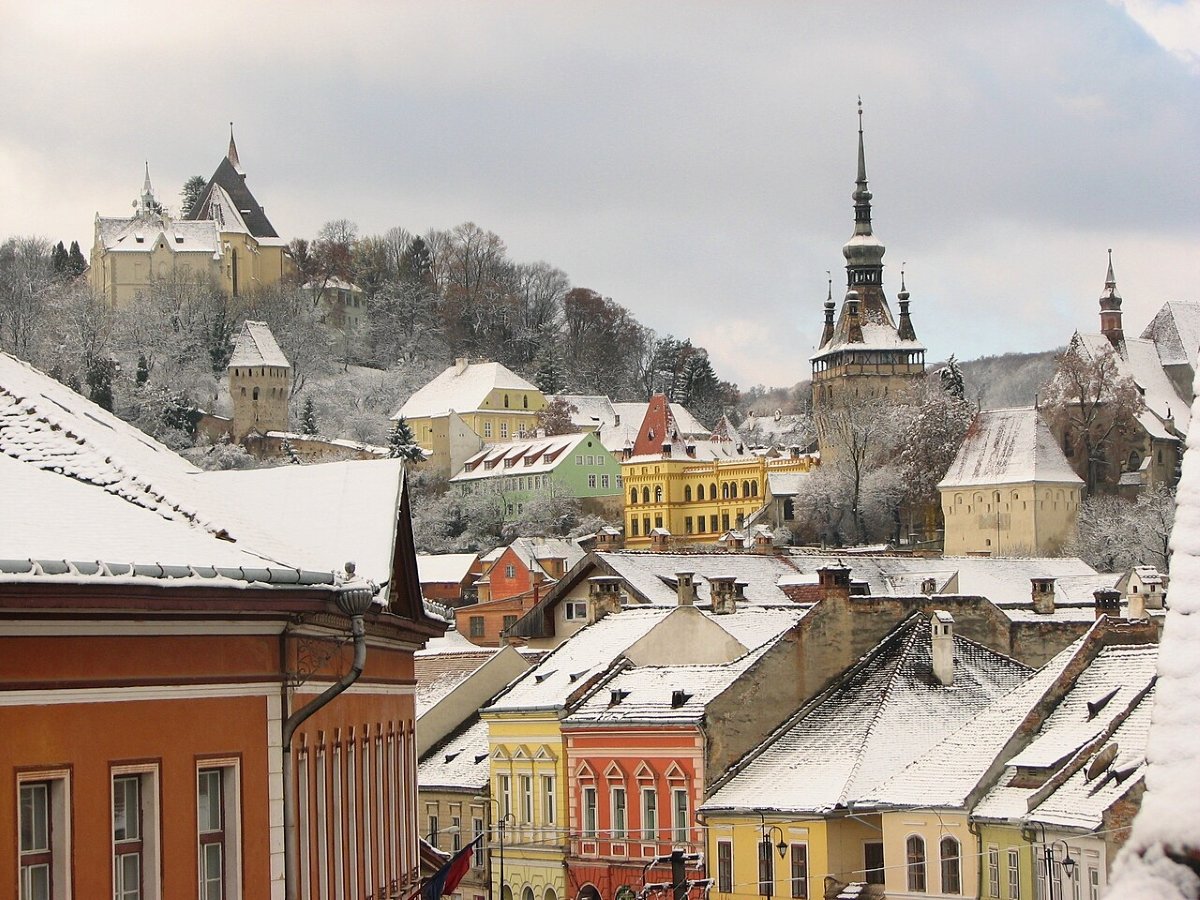
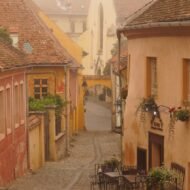
1. Sighișoara – The UNESCO Medieval Citadel That’s Actually Still Lived In
Why it’s unmissable: This isn’t a museum. People actually live here, in a perfectly preserved 12th-century citadel. It’s one of the last inhabited medieval fortresses in Europe, and yeah, it’s also Vlad the Impaler’s birthplace. No big deal.
What you need to know:
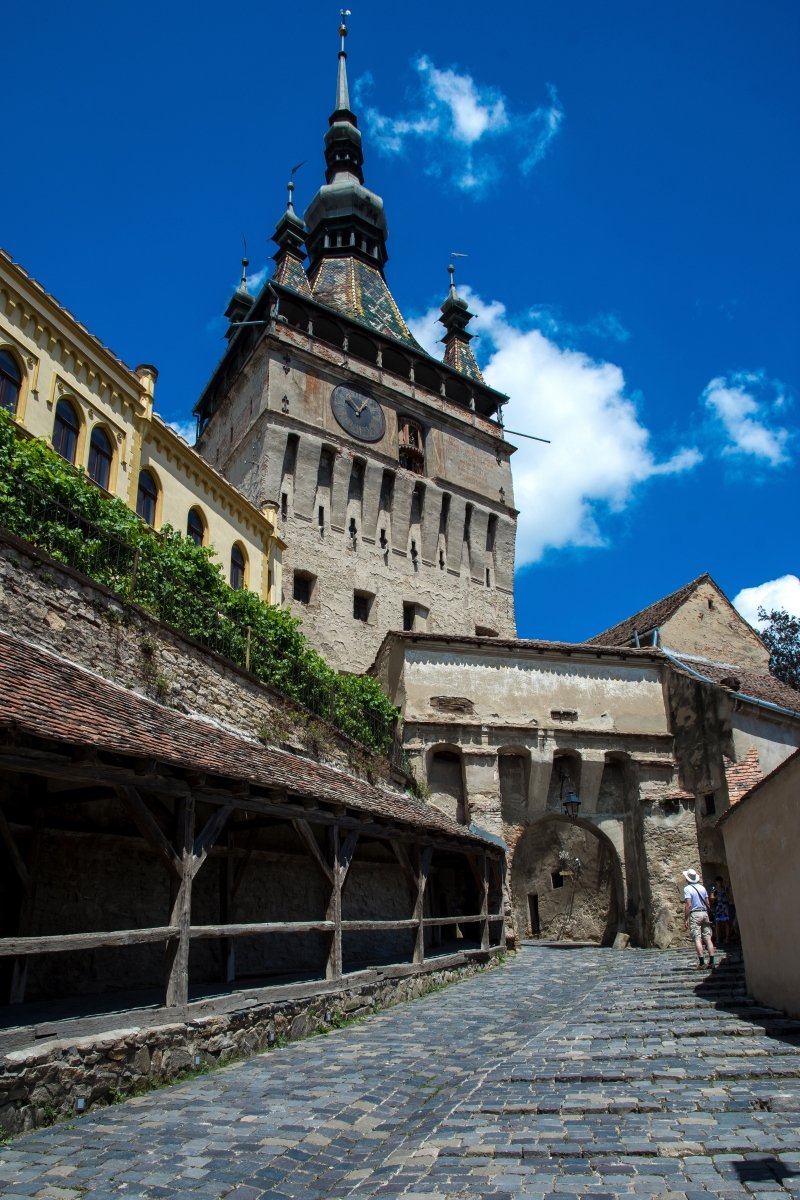
The Clock Tower is your first stop—climb the 175-year-old wooden stairs for panoramic views that’ll make every cramped euro you spent getting here worth it. The tower’s museum walks you through medieval torture devices and local history (surprisingly engaging, even if you normally zone out at museums).
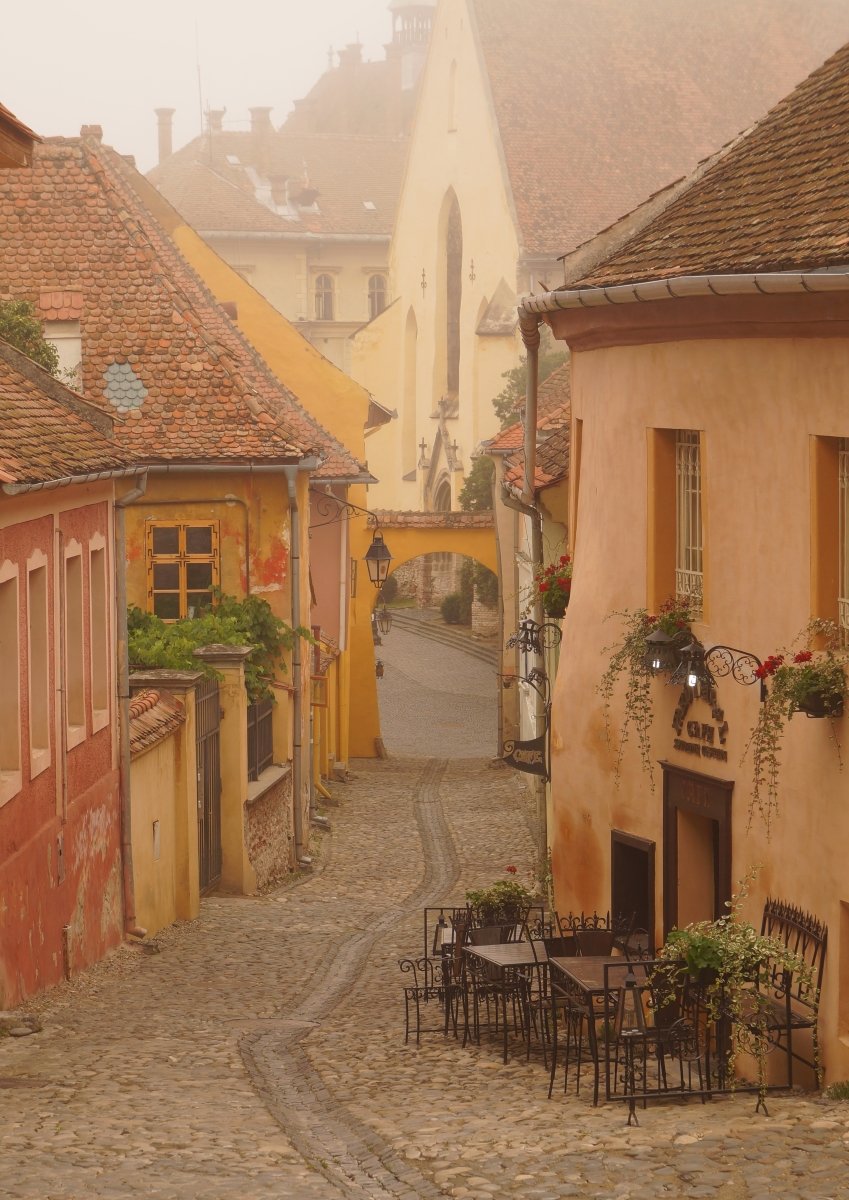
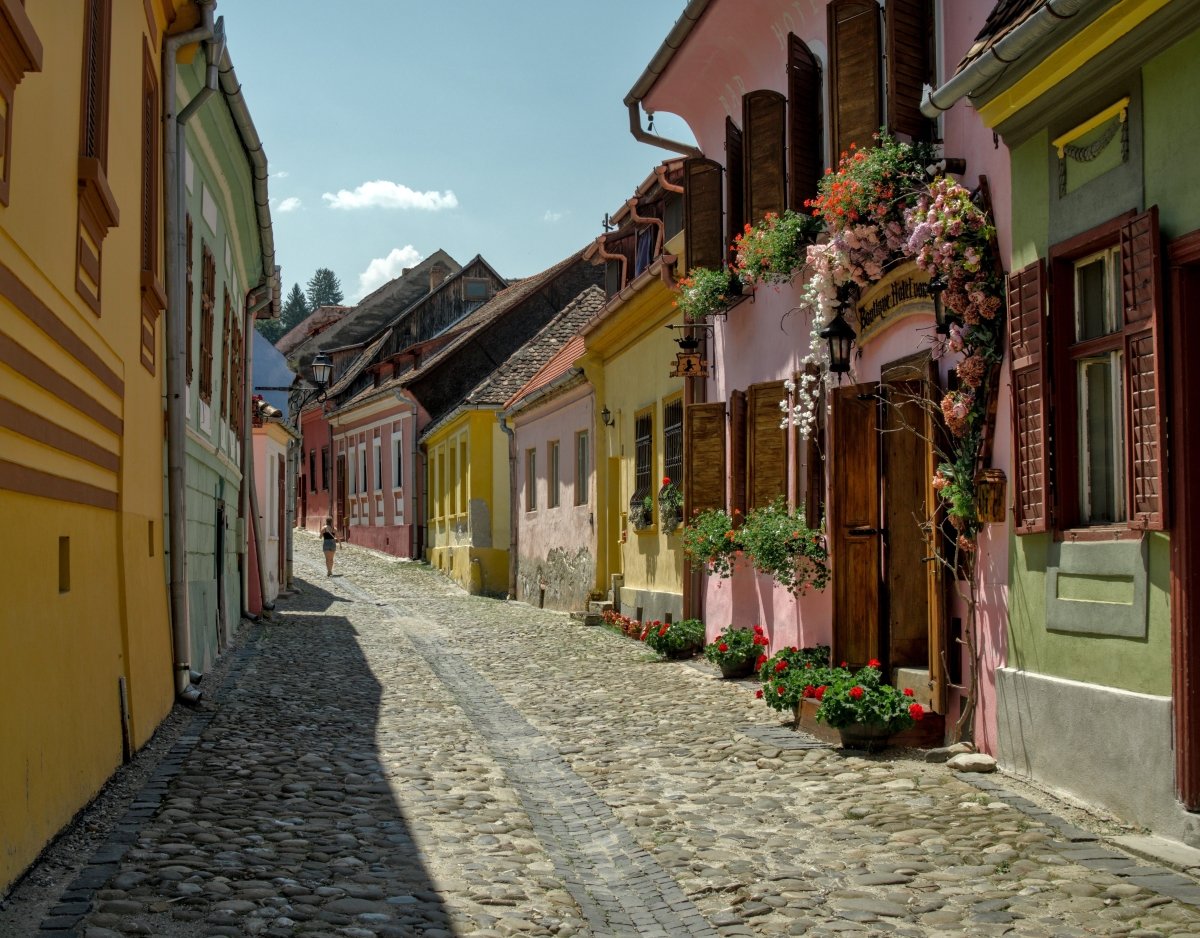
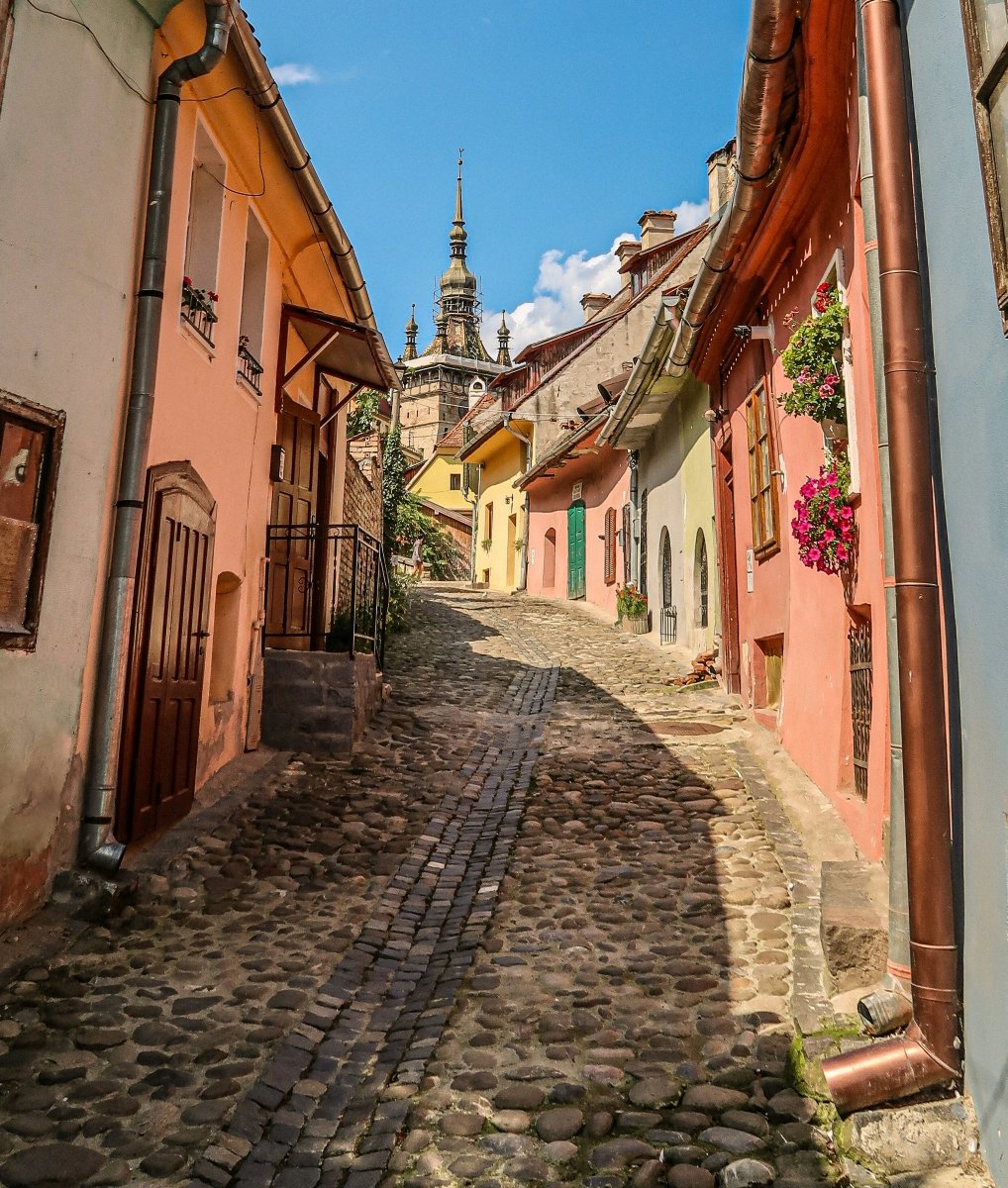
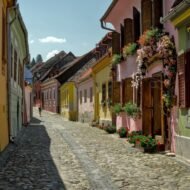
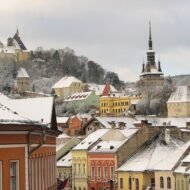
The citadel’s got nine towers still standing out of the original 14, each named after the guild that defended it—the Tailors’ Tower, the Ropemakers’ Tower, you get the idea. Wander the cobblestone streets and you’ll stumble onto pastel-colored merchant houses that look AI-generated but are very, very real.
Pro tip: Stay overnight. Day-trippers miss the magic that happens after 6 PM when the tour groups leave and the town transforms into this moody, lamplit dreamscape. Hotels inside the citadel walls aren’t expensive—we’re talking €40-70/night for seriously atmospheric digs.
Don’t miss: Vlad Dracul’s House (now a restaurant) where the infamous impaler was born. The food’s decent, the building’s authentic, and the novelty factor is off the charts.
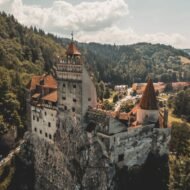
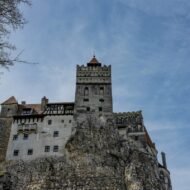
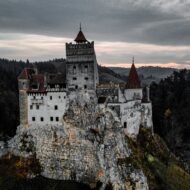
2. Bran Castle – Yes, It’s “Dracula’s Castle” (Sort Of)
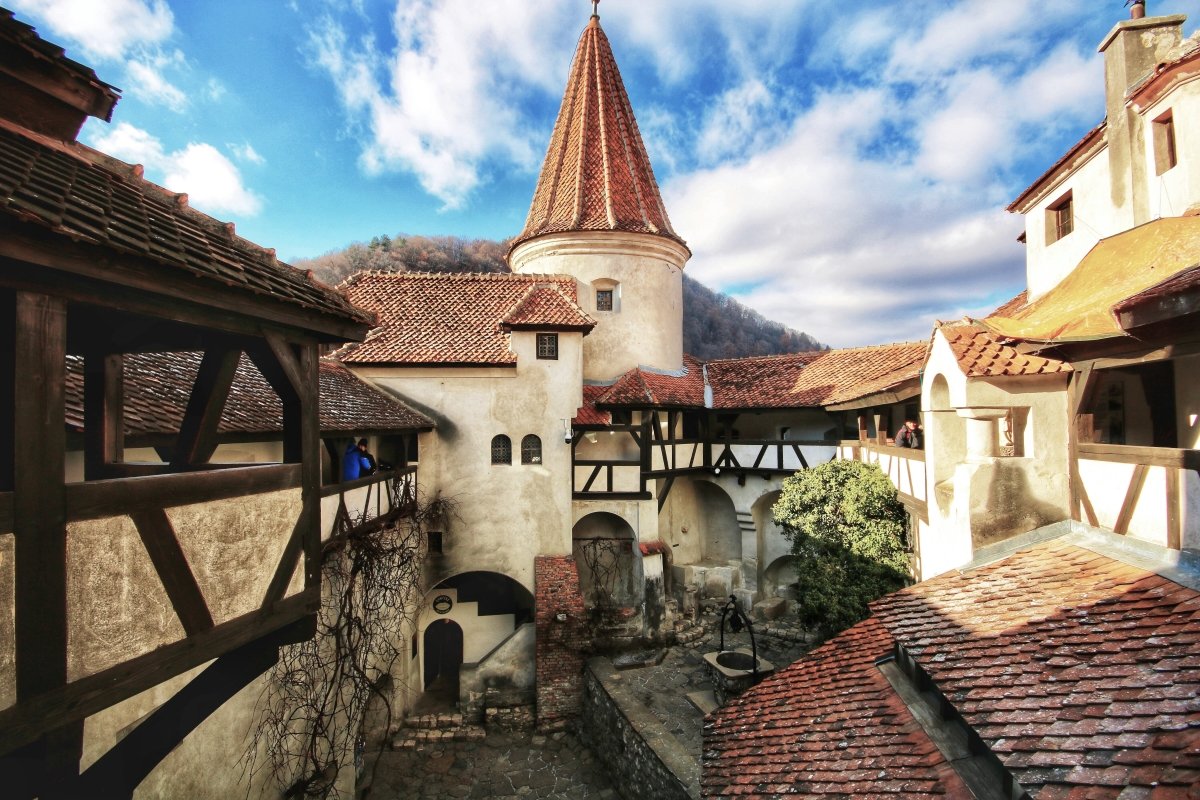
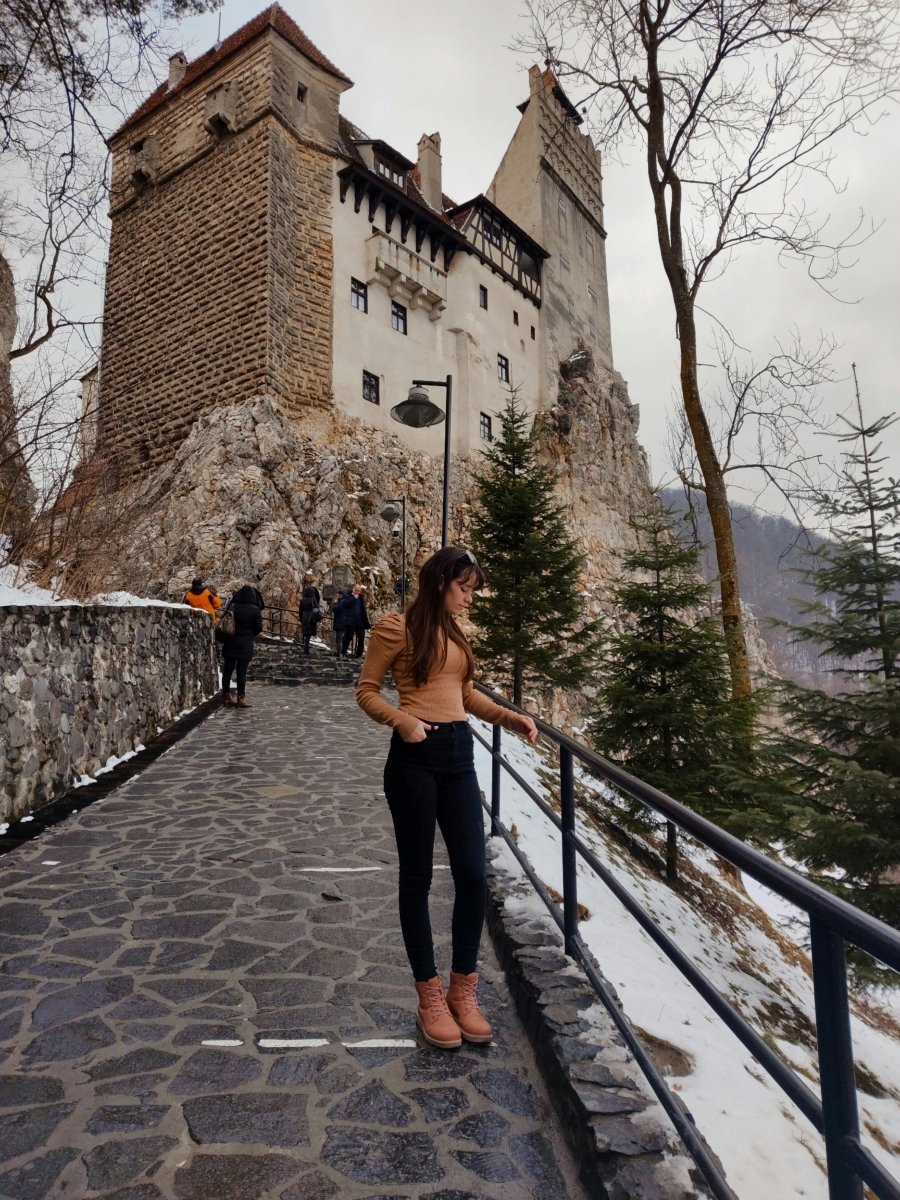
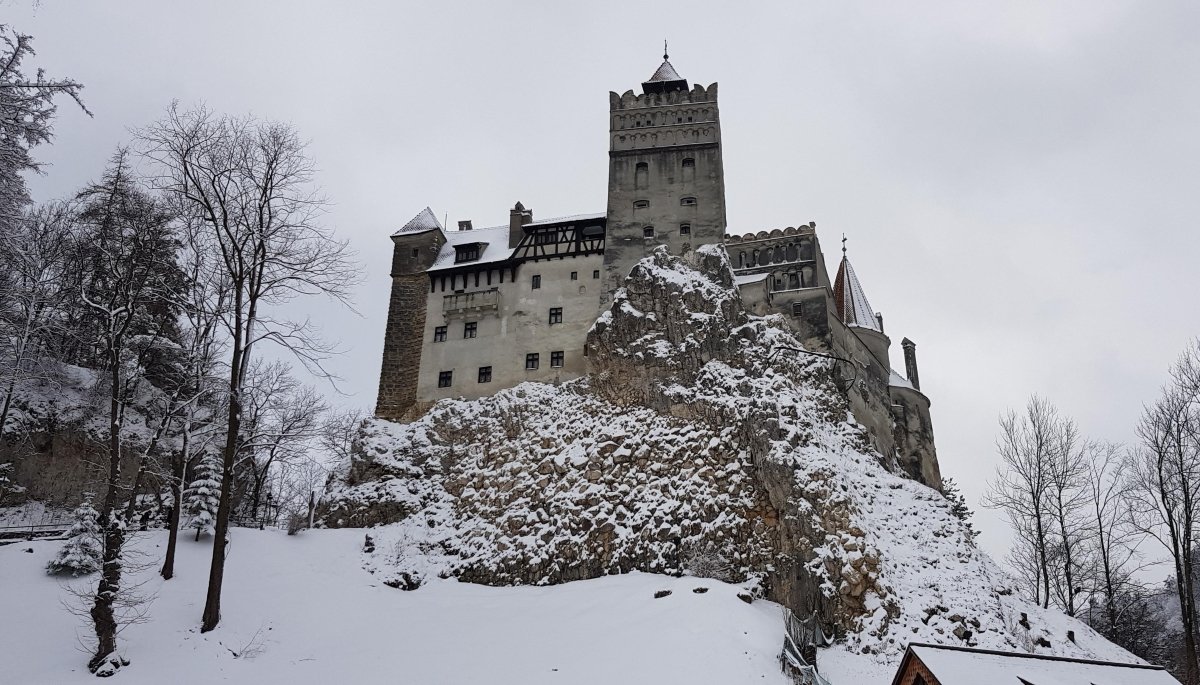
Let’s clear this up right now: Vlad the Impaler probably never actually lived here. Bram Stoker never visited Romania. But Bran Castle fits his description of Dracula’s lair so perfectly that nobody really cares about historical accuracy anymore.
Why you should still visit:
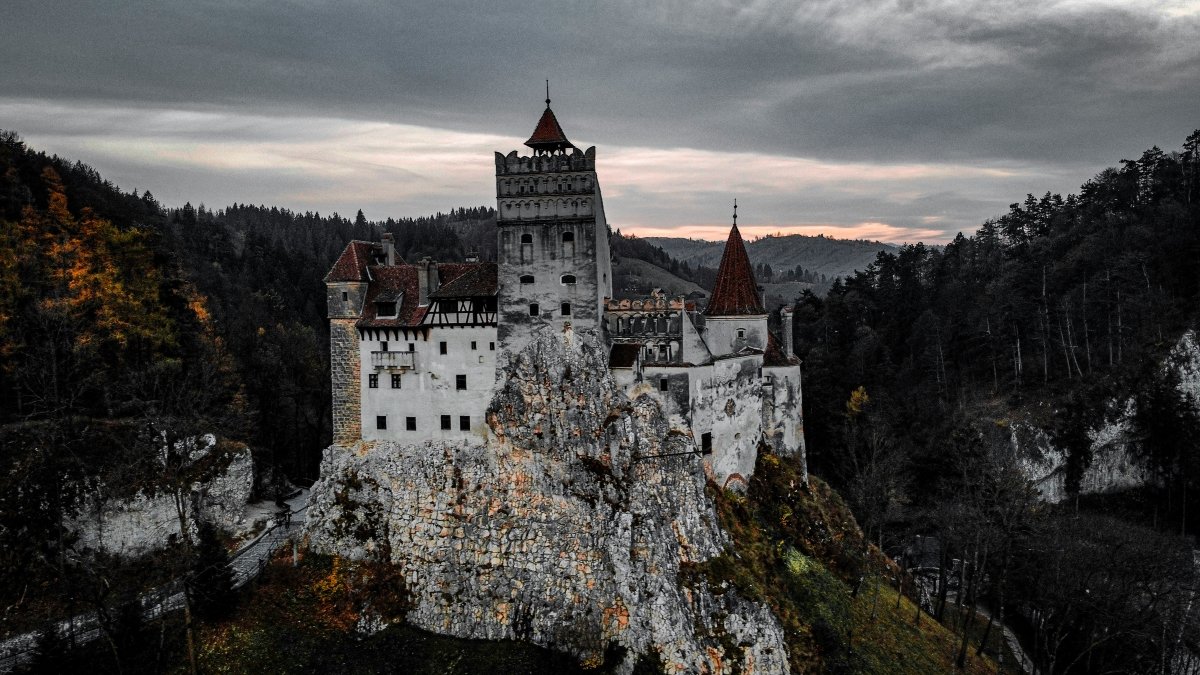
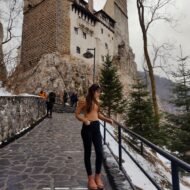
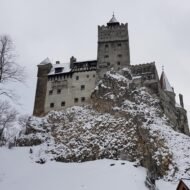
Because it’s spectacular. Perched on a cliff edge overlooking a mountain pass, this 14th-century fortress is everything you want a Transylvanian castle to be—turrets, secret staircases, Gothic arches, and rooms filled with medieval furniture and armor.
The castle was actually Queen Marie of Romania’s residence in the 1920s-30s, so you get this weird mix of medieval fortress and royal elegance. Her taste was impeccable, by the way.
Beating the crowds: Get here when it opens (9 AM Tuesday-Sunday, noon Monday) or after 4 PM. Mid-day in summer is tourist chaos. Weekdays in spring or fall? Chef’s kiss.
Budget hack: The castle ticket is 55 lei (about $12). Not cheap by Romanian standards, but compared to Western European castles, it’s a steal. Skip the overpriced courtyard cafe and eat in Bran village instead—half the price, twice the authenticity.
Insider move: Walk the 1.5 km trail from the castle parking lot to Măgura for panoramic castle views without anyone in your shot. You’re welcome.
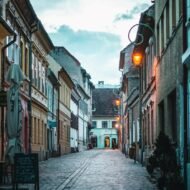
3. Brașov Old Town – Medieval Streets Meet Mountain Adventure
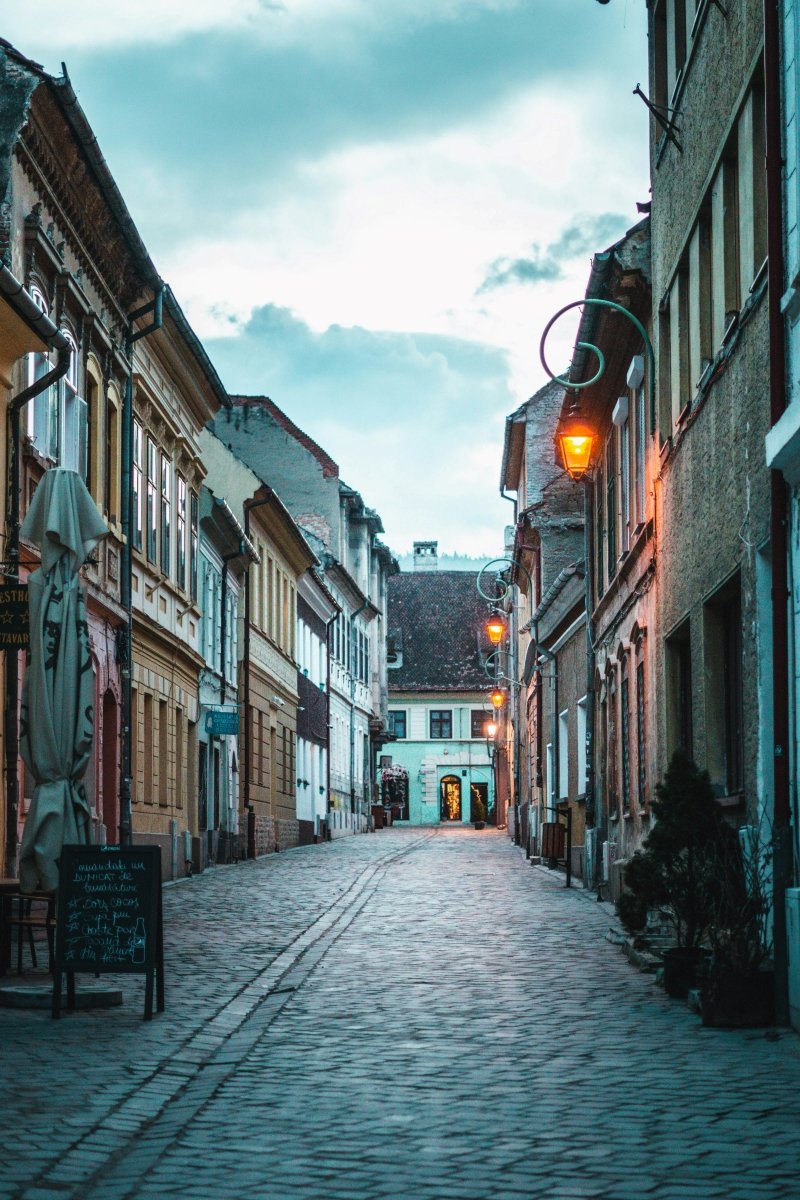
The vibe: Brașov is what happens when a perfectly preserved Saxon medieval town decides to become an outdoor adventure hub without losing its historical soul. It works surprisingly well.
What makes it special:
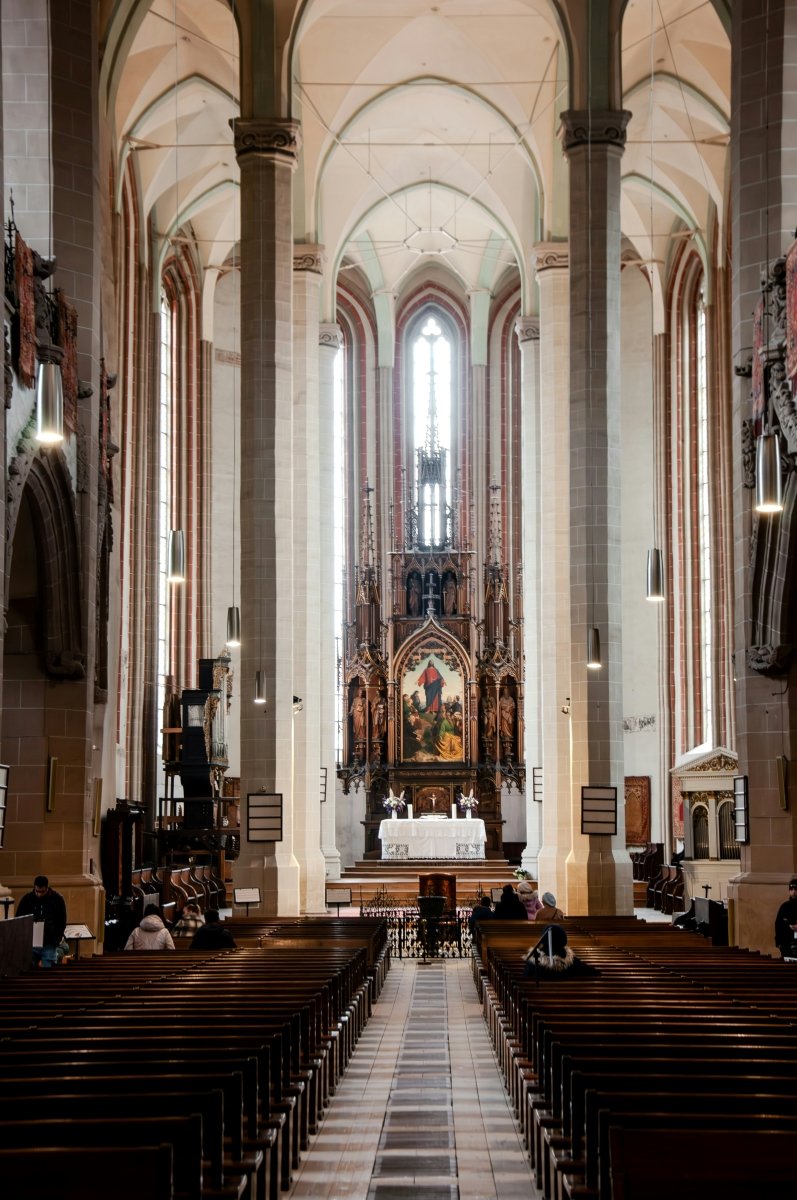
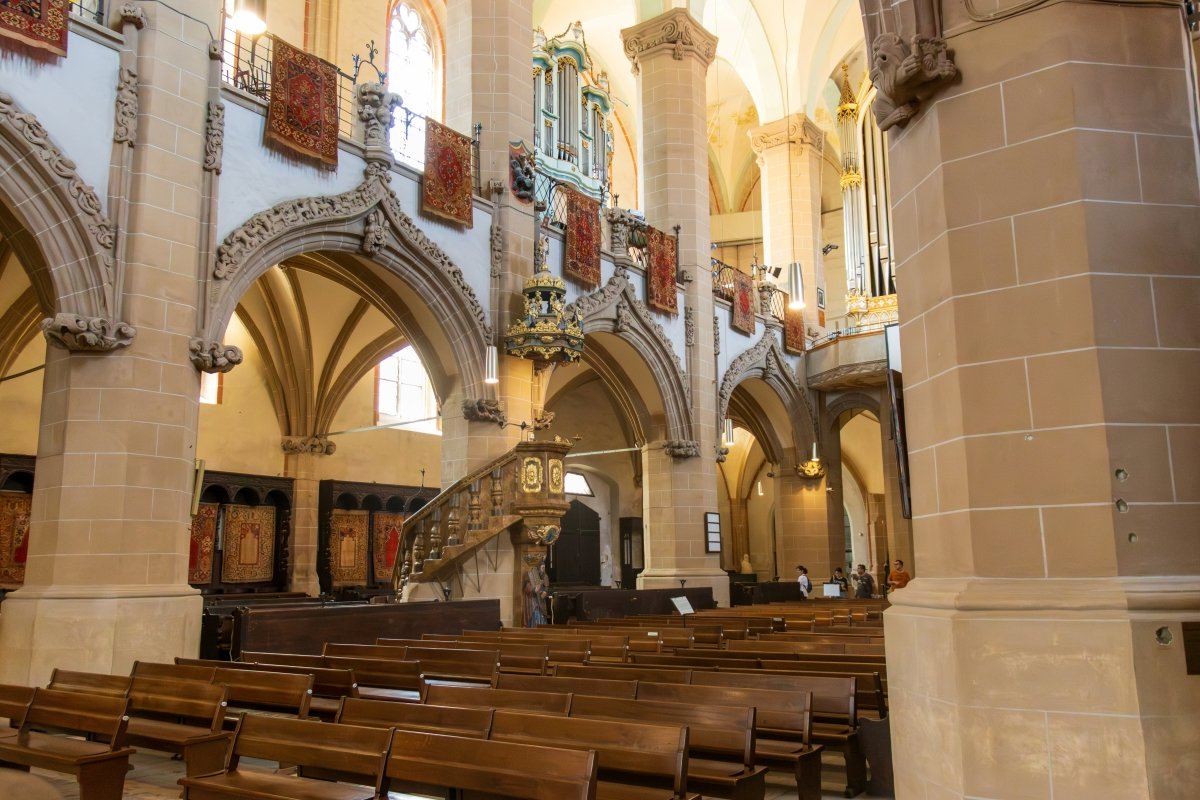
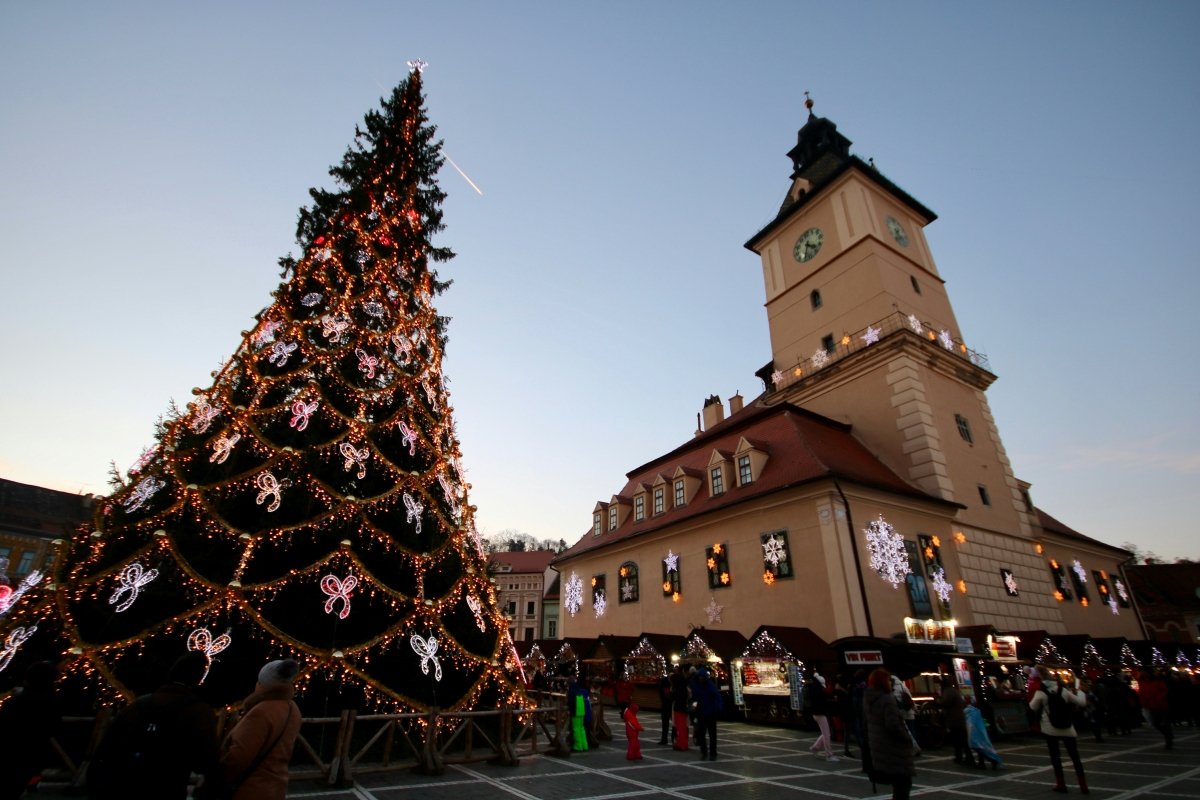
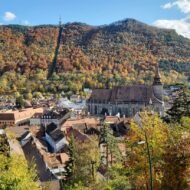
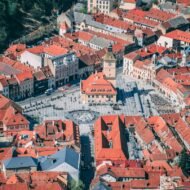
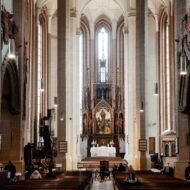
Council Square (Piața Sfatului) is textbook medieval Europe—Gothic buildings, a 15th-century council house, and cafe terraces where you can sip Romanian wine while staring at baroque architecture. The Black Church, built in 1477, is the largest Gothic church between Vienna and Istanbul. Yes, it’s called “Black” because of fire damage from 1689. The 4,000-pipe organ inside is incredible.
The medieval bits you came for:
Walk the original city walls and defensive towers (Ecaterina’s Gate, the White Tower, the Black Tower). Climb up Rope Street (Strada Sforii)—one of Europe’s narrowest streets at 1.3 meters wide. It’s absurdly photogenic.
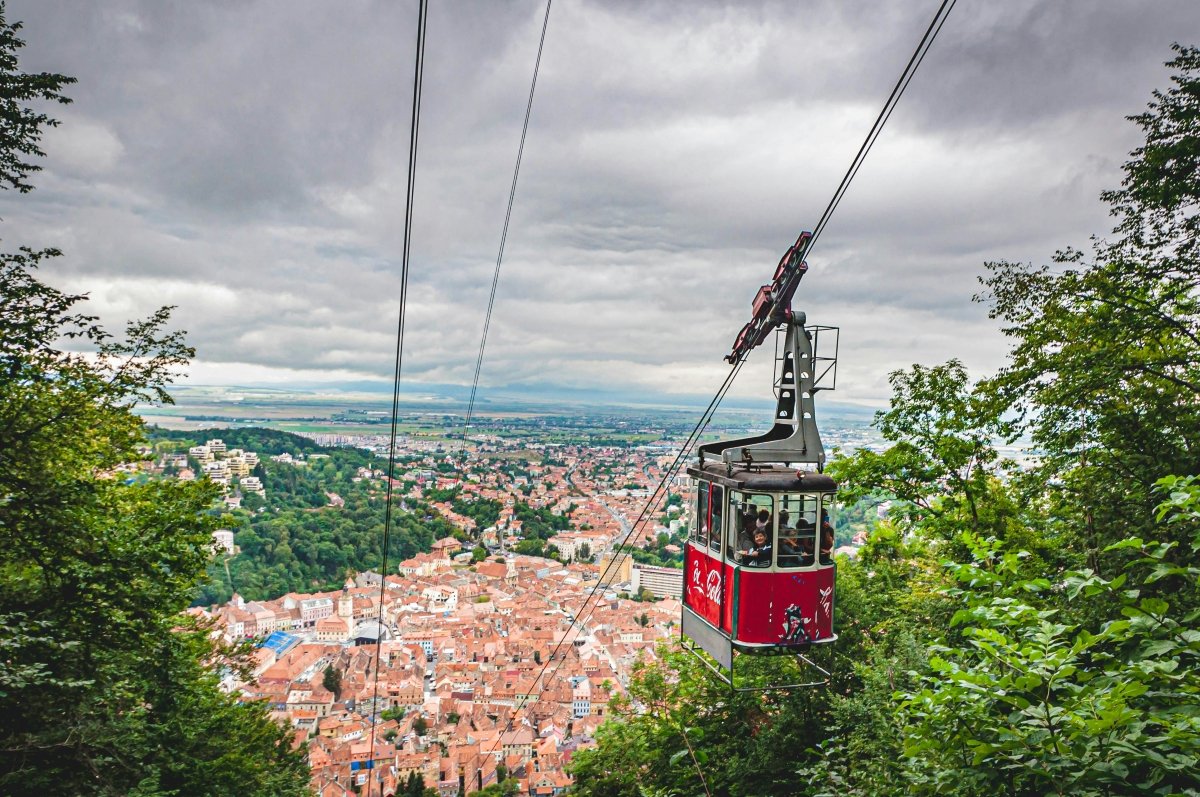
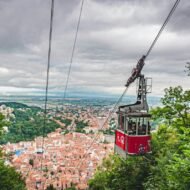
Bonus points: Take the cable car up Mount Tâmpa for views over the red-roofed medieval center with the Carpathian Mountains as your backdrop. Go at sunset. Thank me later.
Where to stay: The old town has everything from hostels (€10/night) to boutique hotels (€60-100/night). Book something inside the medieval walls if you can.
4. Corvin Castle – The Fairy Tale Fortress That Puts Disney to Shame
Hot take: This is the most impressive castle in Romania, possibly in all of Eastern Europe. Fight me.
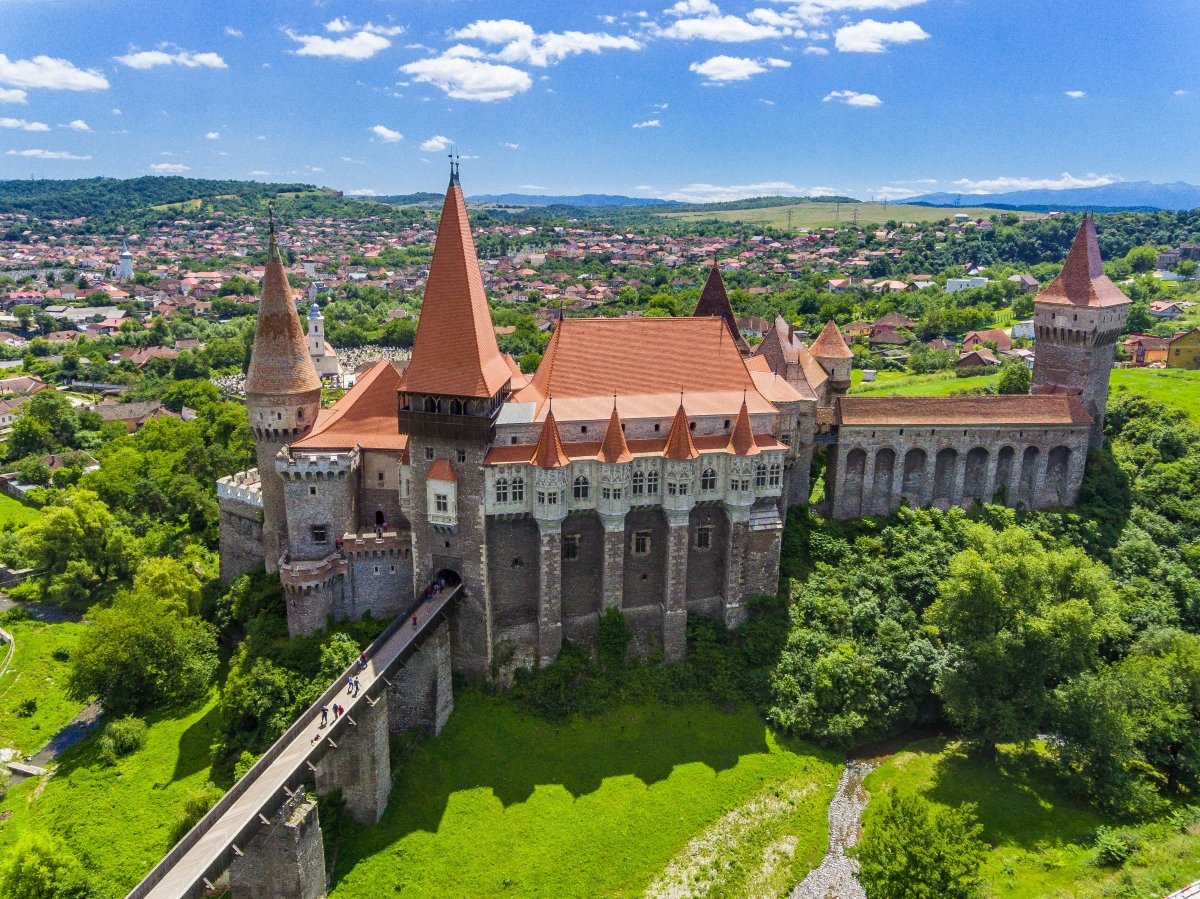
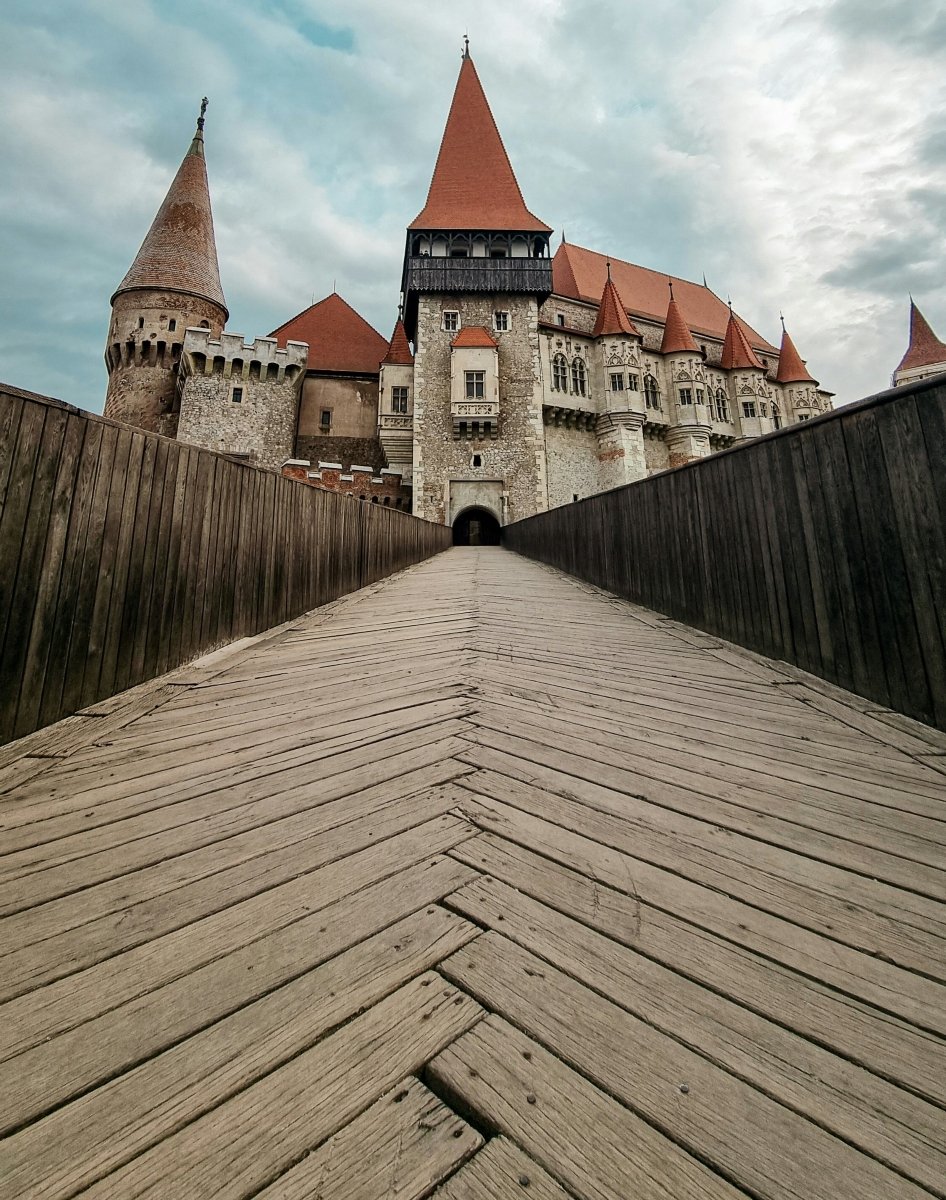
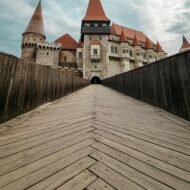
Built in the 14th century and expanded in the 15th by János Hunyadi (Vlad the Impaler was supposedly imprisoned here), Corvin Castle is what every kid imagines when they hear the word “castle”—soaring towers, Gothic spires, a drawbridge over an actual moat, and enough architectural drama to make you believe in dragons.
Why it’s extraordinary:
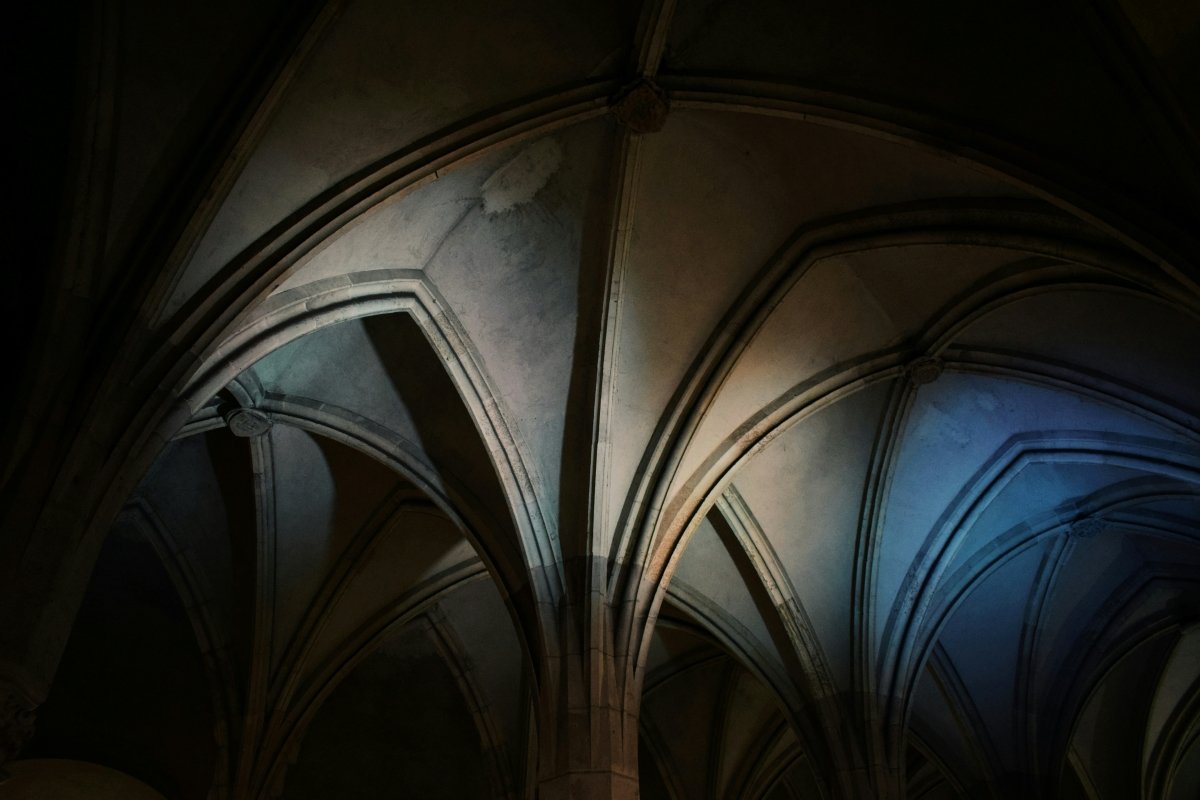
The Knights’ Hall alone is worth the trip—massive Gothic windows, ornate stone carvings, and the kind of ceiling that makes you wonder how medieval builders pulled this off without cranes. The chapel, the Diet Hall, the Council Room—every space feels like a movie set, except it’s all 600 years old.
Getting there is the trick: Corvin Castle is in Hunedoara, which isn’t exactly on the tourist trail. You’ll need to take a train or drive from Brașov (3 hours) or Cluj-Napoca (2.5 hours). But seriously, make the effort. This castle doesn’t get a fraction of the visitors Bran gets, despite being objectively more impressive.
Photography gold: The castle’s exterior, especially from the park across the bridge, is insanely photogenic. Golden hour here is unmatched.
Entry: 40 lei (about $9). Tours available in English.
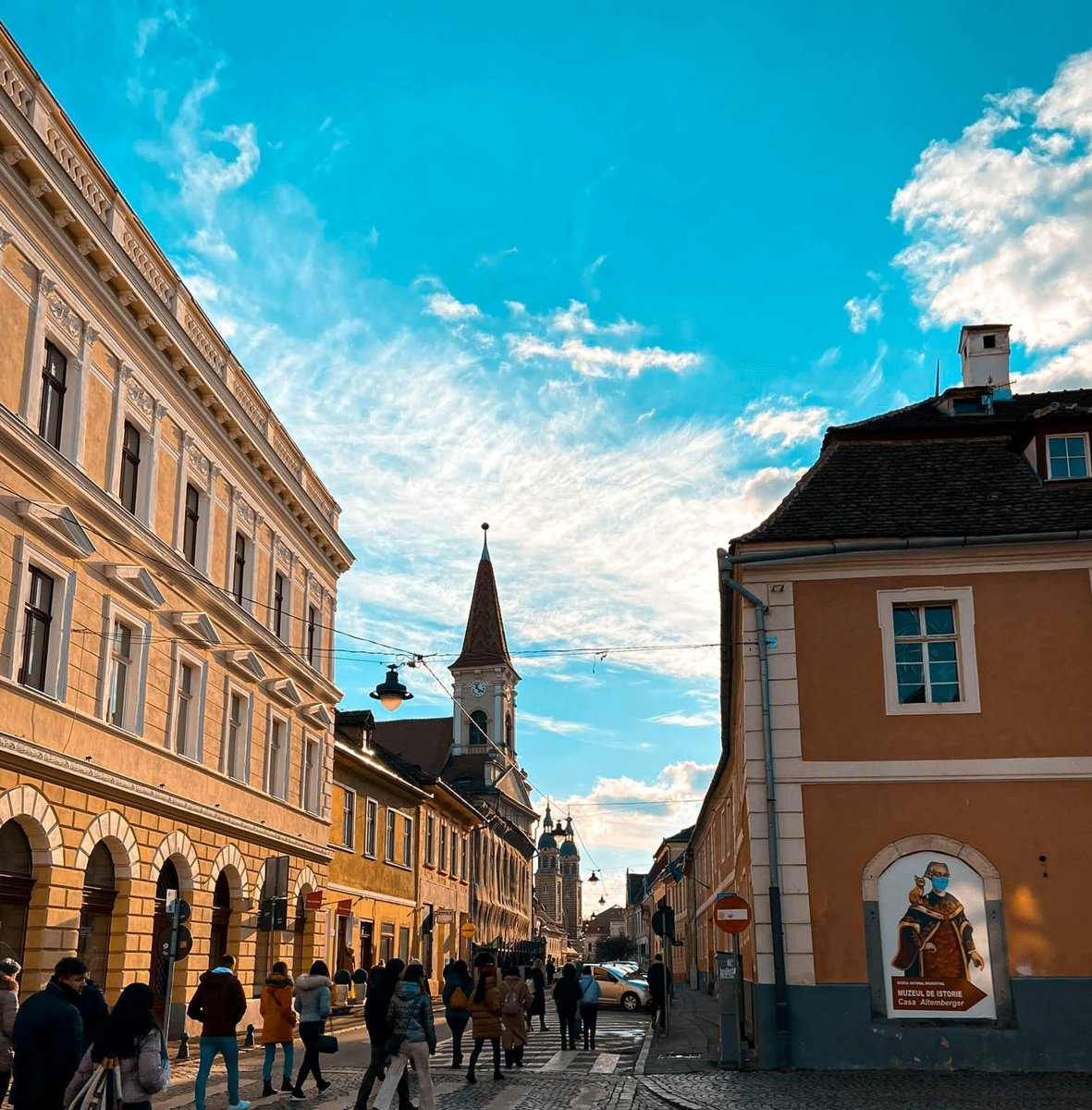
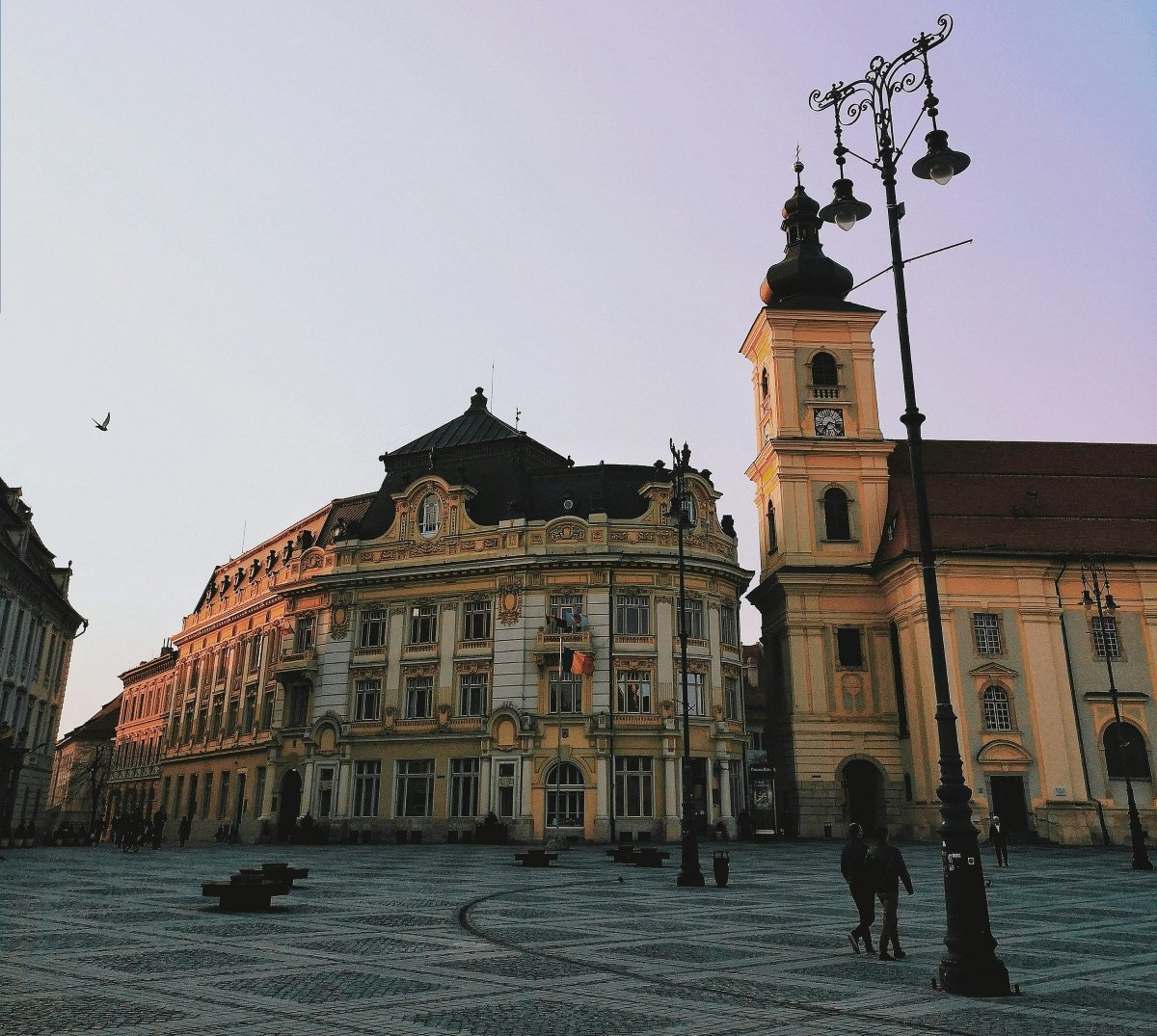
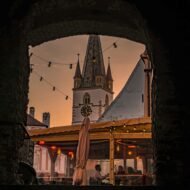
5. Sibiu – The Saxon Medieval City That Feels Like You’ve Stepped Into a Grimm Fairy Tale
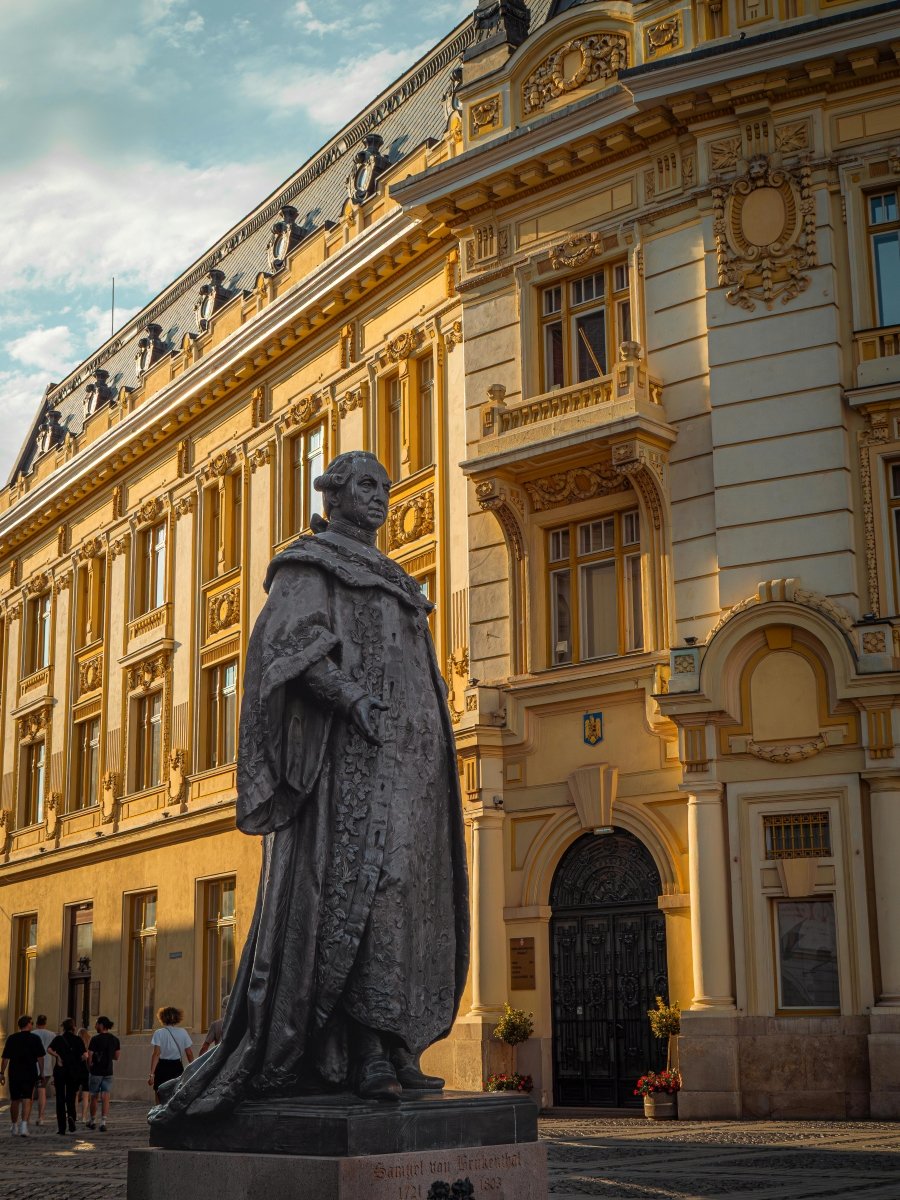
The deal: Founded by German settlers in the 12th century, Sibiu is Romania’s most underrated medieval gem. It was European Capital of Culture in 2007, but somehow still flies under most travelers’ radars.
What you’re here for:
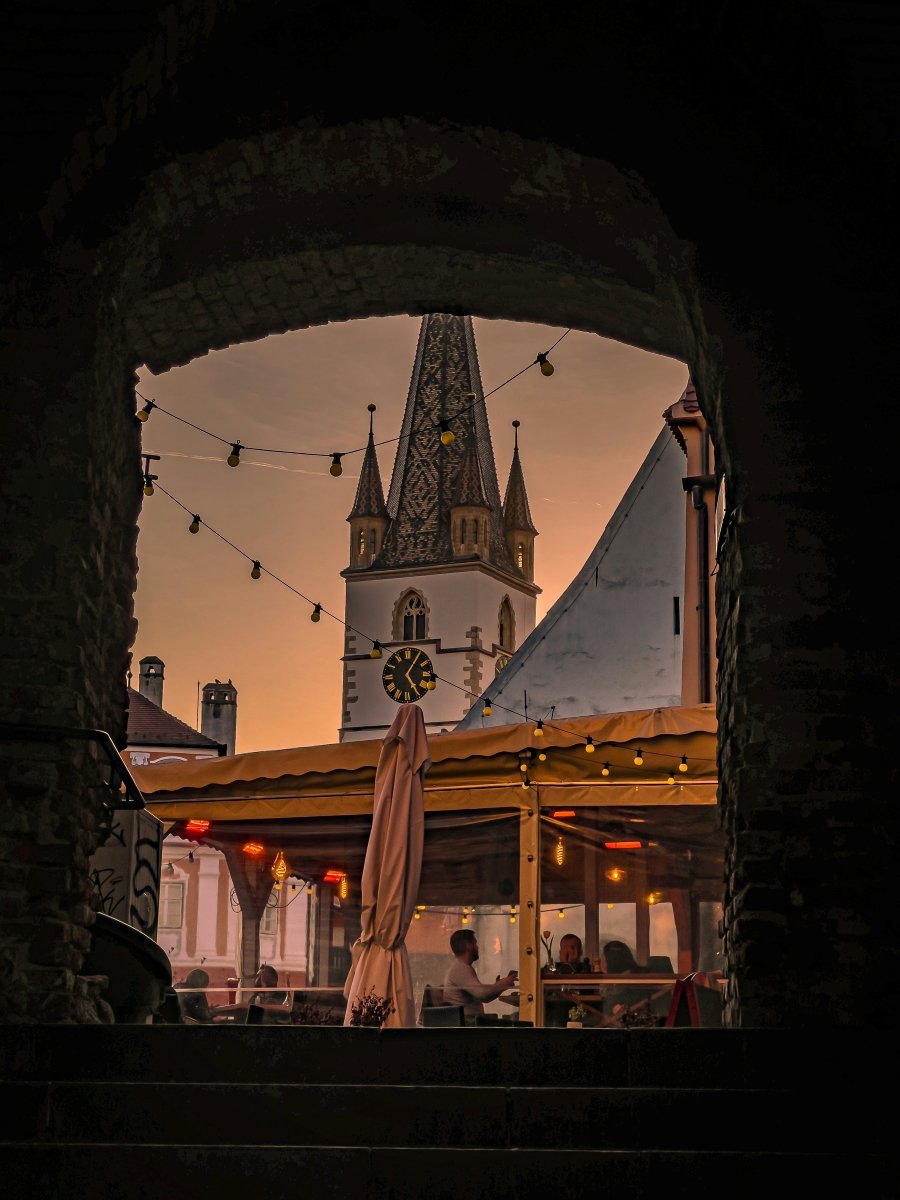
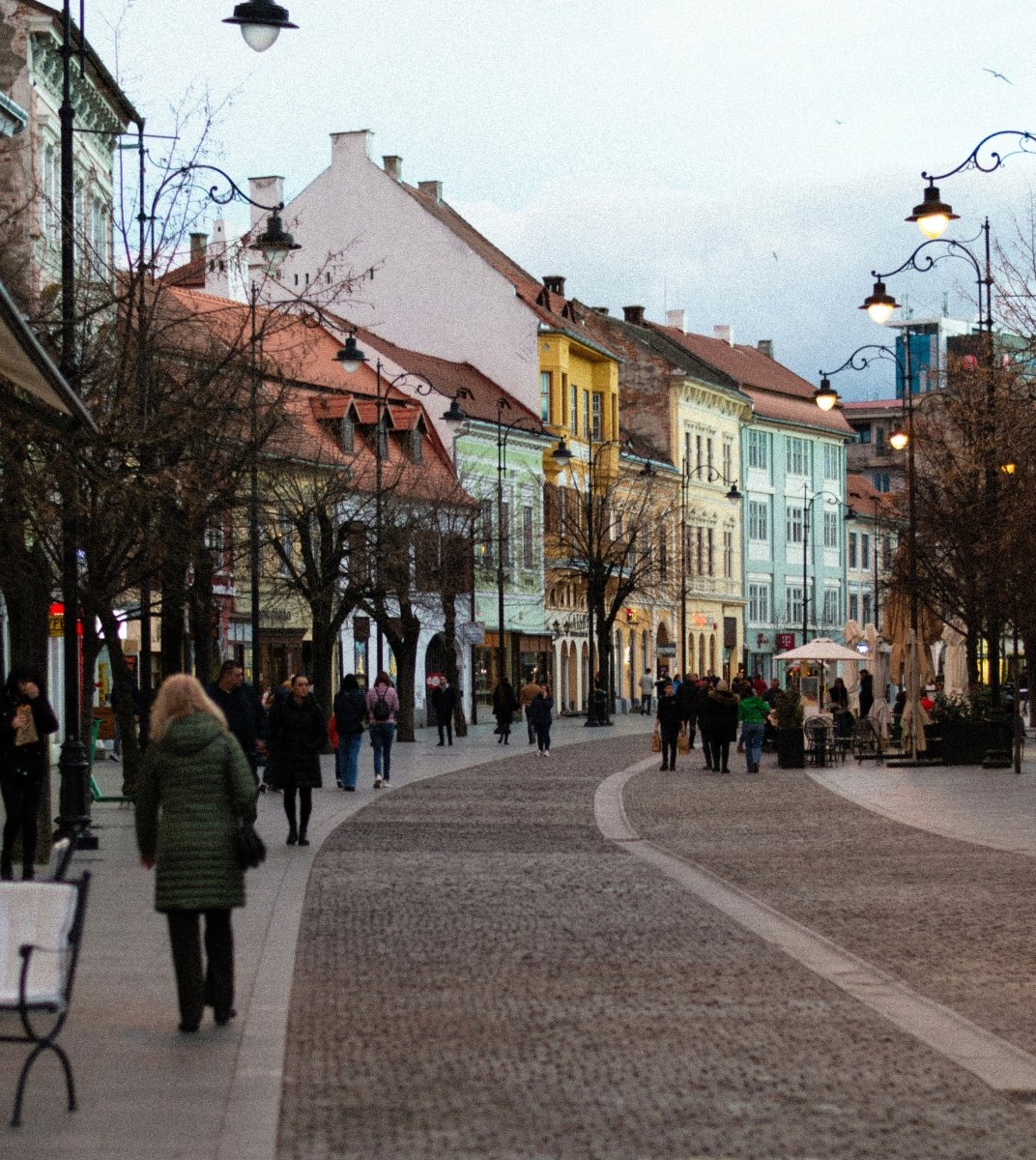
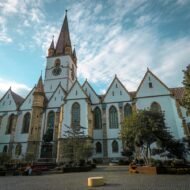
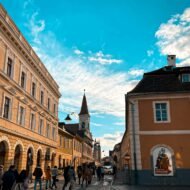
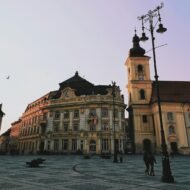
The Great Square and Small Square are connected by medieval passages and surrounded by pastel Gothic and baroque buildings with these distinctive “eye windows” on the roofs that genuinely look like the houses are watching you. It’s delightfully creepy in the best way.
Walk the city walls and defensive towers—the architecture here is pristine. The Bridge of Lies (Podul Minciunilor) is Romania’s oldest cast-iron bridge and comes with legends about what happens if you tell lies while standing on it. (Spoiler: the bridge “knows.”)
Why travelers love it:
Sibiu combines serious medieval credentials with fantastic restaurants, coffee culture, and arts scene. You get your historical fix by day, then eat ridiculously good Romanian food and drink local wine for embarrassingly cheap prices at night.
Don’t skip: The ASTRA Museum of Traditional Folk Civilization on the outskirts—it’s an open-air museum with 400+ traditional Romanian buildings. Not technically medieval, but it contextualizes rural Romanian life across centuries.
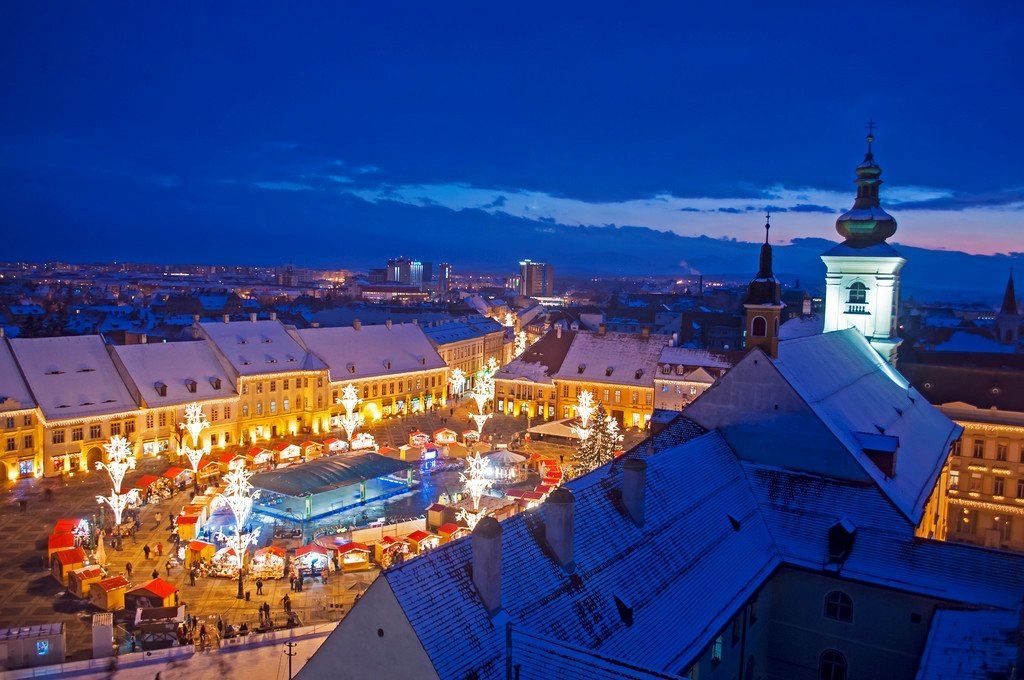
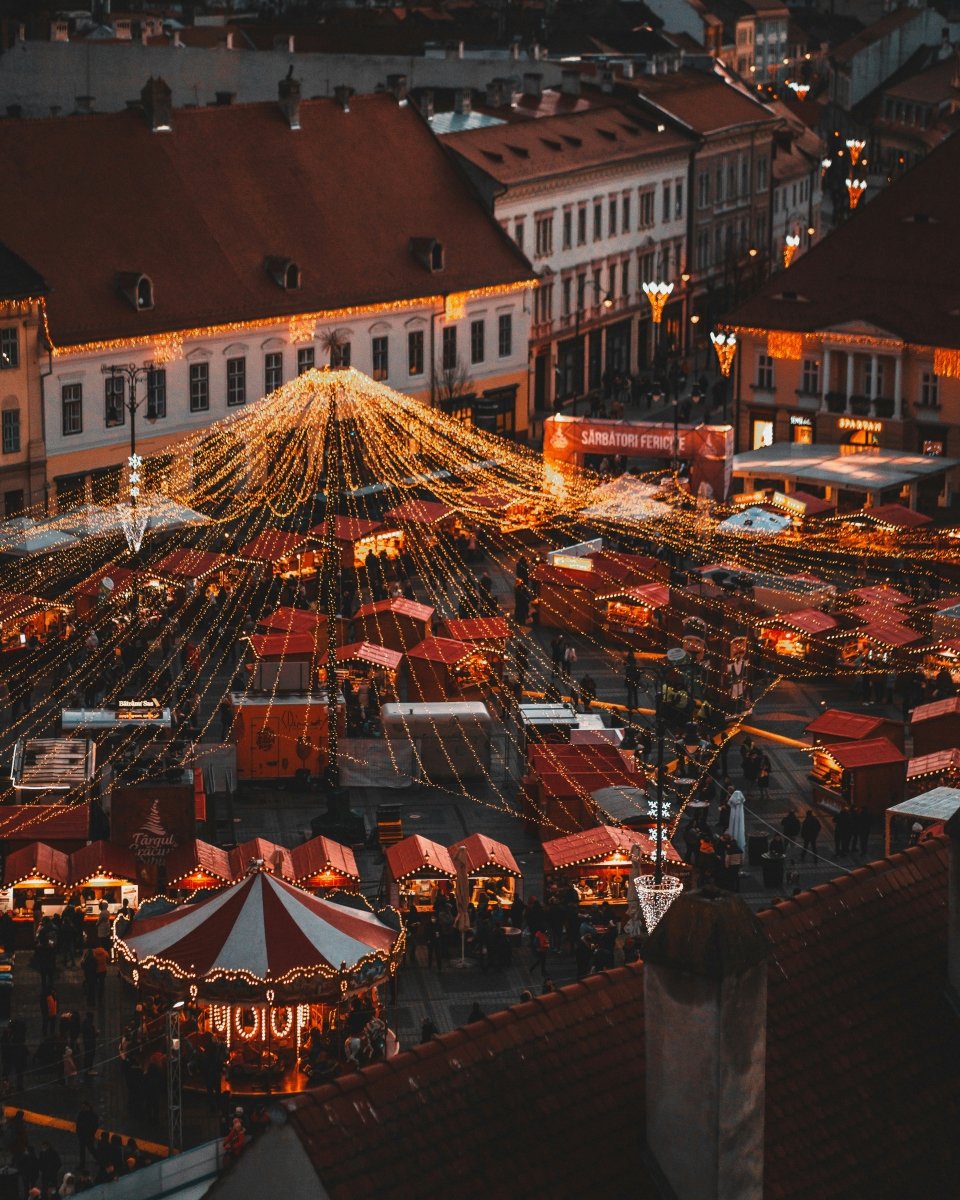
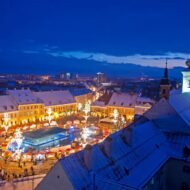
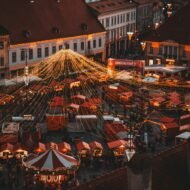
Best time: Visit during Sibiu’s Christmas Market (late November-January) for medieval streets covered in snow and twinkling lights. It’s magical without the overwhelming crowds of Vienna or Prague’s markets.
Quick Recap: Your Medieval Romania Itinerary
If you’ve got a week: Fly into Bucharest, train to Brașov (your base), day trip to Bran Castle, explore Brașov Old Town, train to Sighișoara (overnight there), continue to Sibiu (2 nights), then tackle Corvin Castle on your way to Cluj-Napoca before flying out.
Weekend warriors: Brașov + Bran Castle + Sighișoara is totally doable and hits the highlights.
Castle obsessives: Corvin deserves a full day. Factor in travel time and don’t try to squeeze it in with other stops.
Budget: Romania is affordable. Expect €30-50/day for accommodation, €15-25/day for food (if you’re eating well), and minimal entry fees. Your biggest expense will be getting to Romania—once you’re there, your money stretches impressively far.
Getting around: Trains are cheap and scenic. Renting a car gives you flexibility for places like Corvin Castle. English is widely spoken in tourist areas.
Disclaimer
This travel guide provides general information based on publicly available sources and common travel experiences. Prices, opening hours, and travel conditions can change—always verify current details before your trip. Entry requirements, safety conditions, and local regulations may vary. Travel insurance is recommended. This guide contains personal opinions and recommendations that may not suit everyone’s preferences or circumstances. The author and publisher are not responsible for any inconvenience, loss, or injury incurred while traveling.
Bottom line? Medieval Romania gives you the European castle fantasy without the Western European price tag or crowds. The architecture’s authentic, the history’s fascinating, and you’ll actually have space to take photos without seventeen other people in your frame.
Stop scrolling, start booking. Your medieval adventure awaits.