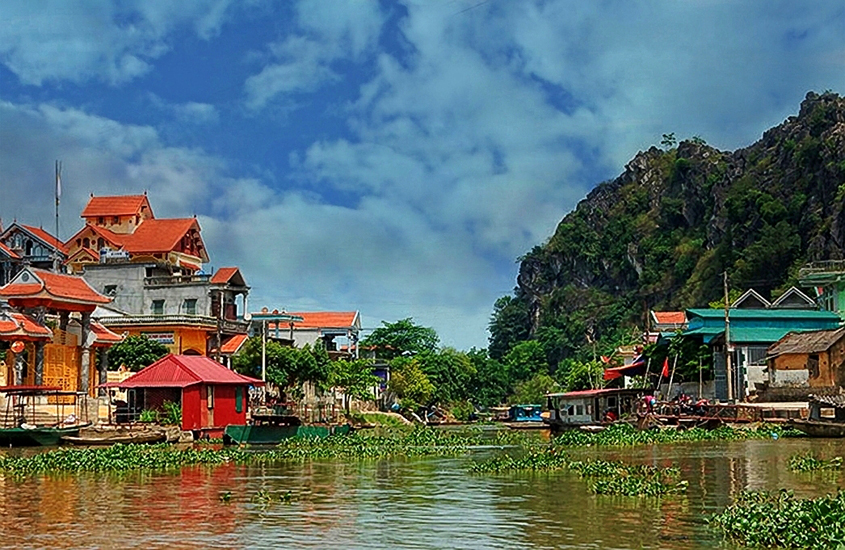



Located in the heart of Vietnam’s northern mountains, Ba Be National Park is an oasis of tranquility, diverse wildlife, and breathtaking landscapes. Known for its centerpiece, Ba Be Lake, the park is a natural paradise where green hills, deep valleys, and serene waters await travelers looking to escape into nature. This hidden gem is home to ethnic minority communities, rare flora and fauna, and fascinating caves. Ba Be National Park isn’t just a spot for sightseers; it’s an adventure for those who love kayaking, hiking, and immersing themselves in nature’s beauty. Ready for a journey into the heart of Vietnam? Let’s explore Ba Be!
Ba Be National Park was established in 1992 to protect Vietnam’s largest natural lake, Ba Be Lake, and the surrounding rainforest ecosystem. Located in Bac Kan Province, the park covers over 23,000 hectares and is a vital conservation area for various species, including endangered animals like the Tonkin snub-nosed monkey and several unique plant species. The name “Ba Be” translates to “Three Lakes,” as the lake is composed of three main sections: Pe Lam, Pe Lu, and Pe Leng. This national park is part of a UNESCO-recognized network of protected areas within the larger Ba Be and Na Hang Biosphere Reserve. Beyond its ecological significance, Ba Be is home to the Tay, Dao, and Hmong ethnic communities who have lived here for centuries, enriching the park with their vibrant cultures and traditions. From its deep blue lake to its majestic limestone mountains, Ba Be is a true Vietnamese wonder.
Ba Bể National Park Attractions
- Ba Be Lake – The centerpiece of the park, surrounded by limestone mountains, it’s perfect for boat trips, swimming, and kayaking.
- Puong Cave – A massive cave carved by the Nang River, filled with fascinating rock formations and home to a large colony of bats.
- Dau Dang Waterfall – A scenic waterfall nestled between towering cliffs, ideal for nature walks and photography.
- Hua Ma Cave – A mystical cave known for its impressive stalactites and stalagmites, offering a unique underground adventure.
- An Ma Temple – A peaceful lakeside temple where you can learn about local legends and enjoy a beautiful view of Ba Be Lake.
- Pac Ngoi Village – A traditional Tay ethnic village where you can experience the culture, crafts, and hospitality of the local people.
Ba Bể National Park Activities
- Boat Tours on Ba Be Lake – Cruising on Ba Be Lake offers unmatched views of the park’s mountains, caves, and calm waters.
- Hiking – With several trails winding through forests and hills, Ba Be offers hikes for every level, including routes leading to amazing viewpoints.
- Kayaking – Rent a kayak and explore the lake’s hidden corners, peaceful bays, and limestone cliffs.
- Birdwatching – The park is home to over 200 bird species, making it a paradise for birdwatchers. Bring your binoculars and spot colorful residents.
- Cave Exploration – Puong Cave and Hua Ma Cave are two unique spots where visitors can marvel at ancient formations and learn about local legends.
- Cultural Tours – Visit Pac Ngoi Village and connect with the Tay people. From traditional rice farming to woodwork, you’ll get a glimpse of a traditional way of life.
Ba Bể National Park Best Time to Visit
The best time to visit Ba Be National Park is during the dry season, from October to April. The weather during these months is cool and comfortable, with clear skies that are perfect for boating, hiking, and photography. The rainy season, which runs from May to September, brings lush green landscapes, but also higher humidity and more challenging conditions for hiking. That said, if you’re looking for a quieter experience, visiting just before or after the rainy season can be equally rewarding, as the park is less crowded and the scenery is incredibly vibrant.
Ba Bể National Park Practical Information
- Entrance Fee: The park typically has an entrance fee, around 50,000 VND (roughly $2 USD).
- Opening Hours: Ba Be National Park is open all year round, but check the weather forecast before planning a trip.
- What to Pack: Comfortable hiking shoes, weather-appropriate clothing, insect repellent, and sunscreen are essential.
- Safety Tips: The trails and caves can be slippery, especially during the rainy season, so stick to marked paths and carry enough water for hikes.
[put_wpgm id=247]
Ba Bể National Park Getting There
Ba Be National Park is about 240 kilometers north of Hanoi, and reaching it can be an adventure. The most common way is to take a bus or shuttle from Hanoi to Bac Kan City, and then transfer to a smaller bus or taxi to the park itself. Alternatively, you can arrange a private vehicle or join a guided tour, which often includes transportation. If you’re up for an extended road trip, renting a motorbike is also an option, providing more flexibility to explore the area on your own schedule.
Ba Bể National Park Nearby Attractions
- Na Hang Nature Reserve – Known for its lush forests, waterfalls, and impressive limestone karsts, Na Hang is only a short drive from Ba Be.
- Ban Gioc Waterfall – One of Vietnam’s largest and most beautiful waterfalls, located further north but worth the journey for its stunning views.
- Coc Toc Village – Another Tay ethnic village that offers homestays, giving you a closer look at the region’s cultural richness.
- Dong Van Karst Plateau – Located further afield, this UNESCO Global Geopark is a surreal landscape of limestone peaks, caves, and traditional ethnic villages.
Final Thoughts
Ba Be National Park is a magical slice of northern Vietnam, offering a blend of natural beauty, cultural richness, and adventure. Whether you’re looking to kayak across the lake’s calm waters, hike through ancient forests, or meet the warm-hearted local people, Ba Be is a destination that offers something unique to every visitor. It’s an escape from the usual tourist trails, making it a perfect choice for those seeking a more authentic and serene experience. So, when you’re planning your Vietnam adventure, don’t miss Ba Be National Park – a place that invites you to discover the heart of nature and the soul of Vietnam.