







TL;DR: Baščaršija is Sarajevo’s Ottoman-era old bazaar where cobblestone streets meet copper artisans, traditional Bosnian coffee culture thrives, and 500 years of history comes alive. Plan 3-4 hours minimum, wear comfortable shoes, bring cash for small vendors, and visit early morning or late afternoon to avoid crowds. Don’t miss Sebilj fountain, authentic ćevapi, and handcrafted copper souvenirs.
- What Exactly Is Baščaršija?
- Getting There: Your Transportation Options
- When to Visit: Timing Your Experience
- The Iconic Landmarks You Can’t Miss
- Shopping: What to Actually Buy
- The Food Experience: What and Where to Eat
- Cultural Insights and Etiquette
- Hidden Gems Off the Main Drag
- Budget Breakdown: What Things Actually Cost
- Practical Information
- Day Trip Extensions
- Recap: Your Baščaršija Action Plan
- Disclaimer
You know that feeling when you step into a place and immediately sense you’ve traveled back in time? That’s Baščaršija for you.
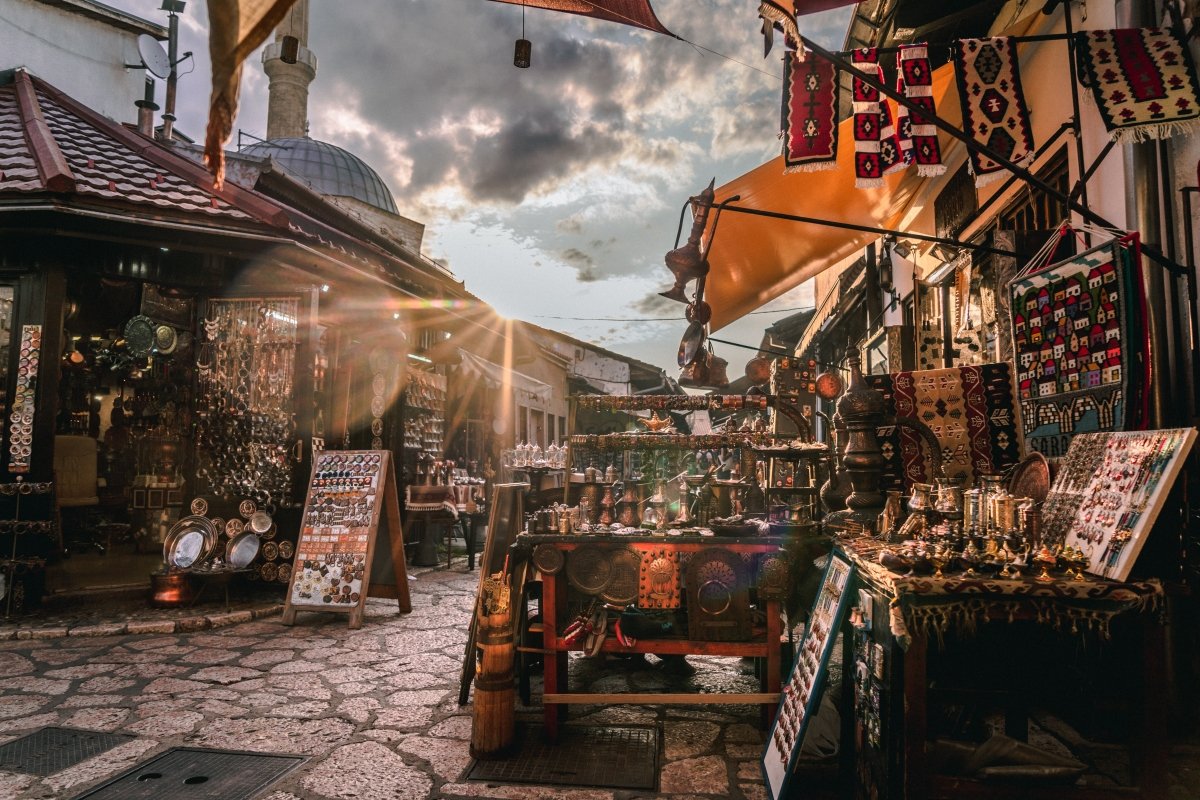
Tucked into the heart of Sarajevo, this Ottoman-era marketplace isn’t just another tourist spot you tick off your list—it’s the pulsing soul of Bosnia and Herzegovina’s capital. The moment you hear the call to prayer echoing off ancient stone buildings while copper craftsmen hammer away in their workshops, you’ll understand why locals say you haven’t really visited Sarajevo until you’ve gotten lost in Baščaršija’s maze of narrow lanes.
What Exactly Is Baščaršija?
Let’s start with the basics. Baščaršija (pronounced “bash-char-shee-ya”) literally means “main marketplace” in Turkish. Founded in the 15th century when the Ottomans established Sarajevo, this historic quarter served as the commercial and cultural hub of the city for centuries.
Today, it’s a living museum where traditional crafts, authentic Bosnian cuisine, and centuries-old architecture blend seamlessly with modern café culture. Think of it as Istanbul’s Grand Bazaar’s more intimate cousin—less overwhelming, more personal, and equally captivating.
Getting There: Your Transportation Options
From Sarajevo Airport: Grab a taxi (15-20 EUR, 20-30 minutes) or take the airport shuttle bus that drops you near the Latin Bridge, a five-minute walk from Baščaršija. Many visitors find rideshare apps like Bolt work well here too.
From Within Sarajevo: The old bazaar sits in the Old Town (Stari Grad) municipality. If you’re staying anywhere in central Sarajevo, it’s highly walkable. Tram lines 1, 3, and 4 stop at Baščaršija station—look for the distinctive Sebilj fountain to know you’ve arrived.
Accessibility Note: The cobblestone streets can be challenging for wheelchairs and those with mobility considerations. Some areas have smoother pathways, but this is a centuries-old marketplace with uneven surfaces. The main square around Sebilj fountain is the most accessible section.
When to Visit: Timing Your Experience
Best Times:
- Early morning (7-9 AM): Catch locals grabbing their morning coffee, fewer crowds, golden light perfect for photos
- Late afternoon (4-6 PM): Shops are open, the energy picks up, and you’ll catch beautiful evening light
- Shoulder seasons (April-May, September-October): Pleasant weather, manageable crowds, outdoor seating everywhere
Avoid if possible:
- Midday summer (June-August, 11 AM-2 PM) when tour groups peak and temperatures soar
- Rainy days make those cobblestones slippery—though the atmosphere is undeniably moody
Winter magic: December brings Christmas markets (yes, despite the Ottoman heritage—Sarajevo beautifully blends traditions), and snow transforms Baščaršija into a fairytale setting. Just bundle up and watch for ice.
The Iconic Landmarks You Can’t Miss
Sebilj Fountain
This wooden Ottoman-style fountain in the main square is Baščaršija’s unofficial logo. Built in 1891, it’s where pigeons gather, tourists pose, and locals meet. Legend says if you drink from Sebilj, you’ll return to Sarajevo—so take a sip if you’re feeling romantic about it.
Gazi Husrev-beg Mosque
Dating to 1530, this isn’t just Baščaršija’s architectural crown jewel—it’s one of the finest Ottoman mosques in the Balkans. Visitors are welcome outside prayer times (modest dress required: covered shoulders, long pants/skirts; headscarves provided for women at the entrance). The courtyard offers peaceful respite from the bustling streets.
Visiting hours: Generally 8 AM-12 PM and 2:30 PM-4 PM, closed during prayer times Entry: Free, donations appreciated
Morića Han
This 16th-century caravanserai (merchants’ inn) now houses craft shops and a traditional restaurant. The inner courtyard gives you a genuine sense of what trading life looked like centuries ago. Pop in even if you’re not buying—it’s atmospheric as hell.
The Latin Bridge
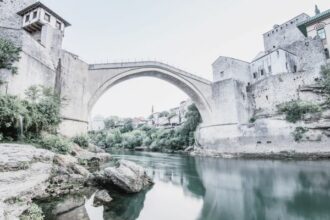
Technically just outside Baščaršija proper, this Ottoman bridge marks where Archduke Franz Ferdinand was assassinated in 1914, triggering World War I. It’s a sobering reminder that Sarajevo’s history runs incredibly deep.
Shopping: What to Actually Buy
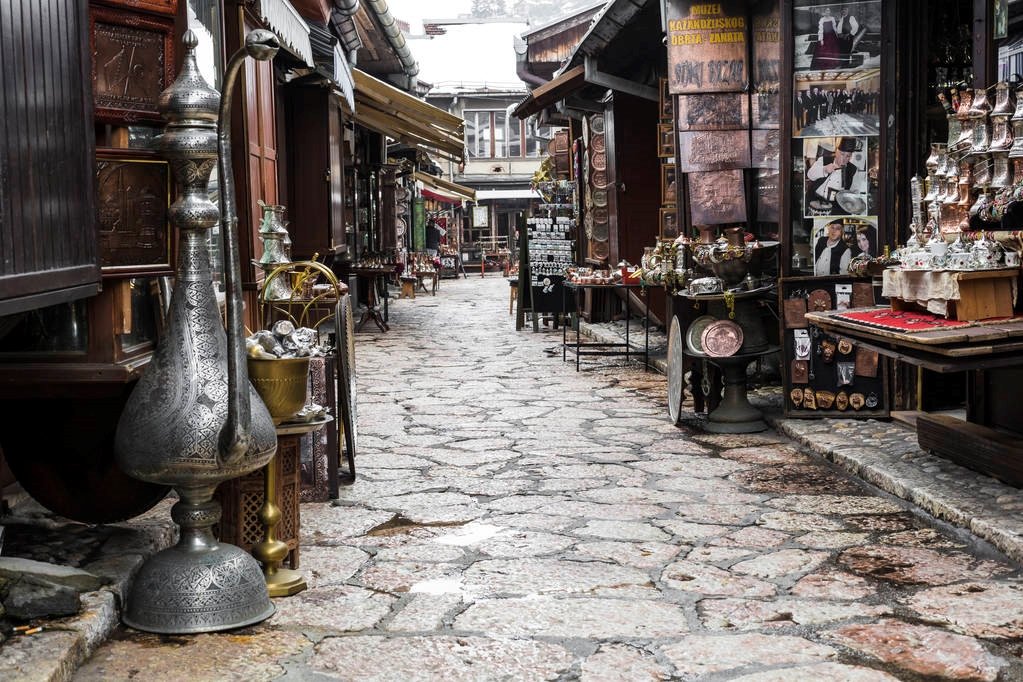
Forget mass-produced souvenirs. Baščaršija specializes in authentic craftsmanship that’s been passed down through generations.
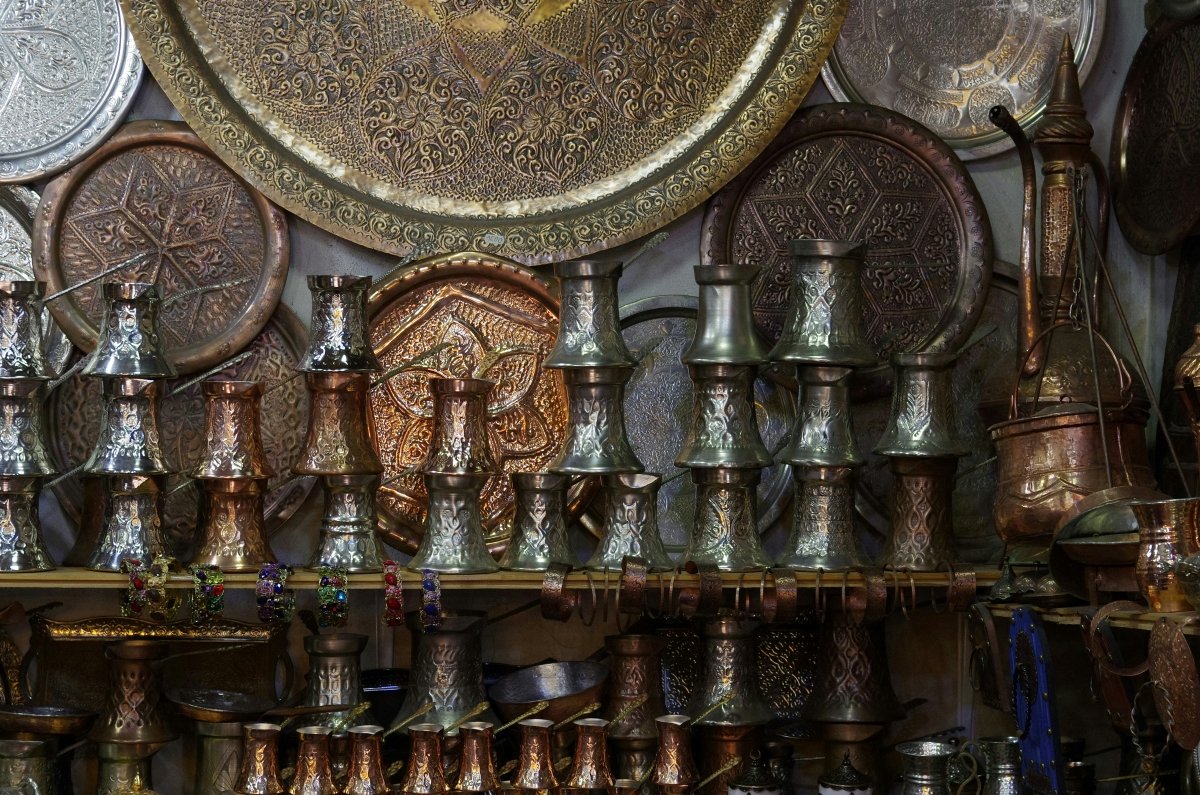
Copper and Metalwork: Watch artisans hammer traditional coffee sets, decorative plates, and jewelry. Kazandžiluk Street (Coppersmith Street) is where the magic happens. Prices range from 10 EUR for small items to several hundred for elaborate pieces. Haggling is expected—start at 60-70% of the asking price.
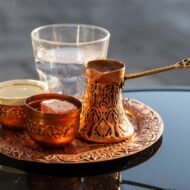
Bosnian Coffee Sets: A džezva (long-handled copper pot) plus cups makes a meaningful souvenir that actually functions. Budget 30-50 EUR for quality sets.
Handwoven Textiles: Look for authentic kilim rugs, embroidered tablecloths, and wool socks. The craftsmanship is genuine—these aren’t factory knockoffs.
Traditional Slippers (papuče): Colorful, pointy-toed Ottoman-style slippers make quirky gifts. Around 10-15 EUR.
Silver Filigree Jewelry: Delicate, intricate work that Sarajevo’s been famous for since Ottoman times. Expect 30 EUR and up for genuine pieces.
Pro tip: Shop on side streets rather than main square for better prices and more authentic interactions. If vendors speak only Bosnian, you’ve found the real deal.
The Food Experience: What and Where to Eat
This is where Baščaršija truly shines. The cuisine reflects centuries of Ottoman influence mixed with Balkan heartiness.
Must-Try Dishes
Ćevapi: Grilled minced meat sausages served in somun (flatbread) with onions and kajmak (clotted cream). It’s Bosnia’s national dish for good reason. Head to Željo or Hodžić for the local-approved versions. Around 5-7 EUR.
Burek: Flaky phyllo pastry filled with meat, cheese, or spinach. Grab it hot from Sač or Buregdžinica Bosna for breakfast. About 2-3 EUR for a massive portion.
Bosanski Lonac: A slow-cooked meat and vegetable stew that warms your soul. Perfect for cooler days. Try it at Dveri or Park Princeva. 8-12 EUR.
Baklava and Tufahije: For your sweet tooth. Baklava here is less sticky-sweet than Turkish versions. Tufahije are poached apples stuffed with walnuts and topped with whipped cream—way better than it sounds. 2-4 EUR per serving.
The Bosnian Coffee Ritual
Here’s the thing about Bosnian coffee—it’s not just a beverage, it’s a cultural institution. Served in a džezva with a cube of rahat lokum (Turkish delight) and sugar cubes, it’s meant to be sipped slowly over conversation.
Where to drink it:
- Morica Han: Traditional setting, tourist-friendly
- Kafeterija Sevdah Art House: Local vibe, live music some evenings
- Any small café on Kovači street: Less touristy, same quality
Coffee etiquette: Don’t rush. Bosnians can stretch one coffee for an hour. It’s about the experience, not the caffeine hit.
Cost: 2-3 EUR including lokum
Cultural Insights and Etiquette
Greetings: “Dobar dan” (good day) goes a long way. Many shopkeepers and servers speak English, but the effort is appreciated.
Mosque visits: Always remove shoes, dress modestly. Non-Muslims are welcome but be respectful—it’s an active place of worship, not just a tourist site.
Tipping: 10% is standard in restaurants. Round up for coffee and small purchases.
Photography: Always ask before photographing people, especially artisans at work. Most are happy to oblige if you’re polite.
Smoking: Still common in outdoor café areas. Indoor spaces are technically smoke-free, but enforcement varies.
Hidden Gems Off the Main Drag
Kujundžiluk: The goldsmiths’ street where you’ll find quieter shops and better deals than the main square.
Kovači District: Climb the hill behind Baščaršija for the old cemetery with stunning city views and the Yellow Fortress (Žuta Tabija) for sunset. The walk takes 15-20 minutes uphill.
Pigeon Square (Golubar): Smaller sister square to Sebilj, fewer tourists, same charm.
Bey’s Mosque (Begova džamija): Lesser-visited than Gazi Husrev-beg but equally beautiful, with a serene courtyard.
Budget Breakdown: What Things Actually Cost
Tight Budget (per person):
- Coffee: 2 EUR
- Burek breakfast: 3 EUR
- Ćevapi lunch: 6 EUR
- Small souvenir: 10 EUR
- Total: ~20-25 EUR
Comfortable Budget (per person):
- Multiple coffees/drinks: 8 EUR
- Restaurant meal: 15 EUR
- Quality copper item: 40 EUR
- Snacks/sweets: 5 EUR
- Total: ~70-80 EUR
Cash is king: Many small vendors don’t accept cards. ATMs are plentiful around Baščaršija.
Practical Information
How long to spend: Minimum 3-4 hours for a proper wander. A full day if you’re shopping seriously and want to soak in multiple coffee sessions.
What to wear: Comfortable walking shoes are non-negotiable—those cobblestones will destroy your feet otherwise. In summer, light layers; winters can be cold (bring proper coat and boots).
Safety: Baščaršija is very safe, even at night. Standard city awareness applies—watch your belongings in crowded areas.
Language: Bosnian is official, but English is widely spoken in tourist-facing businesses. Older artisans may speak only Bosnian.
WiFi: Most cafés offer free WiFi. Public squares have spotty coverage.
Toilets: Public ones near Sebilj fountain (small fee). Better to use café facilities if you’re already ordering.
Day Trip Extensions
If you’ve got extra time after exploring Baščaršija:
Sarajevo War Tunnel Museum (30 min by taxi): Powerful WWII and 1990s war history. Combines well with Baščaršija for a full understanding of the city’s resilience.
Vrelo Bosne (Taxi/tram then walk): Natural springs and parkland, perfect for afternoon strolls. Horse-drawn carriages available.
Trebević Mountain (Cable car from near Baščaršija): Stunning views, abandoned bobsled track, hiking trails. The cable car ride itself is an experience.
Recap: Your Baščaršija Action Plan
Here’s your game plan for an unforgettable visit:
Morning: Arrive early (8-9 AM) for coffee and burek while the shops open. Photograph Sebilj fountain without crowds.
Mid-morning: Browse Coppersmith Street, visit Gazi Husrev-beg Mosque (outside prayer times), explore Morića Han.
Lunch: Ćevapi at a local favorite spot. Take your time.
Afternoon: Shop the side streets for authentic crafts. Enjoy another coffee ritual at a quieter café.
Late afternoon: Climb to Yellow Fortress for sunset views over Baščaršija.
Evening: Return for dinner at a traditional restaurant, perhaps with live sevdah music.
Remember: This isn’t a place to rush through. The magic of Baščaršija reveals itself to those who slow down, sip their coffee deliberately, and let the rhythm of the old bazaar set the pace.
Disclaimer
Travel information accuracy: This guide reflects conditions as of early 2025. Prices, opening hours, and specific business recommendations may change. Always verify critical details (especially accommodation bookings and transportation) closer to your travel dates.
Cultural sensitivity: We’ve made every effort to present Sarajevo’s complex history and diverse cultural heritage respectfully. Baščaršija reflects centuries of Ottoman, Austro-Hungarian, Yugoslav, and contemporary Bosnian influences—all equally valid parts of its identity.
Safety: While Baščaršija and Sarajevo generally are safe destinations, travelers should exercise standard precautions and stay informed about current conditions through official travel advisories.
Accessibility: Physical accessibility in historic districts like Baščaršija can be challenging. We’ve noted limitations where possible, but individuals with specific mobility needs should research and plan accordingly.
Commercial relationships: This guide contains no paid placements or affiliate links. Business mentions are based on reputation and visitor experience, not commercial arrangements.
Personal responsibility: Travel involves inherent risks. This guide is for informational purposes—travelers should use their own judgment, maintain appropriate insurance, and make decisions based on their individual circumstances and risk tolerance.
Your turn: Have you explored Baščaršija? Found a hidden gem we missed? Scored an amazing deal on copper work? The stories and smells and tastes of this place stay with you long after you leave—and honestly, that legend about Sebilj fountain might just be true.