


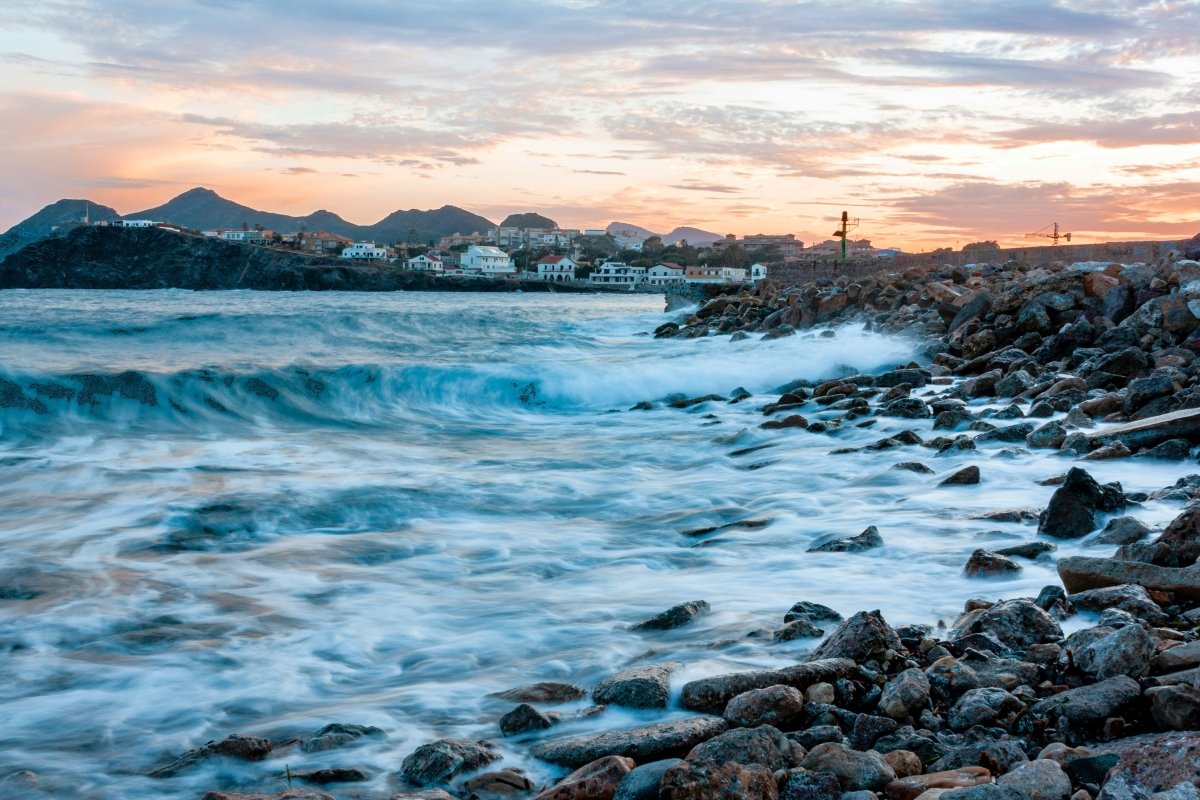







TL;DR: Cabo de Palos is a stunning fishing village on Spain’s Costa Cálida with world-class diving, pristine beaches, incredible seafood, and zero crowds. Think crystal-clear Mediterranean waters, a historic lighthouse with jaw-dropping views, and some of the best paella you’ll ever taste—all without the tourist chaos of Barcelona or Málaga.
- Why Cabo de Palos Should Be on Your Radar
- The Diving (Seriously, World-Class Stuff)
- Beaches: From Family-Friendly to Secluded Coves
- The Lighthouse & That Million-Dollar View
- Let’s Talk About the Food
- Where to Stay
- Getting There & Getting Around
- Beyond Cabo de Palos: Day Trip Ideas
- When to Visit
- Practical Tips
- Who Is Cabo de Palos For?
- Final Thoughts
- Quick Recap
We’re talking about a working harbor where fishers still bring in the daily catch, beaches where you can actually find a spot to lay your towel, and some of the best diving in Europe. Plus, the seafood here? Chef’s kiss. Forget whatever you think you know about Spanish coastal food.
Why Cabo de Palos Should Be on Your Radar
Cabo de Palos sits on a rocky headland jutting into the Mediterranean, about 20 minutes from Cartagena. The village has around 1,000 permanent residents, but it swells in summer when Spanish families (mostly from Murcia and Madrid) descend for their August holidays.
Here’s what makes it special: while the rest of Spain’s coast got paved over with high-rise hotels in the 1970s, Cabo de Palos stayed relatively small and authentic. The town is protected because of its proximity to the Islas Hormigas Marine Reserve—one of the Mediterranean’s most important underwater ecosystems.
The Diving (Seriously, World-Class Stuff)
Let’s start with what puts Cabo de Palos on the map for those in the know: the diving.
The waters around Cabo de Palos and the nearby Islas Hormigas (literally “Ant Islands”) are considered some of the best diving spots in the Mediterranean. We’re talking 40-meter visibility on good days, diverse marine life including groupers the size of small cars, barracuda, octopus, moray eels, and if you’re lucky, dolphins and sea turtles.
But the real star? The shipwrecks. The area has several diveable wrecks, including the Naranjito and the Sirio, which sank in 1906 and is now an artificial reef teeming with life.
Dive centers to check out:
- Centro de Buceo Cabo de Palos
- Posidonia Dive Center
- Buceo Cabo de Palos
Most centers offer PADI certification courses, guided dives for all levels, and equipment rental. Expect to pay around €35-50 for a single dive with equipment included. Book ahead in summer—spots fill up fast.
Even if you’re not a diver, you can do snorkeling trips to the marine reserve or take a glass-bottom boat tour to see what’s beneath the surface.
Beaches: From Family-Friendly to Secluded Coves
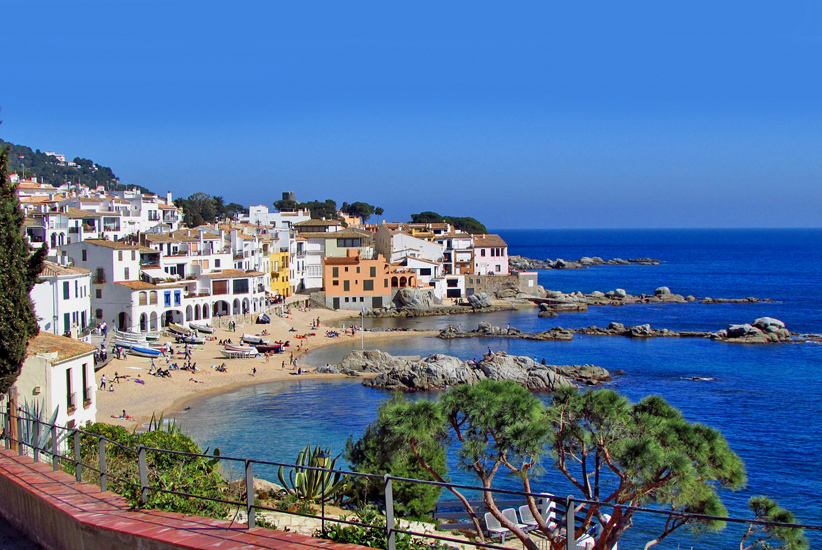
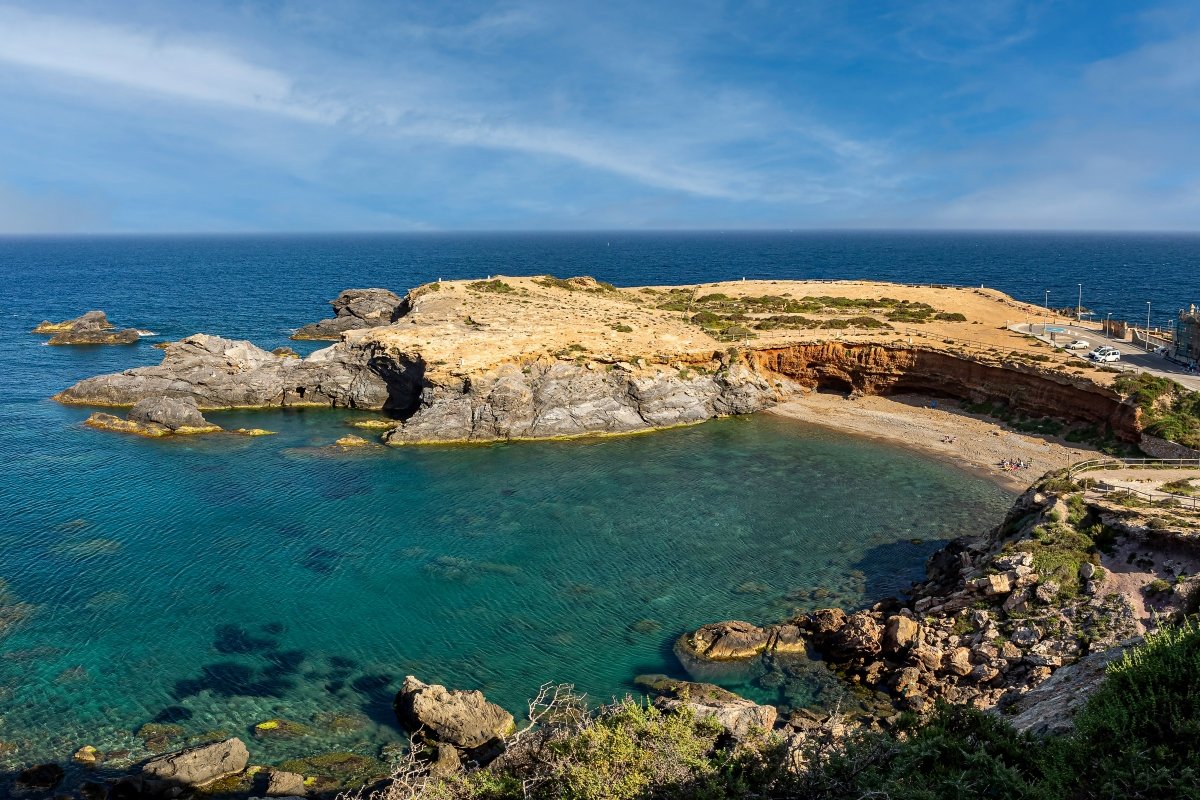
Cabo de Palos isn’t about endless stretches of sand—instead, you get a variety of small beaches and rocky coves, each with its own vibe.
Cala Túnez is the main beach, a small sandy bay right in the village with calm waters perfect for families. It gets busy in August but manageable the rest of the year. There are beach bars where you can grab a beer and some patatas bravas without leaving your towel.
Playa del Descargador sits just north and is a bit more rugged—pebbles and rocks, clearer water, and fewer people. Great for snorkeling.
For something more secluded, head to Cala Reona or Cala Flores just a few minutes’ drive away. These are gorgeous little coves with turquoise water and dramatic rocky backdrops. Get there early in summer because parking is limited.
Pro tip: Bring water shoes. Many of the beaches have rocky entries, and they’ll save your feet.
The Lighthouse & That Million-Dollar View
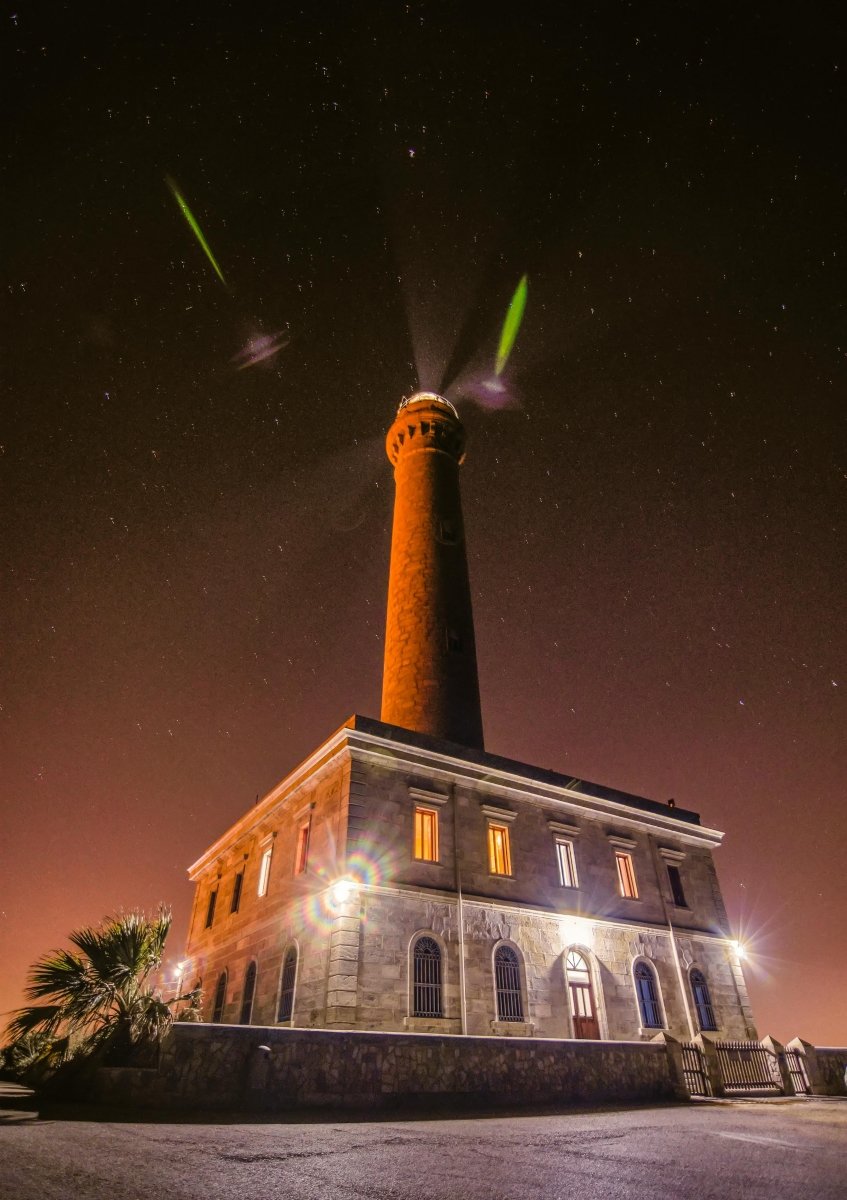
The Cabo de Palos Lighthouse (Faro de Cabo de Palos) has been guiding ships since 1865, and it’s perched on the absolute tip of the cape with 360-degree views of the Mediterranean.
Unfortunately, you can’t go inside (it’s still an active lighthouse), but the walk around the headland is spectacular. Come for sunset when the light hits just right and the whole coastline glows gold. It’s also a popular spot for photographers and, yes, proposal-happy couples.
The surrounding area has walking paths along the cliffs where you can spot seabirds and, if you’re patient, catch glimpses of marine life in the clear waters below.
Let’s Talk About the Food
This is where Cabo de Palos really shines. Because it’s an actual working fishing village, the seafood is ridiculously fresh—like, caught-this-morning fresh.
The harbor area (Puerto de Cabo de Palos) is lined with restaurants, most with outdoor terraces overlooking the water. Here’s what you need to order:
Caldero: This is the dish of Cabo de Palos. It’s a rice dish cooked in fish stock with pieces of fish (usually rockfish or scorpionfish), served in two courses: first, the fish with alioli; then, the rice. It’s like paella’s cooler, more sophisticated cousin.
Arroz con bogavante: Rice with lobster. Yes, it’s pricey (€25-40 per person), but when the lobster was swimming around that morning, you kind of have to.
Fresh grilled fish: Whatever came off the boats that day—dorada (sea bream), lubina (sea bass), salmonetes (red mullet). Usually served simply with olive oil, lemon, and sea salt.
Restaurants worth your time:
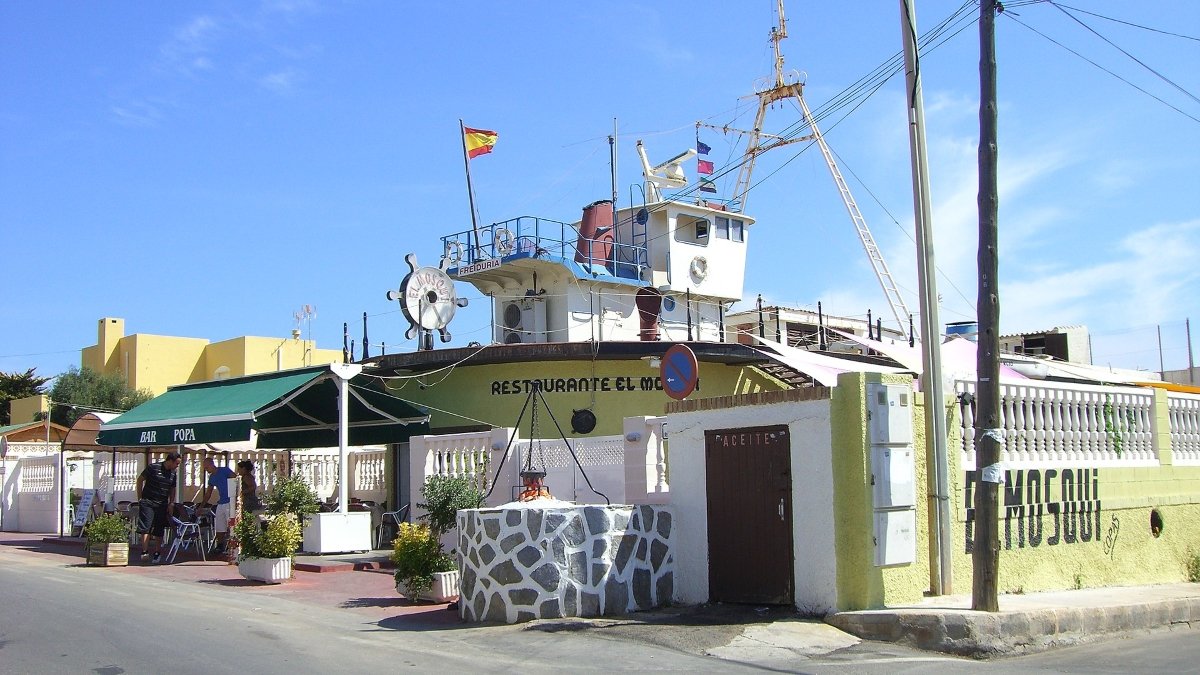
- El Mosqui: Local favorite, been around forever, great caldero
- La Tana: Right on the harbor, fantastic seafood rice dishes
- Restaurante Miramar: Slightly upscale, incredible views, perfect for sunset dinner
Most restaurants don’t take reservations for lunch, so arrive by 1:30 PM or wait. Dinner service starts around 8:30-9 PM (this is Spain, after all).
Where to Stay
Cabo de Palos doesn’t have huge resorts, which is part of its charm. You’ll find small hotels, vacation rentals, and apartments.
Hotel options:
- La Manga Club: Technically not in Cabo de Palos but nearby (15 minutes), this is a sprawling golf resort with multiple hotels, pools, and restaurants. Great for families.
- Small guesthouses and boutique hotels right in the village—check Booking.com for current options.
Vacation rentals: Airbnb and Vrbo have plenty of apartments and villas, especially if you’re traveling with family or a group. You can find places with sea views, terraces, and full kitchens for reasonable prices, especially outside July-August.
The nearby town of La Manga del Mar Menor (about 10 minutes away) has more accommodation options if Cabo de Palos is booked up.
Getting There & Getting Around
By car: This is your best bet. Cabo de Palos is about 25 minutes from Cartagena, 50 minutes from Murcia city, and 1 hour from Alicante-Elche Airport. Rental cars are cheap in Spain, and having wheels gives you freedom to explore the coast.
By public transport: Buses run from Cartagena to Cabo de Palos (Line 35), but they’re infrequent. Taxis work but add up. If you’re staying in the village and just hanging at the beach and restaurants, you can walk everywhere.
By air: Nearest airports are Murcia-San Javier (30 minutes) and Alicante (1 hour). Murcia has fewer international connections, so you might fly into Alicante and drive down.
Beyond Cabo de Palos: Day Trip Ideas
Cartagena: This ancient port city is only 20 minutes away and absolutely worth a day. Roman ruins (including an incredibly well-preserved Roman theater), a beautiful harbor, naval museums, and excellent tapas bars in the old town.
Mar Menor: Europe’s largest saltwater lagoon, just on the other side of La Manga. Shallow, warm water makes it perfect for families with small kids. Also popular for windsurfing and kayaking.
Calblanque Regional Park: A stunning natural area with unspoiled beaches, sand dunes, and hiking trails. About 15 minutes north of Cabo de Palos. Come early because they limit daily visitors.
Murcia City: About an hour inland, this underrated city has a gorgeous baroque cathedral, lively tapas scene, and authentic Spanish culture without tourist crowds.
When to Visit
Best time: May-June and September-October. Perfect weather (20-28°C), warm sea, fewer crowds, and better restaurant availability.
Summer (July-August): Expect heat (30-35°C), crowded beaches, and fully booked restaurants. This is peak Spanish vacation season, so everything gets busy. That said, the atmosphere is lively and fun if you don’t mind the hustle.
Winter (November-March): Mild but quiet. Many restaurants close or operate reduced hours. Good for diving if you have a wetsuit—water temperature drops to 14-16°C but visibility is often excellent.
Spring (March-April): Beautiful wildflowers, pleasant temperatures, perfect for hiking and exploring. Water might still be chilly for swimming.
Temperature Data Summary (Celsius)

Practical Tips
- Language: Spanish, with the local Murcian accent. English is spoken in dive centers and some restaurants, but learning a few Spanish phrases helps a lot. People here really appreciate the effort.
- Cash vs. card: Most places take cards, but smaller beach bars and some family-run restaurants are cash-only. Have some euros on hand.
- Siesta is real: Many shops and some restaurants close from 2-5 PM. Plan accordingly.
- Dress code: Super casual. We’re talking flip-flops and beach cover-ups for most places. Even nicer restaurants are pretty relaxed.
- Sun protection: The sun here is no joke, especially in summer. High SPF sunscreen, hat, and sunglasses are essential.
Who Is Cabo de Palos For?
This village isn’t for everyone, and that’s okay.
You’ll love it if: You want authentic Spain without tourist chaos, you’re into diving or water sports, you appreciate fresh seafood and local food culture, you prefer small-town vibes over party scenes, or you’re looking for a relaxing beach destination that’s not completely touristy.
You might not love it if: You want nightlife (it’s pretty quiet after dinner), you need luxury five-star resorts and spas, you don’t eat seafood (limited options for vegetarians), or you want miles of sandy beaches (the beaches here are small).
Final Thoughts
Cabo de Palos is what I call a “second-tier” Spanish destination—and I mean that as the highest compliment. It hasn’t been discovered by mass tourism yet, which means you get authentic experiences, reasonable prices, and the feeling that you’re actually in Spain, not some international beach resort that could be anywhere.
The diving is legitimately world-class, the seafood is some of the best you’ll find on the Mediterranean, and the relaxed pace feels like what the Spanish coast used to be before it got overrun.
Go now, before the secret gets out.
Quick Recap
Best for: Diving enthusiasts, seafood lovers, families wanting authentic Spain, anyone tired of overcrowded tourist beaches
Don’t miss: Diving or snorkeling the marine reserve, caldero at a harbor restaurant, sunset at the lighthouse, day trip to Cartagena
Best time: May-June or September-October for perfect weather and fewer crowds
Getting there: Fly to Alicante or Murcia, rent a car, drive 1 hour or less
Budget: Mid-range. Expect €80-150 per night for accommodation, €15-30 per person for excellent seafood meals, diving around €35-50 per dive
Disclaimer: Travel information was current as of early 2025. Prices, opening hours, and availability can change, especially seasonally. Always verify details directly with hotels, restaurants, and activity providers before your trip. While I’ve done my best to provide accurate information, your individual experience may vary. Travel responsibly, respect local communities and marine environments, and don’t be that tourist who leaves trash on the beach—seriously, don’t.