


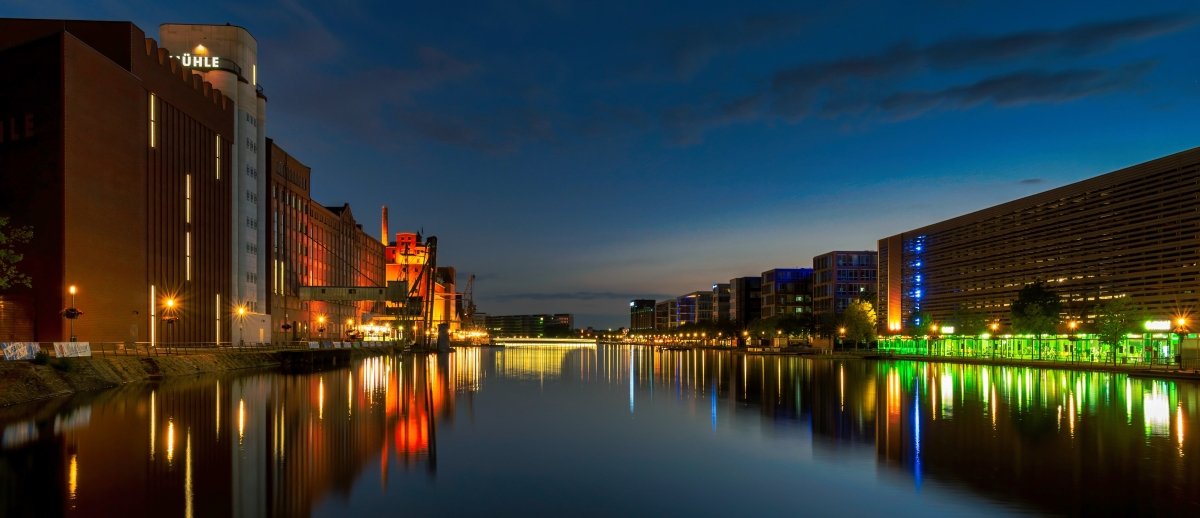
TL;DR: The Duisburg Inner Harbour ( Innenhafen ). It’s a refreshed 19th-century warehouse district that’s been flipped into Germany’s hottest mixed-use playground—think craft breweries, edgy art galleries, trendy restaurants, and waterfront vibes where shipping containers become pop-up venues. Perfect for a half-day escape if you’re tired of the same old tourist trap. Pack comfortable shoes, bring an open mind, and prepare for Instagram moments you didn’t expect.
- Know Before You Go
- Why Duisburg’s Inner Harbour Deserves Your Time
- What to Do (Besides Look Cool)
- Cultural Pit Stops That Actually Matter
- Eat Like a Local (Or Like You Just Landed in Southeast Asia)
- Street Vibes & Events
- How to Navigate Like You’ve Been There Before
- Budget Breakdown (Per Person)
- Getting There & Getting Around
- Best Time to Visit (Real Talk)
- Real Talk: What Might Disappoint You
- Inclusive Travel Notes
- Recap: The Essentials
- ⚠️ Disclaimer
Know Before You Go
| Info | Details |
|---|---|
| Best Time to Visit | April–October (warm weather, outdoor events galore) |
| Getting There | Direct trains from Cologne (30 min), Düsseldorf (15 min), or parking at Innenhafen garage |
| Average Stay | 3–5 hours (half-day) or full day with restaurants |
| Budget Level | Mid-range: €50–80 per person for food & drinks |
| Vibe Check | Creative, laid-back, occasional grit—it’s still industrial Ruhr |
| Wheelchair Accessible? | Mostly yes, but some cobblestones; check galleries ahead |
| Kid-Friendly? | Absolutely—museums, playgrounds, open spaces |
| Peak Crowds | Weekends (especially summer); weekday mornings quieter |
| Local Transport | U-Bahn U79 to Duisburg Hafen stop; then 5-min walk |
Why Duisburg’s Inner Harbour Deserves Your Time
Okay, real talk: Duisburg’s not the first city that pops into your head when planning a German getaway. But that’s exactly why the Innenhafen slaps.
This isn’t a reconstructed theme park. It’s a genuine urban reclamation story—a formerly gritty shipping hub that’s been reimagined without losing its soul. Where other cities would’ve bulldozed the old warehouses, Duisburg flipped the script: preserved the industrial architecture, invited artists and entrepreneurs, and watched it transform into something that feels lived-in rather than polished-to-death.
The result? A waterfront district where you can:
- Sip craft beer in a converted dockside warehouse
- Walk through contemporary art galleries in 100-year-old brick buildings
- Grab Vietnamese pho steps away from German schnitzel
- Watch street performers and musicians during summer festivals
- Actually afford everything (hello, Ruhr Valley prices—not Berlin markup)
What to Do (Besides Look Cool)
Cultural Pit Stops That Actually Matter
Kunstmuseum Duisburg (Duisburg Art Museum)
Located on the harbor’s fringe, this museum packs a serious punch—think contemporary installations, photography, modern painting. The building itself is worth a look: sleek, minimalist, definitely Instagram-ready. Budget 1.5–2 hours here. Pro tip: skip the weekend crowds if possible.
Käthe Kollwitz Museum
Smaller, intimate space dedicated to the German Expressionist artist. If you’re into raw, emotional art that makes you feel something, this is your spot. Admission’s reasonable (~€5), and it’s rarely crowded.
MKM (Museum Küppersmühle)
A contemporary art museum housed in a restored grain mill. Yes, there’s a pattern here. Yes, it’s beautiful. The permanent and rotating collections are stellar, and the industrial-meets-modern aesthetic is peak Innenhafen energy.
Eat Like a Local (Or Like You Just Landed in Southeast Asia)
The Innenhafen’s food scene is genuinely diverse—not “diverse for a Ruhr valley city” but genuinely diverse diverse.
- Fussbälle: Grab a table at any of the waterside beer gardens. Local pilsner, pretzels, and that perfect “watching boats float by” vibe.
- Asia-fusion spots: Vietnamese, Thai, and Japanese restaurants dominate. Quality’s solid, prices won’t kill you.
- Vegan/vegetarian options: The district’s got decent coverage here too—trendy cafés with plant-based everything.
- Sunday brunch: Popular AF. Get there early or book ahead.
Pro move: Walk around, check out menus in window displays, see what vibe matches your mood. That’s the whole Innenhafen philosophy.
Street Vibes & Events
The harbor hosts a rotating calendar of festivals, markets, and open-air events (especially May–September). Check the Duisburg tourism site before you go—you might catch live music, outdoor cinema, or street food markets that make the visit even more worthwhile.
Summer evenings here? Chef’s kiss. Waterfront, golden hour, somebody’s playing live jazz.
How to Navigate Like You’ve Been There Before
The Innenhafen is roughly circular, hugging a man-made harbor basin. You can walk the entire perimeter in about 45 minutes, but why rush?
Suggested Route:
- Start at the U-Bahn station (U79 Duisburg Hafen)
- Head toward the waterfront—you can’t miss it
- Walk counterclockwise along the promenade
- Hit a museum or two along the way
- Grab lunch/drinks around midpoint
- Continue to the northern end (quieter, more parks)
- Circle back or just chill with a coffee
Bring comfortable walking shoes. The area’s mostly pedestrian-friendly, but it’s not a flat, manicured experience—there are cobblestones, occasional rough patches, and industrial remnants that remind you what this place used to be.
Budget Breakdown (Per Person)
| Category | Estimate |
|---|---|
| Museum admission | €5–12 (skip or splurge based on interest) |
| Meal/lunch | €10–18 |
| Coffee/drink break | €3–6 |
| Beer garden or dinner | €15–28 |
| Total | €33–64 |
Pro tip: Many museums offer combination tickets. Check ahead.
Getting There & Getting Around
From Cologne:
- Train (Bahn): 30–40 minutes, €10–15 one way
- Then local U-Bahn (U79) to Duisburg Hafen station
From Düsseldorf:
- Train: 15–20 minutes, €5–10 one way
- Same local transport
By Car:
- Parking garage at Innenhafen costs ~€2–3/hour (reasonable for Germany)
- Free parking options exist nearby if you’re patient
Bike:
- Rent a bike from one of the rental stations. The Innenhafen’s flat and bikeable.
Once you’re at the harbor, everything’s walkable. Download a map offline (Google Maps works fine), but honestly, getting a little lost is half the fun.
Best Time to Visit (Real Talk)
Spring/Summer (April–October): Best time. Warm, vibrant, outdoor events everywhere. Crowds peak in July–August, so aim for June or September if you want fewer tourists and better weather.
Fall/Winter (November–March): Quieter, moodier, fewer outdoor activities. Rain’s common. Museums are still open, but half the charm disappears. Only come if you’re specifically into industrial aesthetics in grey weather.
Weekday mornings (especially Tuesday–Thursday): If you go, go now. You’ll practically have the place to yourself.
Real Talk: What Might Disappoint You
- It’s not pretty-pretty: This is still the Ruhr Valley. Heavy industry surrounds the district. If you’re expecting Alpine charm or fairy-tale half-timbered villages, this ain’t it.
- Weather matters: Duisburg’s climate is temperate but grey for much of the year. Plan accordingly.
- Limited accommodation nearby: There are hotels, but the Innenhafen itself isn’t residential. Most stay in central Duisburg or Cologne and day-trip.
- It’s small: A serious cultural junkie could cover this in 2–3 hours. It’s a half-day activity, not a full-day destination (though you can stretch it).
Inclusive Travel Notes
LGBTQ+: Duisburg’s a progressive city. The Innenhafen’s got inclusive restaurants, bars, and vibes. No issues here.
Disabilities: Most museums are wheelchair accessible (ask ahead). Cobblestone streets are a challenge for wheelchairs/strollers. Accessible restrooms exist.
Language: English is spoken in cafés and museums, though German gets you bonus points.
Dietary restrictions: Vegan/vegetarian options abundant. Halal and kosher less common; plan ahead.
Solo travelers: Safe, welcoming, easy to navigate alone.
Families: Kid-friendly museums, open spaces, playgrounds. Bring snacks.
Recap: The Essentials
✅ Go for: Contemporary art, waterfront walks, affordable eats, authentic urban transformation, weekend brunch, craft beer, summer festivals
❌ Skip if you hate: Industrial aesthetics, grey weather, walkable distances, crowds (summer weekends), city over countryside vibes
⏱️ Time needed: 3–5 hours for a solid visit; full day if you’re leisurely
💵 Budget: €50–80 per person (flexible based on dining/museum choices)
🎯 Vibe: Creative, laid-back, increasingly trendy, still genuinely local (not overdeveloped)
⚠️ Disclaimer
This guide reflects conditions and information as of early 2026. Opening hours, admission prices, and event schedules change regularly. Always check official websites (Duisburg Tourism, museum sites, restaurant hours) before your visit. The author accepts no responsibility for changes beyond their control—weather, unexpected closures, or that one café going out of business. Travel plans should be flexible. Enjoy the journey.
Bottom line? Duisburg’s Inner Harbour isn’t a “must-see” in the traditional sense. But if you’re exploring Germany beyond the Munich–Berlin–Cologne triangle, or you want to see what real urban renewal looks like when done right, this is worth a few hours of your time. It’s raw, it’s real, and it’s actually affordable—increasingly rare in Germany’s popular cities.
Come for the industrial architecture. Stay for the craft beer and unexpected vibe.