























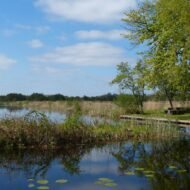
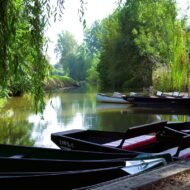
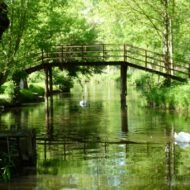


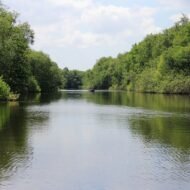
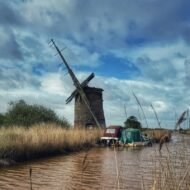
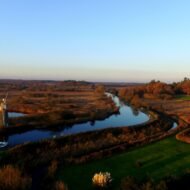


Picture this: you’re gliding silently through mirror-like waterways, surrounded by ancient trees draped in morning mist, while herons gracefully take flight overhead. Sound like a fantasy? Welcome to Europe’s most spectacular water landscapes – hidden gems that offer everything from luxury eco-lodges to wild camping adventures, all while delivering the kind of breathtaking experiences that’ll have your followers hitting that heart button faster than you can say “wanderlust.”
These aren’t your typical tourist traps. We’re talking about seven extraordinary wetland destinations where Mother Nature shows off like she’s auditioning for a David Attenborough documentary. Whether you’re a solo adventurer, traveling with your crew, or planning the ultimate romantic getaway, these aquatic paradises offer something magical for everyone.
1. Spree Forest (Spreewald), Germany
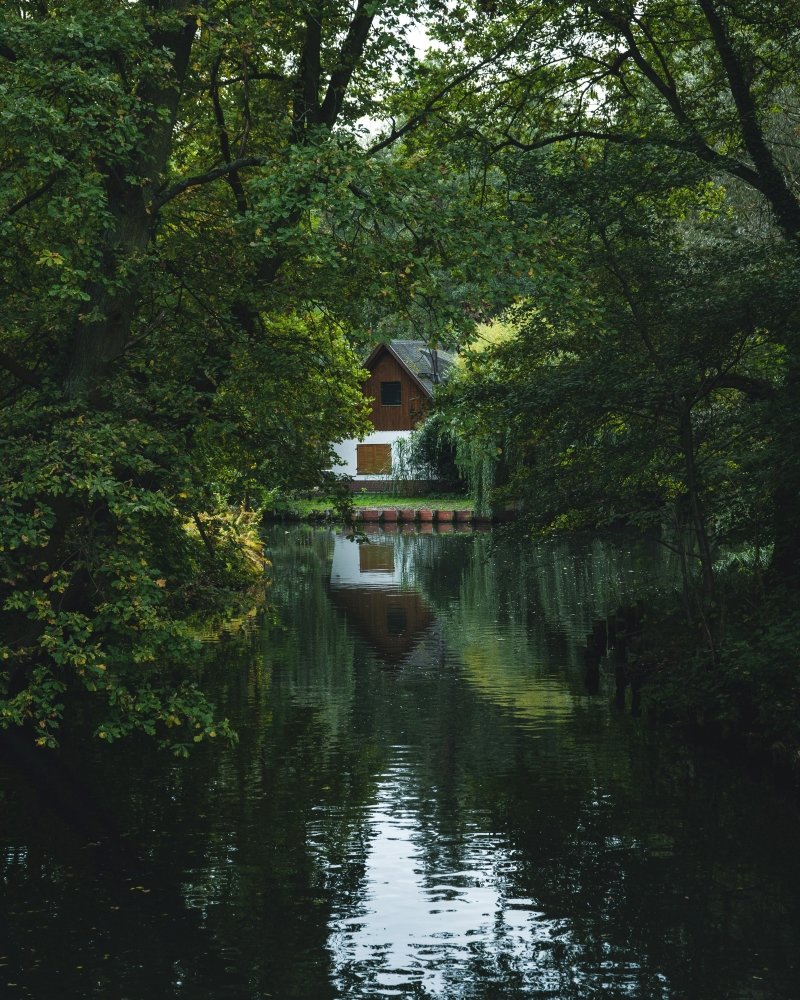
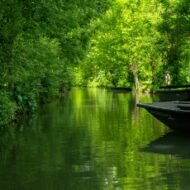
Welcome to Germany’s answer to the Amazon – except way more accessible and with better beer gardens nearby. The Spree Forest is a maze of waterways that feels like stepping into a fairytale, complete with traditional wooden boats called “kahns” and villages that look like they’ve been frozen in time.
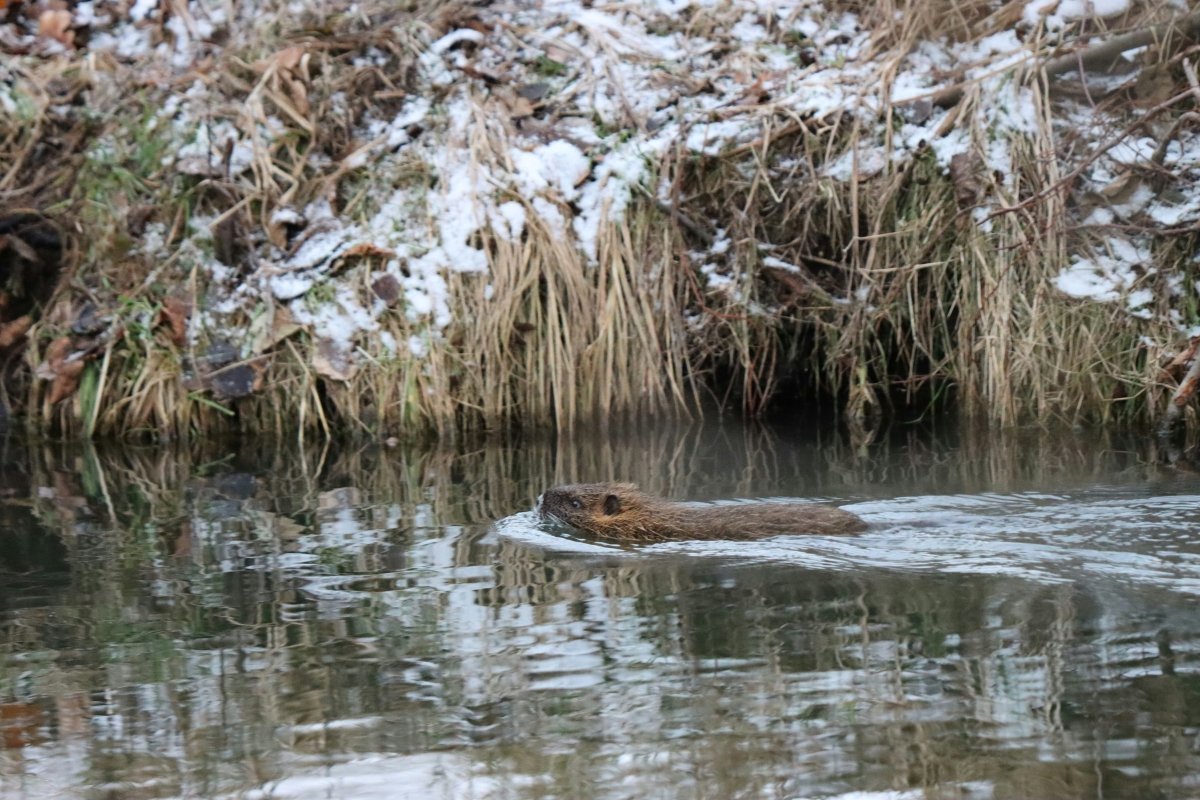
Biodiversity: This UNESCO Biosphere Reserve is home to over 18,000 animal and plant species, including rare water birds, beavers, and the elusive European pond turtle. The forest canopy creates a unique microclimate that supports everything from kingfishers to ancient oak trees.
Top Attractions:
- Traditional punt boat tours through the canal network
- Lübbenau Castle and its stunning baroque gardens
- Lehde village – a car-free community accessible only by water
- The Spreewald Museum showcasing Sorbian culture
- Cucumber farms (yes, really – they’re famous for their pickles!)
Accommodation & Campervan Options: The region offers everything from luxury wellness resorts to budget-friendly guesthouses. Campervan enthusiasts can park at designated areas near Lübbenau and Burg, with several campgrounds offering electrical hookups and facilities right by the water.
Activities:
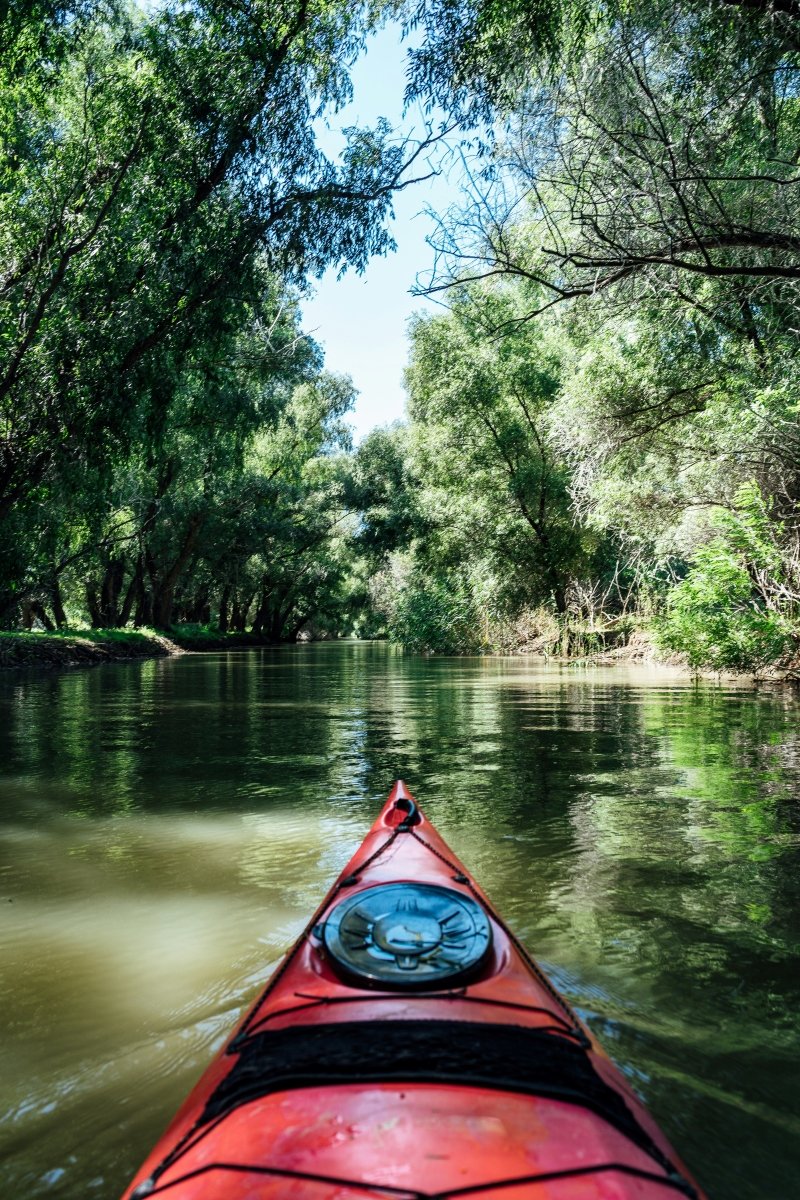
- Summer: Kayaking through quiet channels, cycling the extensive trail network, fishing for pike and perch, swimming in designated areas
- Winter: Cross-country skiing when waterways freeze, cozy boat rides with mulled wine, traditional Christmas markets in nearby towns
Boat Rides & Guided Tours: Traditional punt boat tours run year-round (weather permitting), lasting 1-4 hours. Expert guides share local legends and point out wildlife. Night tours during summer months offer a completely different perspective with lantern lighting.
Events: Annual Spreewald Marathon (September), Gurken Festival celebrating pickle culture (August), traditional Sorbian Easter customs (spring)
Entry Points: Lübbenau is the main gateway, easily accessible by train from Berlin (1 hour). Burg offers a quieter alternative with excellent camping facilities.
Useful Info: Best visited April-October for warmest weather. English-speaking guides available. Bike rentals widely available. Many restaurants serve traditional Sorbian cuisine alongside German classics.MORE READ..
2. Danube Delta, Romania
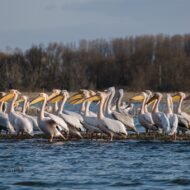
Prepare to have your mind blown by Europe’s largest wetland and one of the most biodiverse places on the continent. The Danube Delta is where the mighty Danube River meets the Black Sea, creating a constantly shifting landscape that’s home to some of the most spectacular wildlife viewing you’ll find anywhere.
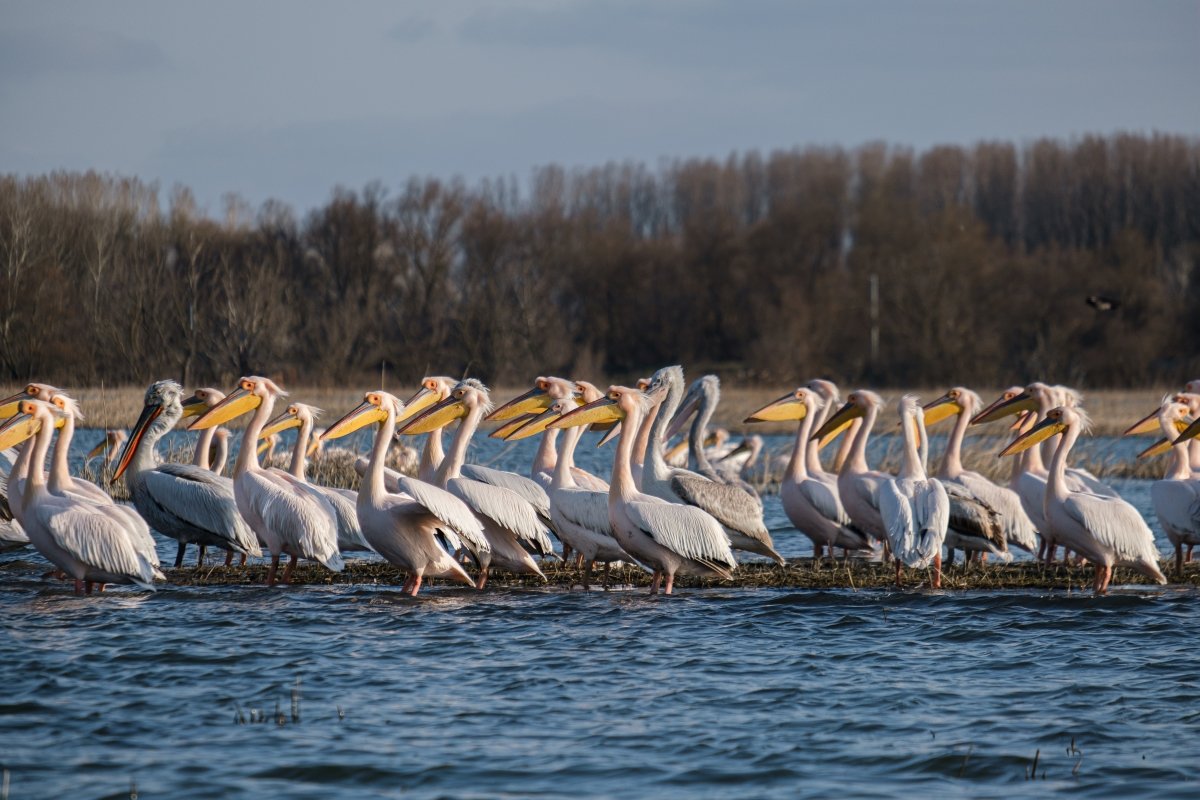
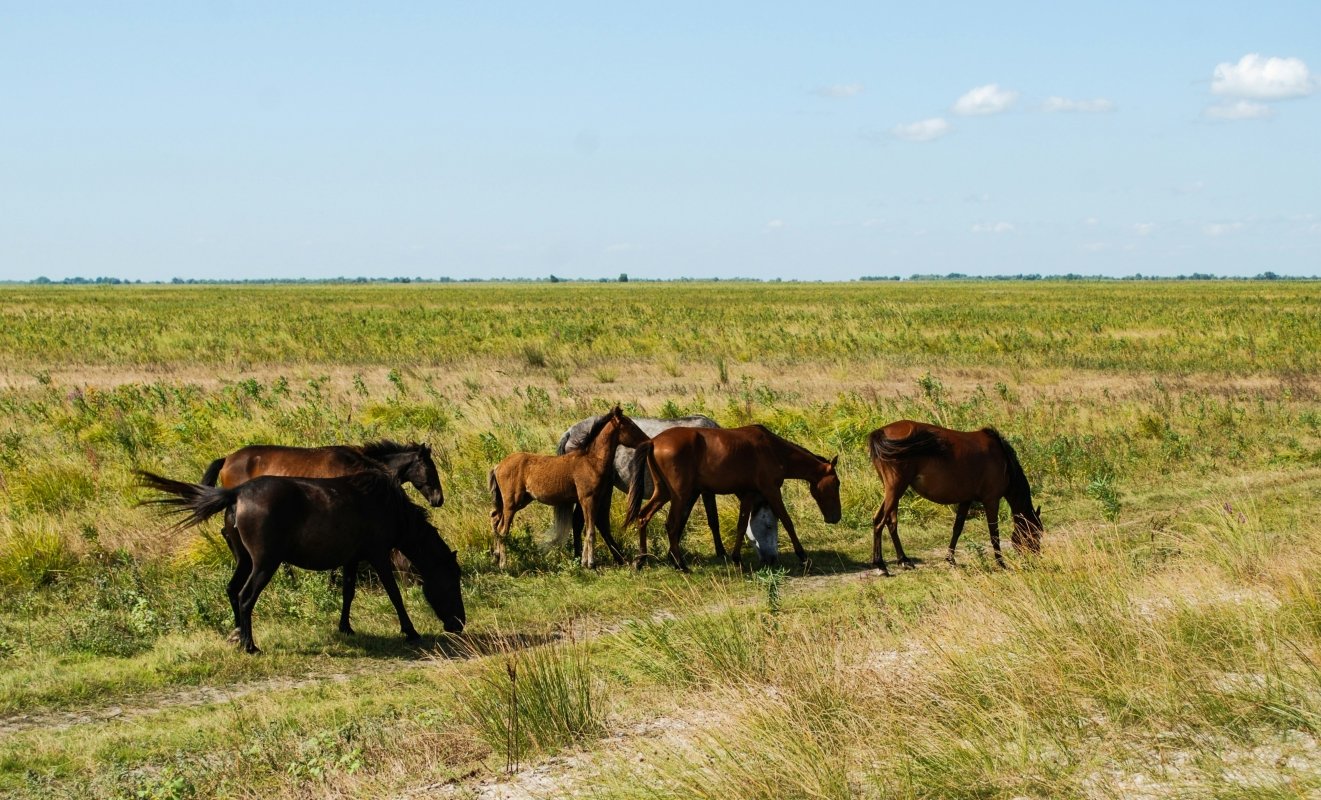
Biodiversity: This UNESCO World Heritage site hosts over 5,500 species of flora and fauna. It’s a crucial stopover for millions of migratory birds, home to Europe’s largest pelican colonies, and supports over 45 freshwater fish species. You might spot wild horses, wolves, and Europe’s largest population of white-tailed eagles.
Top Attractions:
- Letea Forest – Europe’s northernmost subtropical forest
- Sulina town – the easternmost point of Romania
- Sfântu Gheorghe village and pristine beaches
- Bird watching hides at Popina Island
- Traditional fishing villages like Crisan and Mila 23
Accommodation & Campervan Options: Wild camping is possible in designated areas, but book organized campsites near Tulcea for facilities. Guesthouses in delta villages offer authentic experiences, while Tulcea provides more conventional hotels. Some tour operators offer overnight boat accommodations.
Activities:
- Summer: Boat safaris through reed channels, swimming in the Black Sea, fishing for catfish and carp, beach camping, photography workshops
- Winter: Bird watching (winter species), ice fishing when conditions allow, cultural immersion in local communities
Boat Rides & Guided Tours: Multi-day boat expeditions are the best way to explore. Local fishermen offer day trips from Tulcea. Specialized wildlife tours with expert naturalists available March-October. Photography tours during migration seasons (spring and autumn) are particularly spectacular.
Events: Danube Delta International Bird Watching Fair (May), Traditional Fishing Festival (August), Harvest celebrations in delta communities (September)
Entry Points: Tulcea is the main gateway, accessible by train or bus from Bucharest (3-4 hours). From Tulcea, regular boats connect to delta villages.
Useful Info: Mosquito protection essential May-September. Weather can change rapidly. Romanian lei required for most transactions. Basic English spoken in tourism areas. Book accommodations in advance during peak season. MORE READ..
3. Weerribben-Wieden National Park, Netherlands
Holland’s largest wetland area is like a nature lover’s playground where you can literally kayak from your breakfast spot to your dinner table. This “Green Venice” combines pristine nature with Dutch efficiency, creating an experience that’s both wild and wonderfully organized.
Biodiversity: Home to rare water plants, over 100 bird species including bitterns and marsh harriers, and healthy populations of otters and beavers. The park’s interconnected lakes and reed beds create perfect conditions for aquatic wildlife, while ancient peat bogs support unique plant communities.
Top Attractions:
- Giethoorn village – the “Venice of the North” with thatched-roof houses
- Weerribben Museum showcasing peat-cutting history
- Observation towers at De Rietlanden nature reserve
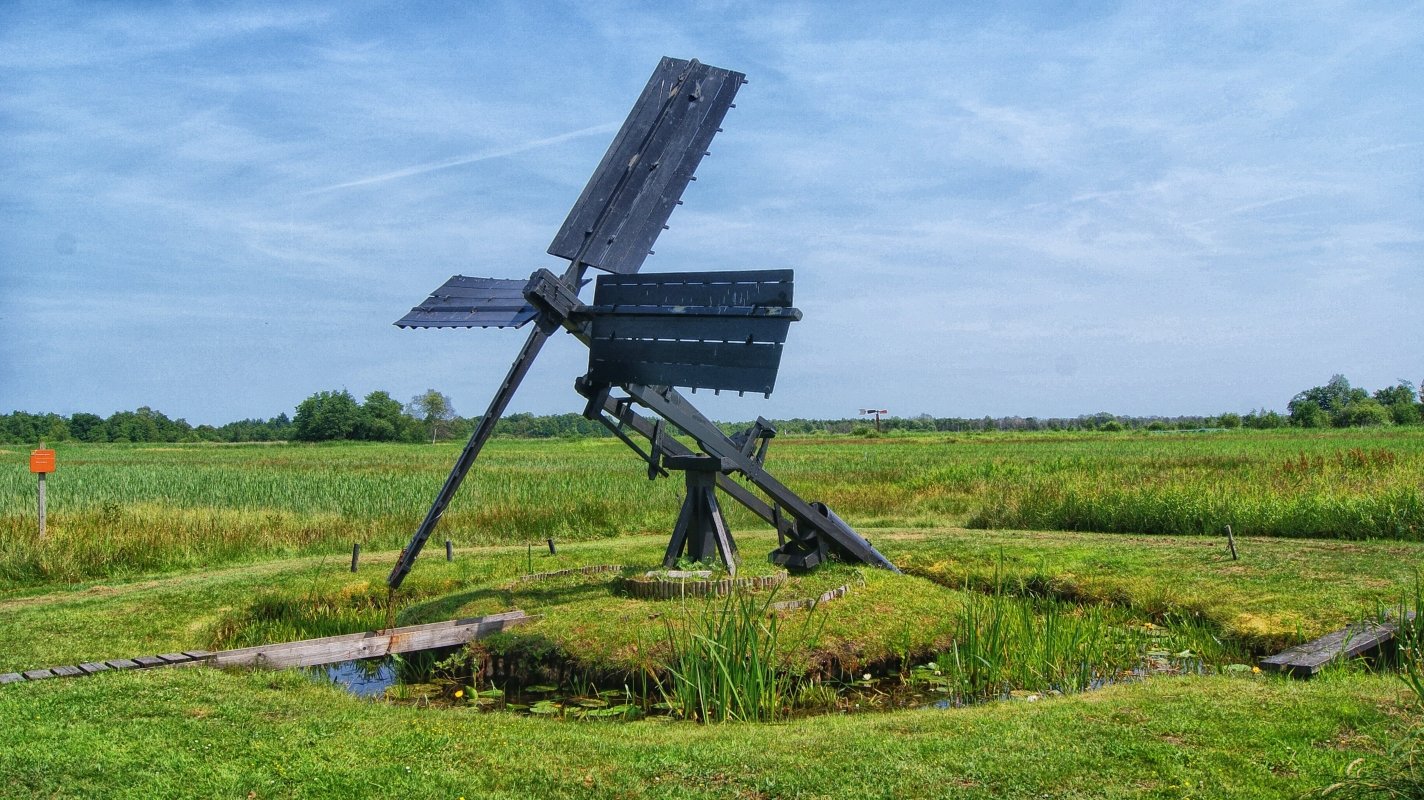
- Historic windmills along waterways
- Traditional reed-cutting demonstrations
Accommodation & Campervan Options: Excellent campsites with full facilities at Giethoorn and Steenwijk. Many offer direct water access for kayaks. Luxury options include water-side cabins and converted farmhouses. Wild camping not permitted, but organized sites are numerous and well-equipped.
Activities:
- Summer: Kayaking through village canals, electric boat rentals, cycling extensive bike paths, swimming in designated lakes, stand-up paddleboarding
- Winter: Ice skating on frozen canals (when conditions allow), winter hiking, cozy canal-side café hopping, wildlife photography
Boat Rides & Guided Tours: Electric boat rentals available without license. Guided nature tours focus on bird watching and local history. Evening tours offer chances to spot nocturnal wildlife. Multi-day kayak expeditions can be arranged with local outfitters.
Events: Giethoorn Open Gardens (June), Traditional Boat Festival (July), Autumn Photography Workshops (October), Winter Light Festival (December)
Entry Points: Giethoorn is the main access point, 2 hours drive from Amsterdam. Train connections to Steenwijk, then bus or bike to the park. Ample parking available.
Useful Info: Very family-friendly destination. English widely spoken. Excellent infrastructure for disabled access. Bike rentals available everywhere. Credit cards accepted. Best visited year-round, each season offers different experiences.
4. Marais Poitevin, France
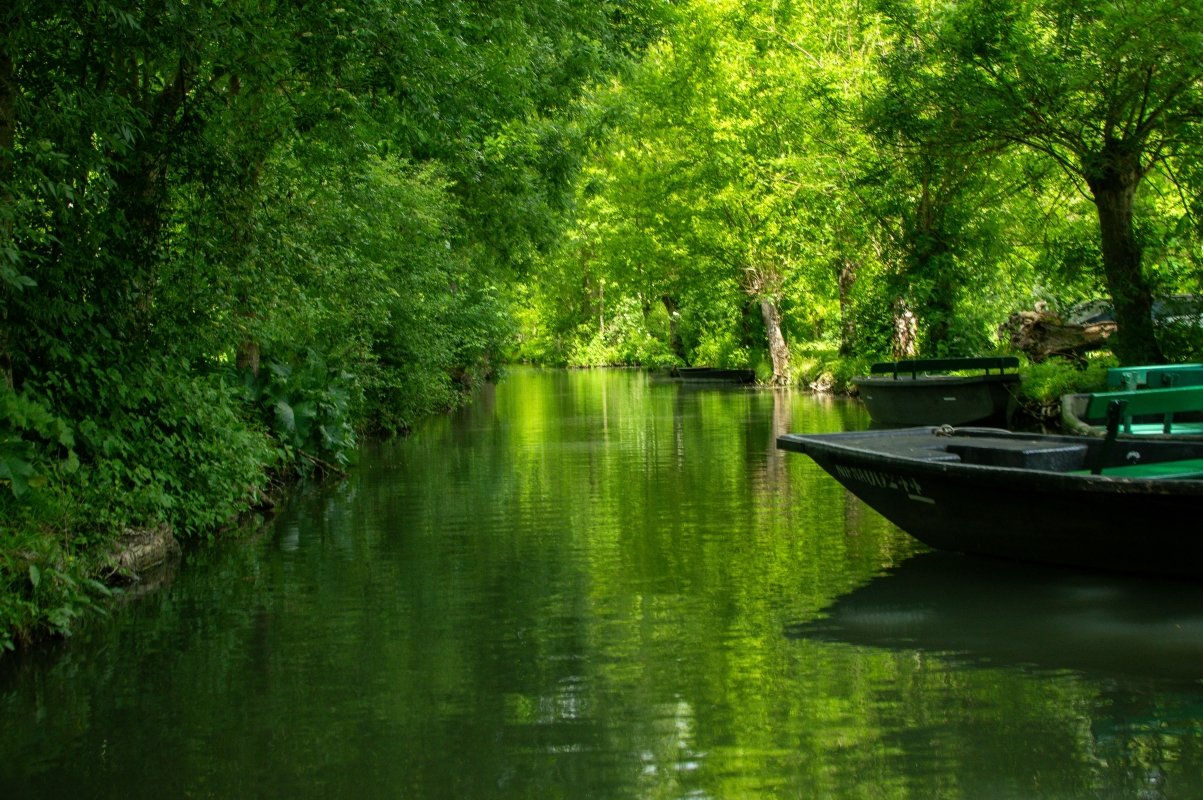
Welcome to “Green Venice” – France’s sprawling wetland that’s equal parts mysterious and magical. This intricate network of canals, created by centuries of human ingenuity, offers a uniquely French take on water-based adventure, complete with traditional flat-bottomed boats and riverside cafés serving local specialties.
Biodiversity: Known as one of France’s most important bird sanctuaries, hosting over 150 species including rare European pond turtles, numerous amphibian species, and diverse aquatic plants. The wet meadows support traditional farming practices that maintain unique ecosystems.
Top Attractions:
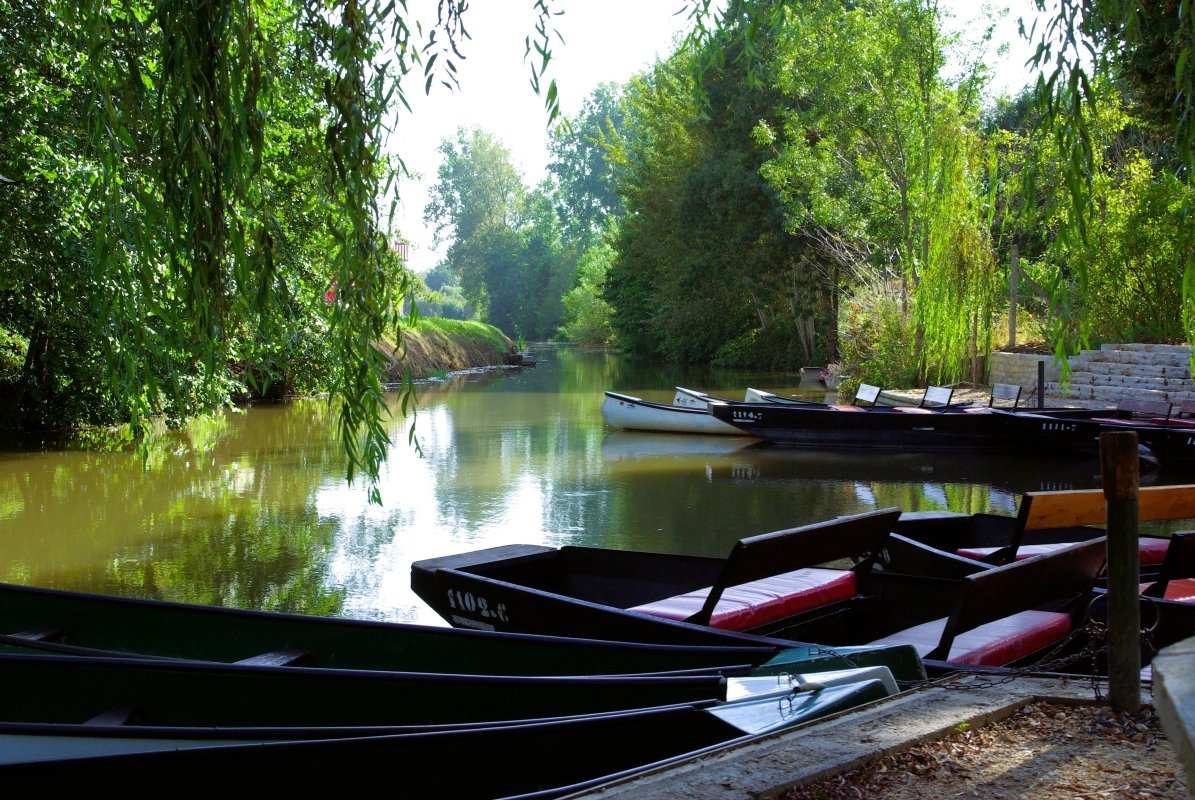
- Traditional punt boat rides through tree-lined canals
- Coulon village with its picturesque harbor
- Abbey of Maillezais and its historic ruins
- Maison du Marais Poitevin visitor center
- Traditional market gardens on reclaimed marshland
Accommodation & Campervan Options: Charming chambres d’hôtes (B&Bs) in converted farmhouses, riverside camping at Coulon and Damvix. Several aires de camping-car specifically for motorhomes. Wild camping prohibited, but organized sites offer excellent facilities and canal access.
Activities:
- Summer: Punt boat exploration, cycling the network of raised paths, fishing for pike and roach, evening wildlife watching, local wine tasting
- Winter: Migratory bird watching, hiking expanded trail networks, traditional craft workshops, visiting local markets
Boat Rides & Guided Tours: Traditional “batais” (flat-bottomed boats) operated by local guides who share stories and wildlife knowledge. Evening tours particularly atmospheric. Bicycle-boat combination tours available. Photography-focused expeditions during migration seasons.
Events: Festival of Traditional Boats (May), Marais en Fête cultural festival (August), Harvest celebrations (September), Christmas markets in surrounding towns (December)
Entry Points: Coulon serves as the main gateway, accessible by train from Paris (3 hours) or La Rochelle (1 hour). Multiple smaller villages offer canal access.
Useful Info: French language helpful but not essential for tours. Local currency required for small vendors. Excellent regional cuisine featuring locally-caught eels and marsh lamb. Best visited April-October for weather and wildlife activity.
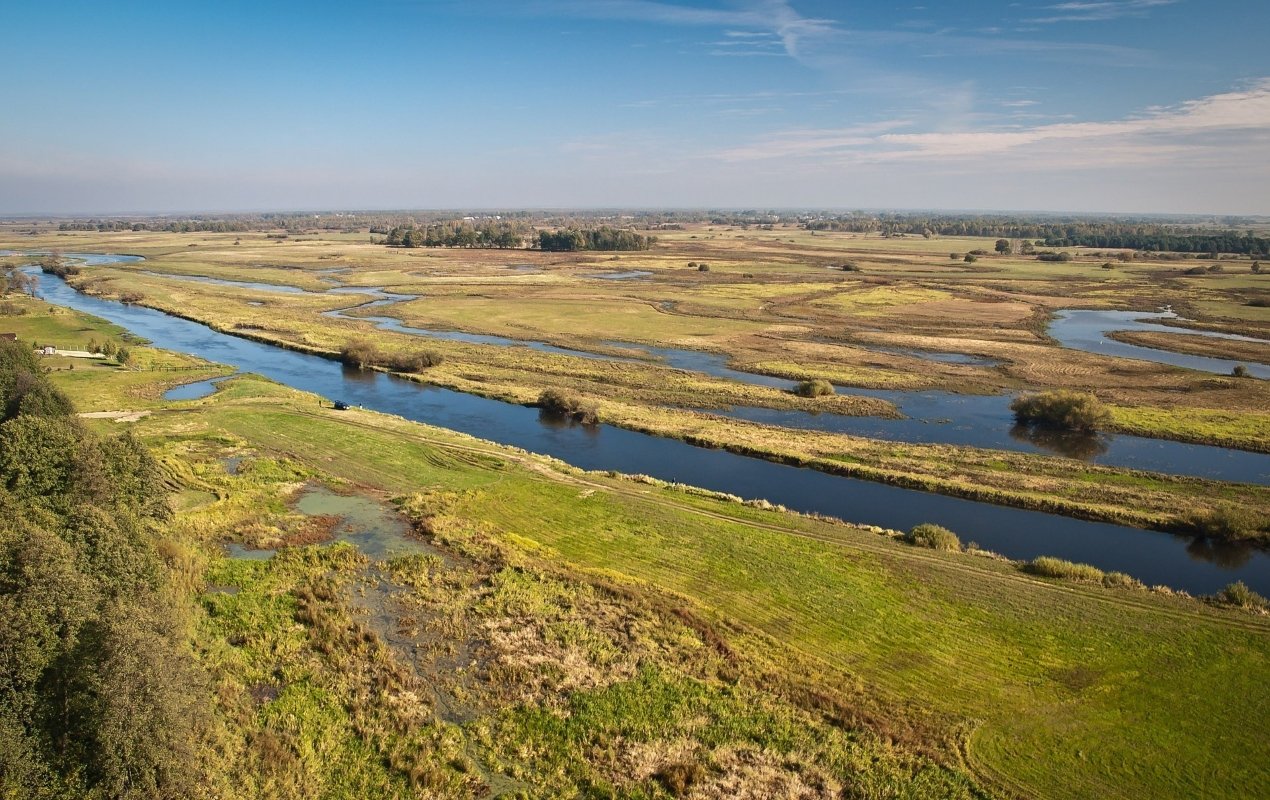
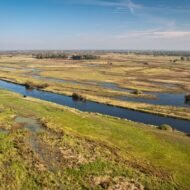
5. Biebrza National Park, Poland
Europe’s largest national park is basically Poland’s best-kept secret – a massive wilderness where you can experience what medieval Europe looked like before humans got busy “improving” everything. This is raw, untamed nature at its finest, where elk roam freely and the night sky actually looks like it should.
Biodiversity: Home to Europe’s largest population of elk, over 270 bird species including endangered aquatic warblers, wolves, lynx, and beavers. The park’s pristine peat bogs and river valleys support some of Europe’s most intact wetland ecosystems, with rare plant species found nowhere else.
Top Attractions:
- Elk watching platforms near Goniądz
- Wooden Orthodox churches in surrounding villages
- Biebrza River canoeing routes
- Traditional wooden architecture in Tykocin
- Night sky observation areas (minimal light pollution)
Accommodation & Campervan Options: Wild camping permitted in designated areas – one of the few places in Europe where this is still allowed! Guesthouses in Goniądz and surrounding villages offer basic but comfortable accommodation. Several agritourism farms provide authentic rural experiences.
Activities:
- Summer: Multi-day canoe expeditions, elk watching at dawn and dusk, photography safaris, traditional fishing, stargazing
- Winter: Cross-country skiing, elk tracking in snow, ice fishing, traditional sleigh rides, aurora viewing (occasionally visible)
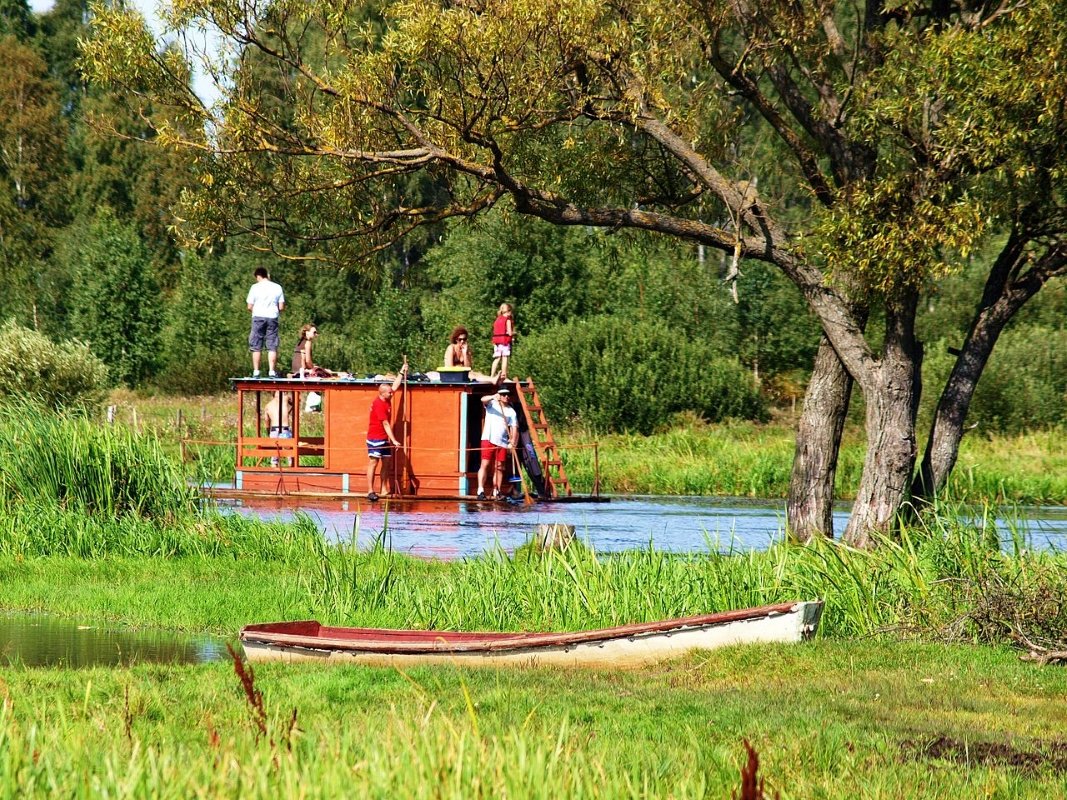
Boat Rides & Guided Tours: Canoe expeditions range from day trips to week-long wilderness adventures. Local guides essential for wildlife viewing – they know exactly where and when to find elk. Specialized photography tours during rutting season (September) are particularly spectacular.
Events: Elk Festival (September), Traditional Crafts Fair (July), Bird Migration Festival (May), Winter Solstice Celebrations (December)
Entry Points: Goniądz is the main gateway, accessible by bus from Warsaw (3 hours) or Białystok (1 hour). Several smaller villages provide river access points.
Useful Info: Basic Polish helpful for rural areas. Cash preferred in small villages. Mosquito protection essential May-August. Weather can be extreme – pack accordingly. Excellent value for money. Perfect for digital detox experiences.MORE READ..
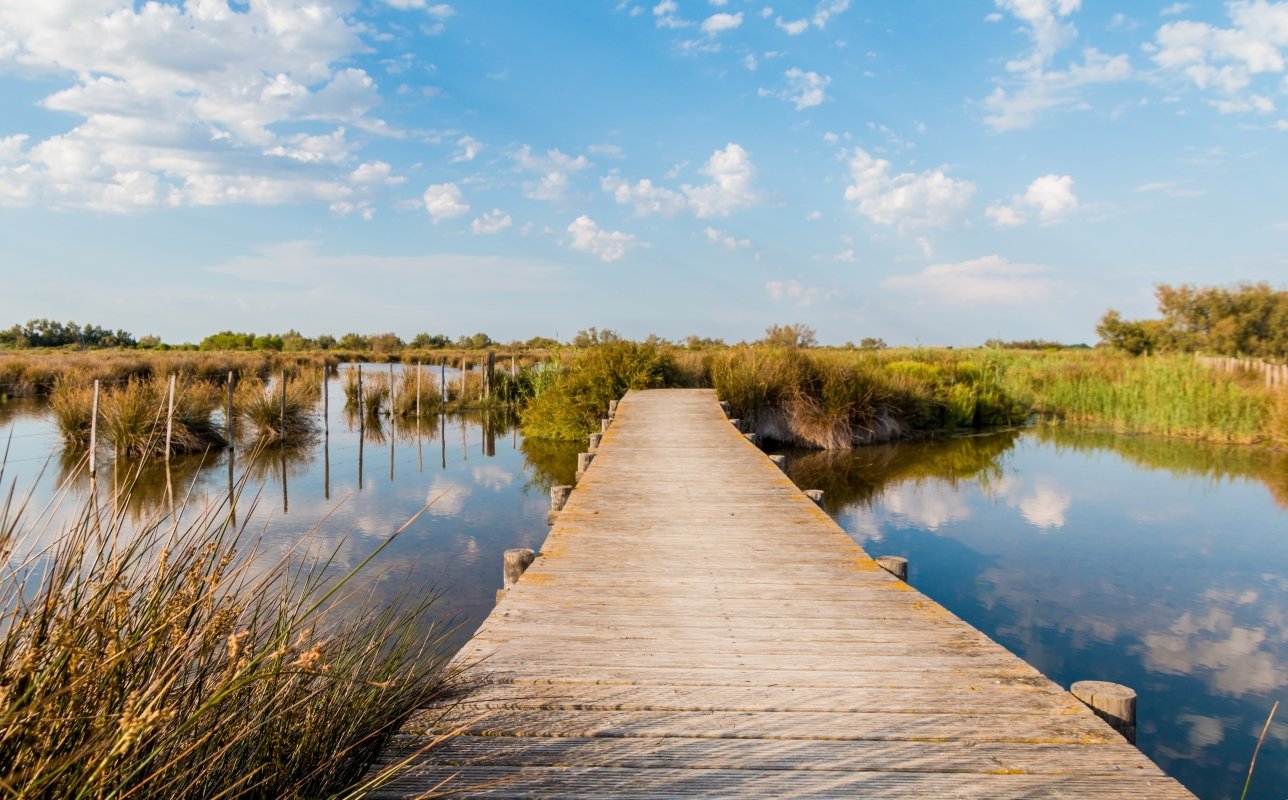
6. Camargue, France
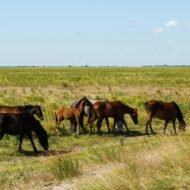
Imagine cowboys herding wild white horses through salt marshes while flamingos dance overhead – welcome to the Camargue, where France goes wonderfully wild. This unique delta landscape feels more like Provence meets the Wild West, creating one of Europe’s most photogenic and culturally rich wetland experiences.
Biodiversity: Famous for its pink flamingo colonies (over 10,000 individuals), wild white horses, and black bulls. The salt marshes and freshwater lagoons support over 400 bird species, while the Mediterranean climate creates unique plant communities found nowhere else in Europe.
Top Attractions:
- Saintes-Maries-de-la-Mer pilgrimage town
- Camargue horse farms and traditional “manade” ranches
- Pink salt flats of Salin-de-Giraud
- Ornithological Park of Pont de Gau
- Traditional bullfighting arenas in Arles
Accommodation & Campervan Options: Luxury eco-lodges, traditional mas (farmhouse) conversions, and excellent campgrounds near the coast. Many sites offer horse riding and guided tours. Wild camping restricted, but organized sites provide beach access and excellent facilities.
Activities:
- Summer: Horseback riding through marshes, flamingo watching, beach activities, traditional festivals, wine tasting in nearby regions
- Winter: Migratory bird watching, hiking when temperatures cool, cultural events in Arles, storm watching from coastal areas
Boat Rides & Guided Tours: Boat tours through the Étang de Vaccarès, horseback expeditions with local gardians (cowboys), 4WD safaris to remote areas, and specialized photography tours. Sunset boat rides particularly stunning when flamingos are feeding.
Events: Gypsy Pilgrimage (May), Camargue Festival (July), Rice Harvest Festival (September), traditional Christmas celebrations (December)
Entry Points: Arles serves as the main gateway, easily accessible by train from Paris (4 hours) or Marseille (1 hour). Multiple small roads provide access to different park areas.
Useful Info: Strong Mistral winds can affect activities. Sun protection essential year-round. Excellent photography destination. Local Camargue cuisine features bull meat and rice dishes. French language helpful but tourism infrastructure well-developed.
7. Norfolk Broads, United Kingdom
Britain’s largest protected wetland is basically the Lake District for water lovers – a network of navigable rivers and lakes that’s been shaped by centuries of peat digging, creating a unique landscape that’s equal parts human history and natural wonder. Plus, you can actually rent a boat without a license and live your best canal boat life.
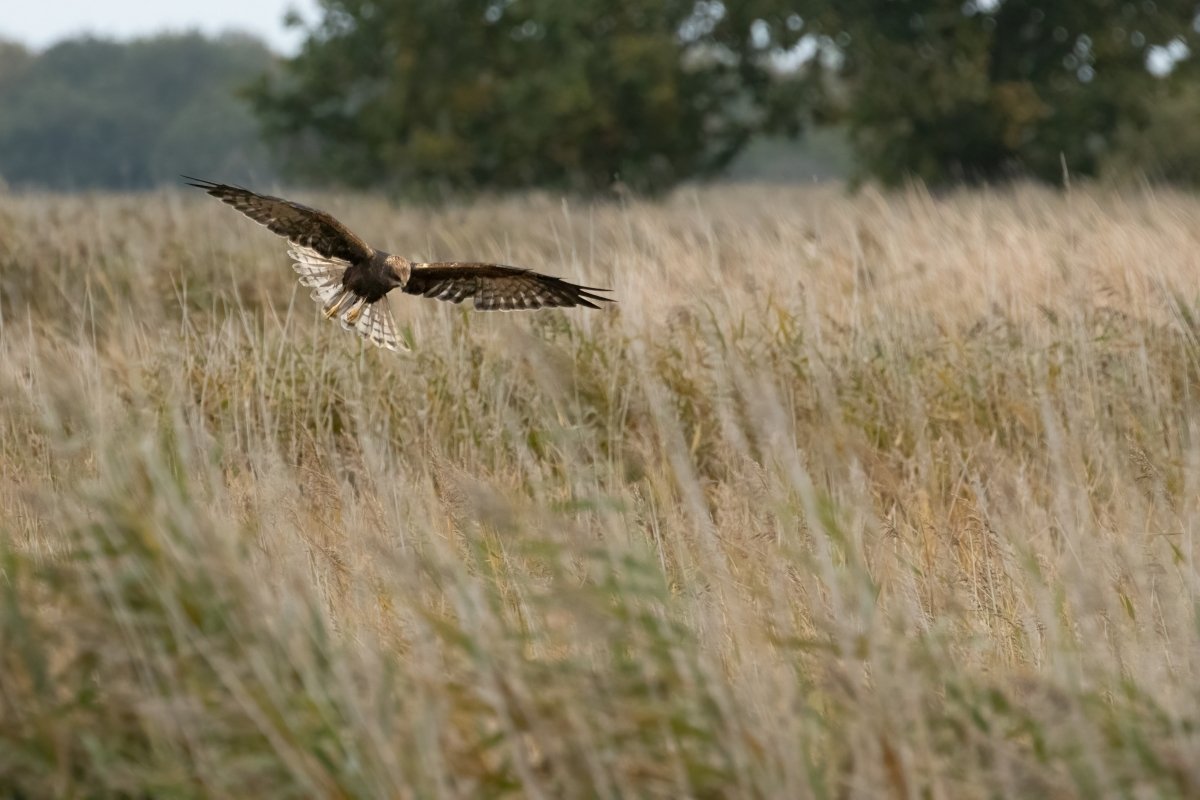
Biodiversity: Home to some of Britain’s rarest wildlife, including swallowtail butterflies (found nowhere else in the UK), bitterns, marsh harriers, and otters. The Broads support over 700 plant species and provide crucial habitat for water birds throughout Europe.
Top Attractions:
- Norwich Cathedral and historic city center
- Hickling Broad nature reserve
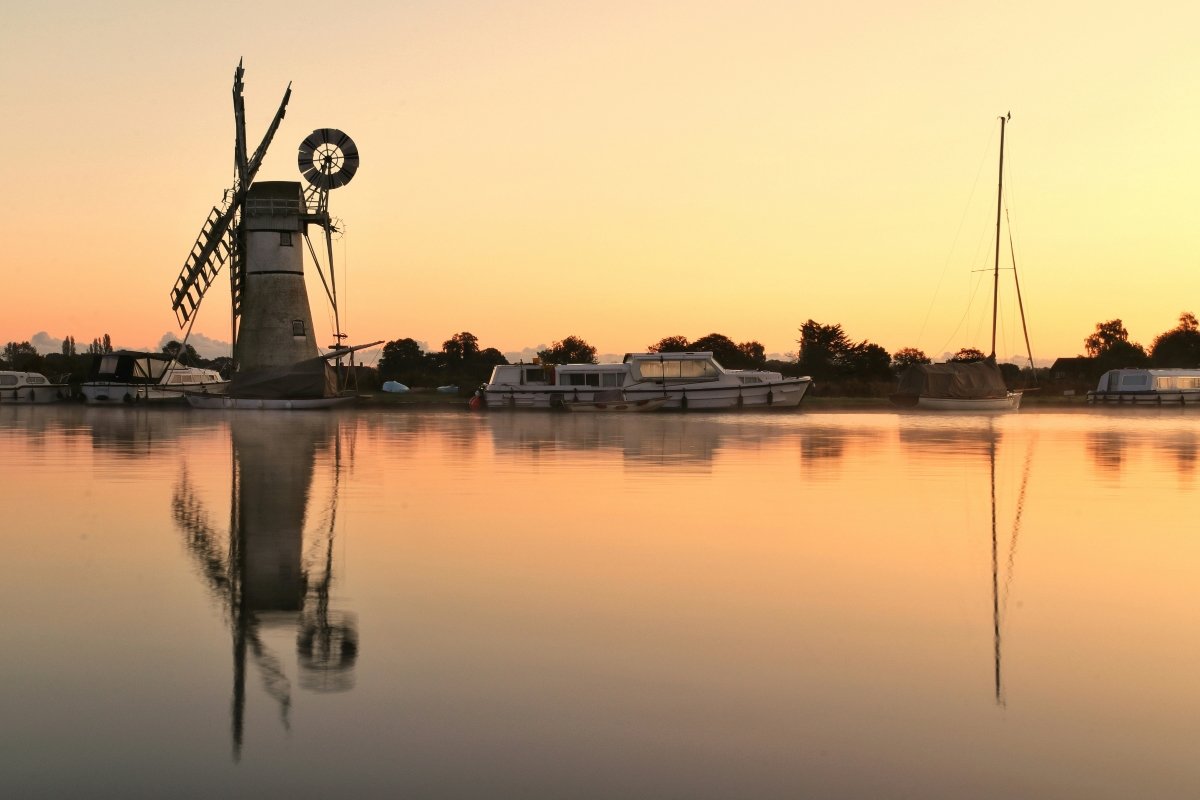
- Traditional windmills scattered throughout the area
- Potter Heigham medieval bridge
- Wroxham village – “Capital of the Broads”
Accommodation & Campervan Options: Excellent pub accommodations, riverside campsites, and luxury boat hotels. Many camping areas offer direct water access. Boat hire companies often provide accommodation packages. Several eco-friendly options available.
Activities:
- Summer: Boating without license required, fishing for pike and bream, cycling the Broads circular routes, pub hopping by water, wildlife photography
- Winter: Bird watching hides, walking expanded footpath networks, traditional pub experiences, Christmas markets in Norwich
Boat Rides & Guided Tours: Self-drive boat hire available without license for boats under 12 meters. Guided wildlife tours, traditional wherry sailing experiences, and evening wildlife cruises. Multi-day boat holidays very popular.
Events: Norfolk Broads Regatta (August), Ludham Classic Boat Rally (July), Traditional Music Festival (May), Winter Bird Watching Festival (January)
Entry Points: Norwich is the main gateway with excellent train connections to London (2 hours). Wroxham and Potter Heigham offer direct Broads access. Great Yarmouth provides coastal access.
Useful Info: Very accessible for all mobility levels. English spoken everywhere (obviously!). Excellent pub food throughout the region. Credit cards widely accepted. Good value for money. Perfect for first-time boat users – very safe and well-organized.
Final Thoughts
These seven water wonderlands prove that Europe’s most spectacular landscapes aren’t always found on mountain peaks or Mediterranean beaches. From Germany’s fairytale forests to Romania’s wild deltas, each destination offers its own unique blend of natural beauty, cultural richness, and adventure possibilities.
Whether you’re planning a romantic weekend getaway, an epic family adventure, or a solo journey of discovery, these wetland destinations deliver experiences that’ll stick with you long after you’ve dried off your hiking boots. The best part? Most remain blissfully under-touristed, meaning you’ll often have these magical landscapes largely to yourself.
Remember that each location offers something special in every season – summer brings warm weather and active wildlife, while winter transforms these places into peaceful, contemplative spaces perfect for photography and quiet observation. Pack layers, bring your sense of adventure, and prepare to discover a side of Europe that most travelers never experience.
Start planning your aquatic adventure today – your Instagram feed (and your soul) will thank you later.
Disclaimer
This travel guide is for informational purposes only. Weather conditions, accessibility, prices, and local regulations can change without notice. Always check current conditions, local guidelines, and safety requirements before traveling. Wildlife viewing cannot be guaranteed, and activities may be weather-dependent. We recommend purchasing appropriate travel insurance and consulting current travel advisories for your specific destinations. Respect local customs, follow Leave No Trace principles, and prioritize sustainable tourism practices to help preserve these incredible ecosystems for future generations.
Photo credit: Coulon-Quai Louis Tardy , Le Vanneau-Passerelle , Le Mazeau le port , Nationaal Park Weerribben-Wieden , Spływ kajakowy Biebrzą