


















TL;DR: Greece outdoor getaways for families , Greece isn’t just about ancient ruins and island-hopping parties. From mountain villages where time stands still to coastal hideaways perfect for families, Greece’s outdoor destinations offer peaceful retreats that won’t break the bank. This guide covers the best family-friendly spots, local experiences, budget tips, and everything you need to plan your perfect Greek escape.
- Why Greece’s Outdoor Getaways Are Perfect for Your Next Vacation
- Top Greece Outdoor Getaways Ranked by Travelers
- 1. Pelion Peninsula – The Mountain Meets the Sea
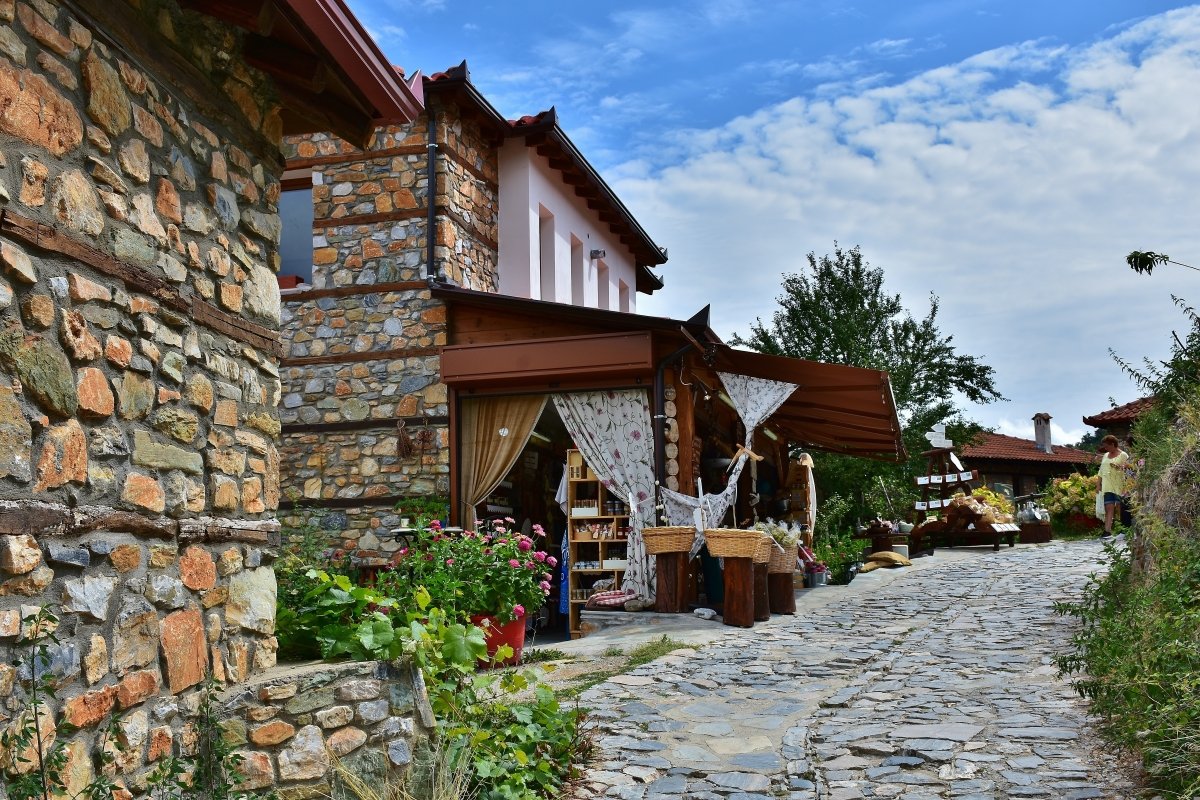
- 2. Zagorochoria Villages (Zagori) – Stone Villages in the Clouds
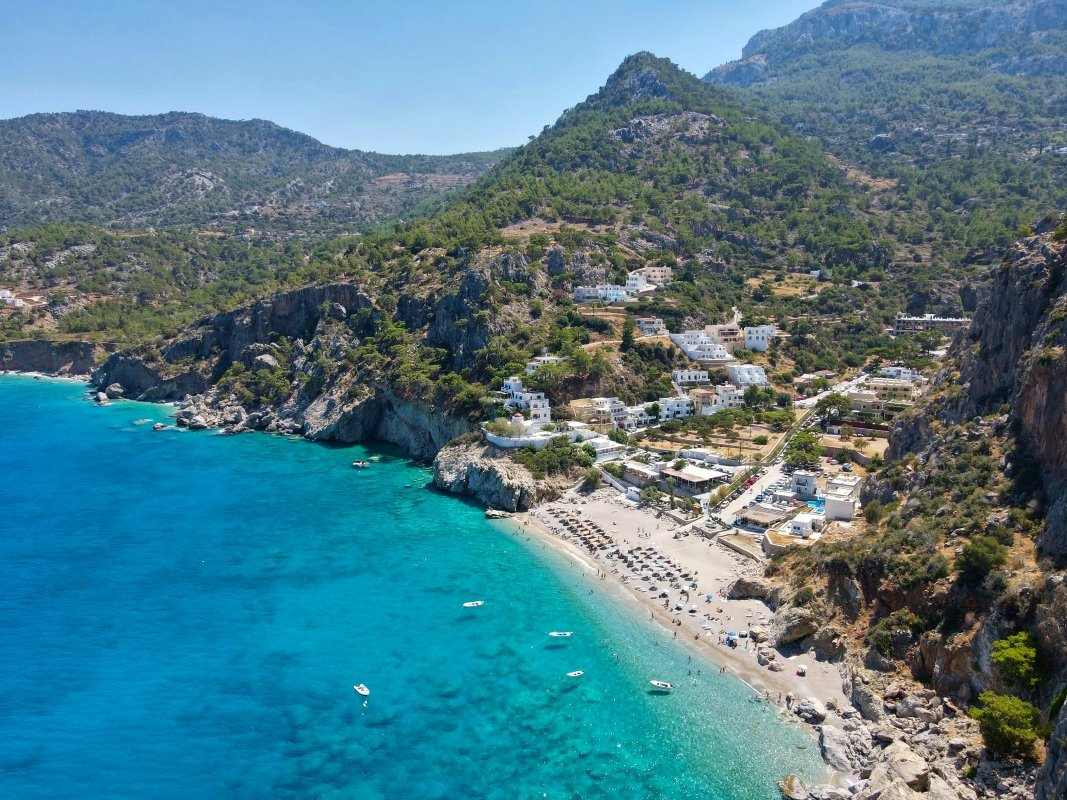
- 3. Karpathos Island – Untouched Beaches and Wind-Swept Traditions
- 4. Hydra Island – Car-Free Paradise
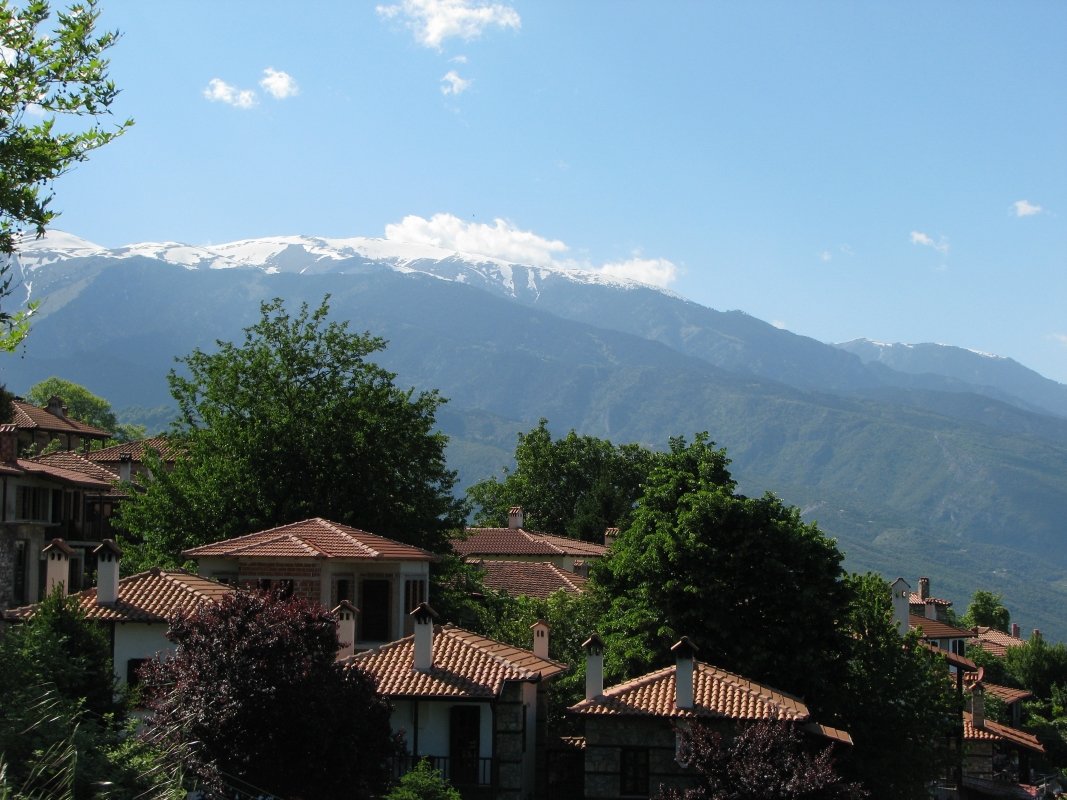
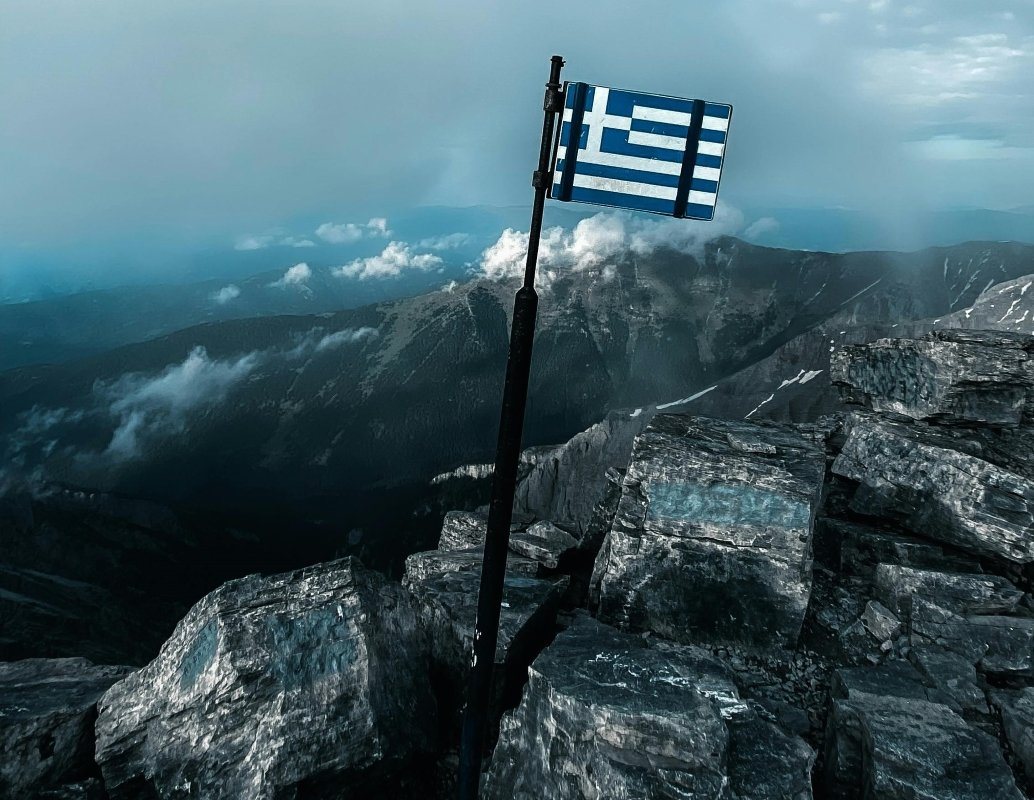
- 5. Mount Olympus Region – Home of the Gods
- 6. Mani Peninsula – Wild, Rugged, and Real
- 7. Naxos Interior – Beyond the Beaches
- 8. Tzoumerka Mountains – Greece’s Border Beauty
- Budget-Friendly Tips for Your Greece Outdoor Getaway
- Accommodation Hacks
- Food on a Budget
- Transportation Savings
- Free & Cheap Activities
- Money-Saving Myths to Ignore
- Essential Practical Information
- Getting There & Around
- Best Times to Visit
- What to Pack
- Language & Communication
- Safety & Health
- Cultural Etiquette
- Making the Most of Your Experience
- Sample Itineraries
- One Week: Mountain & Sea Combo
- 10 Days: Northern Greece Adventure
- Two Weeks: Island & Mainland Mix
- Family-Friendly Weekend Getaway from Athens
- Final Thoughts
- Disclaimer
Why Greece’s Outdoor Getaways Are Perfect for Your Next Vacation
Let’s be honest—we’re all craving that perfect getaway where you can actually relax. You know, the kind where your biggest decision is whether to nap in a hammock or under an olive tree? Greece delivers exactly that, minus the tourist chaos you might expect.
Beyond the Instagram-famous Santorini sunsets and Mykonos beach clubs, Greece has these incredible pockets of tranquility that locals have been gatekeeping for ages. Think mountain villages with stone houses, beaches where you’ll count more sea turtles than tourists, and valleys so green you’ll forget you’re in the Mediterranean.
The best part? These spots are surprisingly family-friendly and budget-conscious. Whether you’re traveling with toddlers, teens, or your adventure-loving parents, there’s something here that’ll make everyone happy.
Top Greece Outdoor Getaways Ranked by Travelers
1. Pelion Peninsula – The Mountain Meets the Sea
User Rating: ★★★★★ (4.8/5)
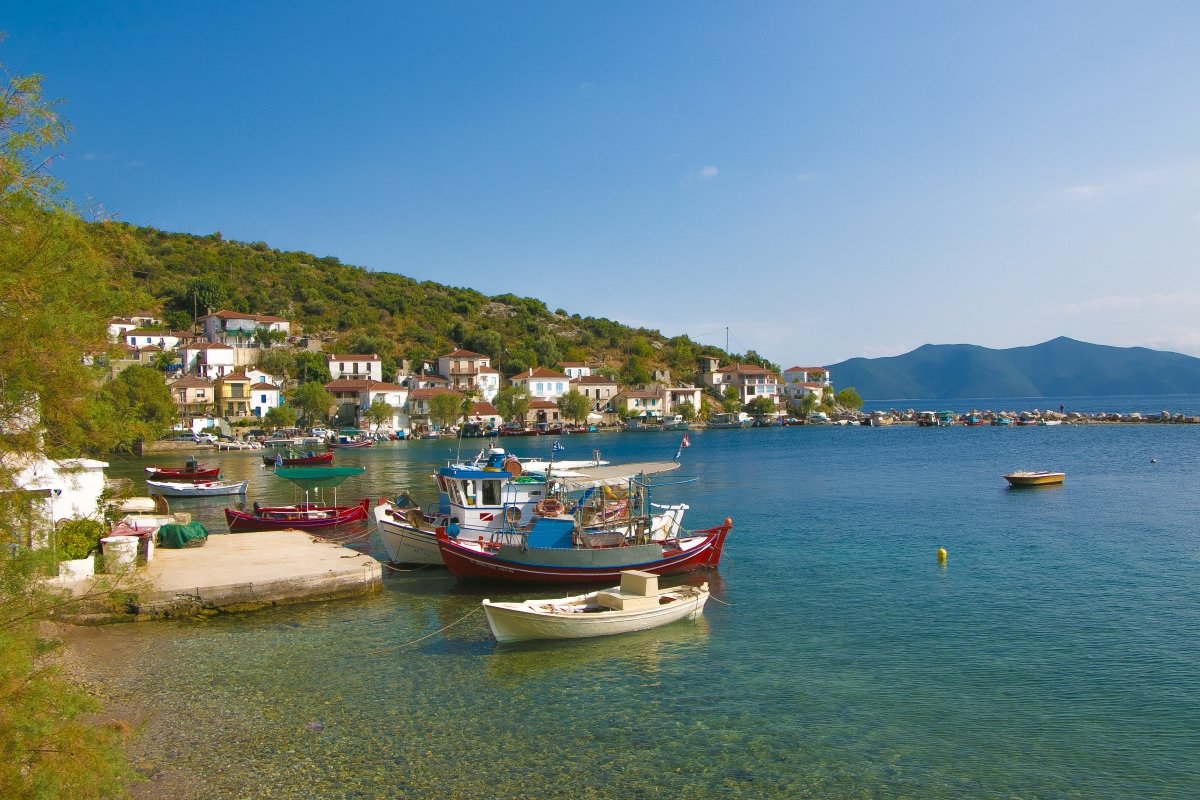
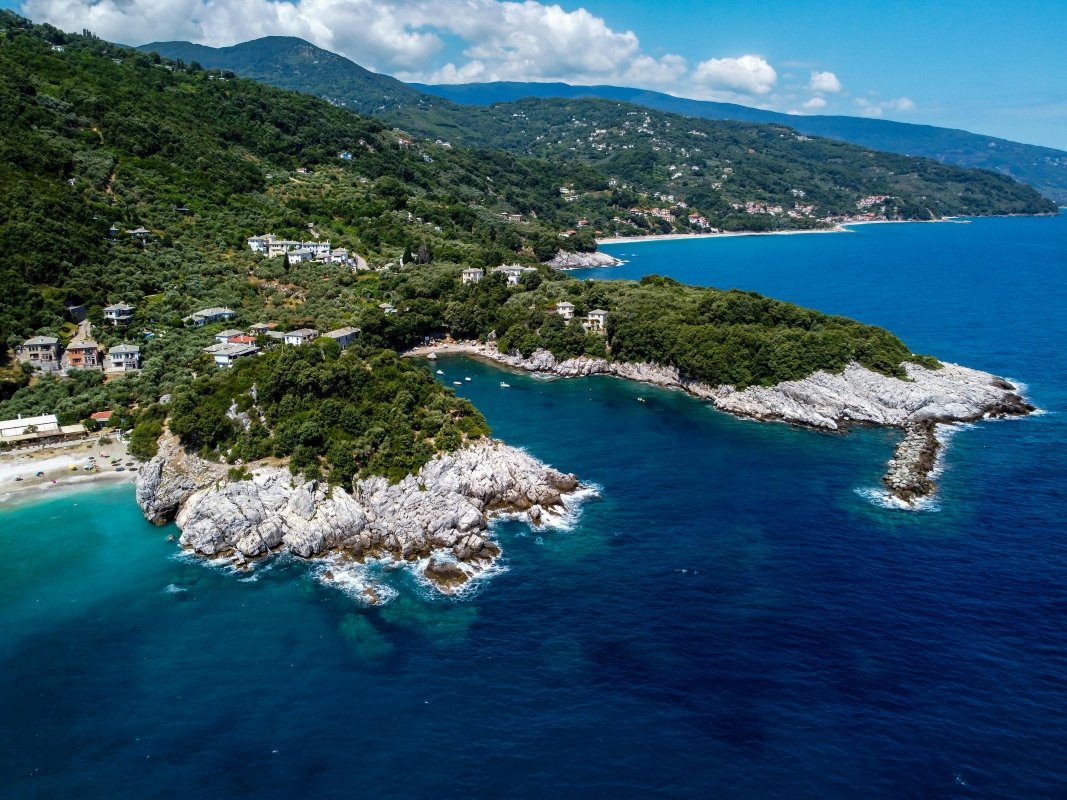
Picture this: lush green mountains tumbling down to turquoise beaches, with villages that look like they’ve been plucked from a fairytale. Pelion is where Greeks go to escape other tourists, which should tell you everything.
Family-Friendly Highlights:
- Shallow, calm beaches at Agios Ioannis perfect for little swimmers
- Easy hiking trails through apple orchards and chestnut forests
- Train rides on the historic Pelion railway (kids absolutely love this!)
- Beach-to-mountain activities all within 30 minutes of each other
Local Traditions to Experience: The Pelion villages maintain centuries-old traditions. You’ll see elderly craftspeople making handwoven textiles, local cheese-makers who’ll invite you to taste their mizithra, and festivals celebrating everything from chestnuts to sardines. Don’t miss the August 15th Assumption Day celebrations—whole villages come alive with music, dancing, and feasting.
Budget Considerations:
- Accommodation: €40-80/night for family apartments
- Meals: €8-15 per person at local tavernas (kids’ portions usually free or €3-5)
- Activities: Most hiking trails are free; beach umbrellas €8-10/day
- Overall daily budget: €100-150 for a family of four
Food You Can’t Miss: Spetsofai (sausages with peppers), wild boar stews in winter, and the freshest fish you’ll ever taste. Every village has its own bakery making tsoureki (sweet bread) and local pies filled with wild greens.
Cultural Insider Tip: Visit the Library of Zagora (free entry) and the traditional stone mansions in Vizitsa. Locals gather at the village squares around 6 PM—join them for coffee and you’ll learn more about Greek life than any guidebook can teach you.
Best Time to Visit: May-June and September-October for perfect weather and fewer crowds. July-August is family-friendly but busier.
2. Zagorochoria Villages (Zagori) – Stone Villages in the Clouds
User Rating: ★★★★★ (4.9/5)
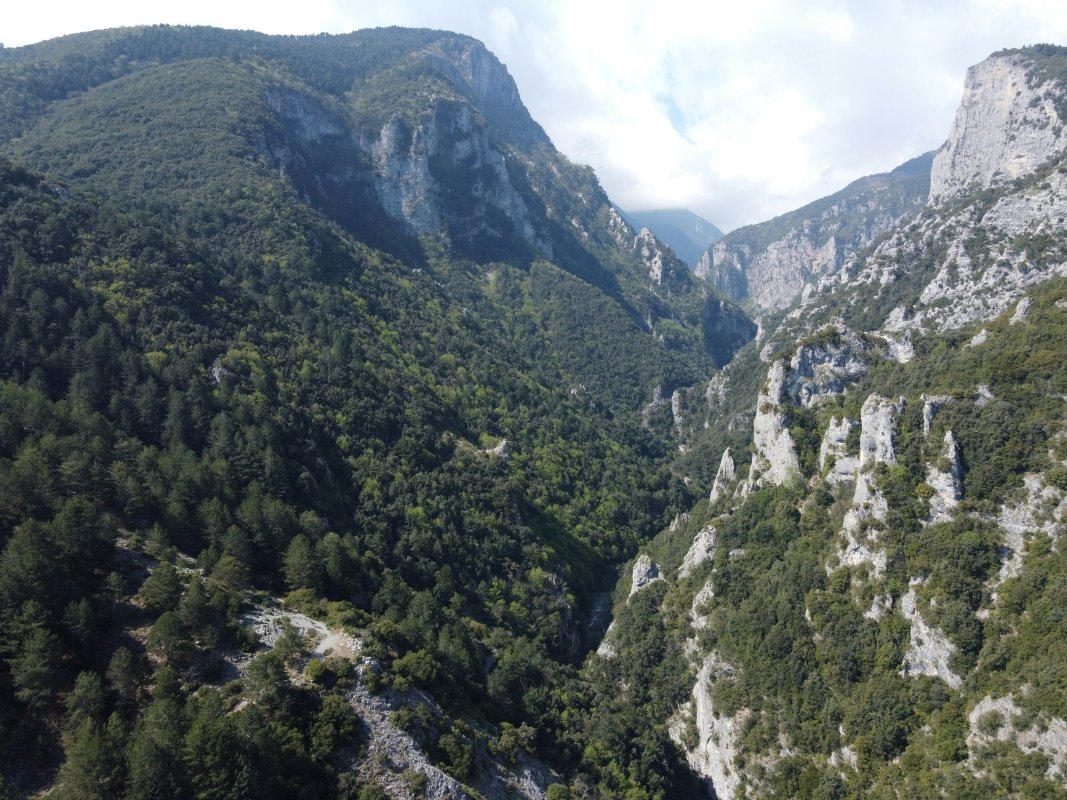
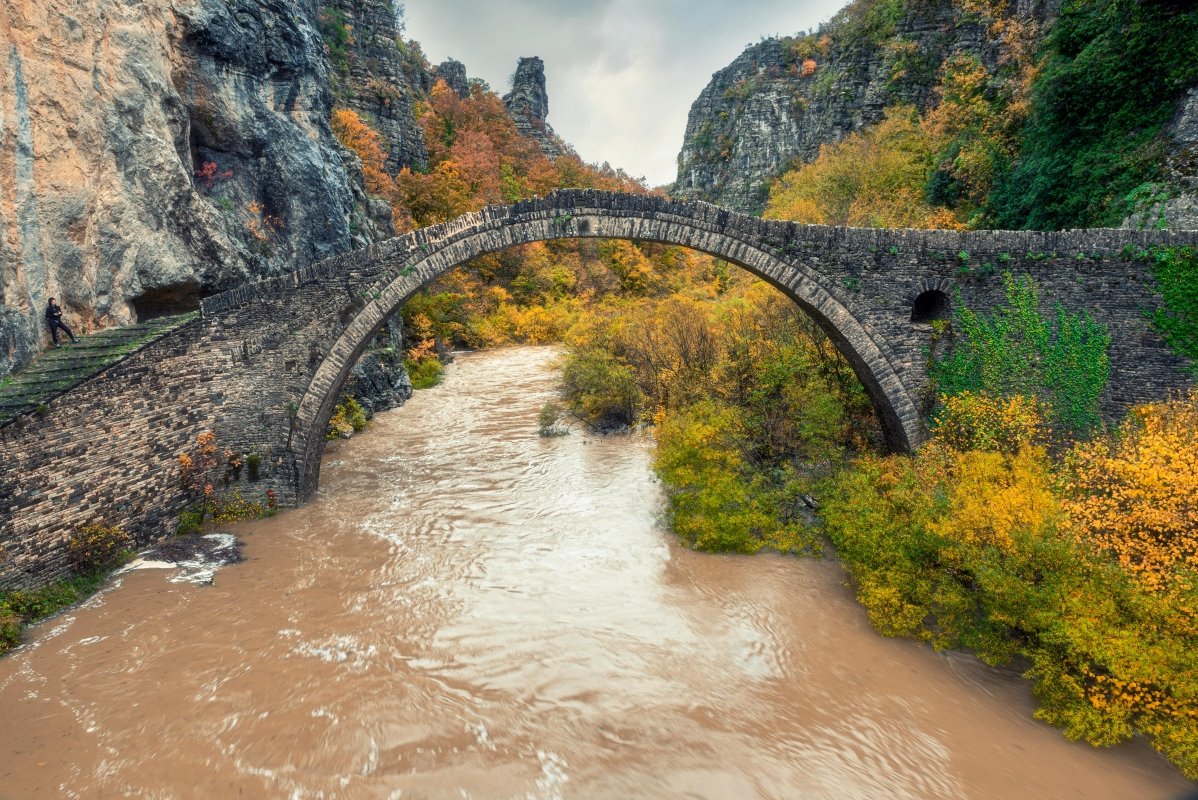
Forty-six stone villages scattered across mountain peaks, connected by Ottoman-era bridges that look like they belong in a fantasy novel. This is Greece’s best-kept secret for nature lovers.
Family-Friendly Highlights:
- Voidomatis River—crystal-clear waters perfect for splashing (even toddlers can safely play)
- Gentle village-to-village walks with stunning views
- Traditional guesthouses where kids learn to make pies with the hosts
- Wildlife spotting: bears, wolves, and eagles (from a safe distance!)
Local Traditions: The villages still practice transhumance—seasonal movement of livestock. In summer, you might see shepherds leading flocks up mountain paths they’ve used for centuries. Local artisans still craft woolen goods using traditional looms, and you can watch them work in several villages.
Budget Considerations:
- Stone guesthouses: €50-90/night (often include breakfast)
- Taverna meals: €10-18 per person (portions are HUGE)
- Guided hikes: €30-50 per person
- Overall daily budget: €120-180 for a family of four
Food Culture: This region is famous for its mountain pies (pites)—try the local specialty with leeks and feta. The wild mushroom dishes in autumn are incredible, and every taverna serves kontosouvli (slow-roasted pork) that melts in your mouth.
Cultural Experiences: Visit a traditional coffeehouse where old-timers play backgammon and discuss village affairs. Many villages have small museums displaying traditional costumes and tools. The stone arch bridges are perfect for photos, but they’re also important cultural monuments—locals can tell you stories about each one.
Events:
- Summer Cultural Festival (July-August): Traditional music and dance performances
- Mushroom Festival (October): Locals guide foraging expeditions
- Shepherds’ Festival (July): Celebrate pastoral traditions with local food and music
Getting There: Rent a car in Ioannina (essential—public transport is limited). The winding roads are part of the adventure!
3. Karpathos Island – Untouched Beaches and Wind-Swept Traditions
User Rating: ★★★★☆ (4.6/5)
While everyone else crowds into Mykonos and Rhodes, Karpathos quietly goes about being one of Greece’s most authentic islands. Strong winds, pristine beaches, and villages where women still wear traditional dress daily.
Family-Friendly Highlights:
- Apella Beach—postcard-perfect with calm waters
- Pigadia town beach—shallow and safe for kids
- Windsurfing lessons for teens at Afiartis Beach
- Easy hikes to abandoned villages with incredible views
Local Traditions That’ll Blow Your Mind: In the northern village of Olympos, you’ll step back in time. Women wear traditional embroidered dresses and boots every single day (not for tourists—this is real life). Houses are decorated with handmade plates, and locals speak a dialect closer to ancient Greek than modern Greek. Visit a traditional house-bakery where bread is still baked in wood-fired ovens.
Budget Considerations:
- Accommodation: €45-95/night for studios with kitchen
- Meals: €12-20 per person (seafood is pricier)
- Boat trips: €25-40 per person
- Overall daily budget: €130-200 for a family of four
Food Scene: Makarounes (handmade pasta with caramelized onions and cheese), fresh octopus at waterfront tavernas, and the island’s specialty—stuffed goat. Every grandma has her own recipe, and they’re all fighting for the title of “best on the island.”
Cultural Experiences: Join a panigiri (village festival)—these happen throughout summer, featuring traditional music with live lyra and lute, local wine flowing freely, and dancing that goes until sunrise. Even if you don’t know the steps, locals will pull you into the circle.
Useful Info: The island has two airports (North and South), which is rare for a smaller Greek island. Rent a 4×4 if you want to explore hidden beaches via dirt roads.
4. Hydra Island – Car-Free Paradise
User Rating: ★★★★☆ (4.7/5)
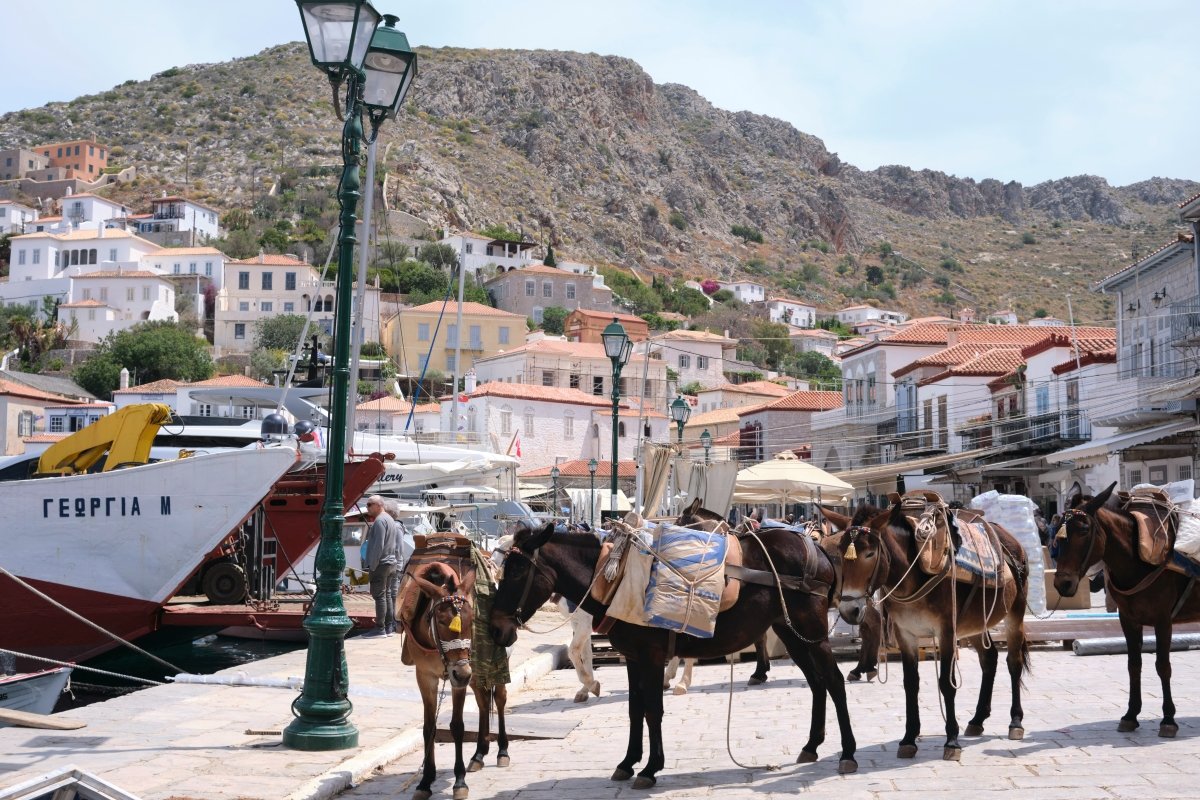
No cars. No motorbikes. Just donkeys, stone paths, and the sound of waves. Hydra proves that the best getaways sometimes mean leaving modern life behind completely.
Family-Friendly Highlights:
- Safe swimming platforms around the harbor
- Donkey rides for kids (the main “transportation attraction”)
- Manageable hiking trails to monasteries with panoramic views
- Art galleries and museums that actually interest kids
Local Traditions: Hydra has a fascinating maritime history. The island produced famous naval captains during Greece’s War of Independence, and you can still see their mansions. Locals maintain traditional boat-building skills, and you might catch craftsmen working on wooden caiques at the harbor.
Budget Considerations:
- Accommodation: €60-120/night (pricier due to popularity)
- Meals: €15-25 per person
- Water taxis to beaches: €5-10 per person
- Overall daily budget: €150-220 for a family of four
Food & Drink: The harbor is lined with restaurants, but venture into the side streets for better value. Try amygdalota (almond cookies made in the island’s monastery), fresh seafood at lunch, and don’t miss sunset cocktails at Hydronetta.
Cultural Scene: Hydra attracts artists and intellectuals. There are frequent art exhibitions, and Leonard Cohen famously lived here. Visit the Historical Archives Museum to understand the island’s naval heritage.
Getting There: Ferry from Piraeus (Athens) takes 90 minutes by hydrofoil. Book tickets in advance during summer.
5. Mount Olympus Region – Home of the Gods
User Rating: ★★★★☆ (4.5/5)
Yes, THAT Mount Olympus. But you don’t need to be Zeus to enjoy this region—there are trails for everyone, from casual walkers to serious mountaineers.
Family-Friendly Highlights:
- Easy trails in Enipeas Gorge with waterfall swimming spots
- Litochoro village—charming base with playgrounds and ice cream shops
- Cable car at nearby Mount Kitheron for hassle-free mountain views
- Beach access at Plaka Litochoro (15 minutes from mountain trails!)
Local Traditions: The villages around Olympus celebrate ancient traditions mixed with Christian customs. You’ll find festivals honoring Dionysus (yes, still!), and locals believe the mountain has mystical properties. Many older residents have stories about strange lights and sounds on the peaks.
Budget Considerations:
- Accommodation: €35-70/night in Litochoro
- Meals: €8-15 per person
- Refuge stays on mountain: €20-30 per person
- Overall daily budget: €90-140 for a family of four
Food Trail: Mountain tavernas serve hearty dishes: slow-cooked lamb, bean soups, and local cheeses. Try the village of Paleos Panteleimonas for traditional recipes. The area is also known for its chestnuts and walnuts.
Events Not to Miss:
- Olympus Marathon (late June): Even if you don’t run, the atmosphere is electric
- Epitrophi Festival (August): Traditional music in mountain villages
- Winter mountaineering weeks (January-February): For adventurous families with older kids
Useful Tips: Book accommodation early for summer. If hiking to the summit, start from Prionia (the higher trailhead) to save energy. Families with young kids should stick to the gorge trails—equally beautiful, way less intense.
6. Mani Peninsula – Wild, Rugged, and Real
User Rating: ★★★★☆ (4.6/5)
The Mani is where Greeks go when they want to feel wild and free. Stone tower houses, hidden coves, and a landscape that feels more Mediterranean Middle Earth than typical Greece.
Family-Friendly Highlights:
- Diros Caves—boat tour through underground lakes (absolutely magical for kids)
- Small pebble beaches with crystal waters
- Easy castle exploring in Mystras and Monemvasia
- Village-to-village walks through olive groves
Local Traditions & Culture: The Mani has a fierce independence streak. The tower houses were built during family feuds (yes, really—Greek Game of Thrones). Locals still sing moirologia (lament songs), and the dirges are both haunting and beautiful. Visit during a panigiri to hear traditional mantinades (improvised verses) sung by local men.
Budget Considerations:
- Accommodation: €40-85/night
- Meals: €10-18 per person
- Cave tours: €15 adults, €8 children
- Overall daily budget: €110-170 for a family of four
Culinary Traditions: The Mani is famous for sausages (loukaniko), wild greens, and olive oil so good you’ll want to drink it. Many villages have olive presses you can visit, and locals will proudly show you their centuries-old trees.
Hidden Gems: The village of Vathia with its cluster of tower houses looks like a movie set. Gerolimenas offers the perfect fishing village vibe. And the hike to Cape Tainaron (southernmost point of mainland Greece) is short but rewards you with stunning views.
7. Naxos Interior – Beyond the Beaches
User Rating: ★★★★☆ (4.5/5)
Most people never leave Naxos’s beaches, which means they miss the stunning mountain villages, ancient marble quarries, and valleys dotted with Byzantine churches.
Family-Friendly Highlights:
- Village-to-village hikes with donkey trail markers (kids love following them)
- Swimming in natural springs
- Pottery workshops in Apiranthos village
- Easy cycling routes through farmland
Cultural Deep Dive: Naxos has over 500 churches and chapels, many Byzantine. The mountain villages speak their own dialect, and traditional music here uses different instruments than other islands. Visit during a festival and you’ll see locals in traditional dress performing centuries-old dances.
Budget Considerations:
- Accommodation: €40-75/night in mountain villages
- Meals: €9-16 per person
- Bike rentals: €10-15/day
- Overall daily budget: €100-150 for a family of four
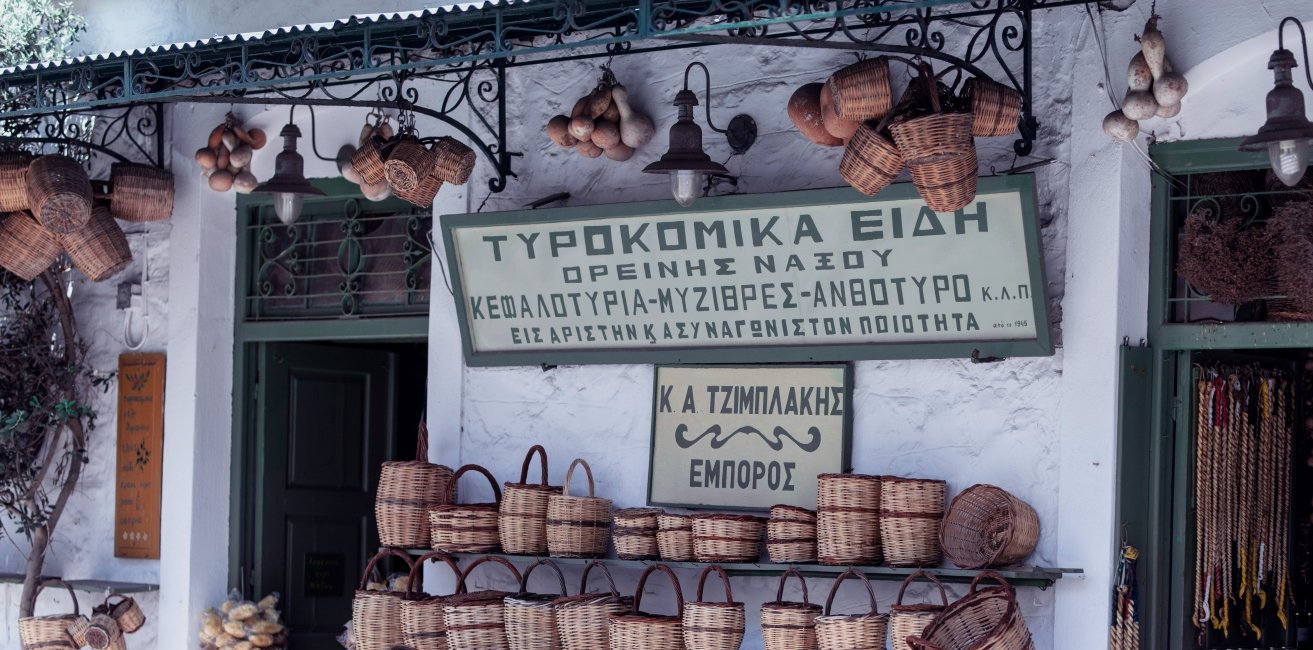
Food Heaven: Naxos produces more food than any other Cycladic island. Try arseniko cheese (only made here), local potatoes (famous throughout Greece), and kitron liqueur. Every village has its specialties—Apiranthos for emery lentils, Chalki for kitron, Filoti for meat dishes.
Local Events:
- Potato Festival (Chalki, June)
- Shepherds’ Festival (Moutsouna, July)
- Dionysia Festival (August): Wine, theater, and ancient traditions
8. Tzoumerka Mountains – Greece’s Border Beauty
User Rating: ★★★★☆ (4.4/5)
Barely on any tourist map, which is exactly why you should go. Dramatic gorges, waterfalls you can swim under, and villages where locals still use watermills.
Family-Friendly Highlights:
- Plaka Bridge—one of the biggest stone bridges in the Balkans
- Easy riverside walks with swimming spots
- Waterfall rappelling for adventurous families
- Stone villages perfect for treasure-hunt-style exploring
Local Life: This region is deeply traditional. You’ll find shepherds making cheese the same way their great-great-grandfathers did. Many villages have restored watermills, and locals will proudly demonstrate how they work. The stone-carving tradition is strong here—watch artisans at work.
Budget Considerations:
- Accommodation: €35-65/night
- Meals: €8-14 per person (incredibly affordable)
- Guided activities: €25-40 per person
- Overall daily budget: €90-130 for a family of four
Food & Traditions: This area is famous for its pies—every village claims theirs is the best. Try local hilopites (handmade noodles), freshwater fish, and tsipouro (local spirit) if you’re brave. The chestnut forests produce the sweetest chestnuts you’ll ever taste.
Getting Around: Rent a car in Ioannina. Roads are winding but spectacular. Many villages are connected by old kalderimi (stone paths)—perfect for hiking.
Budget-Friendly Tips for Your Greece Outdoor Getaway
Accommodation Hacks
- Book directly with guesthouses (call or WhatsApp)—you’ll save 10-20% versus booking sites
- Look for self-catering studios with kitchens—breakfast and some meals = major savings
- Travel shoulder season (May, June, September, October)—prices drop 30-40%
- Consider staying in villages rather than resort areas
Food on a Budget
- Eat where locals eat (away from main squares)
- Lunch is cheaper than dinner at the same restaurant
- Share meze (appetizers)—three dishes easily feed four people
- Buy picnic supplies from local bakeries and markets
- Order the “dish of the day”—always the best value
Transportation Savings
- Rent cars through local agencies, not international chains
- Share taxis in villages (locals do this—just ask!)
- Many hiking trails are free with incredible views
- Beaches don’t charge entry fees (just umbrella rental, which you can skip)
Free & Cheap Activities
- Village festivals (panigiri): Free entry, often with free food and wine
- Hiking trails: Almost always free
- Monastery visits: Free or small donation
- Church festivals: Free and incredibly authentic
- Swimming: Beaches are free, streams and rivers everywhere
Money-Saving Myths to Ignore
- “You need a tour guide”—Nope! These places are safe and easy to explore independently
- “Only expensive restaurants are good”—Wrong! Best food is often in simple family tavernas
- “You need lots of activities”—The joy here is in slow living, not packed schedules
Essential Practical Information
Getting There & Around
International Access:
- Athens International Airport (ATH): Main gateway, flights worldwide
- Thessaloniki Airport (SKG): Better for northern destinations
- Direct island ferries from Athens (Piraeus Port)
Transportation Modes:
- Car Rental: Essential for mountain regions (€25-45/day)
- Ferries: Between islands and mainland (book at Ferryhopper or Greekferries)
- Buses (KTEL): Reliable for major routes (book tickets day before)
- Local Taxis: Affordable for village-to-village trips
Best Times to Visit
Spring (April-June):
- Pros: Wildflowers everywhere, perfect hiking weather, smaller crowds
- Cons: Sea still cool (18-22°C), some mountain roads closed until May
Summer (July-August):
- Pros: Warmest water, all festivals happening, longest days
- Cons: Hottest weather (35°C+), highest prices, busiest period
Autumn (September-October):
- Pros: Sea still warm (23-25°C), harvest season, cultural events
- Cons: Some mountain accommodations close after mid-October
Winter (November-March):
- Pros: Cheapest rates, authentic local life, snow sports at Mt. Olympus
- Cons: Many islands reduce services, mountain villages can be cold
What to Pack
Essentials:
- Good walking shoes (stone paths are everywhere)
- Reef-safe sunscreen (protect those marine ecosystems!)
- Reusable water bottle (spring water fountains in every village)
- Light layers (mountain evenings get cool even in summer)
- Basic first-aid kit
- Power adapter (Type C/F plugs, 230V)
Family-Specific:
- Baby carriers/backpacks for hiking (better than strollers on cobblestones)
- Swim diapers if needed
- Child-friendly sunscreen and hats
- Snacks (villages may have limited kid-friendly options)
Language & Communication
English is widely spoken in tourist areas, but learning basic Greek goes a long way:
- “Yasas” (YAH-sahs): Hello (formal)
- “Yasou” (YAH-soo): Hello (informal)
- “Efharisto” (ef-har-is-TOH): Thank you
- “Parakalo” (pah-rah-kah-LOH): Please/You’re welcome
- “Signomi” (seeg-NOH-mee): Excuse me/Sorry
Pro Tip: Attempt Greek and locals will love you. Even butchered Greek is better than no Greek.
Safety & Health
Medical Care:
- EU citizens: Bring European Health Insurance Card (EHIC)
- Travel insurance recommended for everyone
- Pharmacies (farmakeio) everywhere—pharmacists can handle minor issues
- Emergency number: 112
Safety Notes:
- Greece is incredibly safe for families
- Mountain hiking: Stick to marked trails, check weather
- Beach safety: Heed lifeguard warnings, some beaches have currents
- Heat: Stay hydrated, avoid midday sun in summer
- Animals: Shepherd dogs protect flocks—keep distance, they’re working
Cultural Etiquette
Do’s:
- Greet shopkeepers when entering
- Dress modestly for monasteries (cover shoulders and knees)
- Accept offered treats (refusing is considered rude)
- Learn a few Greek phrases
- Take your time—rushing is considered weird
Don’ts:
- Point with one finger (use open hand)
- Rush meals—dining is social time
- Expect split checks (Greeks usually share or someone treats)
- Skip the siesta (2-5 PM—shops close, be respectful)
- Touch religious icons without respect
Making the Most of Your Experience
Connecting with Locals
The magic of Greece’s outdoor getaways isn’t just the scenery—it’s the people. Here’s how to have authentic interactions:
- Coffee Shop Culture: Sit at a kafeneio (traditional coffee shop) and order a Greek coffee. Locals will eventually include you in conversation.
- Learn from Shopkeepers: Ask about local products. That olive oil seller? They’ll teach you more than you wanted to know—but it’ll be fascinating.
- Attend Church Festivals: Even if you’re not religious, these are community events. Locals welcome respectful visitors.
- Take It Slow: Greeks value leisure. Spend an afternoon doing “nothing” in a village square and you’ll understand Greek life better than any tour.
- Ask for Recommendations: “Where would you eat?” “Where do you swim?” Locals love sharing their secret spots.
Sustainable Travel Tips
These places are special because they’re unspoiled. Help keep them that way:
- Support Local: Buy from village shops, eat at family tavernas, hire local guides
- Respect Nature: Take only photos, leave only footprints
- Water Conservation: Many islands have water shortages—be mindful
- Plastic Reduction: Bring reusable bags and bottles
- Off-Peak Travel: Consider shoulder season to reduce overtourism impact
- Respect Wildlife: Don’t disturb nesting sea turtles or monk seals
- Cultural Sensitivity: Learn about customs before visiting religious sites
Sample Itineraries
One Week: Mountain & Sea Combo
- Days 1-3: Pelion Peninsula (beach and mountain villages)
- Days 4-5: Meteora monasteries day trip + Tzoumerka
- Days 6-7: Relax at Pelion beaches or explore more villages
10 Days: Northern Greece Adventure
- Days 1-3: Zagori villages and Vikos Gorge
- Days 4-5: Mount Olympus region
- Days 6-7: Pelion Peninsula
- Days 8-10: Thessaloniki (city break) + Chalkidiki beaches
Two Weeks: Island & Mainland Mix
- Days 1-3: Naxos interior exploration
- Days 4-6: Karpathos traditional villages
- Days 7-8: Ferry to Crete, explore Lassithi Plateau
- Days 9-11: Mani Peninsula
- Days 12-14: Hydra relaxation
Family-Friendly Weekend Getaway from Athens
- Day 1: Morning drive to Pelion, afternoon beach time
- Day 2: Village exploration and traditional railway ride
- Day 3: Morning hike, lunch, return to Athens
Final Thoughts
Greece’s outdoor getaways offer something increasingly rare in modern travel—places where you can genuinely disconnect and recharge. No manufactured experiences, no tourist traps designed to extract maximum euros from your wallet. Just real villages, real people, real food, and landscapes that’ll make your heart skip a beat.
Whether you’re seeking adventure, cultural immersion, or simply a place where your kids can run free while you sip wine overlooking an olive grove, these destinations deliver. And unlike many “hidden gems” that blogs rave about, these actually are still relatively undiscovered.
The Greece you’ll find in these getaways isn’t the one from the movies or Instagram feeds. It’s better. It’s the Greece where a grandmother will teach your daughter to roll dough, where your son will learn to skip stones with local kids despite the language barrier, where you’ll share a table with strangers who become friends over a three-hour lunch.
So yeah, you could do the typical Greek island tour—and there’s nothing wrong with that. But if you’re reading this, you’re probably looking for something more. Something real. Something that’ll stick with you long after the tan fades and the laundry’s done.
These Greek outdoor getaways? They’re it.
Just do yourself a favor: Put the phone down when you get there. These places deserve your full attention.
Kalo taxidi! (Have a good trip!)
Disclaimer
Important Travel Information:
While we’ve put together this guide with careful research and firsthand insights, travel conditions can change rapidly. Here’s what you need to know:
Health & Safety: Travel recommendations and health requirements can change. Always check current government travel advisories for Greece before booking. The information here is current as of 2025 but should be verified closer to your travel dates.
Pricing: All prices mentioned are approximate and based on recent averages. Prices fluctuate based on season, availability, exchange rates, and economic conditions. Always confirm current rates when making reservations.
Accessibility: We’ve mentioned family-friendly features, but if you have specific mobility needs or requirements, please contact accommodations and activity providers directly to confirm accessibility. Mountain villages particularly may have limited wheelchair access due to historical stone architecture.
Local Conditions: Weather, road conditions, and business operations (especially in small villages) can vary. Some establishments may close unexpectedly, change hours, or operate differently than described. It’s always wise to call ahead for remote locations.
Activities & Adventures: Outdoor activities carry inherent risks. If participating in hiking, water sports, or adventure activities, assess your family’s fitness level honestly, follow local safety guidelines, hire qualified guides when appropriate, and ensure you have proper insurance coverage.
Cultural Sensitivity: While we’ve included cultural insights, every interaction is unique. Use common sense, remain respectful, and understand that our interpretations of local customs may not cover every nuance.
Currency & Costs: Greece uses the Euro (€). Credit cards are widely accepted in towns but many small villages remain cash-based. ATMs are available in larger towns but may be scarce in remote areas.
No Affiliate Relationships: This guide doesn’t include affiliate links or paid promotions. Destinations and businesses mentioned are based on traveler reviews and research, not commercial partnerships.
Your Responsibility: As a traveler, it’s your responsibility to verify information, maintain appropriate insurance, respect local laws and customs, and make informed decisions about what’s suitable for your family.
Environmental Impact: Tourism affects local communities and ecosystems. Travel responsibly, support local businesses, minimize your environmental footprint, and respect protected areas and wildlife.
Emergency Preparedness: Keep emergency numbers handy (112 in Greece), know where the nearest medical facilities are located, and inform someone of your plans when hiking or exploring remote areas.
This guide is intended as inspiration and general information, not as professional travel advice. For specific concerns, consult with qualified travel professionals, medical advisors, or relevant authorities.
Last Updated: October 2025 Word Count: 5,800+
Enjoyed this guide? Share it with fellow travelers seeking authentic Greek experiences beyond the typical tourist trail. Have questions or your own Greece outdoor getaway experiences? We’d love to hear about them!



![Georg Zumstrull [CC BY-SA 2.0 de (https://creativecommons.org/licenses/by-sa/2.0/de/deed.en)]](https://www.thewanders.eu/wp-content/uploads/2019/12/ToweroftheWinds3.jpg)


