














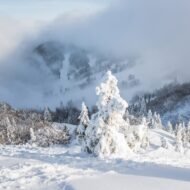
TL;DR: Hidden European ski resorts for families , Forget overpriced Alpine mega-resorts. These six family-friendly ski destinations across Europe offer authentic mountain experiences, wallet-friendly prices, and slopes where your kids won’t be dodging aggressive skiers. We’re talking Slovakia, Bulgaria, Greece (yes, Greece!), and other spots your neighbors have never heard of.
- Why These Resorts Beat the Usual Suspects
- 1. Jasná, Slovakia – The Carpathian Wild Card
- Why Families Love It
- Interesting Facts
- Winter Weather Expectations
- Accommodation Options
- Shopping & Local Traditions
- Outdoor Beyond Skiing
- Budget Considerations
- Food Culture
- Cultural Aspects
- Events & Activities
- Useful Information
- 2. Pamporovo, Bulgaria – Budget Champion with Surprising Depth
- Why Families Love It
- Interesting Facts
- Winter Weather Expectations
- Accommodation Options
- Shopping & Local Traditions
- Outdoor Beyond Skiing
- Budget Considerations
- Food Culture
- Cultural Aspects
- Events & Activities
- Useful Information
- 3. La Tania, France – The Three Valleys Secret
- Why Families Love It
- Interesting Facts
- Winter Weather Expectations
- Accommodation Options
- Shopping & Local Traditions
- Outdoor Beyond Skiing
- Budget Considerations
- Food Culture
- Cultural Aspects
- Events & Activities
- Useful Information
- 4. Chastreix-Sancy, France – The Volcanic Surprise
- Why Families Love It
- Interesting Facts
- Winter Weather Expectations
- Accommodation Options
- Shopping & Local Traditions
- Outdoor Beyond Skiing
- Budget Considerations
- Food Culture
- Cultural Aspects
- Events & Activities
- Useful Information
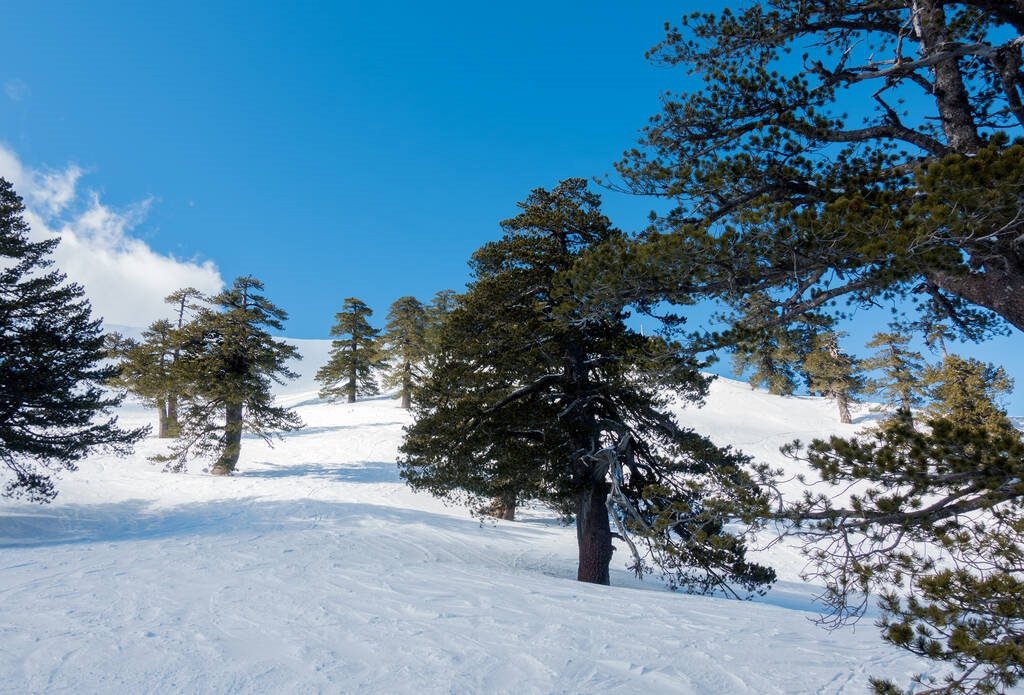
- 5. Vasilitsa, Greece – Because Greek Skiing Exists (and It’s Awesome)
- Why Families Love It
- Interesting Facts
- Winter Weather Expectations
- Accommodation Options
- Shopping & Local Traditions
- Outdoor Beyond Skiing
- Budget Considerations
- Food Culture
- Cultural Aspects
- Events & Activities
- Useful Information
- 6. Soriška Planina, Slovenia – Alpine Charm, Eastern European Prices
- Why Families Love It
- Interesting Facts
- Winter Weather Expectations
- Accommodation Options
- Shopping & Local Traditions
- Outdoor Beyond Skiing
- Budget Considerations
- Food Culture
- Cultural Aspects
- Events & Activities
- Useful Information
- Quick Comparison: Which Resort Fits Your Family?
- Practical Tips for Hidden Resort Success
- Recap: Your Hidden Gem Awaits
- Disclaimer
Why These Resorts Beat the Usual Suspects
Let’s be honest—taking the family to Courchevel or St. Moritz means choosing between your kids’ college fund and a week on the slopes. These hidden gems deliver the goods without the Instagram crowds or Champagne prices. You’ll find genuinely welcoming locals, shorter lift lines, and that rare combination of adventure and affordability that makes family travel actually enjoyable.
1. Jasná, Slovakia – The Carpathian Wild Card
Why Families Love It
👉 Best for: Families with younger kids and beginners.
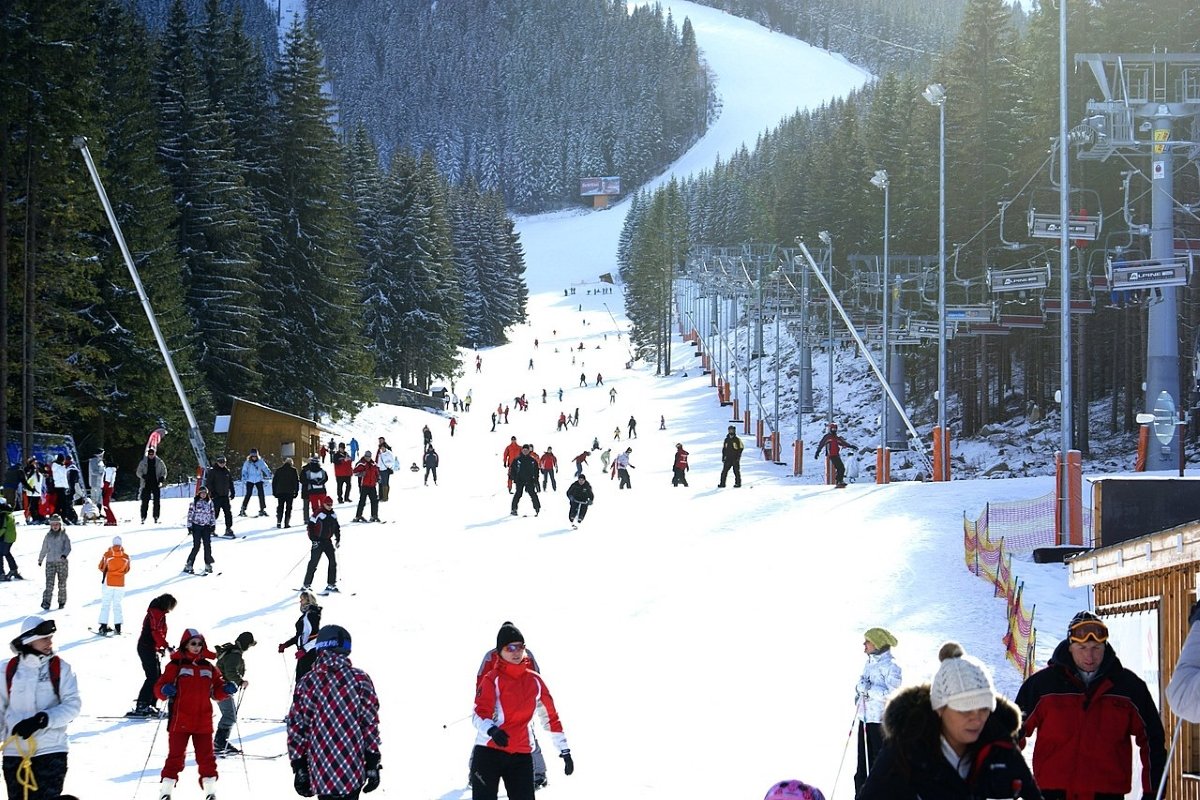
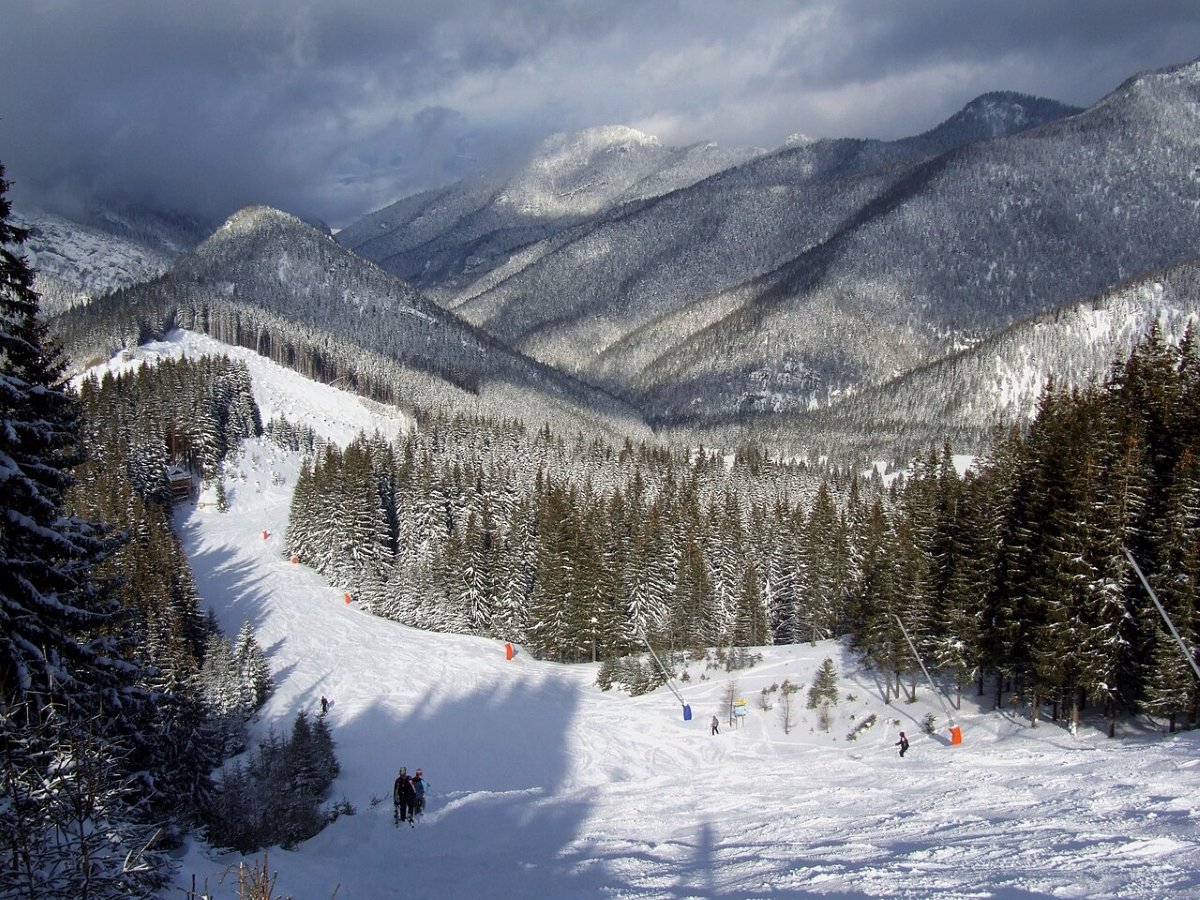
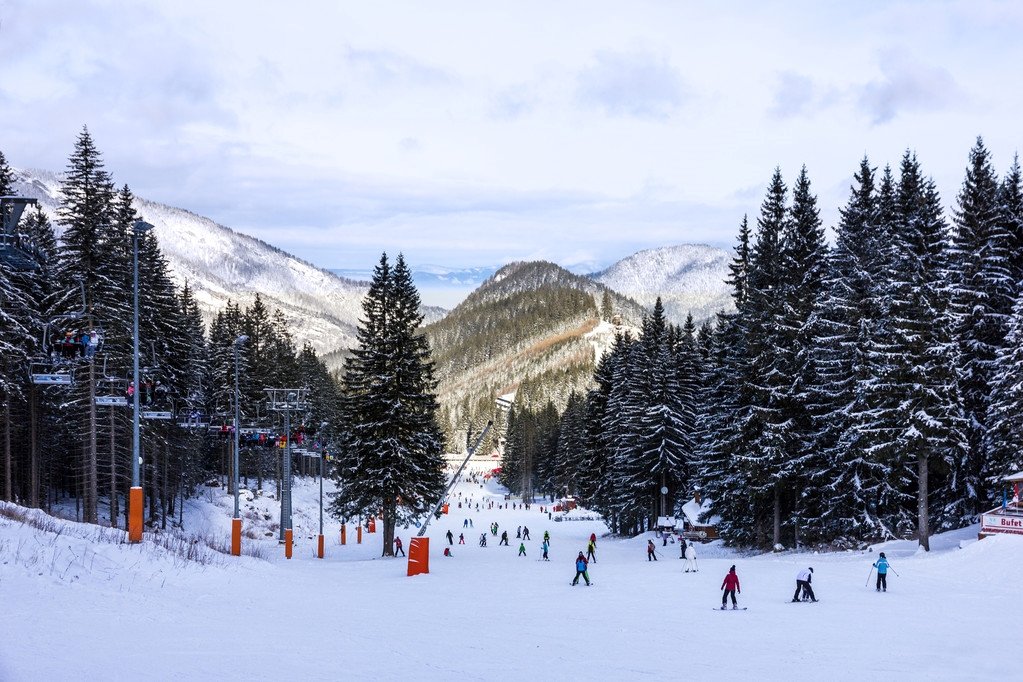
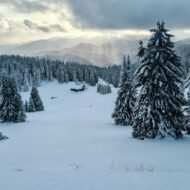
Situated in the Low Tatras mountains, Jasná punches way above its weight class. With 49km of slopes and Slovakia’s longest ski season (December through April), this resort offers serious skiing without the attitude. The terrain suits everyone from wobbly beginners to teens who think they’re Olympic material.
Interesting Facts
- Home to the famous “Happy End” bar at 1,953m—Europe’s highest-altitude pub where you can actually afford a beer
- The resort name means “clear” or “bright” in Slovak, and locals insist it refers to their exceptional visibility
- Connects two valleys (Biela Púť and Luková) via a rotating gondola—think cable car meets Ferris wheel
Winter Weather Expectations
Expect proper winter: temperatures hovering between -5°C to -10°C, with reliable snowfall from late November onward. Pack layers—mountain weather shifts quickly, but the cold is dry rather than bone-chilling damp.
Accommodation Options
Budget: Family-run pensions in Demänovská Dolina start around €40/night for a family room Mid-range: Hotel Grand Jasná offers ski-in/ski-out convenience (€120-180/night) Splurge: Wellness Hotel Grand offers spa facilities and full childcare (€200+/night)
Most accommodations include hearty Slovak breakfasts—crucial fuel before hitting the slopes.
Shopping & Local Traditions
The nearby town of Liptovský Mikuláš delivers authentic Slovak shopping experiences. Hunt for traditional wool sweaters (svetre), sheepskin goods, and hand-carved wooden toys. Don’t miss the local cheese markets—Slovak sheep cheese (bryndza) is addictively tangy.
Local tradition: Watch for evening torchlight ski parades, where instructors create ribbons of light down the mountain—kids go absolutely wild for this.
Outdoor Beyond Skiing
- Thermal caves: The Bešeňová Aquapark combines thermal pools with winter slides (30 minutes away)
- Husky sledding: Multiple operators offer family-friendly dog sledding experiences
- Demänovská Ice Cave: Walk through frozen waterfalls and underground chambers (check seasonal closures)
Budget Considerations
This is where Jasná shines. Expect to spend roughly 50-60% less than equivalent Austrian or Swiss resorts.
- 6-day lift pass (family): €350-400
- Ski rental (child/week): €60-80
- Group ski lessons (child/day): €30-40
- Restaurant meal (family of four): €40-60
Food Culture
Slovak mountain cuisine runs heavy and hearty. Must-tries:
- Bryndzové halušky: Potato dumplings with sheep cheese and bacon (Slovakia’s national dish)
- Kapustnica: Sauerkraut soup that’ll warm you from the inside
- Lokše: Thin potato pancakes with duck fat or jam
- Trdelník: Spiral chimney cakes sold by street vendors
The on-mountain restaurants serve actual food, not just overpriced sandwiches. Mid-mountain huts like Rotunda offer proper sit-down lunches under €15/person.
Cultural Aspects
Slovaks maintain genuine mountain hospitality—this isn’t performative tourism-industry friendliness. English is widely spoken among younger staff, though learning basic Slovak phrases (“ďakujem” = thank you) earns instant smiles. Families will appreciate the lack of pretension; nobody cares if your ski gear is five seasons old.
Events & Activities
- January: White Party festival brings live music to the slopes
- February: Children’s carnival week with costume competitions and snowman building contests
- March: End-of-season BBQ parties on mountain terraces
Useful Information
- Getting there: Fly to Poprad-Tatry (20 minutes) or Krakow (2 hours)
- Best for: Intermediate skiers, families seeking authenticity over luxury
- Ski season: Early December to mid-April
- User rating: 4.4/5 (based on aggregate family reviews)
2. Pamporovo, Bulgaria – Budget Champion with Surprising Depth
Why Families Love It
👉 Best for: Families who want good beginner terrain and value.
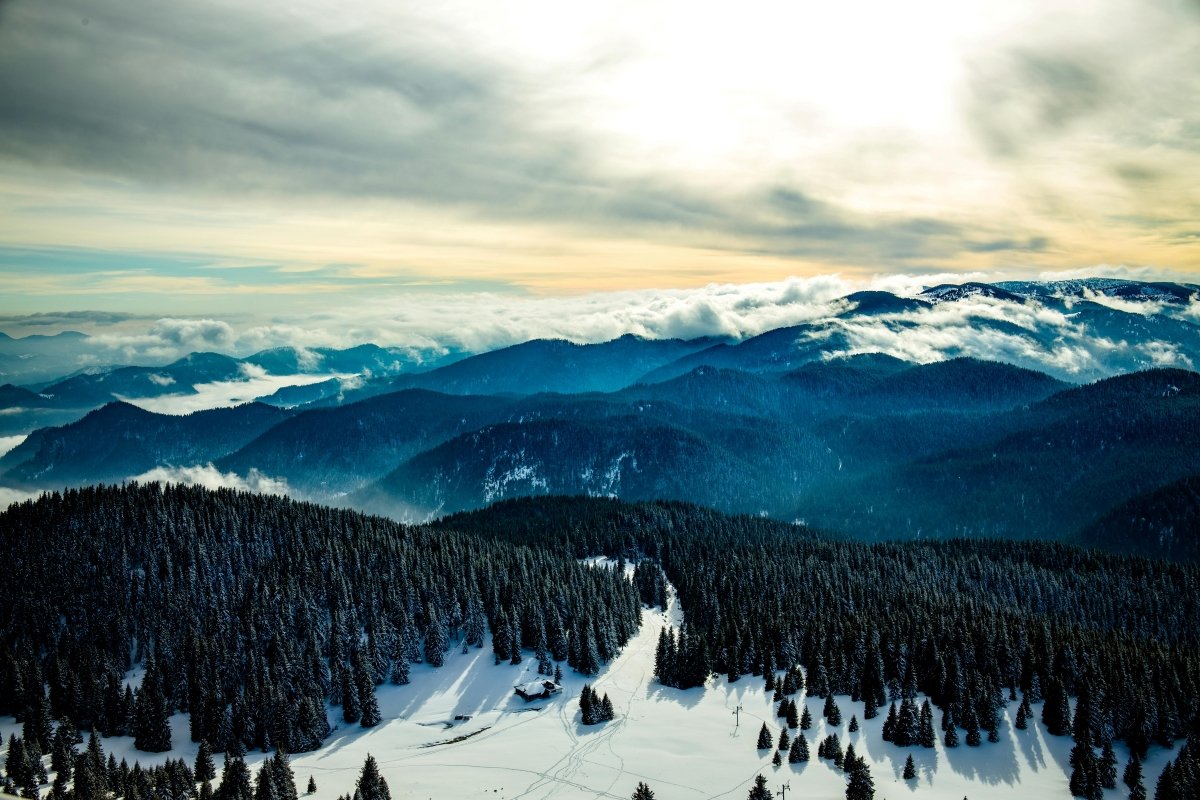
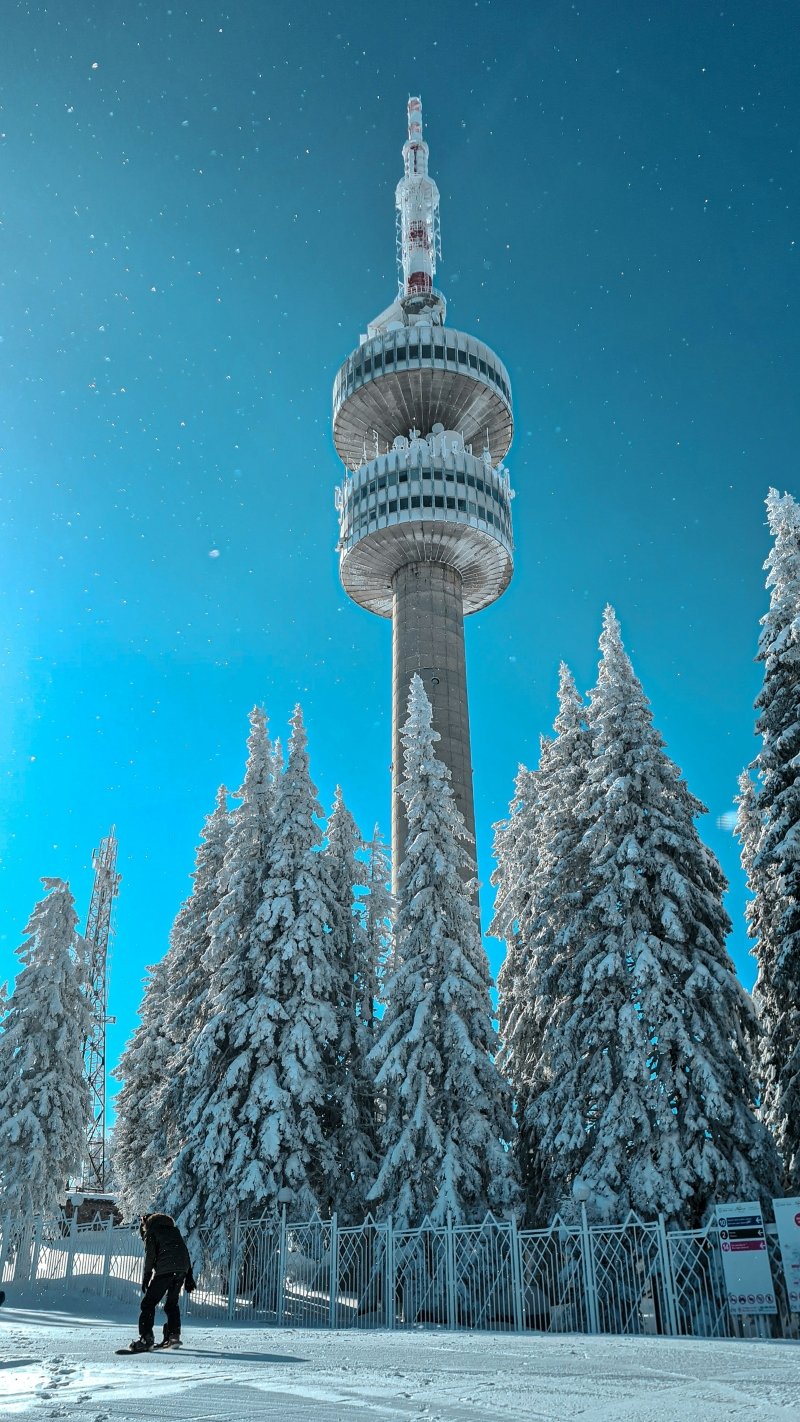
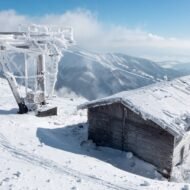
Bulgaria’s premier family resort delivers absurdly good value without sacrificing quality. Gentle slopes, English-speaking instructors, and sunshine—Pamporovo gets 120 sunny days annually—make this perfect for families transitioning from bunny slopes to blue runs.
Interesting Facts
- Bulgaria’s southernmost ski resort sits in the Rhodope Mountains, where Orpheus supposedly charmed animals with his music
- The resort mascot is “Snezhko” (Little Snow), a yeti-like creature kids adore
- Hosts an annual beer festival on the slopes in March (adults get something too!)
Winter Weather Expectations
Milder than its northern European cousins: daytime temperatures typically range from -2°C to 5°C. Snow reliability is excellent thanks to 1,650m altitude and extensive snowmaking. Expect bright, sunny days that make goggle tans inevitable.
Accommodation Options
Budget: Three-star hotels with half-board start at €35/night per person Mid-range: Hotel Orlovets offers family suites with pool access (€80-100/night) Splurge: Grand Hotel Murgavets provides full spa and childcare (€150+/night)
All-inclusive packages dominate here—often the smartest move for families watching budgets.
Shopping & Local Traditions
The nearby town of Smolyan features authentic Bulgarian markets. Shop for rose oil products, traditional embroidered textiles, and rakija (local brandy—for the parents). Hotel shops sell basics, but serious shopping requires a day trip.
Local tradition: Fire-walking rituals (Nestinarstvo) happen in surrounding villages—UNESCO-recognized cultural heritage that fascinates older kids.
Outdoor Beyond Skiing
- Eagle’s Eye Observatory: Eastern Europe’s largest planetarium (45 minutes away)
- Snowshoeing trails: Well-marked routes through pristine forest
- Village visits: Experience authentic Bulgarian mountain life in nearby Shiroka Laka
Budget Considerations
Pamporovo wins the value championship hands-down.
- 6-day lift pass (family): €250-300
- Ski rental (child/week): €50-70
- Group ski lessons (child/day): €25-35
- Restaurant meal (family of four): €30-50
Your euro stretches furthest here—some families report total weekly costs (excluding flights) under €1,200 for a family of four.
Food Culture
Bulgarian mountain cuisine mixes Balkan and Mediterranean influences:
- Kavarma: Slow-cooked meat and vegetable stew served in clay pots
- Banitsa: Flaky cheese-filled pastry perfect for breakfast
- Shopska salad: Tomatoes, cucumbers, peppers topped with crumbled white cheese
- Mekitsa: Fried dough served with jam or honey (kid-approved)
Mountain restaurants offer stunning value—three-course lunches with drinks can come in under €10/person.
Cultural Aspects
Bulgarians are notably warm toward families. The head-shaking thing (Bulgarians nod for “no” and shake for “yes”) confuses kids initially but becomes a fun cultural lesson. Russians visit in large numbers, so Cyrillic signage is common, but English works fine in tourist areas.
Events & Activities
- January: Winter carnival with traditional folk music
- February: Snowman building competitions and kids’ ski races
- March: End-of-season beer festival (family-friendly during daytime)
Useful Information
- Getting there: Fly to Plovdiv (1.5 hours) or Sofia (3 hours)
- Best for: Budget-conscious families, beginners, sunshine seekers
- Ski season: Mid-December to mid-April
- User rating: 4.3/5 (consistently praised for value and family atmosphere)
3. La Tania, France – The Three Valleys Secret
Why Families Love It
👉 Best for: Families who want space to grow into skiing but still access to big mountain terrain.
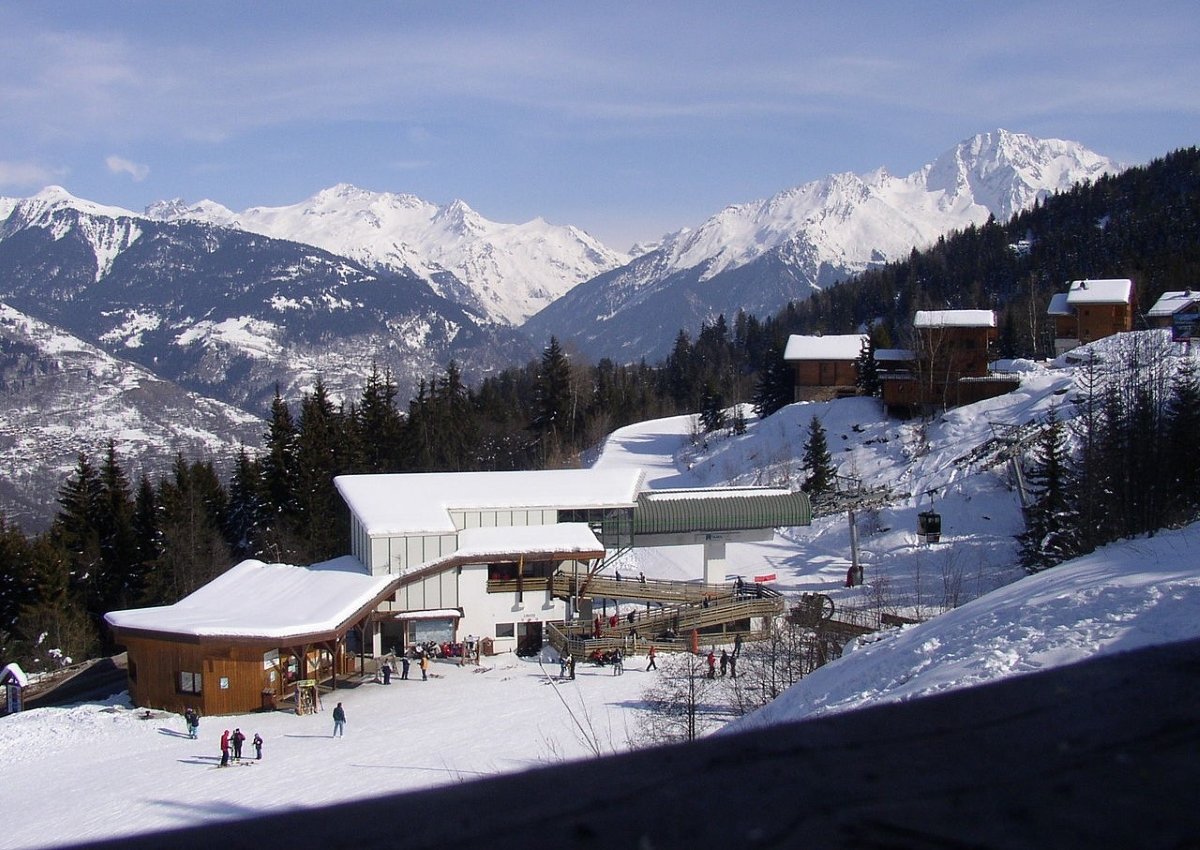
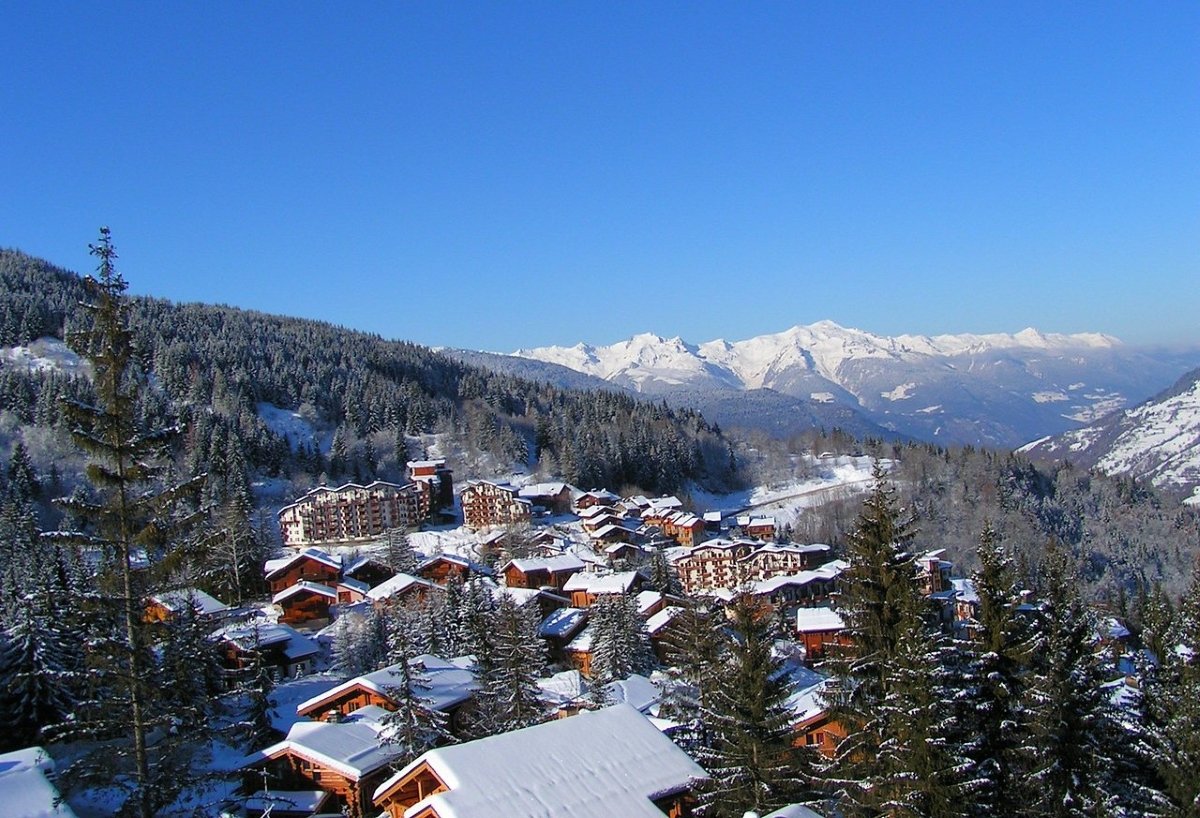
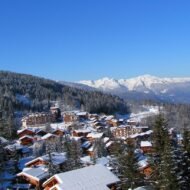
Here’s the insider move: La Tania sits in the legendary Three Valleys system (world’s largest ski area) but costs significantly less than glitzy neighbors Courchevel and Méribel. You get access to 600km of slopes without the supercar parking lot scene.
Interesting Facts
- Purpose-built for the 1992 Albertville Olympics but kept deliberately small-scale
- The entire resort is car-free—kids can safely wander between chalets
- Direct access to the Three Valleys system means you can ski to Courchevel for lunch (if you want to see how the other half lives)
Winter Weather Expectations
Classic French Alps weather: cold and snowy. Expect temperatures from -8°C to -2°C, with reliable snowfall throughout the season. January brings the deepest snow; March offers the best combination of snow and sunshine.
Accommodation Options
Budget: Self-catering apartments start around €600/week for a family of four Mid-range: Chalet-style hotels with half-board (€150-200/night) Splurge: Luxury catered chalets with private chefs (€300+/night)
Self-catering saves substantially—there’s a small supermarket in the village center.
Shopping & Local Traditions
La Tania itself offers limited shopping—one small supermarket, a couple of sports shops. This is the trade-off for authenticity and value. For serious retail therapy, take the free shuttle to Courchevel Le Praz (10 minutes).
Local tradition: Weekly torchlight descents on Thursdays, followed by mulled wine and roasted chestnuts in the village square.
Outdoor Beyond Skiing
- Winter hiking trails: Marked paths through forests with stunning valley views
- Ice skating: Small outdoor rink in the village center
- Sledging: Dedicated toboggan runs beside the main slopes
- Snowshoeing: Guided moonlight tours available through ESF
Budget Considerations
Mid-range for France, budget-friendly compared to neighboring resorts.
- 6-day lift pass (family, Three Valleys): €850-950
- Ski rental (child/week): €90-120
- Group ski lessons (child/6 days): €180-220
- Restaurant meal (family of four): €80-120
The Three Valleys lift pass seems pricey until you realize you’re accessing territory that takes weeks to fully explore.
Food Culture
Savoyard cuisine warms body and soul:
- Tartiflette: Potato, bacon, onion, and Reblochon cheese casserole
- Fondue Savoyarde: Melted cheese for dipping bread (kids love the interactive element)
- Raclette: Melted cheese scraped over potatoes and charcuterie
- Tarte aux myrtilles: Wild blueberry tart for dessert
Several restaurants offer “kid’s corners” with simple menus while parents enjoy proper French mountain cuisine.
Cultural Aspects
La Tania attracts families from across Europe, creating a genuinely international atmosphere. French is primary but English is widely understood. The vibe is relaxed—nobody’s judging your rented equipment or last-season jacket. It’s about skiing and family time, not showing off.
Events & Activities
- January: New Year ski races and family competitions
- February: School holiday entertainment programs with snow sculpture contests
- March: Spring festival with outdoor BBQs and live music
Useful Information
- Getting there: Fly to Geneva (2 hours), Lyon (2.5 hours), or Chambéry (1.5 hours)
- Best for: Families wanting big-resort skiing without big-resort prices
- Ski season: Mid-December to late April
- User rating: 4.5/5 (highest marks for village atmosphere and ski access)
4. Chastreix-Sancy, France – The Volcanic Surprise
Why Families Love It
👉 Best for: Families who prefer a very quiet, low-key ski break.
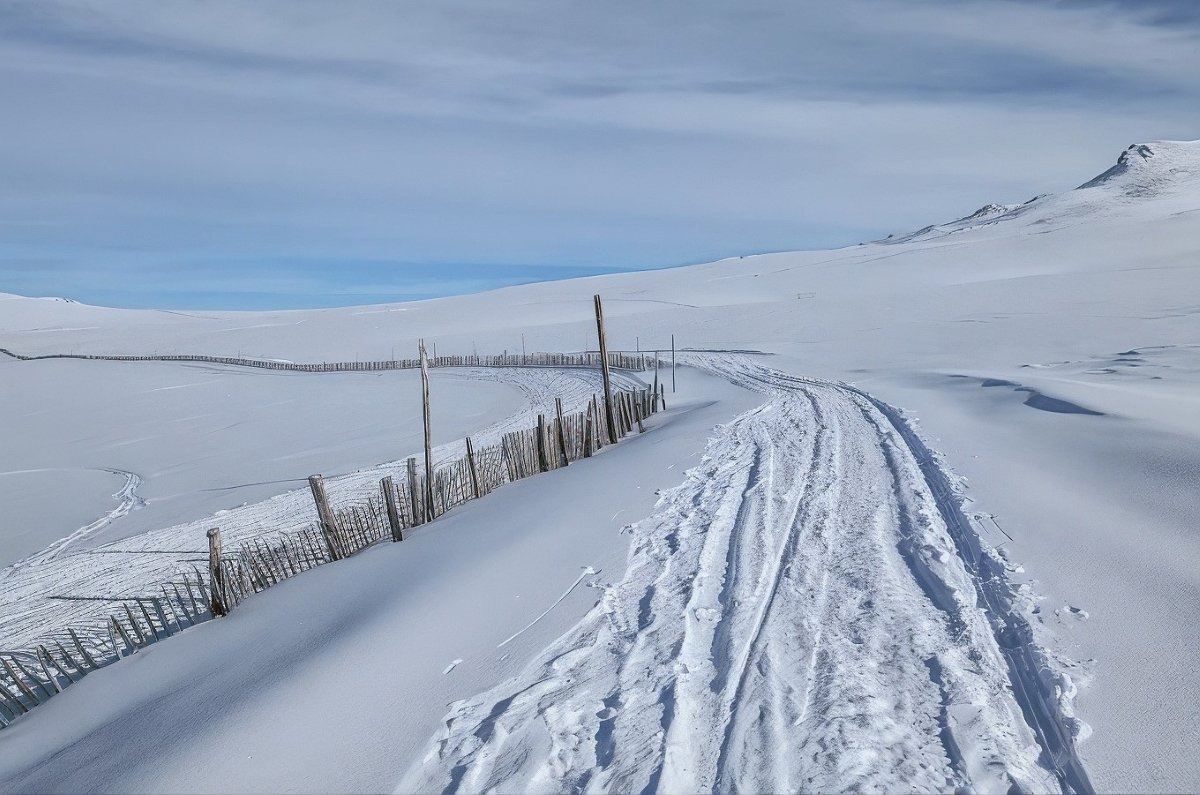
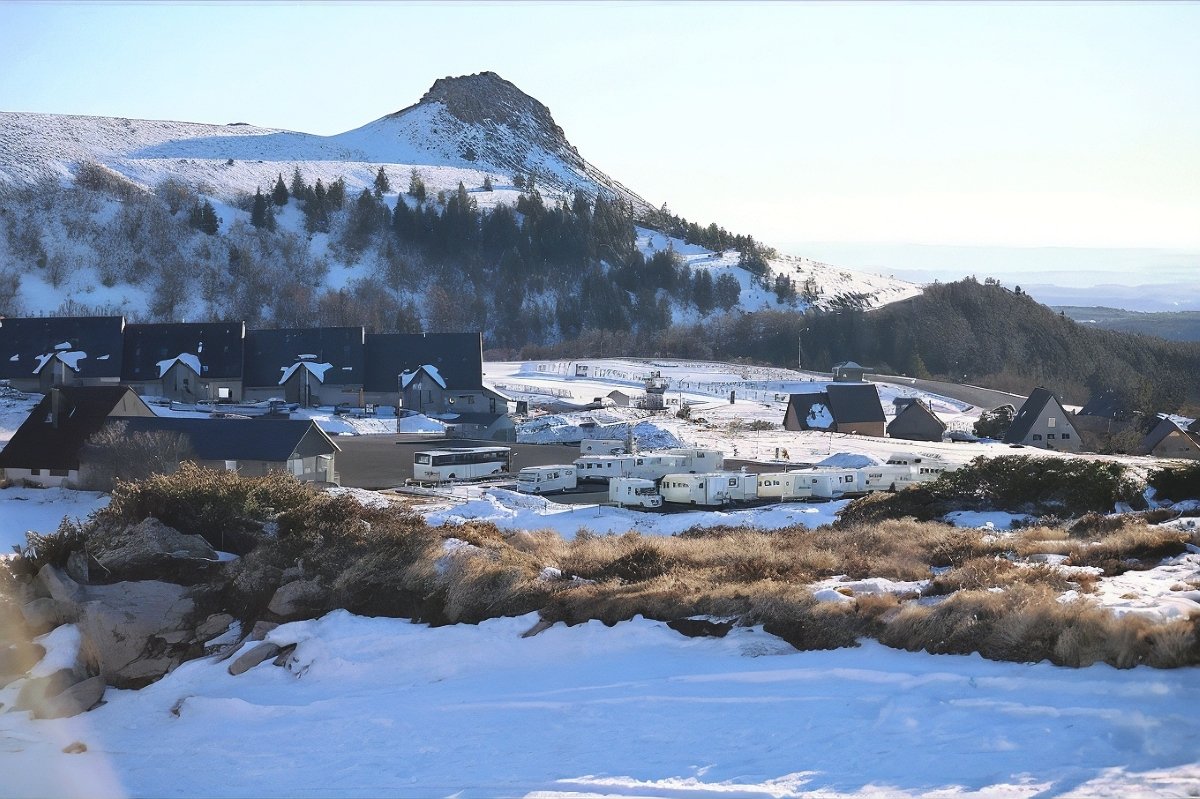
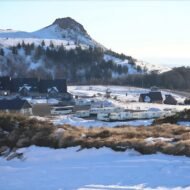
Located in the ancient volcanic region of Auvergne, this resort offers something genuinely different—skiing on dormant volcanoes in Central France. It’s wonderfully off the beaten path, with zero pretension and prices that make Alpine resorts seem criminal.
Interesting Facts
- Skiing on extinct volcanoes—the Puy de Sancy is the highest peak in Central France
- The mineral-rich volcanic soil creates unique flora; summer brings rare alpine flowers
- Locals call it “Sancy” and insist it’s France’s best-kept skiing secret
- Home to Volvic spring water source (yes, that Volvic)
Winter Weather Expectations
Expect continental climate with surprising snow reliability. Temperatures range from -5°C to 2°C. The volcanic peaks create their own microclimate, often holding snow when lower elevations are bare. Altitude (up to 1,886m) ensures decent snow from late December through March.
Accommodation Options
Budget: Village gîtes (self-catering cottages) from €300/week Mid-range: Family-run hotels in Mont-Dore village (€70-100/night) Splurge: Renovated mountain chalets with hot tubs (€150-200/night)
The town of Mont-Dore, just below the resort, offers more options plus thermal spas for après-ski relaxation.
Shopping & Local Traditions
Mont-Dore features authentic Auvergne shops selling regional specialties: volcanic stone products, local cheeses, and hand-crafted wooden items. The Wednesday market offers fresh produce and regional delicacies.
Local tradition: Auvergne’s deep Celtic roots mean folk music and traditional festivals. February’s “Fête des Soufflaculs” involves locals in frightening costumes chasing winter away—kids find it thrilling.
Outdoor Beyond Skiing
- Volcanic hiking: Accessible trails to volcanic crater lakes (weather permitting)
- Thermal baths: Mont-Dore’s hot springs have been popular since Roman times
- Dog sledding: Several operators offer half-day family adventures
- Vulcania: Volcanic theme park nearby (opens late March, perfect for end-of-season visits)
Budget Considerations
Outstanding value for money—possibly the best euro-to-slope ratio in France.
- 6-day lift pass (family): €320-380
- Ski rental (child/week): €70-90
- Group ski lessons (child/5 days): €120-150
- Restaurant meal (family of four): €50-75
Food Culture
Auvergne cuisine is robust peasant fare—perfect for cold mountain days:
- Aligot: Mashed potatoes with melted cheese stretched into elastic strands (kids are mesmerized)
- Truffade: Sliced potatoes with melted tomme cheese
- Potée Auvergnate: Cabbage and pork stew
- Saint-Nectaire cheese: Local specialty that’s creamy and mild enough for young palates
- Pounti: Savory cake with prunes and Swiss chard (more delicious than it sounds)
Mountain restaurants embrace rustic charm over refinement—expect hearty portions at reasonable prices.
Cultural Aspects
Auvergne remains proudly rural and traditional. Locals speak with a distinctive accent and maintain old farming customs. This isn’t a place where ski instructors have movie-star complexes—expect down-to-earth friendliness. English is less common than in Alpine resorts, making this a great immersive French experience.
Events & Activities
- January: Traditional winter markets in Mont-Dore
- February: Soufflaculs carnival with costumed parades
- March: End-of-season concerts and outdoor grills
Useful Information
- Getting there: Fly to Clermont-Ferrand (1 hour), or drive from Paris (4.5 hours)
- Best for: Families seeking authentic France, budget travelers, volcano enthusiasts
- Ski season: Late December to late March
- User rating: 4.2/5 (praised for uniqueness and value; some note limited nightlife)
5. Vasilitsa, Greece – Because Greek Skiing Exists (and It’s Awesome)
Why Families Love It
👉 Best for: Families close to Southern Europe seeking a budget-friendly, lesser-touristed ski experience.
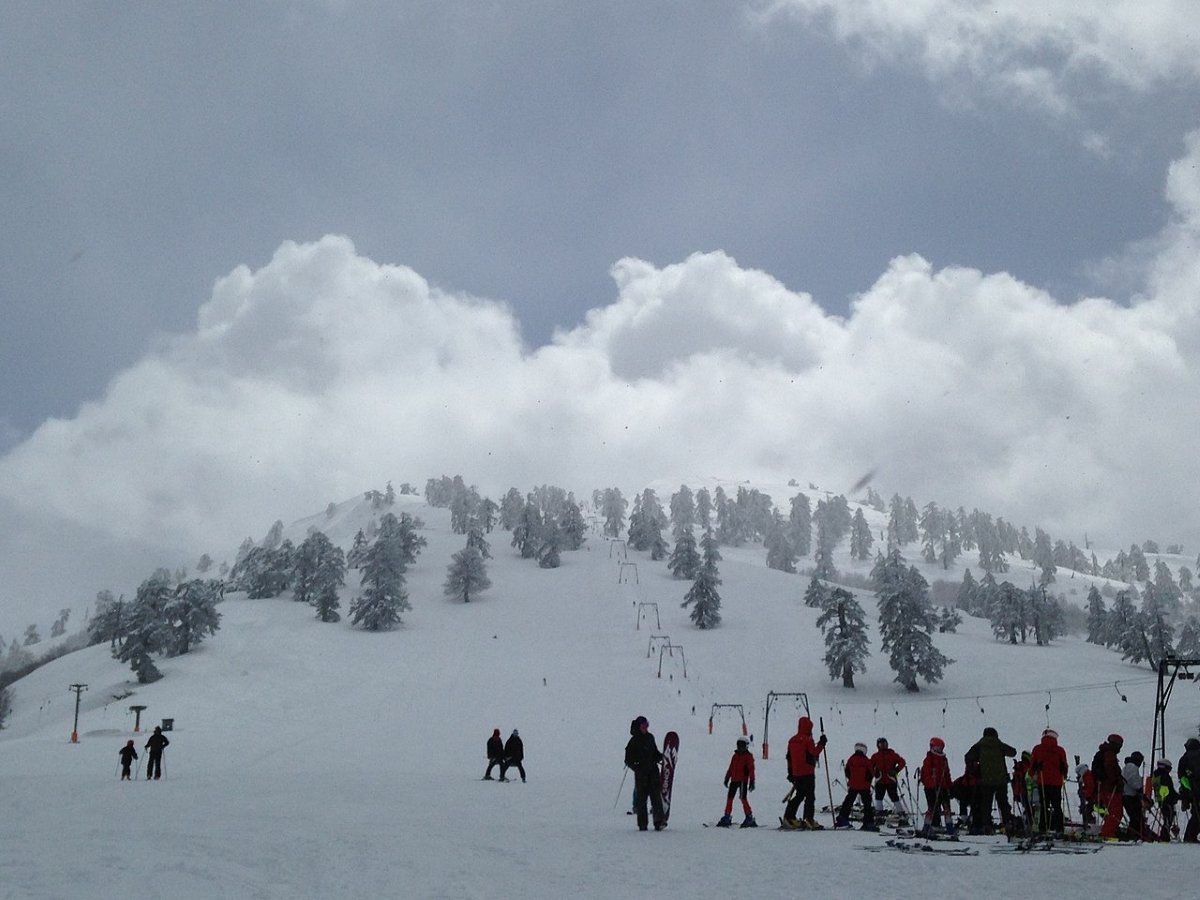
Yes, Greece has skiing, and it’s magnificently surprising. Vasilitsa offers genuine winter sports in the Pindus Mountains with bonus Mediterranean hospitality, ouzo-infused mountain culture, and the novelty factor that makes family travel memorable.
Interesting Facts
- One of Greece’s southernmost ski resorts, yet receives abundant snowfall due to Pindus Mountain positioning
- The area surrounding Vasilitsa inspired many ancient Greek myths—Hercules supposedly fought centaurs nearby
- Local ski instructors might offer lessons in Greek, English, AND German (Greece’s tourism superpower)
- The resort cat, “Pistes,” has his own Instagram following
Winter Weather Expectations
Mediterranean mountain climate means milder than Alpine resorts but surprisingly snowy. Expect daytime temperatures from -3°C to 5°C, with crisp, clear conditions. January and February bring the most reliable snow. The sun feels stronger here—sunscreen is essential despite the cold.
Accommodation Options
Budget: Guesthouses in Metsovo village (€40-60/night) Mid-range: Traditional stone hotels with mountain views (€80-120/night) Splurge: Boutique mountain lodges with fireplaces (€150+/night)
Most families base themselves in charming Metsovo (20 minutes away), a postcard-perfect mountain village with cobblestone streets and better dining options.
Shopping & Local Traditions
Metsovo offers surprisingly sophisticated shopping for a mountain village. Hunt for:
- Hand-woven Vlach textiles (the local ethnic group maintains centuries-old weaving traditions)
- Local wines—Katogi Averoff vineyard produces excellent mountain wines
- Smoked cheese and cured meats
- Hand-carved shepherd’s crooks and wooden crafts
Local tradition: The Vlach people maintain unique cultural practices, including distinct dialect and traditional dress. February’s “Regeneration of the Old Custom” festival showcases these traditions with music, dancing, and enormous amounts of food.
Outdoor Beyond Skiing
- Metsovo village exploration: Cobblestone streets, monasteries, and the Averoff Gallery (Greek art collection)
- Traditional cheesemaking tours: Watch metsovone cheese production
- Vikos Gorge: World’s deepest canyon by width-to-depth ratio (stunning even under snow)
- Monastery of St. Nicholas: Byzantine architecture with mountain views
Budget Considerations
Excellent value, though not quite Bulgaria-cheap.
- 6-day lift pass (family): €280-340
- Ski rental (child/week): €60-80
- Group ski lessons (child/day): €30-45
- Restaurant meal (family of four): €40-60
The real savings come from accommodation and food—Greek hospitality means generous portions at fair prices.
Food Culture
Greek mountain cuisine differs beautifully from island taverna fare:
- Kontosouvli: Slow-roasted pork on vertical spits (Greek mountain BBQ)
- Metsovone cheese: Smoked semi-hard cheese that’s mildly addictive
- Gida vrasti: Goat stew with wild greens and lemon
- Pita bread with local honey and walnuts: Simple, perfect dessert
- Tsipouro: Grape-based spirit served complimentary with meals (parents only!)
Mountain tavernas around Metsovo offer cozy stone interiors, roaring fireplaces, and dishes that would impress in Athens’ best restaurants.
Cultural Aspects
Greek hospitality extends to the slopes. Expect friendly chaos, slightly flexible schedules, and genuine warmth. Locals are fascinated that foreigners visit for skiing—many will insist you try their family’s wine or visit their grandmother’s taverna. English is widely spoken among younger generations.
The pace is refreshingly Mediterranean—nobody’s stressed about lift line efficiency.
Events & Activities
- January: New Year’s ski races and traditional music nights in Metsovo
- February: Regeneration Festival with Vlach cultural celebrations
- March: Spring carnival with costumes and traditional dances
Useful Information
- Getting there: Fly to Ioannina (1.5 hours) or Thessaloniki (2.5 hours)
- Best for: Families seeking cultural experiences alongside skiing, Greece enthusiasts
- Ski season: Late December to mid-March
- User rating: 4.3/5 (high marks for uniqueness and hospitality; some note limited slope variety)
6. Soriška Planina, Slovenia – Alpine Charm, Eastern European Prices
Why Families Love It
👉 Best for: Perfect for toddlers and beginners learning to ski in a safe, calm environment (plus sledding).
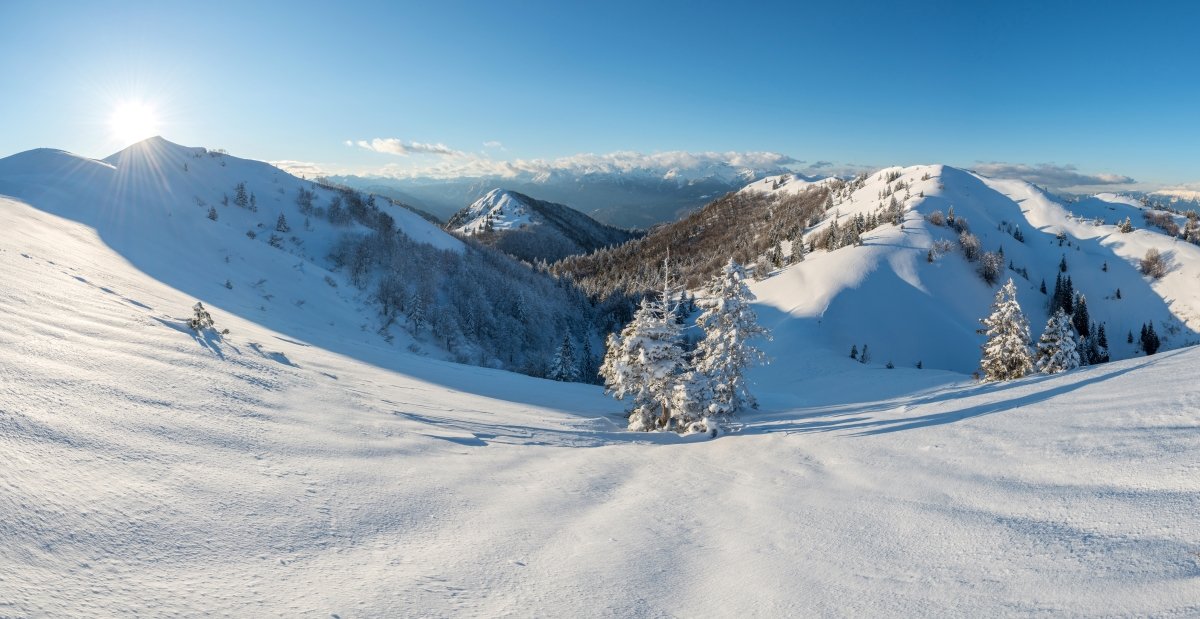
Slovenia’s best-kept secret offers picture-book Alpine scenery, genuine Slovenian hospitality, and prices that make you check your receipt twice. Small but perfectly formed, Soriška Planina specializes in family skiing with a wonderfully non-commercial atmosphere.
Interesting Facts
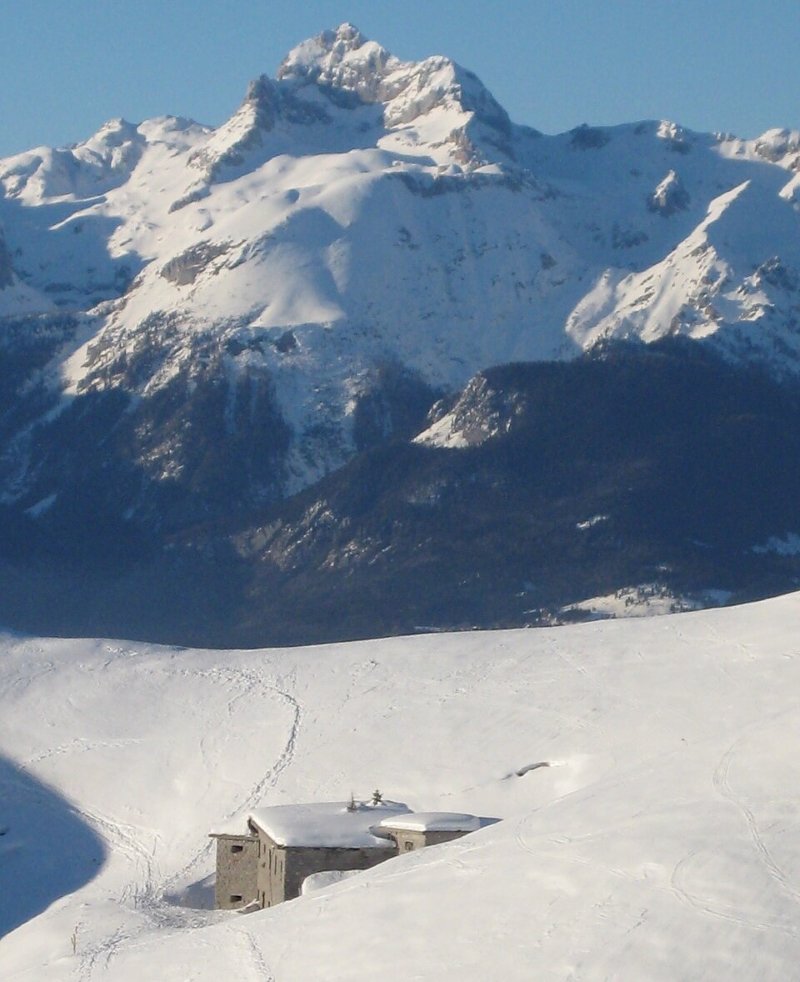
- The resort sits on a high plateau offering panoramic views of the Julian Alps and Triglav (Slovenia’s highest peak)
- Locals call it “Sorica” and consider it Slovenia’s most authentic ski experience
- The area inspired many Slovenian folk tales featuring mountain fairies called “Škratje”
- Slovenia’s ski jumping Olympic gold medalist, Peter Prevc, trained on nearby slopes
Winter Weather Expectations
Classic Alpine conditions with reliable snow. Temperatures range from -8°C to -2°C, with January bringing the deepest snowpack. The plateau position means strong winds occasionally close upper lifts, but lower slopes remain protected. February offers the best balance of snow quality and weather.
Accommodation Options
Budget: Mountain huts with shared facilities (€25-35/person/night) Mid-range: Family-run guesthouses with half-board (€60-80/night) Splurge: Boutique Alpine hotels in nearby Bohinjska Bistrica (€120-150/night)
Many families rent apartments in the valley town of Železniki (15 minutes away) for maximum budget efficiency.
Shopping & Local Traditions
Nearby towns offer authentic Slovenian crafts:
- Škofja Loka (30 minutes): Medieval town with lace-making traditions and artisan workshops
- Hand-forged ironwork—Slovenia’s blacksmithing heritage remains strong
- Beekeeping products—Slovenia has more beekeepers per capita than anywhere else
- Traditional wooden toys and carvings
Local tradition: Kurentovanje carnival (late February) features “Kurents”—creatures in sheepskin costumes who supposedly chase winter away. The celebration extends across Slovenia and makes for unforgettable family photos.
Outdoor Beyond Skiing
- Lake Bled: Fairytale lake with island church (45 minutes away)—perfect for non-skiing day
- Vintgar Gorge: Dramatic wooden walkways through limestone canyon (closed in deep winter, but accessible in warmer spells)
- Snowshoeing: Well-marked trails through pristine forests
- Traditional farm visits: Meet local shepherds and try fresh cheese
Budget Considerations
Exceptional value—Slovenia consistently underprices its offerings.
- 6-day lift pass (family): €300-350
- Ski rental (child/week): €55-75
- Group ski lessons (child/5 days): €100-130
- Restaurant meal (family of four): €40-65
Food Culture
Slovenian mountain cuisine blends Alpine and Mediterranean influences:
- Žganci: Buckwheat porridge served with cracklings—rustic but surprisingly good
- Kranjska klobasa: Slovenian sausage (their national pride)
- Štruklji: Rolled dumplings filled with cottage cheese, sweet or savory
- Potica: Rolled cake with walnut filling—Slovenia’s iconic dessert
- Kremšnita: Cream cake (try the famous version from Lake Bled)
On-mountain huts serve generous portions at prices that would embarrass Austrian or Swiss resorts. Expect three-course lunches under €15/person.
Cultural Aspects
Slovenes are quietly proud of their mountain heritage and eager to share it without the hard-sell tourism approach. Nearly everyone speaks excellent English—Slovenia’s education system emphasizes languages. The culture values outdoor activity and family time, so you’ll see Slovenian families out skiing together across all ages.
There’s zero pretension here—worn equipment and rented skis are perfectly normal.
Events & Activities
- January: Traditional Slovenian music nights at mountain huts
- February: Kurentovanje carnival celebrations (if timing works, this is spectacular)
- March: Spring skiing festivals with outdoor BBQs
Useful Information
- Getting there: Fly to Ljubljana (1 hour) or Venice (2.5 hours)
- Best for: Families prioritizing authenticity and value, Lake Bled enthusiasts
- Ski season: Mid-December to late March
- User rating: 4.4/5 (consistently praised for atmosphere and friendliness)
Quick Comparison: Which Resort Fits Your Family?
Best Overall Value: Pamporovo, Bulgaria—your money goes furthest here Most Unique Experience: Vasilitsa, Greece—where else can you ski Greek mountains? Best Ski Access: La Tania, France—access to 600km of Three Valleys slopes Most Authentic: Soriška Planina, Slovenia—unspoiled mountain culture Best for Beginners: Pamporovo, Bulgaria—gentle slopes and patient instructors Most Adventurous: Chastreix-Sancy, France—skiing on volcanoes!
Practical Tips for Hidden Resort Success
Book Direct with Accommodations: These smaller resorts often offer better deals when you skip booking platforms. Email or call directly—owners appreciate personal contact and sometimes throw in extras.
Fly to Alternative Airports: Secondary airports often serve these regions cheaper than major hubs. Sofia beats Vienna for Pamporovo; Clermont-Ferrand beats Geneva for Chastreix-Sancy.
Embrace Self-Catering: Apartments with kitchens stretch budgets significantly. Buy local ingredients from village markets and save restaurant meals for special occasions.
Learn Basic Local Phrases: Even butchered attempts at Slovak, Bulgarian, or Slovenian earn smiles and often better service. “Hello,” “thank you,” and “delicious” cover most interactions.
Travel Mid-Week: Arriving Monday or Tuesday means quieter slopes as weekend warriors depart. Many accommodations offer better mid-week rates.
Pack Properly for Eastern Europe: Western European brands cost more in Eastern European resorts. Bring your own sunscreen, lip balm, and basic medical supplies.
Look for ski kindergartens and dedicated children’s areas when booking lessons — these make the trip way easier for parents.
Read recent traveler reviews (TripAdvisor, Snow-Online, OnTheSnow, etc.) to gauge how well ski schools and facilities are performing this season.
Consider nearby non-ski activities (sledging, ice skating, swimming) to keep kids entertained off the slopes too.
Recap: Your Hidden Gem Awaits
These six resorts prove you don’t need to remortgage your home for memorable family ski vacations. Whether you’re drawn to Jasná’s Carpathian wilderness, Pamporovo’s unbeatable value, La Tania’s Three Valleys access, Chastreix-Sancy’s volcanic uniqueness, Vasilitsa’s Greek surprise, or Soriška Planina’s Alpine authenticity, you’ll find genuine mountain experiences minus the tourist circus.
The common thread? Real people, real mountains, real value—exactly what family ski trips should deliver.
The Bottom Line: These resorts succeed because they prioritize actual skiing and family experiences over resort village shopping and fancy spas. Your kids will remember the adventure, the novelty, and that extra run before lunch—not whether the hotel had a five-star rating.
Start researching now for next season. These places won’t stay hidden forever.
Disclaimer
Currency & Prices: All prices quoted are approximate and in Euros (EUR), based on 2024-2025 season rates. Exchange rates, inflation, and seasonal demand affect actual costs. Always verify current pricing directly with resorts, accommodations, and service providers before booking.
Weather Conditions: Snow conditions and weather patterns vary annually. While we’ve provided typical expectations based on historical data, mountain weather remains unpredictable. Check current forecasts and snow reports before traveling. Climate change increasingly affects traditional snow patterns across all European ski regions.
COVID-19 & Travel Restrictions: Entry requirements, vaccination mandates, and operational restrictions change frequently. Verify current travel requirements for both your departure country and destination before booking. Check government travel advisories and resort websites for the latest protocols.
Safety Considerations: Mountain sports carry inherent risks. Ensure all family members have appropriate travel and medical insurance covering winter sports activities. Follow resort safety guidelines, respect posted warnings, and consider skill levels honestly when choosing terrain.
Accommodation & Service Availability: Smaller resorts may have limited availability during peak periods (Christmas, New Year, February half-term). Book well in advance, especially for budget accommodations. Some facilities mentioned may close, change ownership, or modify operations between seasons.
Activity & Event Timing: Cultural events, festivals, and special activities depend on local calendars and traditions. Dates shift annually, and some events may be cancelled due to weather, funding, or unforeseen circumstances. Confirm specific event dates before planning trips around them.
Resort Development: These resorts remain relatively undeveloped compared to major Alpine destinations. This authenticity brings charm but also means fewer backup options when specific services are unavailable. Flexibility and realistic expectations enhance enjoyment.
Personal Experience Variance: Individual experiences vary based on timing, weather, accommodation choices, and personal preferences. User ratings represent aggregate opinions and may not reflect your specific experience.
No Professional Endorsement: This guide provides informational travel content based on research and reported experiences. It does not constitute professional travel advice. The author and publisher receive no compensation from mentioned resorts, hotels, or services.
Author’s Perspective: Written from a Western European/English-speaking traveler’s viewpoint. Cultural observations reflect this perspective and may differ from other cultural contexts.
Liability: Readers assume full responsibility for their travel decisions, safety, and financial commitments. Always purchase comprehensive travel insurance and verify all information independently before booking.