


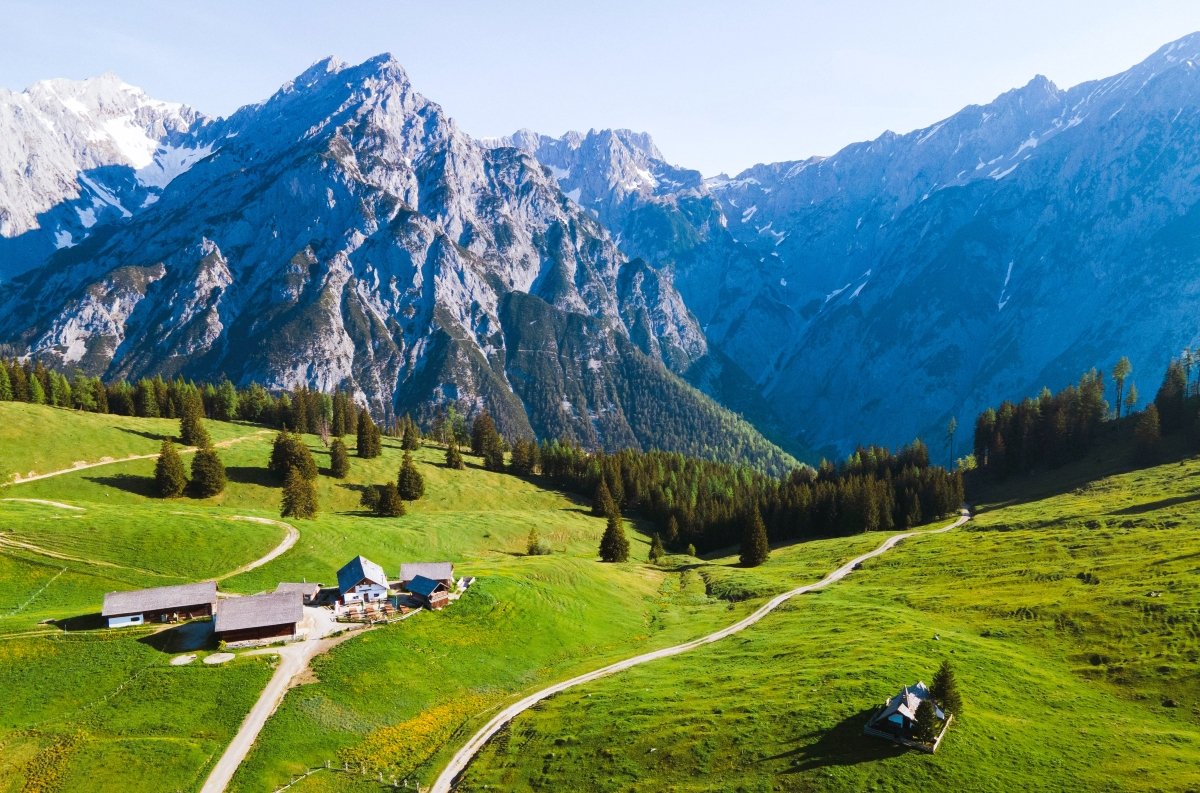

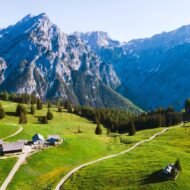
TL;DR: Hidden Mountain Villages You Must See in Europe , Tired of Instagram-crushed tourist traps? These five ridiculously charming villages—from Swiss Alpine hideaways to sun-kissed Cypriot stone hamlets—offer the slow life you’ve been craving. Think cow bells instead of car horns, homemade cheese instead of chain restaurants, and neighbors who actually know your name (yes, really). Perfect for winter wanderers and anyone who’s had enough of fighting crowds for the “perfect” photo.
- Why Hidden Villages Are Having a Moment (And Why You Should Care)
- 1. Gimmelwald, Switzerland – The Alpine Village That Said “No Thanks” to Ski Resorts
- The Vibe
- Interesting Facts Worth Mentioning at Dinner Parties
- Winter Weather: What to Actually Expect
- At a Glance: What Makes This Place Special
- Where to Stay (Without Breaking the Bank… Entirely)
- Shopping (Or Lack Thereof—In the Best Way)
- Food Scene: What to Eat
- Local Traditions & Cultural Nuggets
- Events & When to Visit
- Budget Considerations
- Combo Trips: Where to Go Next
- Sample 3-Day Winter Itinerary
- Nearest Major Airport & Getting There
- 2. San Lorenzo in Banale, Italy – Trentino’s Best-Kept Secret (With Bears!)
- The Vibe
- Interesting Facts Worth Mentioning at Dinner Parties
- Winter Weather: What to Actually Expect
- At a Glance: What Makes This Place Special
- Where to Stay (Options for Every Budget)
- Shopping: What to Bring Home
- Food Scene: What to Eat
- Local Traditions & Cultural Nuggets
- Events & When to Visit
- Budget Considerations
- Combo Trips: Where to Go Next
- Sample 4-Day Winter Itinerary
- Nearest Major Airport & Getting There
- 3. Lukomir, Bosnia and Herzegovina – Europe’s Highest (And Most Isolated) Village
- The Vibe
- Interesting Facts Worth Mentioning at Dinner Parties
- Winter Weather: What to Actually Expect
- At a Glance: What Makes This Place Special
- Where to Stay (Limited But Memorable)
- Shopping: What to Bring Home
- Food Scene: What to Eat
- Local Traditions & Cultural Nuggets
- Events & When to Visit
- Budget Considerations
- Combo Trips: Where to Go Next
- Sample 2-Day Winter Itinerary (If Accessible)
- Nearest Major Airport & Getting There
- 4. Lofou, Cyprus – Where Cyprus Hides Its Mountain Soul
- The Vibe
- Interesting Facts Worth Mentioning at Dinner Parties
- Winter Weather: What to Actually Expect
- At a Glance: What Makes This Place Special
- Where to Stay (From Cozy to Luxe)
- Shopping: What to Bring Home
- Food Scene: What to Eat
- Local Traditions & Cultural Nuggets
- Events & When to Visit
- Budget Considerations
- Combo Trips: Where to Go Next
- Sample 3-Day Winter Itinerary
- Nearest Major Airport & Getting There
- 5. Gnadenwald, Austria – The Tyrolean Village Instagram Hasn’t Found Yet
- The Vibe
- Interesting Facts Worth Mentioning at Dinner Parties
- Winter Weather: What to Actually Expect
- At a Glance: What Makes This Place Special
- Where to Stay (Tyrolean Coziness Awaits)
- Shopping: What to Bring Home
- Food Scene: What to Eat
- Local Traditions & Cultural Nuggets
- Events & When to Visit
- Budget Considerations
- Combo Trips: Where to Go Next
- Sample 4-Day Winter Itinerary
- Nearest Major Airport & Getting There
- Recap: Your Slow Life Village Cheat Sheet
- Disclaimer (The Honest Part)
- Final Thoughts (Before You Start Planning)
Why Hidden Villages Are Having a Moment (And Why You Should Care)
Let’s be honest—we’re all a bit burnt out. Overcrowded cities, the same old tourist circuits, and that nagging feeling that “authentic travel” died somewhere around 2015. But here’s the thing: it didn’t. It just moved to places where the Wi-Fi is spotty and the locals still bake bread every morning.
These five villages aren’t just pretty faces (though they’re gorgeous). They’re living, breathing communities where traditions aren’t performed for tourists—they just are. Where slow doesn’t mean boring; it means intentional. And where winter, often overlooked by fair-weather travelers, reveals a completely different kind of magic.
Ready to trade your checklist for spontaneity? Let’s go.
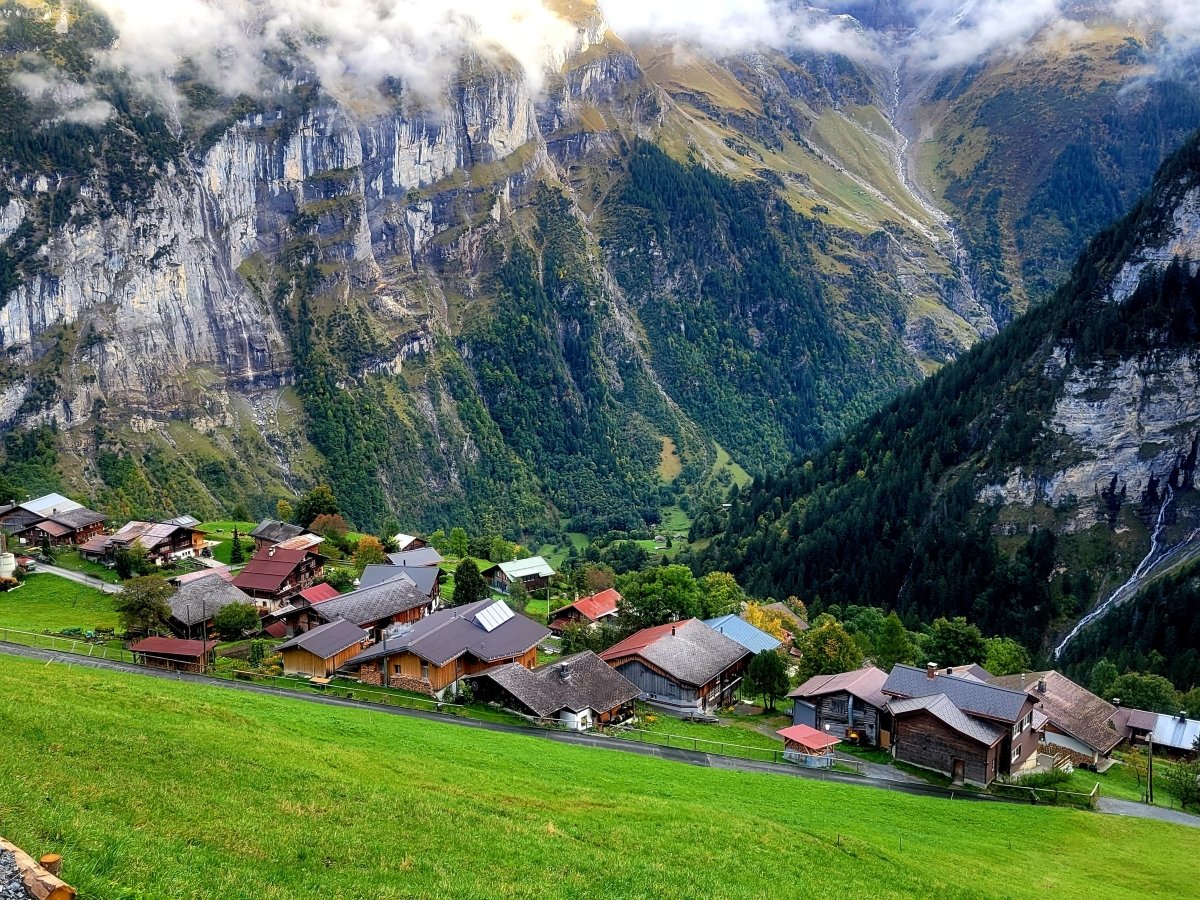
1. Gimmelwald, Switzerland – The Alpine Village That Said “No Thanks” to Ski Resorts
The Vibe
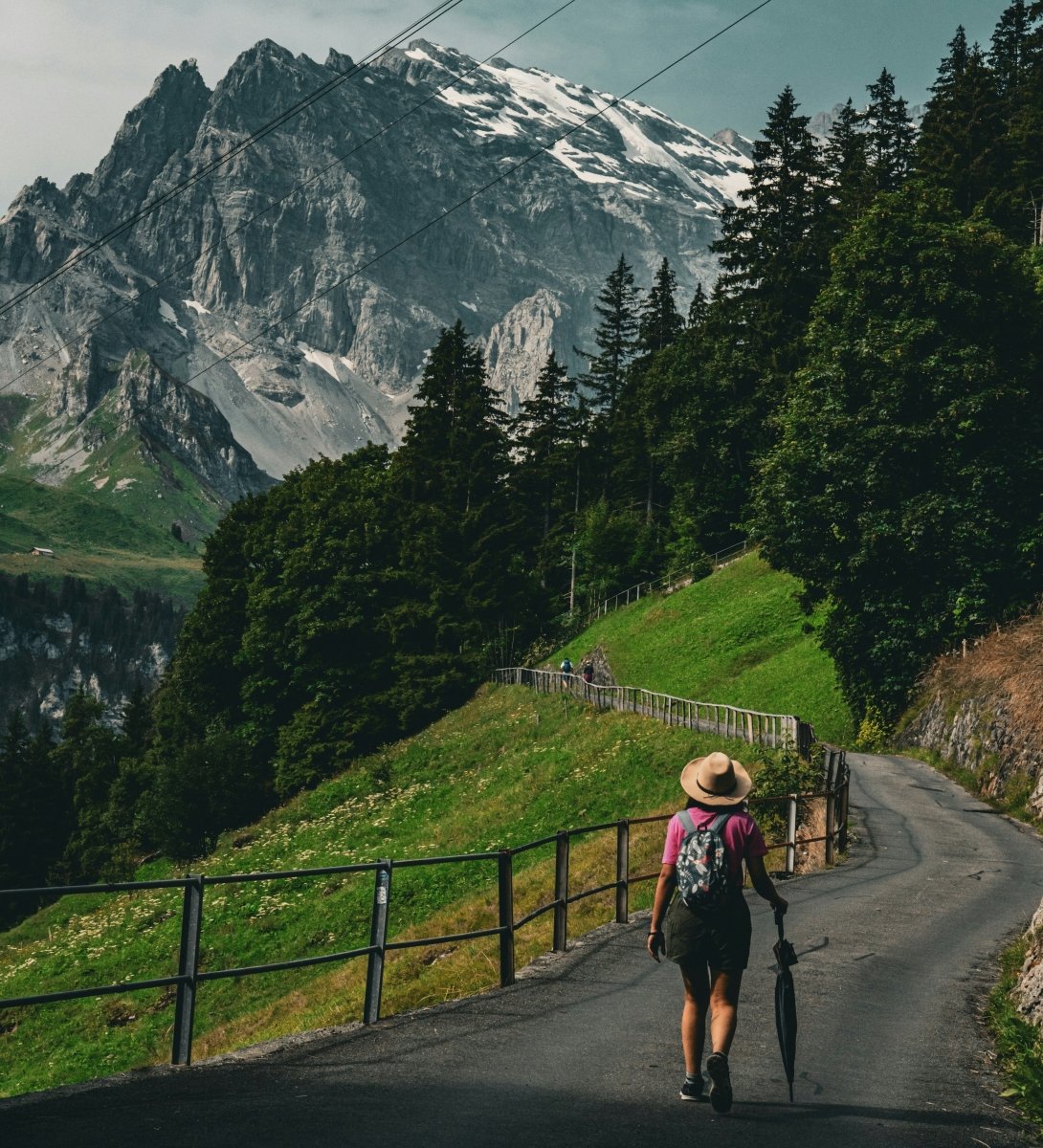
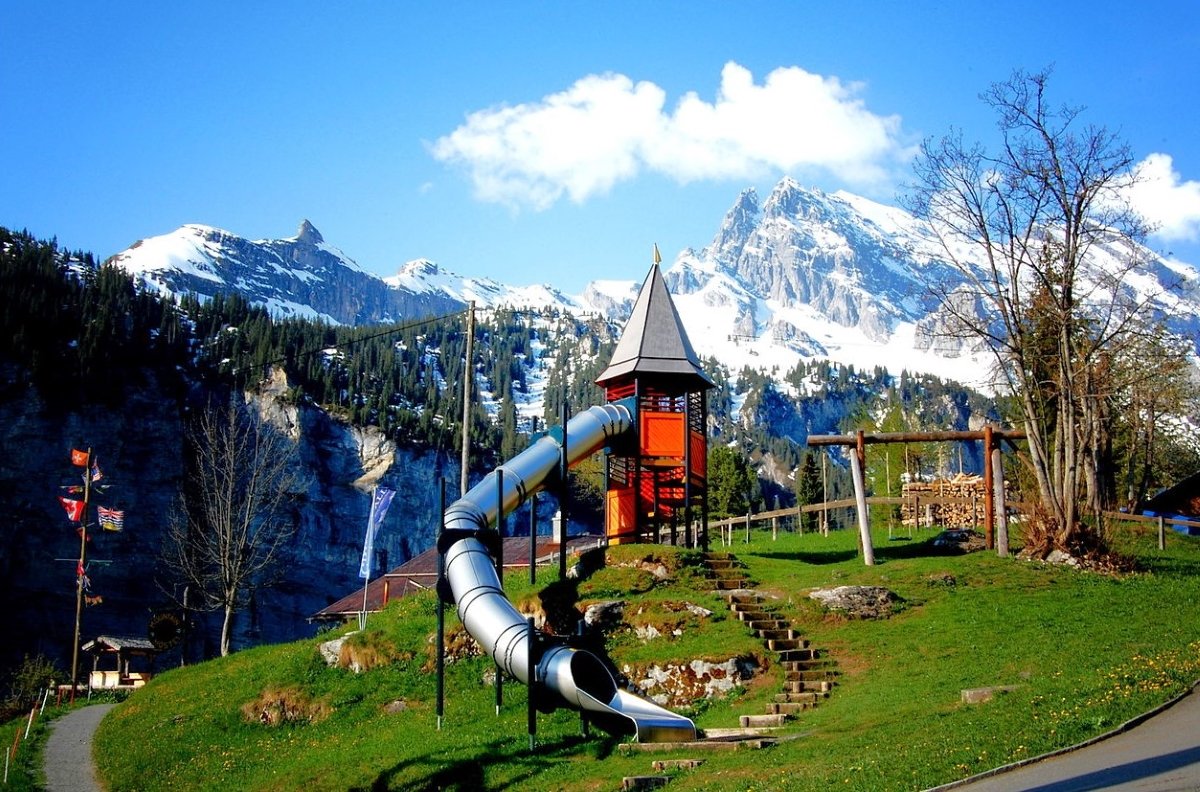
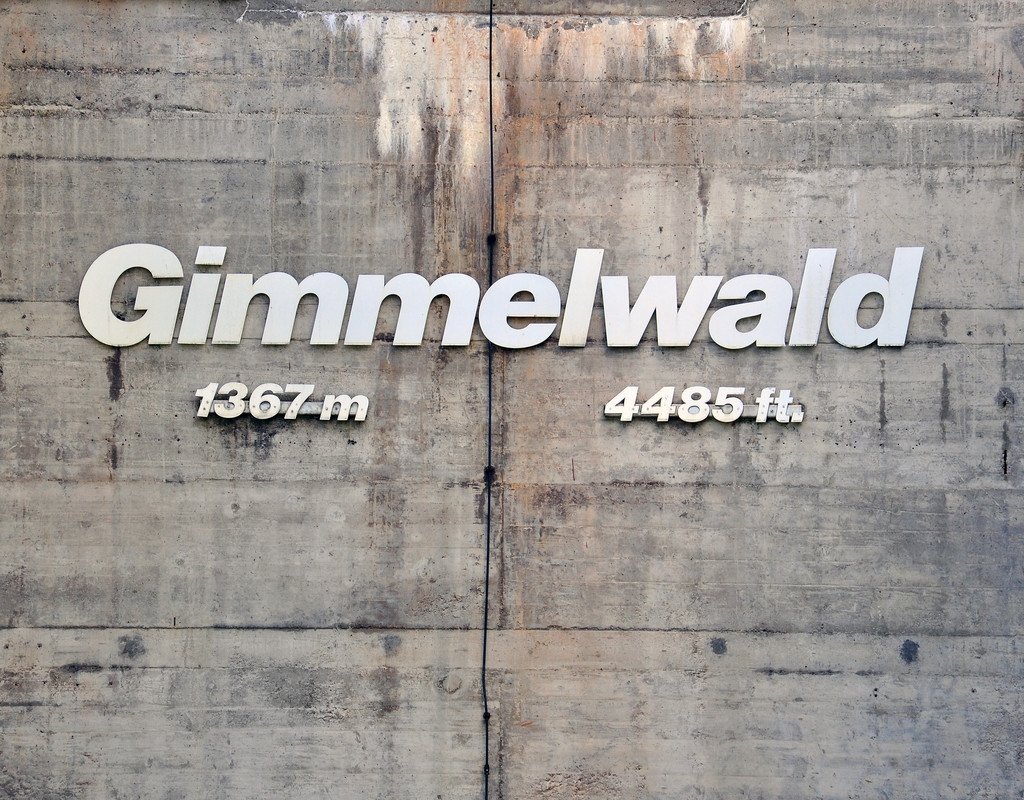
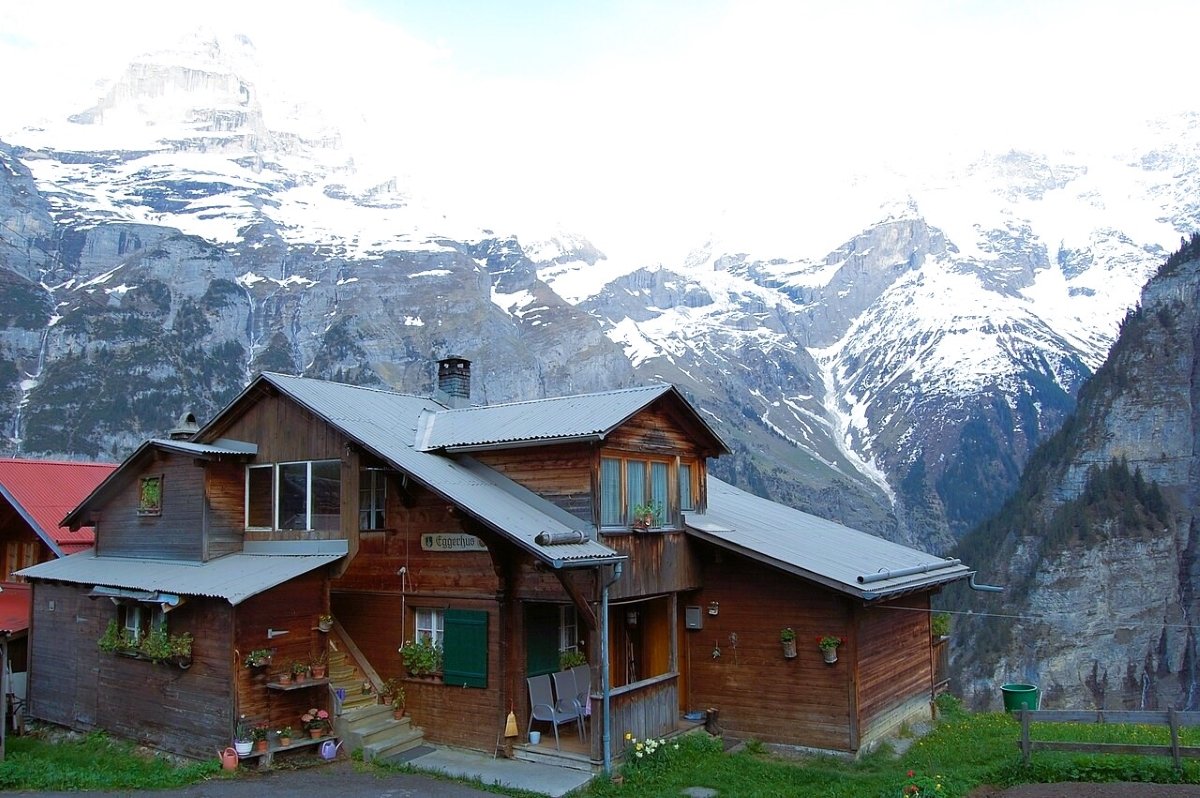
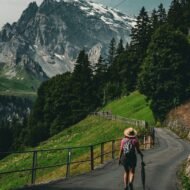
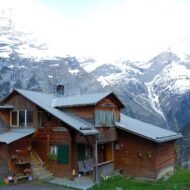
Situated on a mountain ledge in the Bernese Oberland, Gimmelwald is what happens when a village collectively decides that cars, mass tourism, and the 21st century can wait. Population: around 100. Vibe: pure mountain zen. This is where Swiss slow life meets jaw-dropping Alpine drama.
Interesting Facts Worth Mentioning at Dinner Parties
- Gimmelwald is car-free (like, actually car-free—not “restricted access” car-free)
- It’s been called “the world’s most spectacular village” by more than one travel writer who probably wept a little
- The village rejected ski resort development in the 1960s, choosing to stay small and real
- You’ll share mountain paths with more cows than people in summer; in winter, you’ll have the snow-covered trails mostly to yourself
Winter Weather: What to Actually Expect
Average Temperature (January): -2°C to 2°C (28°F to 36°F)
Real Talk: It’s cold. Like, properly cold. But it’s the kind of cold that makes hot chocolate taste like liquid gold and makes every fireside moment feel earned. Expect snow-covered everything, crisp mountain air that makes your lungs feel brand new, and visibility that (on clear days) will ruin you for city life forever. Pack serious layers, waterproof everything, and boots with actual grip.
At a Glance: What Makes This Place Special
Top Attractions/Things to Do (According to People Who’ve Been There):
- Ride the cable car to Schilthorn (yes, the James Bond mountain) for 360° views that’ll make you question every life choice that kept you away
- Hike the North Face Trail to Mürren (winter snowshoeing = next level)
- Just… sit. Seriously. Grab a bench, face the Eiger, and do absolutely nothing
- Visit the tiny church (it’s adorable and very Swiss)
- Cheese tasting at Mountain Hostel (because Swiss cheese in Switzerland hits different)
Outdoor Adventures: Winter hiking and snowshoeing trails galore, sledding for the young and young-at-heart, backcountry skiing for the brave, and star-gazing that’ll remind you light pollution is a crime.
Where to Stay (Without Breaking the Bank… Entirely)
Budget-Friendly:
- Mountain Hostel (around $30-50/night in dorms) – legendary among backpackers, run by a local family, communal dinners that create instant friends
- Pension Gimmelwald (from $80/night for doubles) – simple, clean, utterly charming
Mid-Range:
- Hotel Mittaghorn (from $120/night) – family-run, cozy rooms, breakfast with a view that costs $1000 elsewhere
Pro Tip: Book way ahead for winter. Seriously. This village has like five accommodation options total.
Shopping (Or Lack Thereof—In the Best Way)
This isn’t a shopping destination. There’s one tiny shop selling essentials, cheese, chocolate, and postcards. The nearest real shopping is in Lauterbrunnen or Interlaken. Honestly? It’s refreshing. Buy cheese. Buy chocolate. Call it a day.
Food Scene: What to Eat
Signature Dishes to Try:
- Rösti – Swiss hash browns that’ll ruin regular potatoes for you forever
- Fondue – obviously. You’re in Switzerland.
- Älplermagronen – Alpine macaroni with cheese, potatoes, and cream (yes, it’s as good as it sounds)
- Fresh mountain cheese – from cows you can literally see from your window
Where to Eat: The Mountain Hostel serves communal dinners (reserve ahead), Hotel Mittaghorn has a restaurant with local dishes, or grab supplies and cook in your accommodation. In winter, options are limited but what’s available is quality.
Local Traditions & Cultural Nuggets
- The village lives by the rhythm of the cable car schedule (last one down is around 6 PM—miss it and you’re staying overnight)
- Farming traditions run deep; respect the land, the animals, and the silence
- Church bells mark the hours—it’s your new clock
- Locals speak Swiss German (which even German speakers find challenging), but English is widely understood
- The community is protective of their way of life—be a respectful guest, not an intrusive tourist
Events & When to Visit
Winter Highlights:
- January-March: Peak winter quiet, best snow conditions
- Christmas/New Year: Some closures but magical if you’re there
- No big events—that’s kind of the point
Budget Considerations
Daily Budget (Winter):
- Budget traveler: $60-90 (hostel, self-catering, hiking)
- Mid-range: $150-200 (guesthouse, restaurants, cable car trips)
- Comfort: $250+ (hotel, dining out, mountain excursions)
Money-Saving Tips:
- Buy groceries in Lauterbrunnen before going up
- Swiss Travel Pass covers many cable cars (check before buying)
- Hike instead of taking every cable car
- Pack snacks (Switzerland prices are no joke)
Combo Trips: Where to Go Next
- Lauterbrunnen Valley (base of the cable car) – waterfall wonderland
- Mürren (connected by hiking trails) – slightly bigger village, still car-free
- Interlaken (30 min by cable car + train) – adventure sports central
- Bern (2 hours) – Switzerland’s charming capital
Sample 3-Day Winter Itinerary
Day 1: Arrive via Lauterbrunnen, settle in, short evening walk to get your bearings, early dinner at Mountain Hostel
Day 2: Morning snowshoe to Mürren, lunch there, afternoon cable car to Schilthorn (Bond museum + views), return for sunset in Gimmelwald
Day 3: Leisurely morning, hike the North Face Trail (if conditions allow), afternoon cheese and hot chocolate, evening stargazing
Nearest Major Airport & Getting There
Zurich Airport (ZRH) – 2.5-3 hours total
- Train to Lauterbrunnen (2 hours, easy connections)
- Cable car to Gimmelwald (5 minutes of pure magic)
Geneva Airport (GVA) – 3-3.5 hours
- Longer but scenic if you’re coming from that direction
Pro Tip: Swiss trains run like clockwork. Get a SBB Mobile app, book in advance for better prices, and enjoy possibly the world’s most scenic commute.
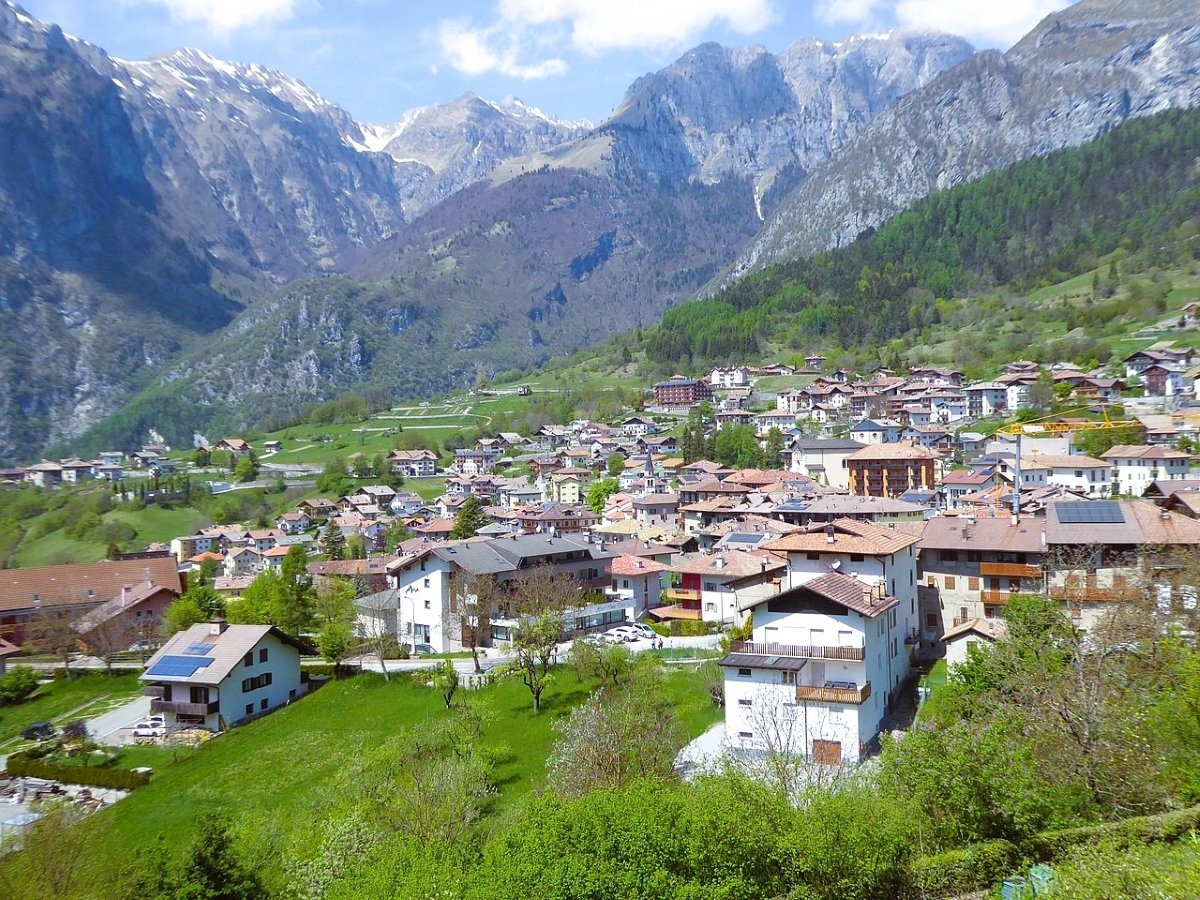
2. San Lorenzo in Banale, Italy – Trentino’s Best-Kept Secret (With Bears!)
The Vibe
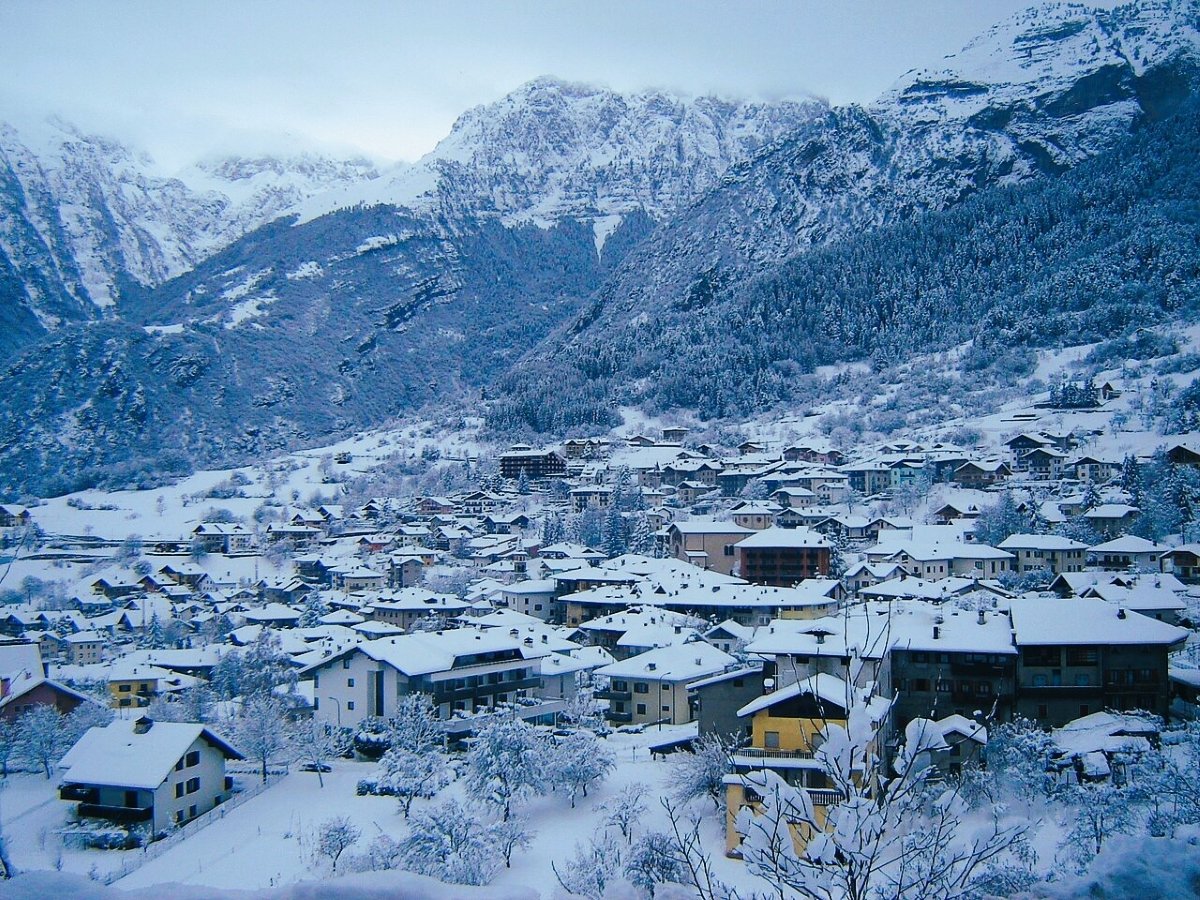
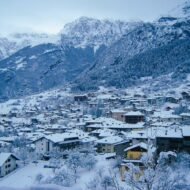
Located in the Adamello Brenta Natural Park in northern Italy’s Trentino region, San Lorenzo in Banale feels like stepping into a Renaissance painting where people still live normal lives. Stone houses, cobblestone alleys, mountain backdrop, and a local bear population (don’t worry, they’re shy). This is Italian dolce vita meets Alpine tranquility.
Interesting Facts Worth Mentioning at Dinner Parties
- It’s actually a cluster of seven hamlets (frazioni), each more photogenic than the last
- The area is prime brown bear habitat—Trentino has a rewilding success story happening
- Ancient water mills still dot the landscape
- It was named one of Italy’s “Most Beautiful Villages” (Borghi più belli d’Italia)
- The local stone architecture uses techniques from the 1400s
Winter Weather: What to Actually Expect
Average Temperature (January): -1°C to 6°C (30°F to 43°F)
Real Talk: Crisp and cold, but milder than the high Alps. You’ll get snow (sometimes a lot), but also sunny winter days that feel like gifts from the weather gods. It’s the kind of winter where you can hike in the morning and cozy up with wine by afternoon. Less brutal than Swiss mountains, more snow than coastal Italy. Pack layers, good boots, and a warm jacket.
At a Glance: What Makes This Place Special
Top Attractions/Things to Do (According to People Who’ve Been There):
- Wander the seven hamlets—Prato, Berghi, Senaso, etc.—each has its own character
- Visit the 16th-century water mills (some still functioning!)
- Hike in Adamello Brenta Natural Park (winter trails are stunning)
- Lake Molveno nearby (frozen in winter, surreal and beautiful)
- Explore medieval churches with original frescoes
- Bear-watching tours (spring/summer) or learn about conservation efforts
Outdoor Adventures: Snowshoeing through silent forests, winter hiking to mountain huts (rifugios), cross-country skiing, ice climbing for the adventurous, and photography ops that’ll fill your camera roll in an hour.
Where to Stay (Options for Every Budget)
Budget-Friendly:
- Agriturismos (farm stays) starting around €40-60/night – authentic, family-run, often include breakfast
- B&Bs in the villages (€50-80/night) – locally owned, personal touches
Mid-Range:
- Hotel Quadrifoglio in nearby Stenico (from €90/night) – comfortable, good base, local restaurant
- Albergo Ristorante Alpino (€80-110/night) – traditional mountain inn, great food
Splurge:
- Agritur Maso Naranc (€120-150/night) – beautiful farm stay with amazing food and views
Pro Tip: Many places close in deep winter (Nov-Dec), but Jan-March you’ll find hidden deals and locals with time to chat.
Shopping: What to Bring Home
- Local honey – the mountain flowers make it special
- Grappa – Italian firewater that’ll warm you from the inside
- Hand-carved wooden items – local artisans still do this
- Farm-fresh cheese from agriturismos
- Handmade textiles – small shops in the villages
There are no malls or tourist shops—just real stores selling real stuff. It’s wonderful.
Food Scene: What to Eat
Signature Dishes to Try:
- Carne salada – Trentino’s cured beef (different from bresaola, somehow better)
- Polenta with mountain cheese and porcini mushrooms – humble perfection
- Canederli (bread dumplings) in broth – winter comfort food at its finest
- Strangolapreti – spinach and bread gnocchi with butter and sage
- Strudel – both apple and ricotta versions (Austrian influence)
- Local wines – Teroldego and Marzemino from nearby valleys
Where to Eat: Most agriturismos offer meals (book ahead!), small trattorias in the villages serve honest, local food, or ask your hosts—they’ll point you to the spot only locals know.
Local Traditions & Cultural Nuggets
- Slow Food movement is strong here—quality over speed, always
- Traditional farming methods still practiced
- Local dialect is a mix of Italian and old Trentino-speak
- Water has cultural significance (mills, fountains, ancient irrigation)
- Community festivals centered around harvests, saints’ days, and seasons
- Respect for nature (and bears) is part of local identity
Events & When to Visit
Winter Events:
- Epiphany celebrations (Jan 6) – traditional befana (witch) folklore
- Carnival (Feb/Mar) – small but authentic local celebrations
- Christmas markets in nearby towns (December)
Note: This isn’t an events-driven destination. The event is life moving at a human pace.
Budget Considerations
Daily Budget (Winter):
- Budget traveler: €50-80 (agriturismo, self-catering some meals, hiking)
- Mid-range: €100-150 (B&B with breakfast, local restaurants, short drives for sightseeing)
- Comfort: €180+ (nice hotel, all meals out, activities and excursions)
Money-Saving Tips:
- Eat at agriturismos (better food, better prices than restaurants)
- Many hikes and village walks are free
- Buy picnic supplies from local producers
- Visit in January or March (shoulder season deals)
Combo Trips: Where to Go Next
- Lake Molveno (15 min) – stunning mountain lake
- Trento (45 min) – historic city with castles and museums
- Riva del Garda (1 hour) – where mountains meet Mediterranean vibes
- Dolomites (1-1.5 hours) – add Alta Badia or Cortina for variety
Sample 4-Day Winter Itinerary
Day 1: Arrive, check into agriturismo, walk through Prato and Berghi hamlets, dinner featuring carne salada
Day 2: Morning hike to Lago di Nembia (frozen in winter), afternoon visit water mills, evening at local trattoria
Day 3: Day trip to Lake Molveno and Andalo (ski if you want, or just enjoy views), return for agriturismo dinner
Day 4: Leisurely morning in Senaso, visit local cheese producer, lunch of canederli, afternoon drive to nearby medieval castles
Nearest Major Airport & Getting There
Verona Airport (VRN) – 1.5 hours
- Closest option, easy car rental
- Scenic drive through wine country
Milan Bergamo (BGY) – 2 hours
- Budget airline hub (Ryanair, etc.)
- Car recommended
Innsbruck Airport (INN) – 2 hours
- Coming from Austria, stunning route
Venice (VCE) – 2.5 hours
- Combine with a Venice visit, why not?
Pro Tip: A car is really helpful here. Public transport exists but is limited in winter. Drive carefully—mountain roads get icy.
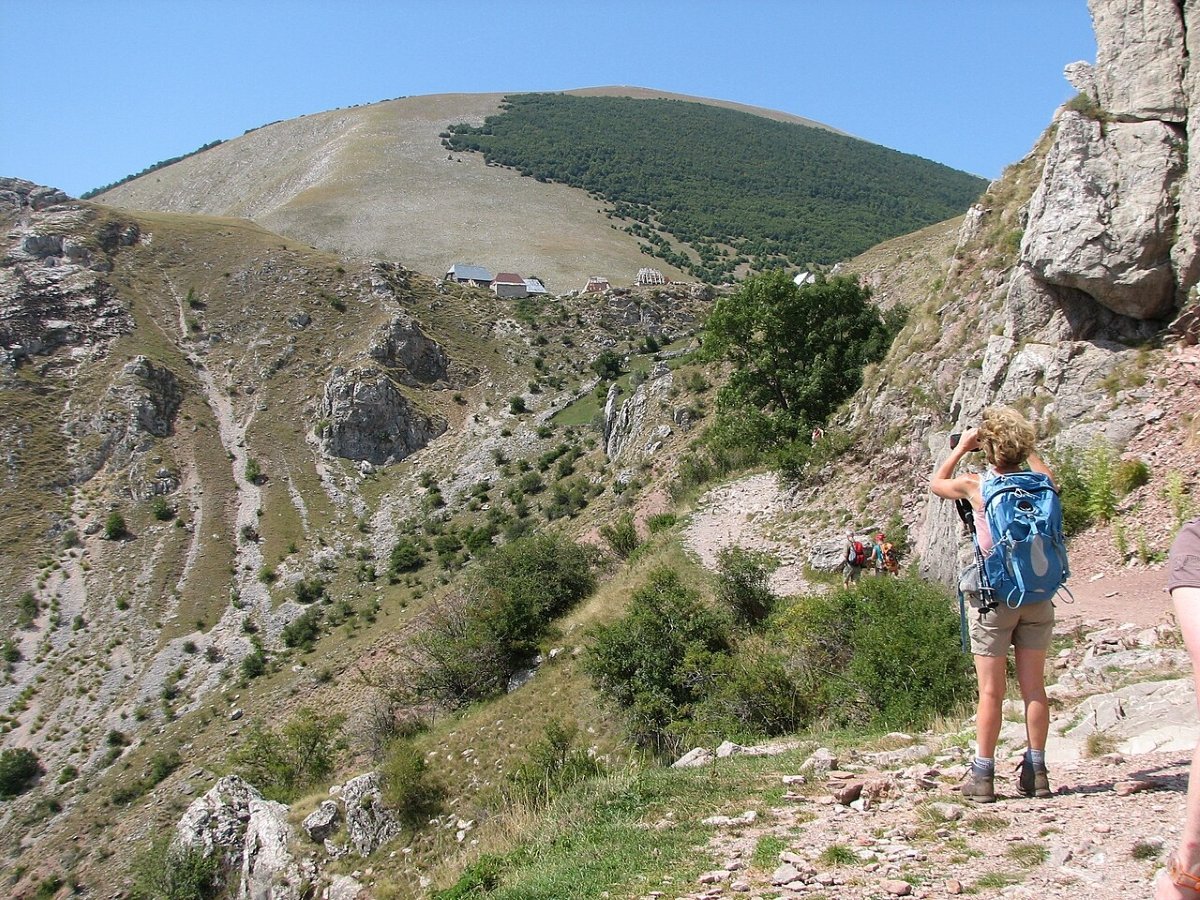
3. Lukomir, Bosnia and Herzegovina – Europe’s Highest (And Most Isolated) Village
The Vibe
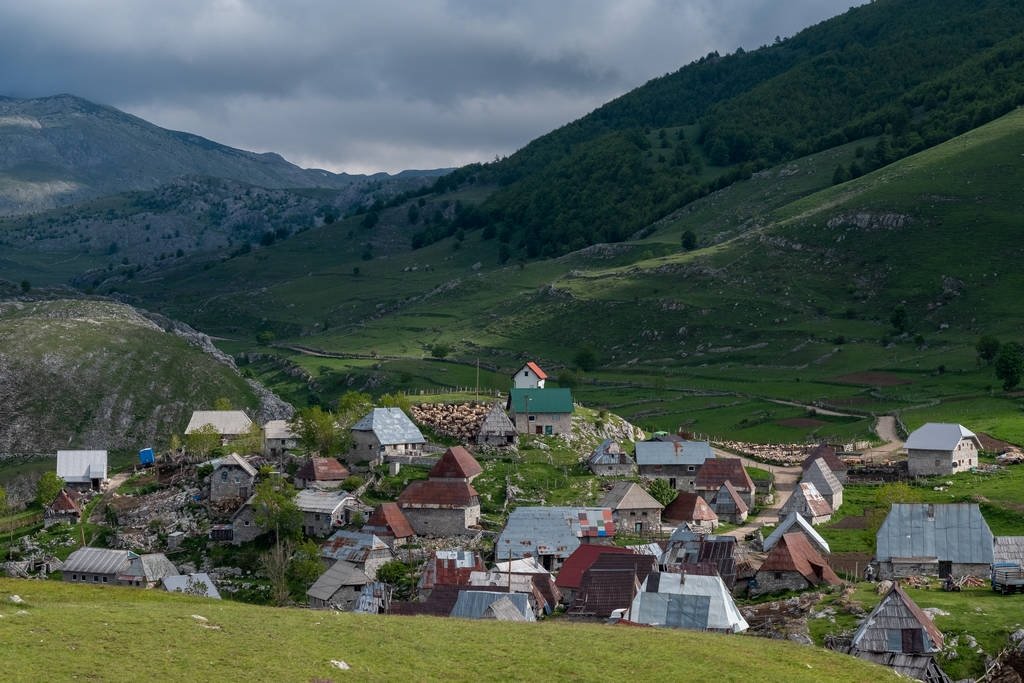
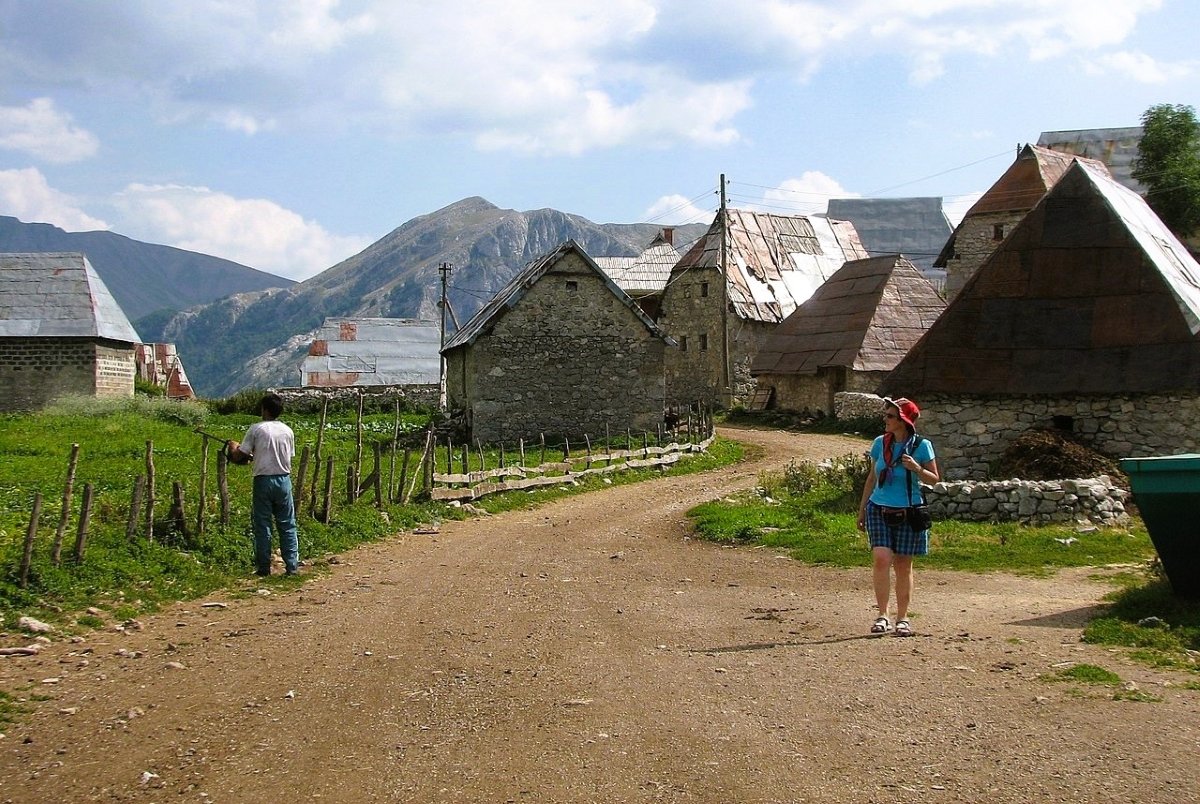
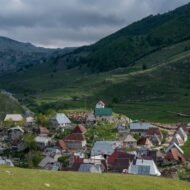
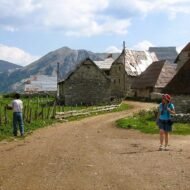
At 1,495 meters above sea level, Lukomir is Bosnia’s highest and most remote inhabited village. It’s also possibly the most time-warped place on this list. Stone houses with wooden roofs, traditional shepherd culture still very much alive, and landscapes so dramatic they feel like Middle Earth. This is for travelers who want authentic to the point of challenging—in the best possible way.
Interesting Facts Worth Mentioning at Dinner Parties
- Lukomir is the last remaining traditional highland village in Bosnia
- Houses are built from local stone using techniques unchanged for centuries
- The village is cut off by snow roughly November to April each year
- Women still wear traditional clothing daily (not for tourists—it’s just what they wear)
- Sheep outnumber people by a lot
- The Rakitnica Canyon nearby is one of Europe’s deepest river canyons
Winter Weather: What to Actually Expect
Average Temperature (January): -8°C to 0°C (18°F to 32°F)
Real Talk: This is proper, no-joke winter. Heavy snow, biting wind, temperatures that demand respect. The village is often inaccessible from late November through March/April—roads become impassable. If you’re planning a winter visit, you MUST check conditions and arrange transport with locals who know the terrain. That said, if you can get there in late January or early February, the snow-covered stone village with smoke rising from chimneys is otherworldly. This is adventure travel, not comfort travel.
At a Glance: What Makes This Place Special
Top Attractions/Things to Do (According to People Who’ve Been There):
- Experience genuine highland shepherd culture (talk to locals, learn about their way of life)
- Hike to the rim of Rakitnica Canyon (summer/early fall is better for this)
- Explore traditional stone houses and stecci (medieval tombstones)
- Stay overnight in a village home—total immersion
- Photography that’ll make your friends think you discovered a new country
- Learn about traditional wool processing from the women who still do it
Outdoor Adventures: In accessible seasons: serious hiking, canyon exploration, wild camping. In winter (if you can reach it): snowshoeing around the village, winter photography, and the kind of quiet that makes you hear your own thoughts.
Where to Stay (Limited But Memorable)
Village Homestays (€15-30/night per person): This is the main—and most authentic—option. Several families open their homes to travelers:
- Jusuf and Šefika’s home – most well-known, simple but warm
- Almira’s guesthouse – newer facilities while maintaining tradition
- Expect: simple rooms, shared bathrooms (often outdoor in summer!), wood-burning stoves for heat, meals included, and hospitality that’ll make you tear up a little
What to Know:
- Electricity is solar/generator (limited evening hours)
- No running hot water in most places (heated water for washing)
- Toilets are often outhouses (yes, even in winter)
- This is rustic authenticity—embrace it
Nearby Alternatives:
- Umoljani village (20 min hike) – slightly more accessible, similar vibe
- Sarajevo (2-3 hours) – if you need modern amenities between village visits
Shopping: What to Bring Home
- Hand-woven wool socks – made by village women, warm beyond belief
- Homemade cheese – ask your hosts, they likely make it
- Honey – from mountain wildflowers
- Hand-knitted items – sweaters, gloves, hats
- Rakija – homemade fruit brandy (slivovitz) that’ll strip paint
Buying directly from villagers supports their livelihood. There are no shops—it’s all person-to-person.
Food Scene: What to Eat
Signature Dishes to Try:
- Begova čorba – rich soup with chicken and okra
- Klepe – Bosnian dumplings (like ravioli but better, fight me)
- Pita/Burek – savory pastries with cheese, meat, or potato
- Cicvara – cornmeal porridge with cheese (shepherd fuel)
- Ajvar – roasted red pepper spread, life-changing
- Kačamak – another cornmeal dish with cheese and cream (you’ll need the calories in winter)
Where to Eat: Your host family will cook for you. That’s it. That’s the restaurant scene. And the food is better than 90% of restaurants you’ve been to because it’s made with ingredients from this valley, by people who’ve been cooking these dishes their whole lives.
Local Traditions & Cultural Nuggets
- This is a Muslim community with deep cultural traditions—dress modestly, respect prayer times
- Women wear dimije (traditional baggy pants) and marama (headscarves) daily
- Shepherding rhythms still govern life—people move with the seasons
- Oral traditions are strong (ask elders for stories if language permits)
- Coffee culture is serious—accept coffee when offered, drink it slowly, talk
- Generosity is a point of pride—expect to be offered more than you can possibly eat
Events & When to Visit
Best Times:
- June-September – village is accessible, weather mild, full cultural experience
- Late September-early October – fewer tourists, autumn colors, harvest time
- Winter (Jan-Feb) – only for the adventurous, confirm accessibility, magical but challenging
Events: No formal tourism events. Life itself is the event—shepherding, wool processing, bread baking, community gatherings.
Budget Considerations
Daily Budget:
- Budget traveler: €25-40 (homestay with meals, hiking, local transport)
- Mid-range: €50-70 (guided tour, homestay, some meals out in Sarajevo)
- Note: This is one of Europe’s most affordable authentic experiences
Money-Saving Tips:
- Homestays are already cheap and include meals
- Bring cash (euros or BAM) – no ATMs within miles
- Transport from Sarajevo can be pricey—share costs if possible
- Most activities (hiking, cultural exchange) are free
Combo Trips: Where to Go Next
- Sarajevo (2-3 hours) – Ottoman history meets Austro-Hungarian architecture
- Mostar (3 hours) – famous bridge, Turkish quarter, stunning old town
- Blagaj (3 hours) – monastery built into a cliff over a spring
- Konjic (1.5 hours) – bridge town with Tito’s bunker
Sample 2-Day Winter Itinerary (If Accessible)
Day 1: Early departure from Sarajevo with local guide/transport, arrive Lukomir (roads permitting), settle into homestay, explore village on foot, learn about winter life from hosts, traditional dinner, stories by the fire
Day 2: Morning snowshoe around village and to viewpoints, late morning coffee ceremony, pack lunch from hosts, afternoon return to Sarajevo
Note: In winter, even 2 days requires serious planning and flexibility. Weather can change plans instantly.
Nearest Major Airport & Getting There
Sarajevo International Airport (SJJ) – 60 km (but 2-3 hours by rough roads)
Getting There:
- 4×4/SUV essential in winter (if roads are passable at all)
- Hire local driver who knows the route (around €80-100 round trip)
- Some tour operators run trips from Sarajevo (€40-60 per person)
- In winter, confirm conditions multiple times before attempting
Pro Tip: Don’t try this alone in winter. Local knowledge isn’t optional—it’s survival. Contact homestays in advance; they can arrange transport.
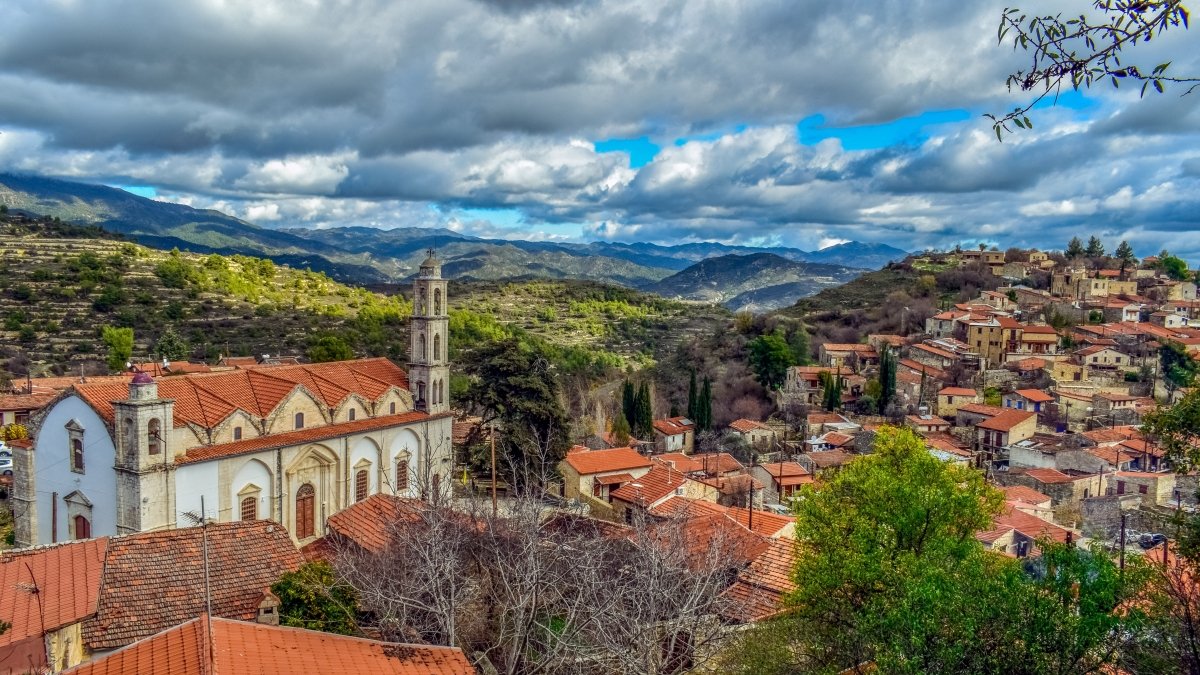
4. Lofou, Cyprus – Where Cyprus Hides Its Mountain Soul
The Vibe
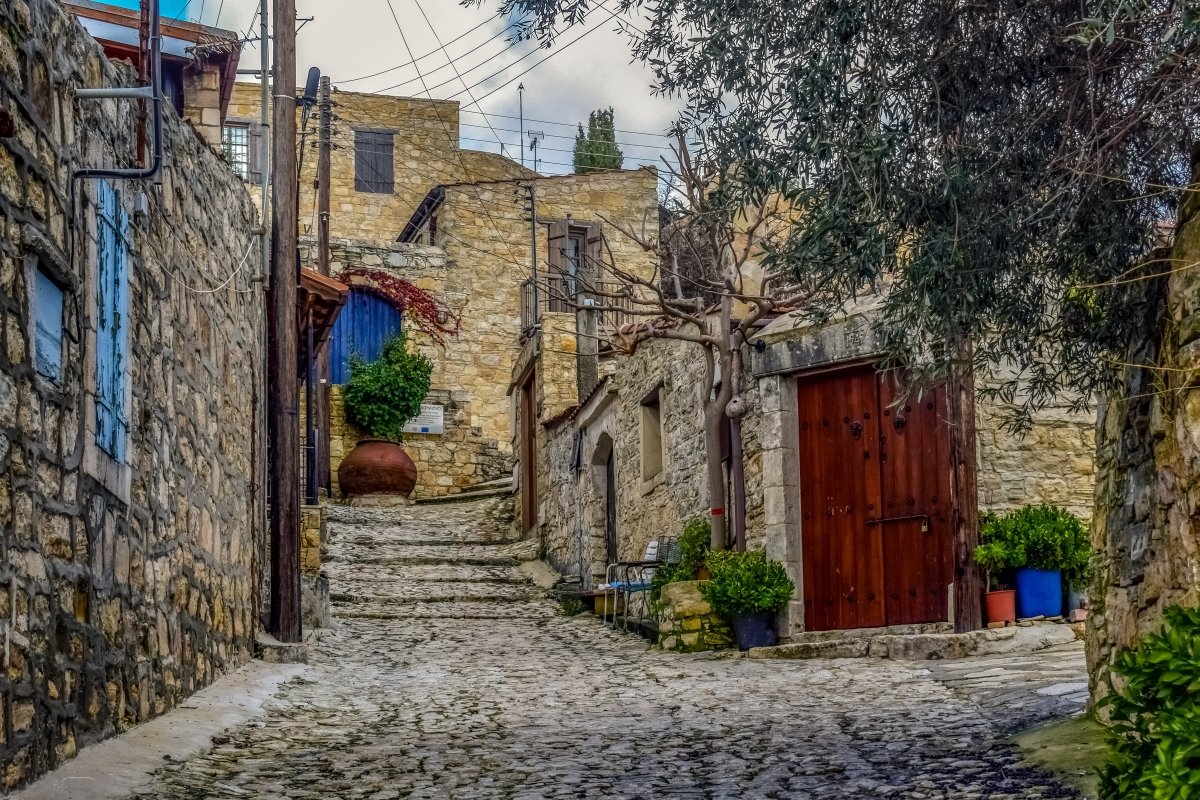
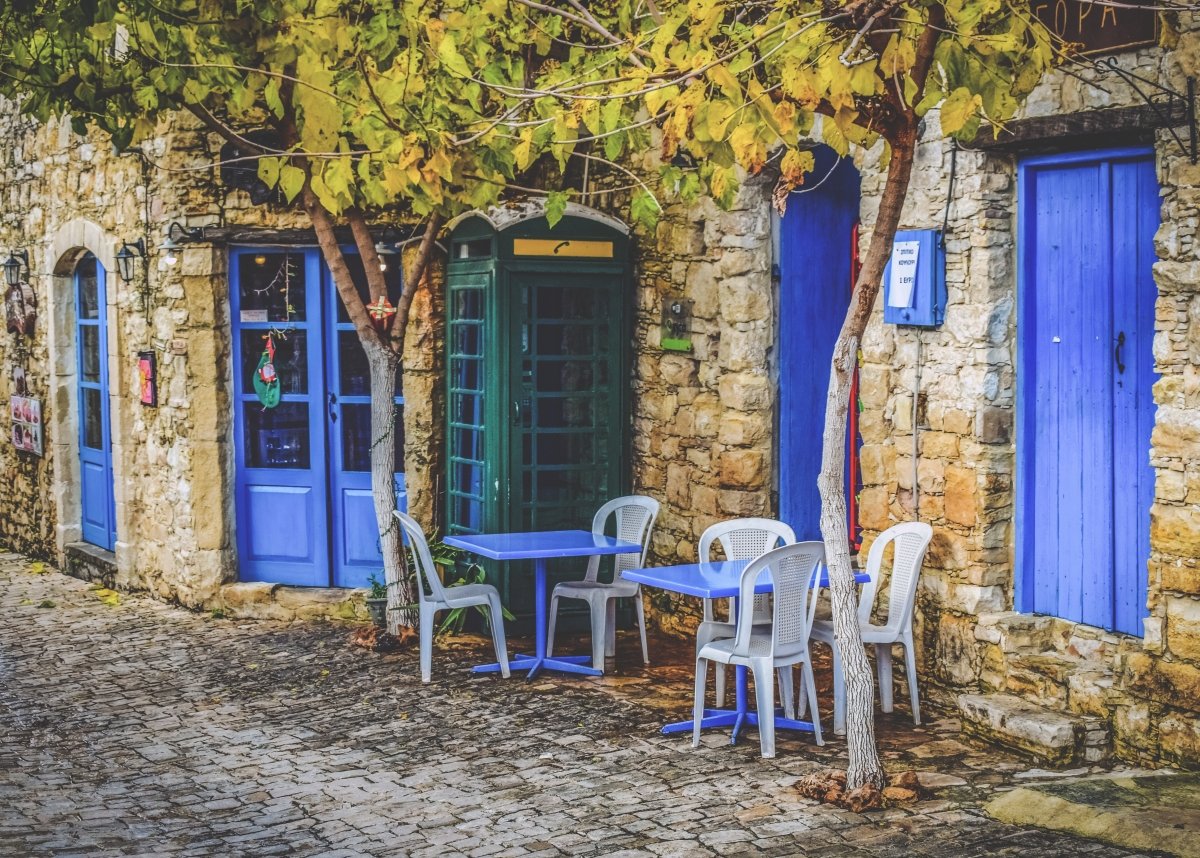
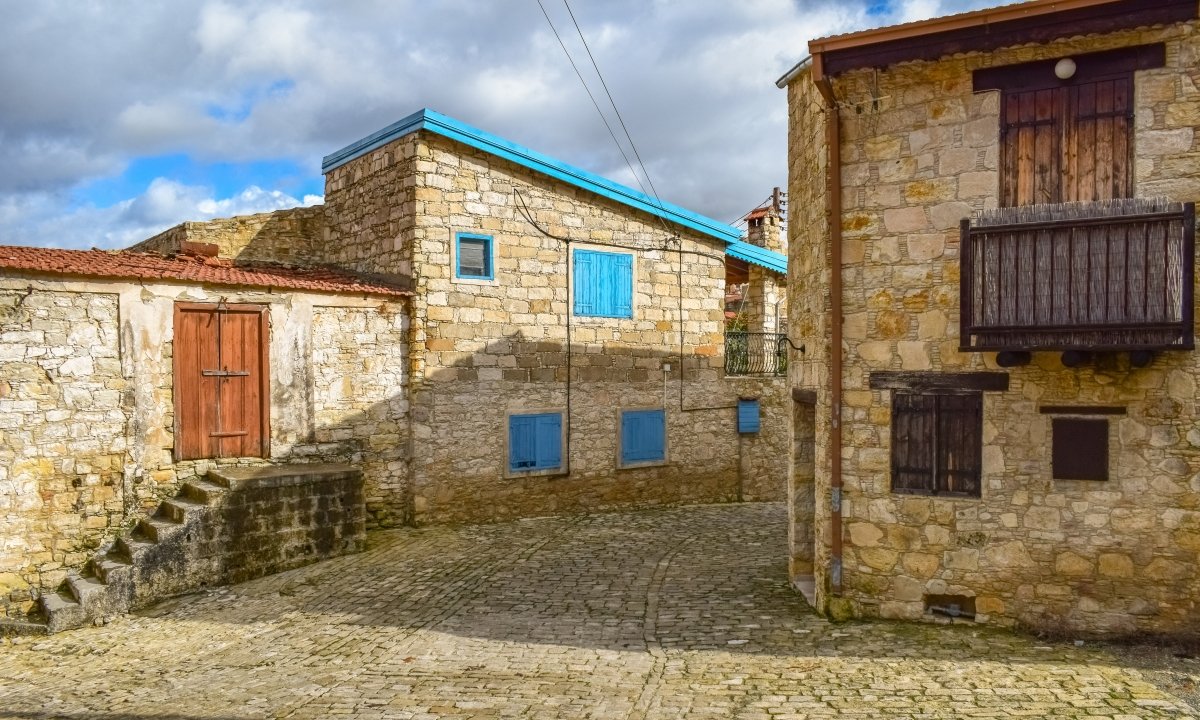
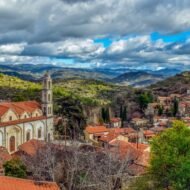
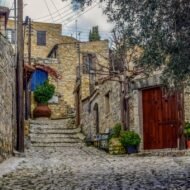
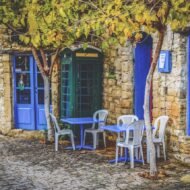
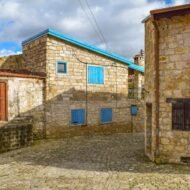
While everyone else is on Cyprus’s beaches, Lofou sits quietly in the Troodos Mountains, a perfectly preserved wine village where stone architecture meets Cypriot warmth. Think: warm honey-colored stone, winding medieval streets, grapevines everywhere, and locals who’ll adopt you after one conversation. This is Cyprus’s answer to Tuscany, but with halloumi.
Interesting Facts Worth Mentioning at Dinner Parties
- Lofou won the Europa Nostra award for architectural conservation
- The village was nearly abandoned in the 1970s, then lovingly restored
- Its name means “from the hill” in Greek
- Wine has been made here for over 4,000 years
- Population: around 160 people who’ve successfully kept it real
- It’s part of the UNESCO-recognized wine villages region
Winter Weather: What to Actually Expect
Average Temperature (January): 8°C to 15°C (46°F to 59°F)
Real Talk: Cyprus’s secret is that winter is gorgeous. Mild days, cool nights, occasional rain that makes everything smell like wild herbs, and zero humidity. You’ll need a jacket for evenings and mornings, but midday you might be in a long-sleeve shirt. Snow is rare in Lofou itself (it’s at 700m), though nearby Troodos peaks get it. This is Mediterranean winter—gentle, green, and perfect for exploring without sweating through your shirt.
At a Glance: What Makes This Place Special
Top Attractions/Things to Do (According to People Who’ve Been There):
- Get lost in the restored medieval quarter (you literally can’t get that lost—village is tiny)
- Visit traditional kafeneia (coffee shops) where locals play backgammon
- Wine tasting at local wineries—Commandaria is the world’s oldest named wine still in production
- Hike the Lofou Nature Trail through vineyards and olive groves
- Explore 16th-century Church of the Annunciation with original icons
- Take a pottery or weaving workshop with local artisans
- Visit the nearby villages—each has its own wine and character
Outdoor Adventures: Hiking through wine country, mountain biking, bird watching (winter migration!), foraging walks with locals, and photography in golden-hour light that lasts forever.
Where to Stay (From Cozy to Luxe)
Budget-Friendly:
- Traditional guesthouses in village homes (€40-70/night) – stone walls, wooden beams, local breakfast
- Airbnb rooms in restored houses (€35-60/night)
Mid-Range:
- Lofou Agrovino (€80-120/night) – restored village house, modern comfort, traditional style, run by lovely local family
- To Anamma Tou Vounioú (€70-100/night) – boutique-style traditional rooms
Splurge:
- Lofou Agrovino suites (€120-180/night) – upgraded rooms, some with fireplaces and mountain views
- Nearby boutique hotels in Troodos (€150-250/night)
Pro Tip: Book through local owners when possible. They’ll share insider tips and possibly invite you to family meals.
Shopping: What to Bring Home
- Commandaria wine – sweet dessert wine, Cyprus’s liquid gold
- Local olive oil – mountain-grown, peppery, excellent
- Handwoven textiles – some women still weave traditional patterns
- Pottery – Cypriot ceramics have distinct styles
- Zivania – Cypriot grappa, powerful and traditional
- Loukoumi (Cyprus delight) – local version of Turkish delight
- Herbs and spices – wild oregano, thyme from the hills
Small shops and artisan studios dot the village. Everything’s authentic, nothing’s mass-produced.
Food Scene: What to Eat
Signature Dishes to Try:
- Meze – the Cypriot version is 20+ small plates, pace yourself
- Kleftiko – slow-cooked lamb that falls off the bone
- Halloumi – but like, the real stuff, grilled fresh
- Stifado – rabbit or beef stew with wine and onions (winter perfect)
- Louvi – black-eyed peas with chard, simple and delicious
- Trahanas – fermented wheat and milk soup (winter comfort)
- Souvlaki – because Cyprus does it differently than Greece
- Commandaria wine-braised anything – local specialty
Where to Eat:
- Lofou Tavern – village’s main restaurant, traditional meze, locals eat here
- Vrachia Tavern (nearby village) – hidden gem, locals’ favorite
- Your guesthouse – many hosts cook if you arrange it
- Nearby Omodos (10 min) – more restaurant options
Local Traditions & Cultural Nuggets
- Wine is life – viticulture here predates most European civilizations
- Slow pace is cultural – rushing is for tourists; locals savored before it was trending
- Greek Orthodox traditions – churches are active, feast days celebrated
- Coffee culture – Cypriot coffee (similar to Turkish) is savored, never rushed
- Panigiri (village festivals) – often connected to saints’ days, involve food, music, dancing
- Generosity – expect to be offered fruit from someone’s tree, cake from someone’s kitchen
Events & When to Visit
Winter Events:
- Epiphany (Jan 6) – water blessing ceremonies in nearby villages
- Carnival (Feb/Mar) – Limassol (30 min away) has huge celebrations
- Wine festival season (late Jan/Feb in some villages) – smaller, local affairs
Best Time:
- January-March – mild, green, wildflowers, fewer tourists, real village life
- Almond blossom season (late Jan/early Feb) – hillsides turn pink-white
Budget Considerations
Daily Budget (Winter):
- Budget traveler: €40-70 (simple guesthouse, self-catering some meals, hiking, free village exploration)
- Mid-range: €80-130 (nice guesthouse, meals out, wine tasting, short drives)
- Comfort: €150-200+ (boutique stay, all meals at taverns, guided tours, spa treatments nearby)
Money-Saving Tips:
- Cyprus is affordable compared to Western Europe
- Meze lunches are better value than dinners
- Wine direct from producers is cheaper than shops
- Many hikes and village walks are free
- Rent a car (€20-30/day) to explore multiple villages
Combo Trips: Where to Go Next
- Omodos (5 km) – another wine village, slightly bigger, great restaurants
- Troodos (20 km) – mountain peak, skiing in winter, monasteries
- Limassol (30 km) – coastal city, old town, modern amenities
- Paphos (45 km) – archaeological sites, coastal beauty
- Kykkos Monastery (45 min) – most famous monastery in Cyprus
Sample 3-Day Winter Itinerary
Day 1: Arrive Lofou, settle into guesthouse, afternoon walk through village and nature trail, sunset from village square, dinner at Lofou Tavern
Day 2: Morning drive to Troodos (check for snow!), visit Kykkos Monastery, lunch in mountain village, afternoon back to Lofou for wine tasting, evening at guesthouse
Day 3: Morning in Omodos (monastery, wineries, shops), lunch at local tavern, afternoon pottery workshop or visit nearby villages, sunset meze back in Lofou
Nearest Major Airport & Getting There
Larnaca Airport (LCA) – 55 km, 1 hour drive
- Main international airport, most connections
- Easy car rental
Paphos Airport (PFO) – 45 km, 50 minutes
- Smaller, some European budget flights
- Scenic coastal route
Getting to Lofou:
- Car rental recommended (€20-35/day) – public transport is limited
- Taxi from Larnaca: €50-70
- Some guesthouses arrange pickup for a fee
Pro Tip: Driving in Cyprus is easy (left side, British colonial legacy), roads are good, and signage is in Greek and English. MORE READ..
5. Gnadenwald, Austria – The Tyrolean Village Instagram Hasn’t Found Yet
The Vibe
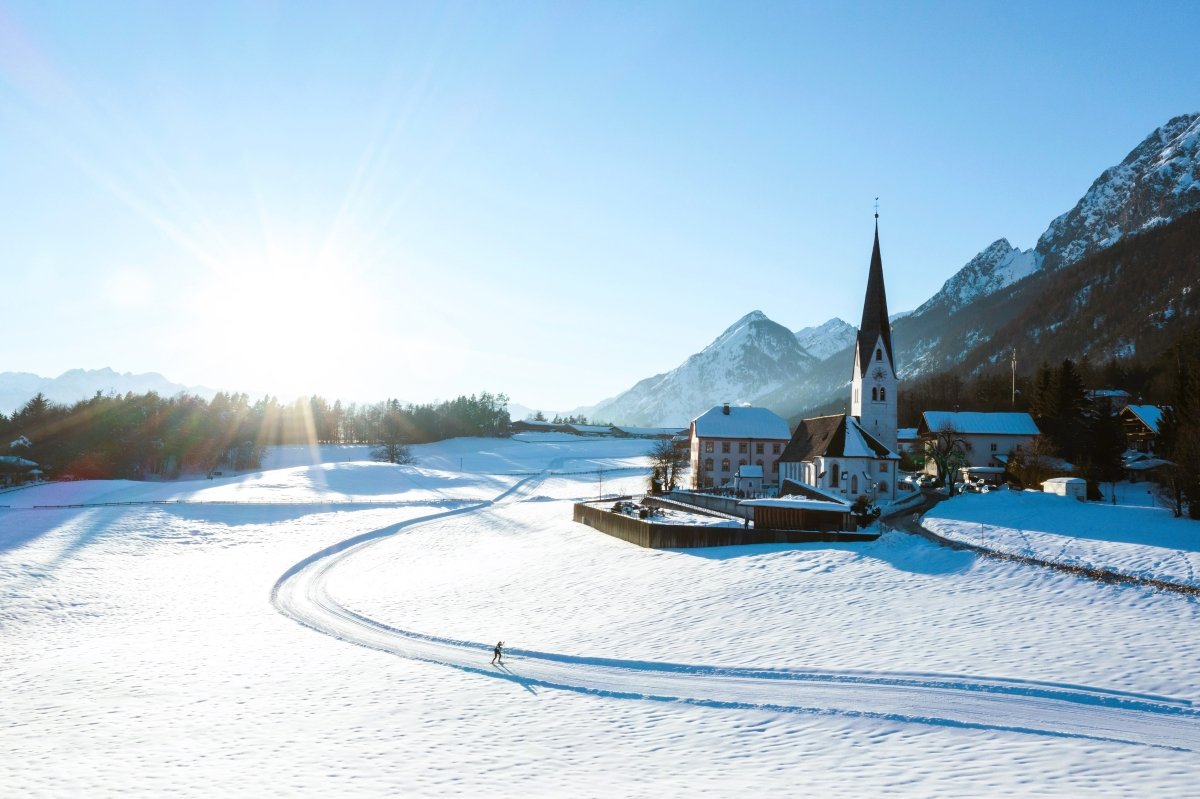
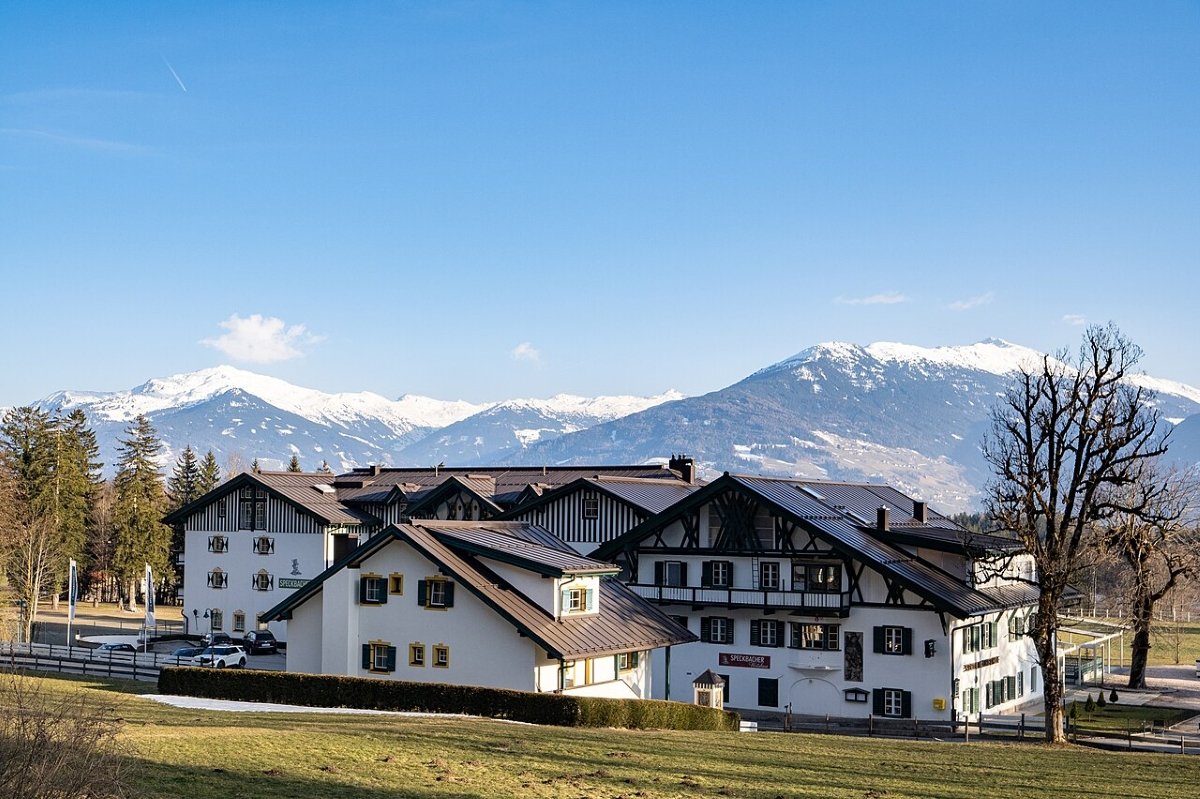
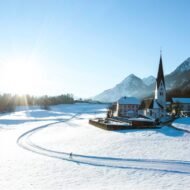
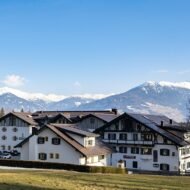
Just 15 minutes from Innsbruck but feeling light-years away, Gnadenwald is perched on a sunny terrace above the Inn Valley. Think: wooden chalets with geraniums (even in winter!), church bells echoing off peaks, locals in traditional dress on Sundays, and slopes that look airbrushed. This is Austria when Austria isn’t trying to impress anyone—which, ironically, is when it’s most impressive.
Interesting Facts Worth Mentioning at Dinner Parties
- “Gnadenwald” means “Forest of Grace” (poetic, right?)
- The village has a microclimate—it’s sunnier than surrounding areas
- Population: around 800 very friendly Tyroleans
- Local baroque church (dating to 1752) is a minor pilgrimage site
- The village sits at 900m elevation—perfect middle ground between valley and high Alps
- Traditional Alpine farming is still very much alive here
Winter Weather: What to Actually Expect
Average Temperature (January): -4°C to 3°C (25°F to 37°F)
Real Talk: Classic Alpine winter. Cold, snowy, but with more sunny days than you’d expect (that microclimate working its magic). Mornings are crisp and often clear, afternoons can warm up nicely, evenings get properly cold. Snow coverage is reliable but not overwhelming like higher villages. Expect Christmas card-worthy scenes: smoke from chimneys, icicles on wooden eaves, and mountains so white they hurt to look at. Pack for layering and bring sunglasses—winter sun on snow is intense.
At a Glance: What Makes This Place Special
Top Attractions/Things to Do (According to People Who’ve Been There):
- Hike to Hecherhaus mountain hut (winter snowshoe version is magical)
- Visit the pilgrimage church of Mary—baroque beauty with valley views
- Explore Gnadenwald Gorge (Gnadenwalder Klamm) if accessible (check winter conditions)
- Cross-country ski on local trails
- Take the Innsbruck Card and visit city attractions while based in peace
- Simply walk through the village—every street is postcard-worthy
- Evening sledding (some locals will lend sleds if you ask nicely)
Outdoor Adventures: Snowshoeing, winter hiking, cross-country skiing, backcountry skiing for experienced folks, tobogganing, and easy access to larger ski areas nearby (Nordkette, Glungezer).
Where to Stay (Tyrolean Coziness Awaits)
Budget-Friendly:
- Guesthouses (Pension/Gasthof) (€50-80/night for doubles) – family-run, breakfast included, often half-board options
- Apartments (€60-100/night) – good for longer stays, kitchen facilities
Mid-Range:
- Landgasthof Bogner (€80-120/night) – traditional inn, excellent restaurant, sauna
- Alpengasthof Gnadenwald (€90-130/night) – mountain views, half-board available, very Tyrolean
Splurge:
- Boutique chalets (€150-250/night) – modern Alpine luxury, some with private saunas
- Innsbruck hotels (10 min away) – if you want city amenities with village day trips
Pro Tip: Half-board (breakfast + dinner) is common and often great value. Austrian hospitality means you’ll eat very well.
Shopping: What to Bring Home
- Tyrolean schnapps – local fruit brandies (apricot, pear, rowan berry)
- Speck – Tyrolean smoked ham, vacuum-packed travels well
- Alpine cheese – from local dairies, try Bergkäse
- Hand-carved wooden items – Christmas ornaments, kitchen tools
- Dirndl or Lederhosen accessories (if you’re into traditional wear)
- Local honey – mountain wildflower varieties
- Swarovski crystal – made in nearby Wattens, outlet store is close
Innsbruck is 15 minutes away for serious shopping, but the village has small shops with local products.
Food Scene: What to Eat
Signature Dishes to Try:
- Tiroler Gröstl – fried potatoes with pork and onions, topped with a fried egg (hangover cure par excellence)
- Käsespätzle – cheese noodles, simple and dangerous
- Wiener Schnitzel – breaded veal or pork cutlet, done properly here
- Schlutzkrapfen – Tyrolean ravioli with spinach or sauerkraut filling
- Apfelstrudel – warm, with vanilla sauce, life-changing
- Kaiserschmarrn – shredded pancake with plum compote (dessert or meal? Yes.)
- Game dishes – venison, wild boar in winter months
- Germknödel – steamed dumpling with plum jam and poppy seeds
Where to Eat:
- Landgasthof Bogner – local favorite, traditional menu
- Alpengasthof Gnadenwald – hearty Tyrolean fare, portions are generous
- Your guesthouse – half-board dinners are often multi-course and delicious
- Innsbruck – 15 min away for variety (but you’ll eat better in the village, honestly)
Local Traditions & Cultural Nuggets
- Catholic traditions run deep—churches are well-attended, holidays are celebrated
- Tracht (traditional dress) is worn for festivals and Sundays by some locals
- Gemütlichkeit isn’t just a word—it’s a lifestyle (cozy, convivial, unhurried)
- Mountain blessing ceremonies in summer (pray for safe hiking season)
- Music culture – brass bands, zither, folk songs at gatherings
- Locals are reserved but warm up quickly if you show genuine interest
- Coffee and cake (Kaffee und Kuchen) is a sacred afternoon ritual
Events & When to Visit
Winter Events:
- Epiphany/Three Kings’ Day (Jan 6) – carol singers, church services
- Fasching (Carnival, Feb/Mar) – parades, costumes, traditional masks in nearby villages
- New Year – fireworks over the valley, though quieter than Innsbruck
- Weekly farmers’ markets in Innsbruck (year-round)
Best Time:
- January-February – peak winter, best snow, fewer tourists than ski resorts
- Christmas season – magical if you don’t mind higher prices
Budget Considerations
Daily Budget (Winter):
- Budget traveler: €60-90 (pension with breakfast, self-catering some meals, hiking, bus to Innsbruck)
- Mid-range: €100-150 (guesthouse half-board, occasional restaurant, local activities)
- Comfort: €170-250 (boutique stay, dining out, ski day trips, spa treatments)
Money-Saving Tips:
- Half-board deals save money vs. eating out every meal
- Innsbruck Card (€59/72hrs) covers public transport, cable cars, museums
- Hike and snowshoe (free!) rather than paying for ski lifts daily
- Shop at Innsbruck supermarkets for picnic supplies
- Stay longer (weekly rates often cheaper)
Combo Trips: Where to Go Next
- Innsbruck (10 km) – Tyrolean capital, Olympic city, museums, old town
- Hall in Tirol (15 km) – medieval mint town, beautiful old town
- Swarovski Crystal Worlds (Wattens, 20 km) – bizarre, beautiful art installation
- Achensee (45 min) – Tyrol’s largest lake, winter sports
- Stubai Glacier (1 hour) – year-round skiing
Sample 4-Day Winter Itinerary
Day 1: Arrive, settle into guesthouse, afternoon village walk to church and gorge entrance, evening traditional dinner at Landgasthof Bogner
Day 2: Morning snowshoe hike to Hecherhaus hut (3-4 hours round trip), lunch at hut, afternoon relax/sauna at accommodation, evening half-board dinner
Day 3: Day trip to Innsbruck—Nordkette cable car (included with Innsbruck Card), old town, coffee and cake at a traditional café, return to Gnadenwald for quiet evening
Day 4: Morning cross-country ski or winter walk, lunch in village, afternoon visit Swarovski or Hall in Tirol, farewell dinner featuring Kaiserschmarrn
Nearest Major Airport & Getting There
Innsbruck Airport (INN) – 15 km, 20 minutes
- Small but well-connected, seasonal flights from major European cities
- Taxi: €30-40
- Bus possible but infrequent to Gnadenwald directly
Munich Airport (MUC) – 180 km, 2 hours
- Larger hub, more international connections
- Train to Innsbruck (1.5 hrs), then bus/taxi to Gnadenwald
- Or rent a car (scenic drive)
Getting to Gnadenwald:
- Bus 4134 from Innsbruck (check winter schedules, infrequent)
- Taxi from Innsbruck: €25-35
- Rental car recommended for flexibility (€25-40/day)
Pro Tip: Innsbruck is so close that you can easily base in Gnadenwald and still access city attractions. Best of both worlds.
Recap: Your Slow Life Village Cheat Sheet
Let’s bring it home. You’ve just vicariously traveled to five corners of Europe that most people scroll past. Here’s the quick-hit comparison to help you choose your vibe:
Choose Gimmelwald if: You want next-level Alpine drama, don’t mind rustic, and believe Wi-Fi is overrated. Perfect for: hikers, photographers, people recovering from burnout.
Choose San Lorenzo in Banale if: You want Italian charm meets mountain peace, with bears (at a distance) and exceptional food. Perfect for: foodies, culture lovers, families wanting authentic Italy.
Choose Lukomir if: You’re ready for real adventure, want cultural immersion that challenges your comfort zone, and aren’t afraid of outhouses. Perfect for: hardcore travelers, anthropology nerds, photographers who want shots no one else has.
Choose Lofou if: You want winter sun, ancient wine culture, easy accessibility, and Mediterranean warmth (weather and people). Perfect for: wine lovers, history buffs, people wanting “off-season Cyprus.”
Choose Gnadenwald if: You want quintessential Alpine Austria, easy day trips to Innsbruck, and Tyrolean charm without tourist hordes. Perfect for: winter sports enthusiasts, culture and nature lovers, people wanting Austria’s greatest hits plus peace.
The Common Thread? Every single one of these villages offers what money can’t usually buy: time moving at a human pace, real connections with locals, and the chance to remember what travel felt like before it became content creation.
Disclaimer (The Honest Part)
Weather happens: All temperature and condition info is based on averages. Climate’s getting weird everywhere. Check current conditions before traveling, especially for winter visits to remote villages.
Things change: Villages evolve. Businesses close, new ones open, prices increase, roads get upgraded (or don’t). The information here was accurate as of January 2026, but always verify current details, especially for winter accessibility.
Winter access varies: Some of these villages (looking at you, Lukomir) can become genuinely inaccessible in winter. Don’t show up without confirming conditions and arranging proper transport. “I read it on the internet” isn’t a rescue plan.
You’re a guest: These are living communities, not theme parks. Respect local customs, privacy, religious practices, and property. Take photos of landscapes generously, photos of people sparingly and with permission.
Budget ranges are estimates: Your spending habits, exchange rates, seasonal pricing, and definition of “mid-range” might differ from mine. Use these as guidelines, not guarantees.
English proficiency varies: In smaller villages, expect less English than in cities. Download translation apps, learn basic phrases, embrace miscommunication as part of the adventure.
Accessibility considerations: Many of these villages have steep streets, cobblestones, limited wheelchair access, and facilities that weren’t built with modern accessibility standards. If you have mobility concerns, research and contact accommodations directly.
Medical facilities: Remote villages have limited or no medical facilities. Travel insurance isn’t optional—it’s essential. Bring any necessary medications and basic first aid.
This isn’t sponsored content: No villages, hotels, or restaurants paid for inclusion. These are genuine recommendations based on research and the experiences of travelers who’ve been there. Your experience may vary, and that’s okay—travel is personal.
Most importantly: These villages’ magic comes from their realness. They’re not preserved museums; they’re home to people living their lives. If you visit, contribute positively—spend money locally, follow local guidance, leave no trace, and remember that “slow life” means your schedule isn’t the priority.
Final Thoughts (Before You Start Planning)
If you’ve read this far, you’re probably the exact kind of traveler these villages deserve. You’re looking for something real. Something that doesn’t need a filter to look good. Something that fills up your soul instead of just your camera roll.
Here’s what no one tells you about slow travel: it’s hard at first. You’ll feel like you should be doing more. Seeing more. Checking off more boxes. Your social media brain will whisper that just sitting in a village square watching life happen isn’t enough.
But give it a day. Maybe two.
Then you’ll start noticing the way light hits stone at 4 PM. You’ll remember the name of the woman who makes the cheese. You’ll have an actual conversation with another human that isn’t about where you’re from or where you’re going. You’ll stop Googling “things to do” and start just… being.
That’s when these villages work their magic.
Winter makes it even better. Fewer tourists means locals have time to talk. Cold weather means fires, hearty food, and conversations that last. The landscapes are quieter but somehow more honest—no summer crowds, no performance, just mountains and stones and smoke and you.
So pick a village. Book the ticket. Pack warm. Leave room in your itinerary for nothing at all.
And when you’re there, sitting in some tiny café nursing a coffee that cost less than a latte back home, watching snow fall or sun set or locals argue about backgammon—that’s when you’ll get it.
You didn’t escape real life.
You found it.
Ready to slow down? Your next favorite place is waiting. (It might take you a while to get there. That’s kind of the point.)
Safe travels, friend. Take your time. You’ve got nowhere else to be.