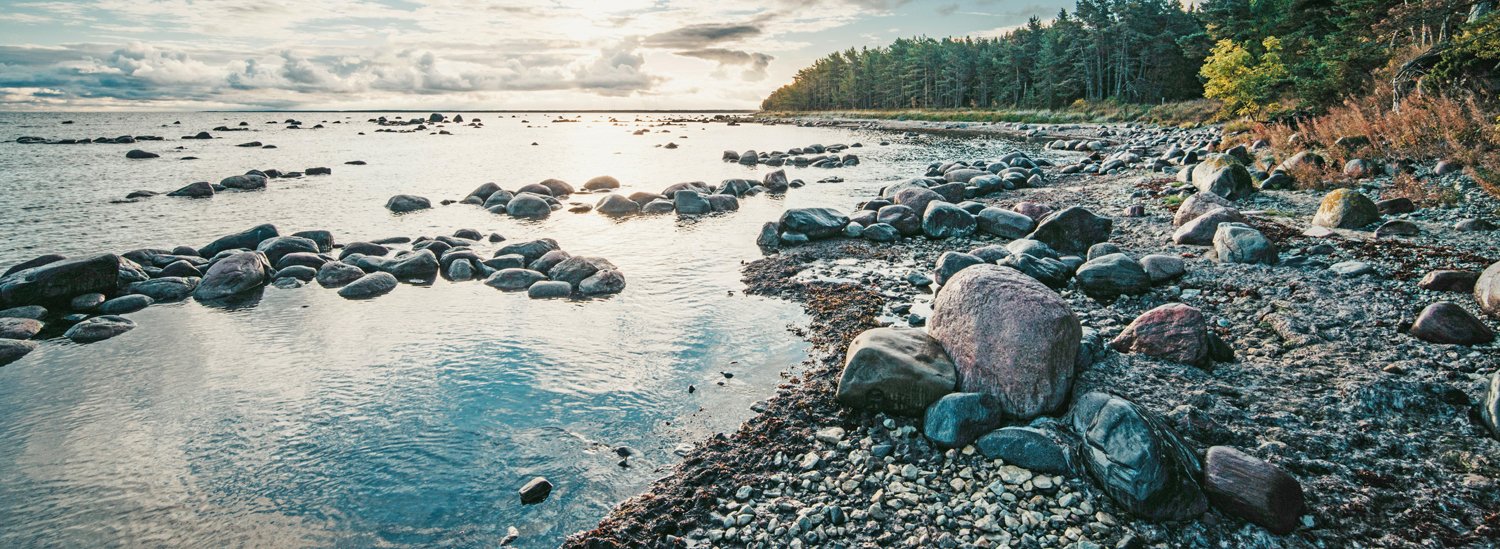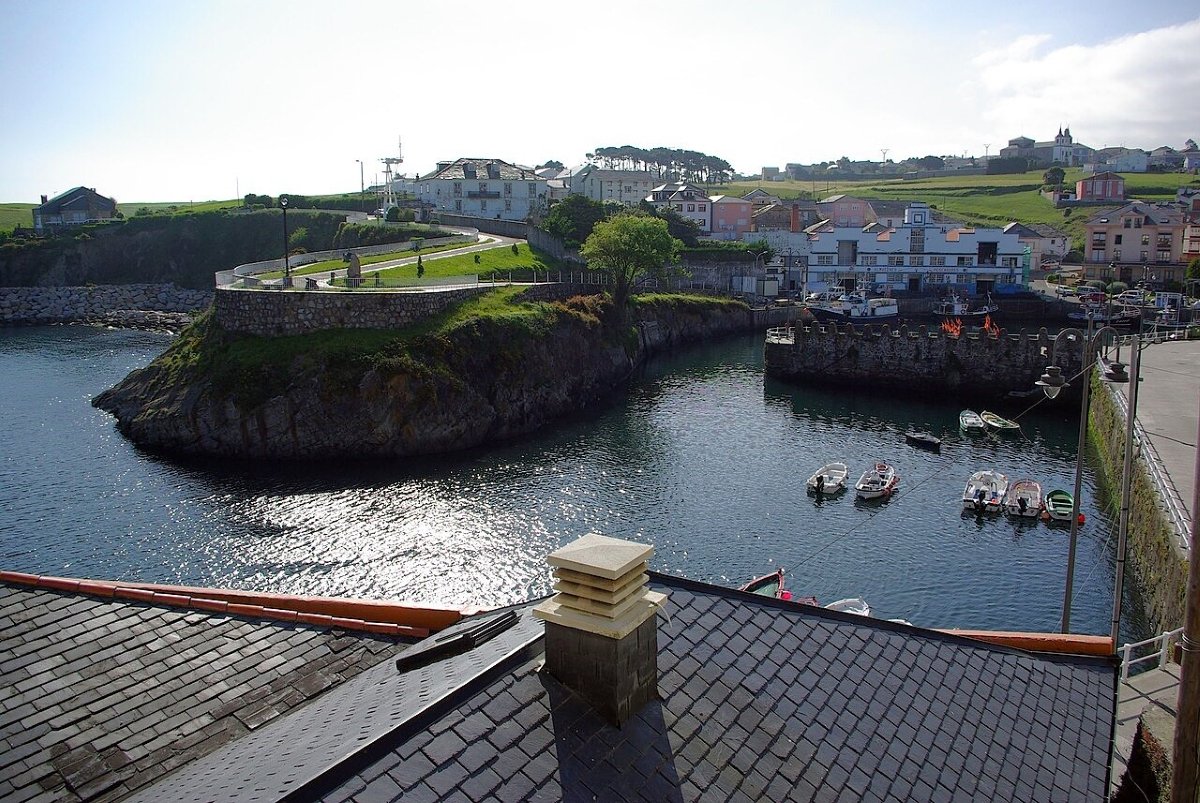


Picture this: you’re cycling down a sun-drenched path, salt marshes stretching endlessly on one side, charming white-washed villages dotting the landscape on the other. Welcome to Île de Ré, a slice of Atlantic paradise that’s become France’s most beloved cycling destination.
- Why Île de Ré Will Steal Your Heart
- Getting There and Getting Around
- Village Hopping on Two Wheels: Where to Pedal and Ponder
- The White Gold & Beyond: Must-Do Cycling Adventures
- Île de Ré Attractions:
- The Salt Marshes: Where Land Meets Sea
- Island Adventures on Land
- The White Gold & Beyond: Must-Do Cycling Adventures
- Culinary Delights: Tastes of the Atlantic
- Festivals and Island Events
- When to Visit: Timing Your Island Adventure
- Where to Stay: From Luxury to Local
- Practical Adventure Planning
- Hidden Gems and Secret Adventure Spots
- Making the Most of Your Island Adventure
This crescent-shaped island off the coast of La Rochelle isn’t just another pretty French destination – it’s a place where time slows down, where the biggest decision of your day is whether to stop for oysters or paddle out for a sunset kayak session, and where your trusty bicycle becomes your passport to pure bliss.
Why Île de Ré Will Steal Your Heart
Why Île de Ré and Why a Bike?
Let’s be real, some destinations beg for a car. Île de Ré isn’t one of them. With over 100km of pancake-flat cycle paths crisscrossing the entire island, often separated from car traffic, cycling isn’t just a mode of transport – it’s the best way to soak it all in. From tiny hamlets to bustling harbors, serene salt pans to wild beaches, every corner of this island is effortlessly accessible by bike. It’s perfect for families, seasoned cyclists, or even those who haven’t ridden a bike since childhood. Plus, with bike rental shops in virtually every village, getting your hands on a trusty steed (or even an e-bike for a little extra oomph!) is a breeze.
The island stretches 30 kilometers from east to west but never exceeds 5 kilometers in width, making it perfectly sized for exploration without feeling overwhelming. What makes this place truly special isn’t just its size – it’s the careful preservation of its character. Strict building regulations mean every structure sports the signature white walls and red clay tiles, creating a visual harmony that photographers dream about.
The Atlantic Ocean has shaped every aspect of life here, from the salt marshes that produce some of France’s finest fleur de sel to the pristine beaches that serve up world-class conditions for surfing, windsurfing, and kitesurfing. Unlike many coastal destinations that feel touristy, Île de Ré maintains an authentic working-island atmosphere where local fishermen still bring in their daily catch and salt workers tend their ancient pans.
Getting There and Getting Around
The Pont de Ré connects the island to La Rochelle on the mainland. Toll costs vary by season – expect to pay around €16 in peak summer, but it’s free from October to March. Pro tip: arrive early in summer to avoid bridge traffic.
You can take the TGV to La Rochelle, then bus line 3 directly to the island. The journey from Paris takes about 3.5 hours total.
Here’s where Île de Ré truly shines – this is cycling country. Over 100 kilometers of dedicated bike paths crisscross the island, most completely separate from roads. Bike rental shops are everywhere, with standard bikes starting around €12 per day. Electric bikes (perfect for headwinds) cost about €25 daily.
Cars are allowed but honestly unnecessary. Parking is limited and expensive in summer, plus you’ll miss the island’s greatest pleasure – that gentle rhythm of pedaling through landscapes that change from salt marshes to pine forests to seaside villages.
Village Hopping on Two Wheels: Where to Pedal and Ponder
Each of Île de Ré’s ten villages has its own unique personality, and the joy is discovering them at your own pace.
- Saint-Martin-de-Ré: The island’s unofficial capital, a UNESCO World Heritage site, and a vibrant hub. Its star-shaped fortifications, charming port teeming with boats, and lively streets filled with boutiques and eateries make it an essential stop. Climb the bell tower for panoramic views, or simply people-watch from a café terrace.
- La Flotte-en-Ré: Often called Saint-Martin’s charming younger sibling, La Flotte is a “Plus Beaux Villages de France” recipient. Its medieval-inspired market, picturesque harbor, and 18th-century houses are pure postcard perfection. Grab some fresh seafood at the market, or simply stroll along the waterfront.
- Ars-en-Ré: Another “Plus Beaux Villages de France” stunner, Ars-en-Ré is instantly recognizable by its striking black and white church spire. Nestled amidst vast salt marshes, it offers a tranquil escape. Explore the port, wander its narrow alleys, and discover artisan workshops.
- Loix-en-Ré: Tucked away in the heart of the salt marshes, Loix feels like an island within an island, connected by two cycle paths. It’s the smallest village, exuding an authentic, peaceful charm. Don’t miss the local market for regional delicacies and a visit to the eco-museum of the salt marsh.
- Le Bois-Plage-en-Ré: Known for its expansive, dune-backed beaches, Le Bois-Plage is perfect for a dose of sun and sand. Its summer market is the largest on the island, a fantastic spot to pick up local produce.
- Saint-Clément-des-Baleines: Head to the very western tip of the island to discover the iconic Phare des Baleines (Lighthouse of the Whales). Climb the 257 steps for breathtaking ocean views, then explore the museum detailing the region’s maritime history.
- Les Portes-en-Ré: At the northernmost point, Les Portes-en-Ré is wilder and more remote. It’s home to some of the island’s most beautiful beaches, like Le Petit Bec and Trousse Chemise, and the Lilleau des Niges National Nature Reserve, a birdwatcher’s paradise.
The White Gold & Beyond: Must-Do Cycling Adventures
Beyond the villages, Île de Ré’s landscapes offer endless opportunities for discovery:
- Salt Pans Cycle: The salt marshes are a quintessential Île de Ré experience. Pedal through these shimmering landscapes, especially around Ars-en-Ré and Loix, and witness the traditional harvesting of “white gold.” You might even spot a saunier (salt worker) in action! Guided tours are available, often including a tasting of local products.
- Coastal Trails: Hugging the Atlantic coastline, many cycle paths offer spectacular views of the ocean, golden beaches, and dramatic dunes. Stop for a refreshing dip in the sea, or simply enjoy the salty breeze.
- Forest Paths: Escape into the shade of pine forests, particularly in the northern part of the island. These serene routes are perfect for a cooler ride on a hot day.
- Gourmet Tours: Many routes are designed to take you past local producers. Imagine cycling from an oyster farm for a fresh tasting, to a vineyard for a glass of local wine, or a boulangerie for a traditional pastry. It’s a delicious way to explore!
Île de Ré Attractions:
While the entire island is an attraction in itself, here are some of the key sights and experiences you won’t want to miss:
Historical & Cultural:
- Fortifications of Saint-Martin-de-Ré (UNESCO World Heritage Site): Explore the impressive star-shaped ramparts designed by Vauban.
- Prison de Saint-Martin-de-Ré: Learn about the island’s history as a departure point for convicts sent to penal colonies.
- Musée Ernest Cognacq (Saint-Martin-de-Ré): Delve into the history and heritage of Île de Ré through its diverse collections.
- Abbaye des Châteliers (La Flotte-en-Ré): Explore the ruins of a 12th-century Cistercian abbey, offering a glimpse into the island’s past.
- Phare des Baleines (Lighthouse of the Whales, Saint-Clément-des-Baleines): Climb to the top for panoramic views of the island and the Atlantic. Don’t miss the old lighthouse and the museum.
- Ecomusée du Marais Salant (Loix-en-Ré): Discover the traditional techniques of salt production and the unique ecosystem of the salt marshes.
- Church of Saint-Étienne (Ars-en-Ré): Admire its distinctive black and white spire, a navigational landmark.
- Markets in every village: From the medieval-inspired market in La Flotte to the bustling summer market in Le Bois-Plage, these are vibrant hubs for local produce, crafts, and atmosphere.
Nature & Outdoors:
- Lilleau des Niges National Nature Reserve (Les Portes-en-Ré): A haven for migratory birds, perfect for birdwatching enthusiasts. There are observation points and guided tours.
- Salt Marshes (Marais Salants): Extensive areas across the island, especially around Loix and Ars-en-Ré, where you can witness salt harvesting and appreciate the unique landscape. Many offer tours and salt tastings.
- Oyster Farms (Cabanes Ostréicoles): Located along the coast, particularly around Le Douhet and Ars-en-Ré. Enjoy fresh oysters directly from the producers, often with a glass of local white wine.
- Vineyards: Discover small vineyards producing local wines. Some offer tastings and direct sales.
- Beaches:
- Plage de la Conche des Baleines (Saint-Clément-des-Baleines/Les Portes-en-Ré): Long, sandy, and wild, perfect for walking and enjoying the vastness of the ocean.
- Plage des Gollandières (Le Bois-Plage-en-Ré): A popular family-friendly beach with soft sand and lifeguards in summer.
- Plage de Trousse Chemise (Les Portes-en-Ré): Famous for its beautiful setting and often calm waters, popular for swimming.
- Plage du Petit Bec (Les Portes-en-Ré): A wilder, more exposed beach popular with surfers.
- Plage de Gros Jonc (Le Bois-Plage-en-Ré): Another excellent family beach with water sports facilities.
- Forests: The pine forests, particularly around Les Portes-en-Ré and Le Bois-Plage, offer shaded cycling paths and opportunities for peaceful walks.
Activities & Experiences:
- Cycling the entire island: The absolute must-do, exploring the 100km+ network of dedicated cycle paths.
- Horse riding: Several equestrian centers offer rides through forests, vineyards, and along beaches.
- Water Sports: Kayaking, paddleboarding, kite surfing, sailing, and more are available at various beaches and ports.
- Fishing (pêche à pied): At low tide, join locals in searching for shellfish on the exposed foreshore (check local regulations and tides).
- Donkeys in Pants (Anes en Culottes): A quirky tradition in Saint-Martin-de-Ré, where donkeys once wore trousers to protect them from mosquito bites while working in the salt marshes. You can still see them, though they’re more of a tourist attraction now!
The Salt Marshes: Where Land Meets Sea
The salt marshes aren’t just scenic – they’re working landscapes that have sustained island life for over 1,000 years and now provide some of France’s most unique adventure opportunities. These geometric patterns of pools and channels create distinctive scenery while producing the prized fleur de sel that graces tables worldwide.
Visit active salt works near Ars-en-Ré or Loix to understand this ancient craft. The salt workers (sauniers) still use traditional wooden tools to harvest salt by hand. Guided nature walks through these working marshes offer insights into traditional production methods while exploring unique ecosystems that support incredible biodiversity.
The marshes provide crucial habitat for countless bird species, making them a paradise for wildlife enthusiasts. Bring binoculars during guided walking tours – you’ll spot herons, egrets, avocets, and during migration seasons, thousands of other species. Early morning kayak tours through accessible channels offer unparalleled wildlife viewing opportunities as birds begin their daily feeding routines.
Self-guided marsh walks are possible on designated paths, but guided tours provide much deeper understanding of these complex ecosystems and their cultural significance. The contrast between brilliant white salt pyramids, pink-tinged waters, and green marsh vegetation creates photography opportunities that landscape photographers treasure.
For a truly unique experience, some operators offer sunset kayak tours through salt marsh channels, where the evening light transforms the geometric landscape into an almost otherworldly scene of reflected sky and ancient industry.
Island Adventures on Land
While cycling dominates island transportation, Île de Ré offers exceptional walking and hiking opportunities for those preferring to explore on foot or seeking more challenging outdoor adventures.
The GR4 (Grande Randonnée) trail crosses the island, providing marked long-distance hiking opportunities with spectacular Atlantic views. The most dramatic section follows the northern coastline from Ars-en-Ré to Saint-Clément-des-Baleines, offering clifftop paths, access to remote beaches, and opportunities for serious storm-watching during autumn and winter months.
Coastal path hiking around the entire island perimeter covers approximately 100 kilometers, manageable in sections or as a multi-day challenge for serious hikers. The western sections provide the most spectacular scenery with expansive ocean views and dramatic weather conditions that change throughout the day.
The Bois-Plage area offers woodland hiking through maritime pine forests, providing shaded relief from sun exposure while connecting to multiple beach access points. Several circular routes of varying lengths accommodate different fitness levels, from gentle family walks to more challenging multi-hour hikes. These forest trails become particularly valuable during summer’s heat, offering cool morning hiking opportunities before transitioning to beach activities later in the day.
Connected walking and cycling paths between villages allow car-free exploration of the island’s interior landscapes. The route from La Flotte to Ars-en-Ré through active salt marshes is particularly scenic, taking about 3 hours at a leisurely pace with numerous opportunities for wildlife observation and photography. These inter-village routes showcase the island’s agricultural heritage alongside its maritime character, passing through areas where traditional farming continues alongside salt production and tourism.
The White Gold & Beyond: Must-Do Cycling Adventures
Beyond the villages, Île de Ré’s landscapes offer endless opportunities for discovery:
- Salt Pans Cycle: The salt marshes are a quintessential Île de Ré experience. Pedal through these shimmering landscapes, especially around Ars-en-Ré and Loix, and witness the traditional harvesting of “white gold.” You might even spot a saunier (salt worker) in action! Guided tours are available, often including a tasting of local products.
- Coastal Trails: Hugging the Atlantic coastline, many cycle paths offer spectacular views of the ocean, golden beaches, and dramatic dunes. Stop for a refreshing dip in the sea, or simply enjoy the salty breeze.
- Forest Paths: Escape into the shade of pine forests, particularly in the northern part of the island. These serene routes are perfect for a cooler ride on a hot day.
- Gourmet Tours: Many routes are designed to take you past local producers. Imagine cycling from an oyster farm for a fresh tasting, to a vineyard for a glass of local wine, or a boulangerie for a traditional pastry. It’s a delicious way to explore!
Culinary Delights: Tastes of the Atlantic
Island cuisine celebrates the sea’s bounty with sophisticated simplicity, enhanced by adventures that let you participate in the local food chain. Local oysters from nearby Marennes-Oléron arrive fresh daily, perfect with crisp Muscadet wine. The island’s salt enhances everything from simple radishes with butter to complex seafood preparations you might catch yourself on fishing charters.
Must-try local specialties include fresh oysters with island shallot vinegar (try catching your own on guided foraging tours), mouclade (mussels in cream sauce with curry spices), local lamb raised on salt marsh grasses, cognac-infused desserts, and artisanal ice cream made with fleur de sel.
Join local fishermen on early morning outings for authentic maritime culture while potentially catching dinner. Traditional fishing experiences provide insights into island life while contributing to your evening meal. Foraging tours identify edible salt marsh plants and seashore delicacies, connecting modern visitors with traditional island survival skills while adding unique flavors to picnic lunches during hiking adventures.
L’Écailler in Saint-Martin-de-Ré serves the island’s best seafood, while La Baleine Bleue in Ars-en-Ré offers creative local cuisine. Le Chat Botté in La Flotte specializes in traditional island dishes.
Don’t miss the local markets – Saint-Martin on Wednesday and Saturday mornings, La Flotte daily in summer. These aren’t tourist markets but real community gatherings where locals shop for dinner and where you can stock up on provisions for hiking adventures or beach picnics.
Festivals and Island Events
Île de Ré’s event calendar celebrates both maritime heritage and contemporary culture, providing visitors with authentic local experiences that often incorporate the island’s adventure opportunities.
The Festival de Jazz in July transforms Saint-Martin-de-Ré’s historic citadel into an intimate concert venue, with many visitors combining evening concerts with sunset sailing trips or coastal walks. The Fête de la Mer in August celebrates maritime heritage with boat parades, seafood festivals, and demonstrations of traditional fishing techniques – often including opportunities for visitors to join fishing expeditions.
September’s Salon des Vins et de la Gastronomie attracts food lovers who often combine tastings with foraging tours and cooking classes featuring local ingredients. The Festival International du Film Insulaire includes outdoor beach screenings that visitors often reach by evening bike rides or coastal walks.
Les Voiles de Saint-Martin regatta in October celebrates traditional sailing vessels, with historic boats from across France gathering for races and exhibitions. Many visitors combine this event with sailing lessons or charter experiences on traditional vessels.
When to Visit: Timing Your Island Adventure
Peak season (July-August) brings the warmest weather perfect for all water sports and the liveliest atmosphere, but also crowds and higher prices. All adventure operators run full schedules, with surf schools, sailing charters, and guided tours at maximum capacity. Book accommodation and activities well in advance.
Shoulder season (May-June, September) offers ideal weather for cycling and hiking, excellent water sport conditions, fewer crowds, and moderate prices. Many consider this perfect adventure season – warm enough for comfortable swimming and water sports, cool enough for all-day hiking and cycling adventures. Water temperatures remain suitable for most activities through October.
Off-season (October-April) provides peaceful and atmospheric conditions, with dramatic weather perfect for storm-watching adventures and contemplative hiking. Limited water sports due to cooler temperatures, but excellent for photography, bird-watching, and experiencing authentic island life. Storm-watching from coastal paths becomes its own adventure activity as Atlantic weather systems create dramatic coastal conditions.
The island’s microclimate means weather can differ significantly from the mainland. Atlantic breezes moderate summer heat but can create surprisingly challenging conditions for water sports even in July – always check local forecasts before heading out on adventures.
Where to Stay: From Luxury to Local
Hôtel de Toiras in Saint-Martin-de-Ré offers five-star elegance in a 17th-century building, with concierge services arranging private sailing charters and exclusive island experiences. Villa Clarisse provides boutique luxury with spa services, perfect for post-adventure relaxation.
Hôtel Le Senechal in Ars-en-Ré combines character with modern comfort, ideally located for salt marsh adventures. La Maison Douce offers stylish rooms in converted island houses, with many featuring secure bike storage for cycling enthusiasts.
Numerous chambres d’hôtes (B&Bs) provide authentic local experiences, with hosts often offering insider knowledge about the best adventure opportunities. Camping options range from basic sites perfect for cycling tourists to glamping luxury with organized adventure packages.
Weekly house rentals offer the best value for families or groups planning multiple adventure activities. Many include bike storage, beach equipment, and proximity to hiking trails or water sport facilities.
Practical Adventure Planning
Beyond ubiquitous bike rentals, comprehensive adventure equipment is available from specialized shops in Saint-Martin-de-Ré and La Flotte. Water sports equipment rental includes surfboards, windsurfing gear, kayaks, and stand-up paddleboards. Several multi-activity operators offer adventure packages combining cycling, kayaking, and hiking with equipment, guides, and sometimes accommodation.
Atlantic conditions change rapidly throughout the day. Always check weather forecasts before water activities and inform someone of your adventure plans. Tides can be significant – consult tide tables before exploring coastal areas on foot or by kayak. Emergency services operate from Saint-Martin-de-Ré, with helicopter evacuation available for serious situations.
Download offline maps for hiking and cycling adventures – cell phone coverage can be spotty in remote salt marsh areas and along northern coastal paths. The tourist office provides excellent free maps marking all bike paths, hiking trails, and adventure activity locations.
Reserve popular activities in advance during summer, especially surf lessons, sailing charters, and guided nature tours. Many adventure operators offer package deals combining multiple activities over several days.
Hidden Gems and Secret Adventure Spots
Beyond well-known villages lie quieter corners perfect for adventure seekers. The abandoned salt works near Loix create haunting landscapes ideal for photography expeditions and contemplative hiking. Early morning cycling often reveals deer and other wildlife in the island’s remote sectors, while dawn kayak trips frequently encounter undisturbed bird populations.
The eastern tip near Rivedoux offers excellent bird-watching and fishing in less-visited salt marshes, where low tide reveals extensive mudflats perfect for nature photography and wildlife observation. Experienced kayakers can explore channels inaccessible to larger groups, discovering hidden corners where traditional salt production continues unchanged.
For sunset magic combined with physical challenge, climb the Phare des Baleines lighthouse late in the day. The 257-step ascent rewards visitors with 360-degree views revealing the island’s full crescent shape while the Atlantic stretches endlessly westward – particularly spectacular after a day of coastal hiking or water sports.
Making the Most of Your Island Adventure
Île de Ré rewards slow travel and multi-activity exploration. Rather than rushing between adventures, embrace the island’s natural rhythm. Start mornings with cycling or hiking while temperatures remain cool, transition to water activities during midday heat, and end days with sunset sailing or coastal walks.
The island’s compact size means you can easily combine multiple adventure activities in a single day – morning salt marsh kayaking, afternoon beach time with surfing lessons, and evening coastal hiking for sunset views. Yet the real magic lies in allowing spontaneous opportunities to unfold naturally.
Pack layers for rapidly changing Atlantic weather, bring reef-safe sunscreen for water activities, and prepare for a destination that will leave you planning your return adventure before you’ve even departed. Whether you’re seeking adrenaline-pumping water sports, peaceful nature immersion, or cultural adventures connecting with local traditions, Île de Ré delivers experiences that satisfy both body and soul.
This isn’t just another French destination – it’s a masterclass in how tourism, tradition, and adventure can coexist beautifully. Welcome to Île de Ré, where every pedal stroke brings new discoveries, every paddle stroke reveals hidden wildlife, every footstep connects you with centuries of island heritage, and every sunset paints the salt marshes in impossible shades of pink and gold while you plan tomorrow’s adventures.