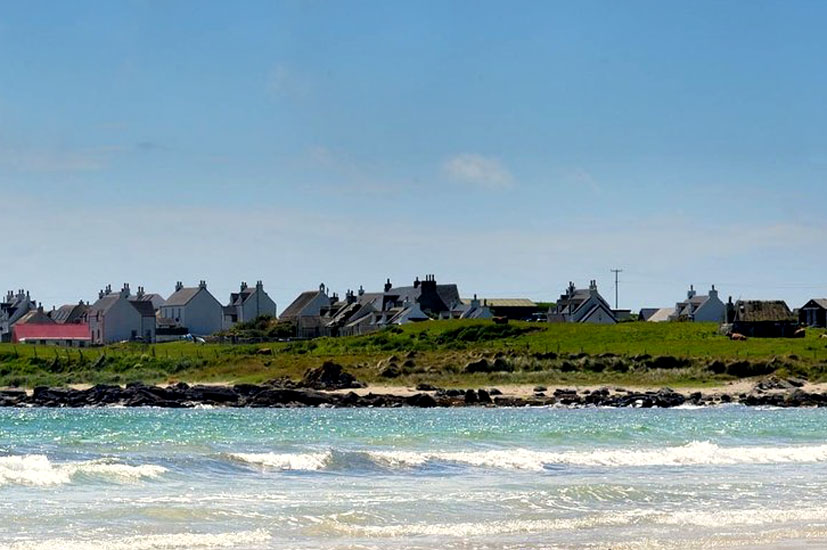



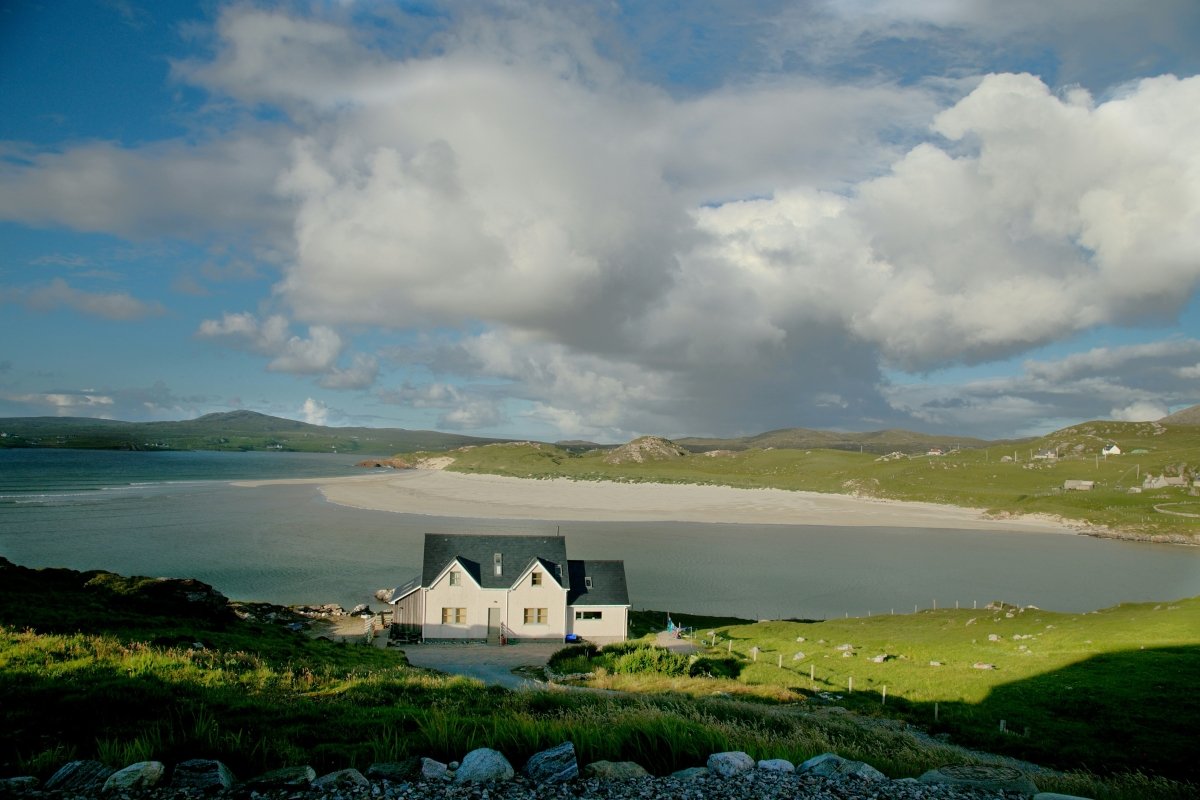


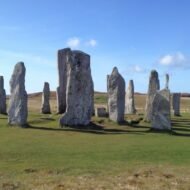


Picture this: ancient stone circles older than Stonehenge, pristine beaches that rival the Caribbean, and landscapes so dramatic they’ll make your Instagram followers weep with envy. Welcome to the Isle of Lewis, the largest island in Scotland’s Outer Hebrides, where time moves differently and every corner tells a story spanning 5,000 years.
- History at a Glance
- Location & Coordinates
- Guided Tours
- Fun Facts
- Viking Legacy
- Local Myth
- Reasons to Go
- Main Attractions
- Things To Do
- Beaches
- Campervan & Wild Camping Guide
- Accommodation Options
- Accessibility
- Essential Amenities
- Culinary Adventures
- Events Not to Miss
- Cycling
- Hiking Trails
- Travel Tips and Practical Information
- Nearby Attractions and Points of Interest
- Final Thoughts
This isn’t your typical Scottish getaway. Lewis is where Vikings once ruled, where Gaelic culture thrives, and where you can drive for miles without seeing another soul – just endless moorland, crystal-clear lochs, and skies so big they seem to swallow the horizon. Whether you’re a history buff, nature lover, or someone desperately needing to disconnect from the world, Lewis delivers experiences you simply can’t find anywhere else. Trust us, once you’ve watched the sunset behind the Callanish Stones, you’ll understand why this place gets under your skin.
History at a Glance
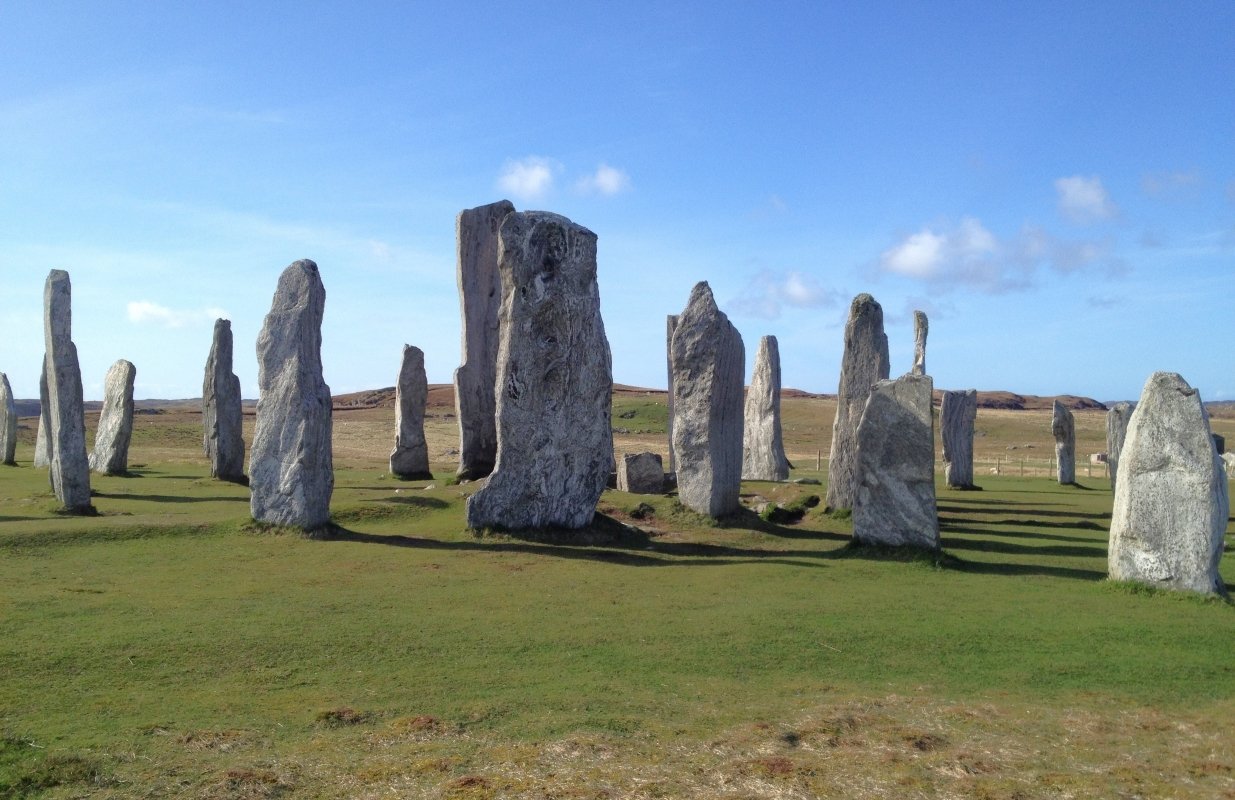
Lewis has been inhabited for over 5,000 years, and honestly, every era left its mark in spectacular fashion. The island’s crown jewel is the Callanish Stones – a mysterious Neolithic stone circle that predates Stonehenge by 500 years. These ancient monoliths continue to baffle archaeologists and inspire countless theories about their purpose.
The Vikings arrived around 800 AD and ruled for nearly 400 years, leaving behind place names and cultural influences that persist today. Later, the island became part of the powerful Clan MacLeod territory, with dramatic clan feuds and political intrigue worthy of Game of Thrones.
The 19th century brought the Highland Clearances, forcing many islanders to emigrate to North America. Those who remained endured hardship but preserved their Gaelic language and traditions. Today, Lewis is one of the few places where Gaelic is still widely spoken, and Sunday remains strictly observed – don’t expect shops or pubs to be open!
Location & Coordinates
Coordinates: 58.2063° N, 6.3917° W
Lewis sits at the northern tip of the Outer Hebrides chain, about 24 miles off Scotland’s northwest coast. The island stretches roughly 40 miles north to south and 25 miles east to west. Stornoway, the largest town and administrative center, sits on the east coast and serves as your gateway to island life.
Getting here requires either a ferry journey or short flight – there are no bridges connecting the Outer Hebrides to mainland Scotland. The island is connected to Harris by a narrow land bridge, technically making them one landmass, though they’re culturally and geographically distinct.
Guided Tours
CalMac Ferry Tours: The ferry journey itself is part of the adventure. CalMac runs regular services from Ullapool to Stornoway (2.5 hours) with spectacular Highland scenery en route.
Hebridean Adventures: Offers full-day island tours covering Callanish Stones, Carloway Broch, and traditional blackhouse villages. Their local guides share stories you won’t find in guidebooks.
Sea Harris Tours: Despite the name, they cover Lewis too! Their small-group tours (max 8 people) include photography stops and insider access to private locations.
Walking Tours Stornoway: Free guided walks around the town center, perfect for understanding local history and getting restaurant recommendations from locals.
Fun Facts
- Lewis produces more Harris Tweed than anywhere else in the world – every meter is still woven by hand in islanders’ homes
- The island has more ancient monuments per square mile than anywhere in Scotland
- Stornoway is the only place in the Outer Hebrides where you can buy alcohol on Sundays (and only after 12:30 PM)
- Lewis has its own time zone – not officially, but locals often run on “island time”
- The island’s peat bogs are so deep they preserve 4,000-year-old tree trunks
- More Gaelic is spoken here than anywhere else in Scotland
- The Butt of Lewis lighthouse is one of the most photographed lighthouses in the UK
Viking Legacy
The Vikings didn’t just pass through Lewis – they made it home for nearly four centuries, leaving an indelible mark that still echoes today. From 800 to 1200 AD, Norse settlers transformed this remote island into a strategic stronghold in their vast Atlantic empire.
Walk through any Lewis village and you’ll hear their legacy in every place name. Stornoway itself comes from “Stjórnavágr” (steering bay), while settlements like Tolsta, Shader, and Ness all bear Norse origins. The Vikings didn’t just conquer – they intermarried, traded, and created a unique Gaelic-Norse culture that flourished for generations.
Archaeological evidence reveals sophisticated Norse settlements, particularly around Bosta Beach where excavations uncovered a complete Viking village with workshops, homes, and even a sauna. These weren’t just raiders but skilled craftspeople, farmers, and seafarers who recognized Lewis’s strategic importance for controlling North Atlantic trade routes.
The most tangible Viking connection? The famous Lewis Chessmen, discovered in 1831 in a sand dune near Uig. These intricately carved walrus ivory pieces, now split between the British Museum and National Museum of Scotland, represent the finest examples of medieval Norse craftsmanship and hint at the wealth and sophistication of Viking Lewis society.
Local Myth
The most captivating legend surrounds the Blue Men of the Minch – supernatural sea creatures said to inhabit the waters between Lewis and mainland Scotland. These mystical beings, standing seven feet tall with blue-tinged skin and flowing beards, allegedly challenge passing sailors to rhyming contests. If the captain can out-rhyme the Blue Men, safe passage is granted. Fail, and your ship joins the many vessels resting on the seabed.
Local fishermen still report strange encounters in the Minch – boats suddenly stopping despite fair winds, eerie singing across calm waters, and glimpses of human-like figures diving beneath the waves. Whether you believe or not, the story reflects the island’s deep connection to the sea and the respect islanders have for these unpredictable waters.
Reasons to Go
Ancient Wonders: Lewis boasts the densest concentration of prehistoric sites in Europe. The Callanish Stones alone justify the journey, but add Carloway Broch and countless burial chambers, and you’ve got an archaeologist’s paradise.
Pristine Nature: This is Scotland at its most unspoiled. Golden eagles soar overhead, seals bask on empty beaches, and the night sky offers some of Europe’s darkest conditions for stargazing.
Cultural Immersion: Experience living Gaelic culture, not a tourist attraction. Attend a ceilidh, hear traditional music in local pubs, and discover how ancient traditions survive in the modern world.
Digital Detox: Patchy wifi and no mobile signal in many areas force you to disconnect and rediscover what matters. It’s surprisingly liberating.
Photography Paradise: From dramatic coastal cliffs to mirror-still lochs reflecting ancient stones, every view is frame-worthy.
Main Attractions
- Callanish Stones – 5,000-year-old stone circle shrouded in mystery
- Carloway Broch – Iron Age fortress with stunning preservation
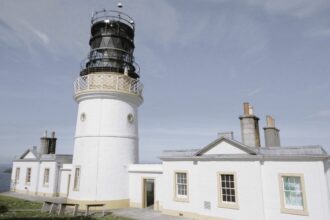
- Butt of Lewis Lighthouse – Dramatic clifftop lighthouse at Scotland’s edge
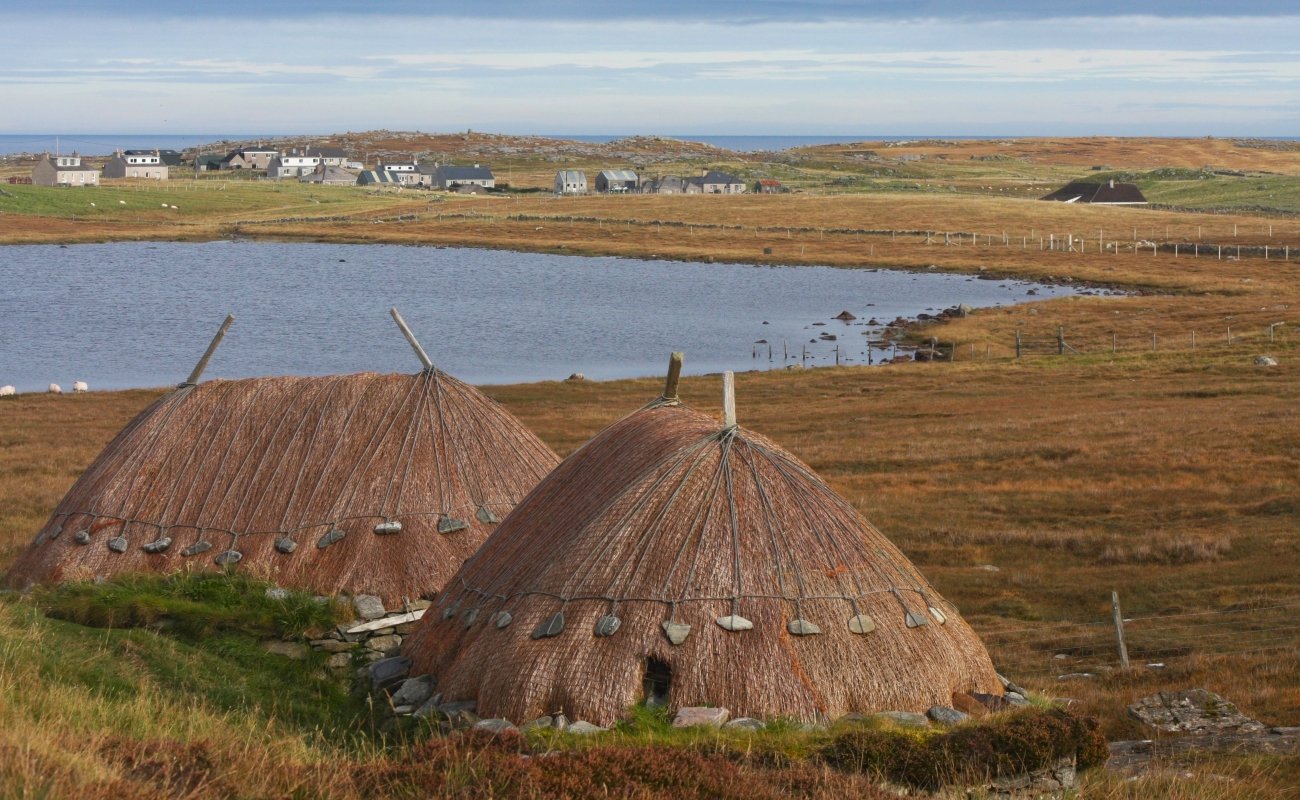
- Arnol Blackhouse – Traditional thatched crofter’s house museum
- Lews Castle – Victorian mansion with beautiful grounds and museum
- Gearrannan Blackhouse Village – Restored traditional village
- Tolsta Beach – Five miles of pristine sand and turquoise water
- Stornoway Harbor – Bustling fishing port and island gateway
- Dun Carloway – Ancient stone fort overlooking Loch Roag
Things To Do
Note: Askernish Golf Course and South Uist birdwatching are actually located on different islands in the Outer Hebrides chain. For Lewis-specific activities:
Callanish Stones Exploration: Visit at sunrise or sunset for magical lighting and fewer crowds. The visitor center provides excellent context about Neolithic life.
Birdwatching at RSPB Balranald: While the reserve is technically on North Uist, Lewis offers excellent birding at Tolsta Head and around Stornoway Harbor. Look for golden eagles, hen harriers, and puffins (seasonal).
Harris Tweed Shopping: Visit working weavers in their homes, hear the rhythmic clacking of looms, and purchase authentic tweed directly from craftspeople.
Traditional Music Sessions: Join spontaneous music sessions in Stornoway pubs, especially during festival periods.
Beaches
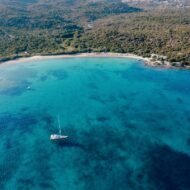
Tolsta Beach: A spectacular 5-mile stretch of white sand backed by machair (coastal grassland). The beach faces east, making it perfect for sunrise photography. Strong currents make swimming inadvisable, but beachcombing and photography are exceptional.
Garry Beach (Ness): Smaller but equally stunning, this west-facing beach offers incredible sunset views. The nearby village of Ness provides a glimpse into traditional island life.
Reef Beach: Hidden gem accessible via a short walk from the road. Less visited than the main beaches, perfect for solitude and reflection.
Dalbeg Beach: Tiny but perfectly formed, this beach sits below the Callanish Stones and offers a unique perspective of the monuments from sea level.
It’s renowned for its stunning natural beauty, offering breathtaking views of the Atlantic Ocean, rolling sand dunes, and a backdrop of hills. The beach is a popular spot for walks, outdoor activities like kite buggies, and simply soaking in the dramatic coastal landscape.
However, Uig Beach is perhaps most famous as the discovery site of the Lewis Chessmen. In 1831, a collection of 12th-century Viking chess pieces, made from walrus ivory and whale teeth, were unearthed from a stone chamber in the dunes behind the beach. These historically significant artifacts are now largely housed in the British Museum in London and the National Museum of Scotland in Edinburgh, with replicas available to view at the Uig Heritage Centre. A giant replica of a King chess piece also stands proudly near the beach.
Campervan & Wild Camping Guide
Wild Camping Rules: Scotland’s “Right to Roam” laws allow wild camping, but respect is crucial. Camp discretely, leave no trace, and avoid private property near houses.
Best Spots:
- Glen Valtos: Sheltered valley with stream access and stone circle views
- Tolsta Head: Coastal camping with Atlantic views (check wind conditions)
- Reef Peninsula: Remote location but spectacular sunrise/sunset opportunities
Facilities: Empty waste at Stornoway Marina or designated points. Fresh water available at most villages. Fuel stations in Stornoway, Barvas, and Ness.
Tips: Weather changes rapidly – secure everything well. Midges can be intense in summer; bring repellent and head nets.
Accommodation Options
Luxury: Lews Castle Hotel offers boutique accommodation in a Victorian castle with spa facilities and loch views. Rooms from £200/night.
Mid-Range: Caladh Inn in Stornoway provides comfortable modern rooms with harbor views. Excellent restaurant attached. From £90/night.
Budget: Stornoway SYHA Hostel offers clean, basic accommodation with kitchen facilities. From £25/night.
Unique Stays: Gearrannan Blackhouse Village lets you sleep in restored traditional houses. Authentic experience with modern comforts. From £120/night.
B&Bs: Numerous family-run guesthouses offer warm hospitality and local insights. Prices range £60-100/night including excellent breakfasts.
Accessibility
Lewis has made significant strides in accessibility, though the island’s ancient sites present natural challenges:
Callanish Stones: Paved paths and accessible parking, though the stone circle itself involves uneven ground.
Lews Castle: Fully accessible with lifts and adapted facilities throughout.
Stornoway: Most shops and restaurants offer step-free access, and the harbor area is wheelchair accessible.
Transportation: Accessible taxis available; book in advance. Some bus routes accommodate wheelchairs.
Beaches: Tolsta Beach has car park access close to sand level, though beach walking requires mobility.
Essential Amenities
Shopping: Co-op and Tesco in Stornoway for groceries. Independent shops throughout the island for basics. Remember Sunday closures!
Medical: Western Isles Hospital in Stornoway provides emergency and routine care. Smaller clinics in outlying areas.
Banking: Limited ATMs outside Stornoway. Bring cash for small purchases and remote areas.
Fuel: Stations in Stornoway, Barvas, Ness, and Carloway. Plan routes carefully – distances are deceptive.
Internet: Reliable in Stornoway, patchy elsewhere. Many cafes offer wifi. Consider it a digital detox opportunity!
Culinary Adventures
Lewis cuisine celebrates fresh, local ingredients with Gaelic influences:
Must-Try Dishes:
- Fresh Langoustines: Caught daily and served simply with garlic butter
- Stornoway Black Pudding: EU protected status for good reason – rich, flavorful, and nothing like mass-produced versions
- Isle of Lewis Lamb: Grass-fed on machair, producing incredibly tender meat
- Fresh Crab: Often sold directly from fishing boats
Top Restaurants:
- Digby Chick: Stornoway’s finest dining with innovative takes on local ingredients
- An Lanntair Café: Arts center café serving excellent coffee and light meals
- HS-1 Café: Quirky spot in Leverburgh specializing in fresh seafood
Local Specialties: Don’t miss homemade oatcakes, crowdie cheese, and locally distilled gin featuring island botanicals.
Events Not to Miss
HebCelt Music Festival (July): Scotland’s premier Celtic music festival transforms Stornoway into a cultural hub. Four days of world-class traditional and contemporary music.
Fèis Eilean an Fhraoich (August): Traditional Gaelic arts festival celebrating language, music, and crafts. Intimate and authentic cultural experience.
Royal National Mòd: When held on Lewis (rotates annually), this Gaelic cultural festival showcases poetry, music, and dance competitions.
Lewis Highland Games (Various dates): Traditional Scottish athletics with caber tossing, hammer throwing, and Highland dancing.
Stornoway Agricultural Show: Usually in August, featuring local produce, livestock, and traditional crafts demonstrations.
Cycling
Lewis offers spectacular cycling with minimal traffic and stunning scenery:
West Coast Route: Stornoway to Callanish Stones (15 miles) features gentle hills and loch views. The route passes several archaeological sites and traditional villages.
Ness Peninsula Loop: 25-mile circuit taking in the Butt of Lewis lighthouse and Europe’s edge. Expect headwinds but incredible coastal views.
Equipment: Bring or rent robust bikes – roads can be rough. Electric bikes increasingly available in Stornoway.
Safety: Weather changes rapidly. Carry waterproofs, spare layers, and emergency supplies. Mobile signal is patchy in remote areas.
Bike Rental: Available in Stornoway from several shops. Book ahead during summer months.
Hiking Trails
Note: The Uist Sculpture Trail is located on South Uist, not Lewis. For Lewis-specific hiking:
Tolsta to Ness Coastal Walk: 10-mile clifftop route offering spectacular Atlantic views and wildlife spotting opportunities. Moderate difficulty with some steep sections.
Callanish Stones Area: Multiple short walks connecting stone circles and ancient sites. Easy walking on marked paths with interpretation boards.
Butt of Lewis Circular: 3-mile walk around Scotland’s most northerly point. Dramatic cliffs, lighthouse views, and excellent birdwatching.
Glen Valtos: Easy valley walk through traditional crofting landscape with mountain backdrop. Perfect for families.
Stornoway Castle Grounds: Gentle woodland walks around Lews Castle with formal gardens and harbor views.
Travel Tips and Practical Information
Getting There:
- Ferry: CalMac from Ullapool (2.5 hours, advance booking essential)
- Flight: Loganair from Glasgow, Edinburgh, or Inverness (1 hour)
Getting Around: Car rental essential for island exploration. Limited public buses serve main routes.
When to Visit: May-September offers warmest weather and longest days. June-August sees midnight twilight. Winter brings dramatic skies but limited daylight.
What to Pack: Waterproofs essential year-round. Layers for changeable weather. Sturdy walking boots. Midge repellent (May-September). Camera with extra batteries.
Money: Bring cash for small purchases and remote areas. Card payments widely accepted in Stornoway.
Language: English universally spoken, but you’ll hear Gaelic daily. Learning basic greetings enhances cultural connection.
Nearby Attractions and Points of Interest
Harris: Connected by road bridge, offering the famous Luskentyre Beach and Harris Tweed shopping in Tarbert.
Great Bernera: Small island connected by bridge, featuring lobster fishing heritage and pristine beaches.
Scalpay: Accessible by bridge from Harris, this small island offers excellent walking and traditional island life.
St. Kilda: UNESCO World Heritage site accessible by day trips from Lewis (weather permitting). Remote archipelago with incredible wildlife and human history.
Flannan Isles: Mysterious uninhabited islands famous for lighthouse keeper disappearances. Visible from Lewis coast on clear days.
Final Thoughts
Lewis isn’t just a destination – it’s a journey back to essentials. In our hyperconnected world, this remote Scottish island offers something increasingly rare: genuine peace, authentic culture, and landscapes that humble and inspire in equal measure.
You’ll leave with muddy boots, hundreds of photos, and a profound appreciation for simpler ways of life. The ancient stones will spark your imagination, the endless skies will put daily worries in perspective, and the warmth of island hospitality will restore your faith in human kindness.
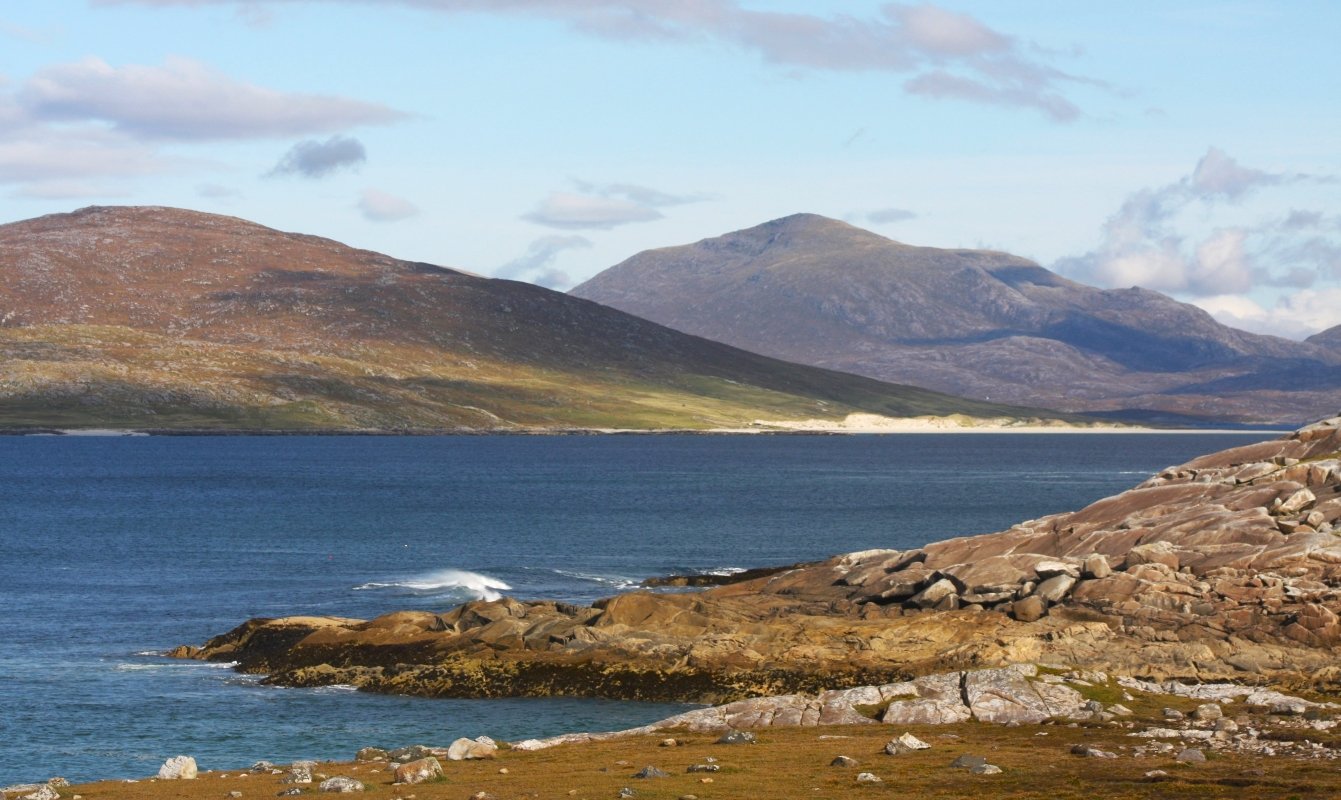
Lewis changes people. It strips away pretense and reminds you what matters: connection to place, respect for history, and the simple pleasure of watching waves crash against 500-million-year-old rocks. Pack light, expect the unexpected, and prepare for an island that will claim a piece of your heart forever.
Slàinte mhath – good health, and safe travels to Scotland’s most magical island.