




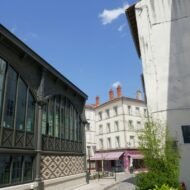
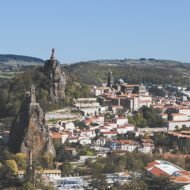
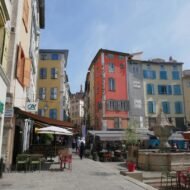

TL;DR: Le Puy-en-Velay is a jaw-dropping medieval town Situated on volcanic peaks in south-central France, famous for its gravity-defying chapel, stunning cathedral, pilgrimage routes, and lentils (yes, really). It’s less crowded than Paris, more authentic than most tourist traps, and absolutely worth the detour. Budget 2-3 days minimum.
- Why Le Puy-en-Velay Should Be on Your Radar
- Getting There (It’s Easier Than You Think)
- When to Visit: Timing Is Everything
- The Can’t-Miss Sights
- 1. Chapelle Saint-Michel d’Aiguilhe
- 2. Cathédrale Notre-Dame du Puy
- 3. Statue Notre-Dame de France
- 4. Musée Crozatier
- 5. Hôtel-Dieu & Historic Old Town
- Pilgrimage Culture: You Don’t Have to Walk to Santiago (But You Could)
- Food & Drink: More Than Just Lentils (But Seriously, Try the Lentils)
- Where to Stay: From Pilgrim Dorms to Boutique Charm
- Day Trips & Nearby Attractions
- Practical Tips for Your Visit
- How Long to Stay
- Festival Highlights
- Budget Breakdown (Per Person, Per Day)
- Final Thoughts: Why Le Puy Works
- Quick Recap
Look, I’m going to level with you: Le Puy-en-Velay sounds made up. A town where churches sit on top of volcanic plugs? A giant red statue of the Virgin Mary visible from basically everywhere? The starting point of one of Europe’s most famous pilgrimages? It’s like someone threw medieval France, volcanic geology, and spiritual tourism into a blender and hit “maximum drama.”
But here’s the thing—it’s all real, and it’s spectacular.
Why Le Puy-en-Velay Should Be on Your Radar
Tucked away in the Haute-Loire department of the Auvergne-Rhône-Alpes region, Le Puy-en-Velay (population: around 18,000) is one of those places that makes you wonder why everyone’s crowding into the same five French cities when gems like this exist.
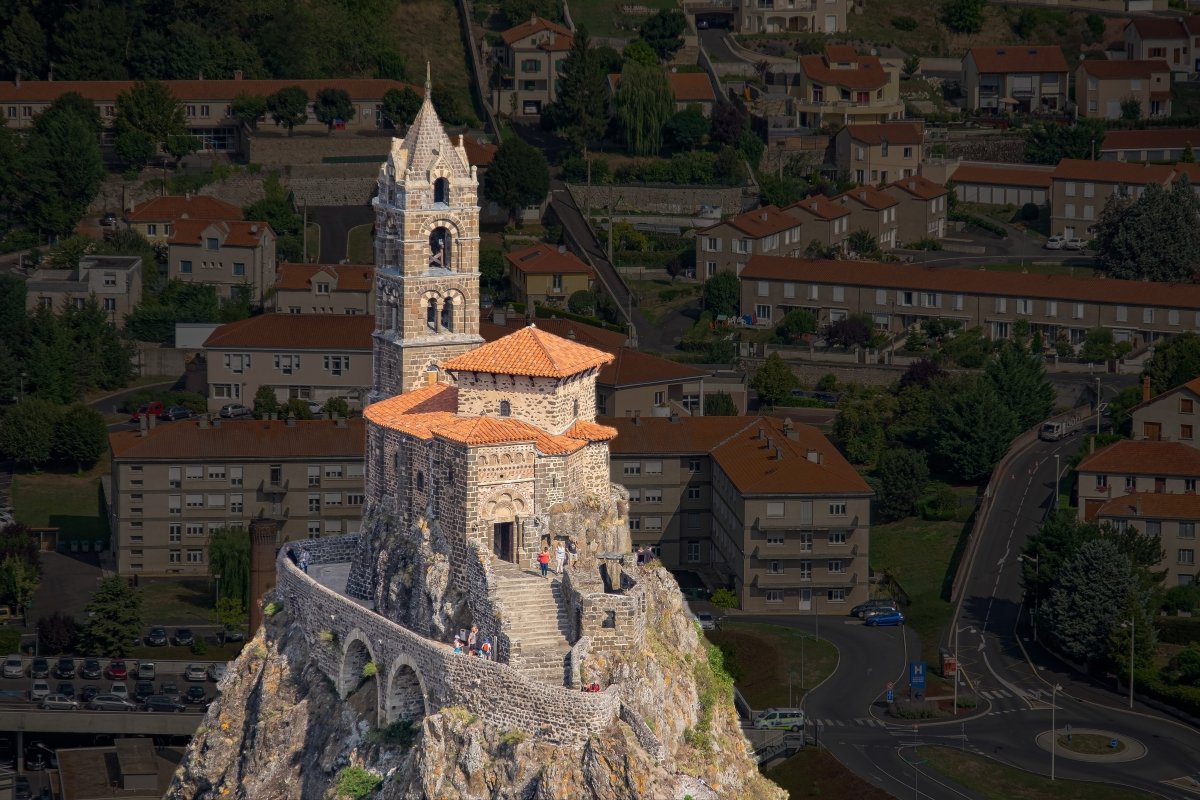
The town’s built around—and on top of—ancient volcanic formations, giving it a skyline that looks photoshopped. The Cathédrale Notre-Dame dominates the old town, while the Chapelle Saint-Michel d’Aiguilhe literally sits on an 85-meter volcanic needle. Then there’s the colossal Statue Notre-Dame de France, a 16-meter rust-red monument you can actually climb inside.
It’s also the traditional starting point for the Via Podiensis, one of the four main routes of the Camino de Santiago. Translation: this place has been welcoming travelers for over a thousand years, and they’ve gotten pretty good at it.
Getting There (It’s Easier Than You Think)
By Train: The most practical option for most visitors. Le Puy-en-Velay has direct train connections from Lyon (2 hours), Saint-Étienne (1 hour), and Clermont-Ferrand (2.5 hours). From Paris, you’ll need to change trains, usually in Lyon or Saint-Étienne—total journey time is around 5-6 hours.
By Car: If you’re road-tripping through central France, Le Puy is about 130km from Lyon, 75km from Saint-Étienne. The drive is scenic, winding through the Massif Central’s volcanic landscapes. Parking in the old town is limited but manageable—there are several paid parking lots around the periphery.
By Air: Closest major airport is Lyon-Saint-Exupéry (130km), followed by Clermont-Ferrand Auvergne Airport (100km). You’ll need to combine flights with trains or rental cars.
When to Visit: Timing Is Everything
Best Overall: May-June and September-October These shoulder seasons offer pleasant weather (15-25°C), fewer crowds, and the town at its most photogenic. Pilgrims are present but haven’t hit peak numbers.
Summer (July-August): Warm and busy, especially with pilgrims departing for Santiago. The town buzzes with energy, but accommodations book up fast. Expect temperatures around 25-30°C. The UNESCO World Heritage designation means summer crowds, though nothing like Paris or Nice.
Fall (September-October): Gorgeous light for photography, comfortable hiking weather, and the surrounding countryside explodes in autumn colors. My personal favorite time.
Winter (November-March): Cold (often below 5°C) and quiet. Some attractions have reduced hours, but if you don’t mind bundling up, you’ll practically have the place to yourself. Christmas markets in December are genuinely charming.
Spring (April-May): Wildflowers bloom in the surrounding countryside, temperatures warm up, and everything feels fresh. Easter brings special religious services if that’s your interest.
The Can’t-Miss Sights
1. Chapelle Saint-Michel d’Aiguilhe
Let’s start with the showstopper. This 10th-century chapel sits atop an 85-meter volcanic plug called the Rocher Saint-Michel. To reach it, you’ll climb 268 steps carved into the rock. Yes, every single one.
Is it worth it? Absolutely. The chapel’s interior features stunning frescoes, and the 360-degree views from the summit are unreal. The whole experience feels like climbing into a medieval fantasy novel.
Practical info: Open year-round with seasonal hours. Entrance fee around €5-6. Wear decent shoes—those steps are steep and uneven in places. Not accessible for those with mobility challenges.
2. Cathédrale Notre-Dame du Puy
This UNESCO World Heritage cathedral is a masterpiece of Romanesque architecture with bizarre (in the best way) Byzantine and Moorish influences—striped stonework, intricate cloister, and a Black Madonna statue that’s been a pilgrimage destination since medieval times.
The approach is dramatic: you climb a steep street lined with pilgrimage shops, then ascend more stairs to reach the cathedral’s façade. Inside, the play of light through the dome is mesmerizing.
Don’t miss the cloister with its polychrome arches and the Treasury (separate admission, around €4), which houses remarkable medieval artifacts including illuminated manuscripts and religious relics.
Free entry to the cathedral; cloister and treasury require tickets.
3. Statue Notre-Dame de France
This massive rust-red statue of the Virgin Mary, cast from melted-down Russian cannons captured during the Crimean War (France does not do subtlety), towers over the town. You can climb a narrow spiral staircase inside the statue itself—it’s cramped and slightly claustrophobic but undeniably cool.
The statue stands on Rocher Corneille, offering panoramic views of Le Puy and the surrounding volcanic landscape. At sunset, the light turns the whole town golden.
Entrance fee around €5.
4. Musée Crozatier
Recently renovated (reopened 2018), this museum punches above its weight with collections spanning natural history, archaeology, fine arts, and regional lace-making traditions. The building itself, set in the Jardin Henri Vinay, is gorgeous.
Highlights include medieval sculptures, works by local artists, and surprisingly extensive exhibits on the area’s volcanic geology. Great rainy-day option.
Around €6 entry; free first Sunday of each month.
5. Hôtel-Dieu & Historic Old Town
The former hospital complex, now housing the tourist office and conference center, features a stunning 17th-century pharmacy. The old town’s narrow streets, half-timbered houses, and hidden courtyards reward aimless wandering.
Don’t rush this part. Get lost on purpose. Duck into random doorways. Some of the best moments in Le Puy happen when you’re not following a guidebook.
Pilgrimage Culture: You Don’t Have to Walk to Santiago (But You Could)
Le Puy is Mile Zero of the Via Podiensis (GR 65), the French route to Santiago de Compostela in Spain. Every year, thousands of pilgrims collect their credentials here before embarking on the 1,500km journey.
Even if you’re not planning a multi-week trek, the pilgrimage culture permeates everything. You’ll see pilgrims with their scallop shell symbols, specialty shops selling walking sticks and guidebooks, and albergues (pilgrim hostels) throughout town.
Want to try a taste? Walk the first stage to Saint-Privat-d’Allier (about 24km). It’s a gorgeous day hike through the Auvergne countryside, and you can arrange shuttle transport back. Several companies offer luggage transfer services if you want to do multiple stages without the full commitment.
The Bureau des Pèlerins (Pilgrim Office) at 4 rue des Tables provides credentials, advice, and information on the route. Staff are incredibly helpful whether you’re walking 10km or 1,500km.
Food & Drink: More Than Just Lentils (But Seriously, Try the Lentils)
Le Puy Green Lentils (AOP Protected)
These aren’t your average lentils. Le Puy’s volcanic soil produces small, firm lentils with a unique peppery flavor. They’re the only lentils in France with AOP (Protected Designation of Origin) status—basically the Champagne of legumes.
Every restaurant serves them, usually in warm salads, alongside sausages, or in hearty soups. The Verveine du Velay (local herbal liqueur) is also everywhere—it’s like if chartreuse had a gentler, more floral cousin.
Where to Eat
Le Poivrier – Upscale but not pretentious, excellent regional cuisine with modern twists. The lentil salad with duck is outstanding. Reserve ahead.
Restaurant Tournayre – Traditional Auvergnat cooking in a cozy setting. Perfect for winter when you want hearty, warming food.
La Gerbe de Blé – Casual creperie with lovely outdoor seating. Great for lunch or a light dinner.
Comme à la Maison – Homestyle cooking, generous portions, friendly service. Popular with locals, which tells you everything.
Markets: Saturday morning market in Place du Plot is the real deal—local produce, cheeses, sausages, and of course, those famous lentils. Thursday market is smaller but equally authentic.
Where to Stay: From Pilgrim Dorms to Boutique Charm
Hôtel Le Régional – Three-star comfort right in the center. Modern rooms, some with cathedral views. Mid-range pricing.
Hôtel Le Puy – Simple, clean, well-located. Nothing fancy but solid value for money.
Dyke Hôtel – Boutique option with contemporary design. A bit outside the historic center but quiet and stylish.
Gîtes and Chambres d’Hôtes – Numerous B&Bs in the surrounding countryside offer authentic experiences and often include home-cooked dinners.
Pilgrim Accommodations – If you’re walking (or just want to meet pilgrims), albergues offer dormitory-style lodging for €10-20 per night. Most welcome non-pilgrims when space permits.
Book ahead in summer and during religious festivals. Accommodation can be tight.
Day Trips & Nearby Attractions
Château de Polignac (5km) – Dramatic fortress ruins on a volcanic platform. The views alone justify the visit.
Lac du Bouchet (16km) – Pristine crater lake perfect for swimming, picnicking, and easy hiking. Bring swimwear in summer.
La Chaise-Dieu (42km) – Abbey town famous for its macabre “Danse Macabre” frescoes and world-class music festival each August.
Lavaudieu (20km) – One of France’s “Plus Beaux Villages,” with a stunning 11th-century abbey and frescoes.
Arlempdes (30km) – Another gorgeous village perched above the Loire River gorge. Castle ruins and hiking trails.
Practical Tips for Your Visit
Language: French is the primary language. English is spoken in tourist offices and some hotels, but less so in restaurants and shops. Basic French phrases go a long way, and people appreciate the effort.
Money: Cards widely accepted, but carry some cash for small purchases, market stalls, and church donations.
Walking: Le Puy is built on hills. There’s no getting around it—you’ll be climbing. Wear comfortable shoes with good grip. The cobblestones get slippery when wet.
Tourist Office: Located in the Hôtel-Dieu complex, incredibly helpful staff, free maps, and excellent English-language materials. Stop here first.
Accessibility: The historic center’s steep streets and stairs make it challenging for wheelchair users or those with mobility issues. The cathedral has some accessible entrances, but the chapel and statue climbs are impossible for those who can’t manage stairs.
Photography: Golden hour (early morning and late afternoon) is magical. The light hits the red statue and cathedral stones beautifully.
How Long to Stay
One day: Possible but rushed. You’ll hit the major sights but miss the town’s slower rhythms.
Two days: Ideal minimum. Comfortable pace for main attractions plus time to wander, enjoy meals, maybe do a short hike.
Three days: Perfect. Add day trips to surrounding villages, deeper exploration of the old town, and you won’t feel hurried.
Week+: For serious pilgrims starting their Camino journey, or those using Le Puy as a base for exploring the wider Auvergne region.
Festival Highlights
Fêtes Renaissance du Roi de l’Oiseau (mid-September, odd years) – Five-day Renaissance festival transforming the old town into a 16th-century spectacular. Costumes, performances, markets, jousting. Absolutely massive and worth planning around.
Festival de la Chaise-Dieu (late August) – Classical music festival in nearby La Chaise-Dieu, but Le Puy gets spillover events and visitors.
Assumption celebrations (August 15) – Major religious observances with special masses and processions.
Budget Breakdown (Per Person, Per Day)
Budget: €50-70 (hostel/albergue, market picnics, street food, free/cheap sights)
Mid-range: €100-150 (decent hotel, mix of restaurant meals and casual dining, paid attractions)
Comfortable: €200+ (boutique hotel, quality restaurants, private guides, car rental)
The town is surprisingly affordable compared to major French tourist destinations. You’re getting exceptional value for money here.
Final Thoughts: Why Le Puy Works
Here’s what makes Le Puy special: it hasn’t been Disneyfied. Yes, it’s a UNESCO World Heritage site. Yes, thousands of pilgrims pass through annually. But it’s still a functioning town where real people live, work, and go about their business.
The woman selling lentils at the Saturday market isn’t performing authenticity for tourists—she’s just selling lentils. The pilgrims gathering their credentials aren’t Instagram posers—they’re about to walk across France. The volcanic rocks aren’t manufactured drama—they’ve been here for millions of years.
Is Le Puy perfect? No. It’s hilly (sometimes annoyingly so), some restaurants coast on their location rather than quality, and off-season can feel almost too quiet. But these are minor quibbles in a place that delivers something increasingly rare: genuine, uncontrived medieval atmosphere combined with volcanic landscapes that look like they belong in a fantasy film.
If you’re tired of overtouristed French destinations, if you want to experience something authentic without sacrificing comfort or interest, if you appreciate history, architecture, natural beauty, or just spectacularly weird town planning, Le Puy-en-Velay delivers.
Plus, seriously, those lentils are incredible.
Quick Recap
✅ What: Stunning medieval town built on volcanic peaks in south-central France ✅ When: May-June and September-October ideal; each season has its appeal ✅ How long: Minimum 2 days, 3 ideal ✅ Must-see: Chapel on a volcanic needle, dramatic cathedral, massive red statue ✅ Can’t miss: Those AOP lentils and Verveine liqueur ✅ Getting there: Train from Lyon (2hr) or Saint-Étienne (1hr) ✅ Budget: €50-150/day depending on comfort level ✅ Pro tip: Visit during odd-year September for the Renaissance festival
Disclaimer: Prices, opening hours, and specific details mentioned in this guide reflect information available as of early 2025 and are subject to change. Always verify current information with official sources, the Le Puy-en-Velay tourist office, or specific attractions before your visit. Travel conditions, accessibility features, and business operations may vary. The author’s opinions and experiences are subjective—your visit may differ. While every effort has been made to provide accurate information, errors or omissions may occur. Please travel responsibly, respect local customs and the environment, and check current travel advisories before departure.