









TL;DR: Loriga is a stunning mountain village in Serra da Estrela Natural Park that offers crystal-clear river beaches, incredible hiking trails, authentic Portuguese mountain culture, and some of the country’s best cheese – all without the tourist crowds. Think Alpine vibes with Portuguese soul.
- Why Loriga Should Be Your Next Portuguese Adventure
- The Natural Wonders That’ll Take Your Breath Away
- The Famous Loriga River Beach – Portugal’s Alpine Swimming Hole
- The Loriga Glacial Valley – A Hiker’s Paradise
- Dive Into Loriga’s Fascinating History
- What to Do: Adventures for Every Type of Traveler
- Food & Drink: Mountain Flavors That’ll Ruin You for City Restaurants
- Where to Stay: Accommodation for Every Budget
- Practical Travel Tips: Making Your Loriga Trip Smooth
- Day Trip Ideas: Exploring Beyond Loriga
- Final Thoughts: Why Loriga Will Steal Your Heart
Why Loriga Should Be Your Next Portuguese Adventure
Forget everything you think you know about Portugal for a moment. While everyone’s chasing sunsets in the Algarve or getting lost in Lisbon’s cobblestone streets, there’s a magical mountain village tucked away in central Portugal that feels like stepping into a different country entirely.
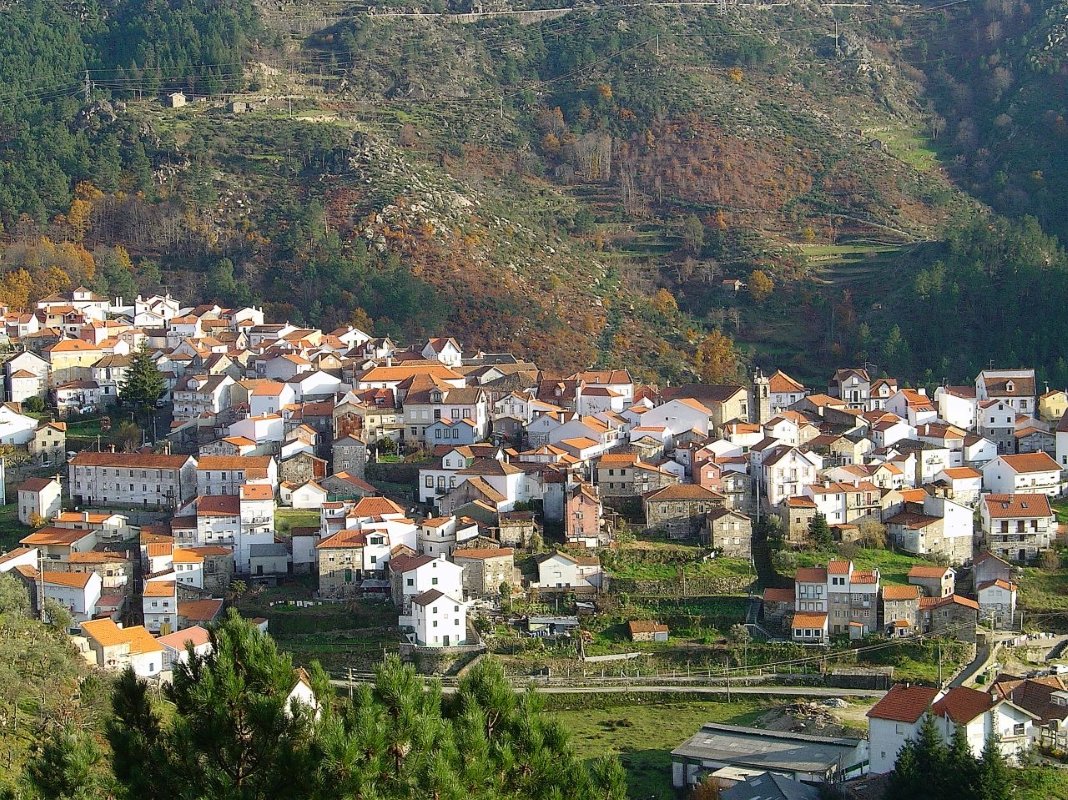
Loriga – lovingly called “Portuguese Switzerland” by locals – sits nestled in a glacial valley at 770 meters above sea level, surrounded by granite peaks and fed by crystal-clear mountain streams. This isn’t your typical Portuguese destination, and that’s exactly what makes it special.
Located in the heart of Serra da Estrela Natural Park, about 20 kilometers from Seia and 320 kilometers from Lisbon, Loriga offers something increasingly rare in our hyper-connected world: authentic mountain tranquility with serious natural beauty.
The Natural Wonders That’ll Take Your Breath Away
The Famous Loriga River Beach – Portugal’s Alpine Swimming Hole
Here’s something you won’t expect: one of Portugal’s most beautiful river beaches sitting in a glacial valley with water so clear you can see every pebble on the bottom. Praia Fluvial de Loriga isn’t your average beach experience – imagine natural granite pools filled with mountain spring water, surrounded by ancient trees and dramatic rock formations.
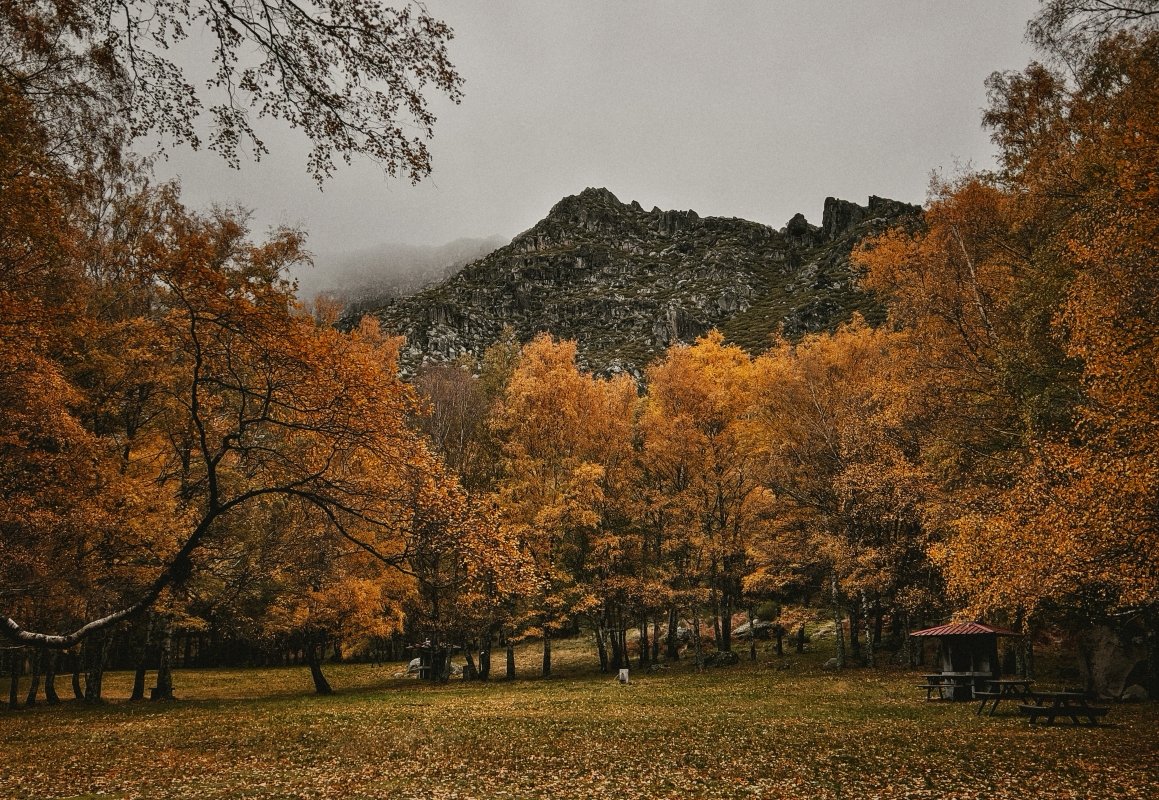
Fair warning: The water is absolutely freezing year-round (we’re talking mountain spring cold), but that’s part of the magic. There’s nothing quite like the shock of diving into crystal-clear glacial water on a hot summer day, with the granite peaks of Penha dos Abutres (1,828m) and Penha do Gato (1,771m) watching over you.
The beach has excellent facilities including a bar-restaurant, changing rooms, and picnic areas. Summer sees local families setting up for the day, but it never feels crowded like coastal beaches.MORE READ..
The Loriga Glacial Valley – A Hiker’s Paradise
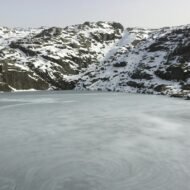
The Vale Glaciar de Loriga is where things get seriously epic. This U-shaped valley was carved by ancient glaciers over thousands of years, creating one of the most dramatic landscapes in Portugal. The hiking trail from Loriga village all the way up to Torre (Portugal’s highest point) is considered one of the country’s most spectacular walks.
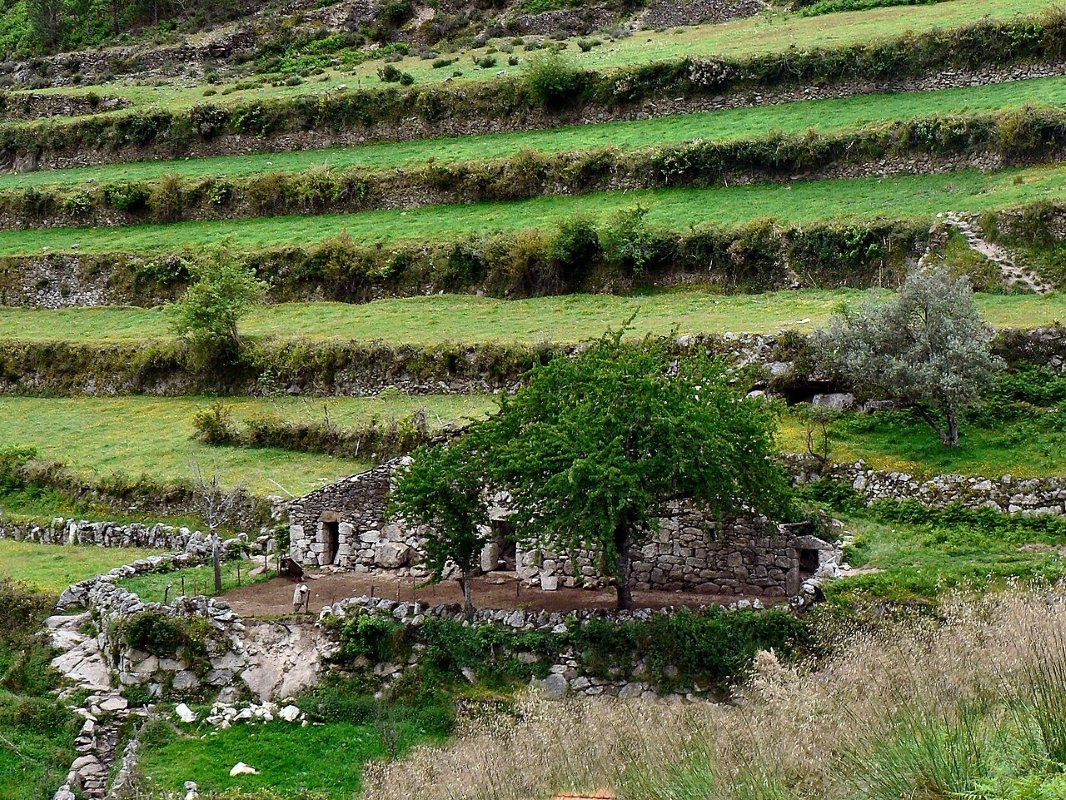
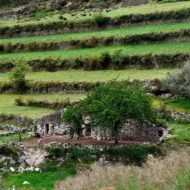
The climb: It’s challenging – about 9 hours round trip – but absolutely worth it. You’ll pass through high-altitude meadows where shepherds still graze their flocks, ancient terraced fields, seasonal springs, and granite boulder fields that look like nature’s sculpture garden. The views? Completely mind-blowing.
Pro tip: Start early, bring layers (mountain weather changes fast), and pack more water than you think you need. The trail is well-marked, but it’s serious mountain hiking.
Dive Into Loriga’s Fascinating History
This isn’t just a pretty mountain village – Loriga has stories that go back over 2,000 years. The Romans were here first, building roads and bridges (you can still see remnants of a 1st-century Roman road). The settlement was strategically chosen for its defensible position between ravines, abundant fresh water, and fertile valleys perfect for agriculture and grazing.
Architectural Gems Worth Exploring
Igreja Paroquial: The parish church dates back to 1233 (that inscription on the facade isn’t kidding), making it one of the oldest churches in the region. It’s beautifully preserved and gives you a real sense of the village’s medieval roots.
São Ginês Neighborhood: This historic quarter is absolutely charming, with stone houses built directly into the rocky landscape. The area gets its name from São Gens, a Celtic saint, and it predates even the Roman arrival.
Five Historic Chapels: Each has its own story – from the 1900 Nossa Senhora do Carmo chapel to the 1921 Nossa Senhora da Guia chapel. They’re scattered throughout the village and make for a lovely walking tour.
The Textile Heritage
Here’s something most visitors don’t know: Loriga was actually an industrial powerhouse in the 19th century, rivaling even Covilhã in textile production. Companies like Regato, Redondinha, and Augusto Luís Mendes (the main avenue is named after this industrialist) made Loriga one of Portugal’s wool industry centers.
The industry declined in the late 20th century, which honestly worked out perfectly for travelers – it preserved the village’s authentic character without massive development.
What to Do: Adventures for Every Type of Traveler
For the Active Adventurers
Hiking Trails Galore: Beyond the famous Torre climb, there are dozens of marked trails ranging from easy village walks to serious mountain expeditions. The Loriga Gorge trail is particularly spectacular, winding through the entire glacial valley.
Rock Climbing: The granite formations around Loriga offer excellent climbing opportunities for all skill levels.
Mountain Biking: The area has extensive cycling routes, from gentle valley rides to challenging mountain climbs.
Winter Sports: When snow falls (usually December-March), you can access Portugal’s only ski resort at Torre, just 20 minutes away.
For the Culture Enthusiasts
Local Festivals: Time your visit right and you might catch traditional celebrations, especially during summer months when the village comes alive with folk music and regional dancing.
Traditional Crafts: Look for local stone carving, wool products, and traditional wooden items in village shops.
Photography: The combination of granite landscapes, traditional architecture, and dramatic lighting makes Loriga a photographer’s dream.
For the Relaxation Seekers
Scenic Drives: The roads around Loriga offer some of Portugal’s most beautiful mountain scenery. The drive from Seia to Loriga alone is worth the trip.
Peaceful Wandering: Simply walking through the village streets, past ancient fountains and traditional houses, is incredibly restorative.
Stargazing: With minimal light pollution, the night sky above Loriga is spectacular.
Food & Drink: Mountain Flavors That’ll Ruin You for City Restaurants
The Star of the Show: Serra da Estrela Cheese
You cannot – and I repeat, CANNOT – visit this region without trying Queijo da Serra da Estrela. This isn’t just cheese; it’s a cultural experience. Made from sheep’s milk using traditional methods passed down through generations, it has a creamy, buttery texture that’s absolutely addictive.
Where to try it: Every restaurant in Loriga serves it, but for the full experience, visit local producers or the famous Solar do Queijo in nearby Celorico da Beira.
Traditional Mountain Dishes
Roasted Kid (Cabrito Assado): Slow-roasted mountain goat that’s incredibly tender and flavorful.
Bean Stew with Pork: Hearty mountain fare that’ll fuel your hiking adventures.
Mountain Sausages: Local chorizo and linguiça that pack serious flavor.
Arroz Doce: Portuguese rice pudding with cinnamon – the perfect comfort food after a day in the mountains.
Where to Eat in Loriga
Cantinho da Serra Restaurant: Located right on the N231, this local favorite specializes in cod pastries with Serra da Estrela cheese, duck rice, and traditional Portuguese stew. The cod with bread is particularly excellent.
Local Tascas: Small family-run restaurants throughout the village serve authentic mountain cuisine. Don’t be put off by simple decor – the food is often incredible.
Where to Stay: Accommodation for Every Budget
Budget-Friendly Options
Loriga Hostel – Feel Nature: A clean, modern hostel with shared facilities, perfect for hikers and budget travelers. Great location and friendly staff who can help plan your adventures.
EntreSocalcos: An excellent hostel with dormitories and private rooms, plus a shared kitchen and terrace with mountain views. Very popular with outdoor enthusiasts.
Mid-Range Comfort
Loriga View Apartments: Air-conditioned apartments with mountain views and full kitchens. Perfect for families or longer stays.
Casa da Cantareira: Beautiful stone house with traditional architecture and modern amenities. The garage is a bonus for parking in this narrow-streeted village.
Luxury Escapes
Pousada Serra da Estrela: While not directly in Loriga, this converted sanatorium-turned-luxury hotel is about 20 minutes away and offers spa services, indoor/outdoor pools, and gourmet dining with regional specialties.
Chão da Relva – Turismo & Natureza: Holiday home with private pool, garden, and barbecue facilities – perfect for groups wanting privacy and luxury in nature.
Practical Travel Tips: Making Your Loriga Trip Smooth
Getting There
By Car: Definitely the best option. Take the A25 highway, then connect to N231. The drive from Lisbon takes about 3.5 hours, from Porto about 2.5 hours.
GPS Note: The roads to Loriga are narrow and winding – not for nervous drivers! But the scenery makes every curve worth it.
By Public Transport: Limited but possible. Buses run from Seia to Loriga, and you can reach Seia by bus from larger cities.
When to Visit
Summer (June-September): Perfect for hiking, river beach activities, and festivals. Busiest season but still far from crowded.
Spring/Fall (March-May, October-November): Ideal for serious hikers. Fewer tourists, dramatic weather, and amazing photography light.
Winter (December-February): Magical if you want to see snow and access the ski resort. Some accommodation may be closed, so book ahead.
What to Pack
Layers, layers, layers: Mountain weather changes fast. Pack everything from t-shirts to warm jackets.
Good hiking boots: Essential for any trail exploration.
Swimwear: For the river beach (and serious cold tolerance!).
Camera: You’ll want to capture everything.
Language & Local Culture
Most locals speak some English, especially in tourism-related businesses, but learning a few Portuguese phrases goes a long way. The mountain people are incredibly welcoming but appreciate effort to connect with their culture.
Essential phrases:
- “Bom dia” (Good morning)
- “Obrigado/a” (Thank you)
- “Onde fica…?” (Where is…?)
- “Quanto custa?” (How much does it cost?)
Day Trip Ideas: Exploring Beyond Loriga
Serra da Estrela Highlights
Torre: Portugal’s highest point (1,997m). Drive up or hike from Loriga for incredible 360-degree views.
Manteigas: Beautiful spa town in the Zêzere valley with the famous Poço do Inferno waterfall.
Covão d’Ametade: One of Portugal’s most photographed spots – a romantic bridge over crystal-clear mountain water.
Historic Villages
Linhares da Beira: Medieval village with castle ruins and incredible paragliding.
Belmonte: Birthplace of Pedro Álvares Cabral (who “discovered” Brazil) with fascinating Jewish heritage.
Piódão: Stunning schist village that looks like a nativity scene.
Cultural Stops
Bread Museum (Seia): Unique museum dedicated to Portuguese bread culture, about 20 minutes from Loriga.
Toy Museum (Seia): Charming collection perfect for families.
Serra da Estrela Interpretation Center: Learn about the natural park’s ecology and history.
Final Thoughts: Why Loriga Will Steal Your Heart
In a world where authentic, unspoiled destinations are becoming increasingly rare, Loriga offers something precious: the chance to experience Portugal’s mountain soul without compromise. This isn’t a place that’s been sanitized for tourists or developed beyond recognition. It’s real, it’s beautiful, and it’s waiting for travelers who appreciate authenticity over Instagram-perfect facades.
Whether you’re seeking adventure on mountain trails, tranquility by crystal-clear waters, cultural immersion in centuries-old traditions, or simply the joy of discovering somewhere completely unexpected, Loriga delivers in ways that will surprise and delight you.
The bottom line: If you’re planning a Portugal trip and want to experience something truly special, make the journey to Loriga. Your perspective on what Portugal can offer will never be the same.
Ready to explore? Loriga isn’t going anywhere, but like all special places, it’s best experienced before everyone else discovers it. Pack your hiking boots, bring your sense of adventure, and prepare to fall in love with Portugal’s most beautiful secret.
Have you been to Loriga or planning a visit? Share your experiences and questions – the mountain community loves connecting with fellow adventurers!