



TL;DR: Turquoise alpine beauty meets thrilling history. Located at 1,974 meters in the Mont-Cenis massif in Val-Cenis, France, this stunning artificial lake serves up world-class hiking, cycling, fishing, and mind-blowing panoramic views. Pack layers, bring your camera, and prepare to disconnect. Whether you’re a hardcore mountain biker, history buff, or casual wanderer, Mont-Cenis Lake delivers an unforgettable experience where every perspective looks like a postcard.
- What Makes Mont-Cenis Lake the Hidden Gem Everyone’s Talking About
- Getting There: The Journey is Half the Adventure
- What to Do: From Chill Vibes to All-Out Adventure
- 1. Hiking: The Soul-Refreshing Classic
- 2. Cycling: Where Legends Are Made
- 3. Sport Fishing: For the Patient Souls
- 4. Historical Exploration: When Past Meets Present
- 5. Alpine Gardening & Flora Spotting
- Practical Information: Don’t Get Caught Off Guard
- Where to Stay: Base Camp Essentials
- Local Food: Eat Like You Belong Here
- Budget Breakdown: What to Actually Expect
- Accessibility & Inclusive Travel
- For Wheelchair Users & Mobility-Limited Travelers
- For Families with Kids
- For Differently-Abled Adventurers
- Linguistic Accessibility
- Why You Need to Visit This Year
- Quick Reference Checklist
What Makes Mont-Cenis Lake the Hidden Gem Everyone’s Talking About
Let’s be real: if you’re tired of overcrowded tourist traps and Instagram-saturated destinations, Mont-Cenis Lake is exactly the kind of place that reminds you why you fell in love with travel in the first place.
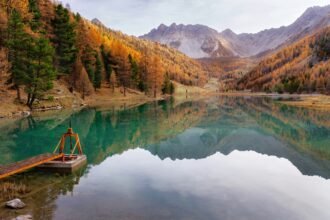
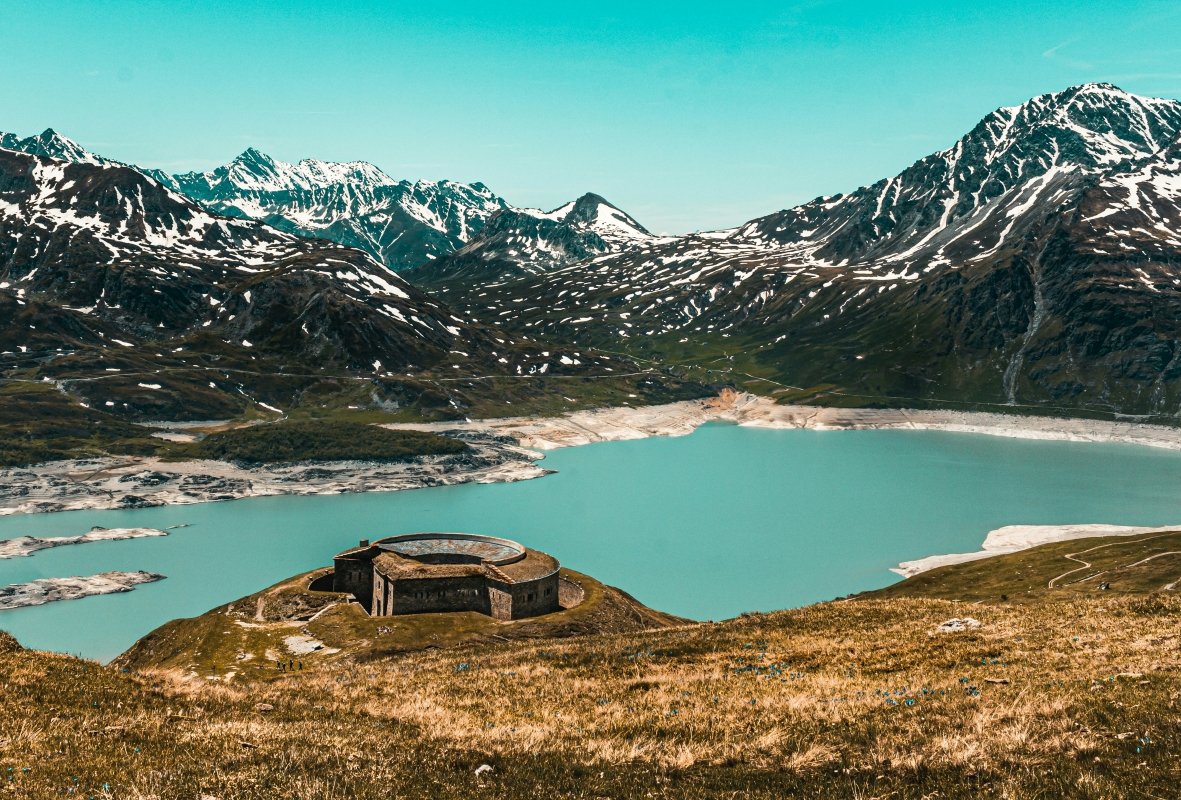
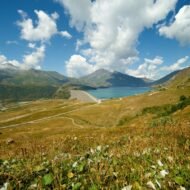
Surrounded by flower-filled mountain pastures and hiking trails with summits often rising over 3,000 meters, the site offers turquoise waters in a majestic environment. But here’s what really gets us excited: this isn’t just another pretty face in the Alpine crowd. With a capacity of 315 million cubic meters, it’s the sixth most important artificial water retention in France, making it an engineering marvel hidden in plain sight.
The lake sits smack dab on the border between France and Italy, creating that rare sense of standing between two countries while gazing at one of the most breathtaking mountain landscapes you’ll ever experience. Between France and Italy, at an average altitude of 2,000 meters, lies the Mont-Cenis plateau with its immense turquoise lake, unspoilt mountain pastures, ancient French and Italian forts and peaks rising to over 3,000 metres.
The Story Behind the Lake (Spoiler: It’s Legendary)
This isn’t just water – it’s history literally flooded. The construction of the dam between 1962 and 1968 submerged centuries-old alpine chalets, the hospice, and its priory. Pretty haunting, right?
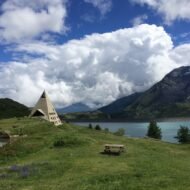
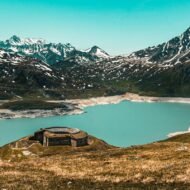
The Mont Cenis pass connects Val-Cenis in France with the Susa Valley in Italy, and has been an important route since the Middle Ages, with everyone from Charlemagne to Napoleon using it. The lake now rests where ancient paths once guided emperors and armies across the Alps. A chapel, designed by Philippe Quinquet with a pyramidal concrete shape, now marks where the priory once stood, consecrated on July 21, 1968.
Getting There: The Journey is Half the Adventure
From France (The Easier Route)
Head to Lanslebourg-Mont-Cenis via Modane, then follow the scenic Route d’Italia (N6). The drive winds through dramatic Alpine valleys that honestly beat many car commercials. The winding roads are well-maintained, and the closer you get, the more the mountains seem to wrap around you.
From Italy (For the Intrepid)
Coming from the Susa Valley? Even better. The Italian approach offers equally stunning views from a completely different angle. The lake can be reached from the Italian side via Susa or the French side via Modane and Lanslebourg.
Best Time to Visit
Summer (June-September): Absolutely pristine. Wildflowers explode across the meadows, the weather cooperates (mostly), and all facilities are open. In July and August, temperatures rarely rise above 25°C (77°F), so bring layers even in peak season.
Shoulder Seasons (May, October): Fewer crowds, moody atmospheric conditions, and cheaper accommodations. Just remember the weather can be unpredictable.
Winter (November-April): Roads close, but if you’re a hardcore winter athlete? The plateau transforms into a completely different beast. Not for the casual visitor, but incredible for experienced adventurers.
What to Do: From Chill Vibes to All-Out Adventure
1. Hiking: The Soul-Refreshing Classic
The “discovery circuit” around the lake is mandatory. It’s demanding enough to feel rewarding but accessible enough for most fitness levels (we’re talking proper hiking boots and decent fitness required, though).
You’ll marvel at the size and beauty of the turquoise lake and see marmots running through the roadside meadows. Spotting these chubby little alpine residents is basically guaranteed – they’re bold, adorable, and completely unbothered by tourists.
Pro tip: Start early to snag parking and beat the afternoon crowds. The light hits the lake differently throughout the day, so plan your photo ops accordingly.
2. Cycling: Where Legends Are Made
Here’s something cyclists genuinely obsess over: Cycling enthusiasts can enjoy the climb up the pass from Val Cenis-Lanslebourg, and the more courageous can descend to Susa in Italy and climb back up the steep slopes on the Italian side.
The Mont-Cenis pass has appeared in the Tour de France five times. Yeah, you’ll be pedaling where pros have suffered gloriously. If you’re feeling intermediate-to-advanced, the gravel trails across the former military paths offer incredible riding through historic territory.
Mountain biking? The plateau is ideal for mountain biking and gravelling, with its former military trails. Ancient military infrastructure meets modern adventure sports – only in the Alps.
3. Sport Fishing: For the Patient Souls
One of the most popular activities at Mont-Cenis Lake is sport fishing, with various fish species to catch, including trout.
Important: To fish legally, you must hold a personal, named fishing permit valid for the specific day you intend to fish. This permit can be obtained online from the Lanslebourg Pêche website or in person at the Le FELL tobacconist in Lanslebourg. Don’t skip the permits – local authorities take this seriously.
4. Historical Exploration: When Past Meets Present
Fort de Ronce & Ancient Fortifications
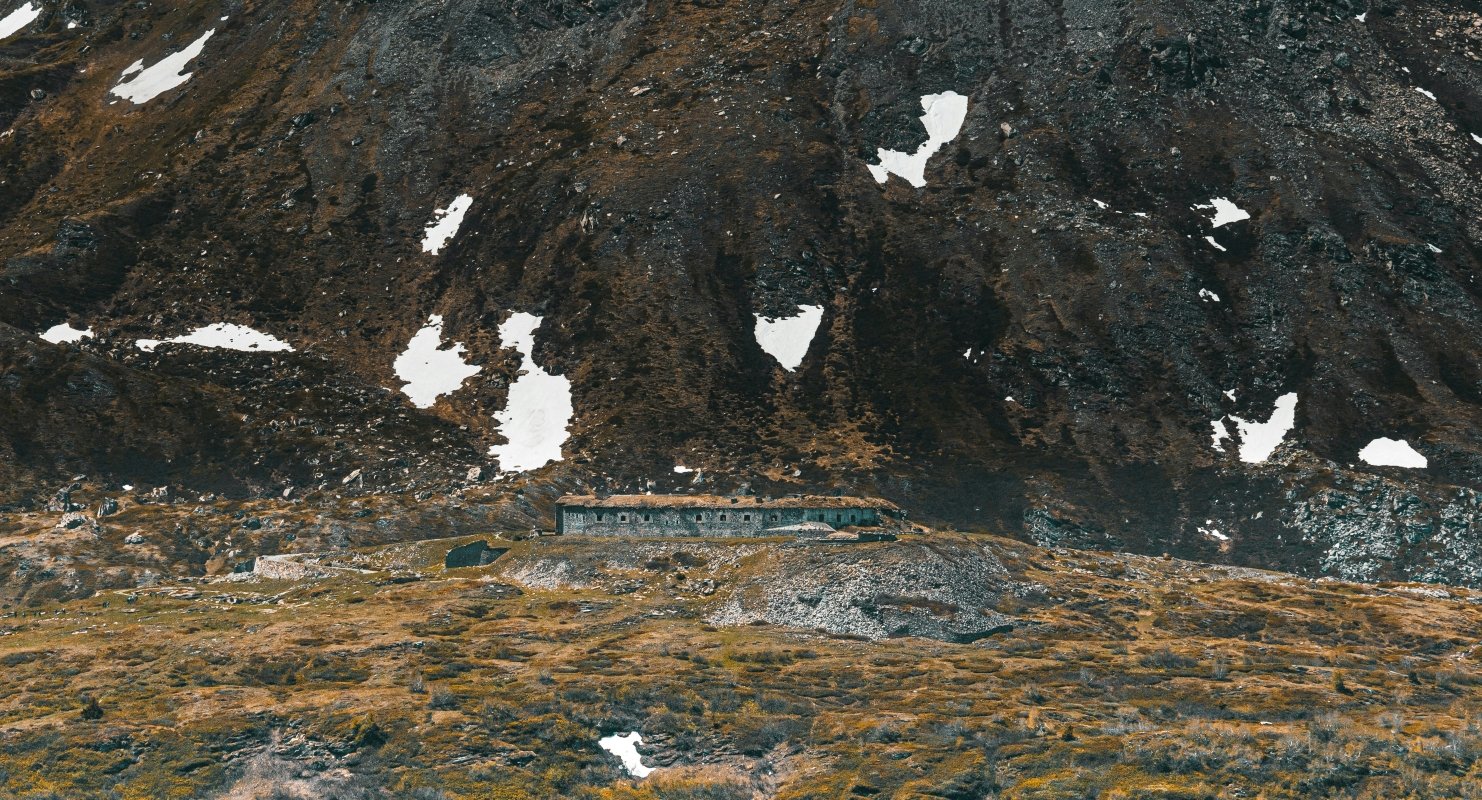
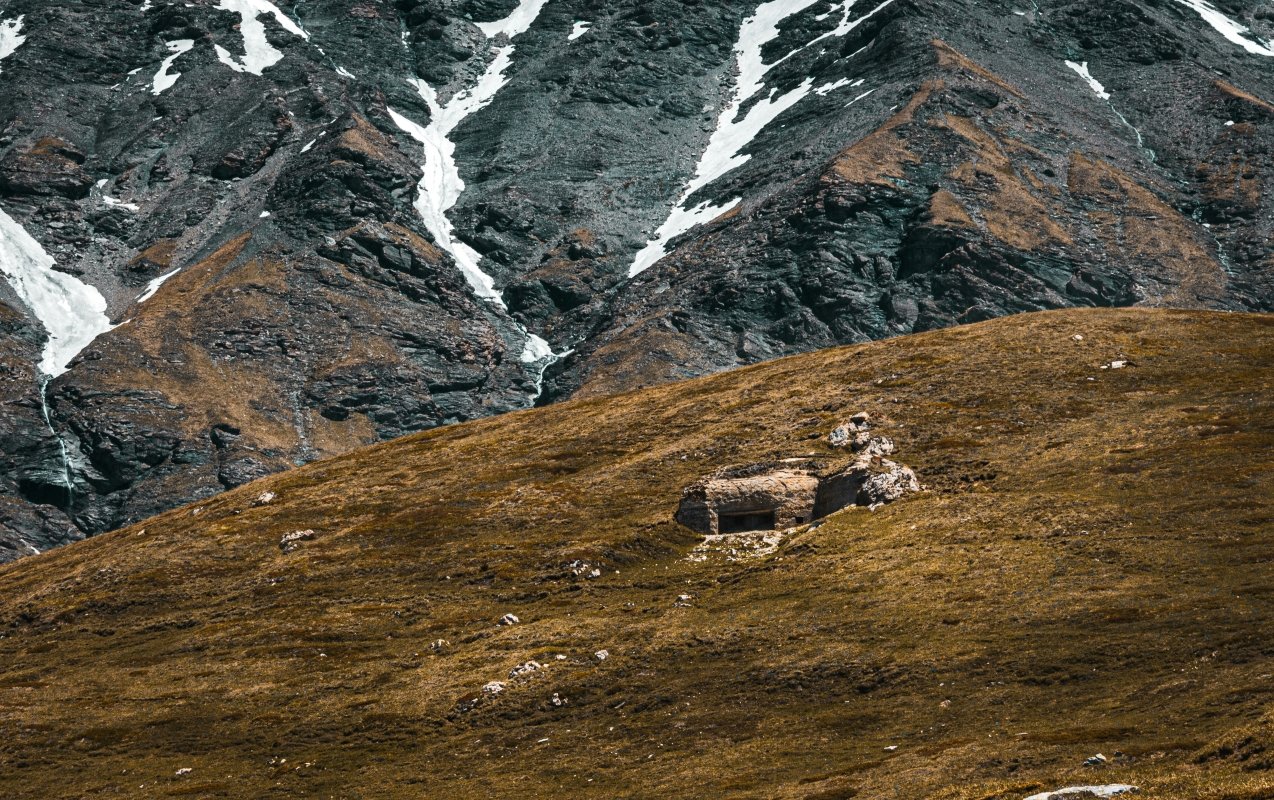
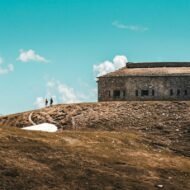
Late-19th-century forts such as the superb Fort de Ronce, Fort de Variselle, Fort Malamot and Fort de la Turra, as well as bunkers scattered across the mountain pastures, can be visited in summer.
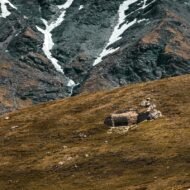
Exploring these military relics feels like stepping into a detailed history textbook. These forts and bunkers remain from a troubled period when Mont-Cenis became a frontier zone.
The Pyramid Church (La Pyramide)
One of the most fascinating and unexpected stops is the Pyramid Church, located on the lakeshore. This striking concrete pyramid chapel is architecturally bold and emotionally evocative. It’s a rare place where spiritual contemplation meets avant-garde design.
Maison Franco-Italienne
At the Maison Franco-Italienne (Italo-French House), you can visit a free exhibition dedicated to the history of Mont Cenis as a key Alpine crossing, with focus on the historic Fell Railway.
5. Alpine Gardening & Flora Spotting
Here’s the nerdy-but-absolutely-fascinating angle: 700 mountain floral species thrive in the alpine garden, with three species exclusively found in this protected space and in Spitsbergen.
Yes, you read that right. Plants here literally cannot be found anywhere else on Earth except in the Arctic. This isn’t your typical botanical garden – it’s a living, breathing conservation project.
Practical Information: Don’t Get Caught Off Guard
Altitude Considerations
At nearly 2,000 meters elevation, even casual visitors should take altitude seriously. Drink water constantly, start activities early, and don’t be embarrassed about taking it slow. Your body will thank you.
Swimming
The lake is forbidden to swim, as the water is very fresh. Translation: it’s freezing. No arguments, no exceptions. Respect the rules.
Water Activities
While swimming isn’t allowed, there’s a possibility to try pedalo. It’s a mellow way to experience the lake without needing wet suits.
Parking & Access
It’s possible to park close to access areas, though there are often many campervans. Arrive early in peak season. Seriously, 8 AM isn’t too early.
Weather Patterns
This is crucial: weather changes FAST in the mountains. Even in the warmest months of July and August, temperatures fall rapidly, and often drop below −20°C (−4°F) in severe winter. Always pack more layers than you think you need.
Where to Stay: Base Camp Essentials
In Val-Cenis
Both Lanslebourg and Lanslevillard offer solid accommodation options. You’ve got everything from luxury eco-certified residences to cozy mountain guesthouses. Most places book quickly in summer, so reserve ahead.
Mountain Refuges
For the authentic Alpine experience, mountain refuges dot the region. They’re perfect for multisport adventures and offer genuine mountain hospitality.
Camping
Yes, there are campsites nearby (including RV-friendly options). Nothing says “I’m part of this landscape” like waking up to mountain views from your tent.
Local Food: Eat Like You Belong Here
It’s an opportunity to sample local produce in the refuges and restaurants, and to buy Beaufort and tomme cheese in the mountain pasture farms.
Beaufort: This ancient cheese is serious business. Aged for months, it’s nutty, complex, and absolutely worth overpaying for. Regional restaurants often have impeccable versions.
Tomme: The local, slightly less famous cousin of Beaufort, but equally delicious and often fresher.
Mountain Dining: Refuge restaurants aren’t fancy, but that’s exactly why the food hits different. Simple, hearty, perfect after hours of hiking or cycling.
Budget Breakdown: What to Actually Expect
- Accommodation: €100-300/night (budget to mid-range mountain lodging)
- Meals: €15-40 per person (refuge food cheaper, restaurants pricier)
- Activities: Mostly free (hiking, fort exploration, botanical gardens) to moderate (fishing permits, guided tours)
- Parking: Usually free at main parking areas
- Transportation: Budget for rental car or guided tours if you’re not driving
Accessibility & Inclusive Travel
For Wheelchair Users & Mobility-Limited Travelers
The terrain around the lake is genuinely challenging. The discovery trail isn’t wheelchair accessible in most sections. However:
- Main parking areas are accessible
- The Pyramid Church is accessible
- Museum exhibitions have accessible facilities
- Call ahead to specific refuges to understand accessibility options
For Families with Kids
The lake works for families, with caveats:
- Younger kids might struggle with full hiking circuits, but shorter walks are doable
- Lake-front exploration (without swimming) is safe and engaging
- Marmot spotting is genuinely thrilling for children
- Mountain refuges are family-friendly
- Consider the altitude: kids under 5 might experience fatigue
For Differently-Abled Adventurers
Mont-Cenis welcomes everyone – just plan accordingly. Many guides and local operators have experience accommodating various needs. Connect with local tourism offices before arrival.
Linguistic Accessibility
French and Italian dominate. English is increasingly available at tourist information centers but less common in rural refuges. Translation apps help; learning basic greetings is appreciated.
Why You Need to Visit This Year
Look, there are a thousand pretty places in the Alps. Mont-Cenis Lake isn’t just pretty – it’s a complete sensory and intellectual experience. You’re not just seeing nature; you’re hiking through history, cycling on legendary routes, and connecting with landscape that most travelers completely skip.
Its natural beauty, breathtaking views, and historical and energy significance make it a must-see destination for anyone who loves outdoor travel.
The question isn’t really whether you should visit. It’s whether you’re ready to disconnect from your comfortable routine and reconnect with something genuinely spectacular.
Quick Reference Checklist
What to Pack:
- Layers (yes, even in summer)
- Proper hiking boots
- Sun protection (UV hits different at altitude)
- Water bottle (hydration obsession required)
- Camera (you’ll hate yourself if you don’t)
- Fishing permit (if planning to fish)
What to Book Ahead:
- Accommodation (especially summer)
- Guided tours (if desired)
- Restaurant reservations at popular refuges
What to Know:
- Road access depends on season
- Weather can change within hours
- Altitude requires respect
- Swimming is absolutely forbidden
Ready to discover where European adventure quietly waits for visitors willing to venture beyond the obvious?
Mont-Cenis Lake isn’t on every travel list – and that’s precisely why you should add it to yours.
Last updated: October 2025 All information current as of publication. Always check local tourism websites for seasonal updates and facility information.