


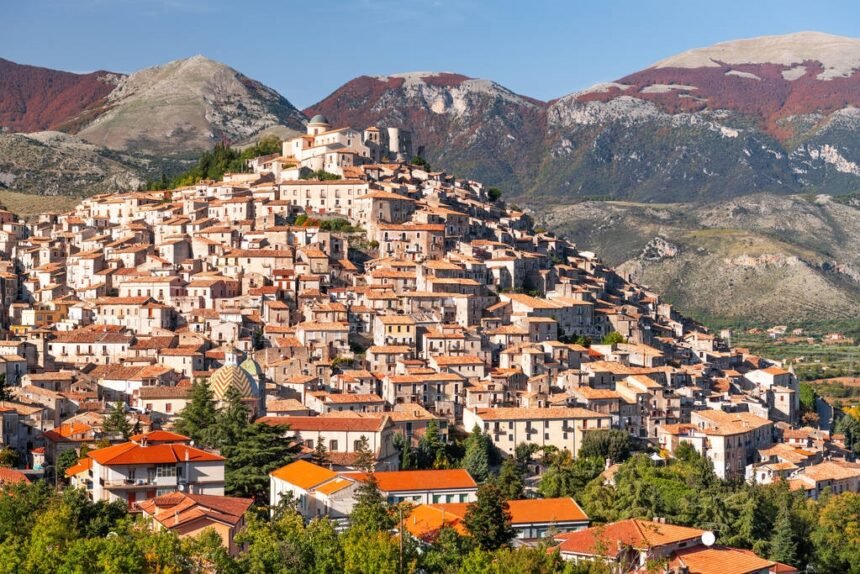
TL;DR: Morano Calabro is a breathtaking medieval hilltop town in Calabria’s Pollino National Park – officially rated as one of Italy’s most beautiful villages. Think Tuscany’s charm without the crowds, mountain adventures at your doorstep, and authentic Italian culture where locals still greet you like family.
- What Makes Morano Calabro So Special?
- Must-See Attractions That’ll Take Your Breath Away
- Your Gateway to Pollino National Park Adventures
- Foodie Paradise: Where Tradition Meets Your Taste Buds
- Where to Stay: From Boutique Hotels to Mountain Retreats
- Getting There: Your Journey to Paradise
- When to Visit: Timing Your Perfect Escape
- Planning Your Stay: How Long You’ll Need
- Beyond Morano Calabro: Day Trip Adventures
- Insider Tips for the Savvy Traveler
- Why Morano Calabro Should Be Your Next Italian Adventure
Forget everything you think you know about Italian hill towns. Yes, Tuscany is gorgeous, but have you heard of Morano Calabro? This fairy-tale village cascading down a mountainside in southern Italy’s Calabria region is what travel dreams are made of – and the best part? It’s still refreshingly undiscovered by mass tourism.
What Makes Morano Calabro So Special?
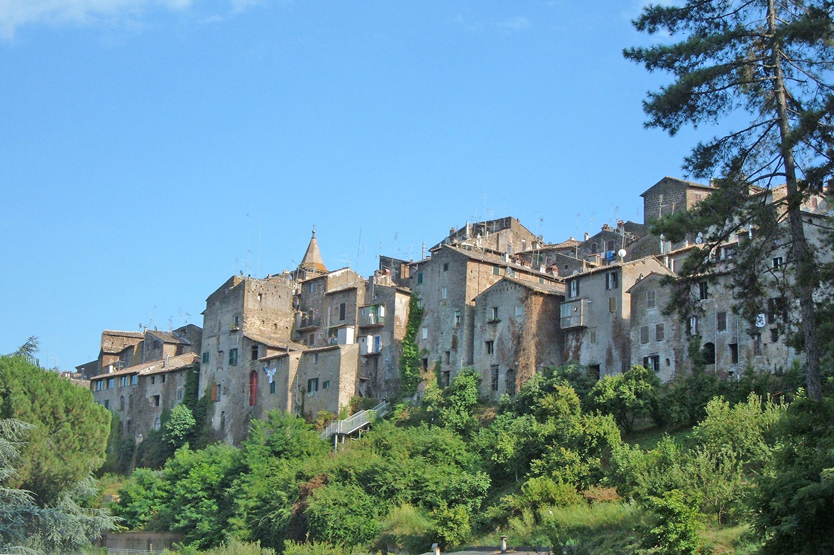
Picture this: A visual masterpiece, where castle ruins, churches and palaces decorate a maze of atmospheric streets. The small village of Morano Calabro, which stands in a hill, 694 meters above sea level, is a very unique and is, definitely, one of the most fascinating centers of the Pollino National Park.
This isn’t just another pretty Italian town – Morano Calabro is considered one of the most beautiful villages in the whole Italy. The village earned its place among “I Borghi più belli d’Italia” (Italy’s Most Beautiful Villages), and once you see those red-roofed houses spiraling up the hillside like a Christmas nativity scene, you’ll understand why locals call it “il Presepe del Pollino”.
A Rich Tapestry of History
Morano Calabro was on the map by the second century BC, as evidenced by an important historic street marker, known as the Lapis Pollae. The town has witnessed everything from Roman settlements to Norman conquests, making every cobblestone a piece of living history.
The name itself tells a story – while its exact origins remain mysterious, theories range from Greek words meaning “to come together” (perfectly describing how the houses seem to embrace the hillside) to Hebrew words for castle. Calabro was added after unification to distinguish it from Morano sul Po in the Piedmont region.
Must-See Attractions That’ll Take Your Breath Away
Norman Castle (Castello Normanno)
The crown jewel of Morano Calabro sits majestically at the town’s peak. The relics of the Norman Castle stand at the top of the town and afford sweeping views of the region. The Romans laid the castle’s foundations before it was enhanced by both the Normans and Swabians.
Built in the 11th century by the Normans, it was once almost impregnable. Those trying to get into the castle would have to climb the hill, cross the moat, and face boiling tar and deadly arrows. It’s a lot easier now; all you need is a ticket. There is no longer much to see in the castle itself, but the views of the town below, the hills, and the mountains are spectacular.
Historic Churches: Spiritual Gems
For a small town, Morano Calabro has a lot of important churches, mostly thanks to its location in ancient times as a pilgrim route and a crossroads for travelers. Don’t miss:
- Chiesa di Santa Maria Maddalena: A beautiful church that showcases the town’s religious heritage
- Chiesa and Monastery of San Bernardino of Siena: The Church and Monastery of San Bernardino of Siena offer insight into the town’s monastic traditions
Il Nibbio Natural History Museum
Here’s where things get exciting for nature lovers! The Museo Naturalistico was the best 4 euro we spent in Italy. An amazing private museum established by Nicola Bloise, initially to education local children. Visit the Nibbio Natural History Museum before venturing into the park, as it gives you an excellent insight into the flora and fauna to look out for when you visit.
This isn’t your typical dusty museum – it’s part of an incredible restoration project that’s breathing new life into the historic center. The project Il Nibbio, named after a bird of prey, has established a Museo Naturalistico (nature museum), an Albergo Diffuso (guest lodgings in various buildings), old artisan workshops and even a music lab.
Your Gateway to Pollino National Park Adventures
The main attraction outside of town is the glorious Pollino National Park. This is Italy’s largest national park, and Morano Calabro serves as your perfect base camp for exploring its wonders.
The town sits in the western foothills of the 7,375-feet (2,248-meter) tall Mount Pollino. Whether you’re into hiking, mountain biking, or simply want to breathe some of the cleanest air in Italy, the park offers activities for every adventure level.
The park is home to ancient pine forests, dramatic limestone peaks, and wildlife you won’t see anywhere else in Italy. Keep your eyes peeled for golden eagles, wolves, and the rare Bosnian pine trees that have been growing here for over 1,000 years.
Foodie Paradise: Where Tradition Meets Your Taste Buds
Get ready for a culinary journey that’ll spoil you for Italian food anywhere else. For a small town, there are a surprising number of rather unique dishes you won’t get anywhere else in Italy.
Must-Try Local Specialties
Rascatelli Pasta: Try the rascatelli pasta with a meaty sauce (I enjoyed a wild boar sauce) and a glass or two of the excellent local red wine. This hand-rolled pasta is made using ancient techniques passed down through generations.
Stockfish Stew: The winter favorite is a hearty stockfish stew made with potatoes and olives. There was no fresh fish in centuries past, so they would dry fish on the coast in summer and send it by mule up to the inland towns. It’s a fascinating glimpse into how geography shaped local cuisine.
Linguine allo Stoccafisso: Another variation of the beloved stockfish preparation that locals swear by.
Where to Eat Like a Local
La Cantina: I’ve been visiting Morano in Calabria for around 15 years and have visited La Cantina in it’s new premises three times now. Each time I’ve been blown away with the huge array of anti pasta, what ever is in season and available is served up…in traditional local dishes, superbly cooked and simply served with no pretence. Expect an incredible spread of antipasti that changes with the seasons.
Da Renato: Well prepared Calabrian cuisine, in a simple but impeccable way. It is at the entrance to the town and convenient both for those arriving for a visit and for those passing through. Great prices.
Al Convento The Steakhouse: The place has the vibes of a local hot spot and delivers on the food and service. We had a wonderful meal here: high quality pizza and a remarkable truffle/sausage pasta are highlights.
Where to Stay: From Boutique Hotels to Mountain Retreats
Villa San Domenico
This is where you’ll want to book if you’re seeking that perfect blend of history and comfort. The hosts are the most welcoming and warm family. The son speaks English and can tell you all about the neighbourhood Eat at the restaurant of the hotel because the food is incredible!
Antique, beautiful and well maintained Villa. Everything is beautiful, many old paintings and classy upholstering. It’s run by a family and they make guests feel like part of their family. Very warm and friendly staff.
Albergo Merùo
Stay at the absolutely wonderful Albergo Meruo; it is one of the best places I’ve stayed anywhere in Italy. If you are looking for accommodation in this area do not hesitate to book Albergo Meruo. Everything about it is exceptional – from the charming owner to the decor of the rooms, the lovely breakfast and the roof top.
Il Nibbio Properties
For something truly unique, consider staying in one of the restored historic buildings. Writing a review for Il Nibbio Is not easy task and, no matter what I say, it will only give you a very partial idea of the place. Our two night stay in our apartment, La Casa del Vasaio, was like going back in time: the house has been tastefully renovated, but it still retains the ancient magic of the place and the view from the balcony is simply out of this world.
Agriturismo Options
Several working farms around Morano Calabro offer authentic agriturismo experiences. This is an Agritourismo which means that it is a small working farm with very comfortable accomodation and I believe that 80% of the produce has been grown on-site. Wake up to fresh eggs, homemade jams, and views that’ll make your Instagram followers seriously jealous.
Getting There: Your Journey to Paradise
Coordinates: 39°51′N 16°8′E
By Car (Recommended)
Then, you’ll need a car to get here, and for the best deals, book with these guys before you leave home. With a car, you’ll find yourself in heaven, with Morano and nearby towns just waiting to be explored.
There is no train station in Morano Calabro, and public transport is pretty poor in the inland areas of Calabria, so get yourself a car rental and drive. The E45 leads south from Naples right to the doorstep of Morano Calabro, and it is a picturesque and very well-maintained road that leads you deeper into the Calabrian wilderness.
Don’t worry about Italian driving stereotypes – Driving in Calabria isn’t nearly as bad as many fear; it’s far less frightening than in big cities like Rome and Naples. Plus, The journey becomes an experience in itself, where every curve reveals breathtaking views, and as you ascend into Pollino National Park, the mountains rise majestically before you.
Flying In
The closest major airport is Lamezia Terme, about 2 hours away. From there, rent a car and enjoy one of the most scenic drives in southern Italy.
When to Visit: Timing Your Perfect Escape
Spring (March-May)
If you’re a more budget-conscious traveler, then you may want to consider traveling to Morano Calabro between March and May, when hotel prices are generally the lowest. The weather is perfect for hiking, wildflowers carpet the mountains, and you’ll have the trails mostly to yourself.
Summer (June-August)
Peak season brings warm weather perfect for mountain activities. The elevation keeps temperatures comfortable even during the hottest months. Expect more visitors but still nothing like the crowds in Tuscany.
Fall (September-November)
Arguably the best time to visit. Whether it is covered in green plains in spring, or when it is covered with snow in the winter, the changing seasons create spectacular scenery. Fall brings harvest time, perfect weather, and stunning foliage.
Winter (December-February)
Where it is easy to find some refreshment on the hottest days, or winter snow for a romantic stroll through the narrow streets of the village. If you’re lucky enough to visit during snowfall, you’ll see why this place looks like a Christmas card come to life.
Planning Your Stay: How Long You’ll Need
Three days in Morano Calabro is enough to visit the city’s key attractions. Many guests spend three days on average. However, if you’re using it as a base for Pollino National Park adventures, consider staying longer.
2-3 Days: Perfect for exploring the historic center, castle, and museums 4-5 Days: Add hiking in Pollino National Park and visiting nearby towns 1 Week: Ideal for deep exploration of the region, including coastal day trips
Beyond Morano Calabro: Day Trip Adventures
The beauty of staying in Morano Calabro is its perfect location for exploring both mountains and coast. The magic of Calabria lies in the fact that the sea is never far away: Morano is located about forty kilometers from the sea, whether it’s the Ionian or Tyrrhenian coast!
Coastal Escapes
- Praia a Mare: Beautiful beaches and the famous Dino Island
- Scalea: Historic coastal town with medieval charm
- Maratea: Often called the “Pearl of the Tyrrhenian”
Mountain Villages
Explore other stunning hill towns in the area, each with its own character and charm.
Insider Tips for the Savvy Traveler
Money Matters
Most restaurants and shops accept credit cards, but carry some cash for smaller vendors and the natural history museum entrance fee.
Language
While English isn’t widely spoken, locals are incredibly warm and patient. Download a translation app or brush up on basic Italian phrases – your efforts will be deeply appreciated.
Photography
The best light for photos is during golden hour – about an hour before sunset when the warm light makes the red roofs glow against the mountain backdrop.
Local Etiquette
This is still a small, traditional community. Dress modestly when visiting churches, and remember that siesta time (roughly 1-4 PM) is still observed by many shops.
Why Morano Calabro Should Be Your Next Italian Adventure
Everybody thinks of Tuscany when one talks of hill towns. Well, Calabria has hilltop towns that are every bit as spectacular and without all the tourists. In a world where authentic travel experiences are becoming increasingly rare, Morano Calabro offers something precious: the chance to experience Italy as it was meant to be.
Here, you won’t be fighting crowds for the perfect photo or eating at tourist traps. Instead, you’ll find yourself chatting with locals who are genuinely curious about your travels, dining at family-run restaurants where the chef’s grandmother’s recipes are still used, and exploring landscapes that remain virtually untouched by mass tourism.
Morano Calabro is one of the loveliest of all the Calabrian hill towns; it is so gorgeous that it is officially rated as one of the loveliest towns in all of Italy. But more than its official recognition, what makes this place special is its soul – the way morning coffee tastes better when sipped while overlooking the Pollino peaks, how every sunset feels like a personal performance, and how you’ll leave with the kind of memories that make you start planning your return visit before you’ve even left.
So pack your hiking boots, bring your appetite for adventure (and amazing food), and prepare to discover what might just become your favorite place in Italy. Morano Calabro isn’t just a destination – it’s a love affair waiting to happen.
Planning your trip to Morano Calabro? Start by booking accommodation early, especially if you’re visiting during peak hiking season (May-September). Remember to check road conditions if visiting in winter, and don’t forget to download offline maps – cell service can be spotty in the mountains, but that’s all part of the charm of disconnecting and reconnecting with what truly matters.