




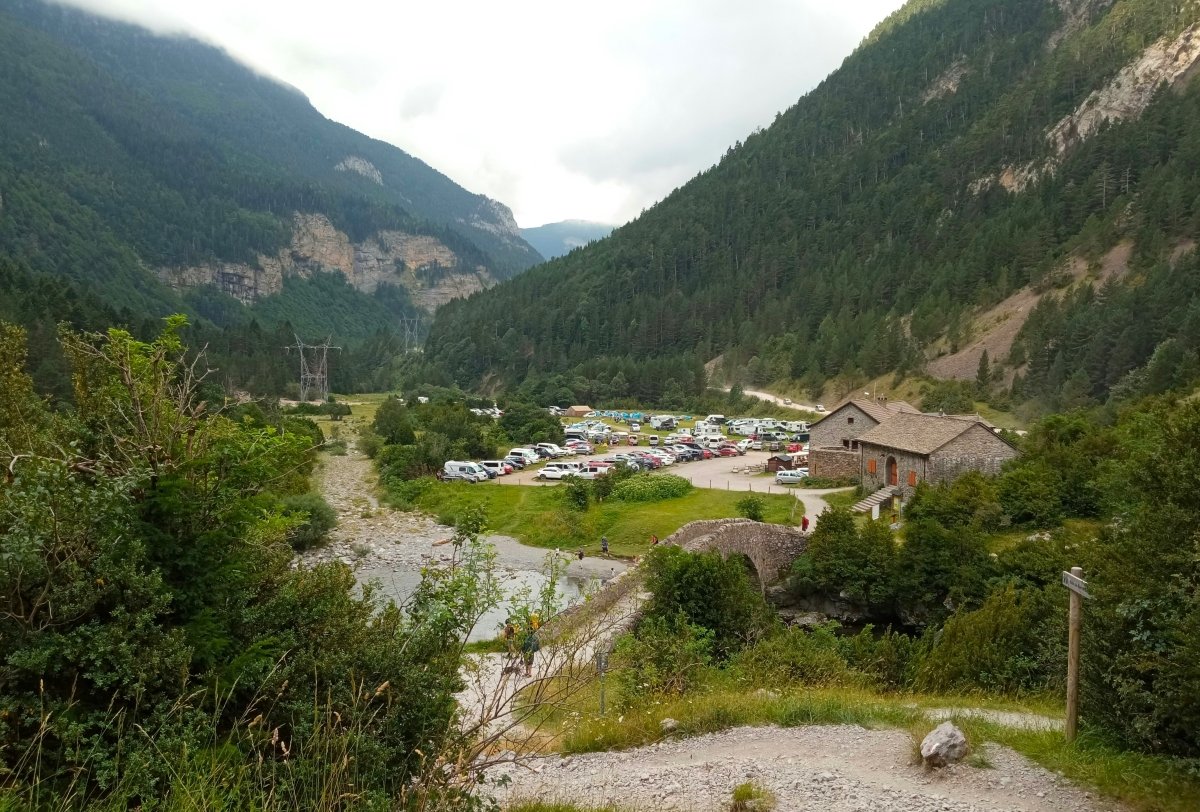


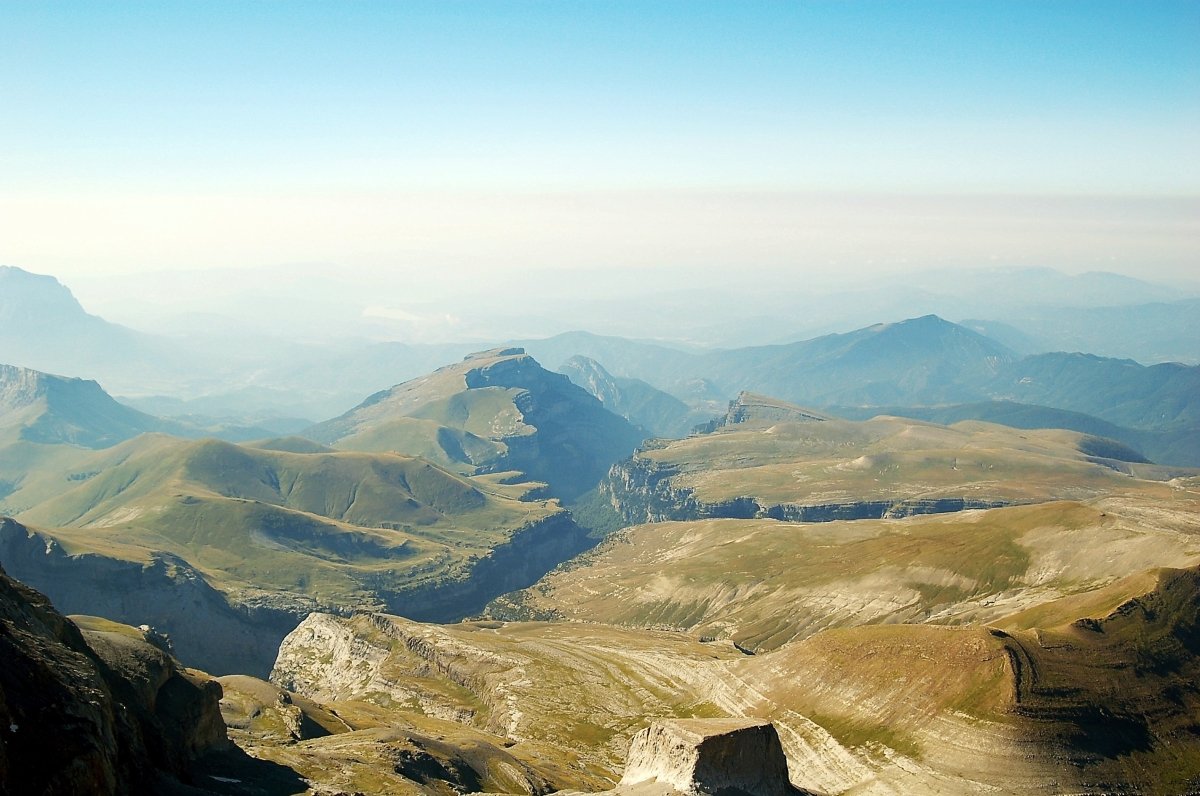
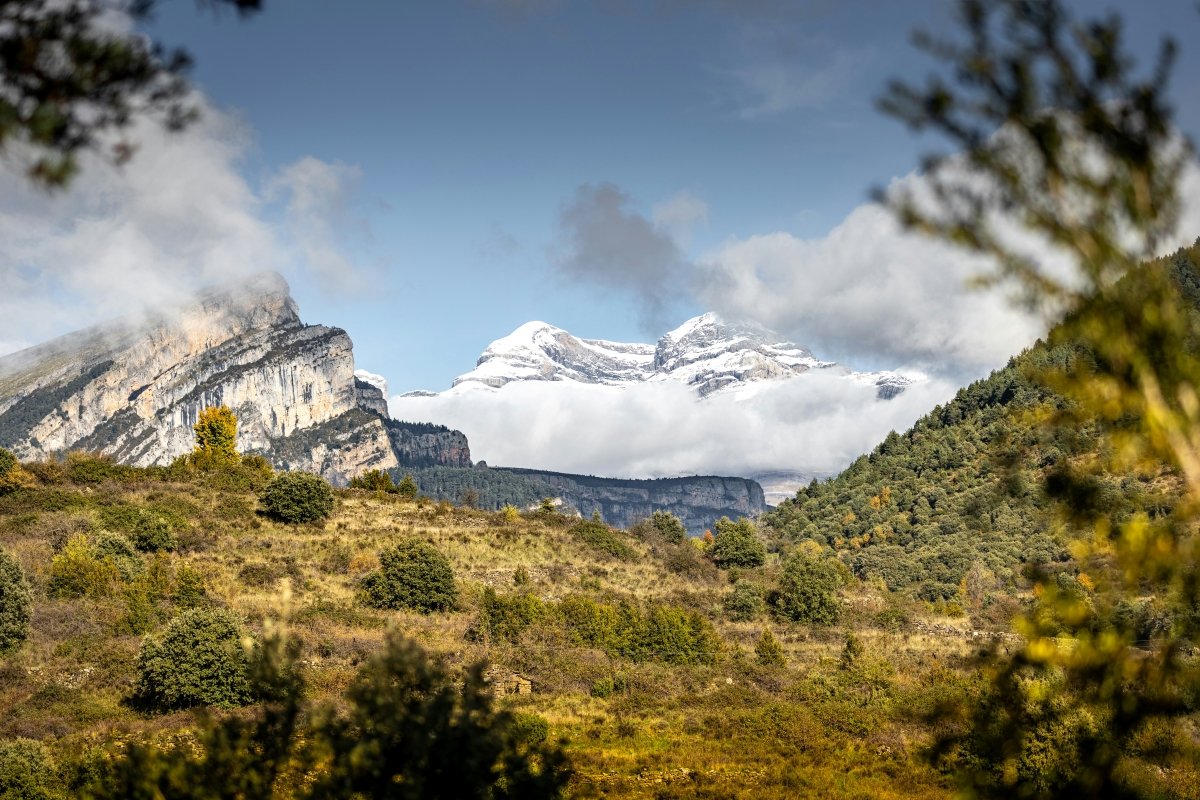
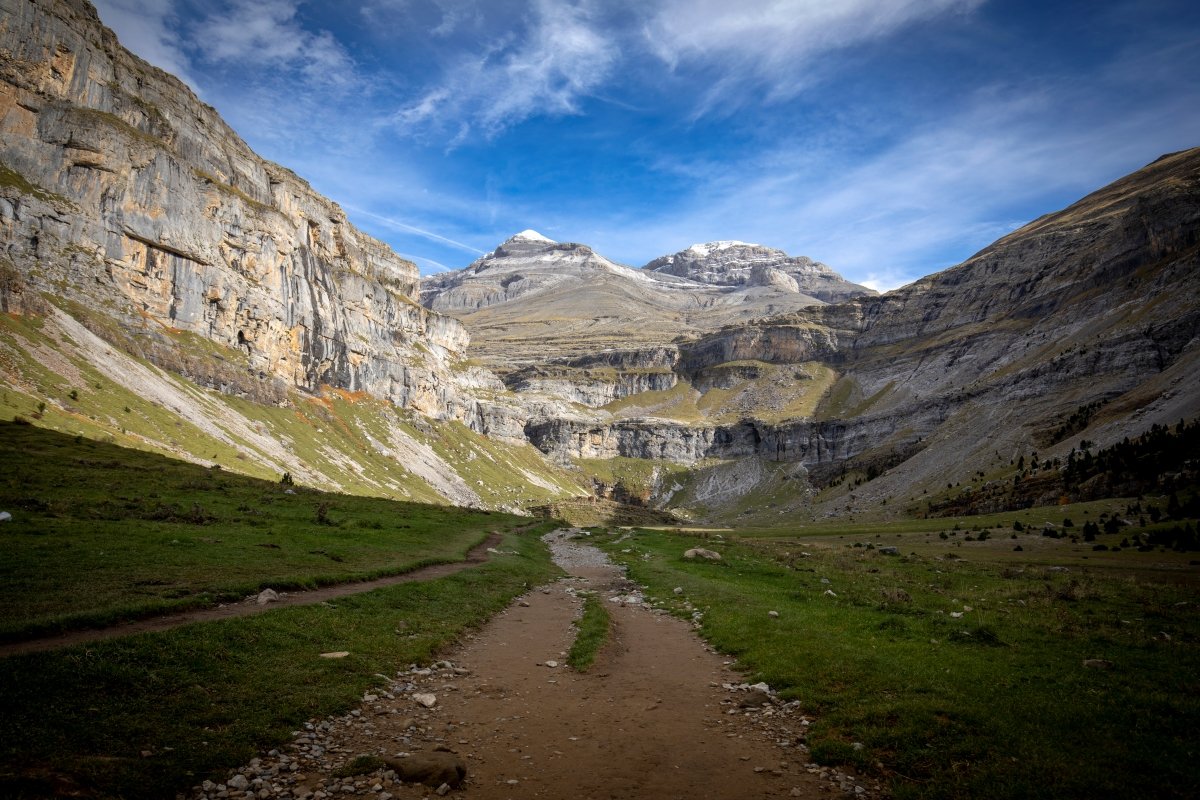






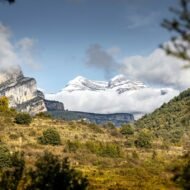

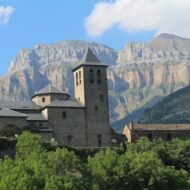


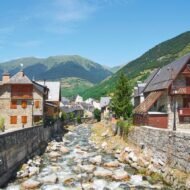
TL;DR The Spanish Pyrenees stretch 430km along Spain’s northern border, offering world-class skiing, medieval villages, epic hiking trails, and authentic mountain culture. Best visited June-September for hiking or December-March for skiing. Expect to spend €50-150 per person daily depending on your style. Highlights include Ordesa y Monte Perdido National Park, Romanesque churches, and villages like Ainsa and Taüll.
Why Visit the Spanish Pyrenees?
Forget the overcrowded beaches—the Spanish Pyrenees are where adventure meets authenticity. This mountain range delivers jaw-dropping landscapes without the Alpine price tag, medieval villages that feel frozen in time, and some of Europe’s best hiking trails with a fraction of the crowds you’ll find in Switzerland or Austria.
Whether you’re chasing powder on world-class ski slopes, hiking through UNESCO-protected national parks, or hunting down Romanesque churches in stone villages, the Spanish Pyrenees offer something genuinely different from the typical Spain experience.
Highlights You Can’t Miss
🏔️ Ordesa y Monte Perdido National Park – Spain’s answer to Yosemite, with limestone canyons, waterfalls, and trails that’ll make your Instagram followers jealous.
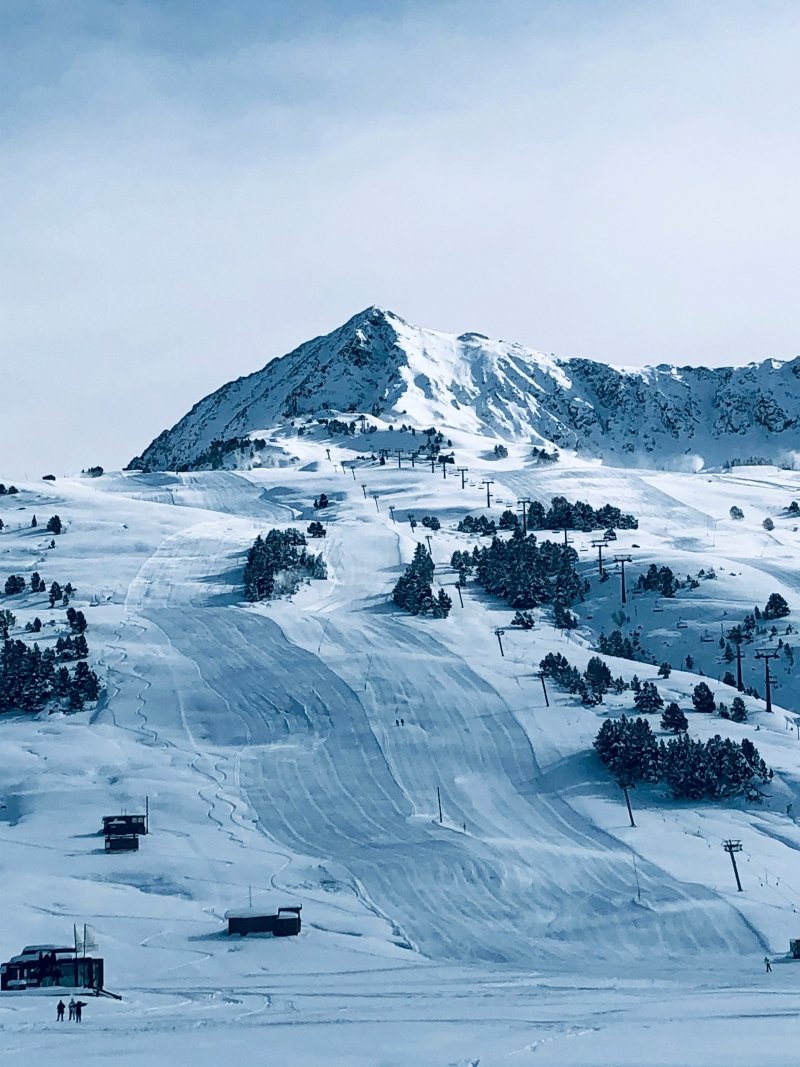
⛷️ Baqueira-Beret Ski Resort – The largest ski area in Spain, where even Spanish royalty comes to ski (seriously, you might spot them).
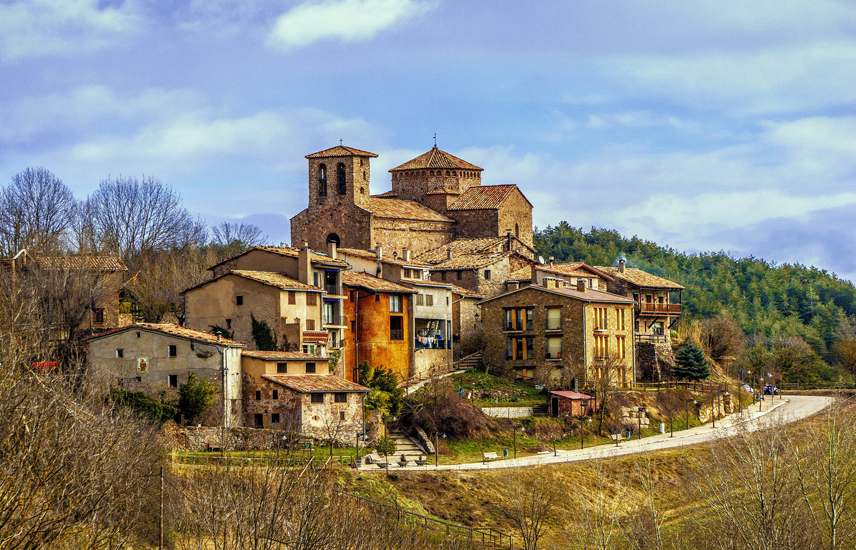
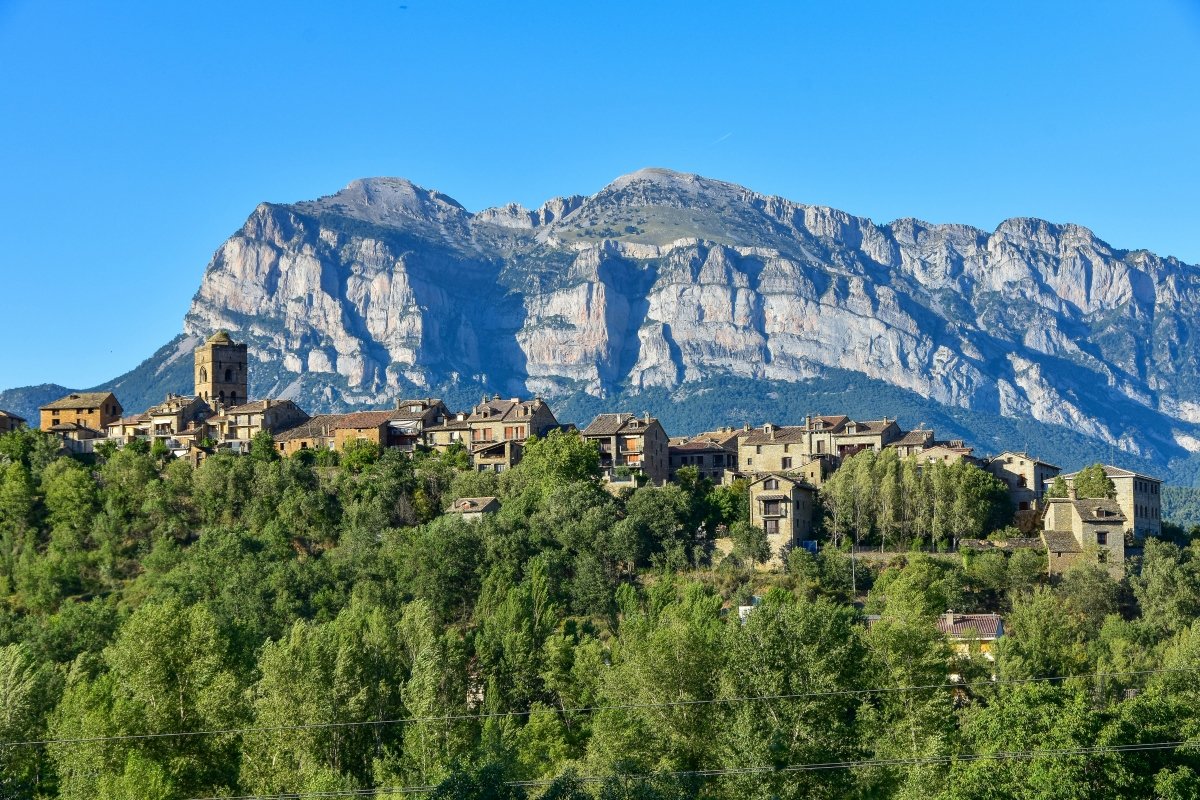
🏰 Medieval Villages – Places like Ainsa, Alquézar, and Taüll look like they were ripped straight from a fantasy novel.
🎨 Romanesque Churches – The Vall de Boí holds nine UNESCO-listed 11th-century churches with original frescoes.
🥾 GR11 Trail – The legendary 840km coast-to-coast trek across the entire Pyrenees (or just tackle sections of it).
🏞️ Aigüestortes National Park – Catalonia’s only national park, featuring over 200 alpine lakes.
🦅 Wildlife Watching – Spot bearded vultures, golden eagles, chamois, and if you’re incredibly lucky, brown bears.
🧀 Local Gastronomy – Mountain cheeses, cured meats, and hearty stews that fuel adventures.
10 Most Popular Attractions
- Ordesa Valley – The crown jewel of hiking destinations with the Cola de Caballo waterfall trail
- Baqueira-Beret Ski Resort – 167km of pristine slopes across varied terrain
- Aigüestortes i Estany de Sant Maurici National Park – Alpine paradise with crystalline lakes
- Vall de Boí UNESCO Site – Nine Romanesque churches showcasing medieval art
- Añisclo Canyon – Dramatic limestone gorge with sheer 500m walls
- Monte Perdido (3,355m) – Third-highest peak in the Pyrenees, accessible to experienced hikers
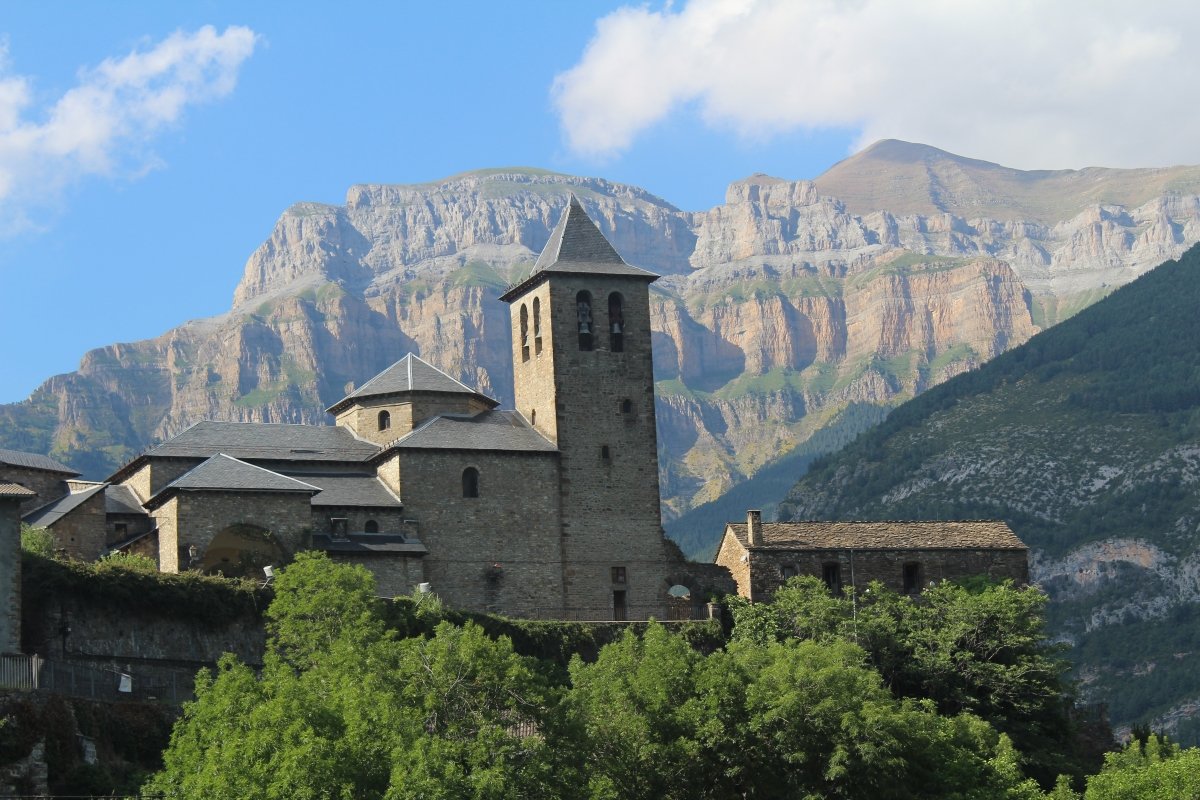
- Torla-Ordesa – Gateway village to Ordesa National Park with mountain charm
- Congost de Mont-rebei – Spectacular gorge with cliff-edge walkways
- Panticosa Spa – Historic thermal baths at 1,636m altitude
- Mallos de Riglos – Iconic red rock formations, a rock climbing mecca
Off the Beaten Path Gems
Valle de Chistau – This forgotten valley offers authentic Aragonese villages like San Juan de Plan and Plan, where you’ll hear the endangered Chistabino dialect and find hiking trails without another soul in sight.
Parque Natural Posets-Maladeta – Home to the Pyrenees’ highest peak (Aneto, 3,404m) yet surprisingly quiet compared to Ordesa. The Estós Valley here is absolutely stunning.
Romanesque Route of Serrablo – Twenty tiny churches scattered across remote valleys—you’ll need a car and good navigation, but the solitude is magical.
Valle de Echo – One of Aragon’s best-kept secrets with the gorgeous Selva de Oza forest and traditional stone architecture.
Lago de Marboré – A high-altitude glacial lake requiring a challenging hike, but you’ll have it mostly to yourself unlike crowded alpine spots.
Foz de Arbayún – A massive canyon in Navarre where griffon vultures nest—bring binoculars for incredible bird watching.
Major Towns & Villages Worth Your Time
Jaca – The region’s historical capital and largest town (13,000 residents). Boasts Spain’s first Romanesque cathedral, a citadel, and serves as an excellent base for exploring western Pyrenees. Great tapas scene and real local life, not just tourists.
Alquézar – Perched on a limestone outcrop in Somontano, this red-roofed village overlooks the Vero River canyon. Medieval streets, a fortified church, and access to canyoning adventures.
Bielsa – Charming Aragonese town near the French border, gateway to Pineta Valley and Monte Perdido’s north face.
Local Traditions & Culture
The Spanish Pyrenees aren’t just scenery—they’re home to distinct cultures that have survived centuries of isolation.
Languages – You’ll hear Spanish (Castilian), Catalan, Aranese (in Val d’Aran), and Aragonese dialects. Many locals, especially older generations, are trilingual.
Fiestas – Summer patron saint festivals explode with energy. Look for Fiestas de San Juan (June 23-24) with bonfires lighting up mountainsides, and local festivities in August when villages triple in population with returning emigrants.
Falles – In winter, particularly Val d’Aran and Pallars Sobirà, locals carry flaming torches down mountains in pre-Christian fire festivals—absolutely spectacular and slightly terrifying.
Architecture – Traditional stone houses with slate roofs, called bordas, dot the landscape. Many have been converted to rural accommodations.
Livestock Traditions – Transhumance (seasonal livestock movement) still happens. You might encounter shepherds moving flocks between summer and winter pastures.
Artisan Crafts – Look for handwoven wool products, wooden crafts, and local pottery in village markets.
Outdoor Adventures: Skiing
The Spanish Pyrenees offer exceptional skiing at better prices than French or Swiss Alps.
Top Ski Resorts:
Baqueira-Beret (Catalonia) – The undisputed king with 167km of slopes, excellent snow reliability, and terrain for all levels. Season runs December-April. Lift passes around €58-66/day.
Candanchú (Aragon) – Spain’s oldest ski resort (since 1928), relaxed vibe, good for beginners and intermediates. €44/day.
Astún (Aragon) – Next to Candanchú, more challenging terrain. Joint passes available. €44/day.
Season & Conditions – December to early April, with peak season Christmas-New Year and February-March. Spanish school holidays (Semana Santa/Easter week) get crowded.
Ski Passes – Multi-day and season passes offer better value. Some resorts share passes (Aramón group includes Formigal, Panticosa, Cerler).
Popular Hikes: Top 10 Trails
- Cola de Caballo (Ordesa Valley) – 16km return, 650m elevation gain, moderate. The classic Ordesa hike to a spectacular waterfall. Early start essential in summer.
- Lago de Marboré – 22km return, 1,150m elevation gain, challenging. High-altitude glacial lake beneath Monte Perdido’s north face.
- Estany de Sant Maurici Loop – 8km, 200m gain, easy-moderate. Perfect introduction to Aigüestortes with stunning lake views.
- Aneto Summit – 20km return, 1,300m gain, very challenging. The Pyrenees’ highest peak requires glacier crossing (crampons needed).
- Circo de Soaso – 18km return, 700m gain, moderate. Ordesa’s northern cirque with multiple waterfalls.
- Ibon de Plan – 10km return, 900m gain, moderate. Beautiful glacial lake in Valle de Chistau, fewer crowds.
- Cresta de los Batanes – 12km return, 800m gain, moderate. Ridge walk with 360° views near Benasque.
- Faja de las Flores – 15km point-to-point, 600m gain, moderate-challenging. Exposed traverse with incredible views (some scrambling).
- Refugio de Góriz via Circo de Cotatuero – 18km return, 1,350m gain, challenging. Classic mountain refuge hike.
- Monte Perdido – 24km return, 1,800m gain, very challenging. Technical scrambling required but non-climbers can attempt with experience.
Hiking Season – Late June to early October for high-altitude trails. Lower elevation paths accessible May-November. Always check conditions and carry proper gear.
Water Activities
Whitewater Rafting & Kayaking – The Río Gállego, Río Ara, and Río Ésera offer Class II-IV rapids. Companies in Murillo de Gállego run guided trips April-September (€35-60 per person).
Canyoning – The Río Vero near Alquézar is canyoning heaven with routes for beginners to experts. Jump into turquoise pools, abseil down waterfalls. Half-day trips start around €45.
Stand-Up Paddleboarding – Tranquil alpine lakes like Búbal Reservoir and Estany de Sant Maurici offer serene paddling when water levels permit. Rentals available at lakeside towns.
Wild Swimming – Countless mountain streams and lakes offer refreshing dips. Pozas de Murillo de Gállego and Congost de Mont-rebei gorge are local favorites.
Hydrospeed – Like white-water rafting but you’re in the water with a bodyboard—pure adrenaline on Río Gállego (€45-55).