




















TL;DR: France’s sacred routes offer more than Instagram moments—they’re journeys that’ll crack you open in the best way possible. From cliffside sanctuaries to lavender-scented abbeys, these five pilgrimages combine soul-stirring spirituality with jaw-dropping landscapes. Whether you’re seeking healing, clarity, or just an escape from the digital noise, France’s ancient paths are calling.
- Why Spiritual Travel Is the New Luxury (And Why 2026 Is Your Year)
- 1. The Coastal Awakening: Mont Saint-Michel to Lisieux
- 2. The Healing Journey: Lourdes & the Pyrenean Foothills
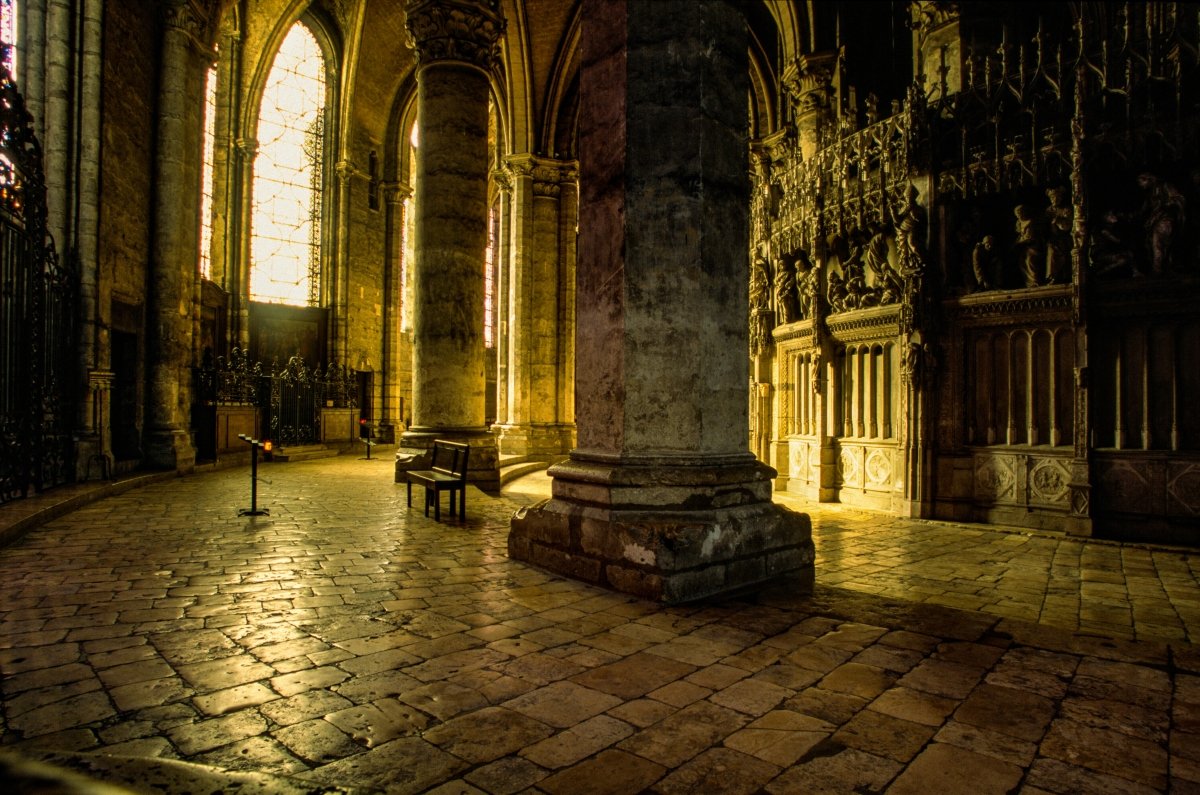
- 3. The Mystic’s Path: Chartres & Its Living Labyrinth
- 4. The Cliffside Revelation: Rocamadour & Conques
- 5. The Lavender Silence: Sénanque Abbey, Provence
- Practical Magic: Making Your Pilgrimage Actually Happen
- Sustainable Travel Tips
- What to Actually Pack for a Walking Pilgrimage
- Finding English-Language Masses & Spiritual Guidance
- The Route You Don’t Expect: Le Puy-en-Velay to Conques
- Final Thoughts: What These Routes Actually Give You
Why Spiritual Travel Is the New Luxury (And Why 2026 Is Your Year)
Here’s the thing about 2026: we’re all collectively exhausted. Zoom fatigue is real, doomscrolling has become an Olympic sport, and honestly? The idea of another generic beach resort makes me want to scream into a pillow.
Enter spiritual travel—the antidote nobody knew they needed.
This isn’t about converting or suddenly becoming deeply religious (though if that’s your vibe, cool). It’s about silence. Space. Walking paths that monks trudged for centuries, hearing Gregorian chants echo off 12th-century stone, and tasting cider that brothers made with their actual hands. It’s about remembering you’re part of something bigger than your inbox.
And France? France gets it. With Notre Dame de Paris finally reopened after its dramatic restoration (those stained glass windows hit different now), the country is having a moment. But the real magic isn’t in Paris—it’s in the regions, where pilgrimage routes wind through landscapes so stunning they feel like prayers themselves.
1. The Coastal Awakening: Mont Saint-Michel to Lisieux
The Vibe: Epic medieval drama meets ocean therapy
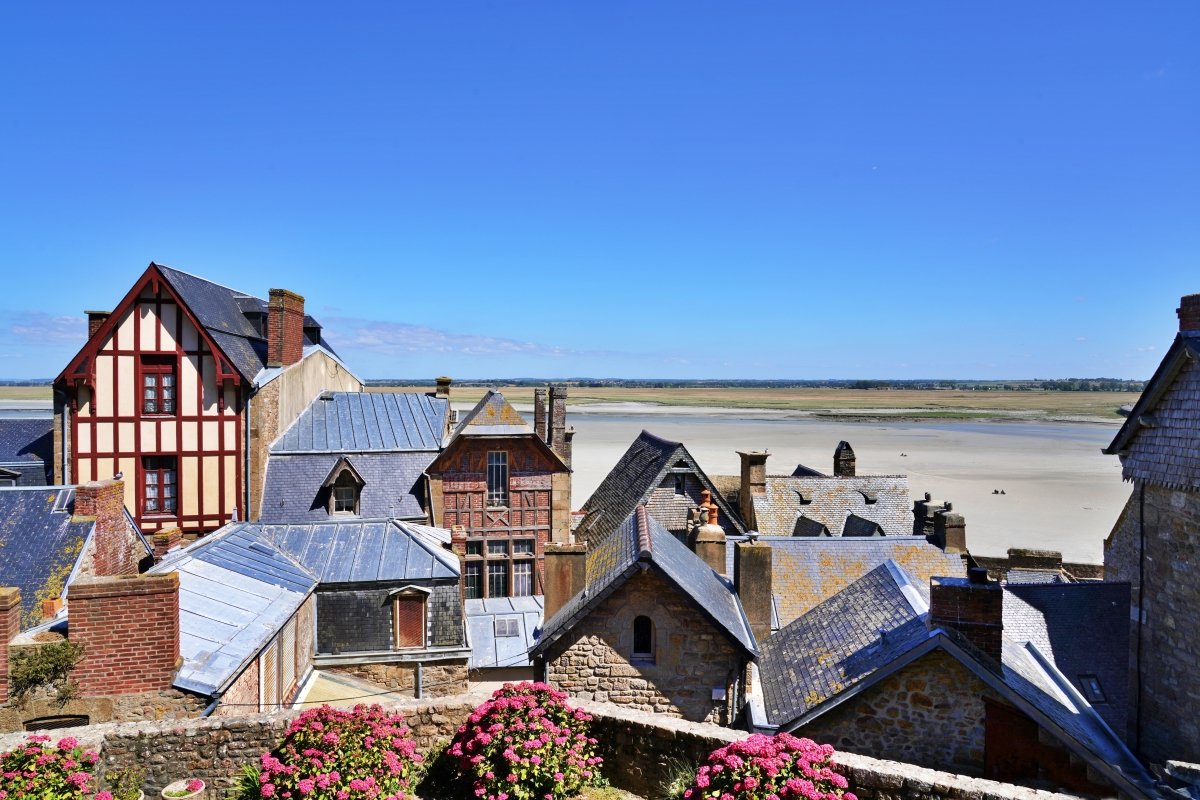
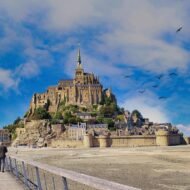
Mont Saint-Michel: Walk Where the Tide Walks
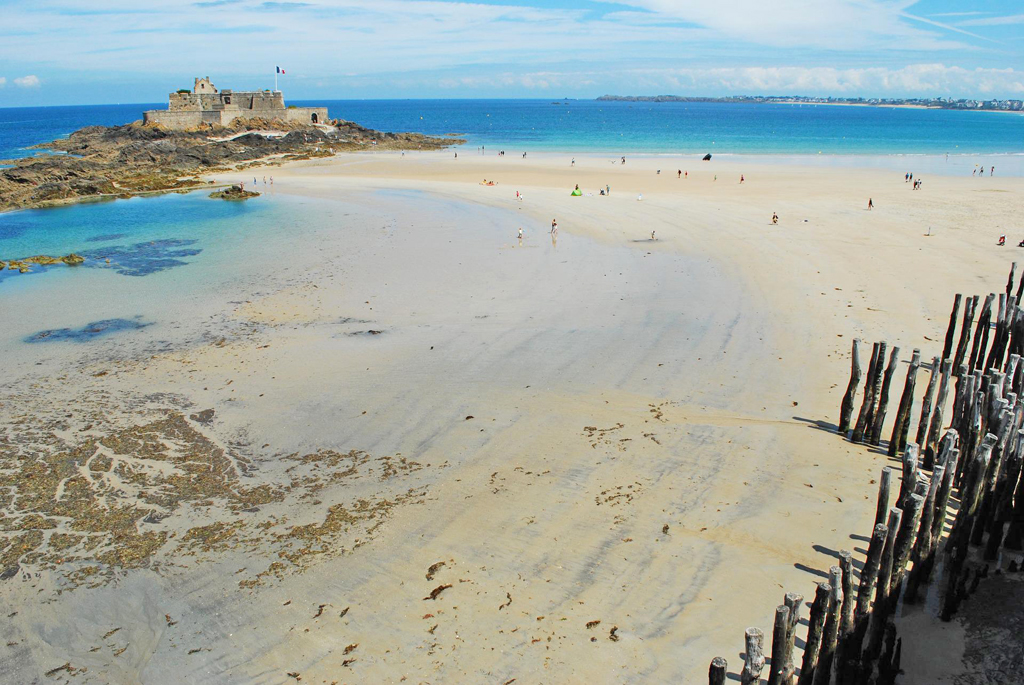
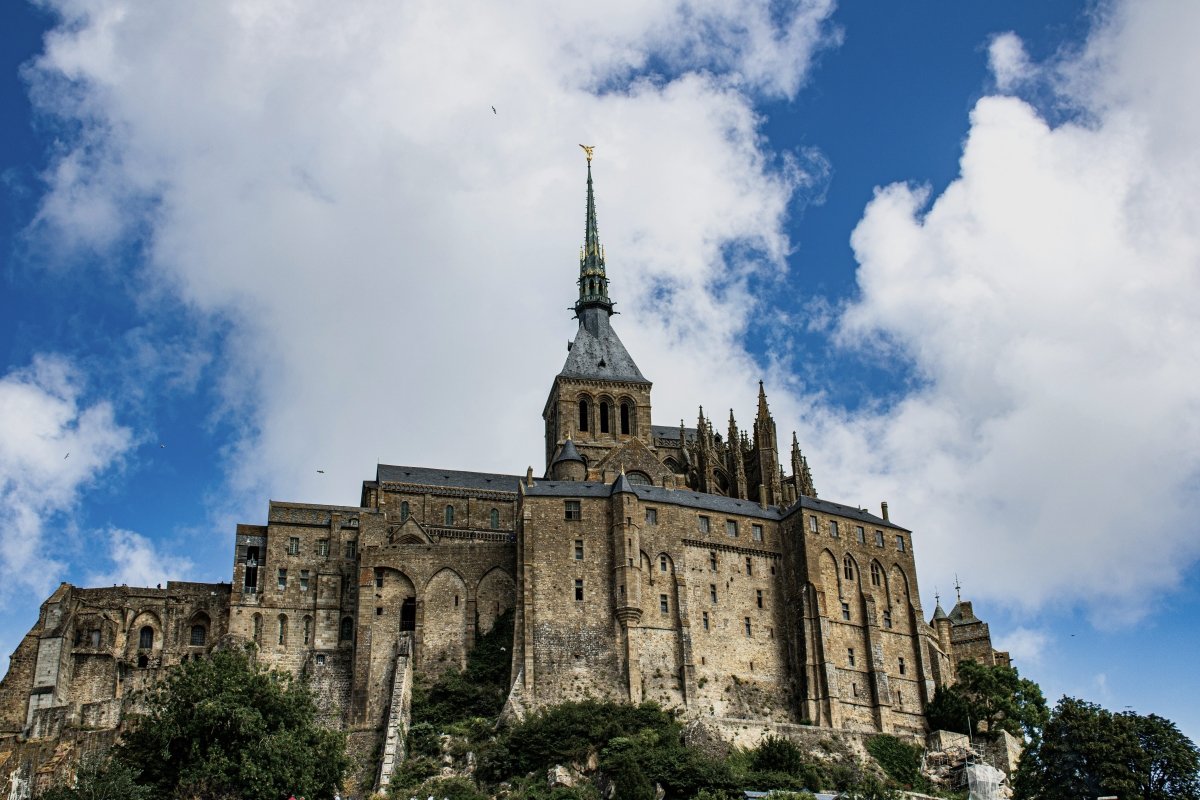
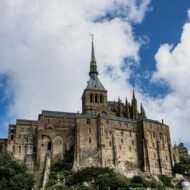
You’ve seen the photos—that gravity-defying abbey rising from the sea like something out of a fantasy novel. But here’s what Instagram doesn’t show you: the crossing.
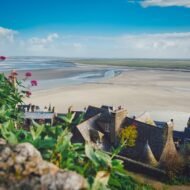
When you walk across the bay to Mont Saint-Michel at low tide, barefoot in the sand with a certified guide, it’s not just a hike—it’s a metaphor. The quicksand patches (yes, really) force you to stay present. The incoming tide waits for no one. By the time you reach the “Wonder of the West,” you’re not the same person who started.
Inside tip: Book the early morning crossing to avoid crowds. The 7am light hitting those granite walls? Chef’s kiss.
What You’ll Actually Experience:
- The “Couesnon River mouth” crossing (3 hours of pure mindfulness)
- Evening vespers with the monastic community—those acoustics will give you full-body chills
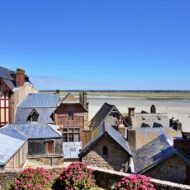
- The island’s single cobblestone street (literally one street) lined with 600-year-old buildings
Lisieux: The Little Flower’s Big Impact
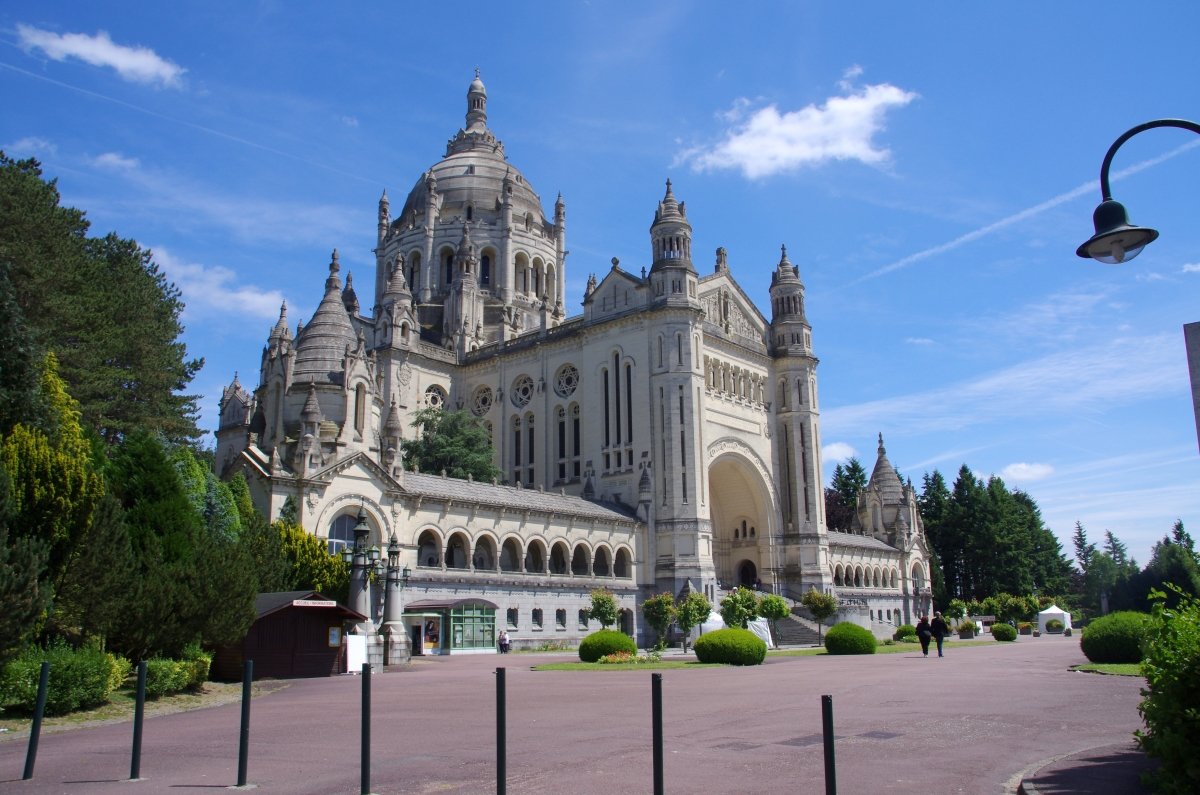
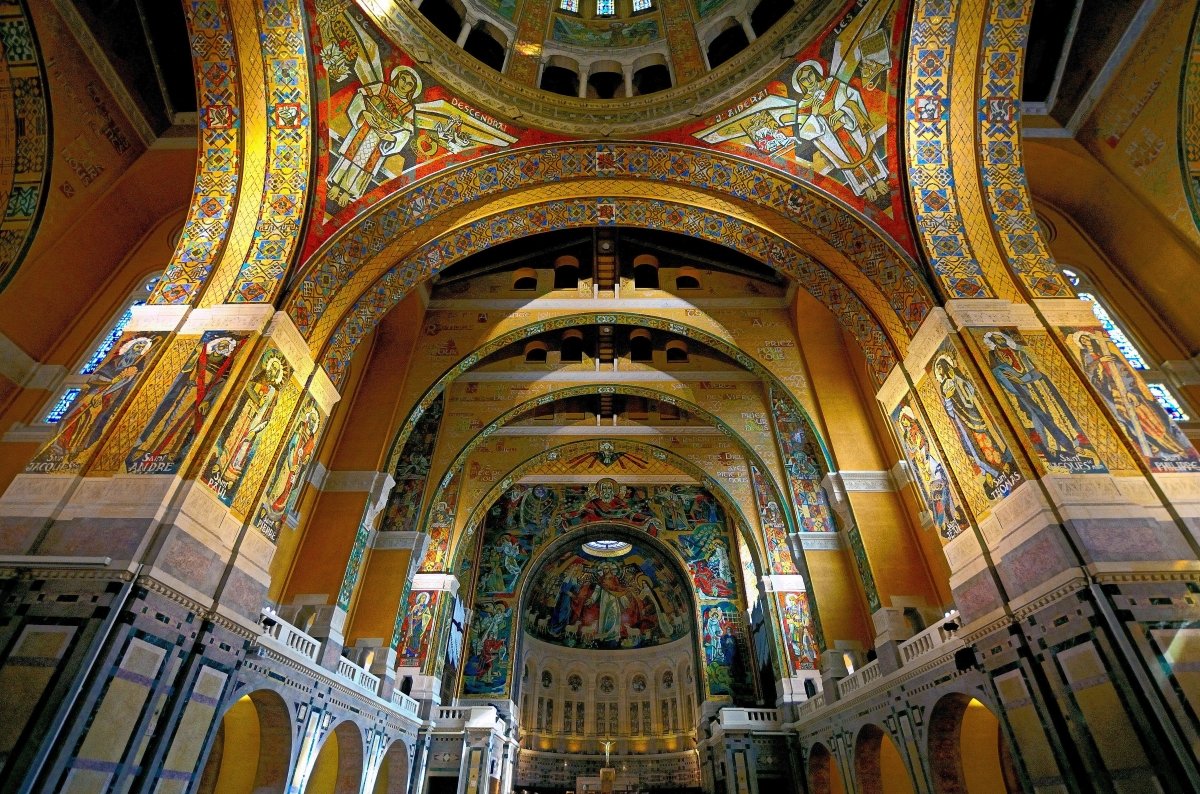
An hour’s drive southeast brings you to Lisieux, home of St. Thérèse. Now, I know what you’re thinking—”Who?” But stick with me. Thérèse died at 24 and became one of France’s most beloved saints because she made spirituality accessible. No grand gestures, just small acts of love done with great attention.
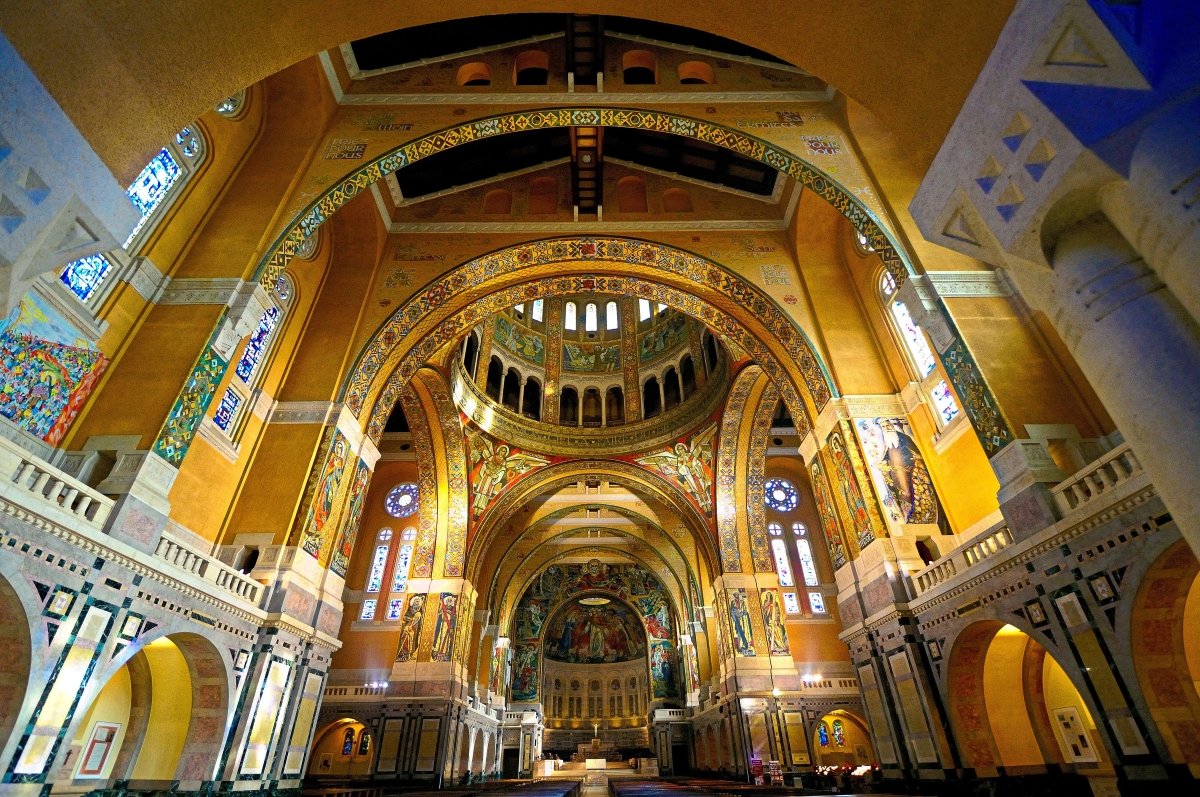
Her basilica is massive (the second-largest pilgrimage site in France), but the real treasure is Les Buissonnets—her modest childhood home where everything feels frozen in 1888. The silence in her tiny bedroom is louder than any cathedral.
Bonus: The town’s utterly unpretentious. You can grab a perfect crêpe for €4 and nobody’s trying to sell you overpriced rosaries.
2. The Healing Journey: Lourdes & the Pyrenean Foothills
The Vibe: Raw emotion meets radical hope
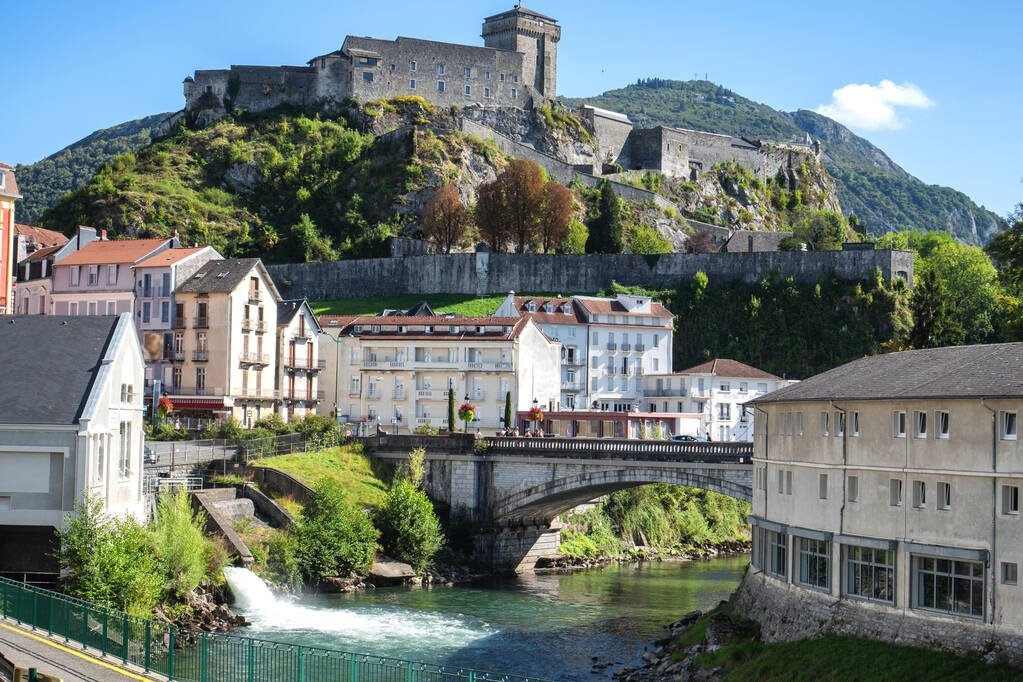
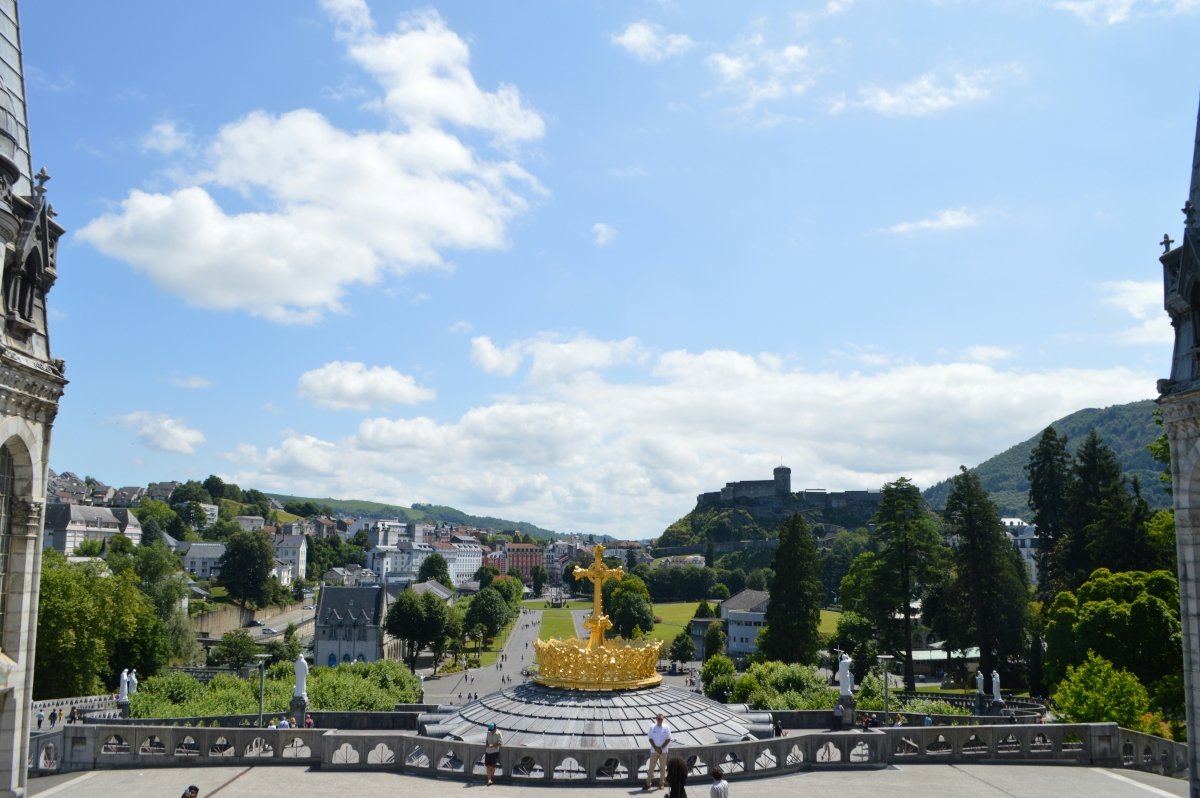
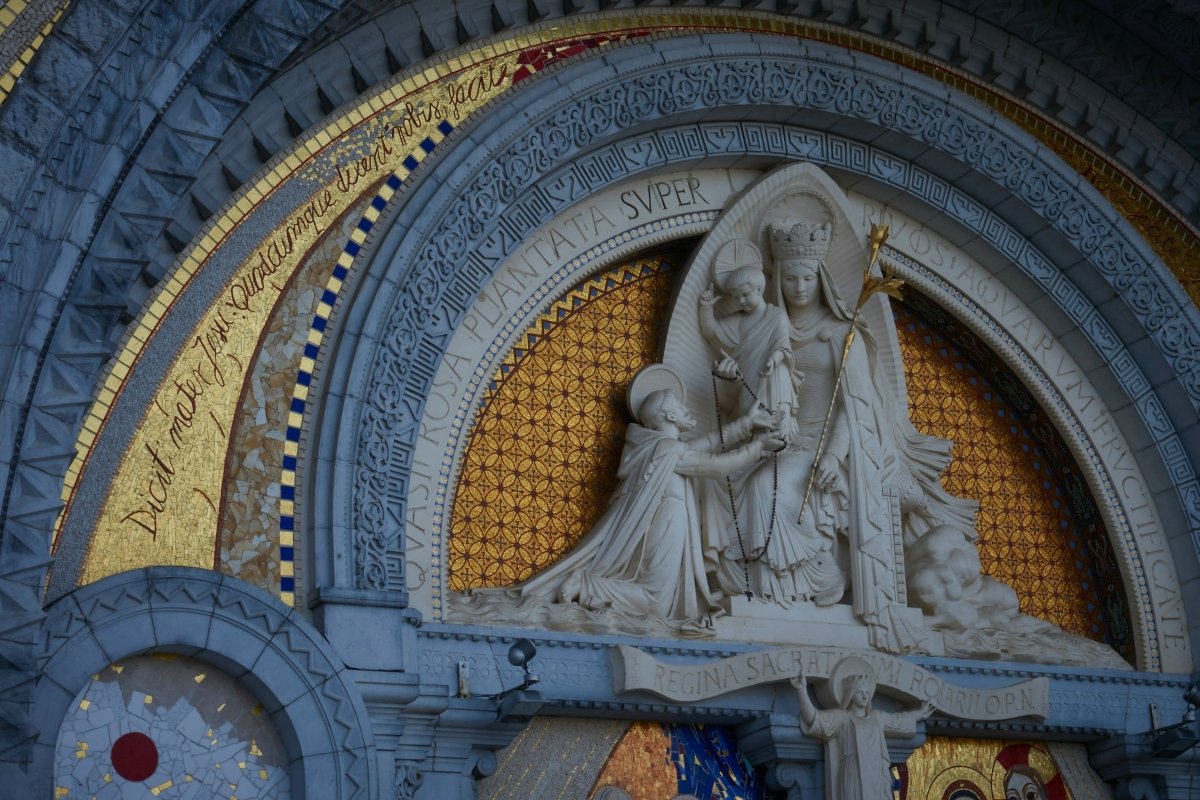
Let’s be real—Lourdes gets a bad rap for being “too touristy.” But dismiss it at your own loss.
Why Lourdes Hits Different
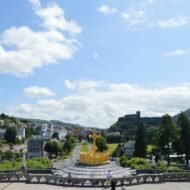
Six million pilgrims can’t all be wrong. When you witness the nightly torchlight procession—thousands of candles snaking through the darkness while “Ave Maria” swells from the crowd—your cynicism doesn’t stand a chance. I’ve seen grown men sob. I’ve seen teenagers go quiet. It’s intense.
The Grotto of Massabielle (where Bernadette saw her visions) is shockingly small and simple. People line up to touch the rock, to drink the spring water, to just… be there. The energy is palpable—not performative, but deeply human.
What Makes It Inclusive:
- Wheelchair-accessible everything (the site was designed for the sick and disabled)
- Masses in multiple languages daily
- Zero pressure to participate—you can observe, you can engage, you can cry, you can just sit
Don’t Miss:
- The baths (yes, you can bathe in the spring water—it’s freezing and surprisingly moving)
- Early morning at the Grotto before the crowds (6am = pure serenity)
- The Gave de Pau river walk for decompressing
The Secret Extension: Pic du Jer
Take the funicular up this 3,000-foot peak for panoramic views that’ll remind you why the Pyrenees were considered the edge of the world. The contrast between Lourdes’ intensity and this wind-whipped silence is exactly what you need.
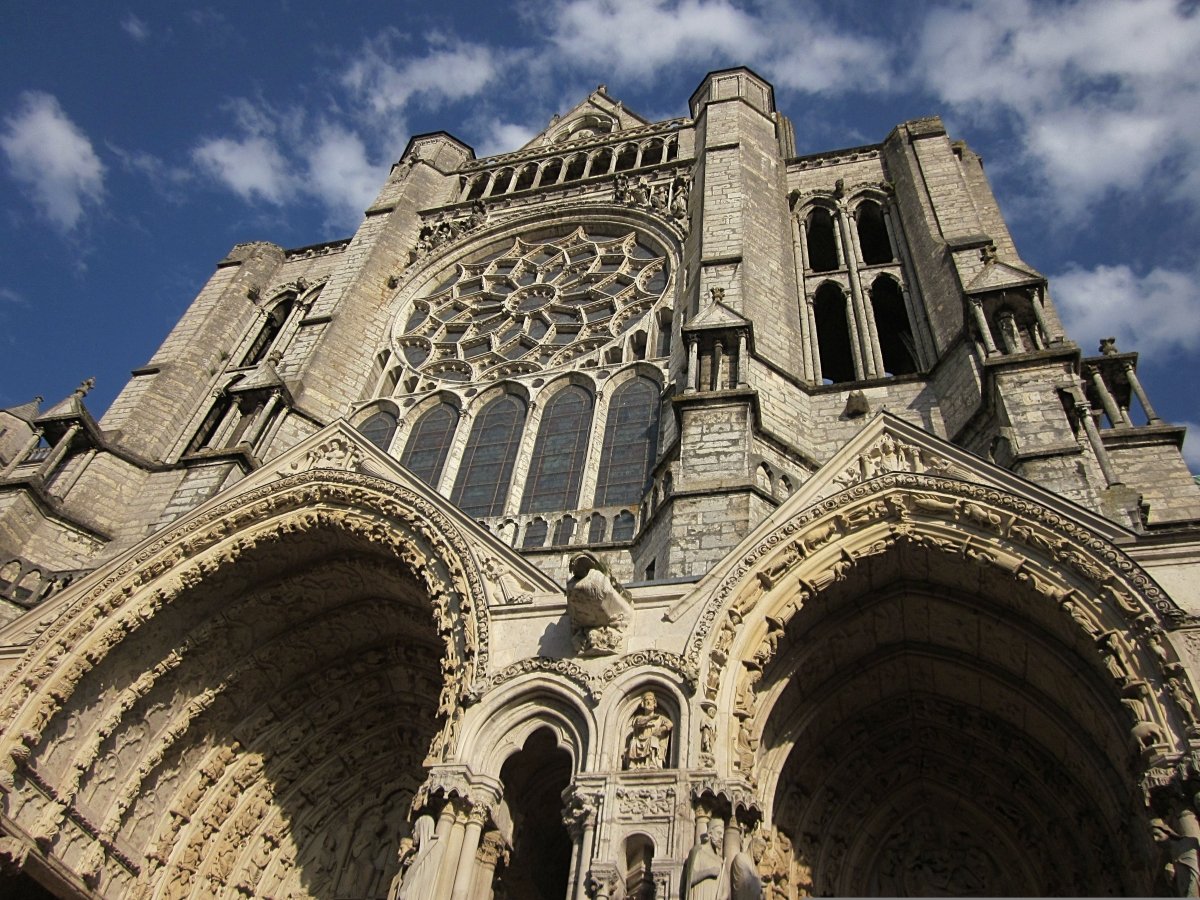
3. The Mystic’s Path: Chartres & Its Living Labyrinth
The Vibe: Medieval mystery meets walking meditation
Chartres: Where the Floor Is the Point
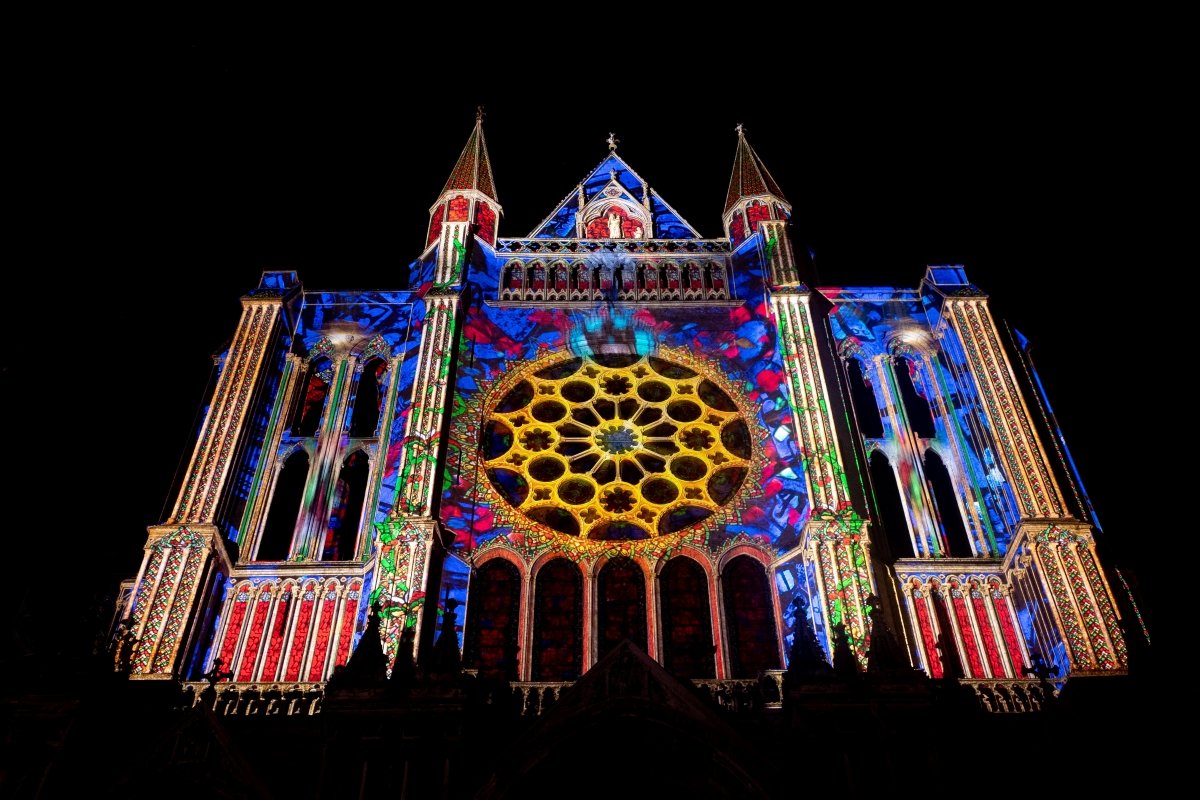
Everyone photographs the cathedral’s exterior. Everyone gasps at the “Chartres Blue” stained glass (that cobalt is literally irreplicable—the recipe died with medieval glaziers). But the labyrinth?
Built into the nave floor around 1200 AD, this 40-foot-wide maze is your moving meditation. Unlike other labyrinths, you can actually walk it—but only on Fridays outside of July-August when the chairs are removed. The route to the center takes about 20 minutes of slow, intentional walking.
Here’s the wild part: you’re not solving anything. You’re not trying to get lost. You’re just… walking. One foot, then the other. The repetition cracks something open.
Pro tip: Go at 10am on Friday morning. Bring socks (the marble is cold). And maybe tissues—people have Feelings about this labyrinth.
The Crypte Saint-Lubin
Beneath the cathedral lies a Carolingian-era crypt that predates the current building by centuries. The air down there smells like stone and time. The “Well of the Strong” (a 100-foot-deep shaft) has been drawing pilgrims since pre-Christian times. Standing beside it, you’re literally in the same spot where druids once stood. The continuity is humbling.
4. The Cliffside Revelation: Rocamadour & Conques
The Vibe: Vertical medieval drama meets profound humility
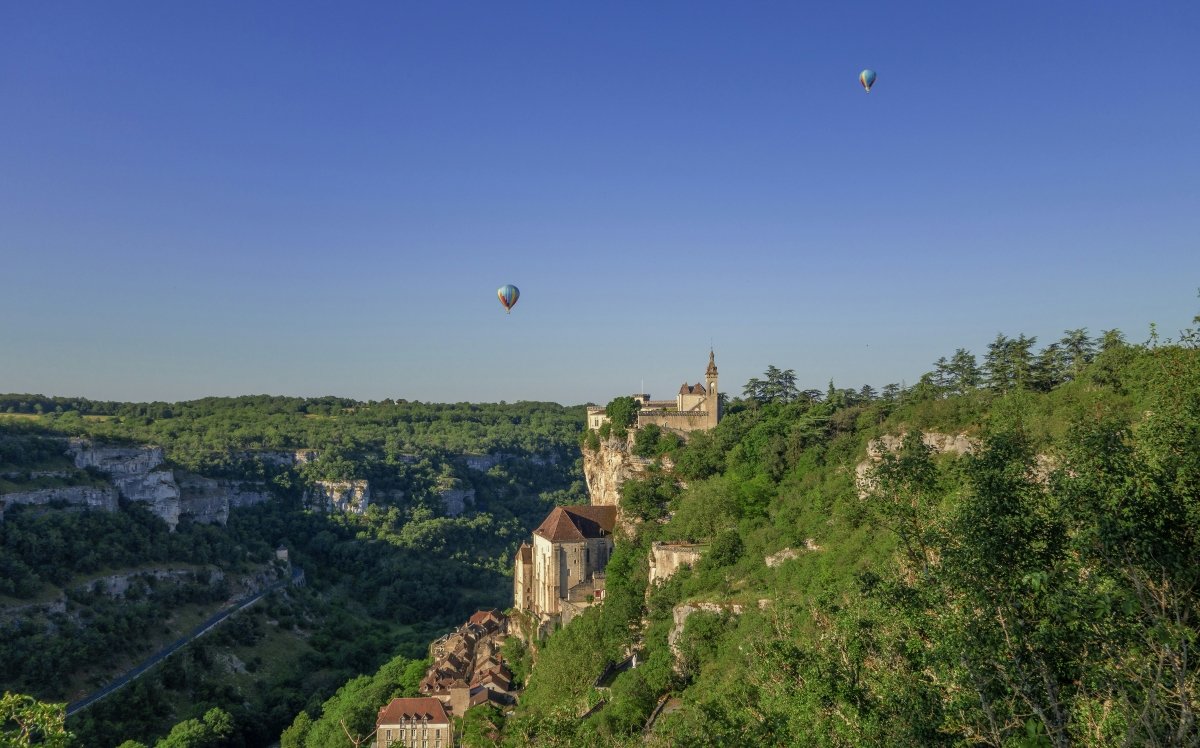
Rocamadour: A Sanctuary That Defies Physics
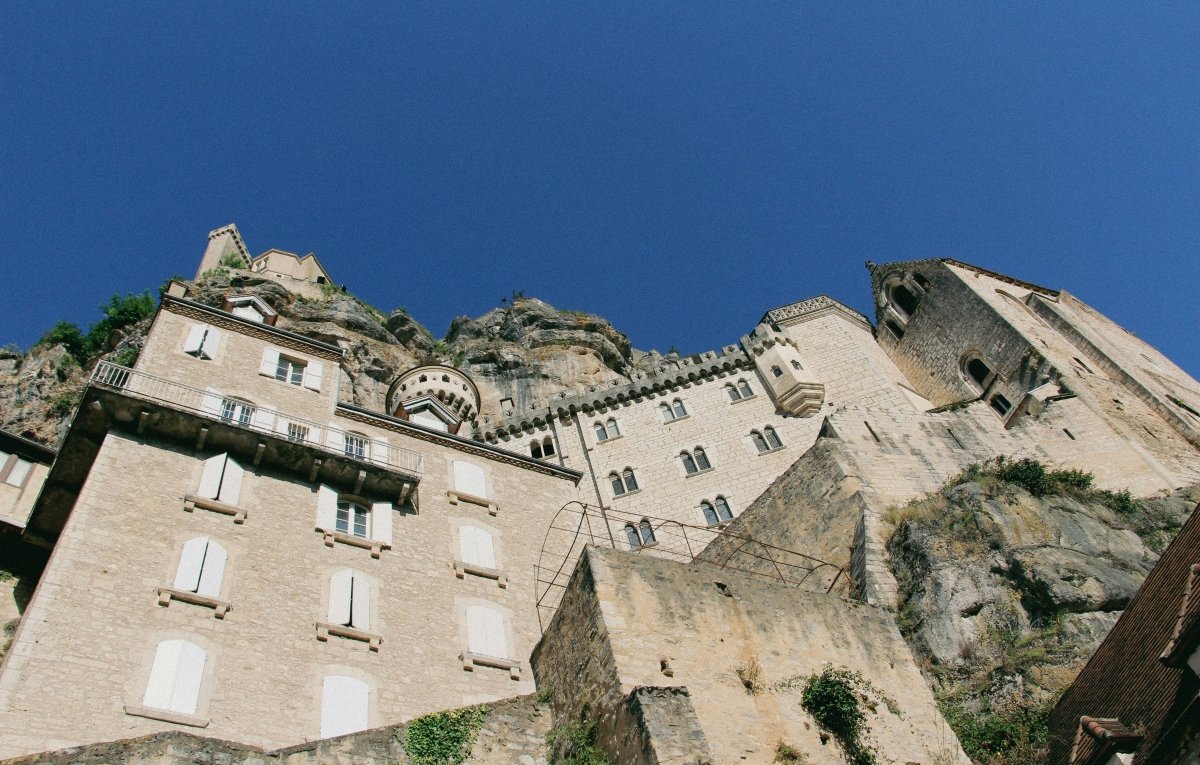
Imagine a medieval town built vertically into a limestone cliff, with seven sanctuaries stacked atop each other, crowned by a château. That’s Rocamadour—and you have to see it to believe it.
The pilgrimage involves climbing 216 steps (some pilgrims do it on their knees) to reach the Chapelle Notre-Dame, home to the Black Madonna statue. The effort is the point. By the time you reach the top, sweaty and breathless, you’ve earned the view—and the silence.
What Makes It Special:
- The Amadour bell that supposedly rings on its own before miracles (medieval legend, but still cool)
- Evening when day-trippers leave and you have the sanctuary to yourself
- The smell of beeswax candles mixing with the mineral scent of the cliff
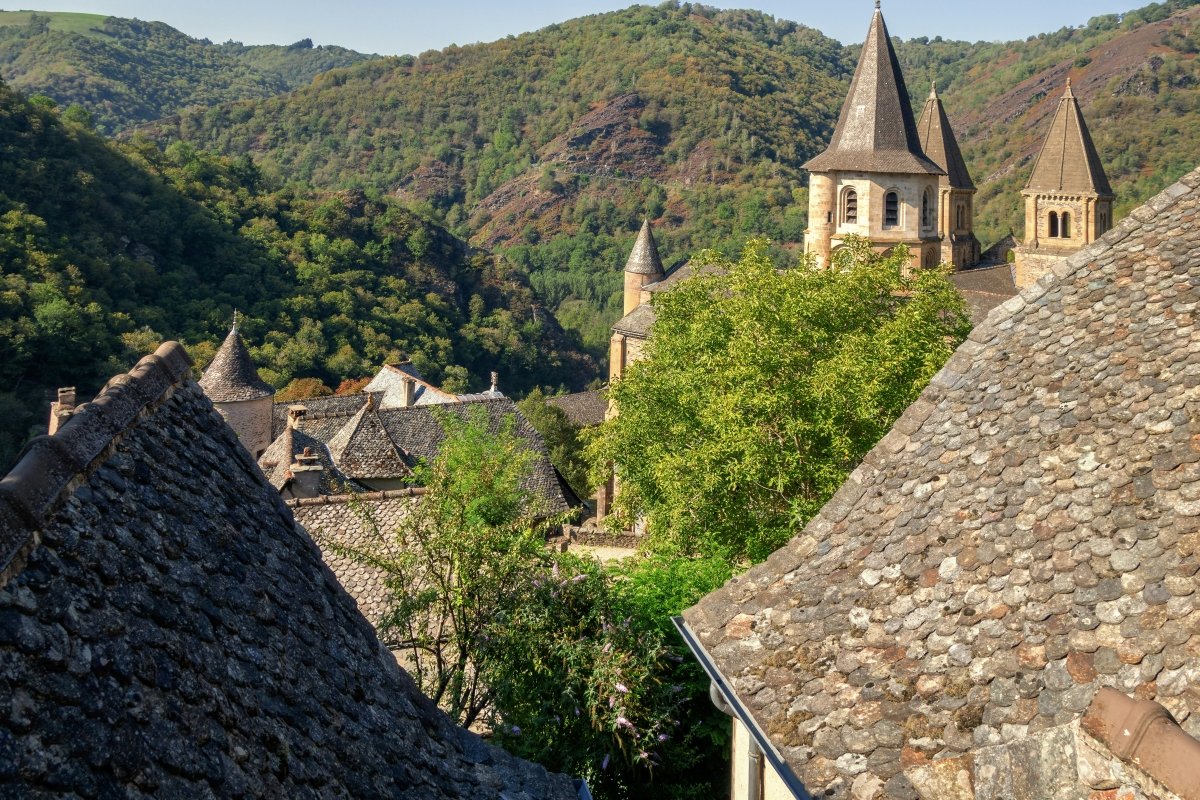
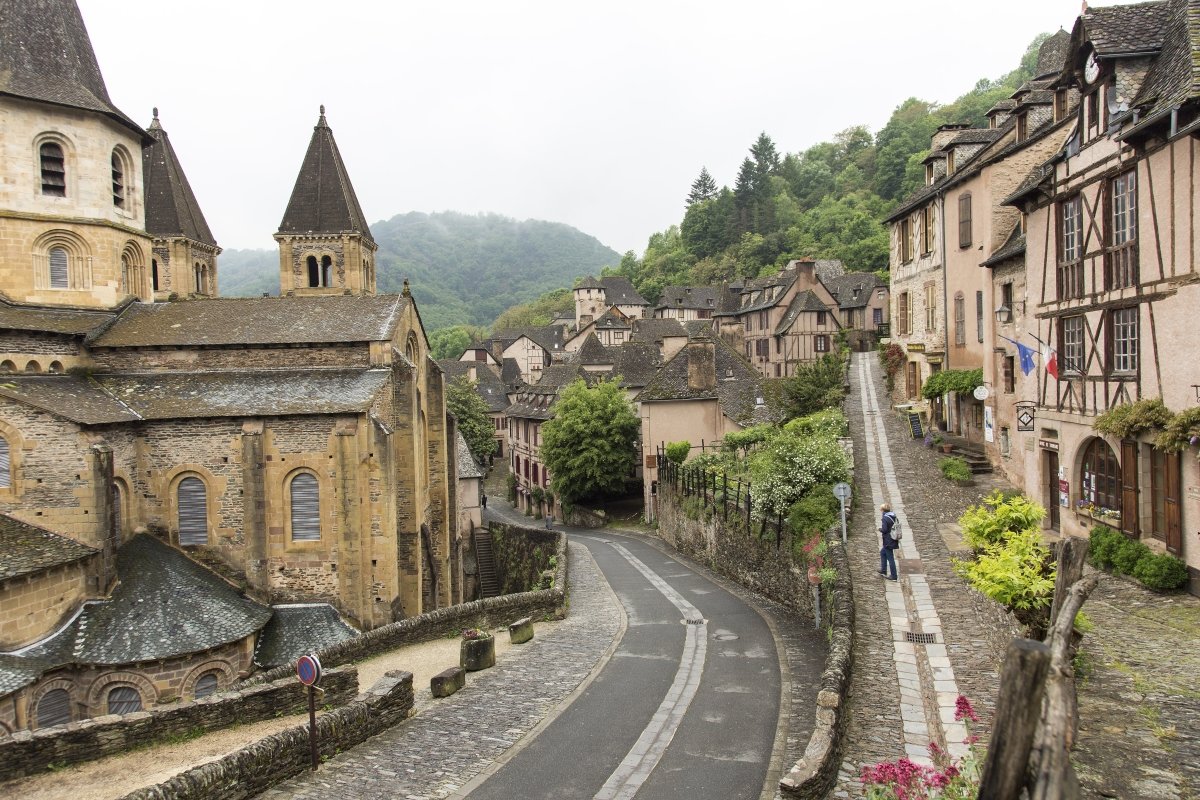
Conques: The Camino’s Secret Start
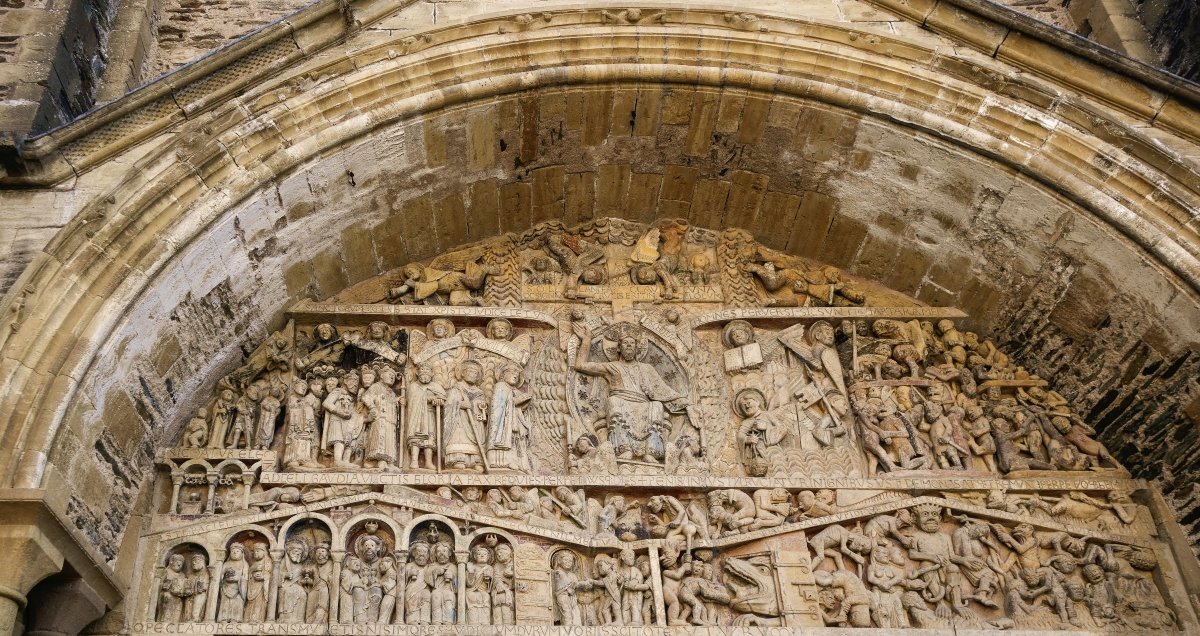
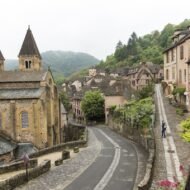
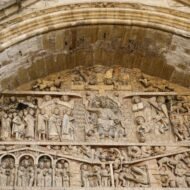
Most people know the Camino de Santiago starts in France, but few realize Conques is one of its most beautiful launching points. This hilltop village (population: 275) centers on the Abbey of Sainte-Foy, whose Romanesque tympanum is a masterpiece of 12th-century stone carving—and slightly terrifying. The Last Judgment scene pulls no punches.
But here’s the magic: walk the first stage toward Santiago (just one day, 20km to Livinhac-le-Haut). You don’t have to walk all 1,000 miles. Just one day on those ancient stones, following the scallop shell markers, and you’ll understand why this pilgrimage has been transforming people for a millennium.
Sleep here: The monastery offers simple rooms (€35/night). Staying inside the sanctuary after dark is unforgettable.
5. The Lavender Silence: Sénanque Abbey, Provence
The Vibe: Cistercian minimalism meets sensory overload (in the best way)
Why This Hidden Gem Changes People
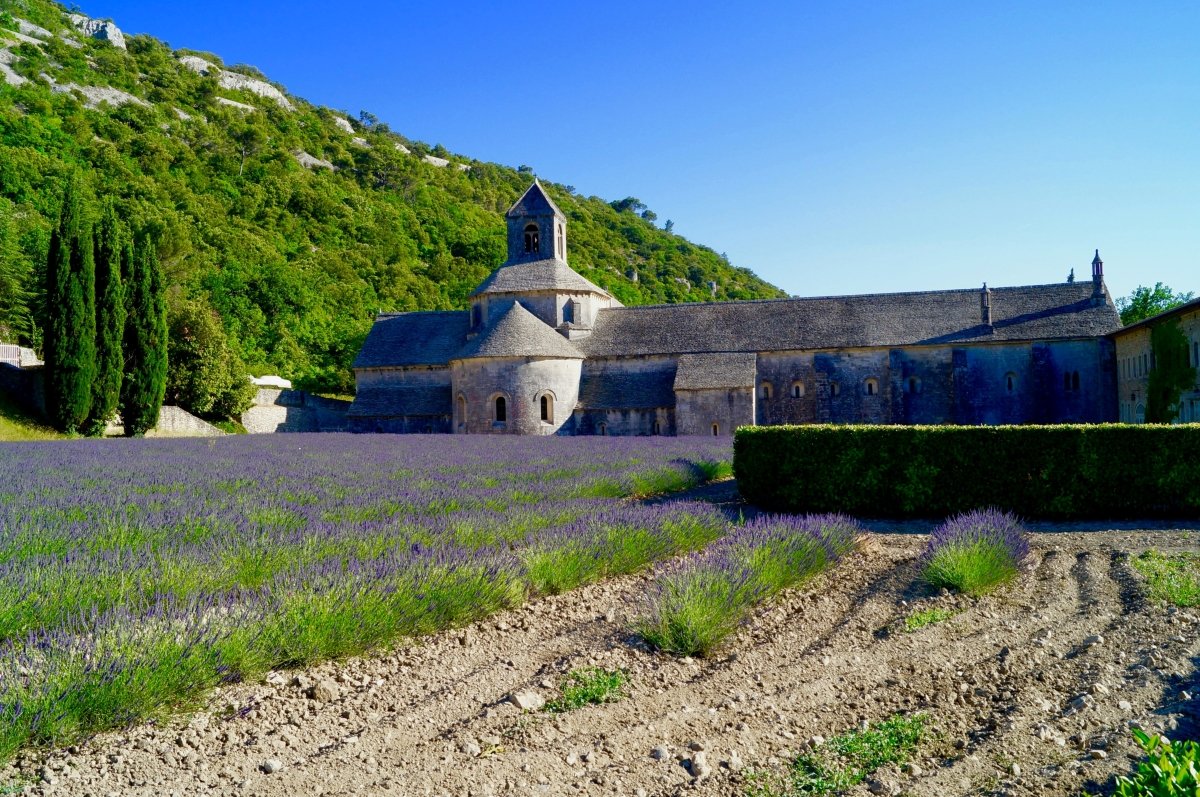
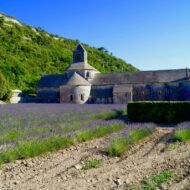
Tucked into a valley near Gordes, Sénanque Abbey is what happens when 12th-century monks and purple lavender fields collaborate on perfection. The contrast is almost absurd: severe Romanesque architecture surrounded by explosions of color and fragrance.
The Cistercian Experience:
- Monks still live here (about a dozen), following the Rule of St. Benedict
- Silence isn’t just encouraged—it’s practiced (the whole valley feels hushed)
- The monastery sells their own lavender products (honey, essential oils)—made by actual monk hands
When to Visit:
- Late June to early July = peak lavender bloom (the photos are not exaggerated)
- Guided tours only (respecting the monks’ privacy)
- Morning visits catch the light perfectly
The Walk: From Gordes, you can hike the 4km downhill path to the abbey (allow 1.5 hours). It’s not technically a pilgrimage route, but it feels like one—olive groves, wildflowers, and that gradually intensifying lavender scent pulling you forward.
Practical Magic: Making Your Pilgrimage Actually Happen
Sustainable Travel Tips
Train is your friend: France’s regional rail connects most pilgrimage sites beautifully. The TER trains are affordable, reliable, and way less stressful than driving medieval village roads.
Stay local: Gîtes d’étape (pilgrim hostels) cost €15-25/night and put you among other seekers. The conversations over communal dinners? That’s where the real journey happens.
Offset your carbon: Use platforms like Atmosfair to balance flights. Or better yet, take the Eurostar from London or high-speed rail from elsewhere in Europe.
What to Actually Pack for a Walking Pilgrimage
Forget the Instagram aesthetic—here’s what works:
Essentials:
- Broken-in hiking boots (blisters end pilgrimages)
- Merino wool layers (moisture-wicking + odor-resistant = miracle fabric)
- Lightweight rain jacket (French weather is moody)
- Daypack (20-30L max)
- Blister prevention kit (Compeed bandages are worth their weight in gold)
- Reusable water bottle
- Small notebook (you’ll have thoughts)
For churches/monasteries:
- Shoulders + knees covered (a light scarf solves everything)
- Comfortable shoes you can slip off easily
Leave behind:
- Hair dryer (most hostels have one)
- Multiple outfit options (you’ll wear the same thing—nobody cares)
- Expectations (seriously, the point is to let go)
Finding English-Language Masses & Spiritual Guidance
Reality check: Most masses are in French. But:
- Major pilgrimage sites (Lourdes, Mont Saint-Michel, Lisieux) offer multiple language services
- The Catholic Travel Guide app lists mass times and languages
- Many monasteries welcome “spiritual retreats” in English with advance booking
- Guided pilgrim tours (try Follow the Camino or Spiritual Travels) handle the language + logistics
Pro tip: Embrace the French mass. The Latin hymns transcend language, and there’s something beautiful about not understanding every word—you just feel it.
The Route You Don’t Expect: Le Puy-en-Velay to Conques
Bonus for serious walkers: If you’ve got 7-10 days, the Via Podiensis (GR65) from Le Puy to Conques is France’s most spectacular Camino section. Rolling hills, stone villages unchanged since medieval times, and that addictive rhythm of walking-eating-sleeping-repeat.
Le Puy itself is wild—a cathedral built atop a volcanic plug, with the statue of Notre-Dame de France (made from melted Russian cannons) watching over everything. Start here, and you’ll understand why medieval pilgrims considered this the beginning of their transformation.
Final Thoughts: What These Routes Actually Give You
Here’s what nobody tells you about pilgrimage: it’s not about arriving. It’s about what gets stripped away with each step—the anxiety, the performance, the constant noise.
These five routes offer different flavors of the same gift: permission to slow down. To feel your body working. To sit in a 900-year-old chapel and cry for reasons you can’t quite name. To share bread with strangers who become friends by nightfall.
France’s pilgrimage routes aren’t museums—they’re living traditions. The stones are worn smooth by millions of feet. The prayers are still being prayed. And in 2026, with Notre Dame’s phoenixlike return reminding us that beauty can be rebuilt, these paths feel more relevant than ever.
So yeah, you could do another week in Paris. Or you could let France’s soul work on yours instead.
The routes are ready. Are you?
Ready to Plan Your Pilgrimage?
Drop a comment with which route calls to you—I’ll share more detailed itineraries and insider contacts for English-speaking spiritual directors. And if you’ve already walked any of these paths, tell us what surprised you most. This community’s wisdom is half the journey.
Safe travels, fellow seekers. See you on the path.