

Ready to dive into 5,000 years of history? Forget everything you thought you knew about underwater exploration – Pavlopetri is about to blow your mind.
- What Makes Pavlopetri So Special? (Spoiler: It’s Mind-Blowing)
- Why Pavlopetri Should Be Your Next Travel Obsession
- What You’ll Actually See Down There
- How to Get There (It’s Easier Than You Think!)
- Best Time to Visit Pavlopetri
- Important Rules (Don’t Be That Tourist)
- Where to See the Artifacts
- Combine Your Visit: The Ultimate Southern Peloponnese Adventure
- The Bigger Picture: Why This Matters
- Planning Your Pavlopetri Adventure
- The Bottom Line
What Makes Pavlopetri So Special? (Spoiler: It’s Mind-Blowing)
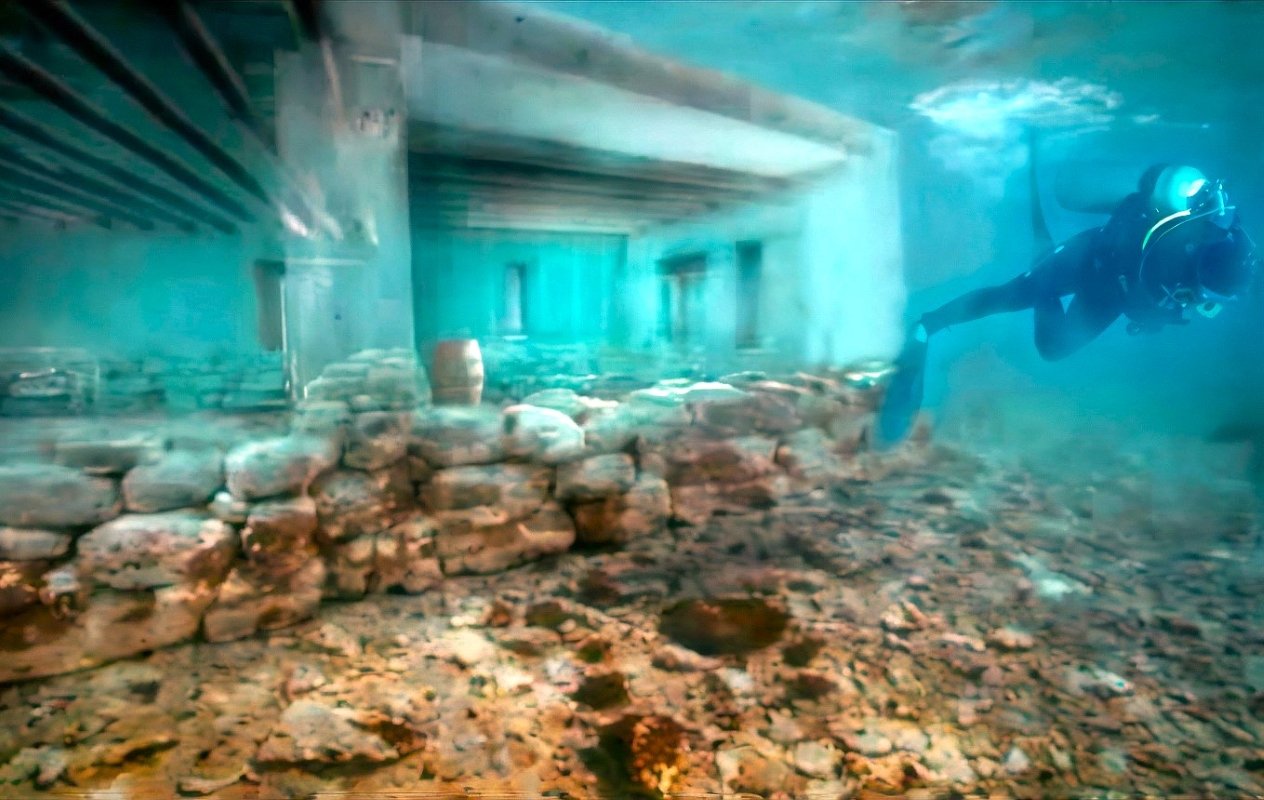
Picture this: you’re floating just 3-4 meters above the oldest planned underwater city in the world. Not some random ruins scattered on the seafloor, but an entire Bronze Age metropolis with streets, houses, graves, and even a town square. We’re talking about a city that’s been perfectly preserved for 5,000 years, making it older than the pyramids!
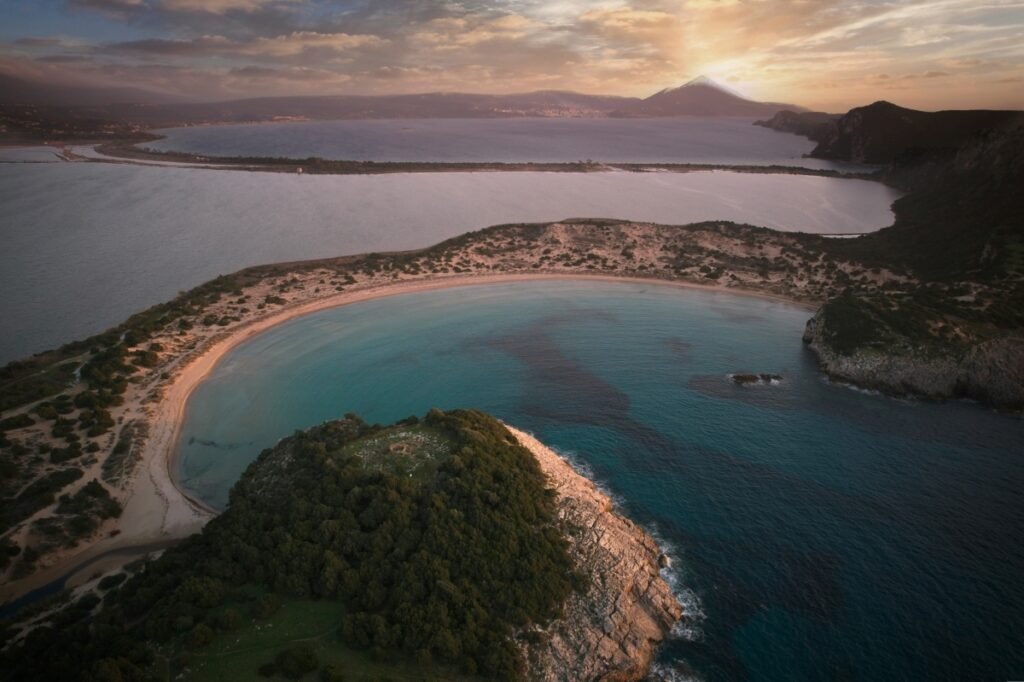
Located off the coast of Elafonisos in southern Greece, Pavlopetri was discovered in 1967 by Nicholas Flemming using aerial photography, but here’s the kicker – it only became known to the world in 2011 when BBC visited and used specialist laser scanning techniques to recreate the city in stunning 3D detail.
Why Pavlopetri Should Be Your Next Travel Obsession
It’s literally Atlantis (but real!) While Plato was writing about fictional underwater cities, Pavlopetri is the first evidence of a sunken city in Greece that predates his story of Atlantis. Talk about life imitating art!
The preservation is insane. Because the city was submerged slowly over time, the buildings became buried in silt and sand, creating a time capsule that archaeologists are still uncovering. At least 15 buildings have been identified, with up to 12 rooms inside each, plus two different types of graves indicating social status differences.
It’s incredibly accessible. Unlike other underwater archaeological sites that require serious diving skills, the water depth doesn’t exceed 3 meters, which allows anyone with just a pair of flippers and a mask to tour around the area. The water is crystal clear, making it perfect for snorkeling!
What You’ll Actually See Down There
Get ready to geek out – this isn’t just a pile of old stones. The streets of Pavlopetri are about 5 meters wide and built aligned with the houses, showing incredible urban planning for a 5,000-year-old city. You’ll spot:
- Complete building foundations with visible room layouts
- Ancient streets that you can literally follow underwater
- About 40 cist graves scattered throughout the settlement
- A sophisticated water management system with channels and pipes
- Evidence of a thriving textile industry from loom weights found on site
The coolest part? There was even a square or plaza measuring about 40 by 20 meters – basically an ancient town center where people gathered 5,000 years ago.
How to Get There (It’s Easier Than You Think!)
Step 1: Get to Pounta
- From Athens: About 4.5 hours by car (totally worth the drive!)
- From Kalamata Airport: 2.5-3 hours
- Public bus: Available but takes about 7 hours from Athens
Step 2: Hop on the Ferry Ferryboat crossings run every hour (every 30 minutes during peak times) from 7 AM to 9 PM. The 10-minute ride costs just €11 per car plus €1 per person. No prebooking needed!
Step 3: Find the Perfect Spot The underwater remains stretch from the small island of Pavlopetri almost to the beach, so no boat is necessary. Just grab your snorkel gear and wade in!
Best Time to Visit Pavlopetri
Summer months offer the best conditions when the water is calm and visibility is optimal. But here’s a pro tip: if you’re visiting in spring or fall when the water might be cooler, you can arrange a private mini cruise with a local captain who can take you around Elafonisos and Pavlopetri.
Peak Season Reality Check: Elafonisos attracts up to 3,000 visitors per day in summer, but during autumn or winter, the population drops dramatically to about 300-350 people. Imagine having this ancient wonder almost to yourself!
Important Rules (Don’t Be That Tourist)
Listen up – this isn’t your average snorkeling spot. You must not dive down and touch anything. The site is very precious and Greek authorities can arrest people for interfering with it. Scuba diving is also not allowed without a permit.
The good news? It’s completely free to swim over the site, and visitors must tour Pavlopetri with absolute respect and love for the surrounding area.
Where to See the Artifacts
Want to see what archaeologists have actually pulled from the depths? Some artifacts are on display at the Archaeological Museum of Nafplion, including pottery, jewelry, and metal objects, plus a scale model of the submerged city. There’s also a small display at the Museum of Archaeology in Neapolis that opened in 2017.
Combine Your Visit: The Ultimate Southern Peloponnese Adventure
Don’t just come for Pavlopetri – make it an epic adventure! Elafonisos is famous for the double Simos beach with turquoise waters and golden sands, regularly appearing on “best beaches in Greece” lists. You can also visit nearby Monemvasia, a stunning medieval town situated on a rocky islet.
The Bigger Picture: Why This Matters
Pavlopetri is protected by the UNESCO Convention on the Protection of Underwater Cultural Heritage, but it faces serious threats. UNESCO warns that Pavlopetri is threatened by pollution, damage from ships anchoring, looting, and infrastructure projects. Your visit (done respectfully) helps raise awareness about preserving this incredible piece of human history.
Planning Your Pavlopetri Adventure
What to Bring:
- Snorkel, mask, and fins
- Underwater camera (trust me, you’ll want photos)
- Water and snacks (there are no facilities at the site)
- Reef-safe sunscreen
- Respect for the 5,000-year-old neighborhood you’re visiting
Where to Stay: You can stay on Elafonisos island or in nearby Monemvasia on the mainland. For a truly special experience, consider one of the luxury suites in Monemvasia’s medieval citadel.
The Bottom Line
Pavlopetri isn’t just another tourist attraction – it’s a chance to literally swim through history. As one researcher put it, “being a submerged site, it was never reoccupied and represents a frozen moment of the past”. Where else can you float above streets where people walked, worked, and lived 5,000 years ago?
So grab your snorkel gear, respect the rules, and prepare for one of the most unique travel experiences on the planet. After all, how many people can say they’ve explored the world’s oldest underwater city?
Ready to dive into history? Start planning your Pavlopetri adventure today – this ancient secret won’t stay hidden forever!
Have you visited Pavlopetri? Share your underwater archaeology adventures and help preserve this incredible piece of human heritage for future generations!