





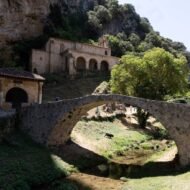

TL;DR: Tobera is a ridiculously photogenic medieval hamlet in Burgos province where waterfalls literally cascade through a 12th-century hermitage, stone bridges arch over turquoise pools, and you’ll probably have the whole place to yourself. It’s 10km from Frías (Spain’s smallest city), perfect for a half-day visit, and feels like stumbling onto a film set—except it’s all real, all ancient, and all yours to explore.
Look, I’m going to be straight with you: Tobera isn’t going to change your life. There are no Michelin-starred restaurants here, no luxury hotels, and you definitely won’t find hordes of tour groups clogging up the cobblestones.
But here’s what Tobera will do: it’ll make you stop scrolling through your phone, actually look up, and think “wait, places like this still exist?”
What Makes Tobera So Special? (Spoiler: Everything)
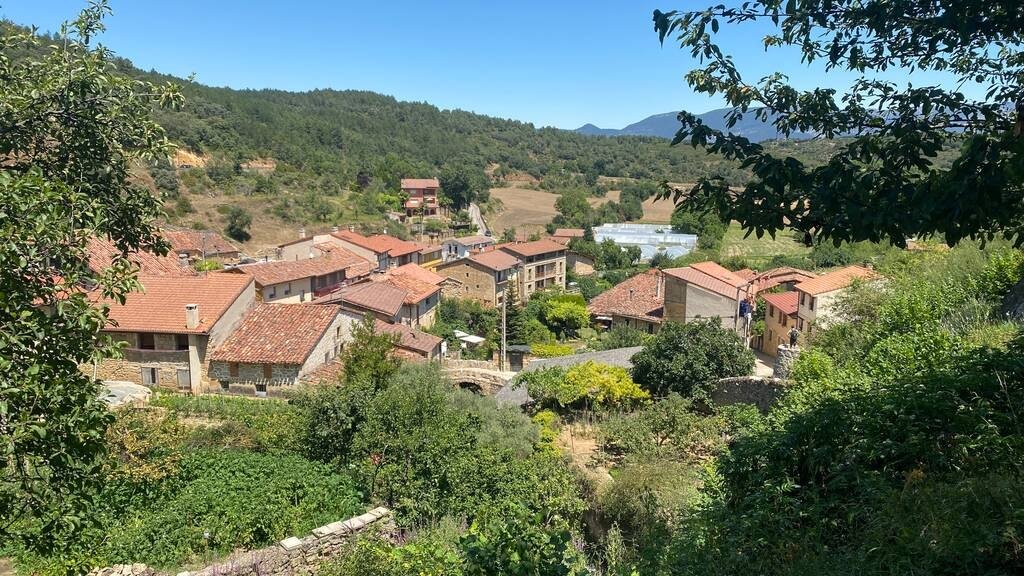
Situated into a limestone gorge where the Molinar River decides to get dramatic, Tobera is basically what happens when nature and medieval architecture have a love child. We’re talking about a village so small it barely registers on most maps, yet so visually stunning that every corner looks like it was designed by a particularly ambitious fantasy novel cover artist.
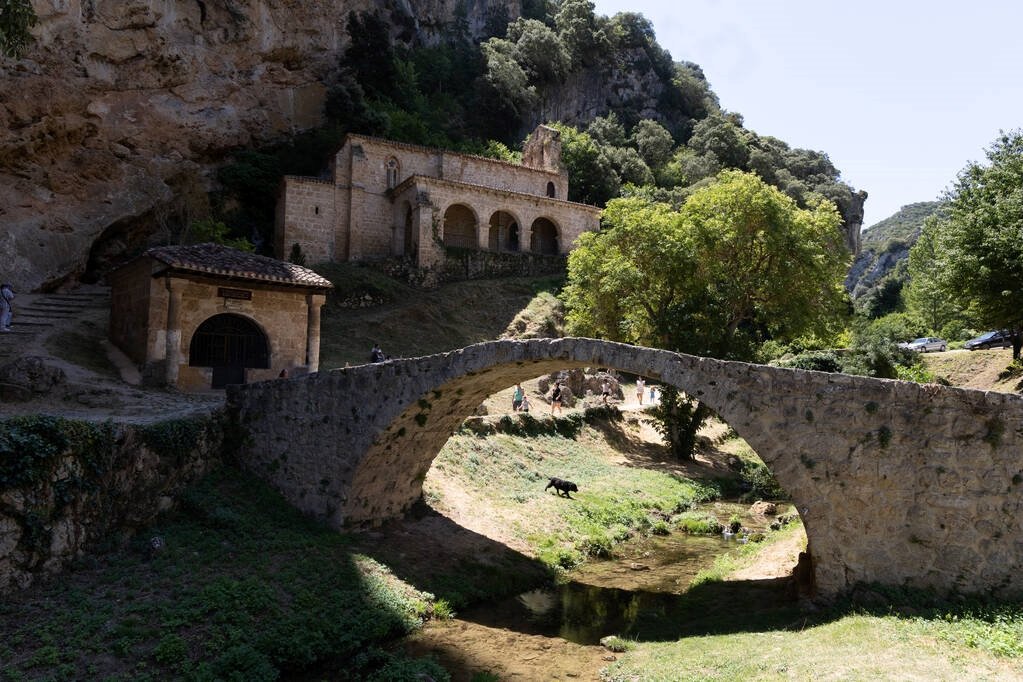
The star of the show? The Ermita de Nuestra Señora de la Hoz (Hermitage of Our Lady of the Gorge), a 12th-century stone church that—and I cannot stress this enough—has waterfalls flowing through and around it. Not near it. Through it. The medieval stonemasons literally built this thing into the cliff face and let the river do its thing.
It’s the kind of place that makes you wonder why you’ve been visiting the same beach resort for the past five years.
Getting There (It’s Easier Than You Think)
Tobera sits about 80km northeast of Burgos city, in the Las Merindades comarca. If you’re driving from Burgos, it’s roughly an hour along the N-623 and BU-550—scenic roads that wind through the kind of rolling countryside that makes you want to learn watercolor painting.
Pro tip: Tobera is tiny, so you’ll want to base yourself nearby. The closest town with actual amenities is Frías (literally 10 minutes away), which happens to be Spain’s smallest official city and is worth visiting for its hilltop castle and hanging houses alone. Make a day of it and hit both spots.
No car? It gets trickier. Public transport to this area is limited, so you might want to consider renting wheels in Burgos or joining a guided tour of Las Merindades. Yes, that means a bit more planning, but trust me—this is one of those “the journey is half the fun” situations.
What to See: Your Mini Walking Guide
The Hermitage and Waterfalls
Start at the Ermita de Nuestra Señora de la Hoz. This Romanesque chapel, carved into the rockface back in the 1100s, is the main event. Water cascades down multiple levels, creating these gorgeous turquoise pools that look Photoshopped but are 100% natural.
The hermitage itself is simple but atmospheric—thick stone walls, a single nave, and that ineffable sense of history that only centuries-old religious buildings can pull off. It’s often open for visits, but hours can be sporadic (small village, remember?), so be flexible.
The Medieval Bridges
Tobera has not one but three medieval stone bridges spanning the river gorge. The Puente de la Roza and Puente de los Caballeros are the most photographed, with their weathered arches framing the waterfalls below. These aren’t just pretty—they’re functional bits of medieval engineering that locals still use.
Walk across them slowly. Look down. Marvel at the fact that people have been crossing these exact stones for 800+ years. It hits different.
The Watermills
Scattered along the river are the remnants of old watermills—some restored, some charmingly crumbling. They’re reminders that Tobera wasn’t always a tourist curiosity; this was a working village where the river’s power drove daily life.
Best Time to Visit
Spring (April-May) is magical. The waterfalls are at their most powerful after winter rains, wildflowers carpet the gorge, and temperatures are perfect for wandering. Plus, you’ll beat the (admittedly small) summer crowds.
Fall (September-October) offers golden foliage and still-pleasant weather. The light is absolutely gorgeous for photography.
Summer works too, though it can get warm during the day. The good news? Those waterfalls and shaded gorge provide natural air conditioning.
Winter can be moody and beautiful, but services in the area get even more limited, and some paths might be slippery. If you’re into atmospheric, misty landscapes and having zero competition for photos, though? Go for it.
Where to Eat and Sleep
Let’s be real: Tobera itself has maybe a dozen full-time residents. You’re not finding a hotel here. But that’s fine because Frías, just up the road, has several charming rural guesthouses and small hotels.
For food, head to Frías or Oña (20 minutes away) for traditional Castilian cuisine—think roast lamb, hearty stews, and morcilla (blood sausage) that’ll make you rethink everything you thought you knew about offal. The area is also known for its queso fresco (fresh cheese) and local trout.
Insider Tips That Actually Matter
- Wear decent shoes. The paths around the waterfalls can be wet and slippery. Save the Instagram-worthy sandals for later.
- Bring a proper camera or phone with good storage. You’ll take way more photos than planned.
- Visit on a weekday if possible. Weekends see more Spanish day-trippers from Bilbao and Burgos.
- Don’t skip nearby villages. Make this part of a Las Merindades route: Frías, Poza de la Sal, Orbaneja del Castillo—they’re all within 30-40 minutes and equally stunning.
- Check weather beforehand. Heavy rain can make water levels unsafe for close exploration.
Why Tobera Matters (Besides Being Ridiculously Pretty)
In an age where overtourism is crushing Venice and Barcelona, where you need to book Cinque Terre six months ahead, places like Tobera feel like oxygen. They’re proof that Europe still has secrets—not because they’re hidden, but because they require the tiniest bit of effort to reach.
Tobera won’t exhaust you with endless attractions. There’s no entry fee, no audio guide, no gift shop selling fridge magnets. It’s just a beautiful place that exists quietly, doing its thing, waiting for curious travelers who appreciate slow travel and genuine experiences over checklist tourism.
Final Thoughts
Will Tobera fill an entire vacation? Nope. Is it worth a detour on your Burgos or Basque Country itinerary? Absolutely.
This is the kind of place you’ll describe to friends later with, “You won’t believe this spot we found…” And they won’t, until you show them the photos of a medieval hermitage with waterfalls literally built into it.
In a world that feels increasingly curated and Instagrammed to death, Tobera remains wonderfully, authentically itself—a tiny medieval village where stone, water, and history have been hanging out together for centuries, completely unbothered by trends or tourist boards.
Pack a picnic, bring someone you like (or don’t—solo travel works great here), and give yourself permission to just… wander. That’s what Tobera does best: it reminds you that sometimes the best travel experiences aren’t the ones you plan, but the ones you stumble into.
And hey, when your friends are posting their 47th beach sunset photo, you’ll be over here with a medieval hermitage waterfall situation. Just saying.
Go before everyone else figures it out. You’ll thank me later.