

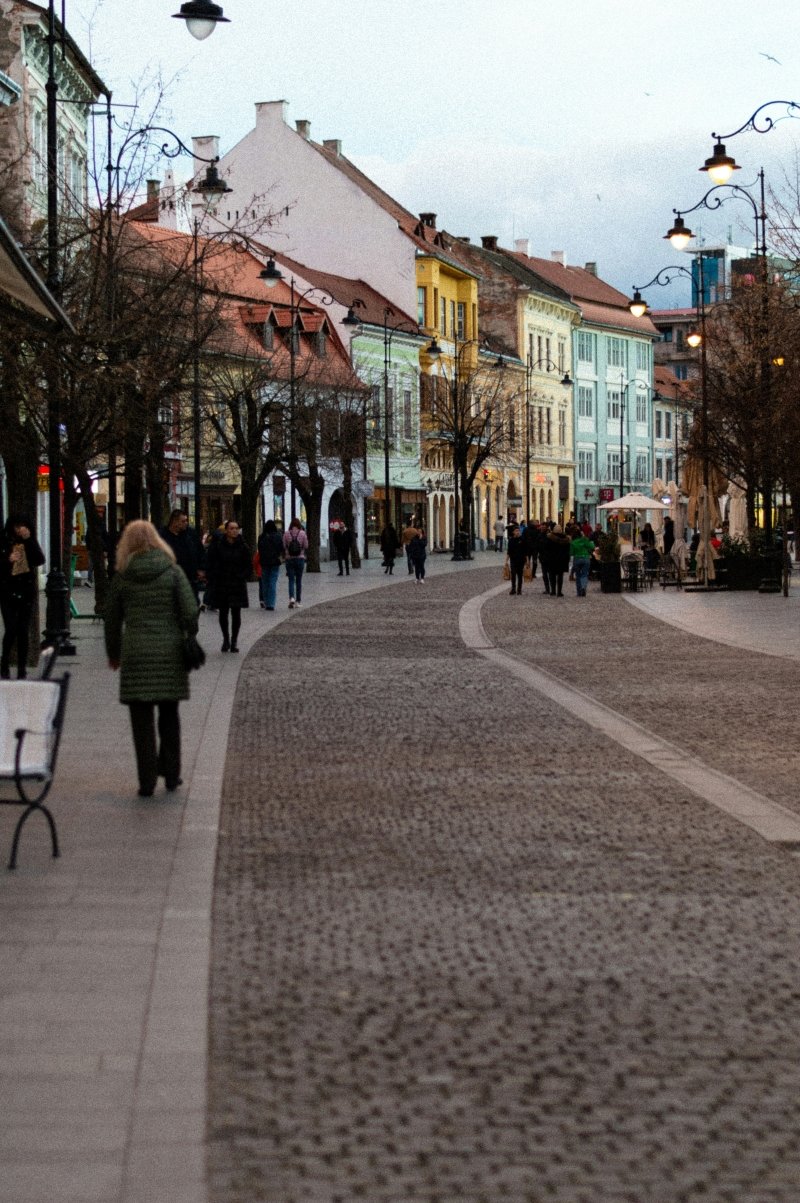
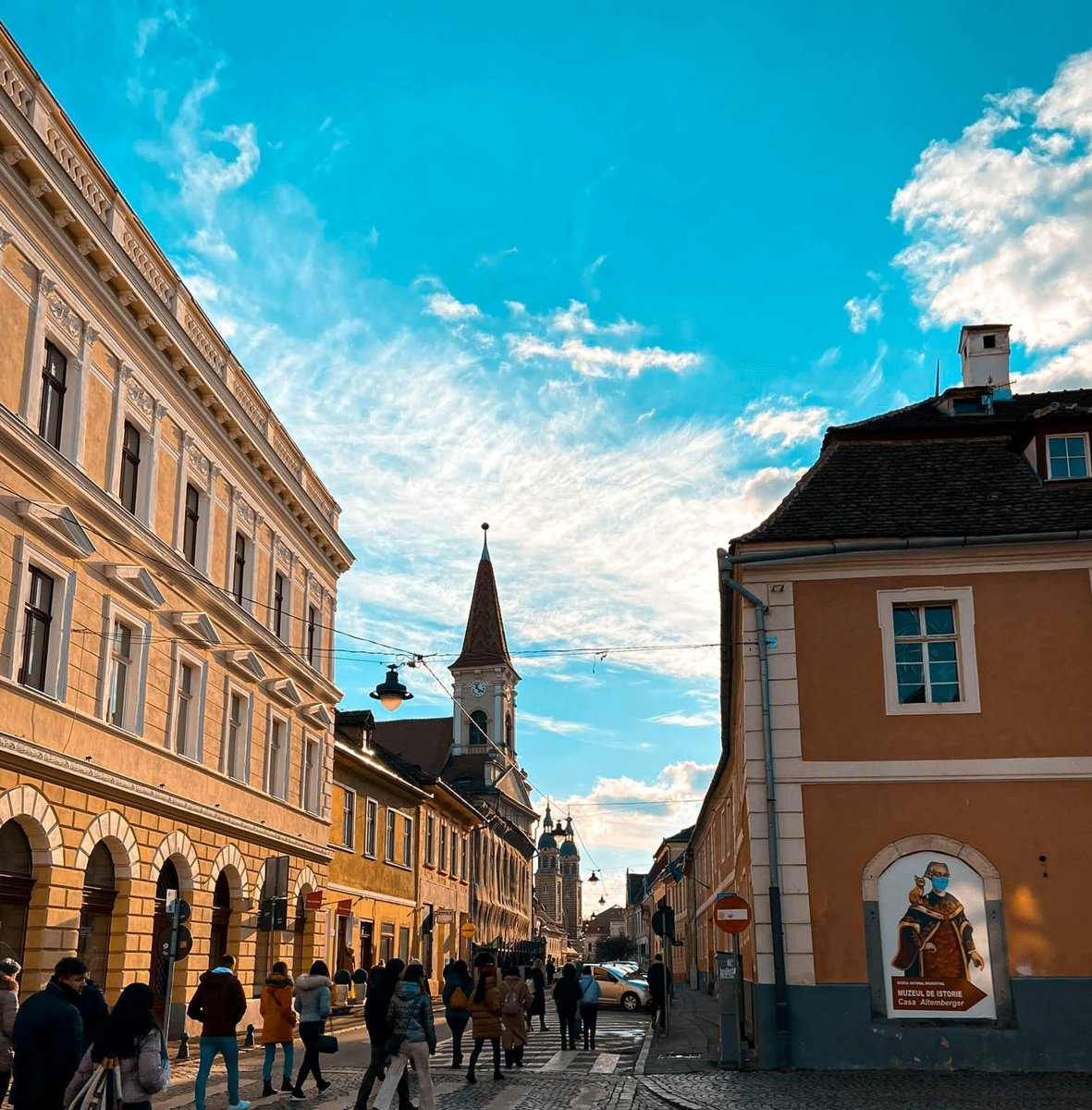
TL;DR: Ditch the touristy hotspots and discover five stunning medieval cities across Europe that transform into real-life fairytales during winter. From Bamberg’s beer-soaked charm to Sibiu’s snow-dusted squares, these under-the-radar destinations offer authentic experiences, cozy accommodations, and memories you’ll treasure forever—without the tourist prices or crowds.
Look, we all love Prague and Bruges. But let’s be honest—fighting through selfie sticks in subfreezing temperatures while paying €8 for a coffee isn’t exactly the romantic escape you had in mind, right?
That’s where these five lesser-known medieval cities come in. They’ve got all the cobblestone streets, centuries-old architecture, and winter magic you’re craving, but with a fraction of the crowds and way more authentic local vibes. Whether you’re celebrating an anniversary, planning a proposal, or just need to reconnect away from everyday life, these destinations deliver that storybook atmosphere without the storybook prices.
Plus, winter is when these places truly shine. Think Christmas markets that locals actually visit, snow-covered castle towers, steaming mugs of mulled wine in ancient squares, and that cozy feeling you can only get when exploring medieval streets in the crisp winter air.
Ready to discover your new favorite European escape? Let’s dive in.
1. Bamberg, Germany: Bavaria’s Best-Kept Secret
History at a Glance
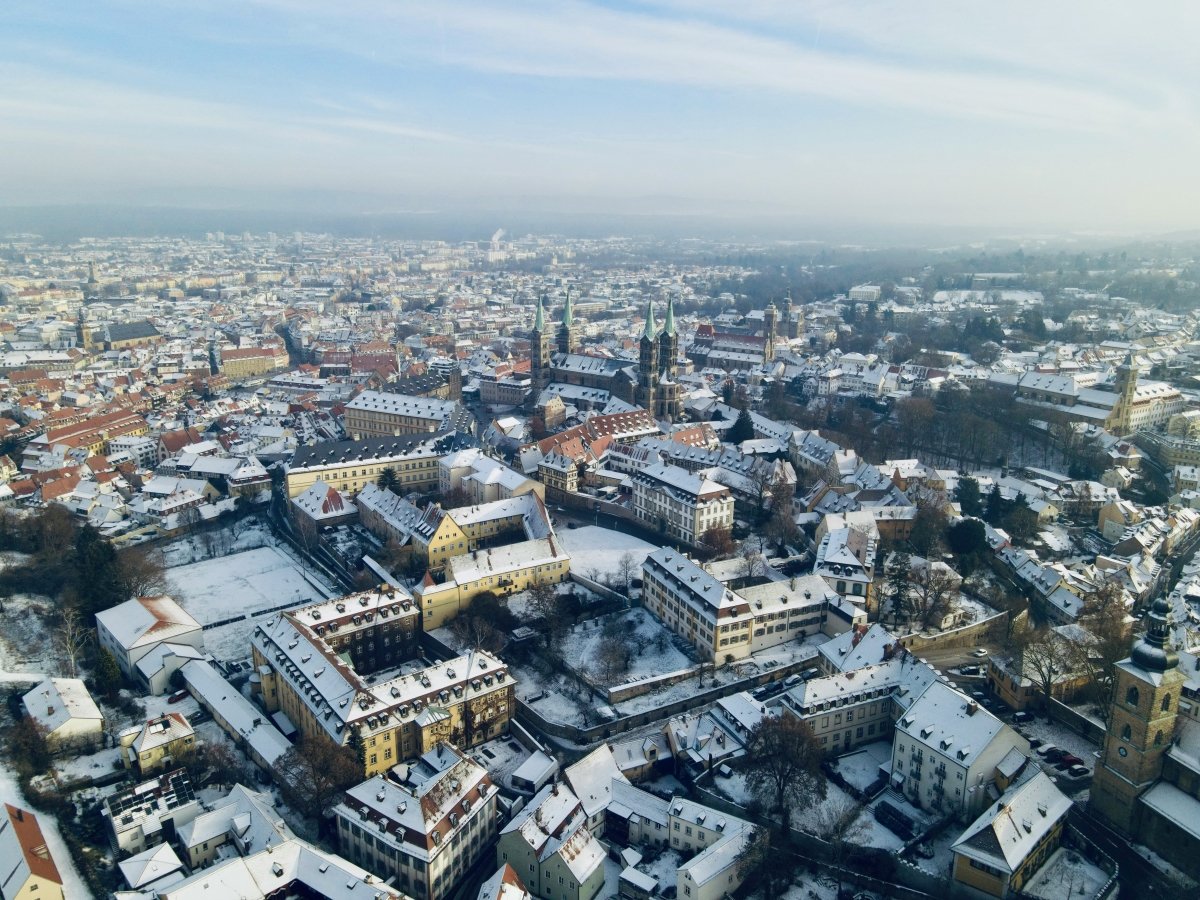
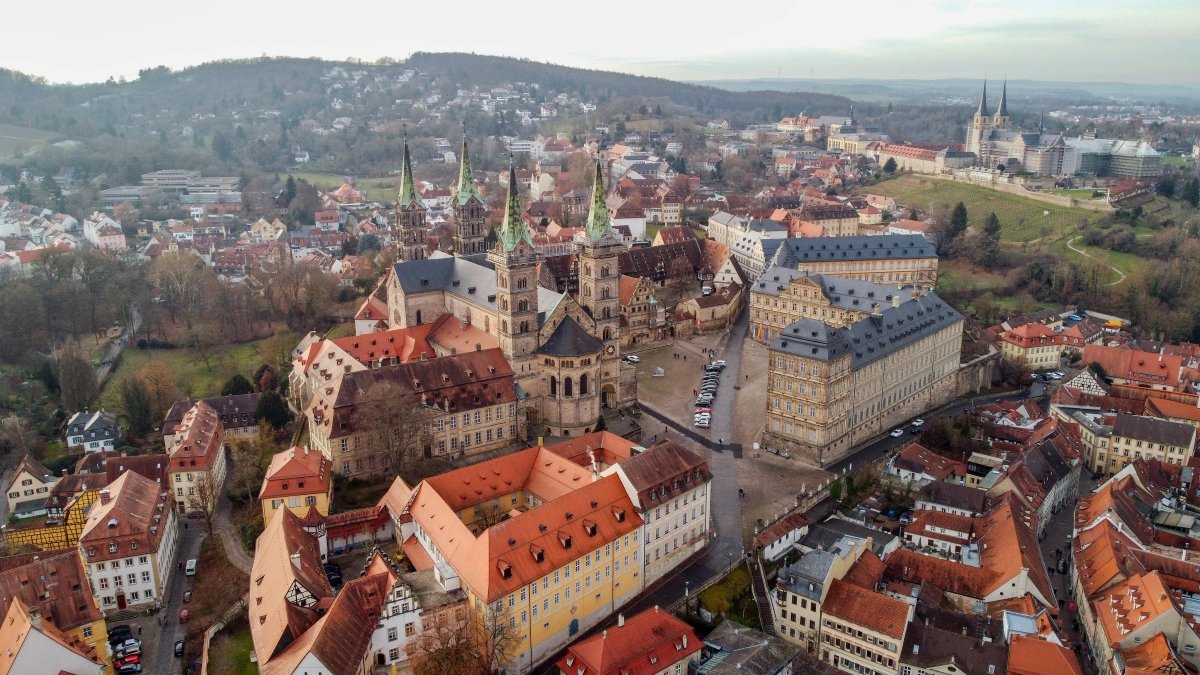
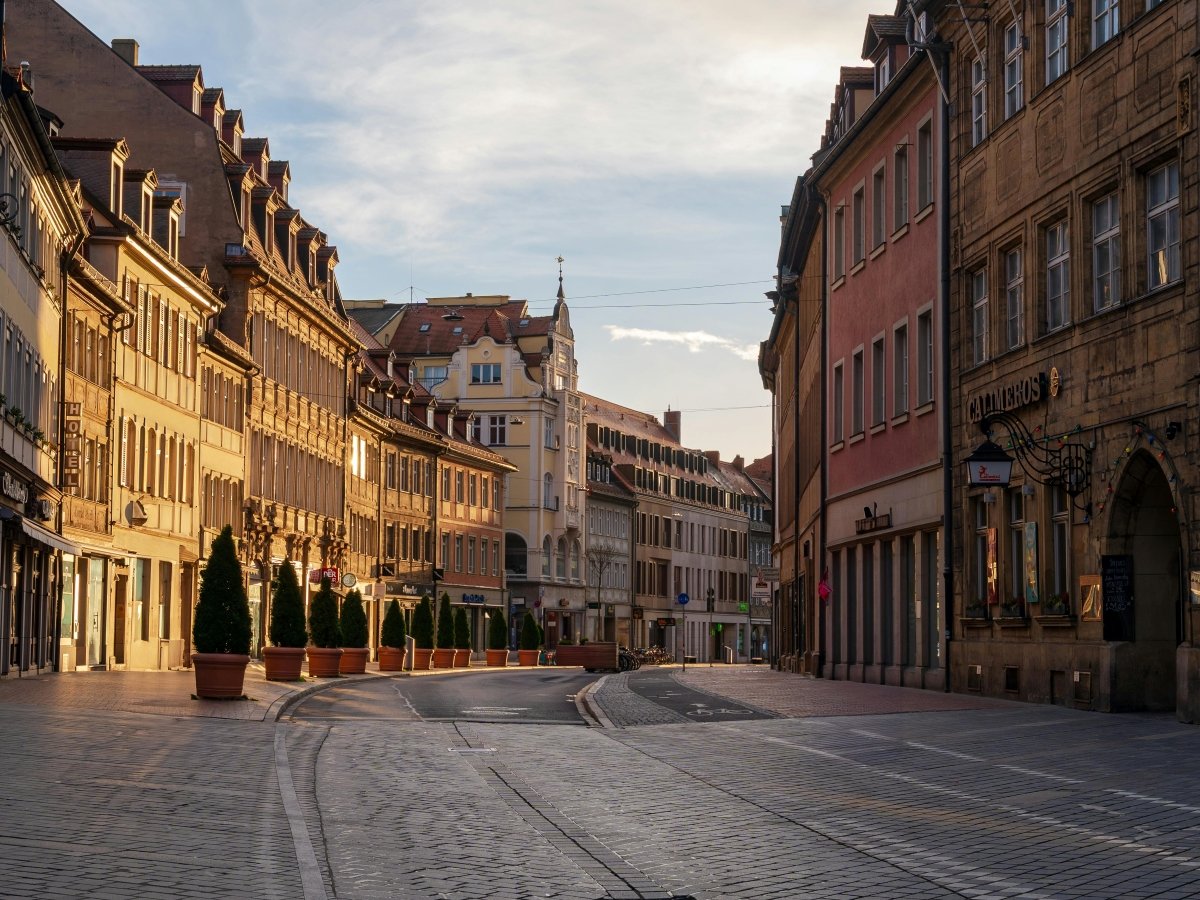
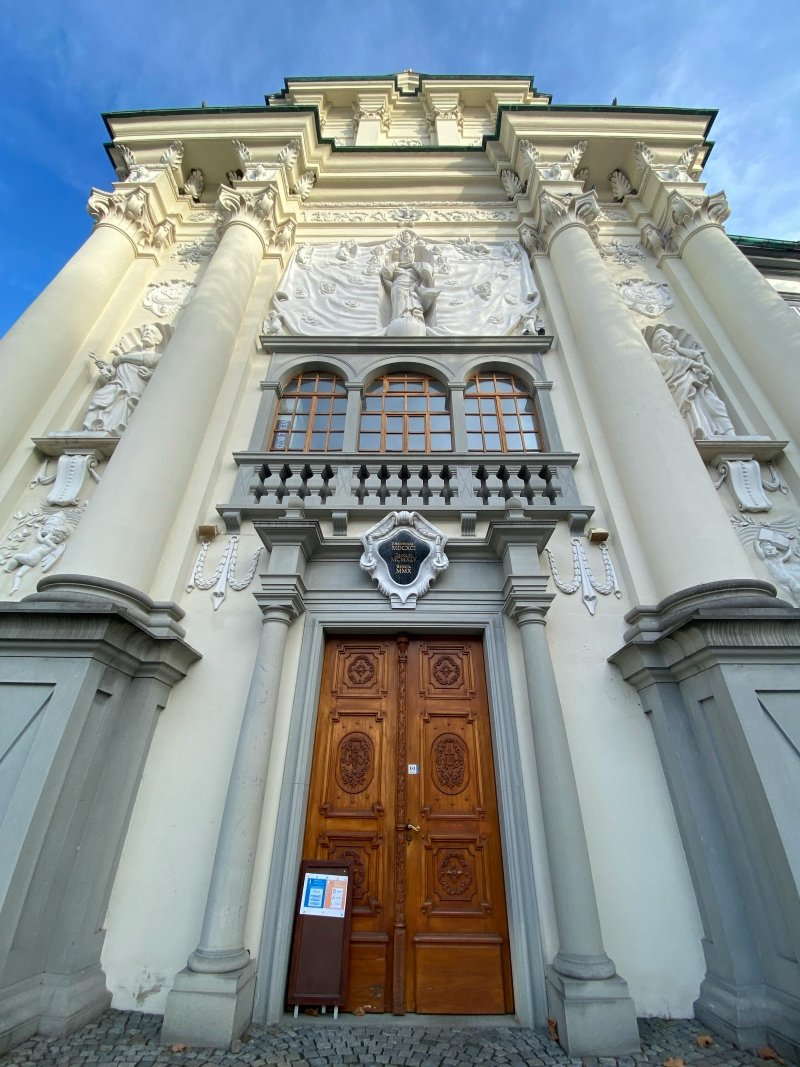
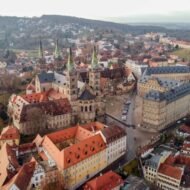
This UNESCO World Heritage town survived WWII completely intact, meaning you’re walking through 1,000+ years of actual medieval architecture. Built on seven hills (sound familiar, Rome?), Bamberg was once the center of the Holy Roman Empire. Today, it’s a brewery lover’s paradise with more authentic medieval vibes than you can shake a pretzel at.
Why Winter Works Here
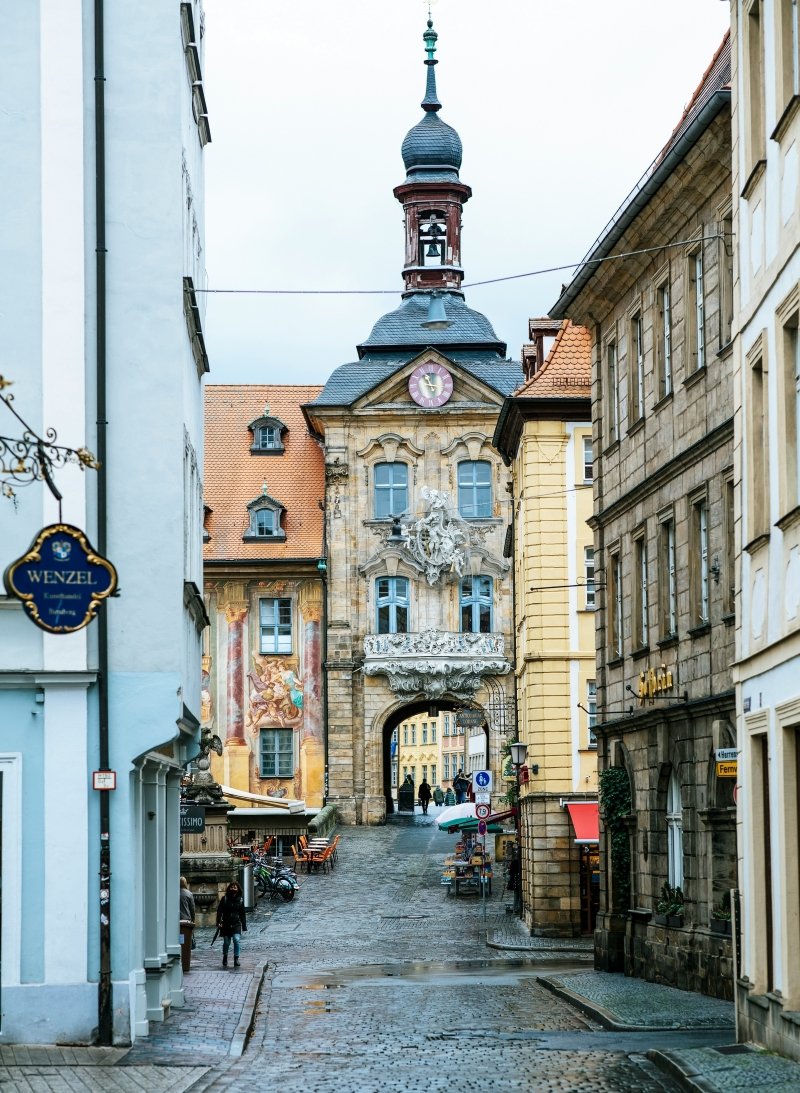
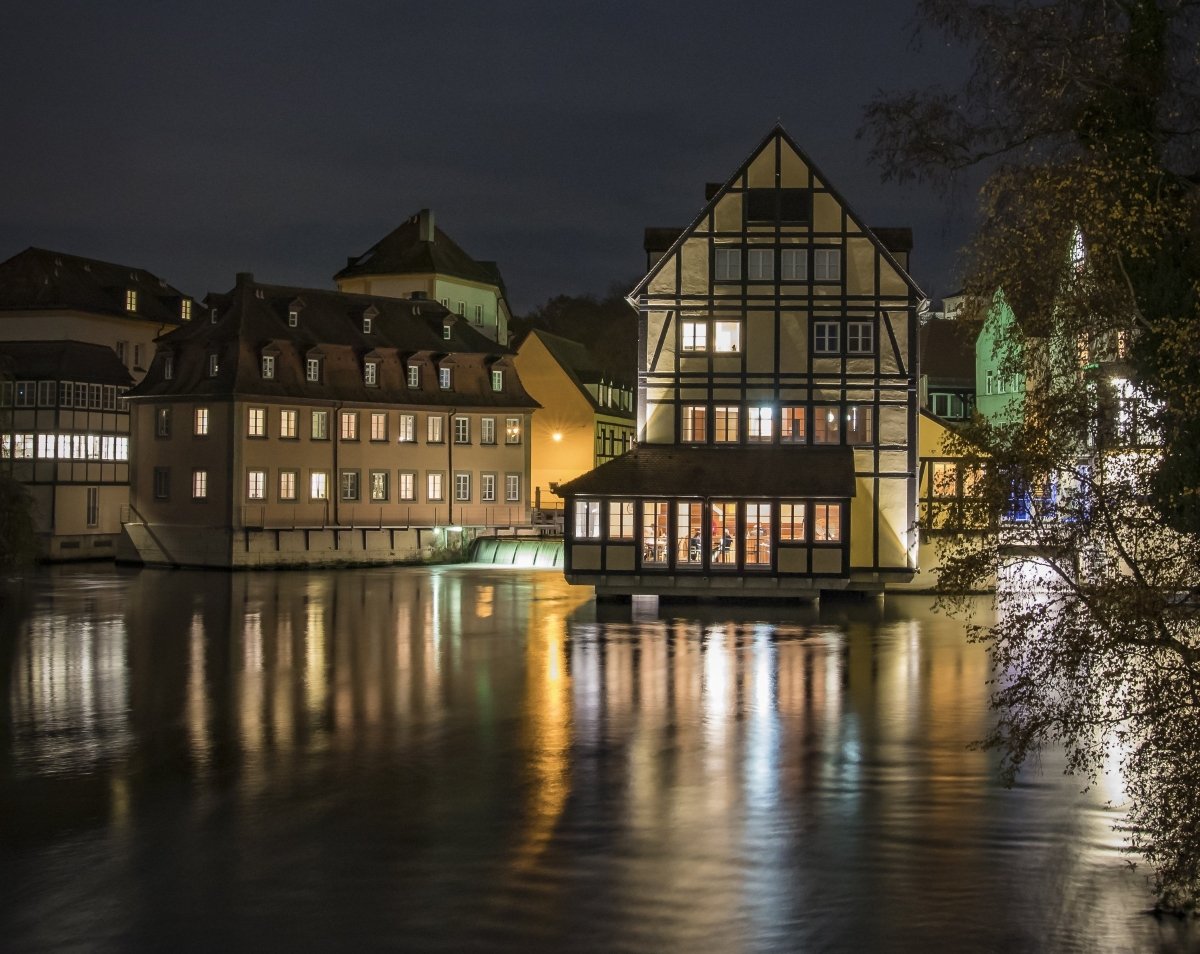
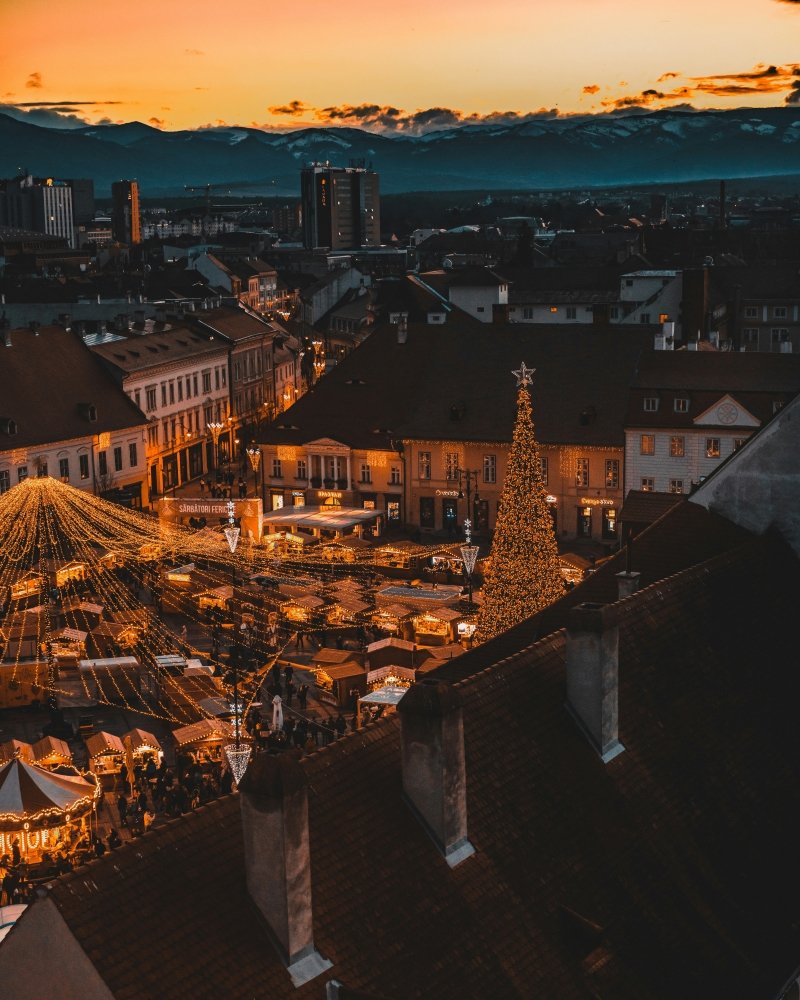
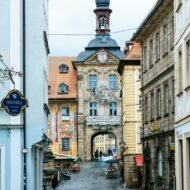
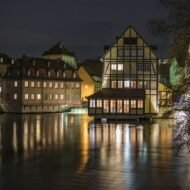
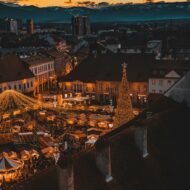
Bamberg’s Christmas market is genuinely charming—locals outnumber tourists, and the medieval backdrop makes everything feel like you’ve stepped into a Bavarian painting. The famous Altes Rathaus (Old Town Hall) looks absolutely surreal when lit up at night, especially with a dusting of snow.
Accommodation Options
- Budget-friendly (€60-90/night): Gasthof Wilde Rose or Hotel Alt Ringlein—traditional Bavarian guesthouses with actual character
- Mid-range (€90-150/night): Hotel Nepomuk, right on the river in Little Venice
- Splurge (€150+/night): Welcome Hotel Residenzschloss—literally stay in a baroque palace
Food & Drink
You’re in beer heaven here. Bamberg has nine breweries and is famous for Rauchbier (smoked beer)—it’s an acquired taste but totally worth trying. For food, hit Schlenkerla for traditional Franconian fare in a 600-year-old tavern. Winter specialty? Schweinshaxe (roasted pork knuckle) that’ll warm you right up.
Shopping & Local Traditions
The Christmas market runs late November through December, featuring handcrafted ornaments and local delicacies. Throughout winter, explore the craft beer scene—many breweries offer tours and tastings. Don’t miss the Sandkerwa festival if you visit in August instead.
Outdoor Activities
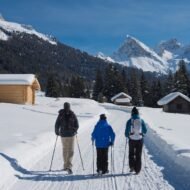
While skiing isn’t right in town, the Franconian Switzerland region (30 minutes away) offers winter hiking and cross-country skiing. In Bamberg itself, winter walks along the Regnitz River and through the medieval quarter are magical.
Budget Breakdown
- Meals: €15-30 per person
- Beer: €3-4.50 per half-liter
- Museum entries: €4-8
- Overall: Very affordable by German standards
- Daily budget for couples: €120-180 including accommodation
Cultural Highlights & Events
Beyond Christmas markets, catch concerts at the Bamberg Symphony. The town’s medieval cathedral houses art spanning centuries. January brings the Three Kings Procession—a beautiful local tradition.
Useful Info
- Getting there: 30 minutes by train from Nuremberg Airport
- Language: German (English widely understood in tourist areas)
- Best months: November-February for winter magic; avoid mid-summer heat
- Local tip: Get the Bamberg Card for free public transport and museum discounts MORE READ….
2. Ptuj, Slovenia: Where Time Literally Stopped
History at a Glance
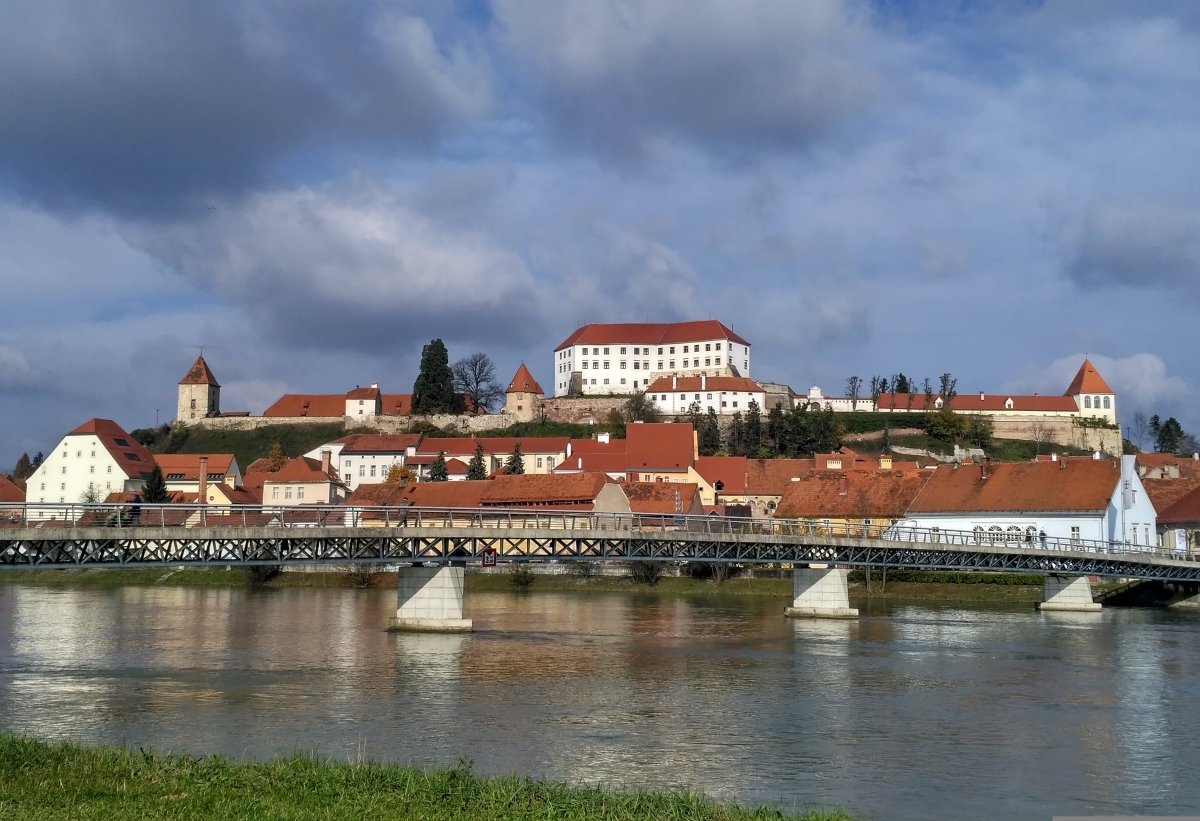
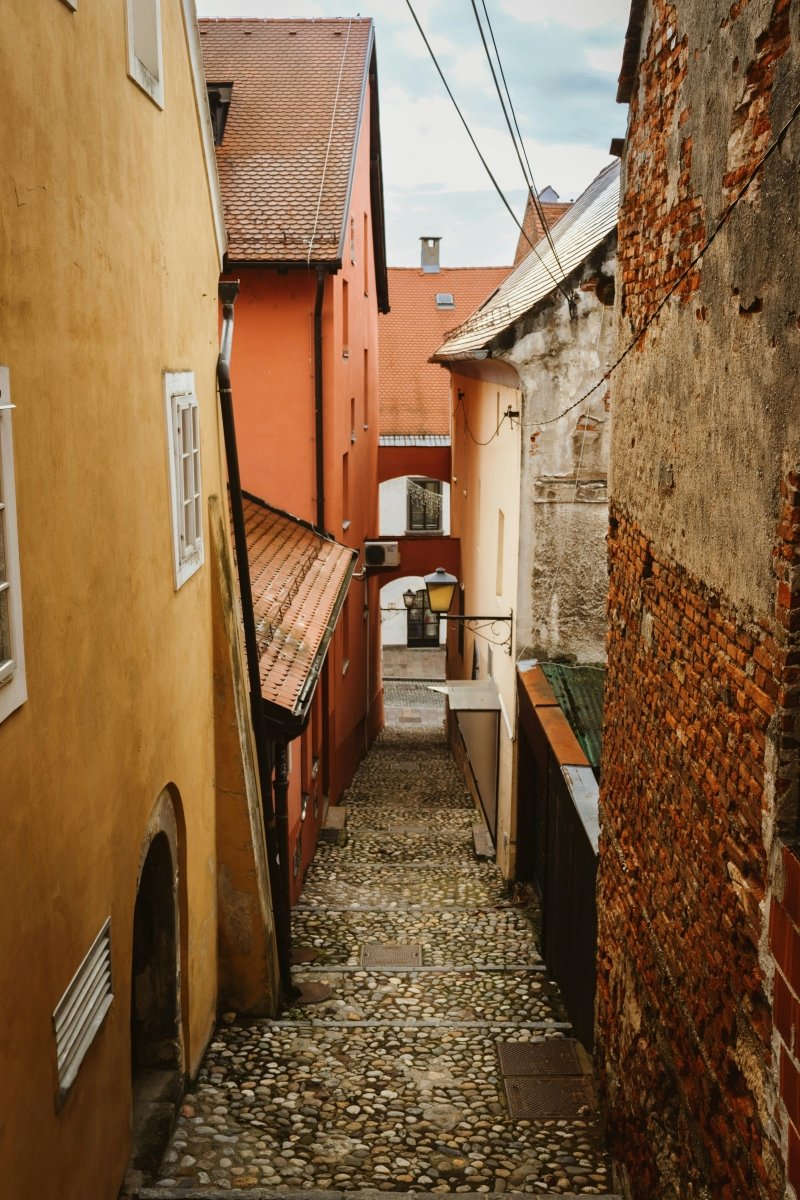
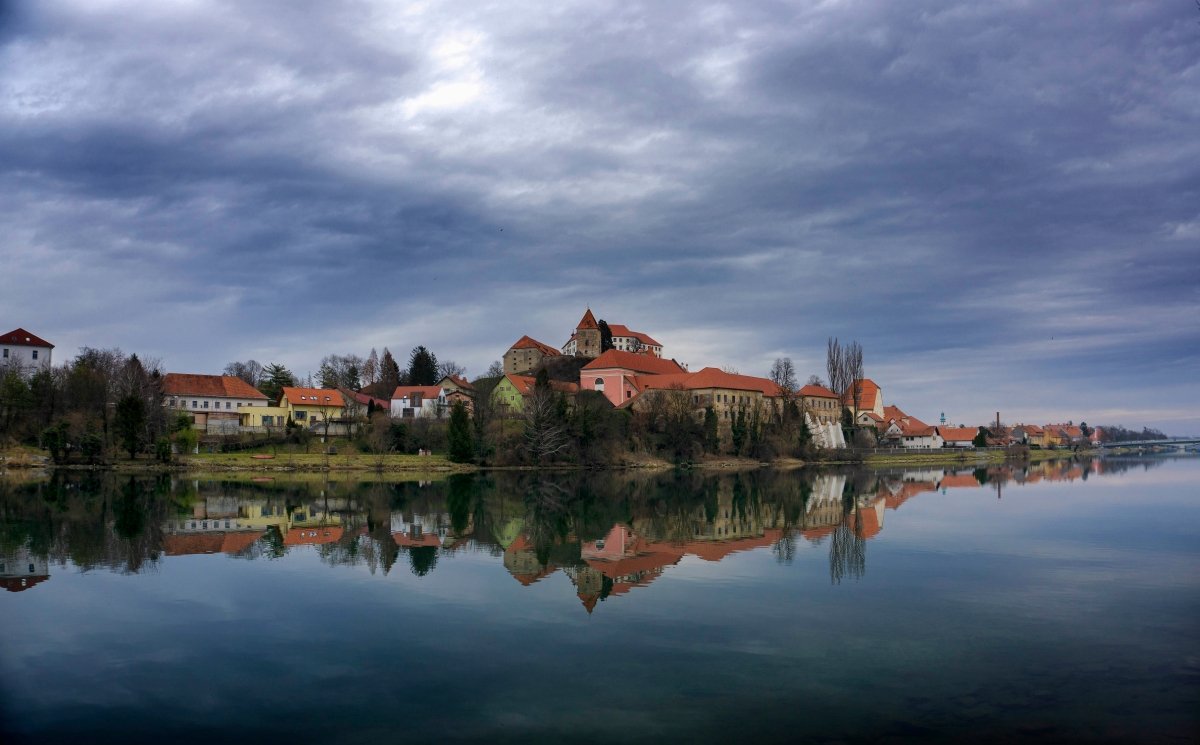
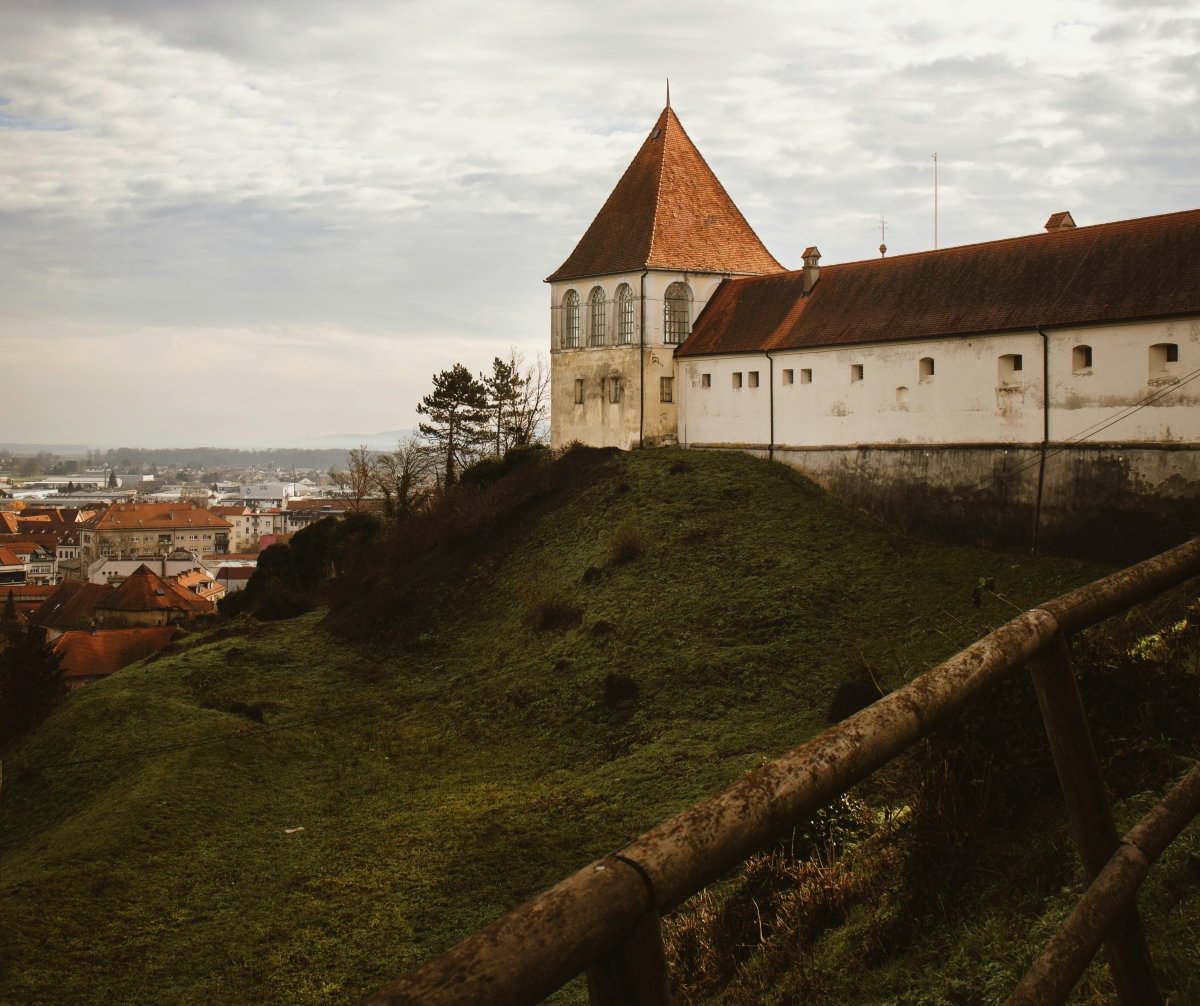
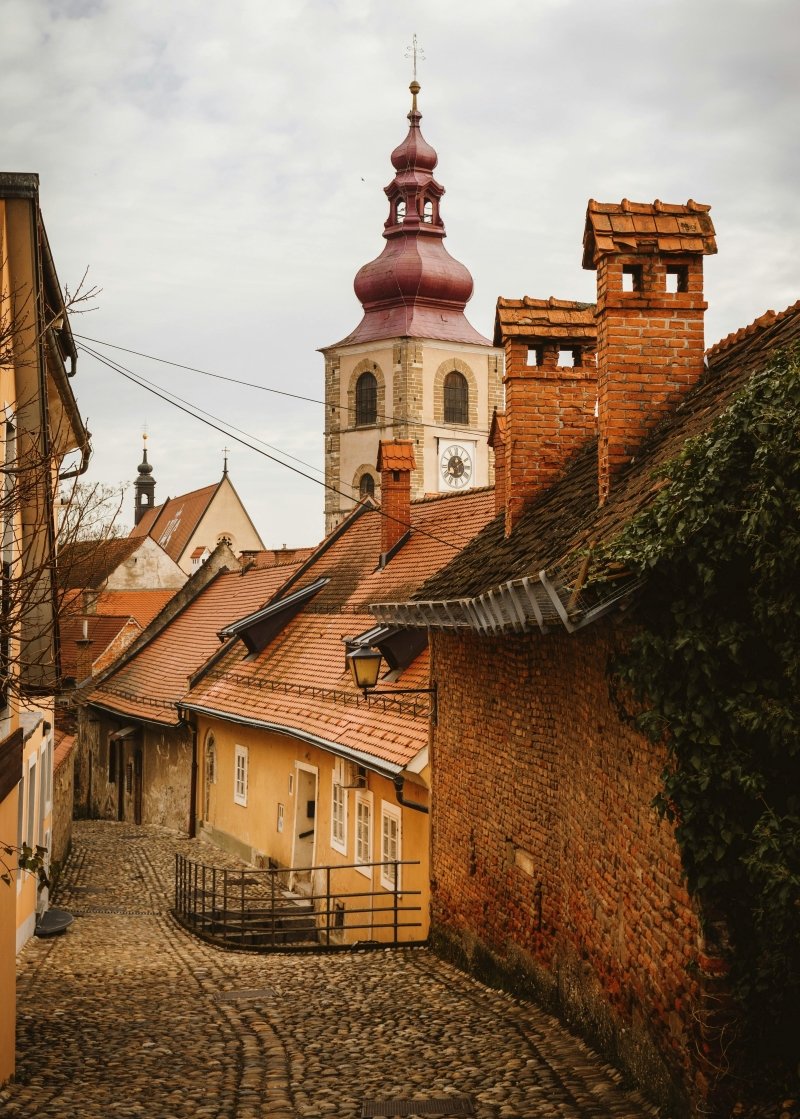
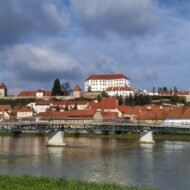
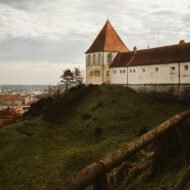
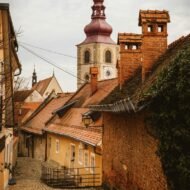
Slovenia’s oldest town dates back to the Stone Age, but really flourished in medieval times. Perched above the Drava River, Ptuj Castle has watched over this region since the 12th century. It’s small enough to explore in a day but rich enough to keep you discovering hidden corners for your entire visit.
Why Winter Works Here
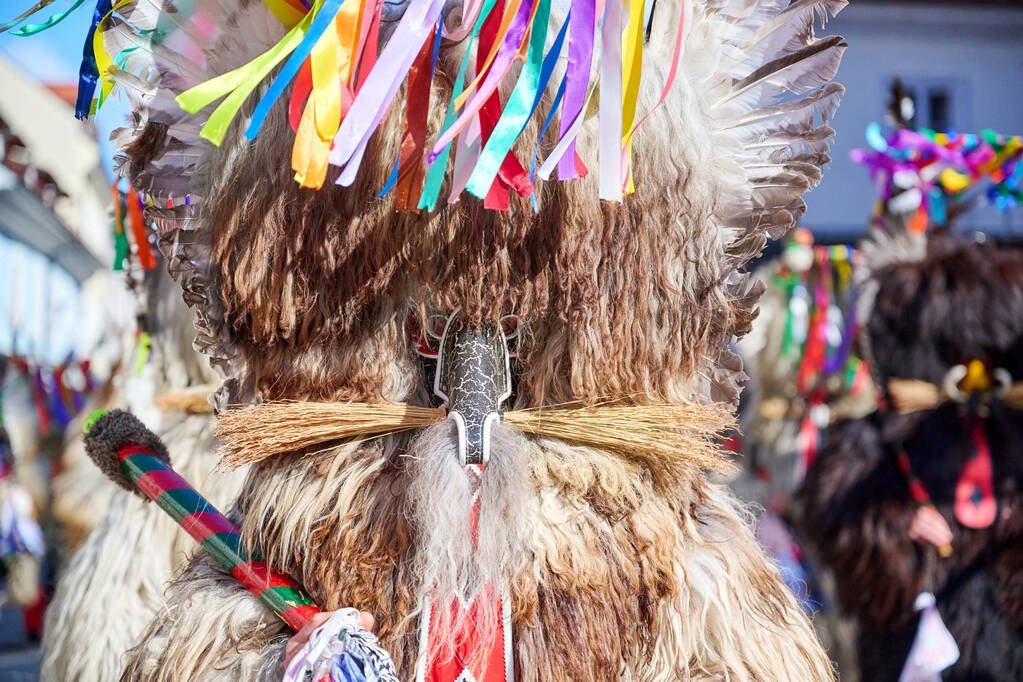
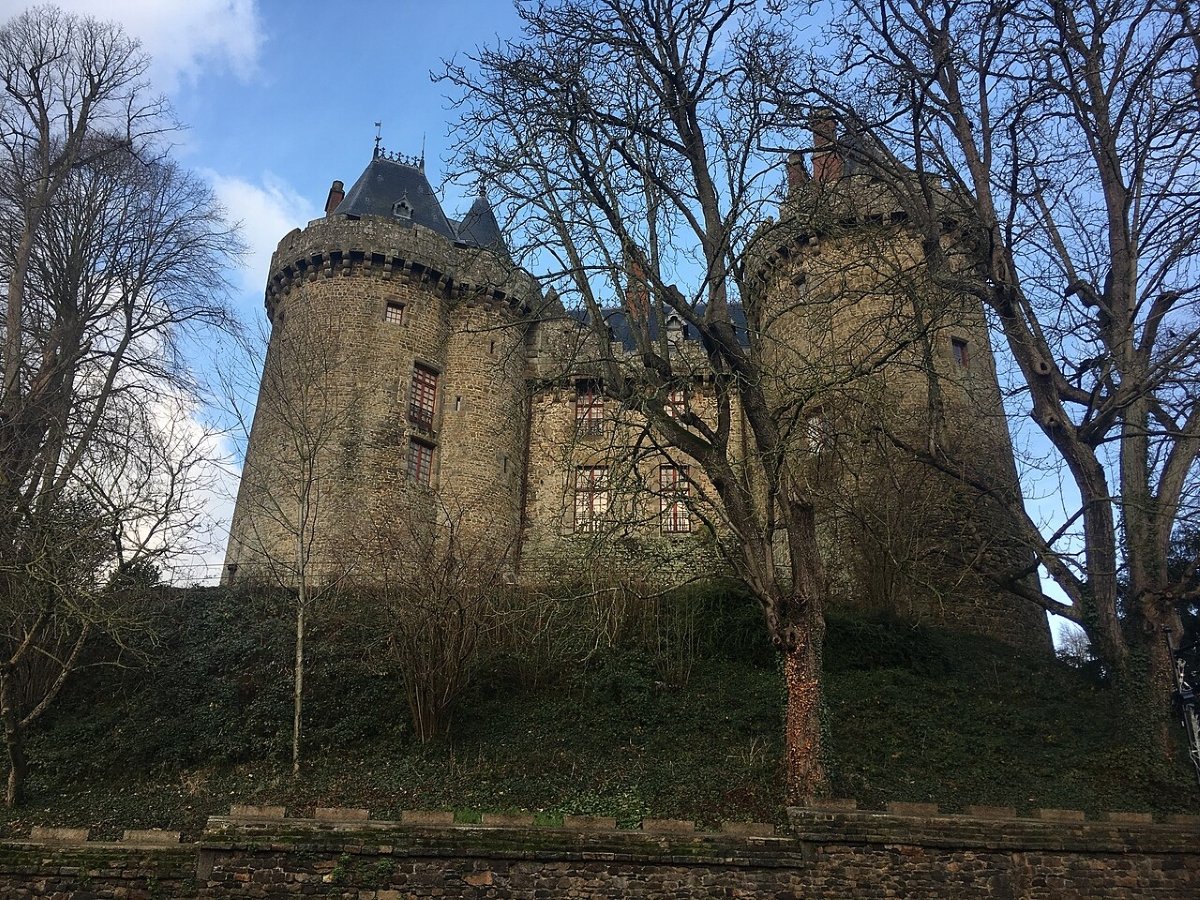
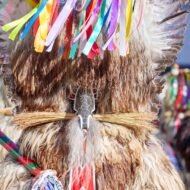
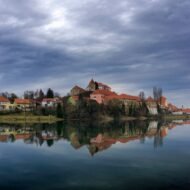
Ptuj hosts one of Europe’s most unique winter traditions—Kurentovanje, a pagan carnival in February featuring furry monsters that chase away winter. Even outside festival time, the castle looks straight out of Game of Thrones when fog rolls through the valley.
Accommodation Options
- Budget-friendly (€50-80/night): Guesthouse Murat or Hotel Mitra—family-run with breakfast included
- Mid-range (€80-120/night): Hotel Poetovio or Grand Hotel Primus—spa facilities perfect for winter
- Unique stay: Renovated medieval apartments in the old town center
Food & Drink
Slovenian wine is criminally underrated—Ptuj sits in a major wine region. Try the local whites (Laški Rizling) paired with jota (hearty bean stew) or štruklji (rolled dumplings). Restaurant Amadeus serves elevated traditional cuisine in a romantic cellar setting.
Shopping & Local Traditions
Browse the artisan shops along Prešernova Street. The Saturday morning market (year-round) offers local honey, cheeses, and crafts. Kurentovanje masks and traditional carnival goods make unique souvenirs.
Outdoor Activities
The nearby Pohorje Mountains offer excellent skiing (45 minutes away). Closer to town, winter walks through vineyards and along the Drava River are stunning. The thermal spas at nearby Terme Ptuj are perfect for après-ski relaxation.
Budget Breakdown
- Meals: €10-20 per person
- Wine: €2-4 per glass
- Castle entry: €8
- Overall: Incredibly affordable
- Daily budget for couples: €80-130 including accommodation
Cultural Highlights & Events
Ptuj Castle museum showcases everything from medieval armor to traditional masks. February’s Kurentovanje is a must-see if you can time it right—UNESCO-recognized and wildly photogenic. The Christmas market is small but authentic.
Useful Info
- Getting there: 2.5 hours by bus from Ljubljana; 90 minutes from Maribor
- Language: Slovenian (younger people speak good English)
- Best months: December for Christmas charm; February for Kurentovanje
- Local tip: Stay an extra day to explore the wine roads MORE READ..