






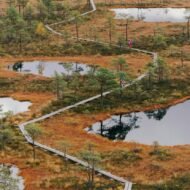
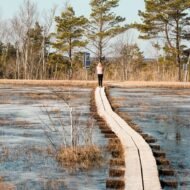


TL;DR: Bog Walking in Estonia, Estonia’s bogs offer some of Europe’s most unique hiking experiences on wooden boardwalks through ancient peatlands. Best visited May-September, with trails ranging from 30-minute strolls to full-day treks. Family-friendly, campervan-accessible, and surprisingly Instagram-worthy. Pack waterproof boots, bug spray, and your sense of wonder.
- Why Estonia’s Bogs Are Actually Incredible
- When to Go: Timing Your Bog Adventure
- Where to Go: Estonia’s Best Bog Trails
- Viru Bog (Lahemaa National Park)
- Kõrvemaa Bog Trail
- Sooma National Park Trails
- Tolkuse Bog (Haanja Nature Park)
- Family-Friendly Quick List:
- Campervan & RV Travelers: What You Need to Know
- Connectivity & Practical Info
- What to Pack: The Estonian Bog Essentials
- Sustainable & Ethical Bog Walking
- Safety Essentials
- Beyond the Boardwalk: Extra Experiences
- Quick Recap: Your Bog Walking Cheat Sheet
- Getting to Estonia
- Disclaimer
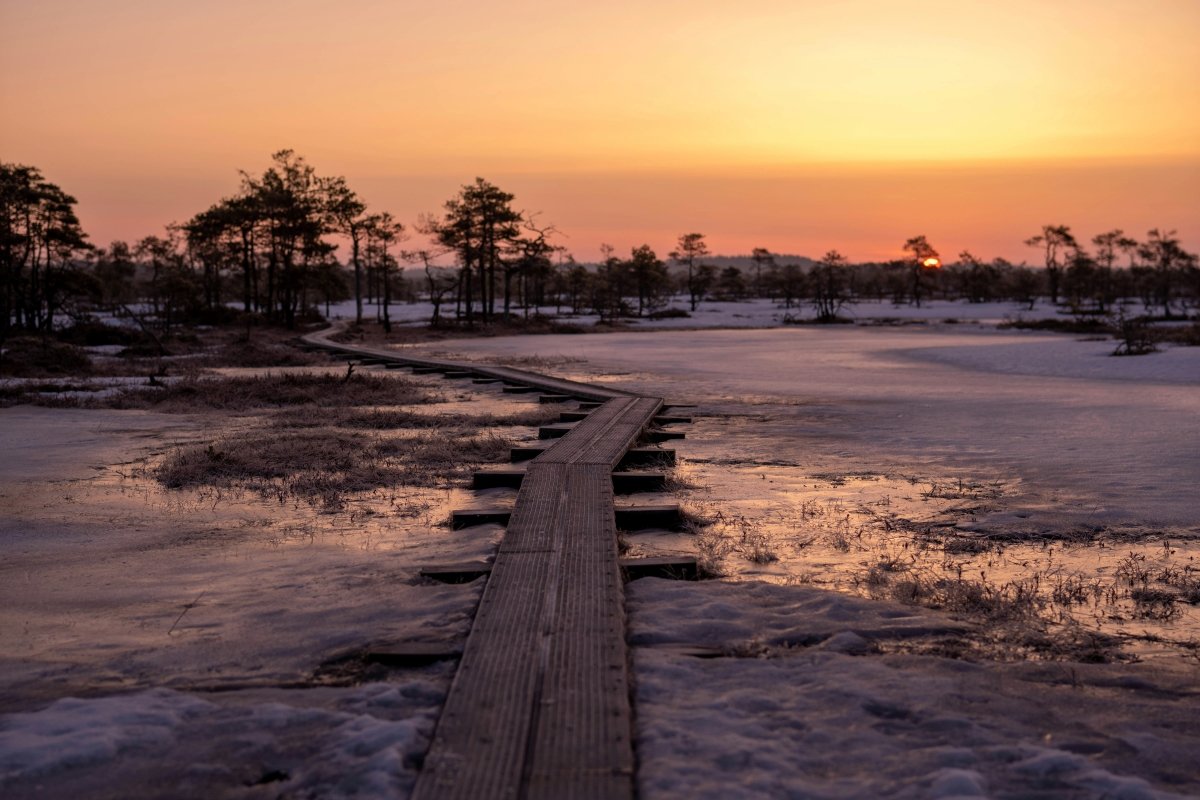
So you want to walk on water? Well, close enough—welcome to Estonia’s bog trails, where you’ll glide above watery wilderness on wooden boardwalks while spotting carnivorous plants, ancient pines twisted like sculptures, and maybe (just maybe) a moose if you’re lucky.
Forget everything you think you know about “bog standard” hiking. Estonia’s peatlands are magical, otherworldly landscapes that feel like stepping onto another planet—or at least into a Tolkien novel. And the best part? You don’t need to be Bear Grylls to experience them.
Why Estonia’s Bogs Are Actually Incredible
Here’s the thing: bogs cover about 22% of Estonia’s landscape. These aren’t sad, muddy puddles—they’re pristine carbon-storing ecosystems that have been quietly doing their thing for 10,000 years. The Estonians have thoughtfully built boardwalk systems through many of them, meaning you can explore these fragile environments without destroying them or losing your hiking boots to the abyss.
The experience is genuinely unlike anything else in Europe. Imagine spongy earth that bounces under your feet, pools of tea-colored water reflecting endless sky, and a silence so complete you can hear your own heartbeat. Add in the midnight sun in summer or snow-dusted landscapes in winter, and you’ve got yourself an adventure.
When to Go: Timing Your Bog Adventure
Peak Season (June-August): This is prime time. The weather’s warmest (15-25°C/59-77°F), daylight stretches nearly 19 hours in midsummer, and the bogs are alive with blooming cotton grass waving in the breeze. Downside? Mosquitoes have also received the memo. Bring reinforcements.
Shoulder Season (May & September): Honestly? These might be the sweet spot. Fewer bugs, fewer people, and in September, you’ll catch the bog turning shades of crimson and gold that’ll make your Instagram followers weep. Temperatures hover around 10-15°C (50-59°F).
Winter (November-March): For the adventurous souls. The boardwalks can be icy and some trails close, but the bogs under snow are hauntingly beautiful. Just check trail conditions before heading out and embrace the Nordic winter experience.
Spring (April): Muddy season as everything thaws. Better to wait a few weeks.
Where to Go: Estonia’s Best Bog Trails
Viru Bog (Lahemaa National Park)
The crowd-pleaser, and for good reason
Distance: 3.5km loop or 6km extended loop
Time: 1-2 hours
Difficulty: Easy
Family-friendly: Absolutely
Getting there: Drive via Highway 1 toward Narva, turn onto Palmse road. GPS: 59.5356° N, 25.8736° E. Parking is free.
Kõrvemaa Bog Trail
For the solitude seekers
Distance: 4.8km circular trail
Time: 1.5-2 hours
Difficulty: Easy to moderate
Family-friendly: Yes, but longer
Less touristy than Viru, Kõrvemaa gives you that “alone at the end of the world” feeling. The landscape is more dramatic, with larger bog pools and denser forest sections. About 50km from Tallinn.
Pro tip: Visit the nearby Nelijärve Recreation Area afterward—there’s a lovely lake for a post-hike dip.
Sooma National Park Trails
The bog epicenter
Distance: Multiple trails from 2-13km
Time: 30 minutes to 5 hours
Difficulty: Varies
Sooma is Estonia’s “bog capital” with several different trail options. The Riisa Bog Trail (3.5km) is perfect for families, while the Kuresoo Bog Trail (13km) challenges experienced hikers with its length and remote wilderness feel.
Unique feature: Canoeing routes through bog waters! Rent a canoe in nearby Tõramaa.
Tolkuse Bog (Haanja Nature Park)
The off-the-beaten-path gem
Distance: 2km
Time: 45 minutes
Difficulty: Easy
Family-friendly: Perfect for families
In southeastern Estonia near the Latvian border, Tolkuse is quieter and features the photogenic ruins of an old peat factory—a reminder of when these bogs were harvested for fuel before conservation kicked in.
Family-Friendly Quick List:
- Shortest trail: Hirvlaane Bog (1.5km, 30 minutes)
- Best for toddlers: Laukasoo Bog (flat, 1.8km)
- Wheelchair accessible sections: Viru Bog has accessible portions
Campervan & RV Travelers: What You Need to Know
Estonia is surprisingly campervan-friendly, and bog-hopping makes an excellent road trip itinerary.
Parking: Most bog trailheads have adequate parking for campervans, though spaces aren’t huge. Arrive early in summer.
Overnight camping: Wild camping is legal in Estonia under the “everyman’s right” (jokamiehenoikeus), BUT:
- Stay at least 200m from private homes
- Leave no trace (seriously, pack everything out)
- No fires in nature conservation areas
- Don’t camp directly in parking areas
Better option: Use official campsites near the bogs:
- Lahemaa National Park area: Võsu Camping, Oandu Camping
- Sooma area: Moorland camping areas with facilities
- Apps to use: Park4Night, iOverlander
Facilities: Most trailheads have composting toilets (they’re surprisingly clean). No water sources at trailheads—bring your own.
Connectivity & Practical Info
Cell coverage: Generally good near Tallinn (Viru Bog). Spottier in remote areas like Sooma. Download offline maps before heading out.
Best offline map app: Maps.me or OsmAnd with Estonia maps downloaded
WiFi: Forget about it in the bogs (isn’t that the point?). Most campgrounds have WiFi if you need to upload those photos.
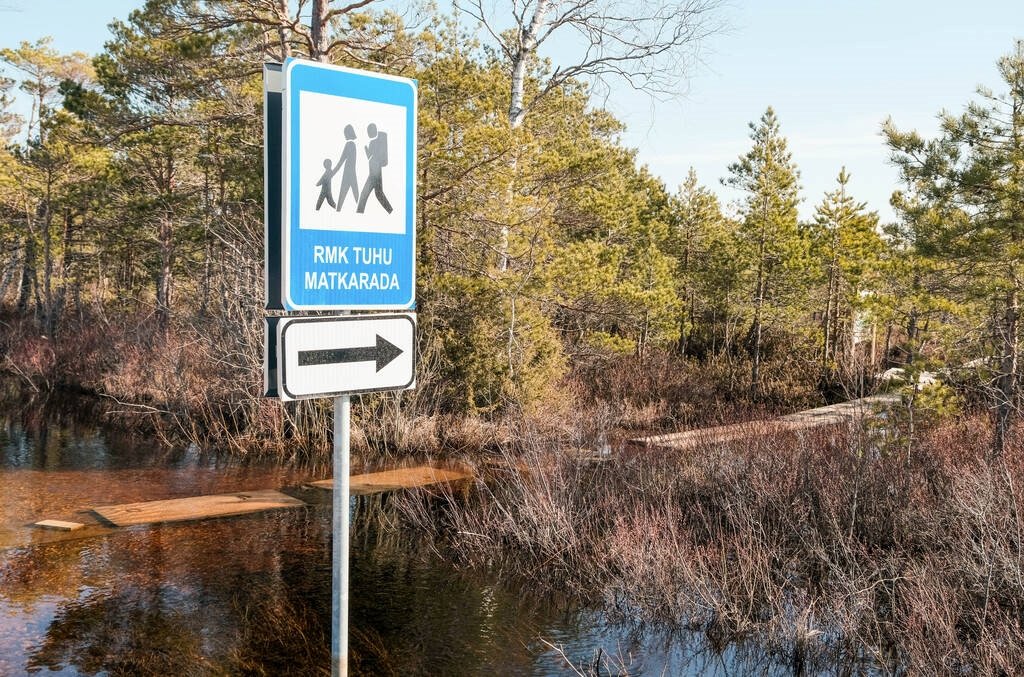
Navigation: Trails are well-marked with colored blazes, but GPS coordinates are handy:
- Viru Bog: 59.5356° N, 25.8736° E
- Sooma Riisa: 58.5182° N, 25.0668° E
- Kõrvemaa: 59.2450° N, 25.5350° E
What to Pack: The Estonian Bog Essentials
Footwear: Waterproof hiking boots or wellies. The boardwalks can be slippery when wet, and you might encounter flooded sections.
Bug defense: This cannot be overstated. June-August mosquitoes are biblical. Bring:
- DEET-based repellent (50% or higher)
- Head net (seriously)
- Light long sleeves and pants
Clothing layers:
- Waterproof jacket (weather changes fast)
- Fleece or warm layer
- Sun hat (surprisingly exposed terrain)
- Avoid cotton—go synthetic or merino wool
The rest:
- Sunscreen (UV reflects off water and bog surface)
- Binoculars (bird watching is excellent)
- Camera with polarizing filter (for those mirror-like bog pools)
- Snacks and water (no facilities on trails)
- Small first aid kit
- Tick removal tool (ticks are present May-October)
Sustainable & Ethical Bog Walking
The boardwalks exist for a reason—bogs are incredibly fragile ecosystems. Walking directly on bog vegetation can cause damage that takes decades to recover.
Leave No Trace principles:
- Stay on boardwalks always
- Pack out all trash (including biodegradable items like apple cores)
- No picking plants (sundews are protected carnivorous plants—leave them be)
- Keep dogs leashed (wildlife habitat)
- No drones in national parks without permits
Supporting local communities:
- Buy supplies in local villages before heading to trails
- Consider guided tours from local operators (supports rural economy)
- Stay in locally-owned accommodations
Carbon offsetting: If flying to Estonia, consider that these bogs store massive amounts of carbon—protecting them is climate action. Some organizations like RMK (Estonia’s forest service) accept donations for bog conservation.
Safety Essentials
Bog walking is generally safe, but nature is still nature:
Weather awareness: Storms develop quickly. Check forecasts and don’t venture out in lightning conditions—you’re exposed on boardwalks.
Stay on trails: Seriously. Bogs can swallow you. The boardwalks exist because the ground won’t support your weight. Straying off = potentially life-threatening situation.
Wildlife:
- Moose, brown bears, and wolves exist in Estonian forests. Encounters are rare but possible.
- Make noise while walking, especially in early morning/evening
- If you see a moose with calf or bear, back away slowly
- Never approach or feed wildlife
Tick prevention: Estonia is in a tick-borne encephalitis (TBE) zone. Consider vaccination if visiting multiple times. Check yourself thoroughly after hikes. Remove ticks promptly and properly.
Solo hiking: Bogs are generally safe for solo hiking, but tell someone your plans. Download offline maps. Carry a power bank for your phone.
Emergency contacts:
- Emergency services: 112
- Mountain Rescue: 1247
- Nearest hospital locations on your map
Beyond the Boardwalk: Extra Experiences
Guided bog walks: RMK (State Forest Management Centre) and local operators offer guided walks with naturalists who explain the ecosystem. Worth it for the educational value and to spot plants/creatures you’d miss otherwise.
Bog shoeing: Some operators offer “bog shoes” experiences where you actually walk on the bog surface using special floatation devices. Available in Sooma National Park through local guides.
Photography tips:
- Golden hour (early morning/late evening) creates magical light
- Reflection shots in bog pools are spectacular
- Use polarizing filters to reduce glare
- Wide-angle lenses capture the vast landscapes
Winter activities: Cross-country skiing on bog trails when snow-covered. Ice fishing on frozen bog lakes (with local knowledge).
Quick Recap: Your Bog Walking Cheat Sheet
✓ Best time: June-September, or May/September for fewer bugs
✓ Start here: Viru Bog (closest to Tallinn)
✓ Essential gear: Waterproof boots, bug spray, layers
✓ Duration: Plan 1-3 hours per trail
✓ Cost: Free (parking free at most locations)
✓ Stay on boardwalks: Always, for safety and conservation
✓ Best for families: Viru Bog, Laukasoo Bog
✓ Campervan friendly: Yes, with designated camping areas nearby
✓ Download offline maps: Cell service can be spotty
Getting to Estonia
Flights: Tallinn Airport (TLL) has connections across Europe. Budget carriers like Ryanair and Wizz Air offer affordable routes.
Ferry: From Helsinki (2.5 hours)—makes a great combined Finland-Estonia trip
Driving: Well-connected by road from Latvia (Via Baltica highway)
Car rental: Essential for bog access unless joining organized tours. Book in advance; rates are reasonable (€25-40/day).
Disclaimer
This guide is for informational purposes and based on conditions as of early 2025. Trail conditions, accessibility, and regulations can change. Always check current conditions with RMK (www.rmk.ee) or local visitor centers before heading out. Bog walking involves inherent risks—assess your fitness level honestly and make informed decisions. The author and publisher are not responsible for accidents, injuries, or losses incurred while bog walking. Tick-borne diseases and other health risks exist; consult your doctor about necessary vaccinations before travel. Wildlife encounters, though rare, can be dangerous—maintain safe distances and follow local guidance. Weather in Estonia can change rapidly; be prepared and prioritize safety over completing a hike.
There you have it—your complete guide to one of Europe’s most underrated outdoor experiences. Estonia’s bogs are waiting, squishy and wonderful and utterly unique. Just remember: stay on the boardwalks, respect the ecosystem, and prepare to have your mind blown by landscapes that feel like nowhere else on Earth.
Now grab those bug nets and get walking. The bog is calling.