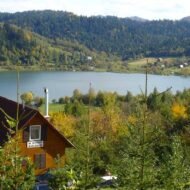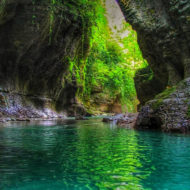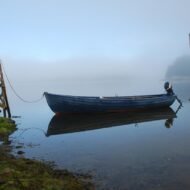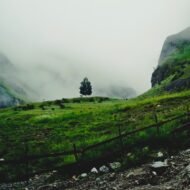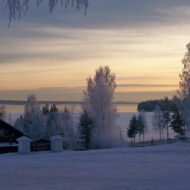



TL;DR: Spring magic in the Baltics , Forget overcrowded European hotspots. Spring in Estonia, Latvia, and Lithuania is pure magic—think misty wetlands, blooming cherry orchards, music festivals, and centuries-old traditions colliding with contemporary art. Pack layers, embrace the unpredictability, and prepare for the kind of travel that actually changes you.
- Why Spring in the Baltics Hits Different
- Know Before You Go
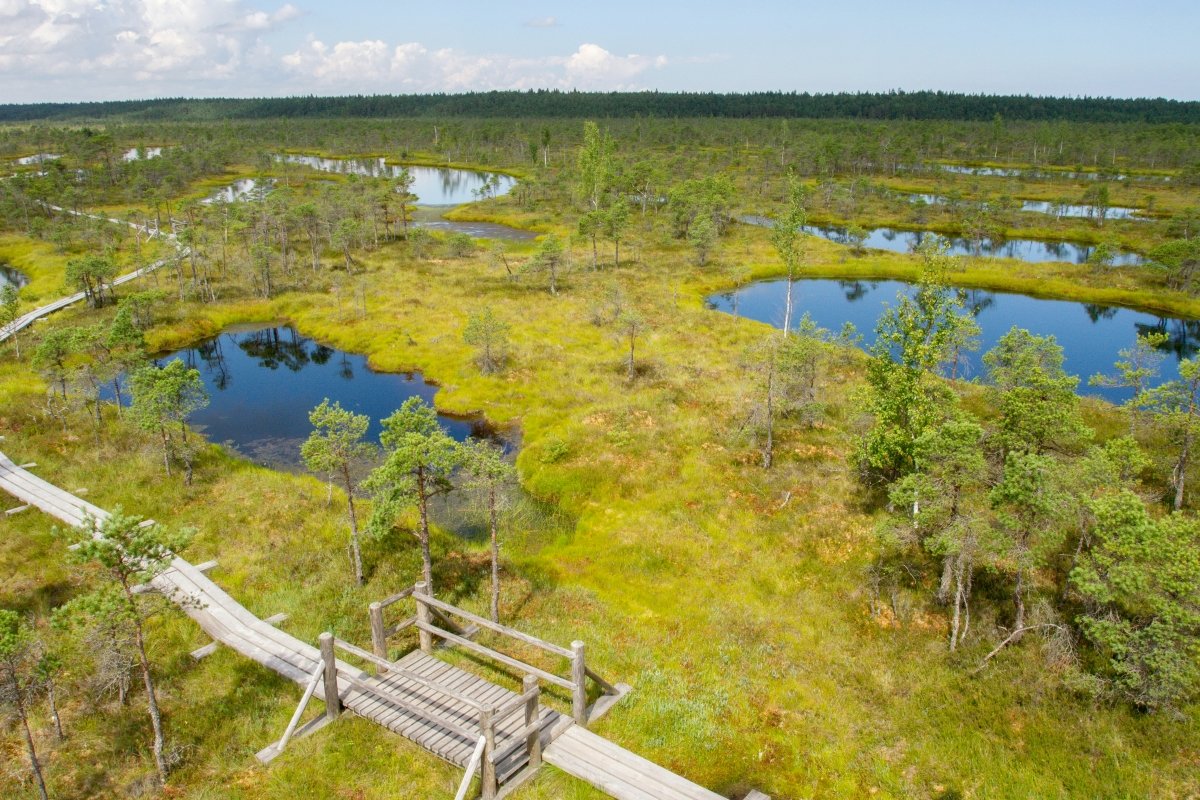
- 1. Canoeing the “Fifth Season” in Soomaa (Estonia)
- 2. Tallinn Music Week (Estonia)
- 3. Cherry Blossoms and Art Nouveau in Riga (Latvia)
- 4. International Folklore Festival “Baltica” (Estonia)
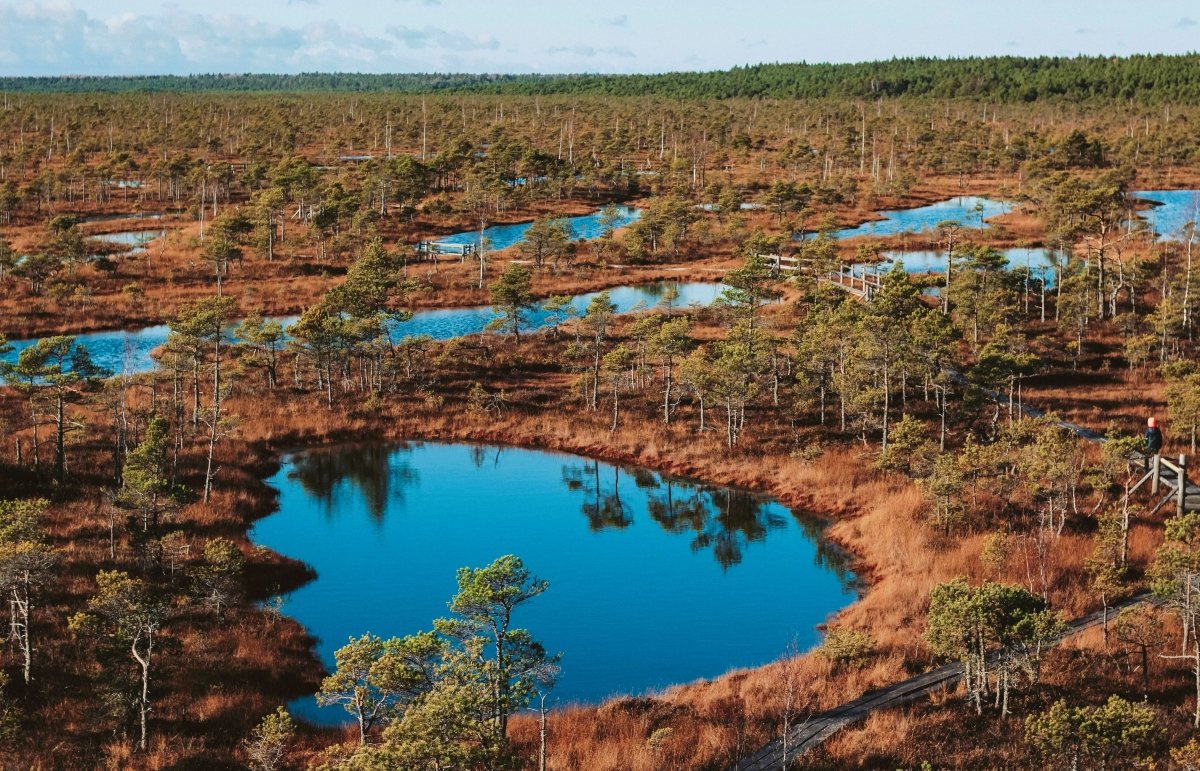
- 5. Hiking the Great Ķemeri Bog Boardwalk (Latvia)
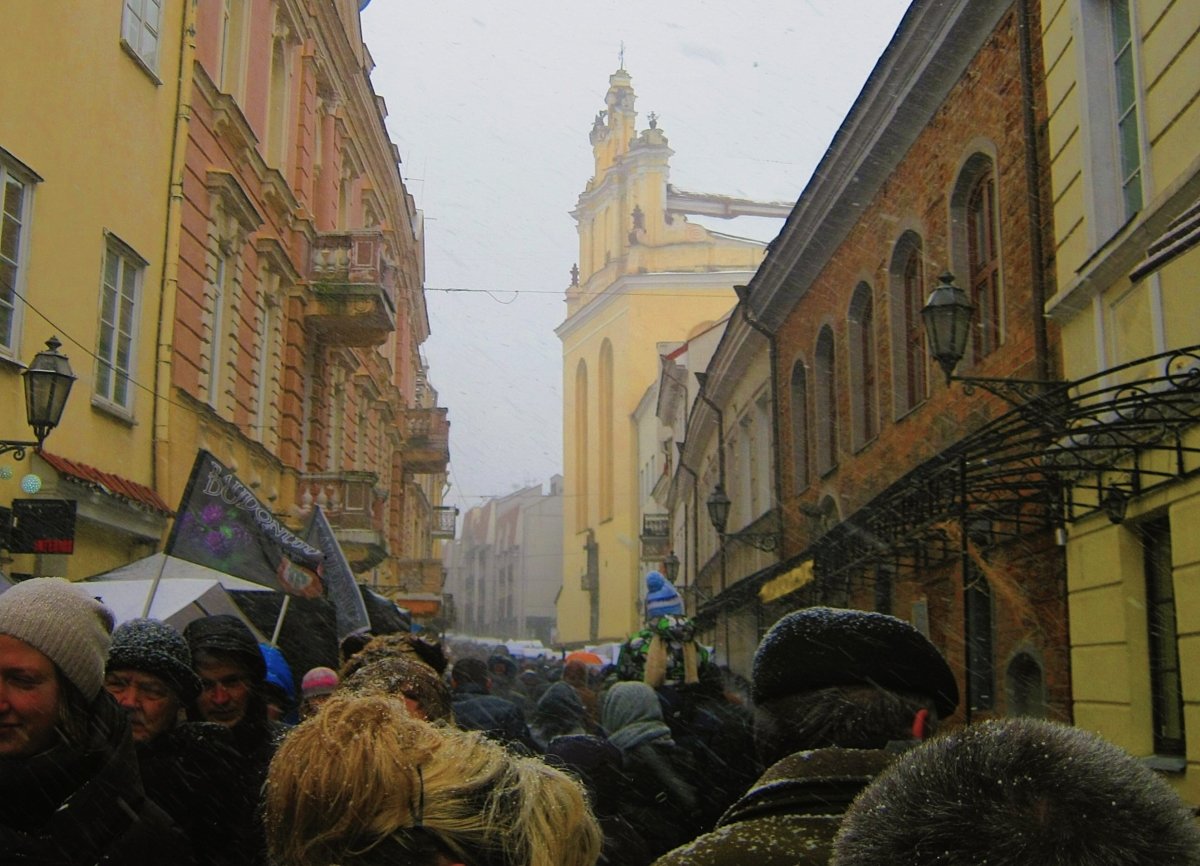
- 6. The “Kaziukas Fair” in Vilnius (Lithuania)
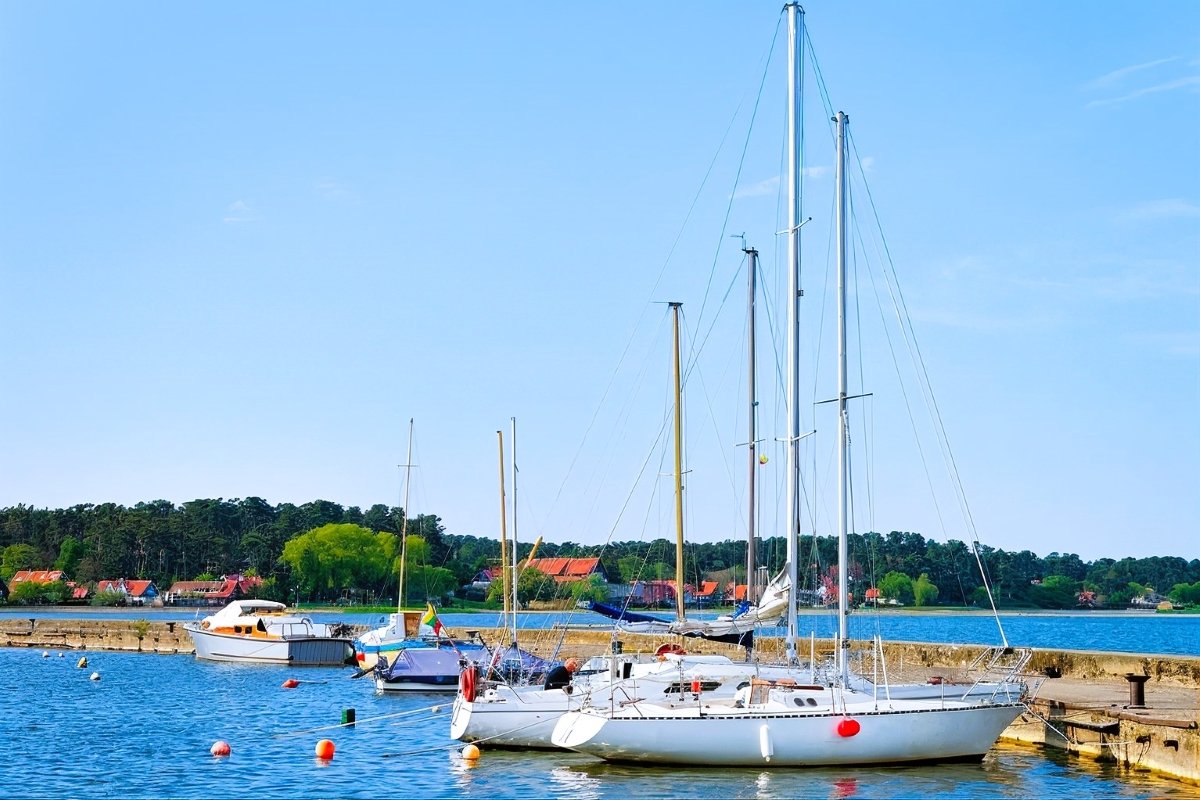
- 7. Exploring the Curonian Spit (Lithuania)
- Recap: Your Spring Baltic Itinerary (10–14 days)
- Disclaimer
- Final Thoughts
Why Spring in the Baltics Hits Different
The Baltics aren’t on everyone’s radar, and honestly? That’s part of the appeal. While crowds descend on Barcelona and Rome, you’ll be experiencing a region that feels genuinely undiscovered—even in high season. Spring here isn’t just warm weather; it’s a full cultural reset. Nature erupts after brutal winters, locals spill onto the streets, and centuries-old traditions meet cutting-edge contemporary art.
Plus, let’s be real: your Instagram feed will absolutely pop. We’re talking moody misty mornings, pastel-colored buildings, and landscapes that look photoshopped (but aren’t).
Know Before You Go
| Factor | Details |
|---|---|
| Best Time | Late April–May (temps 10–15°C/50–59°F, minimal rain) |
| Getting There | Direct flights from major EU hubs to Tallinn, Riga, or Vilnius (budget airlines make it cheap) |
| Currency | EUR in Estonia & Latvia; EUR in Lithuania (all three use Schengen) |
| Language Barrier | Minimal—English widely spoken in cities; locals are famously blunt but helpful |
| Budget Range | €40–80/night accommodations meals €8–15 outside tourist traps |
| Visa Requirements | EU/US/CA citizens: 90 days visa-free (Schengen area) |
| What to Pack | Waterproof jacket, layers, comfortable walking shoes, swimwear (thermal spas!) |
| Local Etiquette | Skip small talk; Balts value directness. Remove shoes indoors. Tip 10% in restaurants. |
| Must-Download Apps | Google Maps works Bolt (like Uber) local tourism apps for each country |
1. Canoeing the “Fifth Season” in Soomaa (Estonia)
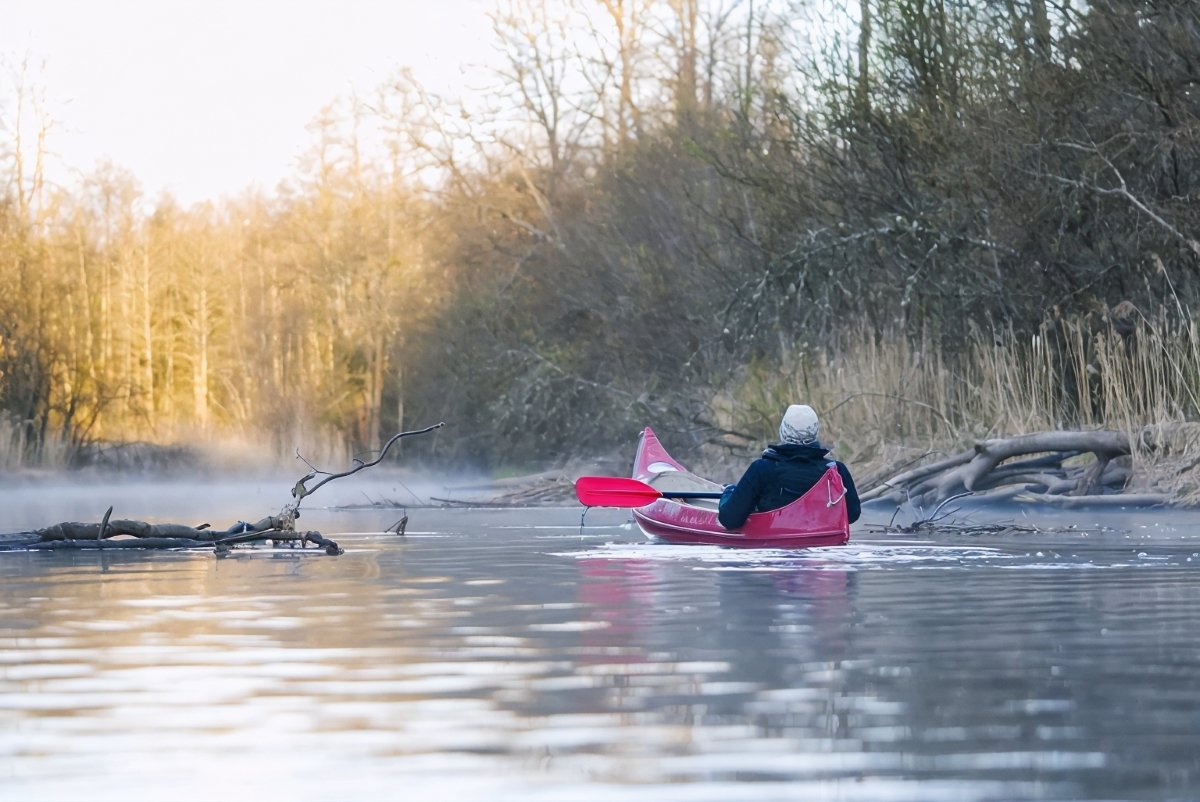
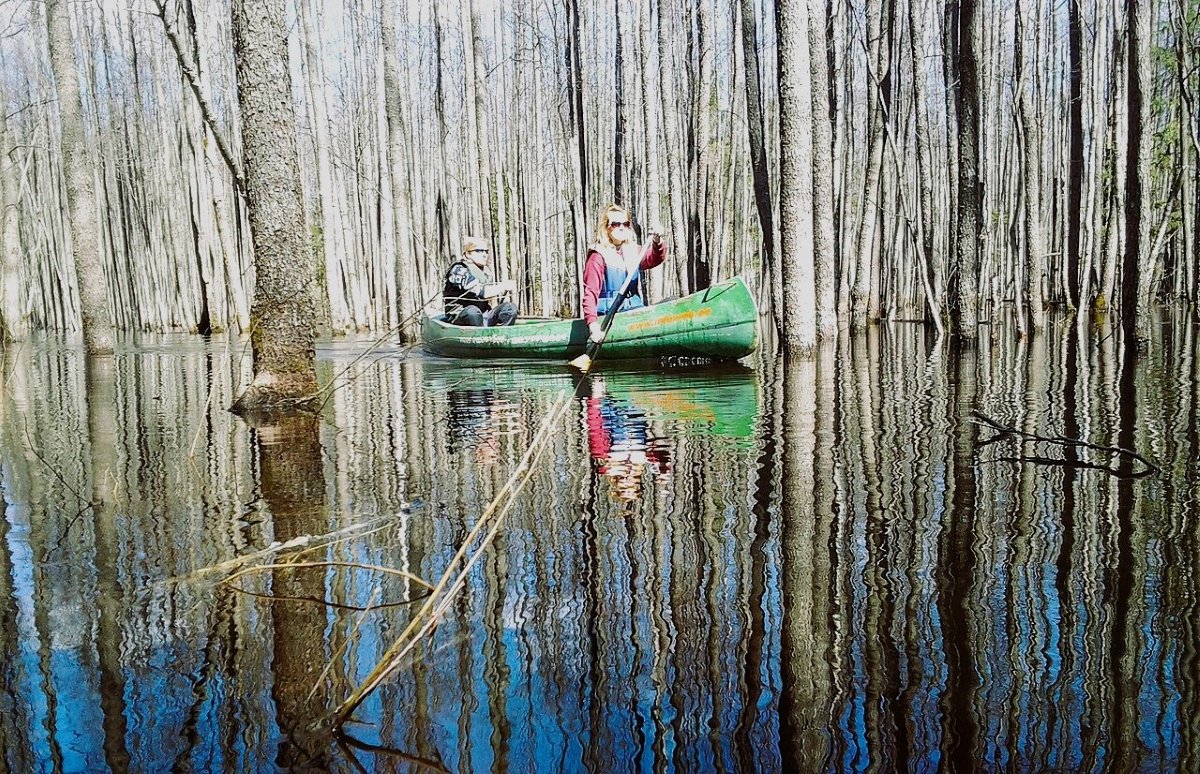
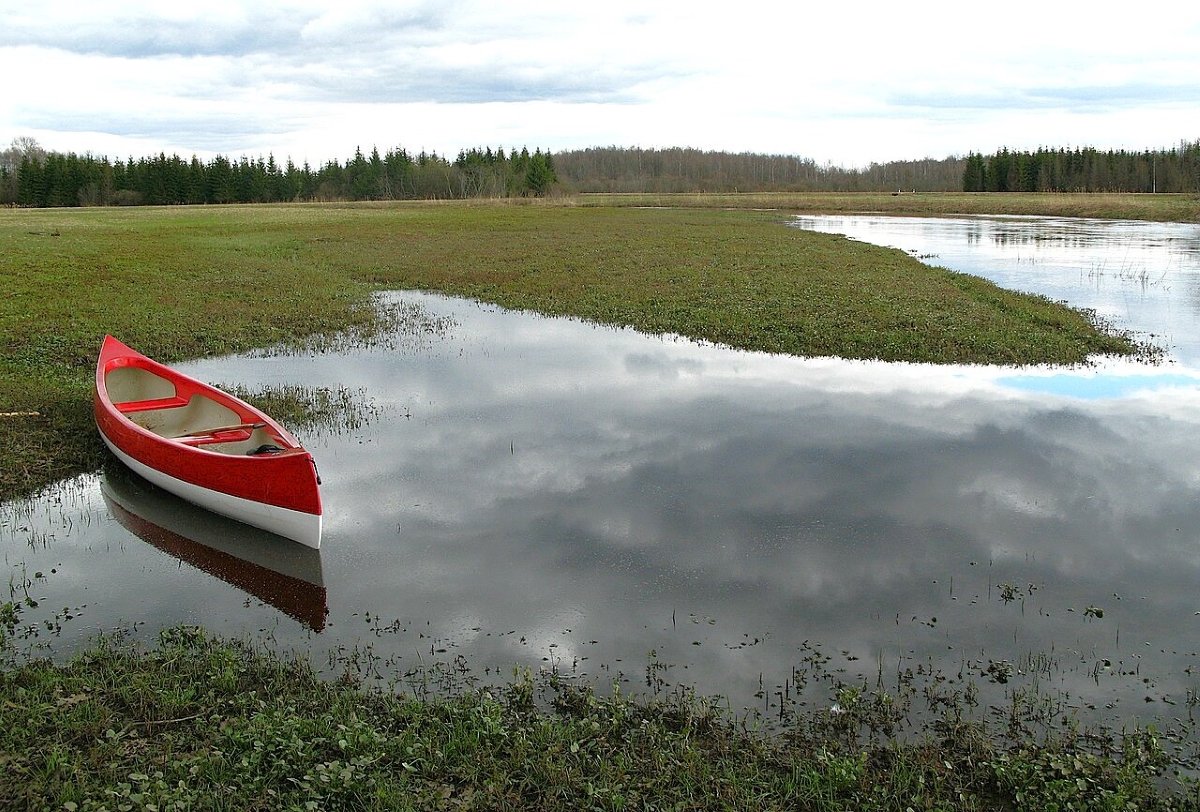
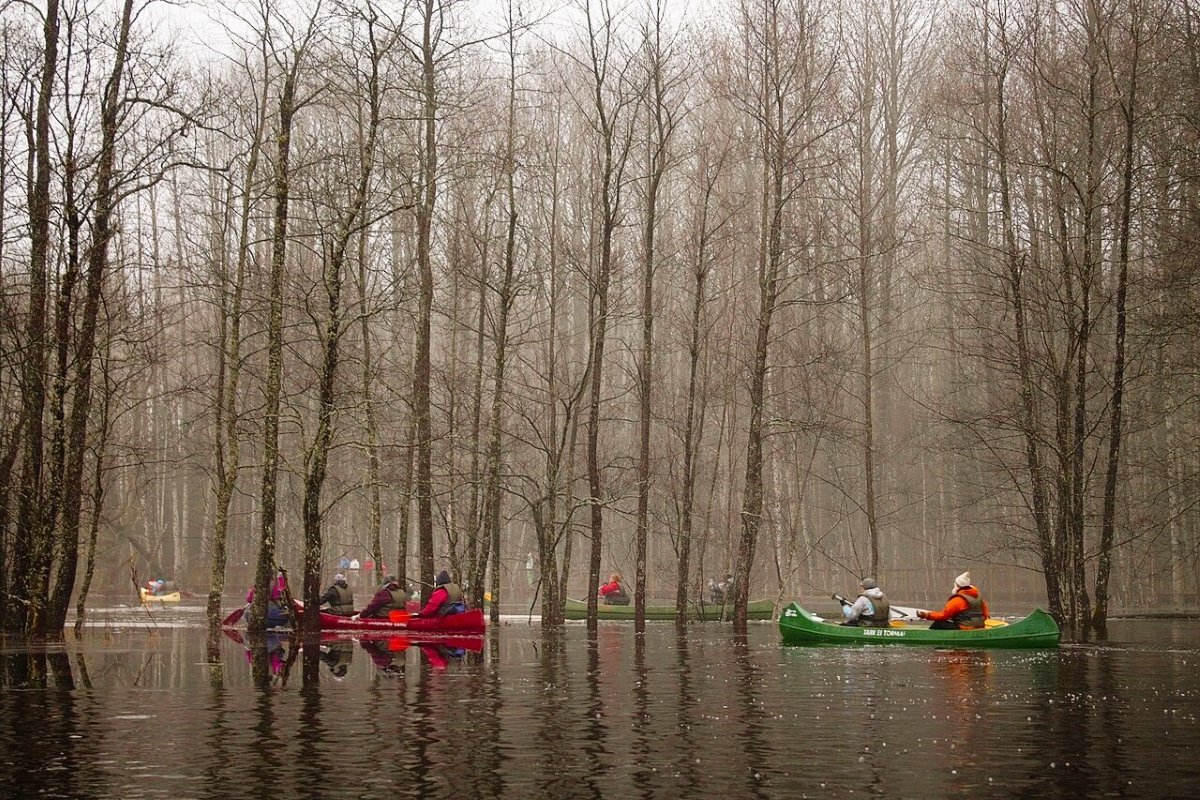
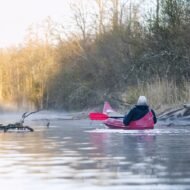
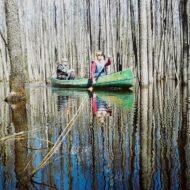
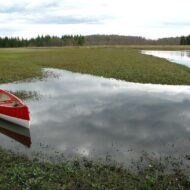
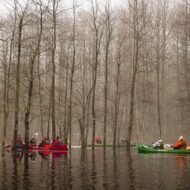
Why it’s unmissable: There’s a phenomenon locals call “the fifth season”—when spring floods transform Soomaa into a Venice-like wonderland of water and forest. This is peak canoeing magic, and it’s only happening right now.
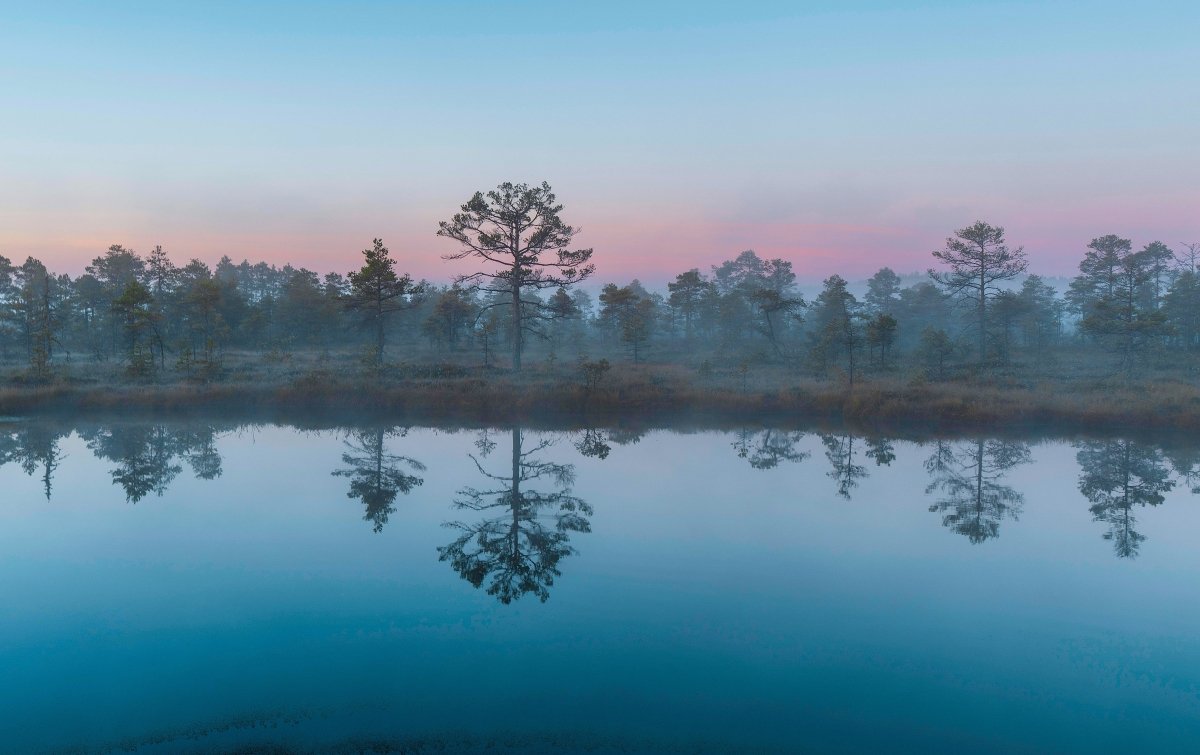
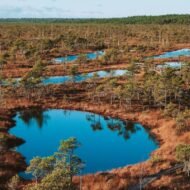
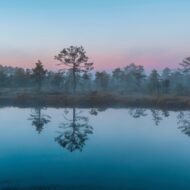
Soomaa National Park, a UNESCO biosphere reserve, sits about 1.5 hours south of Tallinn. For a few weeks in April and May, the park’s peatlands become submerged, creating surreal waterscapes where you’re literally paddling between ancient trees. It’s atmospheric in the most primal way possible.
What to expect:
- Misty, dreamlike canoe routes through flooded forests
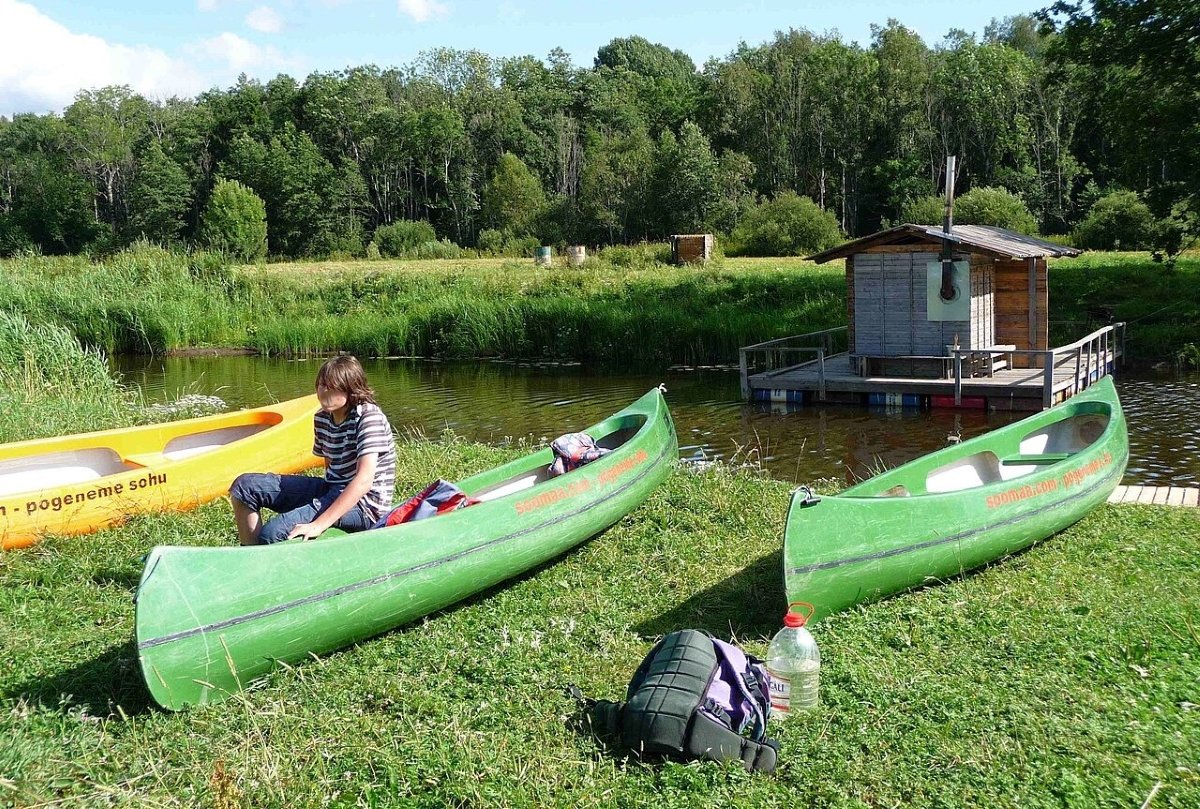
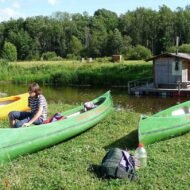
- Guided tours (€35–50) or rent gear and go solo (if you’re confident)
- Early mornings are best—fewer tourists, better light
- Spot beavers, osprey, and rare wetland birds
- Park stays range from comfortable lodges (€60–90/night) to basic cabins
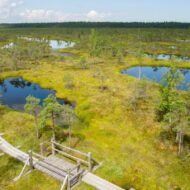
- Soomaa National Park, Estonia — “The Land of Bogs”
Pro tip: Book tours in advance spring floods are short-lived and popular. Bring a waterproof bag for your camera—the mist will destroy unprotected gear.
Real talk: The water’s cold. Very cold. But that’s part of the appeal, isn’t it?
2. Tallinn Music Week (Estonia)
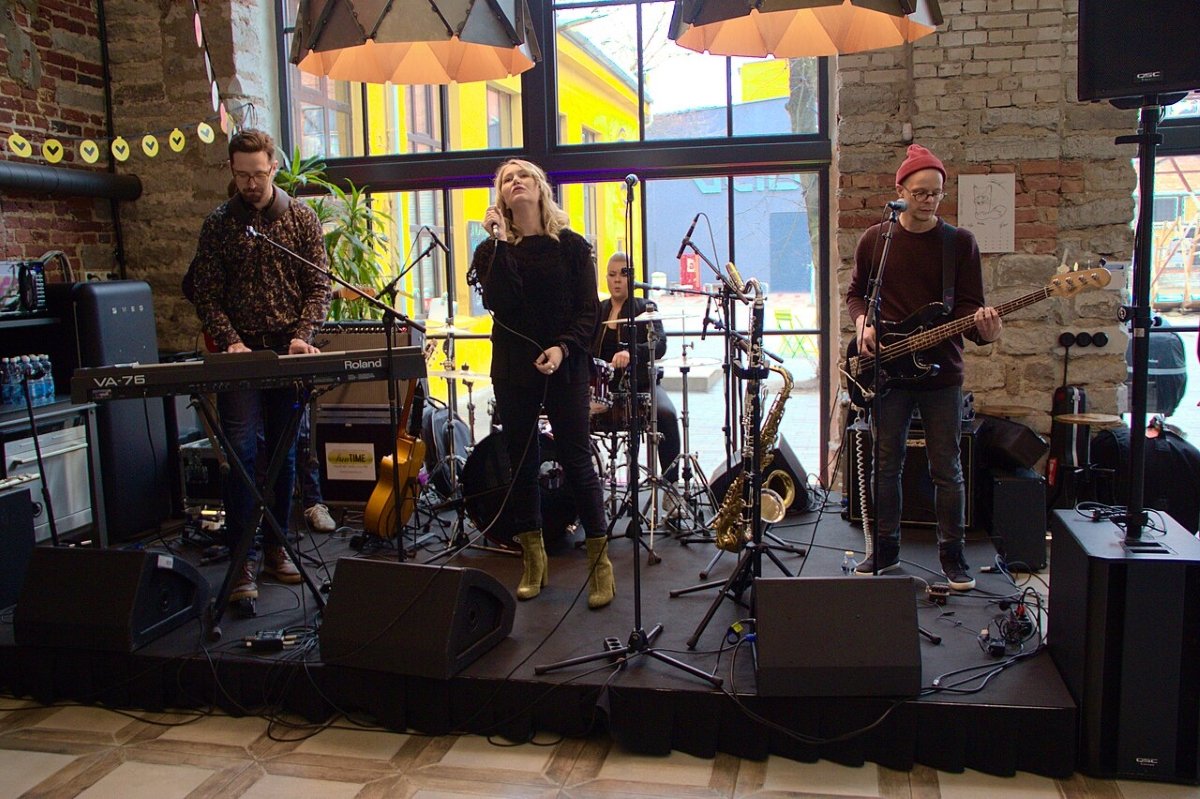
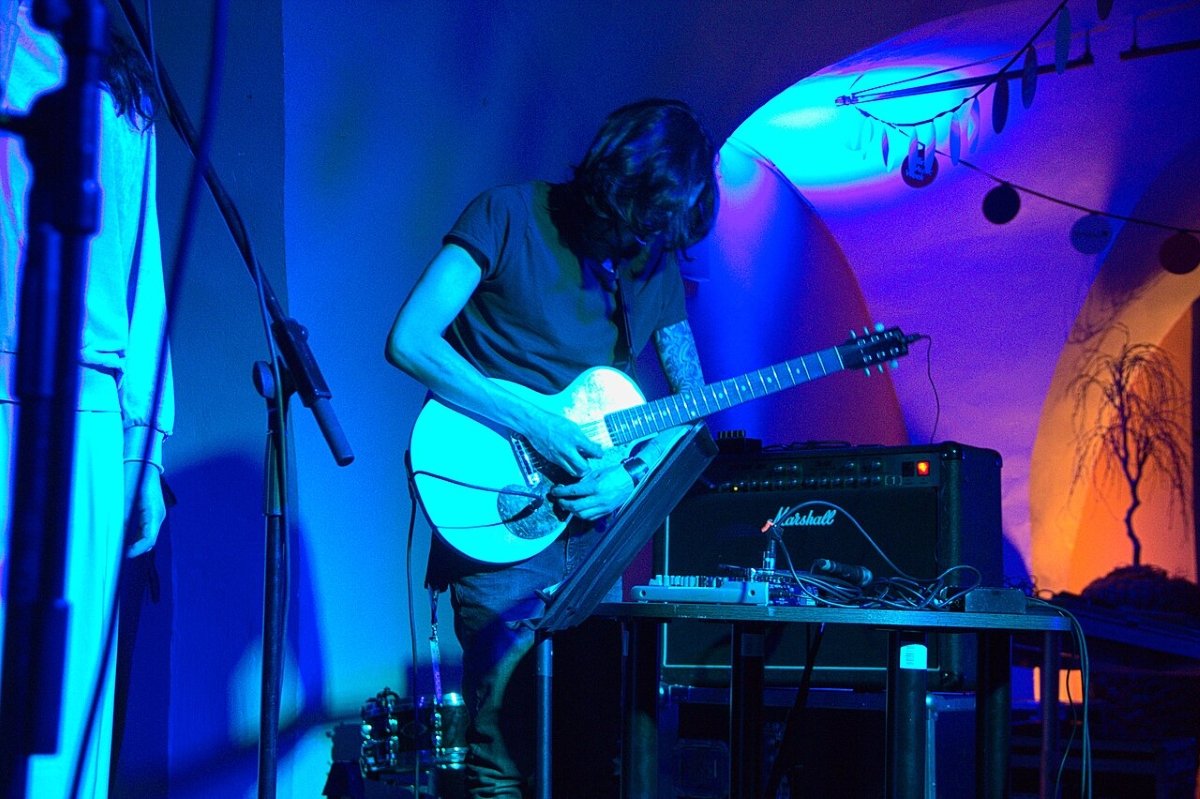
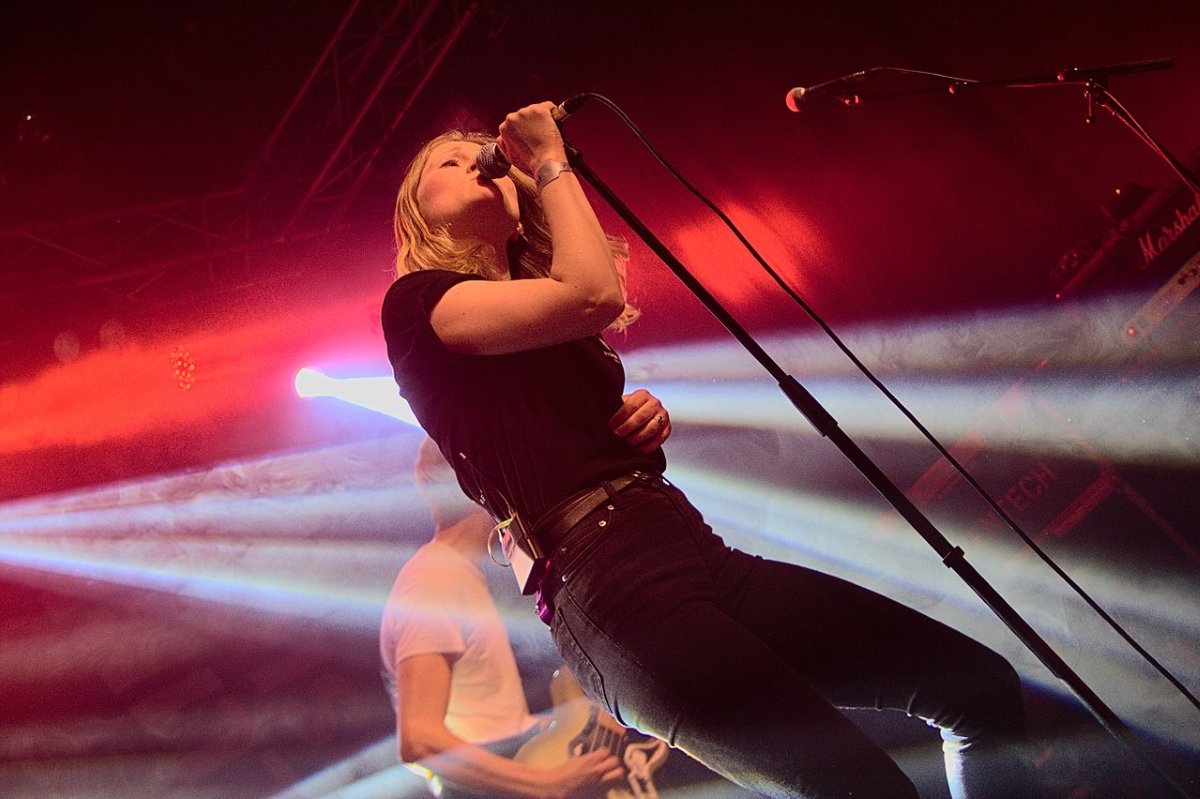
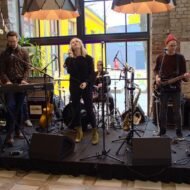
Why it matters: This isn’t your grandma’s classical festival. Tallinn Music Week is where Nordic experimental music, electronic beats, indie darlings, and jazz fusion collide in one of Europe’s most beautifully preserved medieval cities.
Held in early April, the festival transforms Tallinn’s Old Town—with its fairy-tale spires and winding cobblestone streets—into a live-music playground. Think intimate venue performances, street concerts, and late-night sessions that go until dawn.
What’s on the lineup:
- International electronic and indie acts
- Local Estonian talent you won’t find anywhere else
- Free outdoor performances
- After-parties in quirky basement bars
- Tickets: €20–60 depending on passes/shows
The experience: Walk the festival during the day—grab coffee at one of Tallinn’s excellent third-wave coffee shops, explore the medieval architecture—then follow the music at night. The contrast between 14th-century walls and cutting-edge sound design is chef’s kiss.
Insider secret: Skip the main venues and hunt for underground shows in the Russian quarter (Kalamaja). The vibe is raw, the locals are friendly, and prices stay sane.
3. Cherry Blossoms and Art Nouveau in Riga (Latvia)
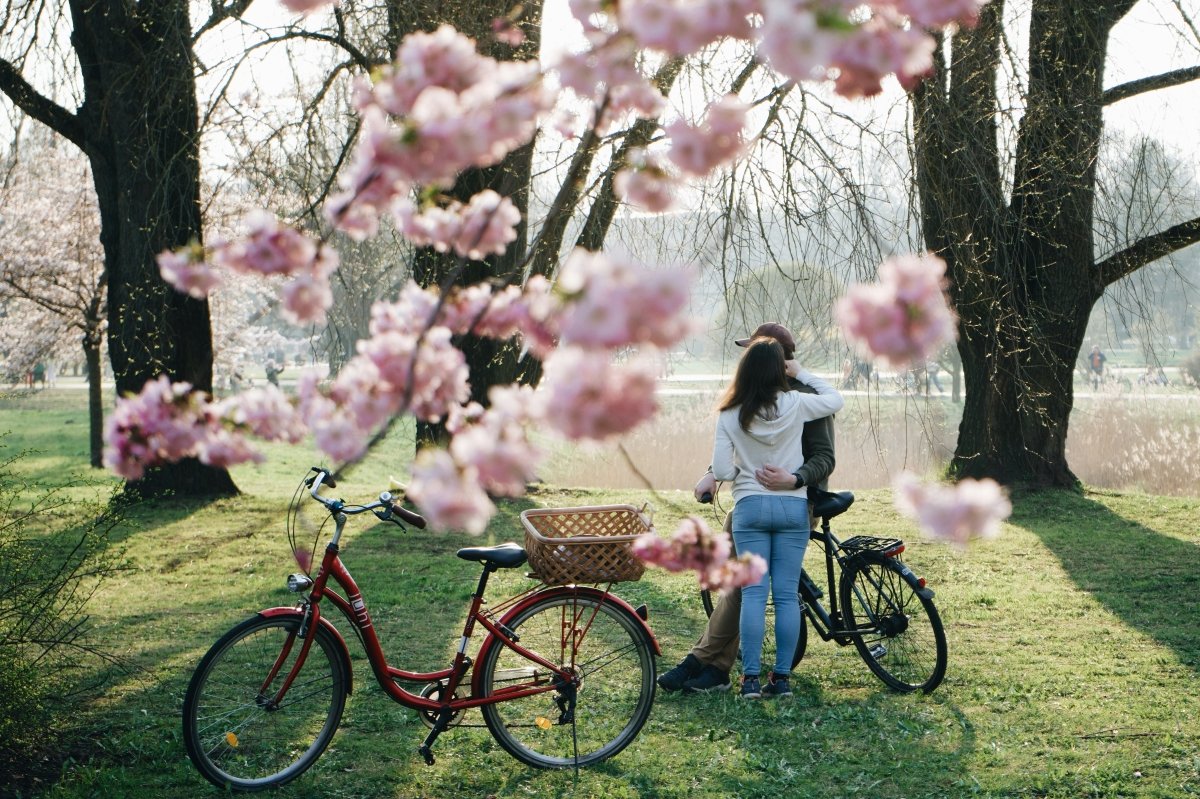
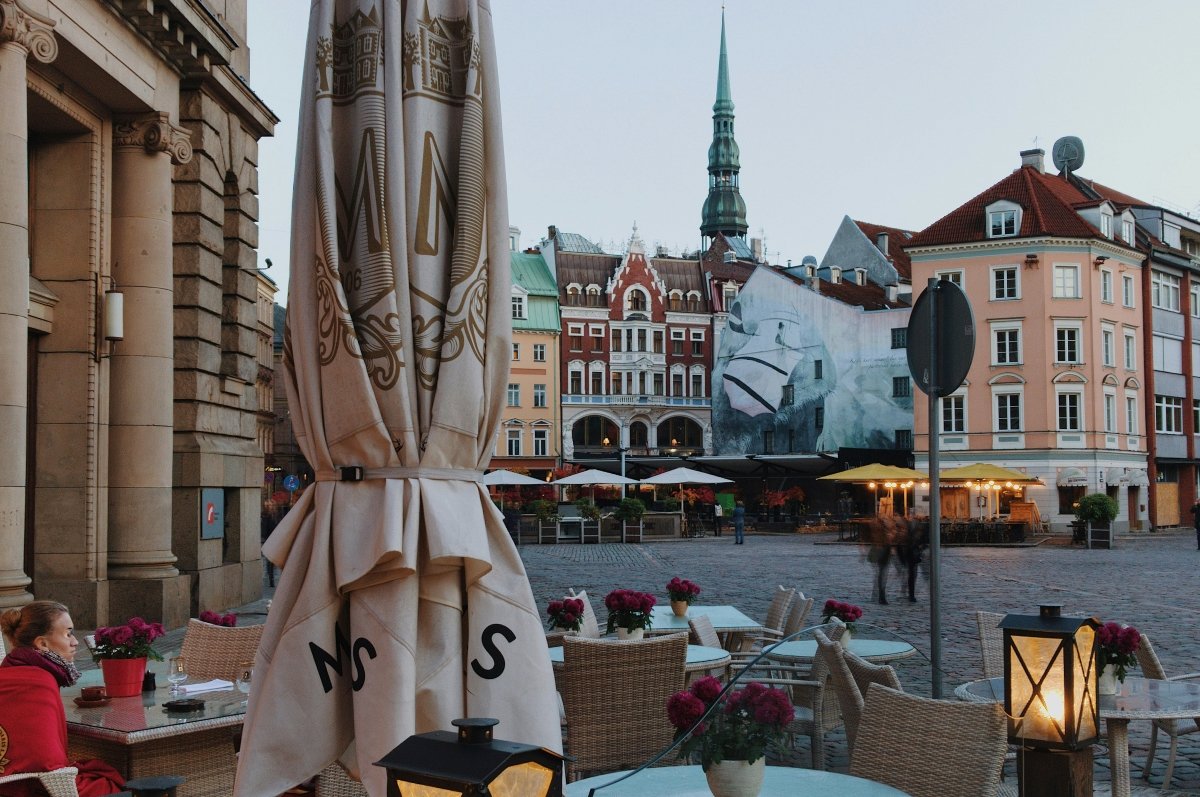
Why you’ll fall in love: Riga might be the most underrated capital in Europe. In spring, when cherry blossoms explode across the city and the long daylight hours kick in (near-midnight sunsets!), it becomes almost absurdly romantic.
The city’s Art Nouveau district is the largest in the world—literally block after block of ornate, whimsical early-1900s architecture. Imagine strolling under blooming trees, past cream and terracotta facades, feeling like you’ve stepped into a Wes Anderson film. Because you basically have.
Must-do:
- Walk the Old Town (medieval, car-free, magical)
- Explore Alberta iela (Art Nouveau street)—literally every building is a masterpiece
- Catch cherry blossoms around the Central Market (Centrāltirgus)
- Daugava River waterfront—perfect for sunset walks
- Visit artist studios and galleries open to public during spring
- Meals at €10–12 in local spots; €25+ in tourist areas
- Art Nouveau District in Riga, Latvia
The cherry blossom factor: Peak bloom is late April to early May. The city posts updates on social media when it’s happening. If you time it right, you’ll see locals sitting under trees, eating ice cream, acting like they’ve just discovered spring for the first time. Because, honestly, after winter in the Baltics, they basically have.
Cultural bonus: Riga’s nightlife is legitimate—craft cocktails, underground electronic clubs, and bohemian bars where everyone’s genuinely cool (not trying-to-be-cool).
4. International Folklore Festival “Baltica” (Estonia)
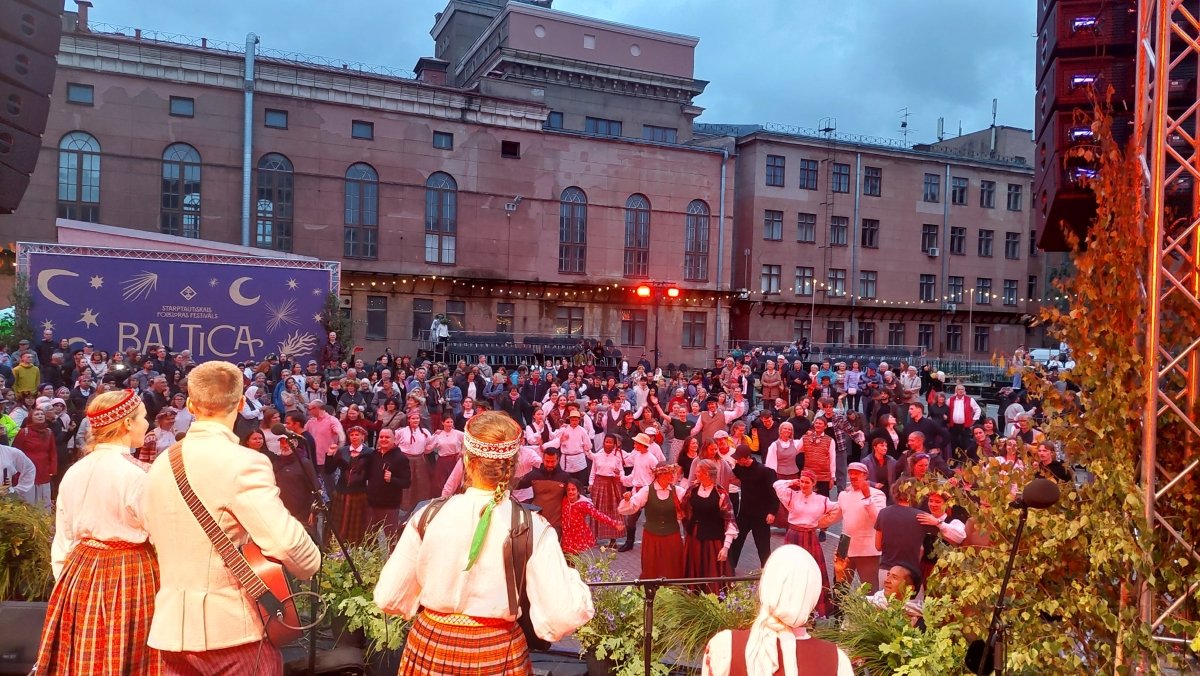
Why locals get hyped: “Baltica” is the spring cultural event in Estonia. Held in late May, it’s a celebration of Estonian, Latvian, and Lithuanian folklore featuring traditional music, dance, crafts, and costumes. Imagine a living museum that’s actually joyful and participatory.
The festival rotates between the three countries each year—check dates for location—but whenever it lands, it’s worth planning around.
What happens:
- Day performances in town squares featuring folk ensembles
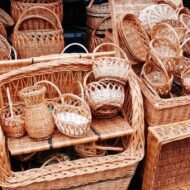
- Traditional craft workshops (wood carving, weaving, pottery)
- Evening concerts in concert halls
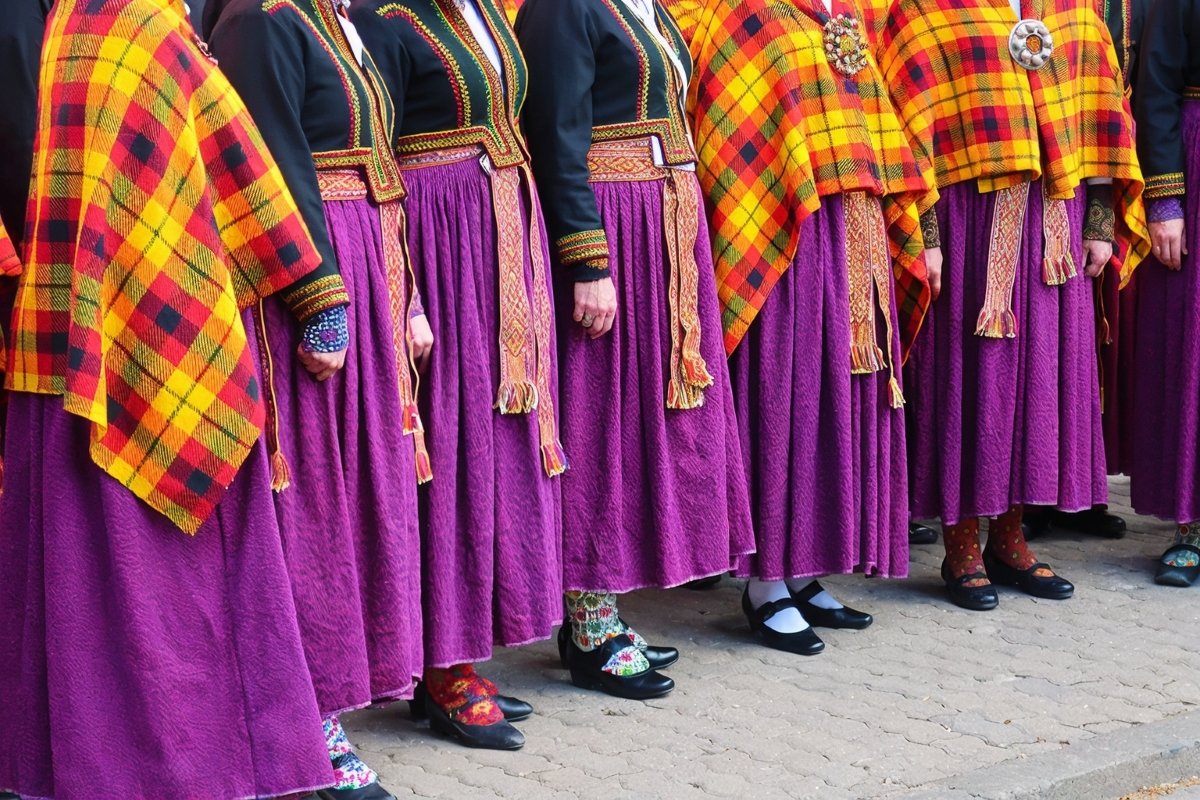
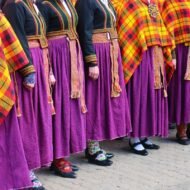
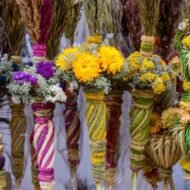
- Street processions with locals in stunning traditional dress
- Food stalls selling genuine regional cuisine (not touristy approximations)
- Most events are free or €5–15
Why it’s authentic: This isn’t a festival for tourists; it’s a festival by locals celebrating their heritage. You’re witnessing genuine cultural pride, not performed culture. The energy is contagious.
Travel hack: Stay outside the main festival city—book in a smaller town and take day trips. Accommodations cost half the price, and you get a more authentic experience of rural Baltic life.
5. Hiking the Great Ķemeri Bog Boardwalk (Latvia)
Why nature nerds lose their minds: Latvia’s Great Ķemeri Bog is one of Northern Europe’s most pristine wetlands—and somehow, it’s barely on anyone’s radar.
Located 50km from Riga (easily accessible by train or car), the bog stretches across hundreds of square kilometers. The main attraction? A 1.2km elevated boardwalk cutting through the peat bogs, giving you access to ecosystems most people never even knew existed.
What makes it special:
- Walks through surreal, flat landscapes dotted with odd-shaped pine trees
- In spring, the bog is waterlogged and moody (peak beauty)
- Rare plants, carnivorous sundew flowers, and bird species
- The boardwalk is wheelchair-accessible (rare for nature experiences)
- Hiking difficulty: easy to moderate
- Entry: €3–5; you can do it in 1–2 hours
- Combine with a visit to nearby Jūrmala (beach town with art deco villas)
- Baltic Forest Hiking Trail: Your Complete Guide to Europe’s Hidden Gem
The vibe: It’s haunting, contemplative, and genuinely different from typical hiking. You’re not summiting peaks; you’re witnessing a landscape that feels primordial. Bring a good camera and a journal.
Practical note: Bugs emerge in May. Bring insect repellent and accept that you’ll be swatting. It’s part of the experience.
6. The “Kaziukas Fair” in Vilnius (Lithuania)
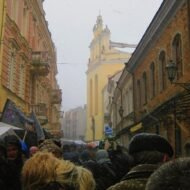
Why it’s pure chaos (in the best way): Kaziukas Fair is Lithuania’s largest spring fair—a centuries-old tradition that explodes across Vilnius in early April. We’re talking 100,000+ people, traditional crafts, street food, music, and absolute sensory overload in the most joyful way possible.
The fair’s named after a saint (Casimir) and historically celebrated the beginning of the spring trading season. Today, it’s part heritage festival, part street fair, part spontaneous party.
What you’ll encounter:
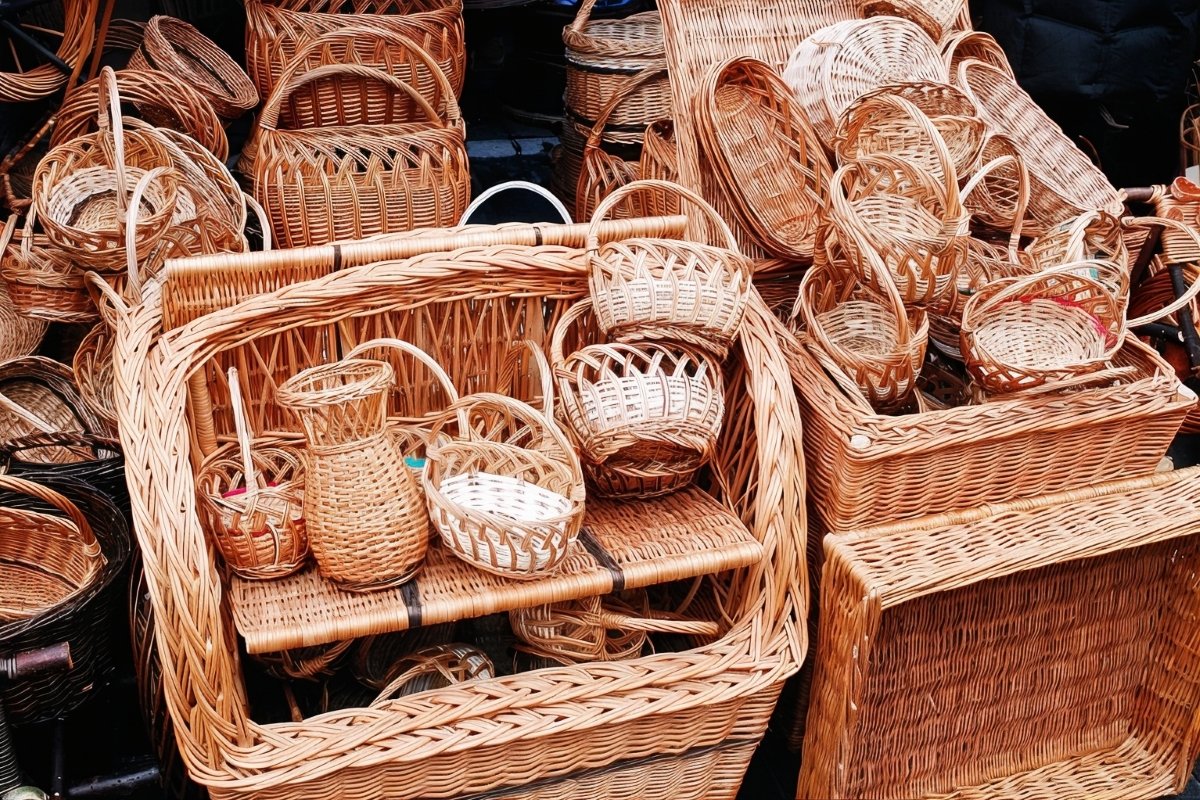
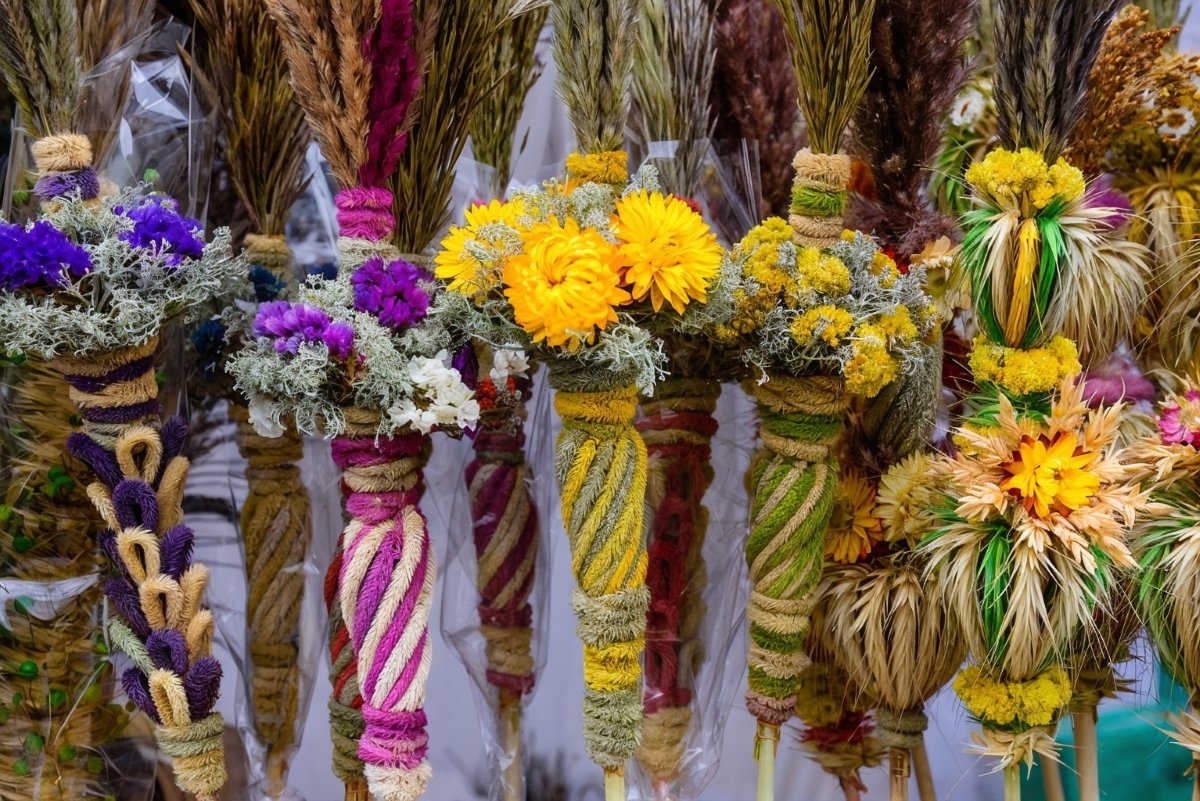
- Hand-painted ceramics, wooden toys, and traditional crafts
- Street food: grilled meats, fried dough, sweet pastries
- Live folk music and dance performances
- Thousands of locals embracing their weirdest, most colorful selves
- Total bohemian energy—think vintage fashion meets hippie culture meets tradition
- Everything’s cheap (€2–8 per item)
Pro tip: Go early (morning) to avoid crowds and shop for unique souvenirs before inventory depletes. Return in evening for the music and atmosphere.
Real talk: It’s loud, crowded, and chaotic. But it’s authentically chaotic—not manufactured. This is how Lithuanians celebrate spring.
7. Exploring the Curonian Spit (Lithuania)
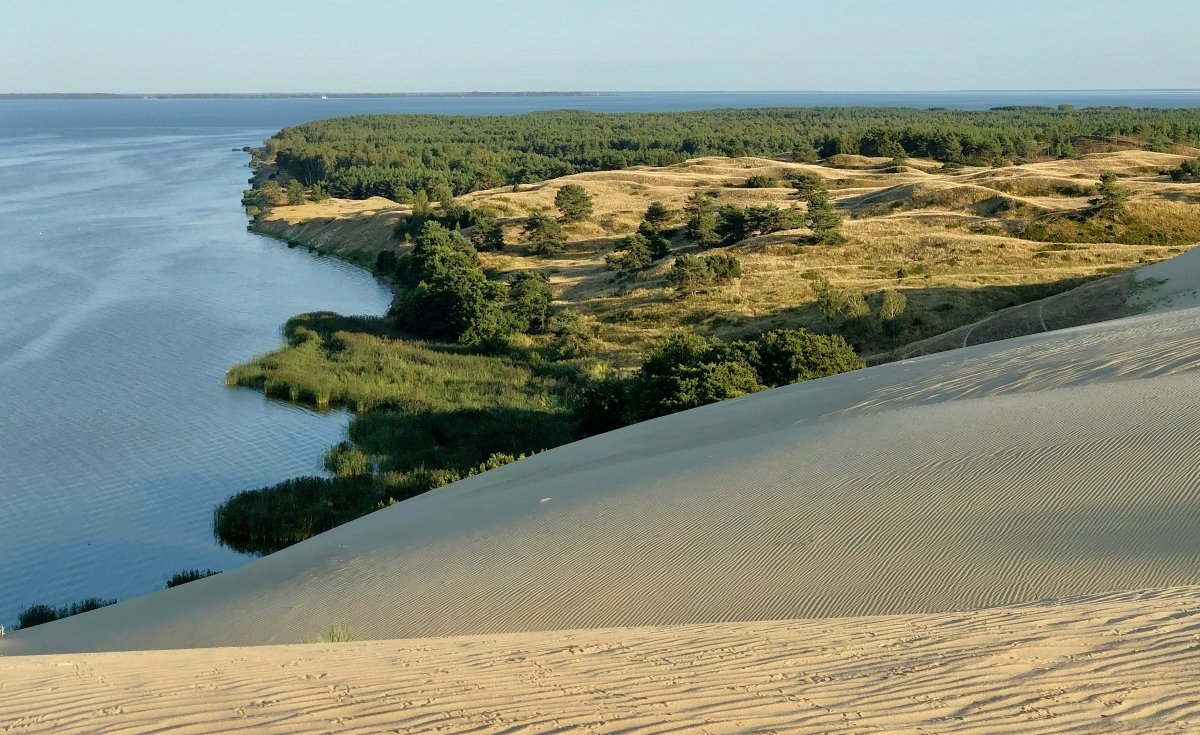
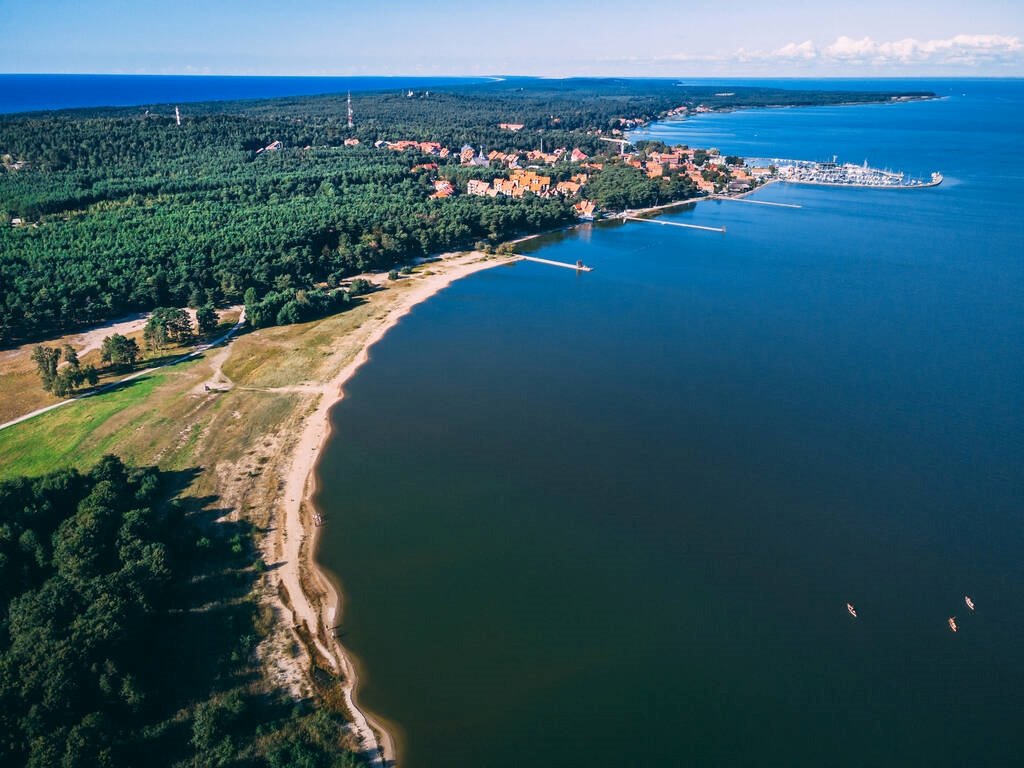
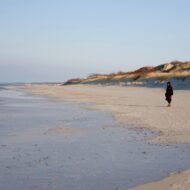
Why it’s geological magic: The Curonian Spit is a 98km narrow strip of land separating the Baltic Sea from the Curonian Lagoon. Shared between Lithuania and Russia (the Russian section is closed to tourists, but the Lithuanian side is open), it’s one of Europe’s most unique landscapes.
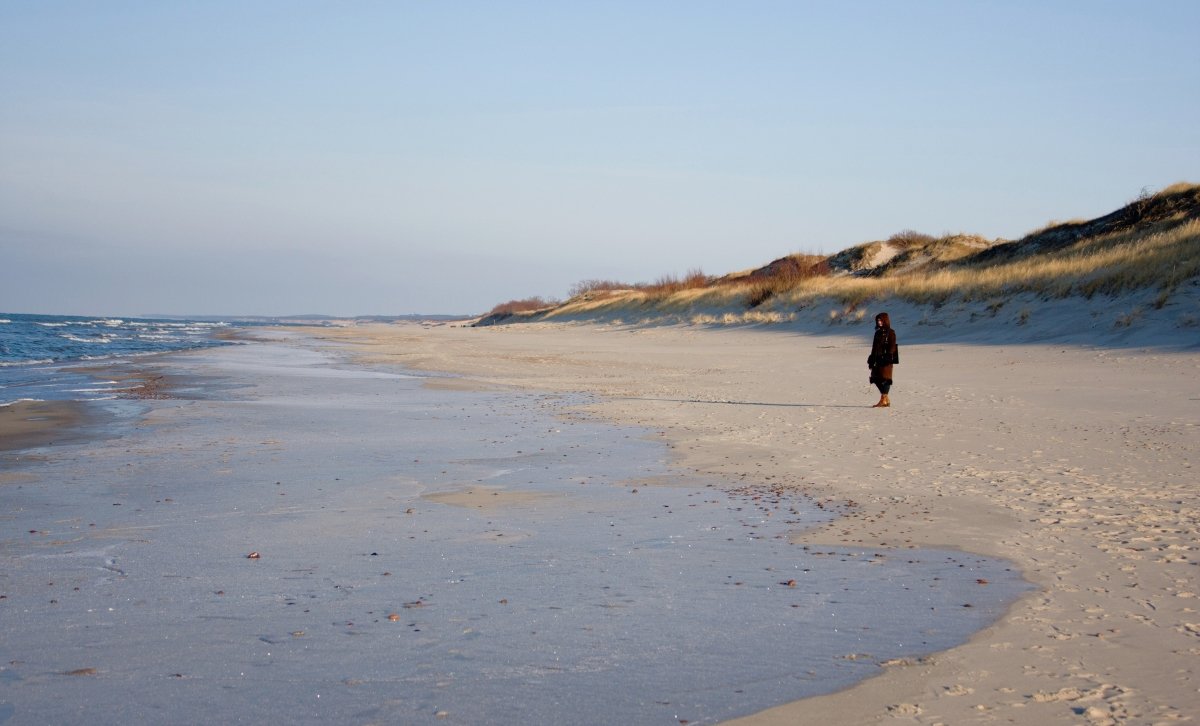
In spring, it’s even more stunning—migrating birds fill the sky, sand dunes shift in the wind, and the light has that golden-hour quality for hours.
What to do:
- Hire a bike and cruise the spit (relatively flat, ~40km of quiet roads)
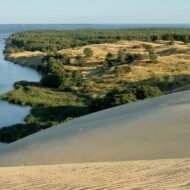
- Hike sand dunes at Parnidis Dune near Nida (the village at the spit’s southern tip)
- Visit the ornithological station—thousands of migratory birds stop here in spring
- Eat fresh fish at beachfront restaurants (€15–20 for incredible meals)
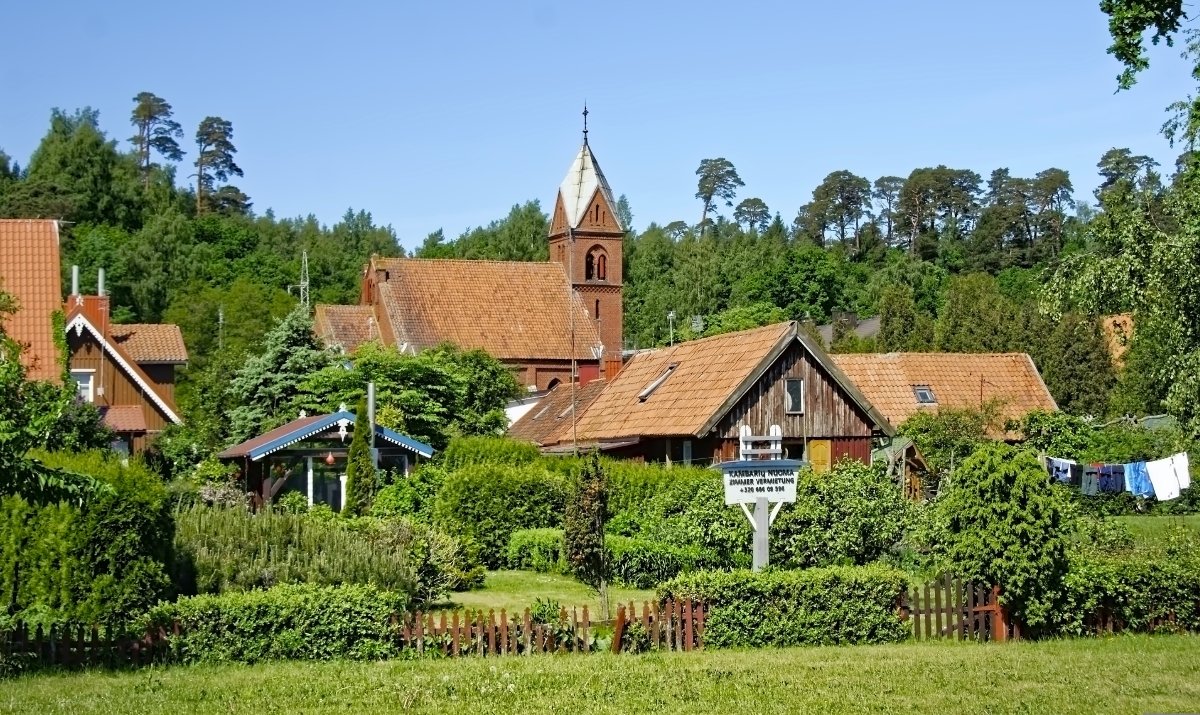
- Stay in Nida (charming fishing village with cozy guesthouses €50–80/night)
- Ferry to Nida from Klaipėda (Lithuania’s only seaport city)
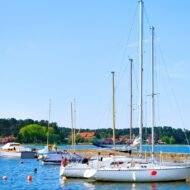
- Curonian Spit National Park ,Lithuania
The experience: It feels like the edge of the world. Endless sand dunes on one side, serene lagoon on the other, and barely any tourists compared to established beach destinations. Spring weather is unpredictable (sun then rain), which somehow makes it more atmospheric.
Birdwatching bonus: If you’re into ornithology, spring migration in April–May is incredible. Over 250 bird species pass through. The station offers guided tours (€8–12).
Recap: Your Spring Baltic Itinerary (10–14 days)
Days 1–3: Estonia
- Arrive Tallinn, explore Old Town, catch Tallinn Music Week
- Day trip to Soomaa for canoeing
Days 4–6: Latvia
- Train/car to Riga (3 hours from Tallinn)
- Cherry blossoms, Art Nouveau architecture, Old Town wandering
- Day trip: Great Ķemeri Bog Boardwalk
Days 7–10: Lithuania
- Overnight train or flight to Vilnius
- Kaziukas Fair (if timing aligns; otherwise, explore the quirky capital)
- Day trip to Curonian Spit (ferry from Klaipėda, 2.5 hours from Vilnius)
Optional extension: Add Kaunas (Lithuania’s second city—wildly underrated for art and architecture) or return to Tallinn for a slower pace in one region.
Total budget (mid-range): €1,500–2,200 per person (flights, accommodations, food, activities—not including international flights).
Disclaimer
This guide reflects information accurate as of April 2026. Festival dates, prices, and event schedules change annually—always verify directly with tourism boards or official festival websites before booking. Travel insurance is recommended. Weather in the Baltics during spring is unpredictable; pack for rain and cold. Some attractions have limited hours during shoulder season; call ahead. This guide is for informational purposes; readers assume responsibility for their own safety, budgeting, and travel decisions. COVID-19 or other public health situations may impact operations—check current travel advisories before departing.
Final Thoughts
Spring in the Baltics isn’t about rushing between Instagram hotspots. It’s about embracing the weird, magical moment when a region wakes up from winter and decides to celebrate life loudly. You’ll eat foods you can’t pronounce, hear music in languages you don’t understand, and feel genuinely transported.
Pack your layers, download offline maps, and prepare for the kind of travel that sticks with you. The Baltics in spring will absolutely deliver.
Your move. Go magic up your life.