




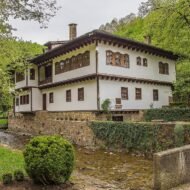

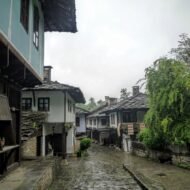
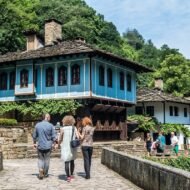
TL;DR , Ethno village Etar , Looking for an authentic Bulgarian experience? Etar Architectural-Ethnographic Complex is a 7-hectare open-air museum near Gabrovo featuring 50 buildings that showcase Bulgarian customs, culture and craftsmanship from the 18th-19th centuries. Plan 2-3 hours for your visit, expect to spend around €7 per adult, and watch artisans create traditional crafts using working water-powered machinery. Best visited May-September, especially during the International Fair of Traditional Crafts in early September.
What Makes Etar Special?
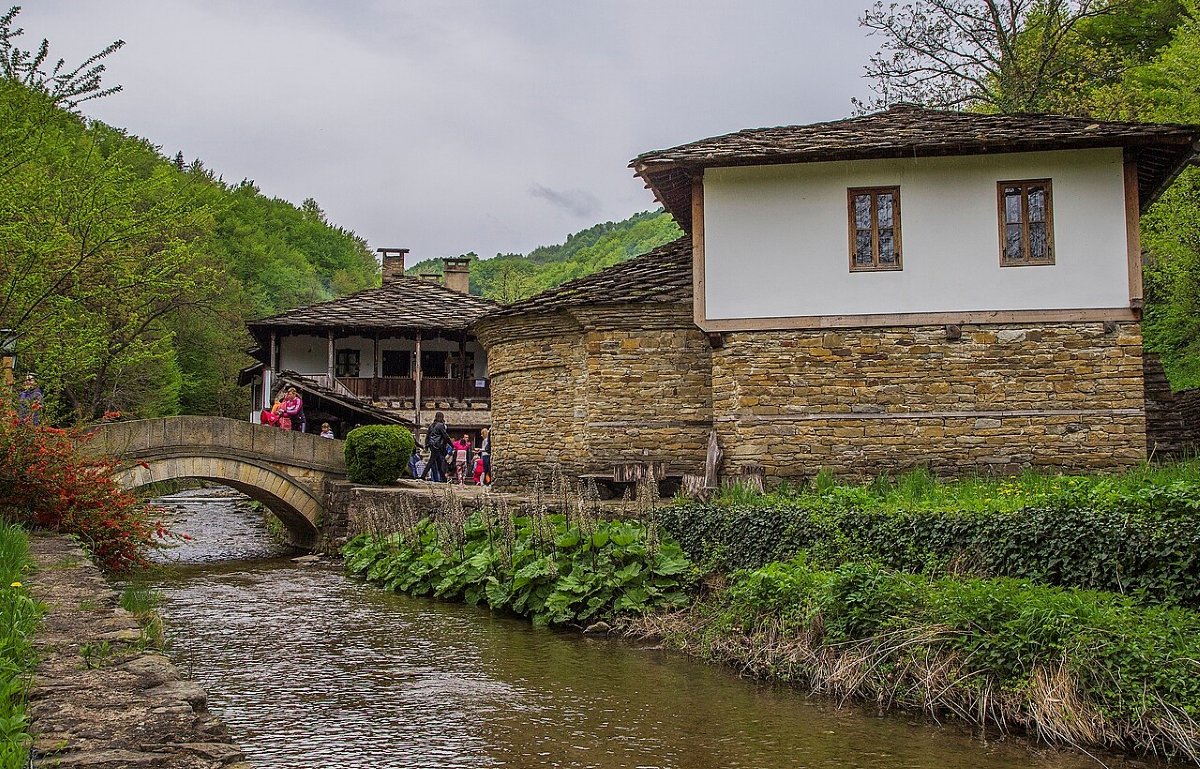
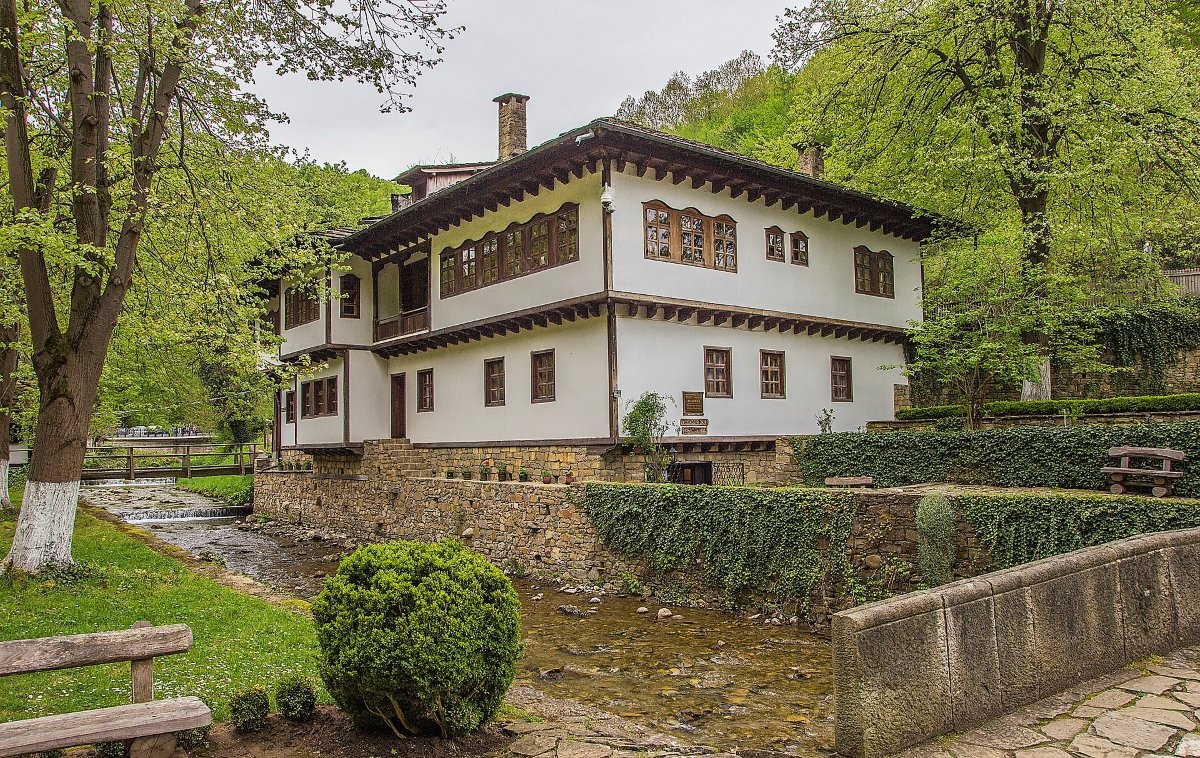
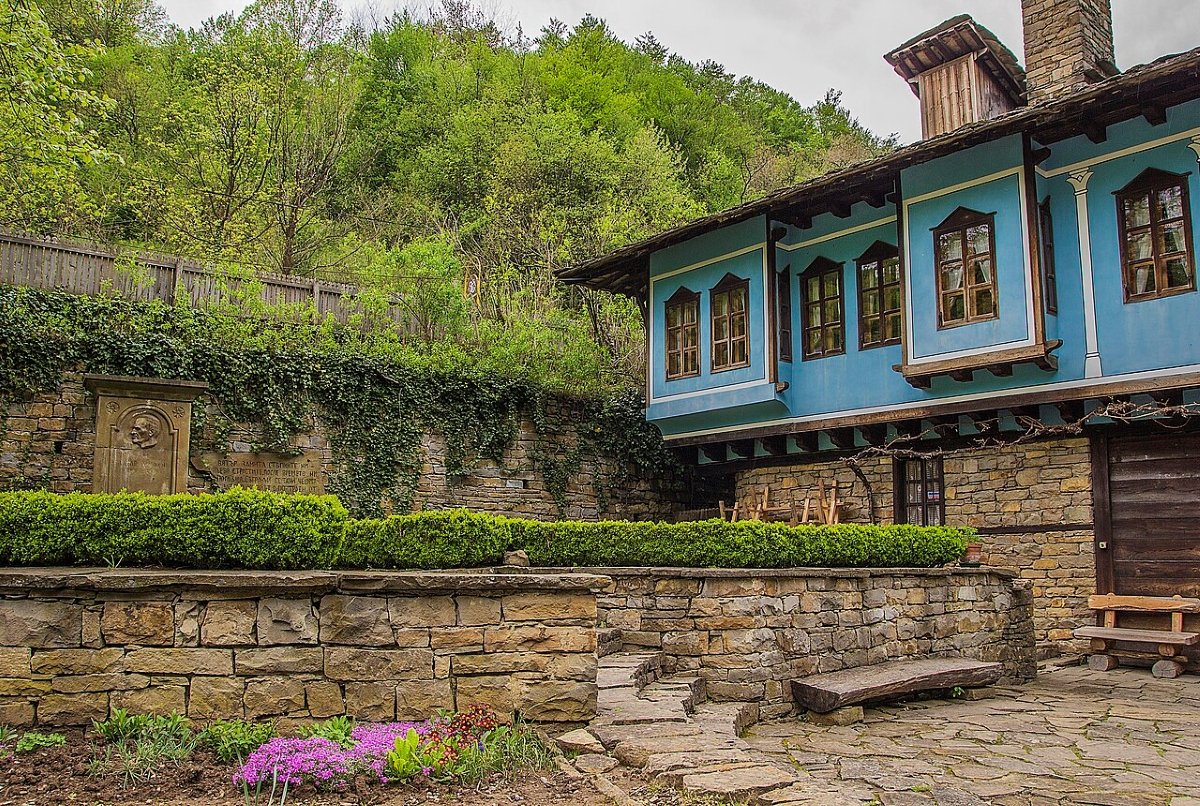
Forget your typical stuffy museum experience. Etar is an open-air museum that opened in 1964, presenting Bulgarian architecture, way of life and economy from the National Revival period. Picture this: you’re wandering down cobblestone streets, the gentle sound of water wheels turning in the background, while watching master craftspeople work their magic just like their ancestors did centuries ago.
The village features working water-powered machinery including demonstrations of spinning thread, grinding grain, knife sharpening, and wood turning. These aren’t museum pieces gathering dust behind glass – they’re fully functional installations that bring history to life in the most captivating way.
The Living Workshop Experience
What really sets Etar apart is its commitment to keeping traditional crafts alive. The village features nearly 50 shops and workshops where visitors can see demonstrations of traditional crafts like wood carving, pottery, needlework, and coppersmithing. You’re not just observing history here – visitors can purchase unique articles made by craftsmen working in front of them, and artisans can organize trainings in traditional crafts upon request.
From bell-making to pottery, from sugar confections (seriously delicious, by the way) to copper vessel crafting, each workshop tells its own story. The complex includes blacksmith’s workshops, pottery workshops, and weaving workshops, among others. Many visitors rave about buying custom-made leather belts and other authentic souvenirs directly from the artisans who created them.
Water Power: The Heart of Etar
Etar owns Bulgaria’s only collection of technical facilities using hydropower that remains operational today, including two water-mills, two fulling mills, a saw-mill, braid-making workshop, two lathes for wooden bowls and flasks, and a grindstone. The Sivek River flows through the complex, providing the power for these fascinating contraptions. There’s something mesmerizing about watching centuries-old technology still doing its job.
Food & Treats Worth Trying
Don’t leave without sampling the local treats! Visitors recommend trying buffalo yogurt with jam or honey, homemade lemonade, Turkish coffee, and freshly baked bread. The walnut cookies are apparently legendary, and there’s a Bulgarian restaurant within the village that many reviewers loved. The sugar confections from the traditional sweet shop are absolutely irresistible – fair warning, you’ll want to buy everything.
Planning Your Visit
Getting There
Etar is located about 8-9 kilometers south of Gabrovo city center. Here are your options:
By Car: Takes about 15 minutes from Gabrovo. Head south on the Stara Zagora road and follow signs to Etar. Parking costs 3 BGN (about €1.50), though some visitors mention finding free parking along the road if you arrive early.
By Bus: Regular buses run from Gabrovo bus station to Etar, taking about 15-20 minutes with bus numbers 3 or 5. The fare is approximately 2-3 BGN.
By Taxi: A quick 10-minute ride from Gabrovo costing around 10-15 BGN.
Entrance Fees & Hours
Adults pay 14 BGN (€7.16), students 6 BGN (€3.07), pensioners 8 BGN (€4.09), and families with children under 18 can get a family ticket for 33 BGN (€16.87). Children under 7, people with disabilities, and ICOM members get free entry. Payment is cash only, so bring those leva!
The museum operates daily from 9:00 AM to 7:00 PM, and most visitors spend 2-3 hours exploring the complex.
Best Time to Visit
July, August, and June are the busiest months for tourism in Gabrovo, with July being peak season. For a more relaxed experience with fewer crowds, visit during weekday mornings or the shoulder seasons.
The best time to visit Bulgaria is during April-May and September-October when weather is pleasant and prices are lower. Temperatures in Gabrovo range from highs of 78.8°F (26°C) down to 52°F (11.1°C) during the moderate season.
Special Events: The International Fair of Traditional Crafts is organized during the first Friday, Saturday and Sunday of September every year. This is when Etar truly comes alive with extra activities and demonstrations.
Insider Tips
Wear Comfortable Shoes: Those cobblestone streets and riverside paths are charming but can be uneven. Your feet will thank you.
Bring Cash: For entrance fees, food, and those irresistible handmade souvenirs.
Language Heads-Up: While most people have limited English proficiency, business English is usually spoken. Don’t let this deter you – the experience speaks for itself.
Photography: Photography rights cost an additional 6 euros if you want official permission, though policies may vary.
Family-Friendly: Etar is considered suitable for families and visitors of all ages, with educational value especially for children learning about traditional Bulgarian life.
Arrive Early: Beat the tour buses and enjoy a more peaceful atmosphere, plus better parking options.
Beyond Etar: Worth the Detour
If you’re in the area, consider these nearby attractions:
Bozhentsi Village: Located 16 km north of Gabrovo, this nearly 600-year-old village has preserved authentic Bulgarian Revival atmosphere and architecture, with houses transformed into museums.
House of Humor and Satire: A unique cultural institute for humorous and satiric art established on April 1st, 1972, serving as successor to local folklore humor traditions.
What to Expect: The Real Deal
Recent visitors rave about the experience. The museum was recently renovated and improvements are great, making it newly renovated, full of life and exhibitions, interactive and family friendly. Many reviewers describe it as a ‘must-visit’ destination and ‘one of the best museums in Bulgaria’.
The general consensus? While some touristic guides say the complex is superficial, most visitors have the impression of being transported to another age, that of a Bulgarian village from the early 19th century. The objective has been achieved – this is living history at its finest.
Final Thoughts
Whether you’re a history enthusiast, culture vulture, or just someone who appreciates authentic experiences, Etar delivers something genuinely special. It’s not just about seeing old buildings – it’s about witnessing centuries-old traditions kept alive by passionate artisans, understanding how people lived and worked, and maybe walking away with a handcrafted treasure and a newfound appreciation for Bulgarian heritage.
The combination of stunning natural setting, working historical machinery, talented craftspeople, and that indescribable atmosphere of stepping back in time makes Etar one of Bulgaria’s hidden gems. Don’t just take our word for it – add it to your Bulgarian itinerary and experience this time capsule for yourself.
Pro tip: Leave room in your suitcase for those handmade crafts – you won’t be able to resist!