




TL;DR: Kōchi is a vibrant coastal city on Shikoku island that blends samurai history, fresh seafood, and laid-back charm. Visit Kōchi Castle, explore the famous Sunday Market, surf at Katsurahama Beach, and feast on bonito sashimi. Best time to visit: March–May or September–November. Budget: $50–100/day for accommodation and meals.
- Why Kōchi Deserves a Spot on Your Japan Itinerary
- Getting to Kōchi: Your Gateway to Shikoku
- Kōchi Castle: A Masterpiece That Actually Survived
- The Famous Kōchi Sunday Market: A Sensory Explosion
- Katsurahama Beach: Waves, History & Sunset Magic
- Bonito Sashimi: The Dish That’ll Change Your Life
- Exploring Historic Districts & Local Vibes
- When to Visit: Timing Your Perfect Trip
- Where to Stay: Options for Every Traveler
- Eating Your Way Through Kōchi
- Getting Around Kōchi
- Day Trips & Beyond
- Practical Info & Travel Tips
- The Bottom Line
Why Kōchi Deserves a Spot on Your Japan Itinerary
Let’s be real—most travelers flock to Tokyo, Kyoto, and Osaka. But if you’re looking for authentic Japan without the overwhelming crowds, Kōchi is calling your name. This capital city on Shikoku island is where samurai history feels alive, seafood tastes like it came straight from the ocean gods, and locals actually have time to chat with you. Whether you’re a history buff, foodie, adventure seeker, or someone just wanting to slow down and breathe, Kōchi has something that’ll make your trip unforgettable.
Getting to Kōchi: Your Gateway to Shikoku
By Air: Kōchi Ryoma Airport is the most convenient entry point, with direct flights from Tokyo’s Haneda (1 hour 40 minutes), Osaka’s Kansai (1 hour), and other major cities. The airport is about 14km from downtown, reachable by bus (around ¥1,000/$7–8) in about 40 minutes.
By Train & Ferry: If you’re island-hopping, you can take the Shinkansen to Takamatsu or Okayama and catch a train to Kōchi (2–3 hours). There’s also a ferry option from Kobe and Osaka if you fancy a scenic route.
Pro Tip: Book a JR Pass if you’re exploring multiple regions—it covers most train travel and pays for itself quickly.
Kōchi Castle: A Masterpiece That Actually Survived
This isn’t just another castle photo op. Kōchi Castle is one of only 12 surviving originals in Japan, and it’s genuinely stunning. Built in 1601, this fortress overlooks the city from a hilltop, and the views are absolutely worth the climb.
The castle grounds are expansive, with museums inside detailing samurai armor, weapons, and the lives of the ruling Yamauchi clan. The palace buildings have that authentic wooden aesthetic that makes Instagram explode (and for good reason). Visit in spring for cherry blossoms that frame the castle perfectly, or autumn when the whole hillside glows gold.
Entry: Around ¥700 ($5). Open daily 9 AM–4 PM.
Best time to visit: Early morning or late afternoon to dodge tour groups and catch better light.
The Famous Kōchi Sunday Market: A Sensory Explosion
Every Sunday since 1690—yes, you read that right—locals and vendors have gathered for the Ichiba Market. This isn’t a touristy souvenir haunt; it’s where real food, flowers, crafts, and genuine deals happen. Over 60 vendors set up along Ōtesujidōri Street, and the energy is contagious.
You’ll find everything from ultra-fresh seasonal produce and flowers to handmade crafts, local snacks, and vintage goods. The best part? Everything’s cheap. Grab fresh fruit, sample local pastries, chat with vendors (many speak some English or appreciate the effort), and soak in authentic daily life. Most visitors spend 1–2 hours here and leave with bags full and hearts happy.
When: Every Sunday, 6 AM–2 PM (year-round)
Vibe: Casual, crowded, colorful, and completely worth the early wake-up.
Katsurahama Beach: Waves, History & Sunset Magic
If you’ve got beach vibes on the agenda, Katsurahama Beach delivers. This iconic stretch of sand is where you’ll find the bronze statue of Sakamoto Ryōma, a samurai hero who changed Japanese history. The statue faces the sea with this contemplative energy that hits different at sunrise.
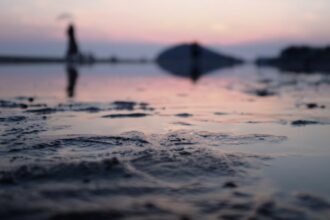
Katsurahama isn’t just history—it’s a legitimate surf spot with good waves, especially in autumn and winter. Even if surfing isn’t your thing, the beach bars, cafés, and sunset views make it perfect for an afternoon escape. The black sand (formed from magnetite) is unique and makes great photos.
Activities: Swimming (July–August), surfing year-round, paddleboarding, beach bars, sunset watching
How to get there: 15-minute train ride from downtown on the Asa Line, or a 20-minute taxi ride.
Bonito Sashimi: The Dish That’ll Change Your Life
Kōchi is bonito (katsuo) central, and this city takes its katsuo tataki seriously. Imagine ultra-fresh bonito seared on the outside, raw and buttery inside, then served with garlic, ginger, green onions, and ponzu sauce. It’s bright, bold, and absolutely addictive.
Hit up local restaurants in the Harimaya district or grab it at the market. The Hirome Market is another fantastic spot with multiple food stalls, making it easy to sample everything from bonito to other local specialties. Many places offer lunch sets for ¥1,200–1,800 ($8–12).
Pro Tip: Go for lunch when prices are lower and portions are generous. Ask servers for “osusume” (recommendations)—locals love helping visitors discover their favorite spots.
Exploring Historic Districts & Local Vibes
Obiyamachi District: This charming neighborhood has narrow streets lined with traditional wooden townhouses, boutique shops, cafés, and galleries. It’s perfect for wandering, and you’ll find independent eateries and vintage finds tucked into every corner. The atmosphere is relaxed and artsy.
Harimaya-bashi Bridge: A photogenic historic bridge painted red-and-white, surrounded by willow trees. It’s even more stunning during evening illumination. Local legend says lovers crossing the bridge together will stay together—bringing couples and romantics year-round.
Godaisan Park: If you need a green escape, this hilltop park offers walking trails, temples, and observation decks with city views. It’s especially beautiful in autumn.
When to Visit: Timing Your Perfect Trip
Spring (March–May): Cherry blossoms everywhere, mild weather, perfect for sightseeing. The castle grounds are magical. Expect slightly higher prices.
Summer (June–August): Hot and humid, but you get beach season and festivals. Summer seafood is at its peak.
Autumn (September–November): Clear skies, comfortable weather, stunning foliage. This is objectively the best season. Bonito fishing season peaks, so the seafood is incredible.
Winter (December–February): Quieter crowds, colder (but not too cold), and great for exploring without sweating. Budget accommodations drop in price.
Where to Stay: Options for Every Traveler
Budget Travelers: Hostels and guesthouses around ¥3,000–4,500 ($20–30/night). Check out areas near Harimaya-bashi for good walkability.
Mid-Range: Business hotels and mid-scale Japanese inns (ryokan) at ¥7,000–12,000 ($47–80/night).
Luxury: Higher-end ryokan and modern hotels with onsen access, ¥15,000+ ($100+/night).
Pro Move: Stay in a family-run minshuku (guesthouse) for a more personal experience and often-included breakfast and local tips from your hosts.
Eating Your Way Through Kōchi
Beyond bonito, Kōchi’s food scene punches way above its weight. The city is obsessed with fresh seafood, and it shows.
Must-Try Dishes: Katsuo tataki (bonito sashimi), kamaage udon (thick noodles in broth), sawachi (a large platter of mixed fresh fish and vegetables), tempura made with local ingredients.
Where to Eat: Hirome Market for casual eats, Obiyamachi for nicer restaurants, street vendors for quick bites.
Average Cost: Lunch ¥1,000–1,500 ($7–10), dinner ¥2,000–4,000 ($13–27) at mid-range restaurants.
Getting Around Kōchi
Local Trains: The Tosa Electric Railway (Tosa Densha) operates streetcar-like trains that connect most major areas. A day pass costs around ¥1,500 ($10).
Buses: Convenient and cheap (¥200–300 per ride or $1.30–2).
Taxis: Readily available but pricier (starting around ¥550/$3.70).
Rental Bikes: A great way to explore—many hostels and hotels offer them free or for ¥500–1,000/day ($3–7).
Walking: Downtown areas are very walkable, and you’ll discover hidden gems by wandering.
Day Trips & Beyond
Shimanto River: Japan’s last undammed river, famous for its pristine beauty. Rafting, kayaking, and scenic drives are popular (1–2 hours from Kōchi).
Muroto Cape: Dramatic coastal scenery and hiking trails (1 hour south).
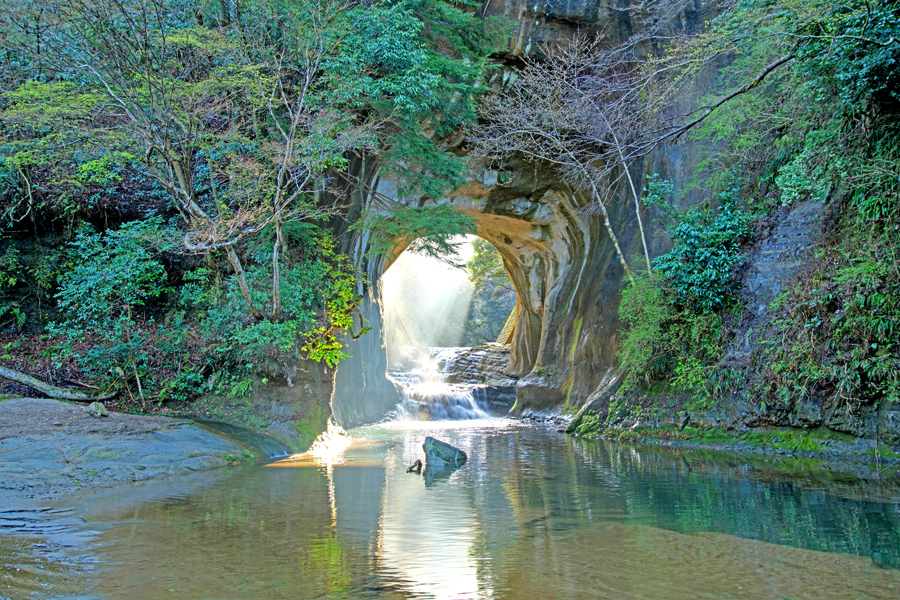
Niyodo River: Crystal-clear turquoise water perfect for swimming and photography (1.5 hours east).
Yodo Senmaida: Thousands of perfectly-tiered rice terraces creating an otherworldly landscape (1.5 hours north).
Practical Info & Travel Tips
Language: English isn’t widely spoken outside tourist areas, but Google Translate and a smile go a long way. Download offline maps.
Currency: Cash is king in Kōchi. ATMs at 7-Eleven and post offices accept foreign cards. Most small restaurants and shops are cash-only.
SIM Cards & WiFi: Grab a prepaid SIM at the airport for better rates, or get a WiFi pocket device. Many cafés and hotels offer free WiFi.
Luggage Storage: Most hotels and train stations have coin lockers (¥300–600).
Respectful Travel: Remove shoes when entering temples, homes, and some restaurants. Speak softly on trains. Don’t eat while walking.
Safety: Kōchi is extremely safe. Petty theft is rare, crime is minimal.
The Bottom Line
Kōchi rewards travelers who skip the guidebook script and actually show up. It’s a place where history breathes through castle walls, where fishermen still bring in bonito like they have for centuries, and where locals genuinely seem happy to have you around. You’ll leave with incredible photos, a fuller stomach, and stories that go beyond the usual Japan highlights.
Whether you’re planning a week-long Shikoku adventure or sneaking in a quick detour, Kōchi promises authenticity, flavors you won’t forget, and the kind of travel experience that makes you actually want to return. Bring an appetite, an open mind, and comfortable walking shoes. Kōchi’s waiting.
Ready to book? Check flights to Kōchi Ryoma Airport, secure accommodation in advance (especially during spring and autumn), and grab that JR Pass. Your Shikoku adventure is one click away.