














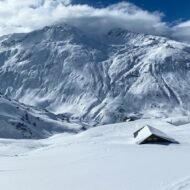


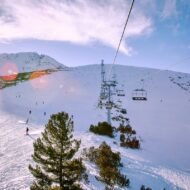

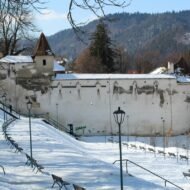
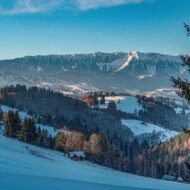








TL;DR: Hidden European winter gems for 2026 , Forget crowded Alpine resorts and overpriced Scandinavian tours. We’ve found five spectacular winter destinations across Europe where you’ll actually experience authentic local culture, incredible skiing, festive traditions, and family-friendly adventures—without the tourist chaos or premium prices. From Romania’s medieval mountains to Slovenia’s fairytale lakes, these hidden gems offer everything you love about European winters, minus the crowds.
1. Brașov & Poiana Brașov, Romania 🏔️
User Rating: 4.7/5 | Best For: Budget-Conscious Families & First-Time Skiers
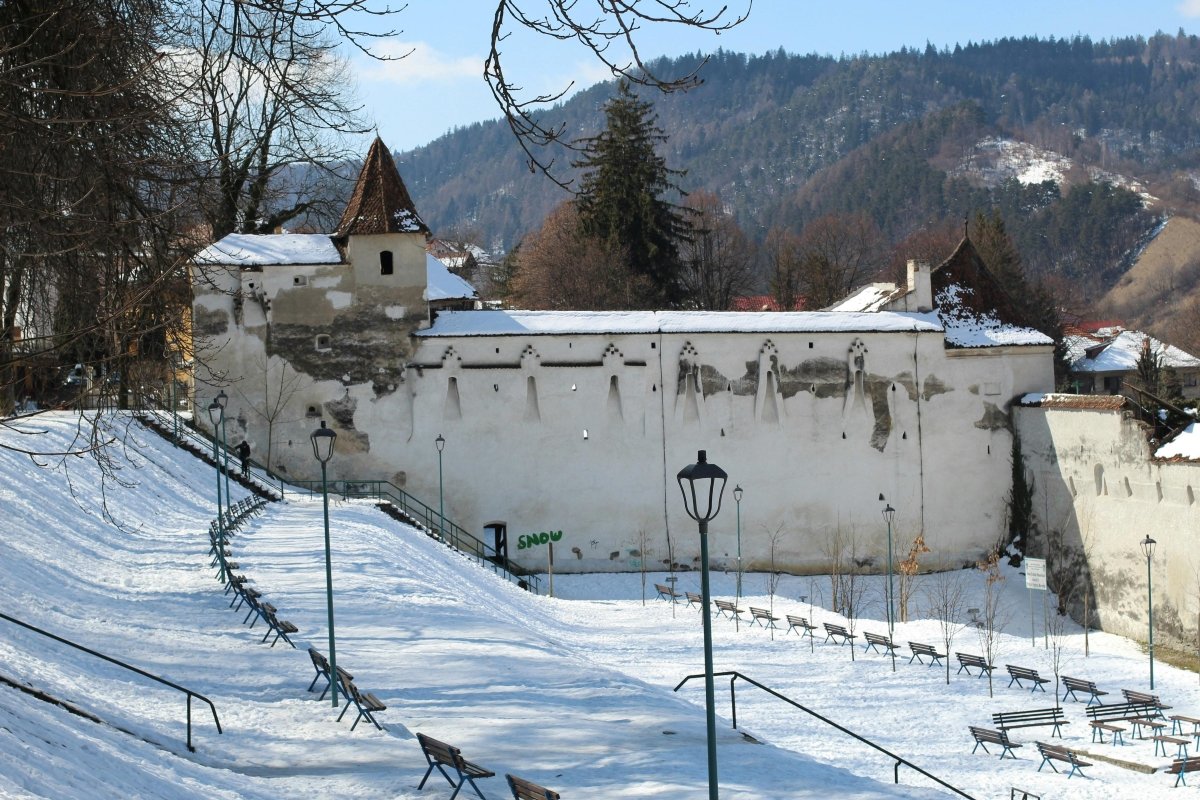
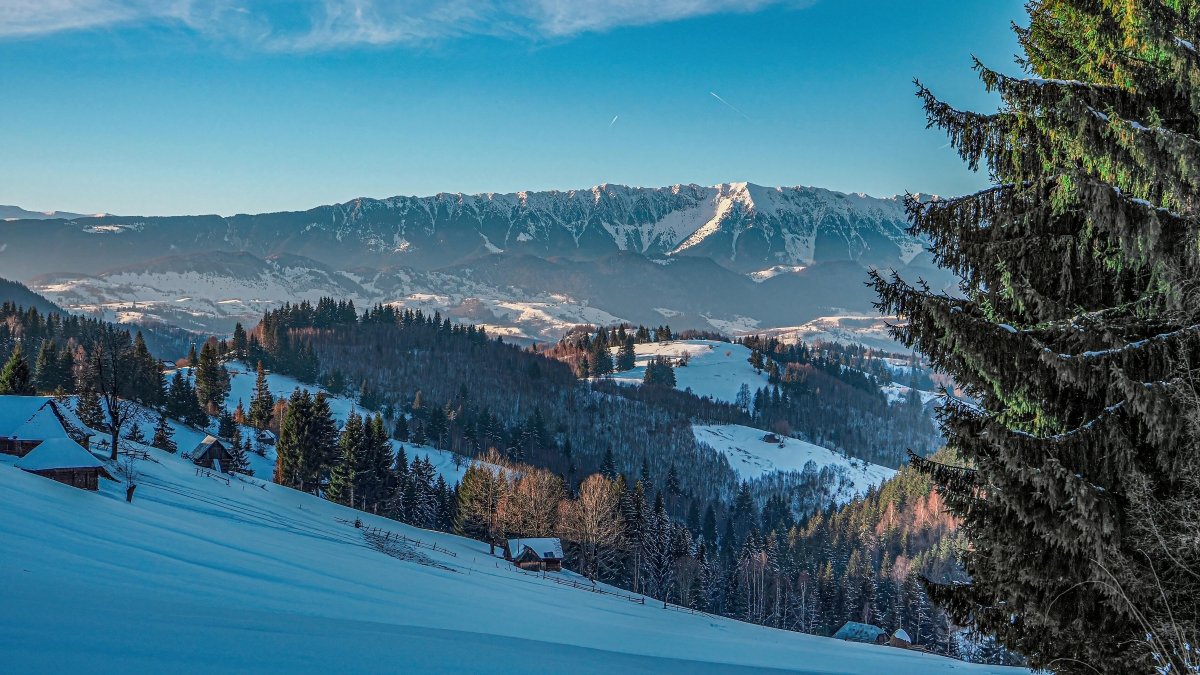
Picture this: medieval Gothic architecture dusted with snow, Carpathian Mountain peaks towering above you, and ski passes that cost a third of what you’d pay in the Alps. Welcome to Brașov, Romania’s best-kept winter secret.
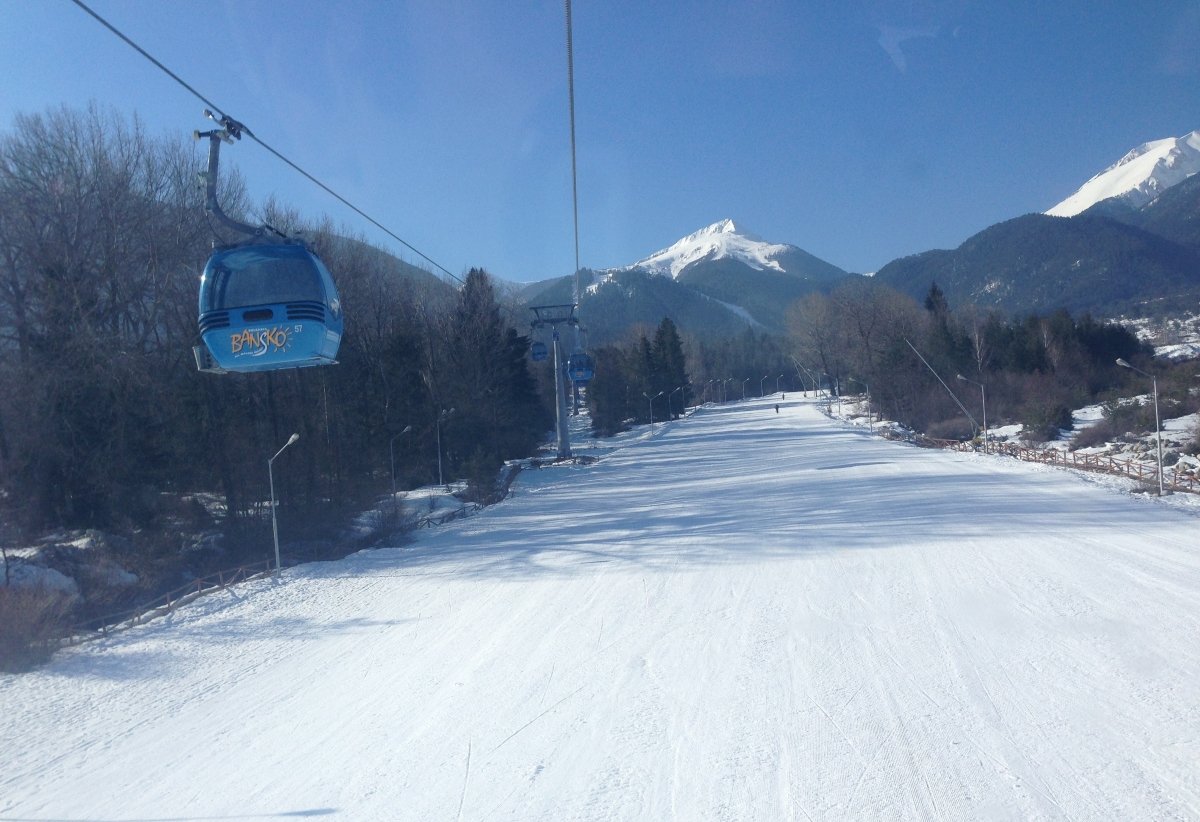
Why Families Love It: The Poiana Brașov ski resort sits just 12km from Brașov’s charming Old Town, making it ridiculously easy to switch between cultural exploration and mountain adventures. Kids will absolutely lose their minds over the nearby Bran Castle (yes, that Dracula’s Castle), while parents appreciate the gentle beginner slopes and English-speaking ski instructors. The cable car rides alone are worth the trip—your little ones will feel like they’re flying over a winter wonderland.
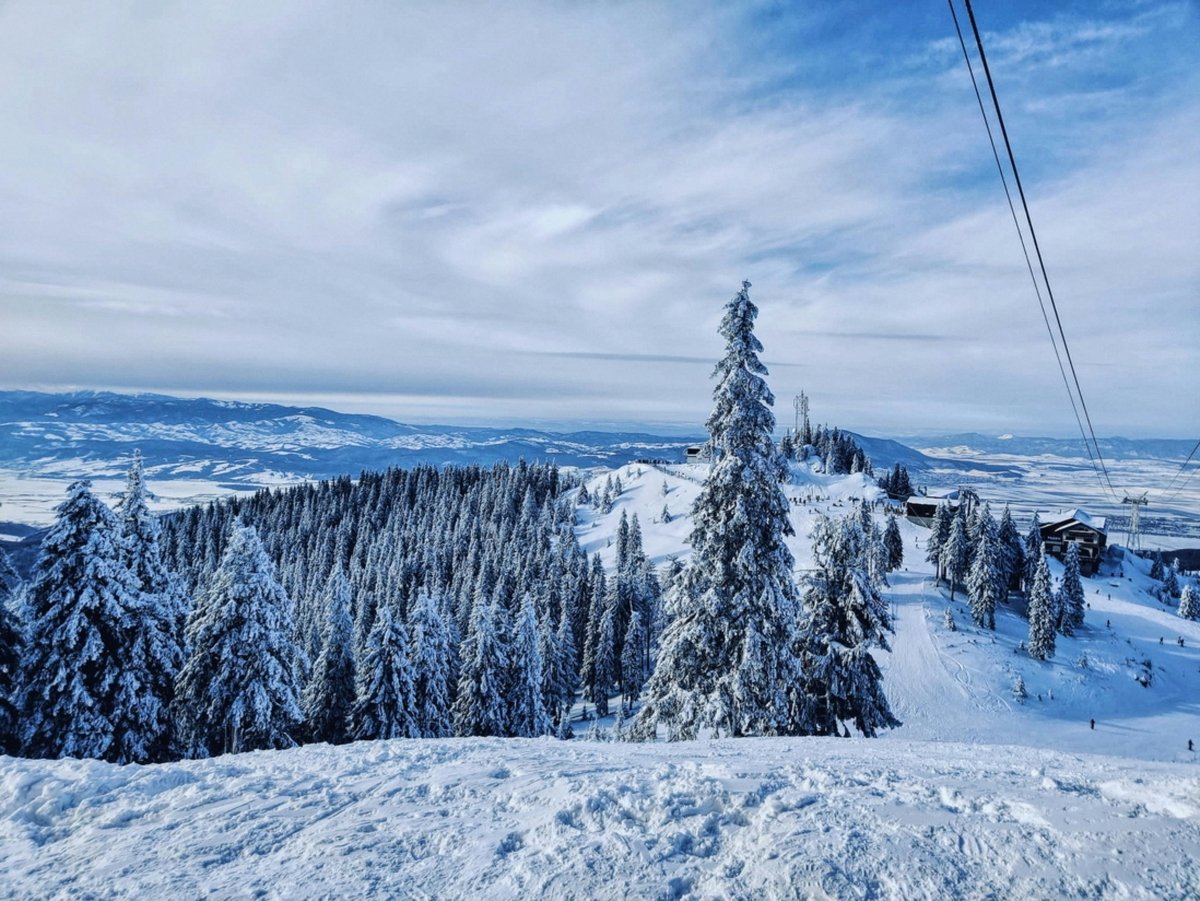
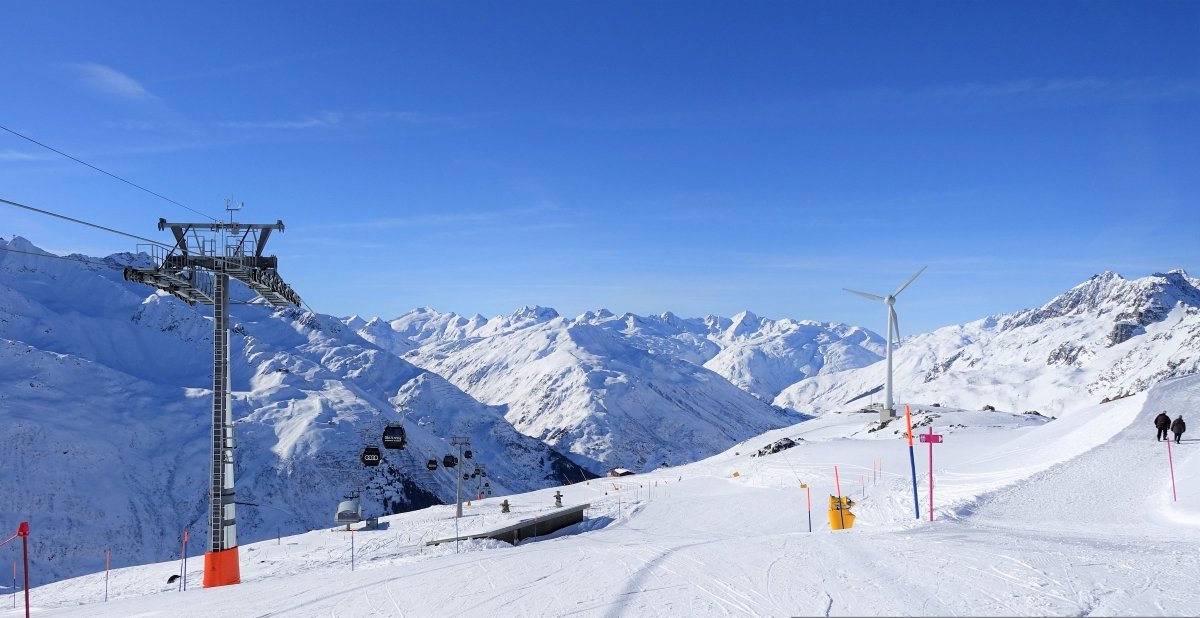
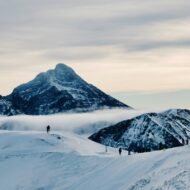
Skiing & Outdoor Adventures: Poiana Brașov offers 23km of slopes ranging from green to black runs, with modern lift systems and excellent snow coverage from December through March. What makes it special? You’re skiing in the Carpathians, not the overcrowded Alps. Cross-country trails wind through pristine forests, and snowshoeing excursions take you to viewpoints that’ll make your Instagram followers seriously jealous.
Local Traditions You Can’t Miss: Romanian winter traditions are something else. In December, you’ll catch the “Colindători” (Christmas carolers) performing ancient folk songs in traditional costumes. January 6th brings the “Bobotează” celebration where priests bless water sources—it’s mystical, beautiful, and totally authentic. Pop into local homes during “Ignat” (December 20th) when families prepare traditional pork dishes, and you might score an invitation to join the feast.
Budget Breakdown:
- Ski pass: €25-35/day (compared to €60+ in the Alps)
- Family dinner at a traditional restaurant: €40-60 for four people
- Hotel accommodation: €50-90/night for a family room
- Castle entry: €10/adult, €5/child
Food Scene: Get ready for hearty comfort food that’ll warm you from the inside out. “Sarmale” (cabbage rolls with meat and rice), “mămăligă” (polenta served with sour cream and cheese), and “tochitură” (pork stew) are winter staples. Don’t leave without trying “papanași”—fried doughnuts with sour cream and jam that’ll ruin every other dessert for you. Head to Restaurant Sergiana or La Ceaun for the real deal.
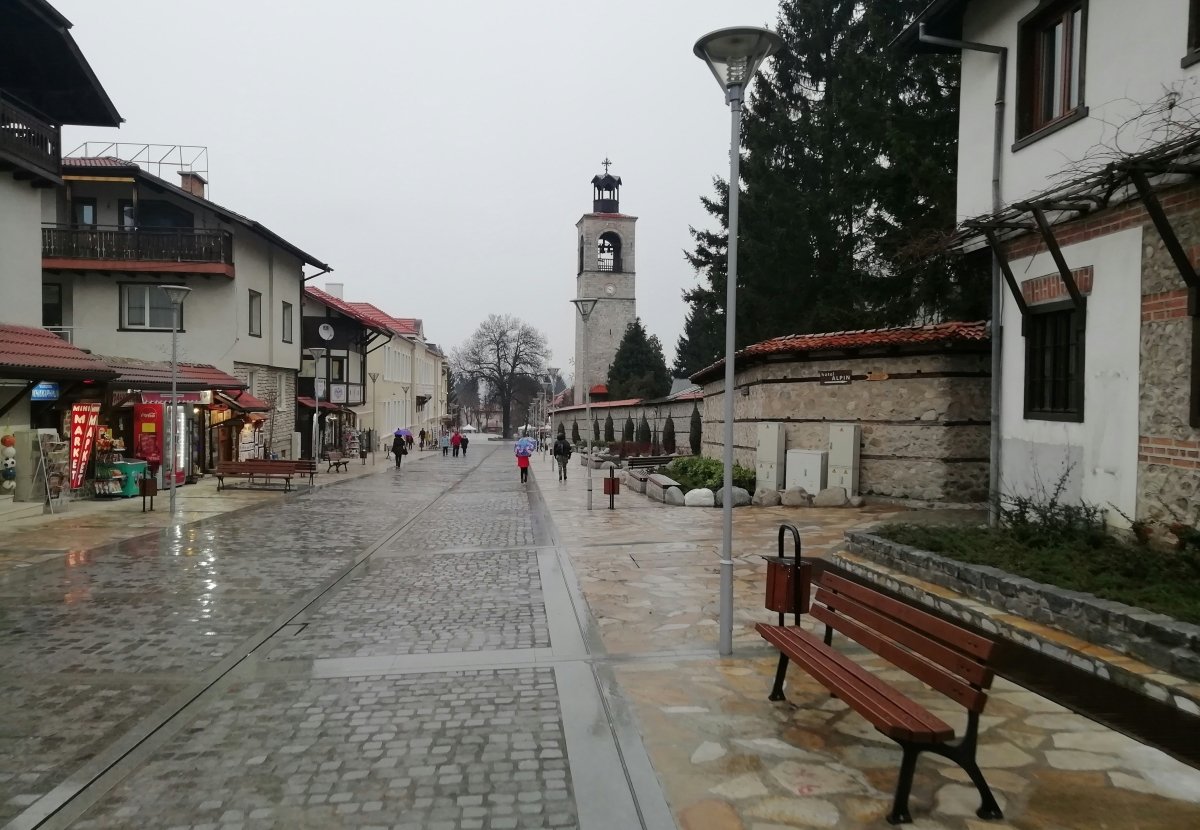
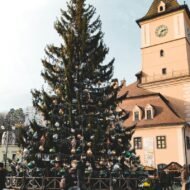
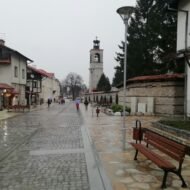
Cultural Highlights: Brașov’s Council Square transforms into a winter fairyland with Christmas markets running through early January. The Black Church (Biserica Neagră) hosts organ concerts that echo through Gothic walls, and the narrow streets of Șchei district showcase Saxon heritage dating back 800 years.
Useful Info:
- Getting There: Fly into Bucharest (2.5-hour drive) or direct to Brașov when available
- Best Time: Mid-December to mid-March for snow; late December for full holiday atmosphere
- Language: Romanian, but English widely spoken in tourist areas
- Special Tip: Book accommodations in Brașov center, not Poiana Brașov—better prices and authentic vibe
2. Bled & Vogel Ski Resort, Slovenia 💎
User Rating: 4.8/5 | Best For: Romantic Getaways & Active Families
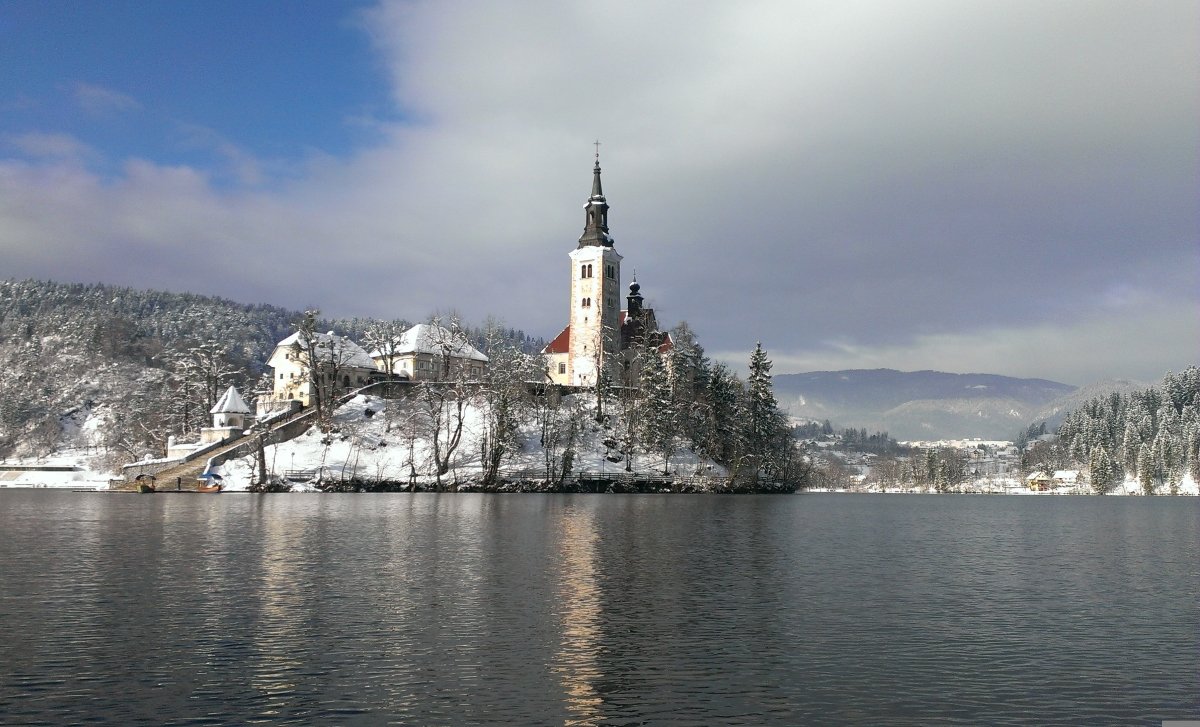
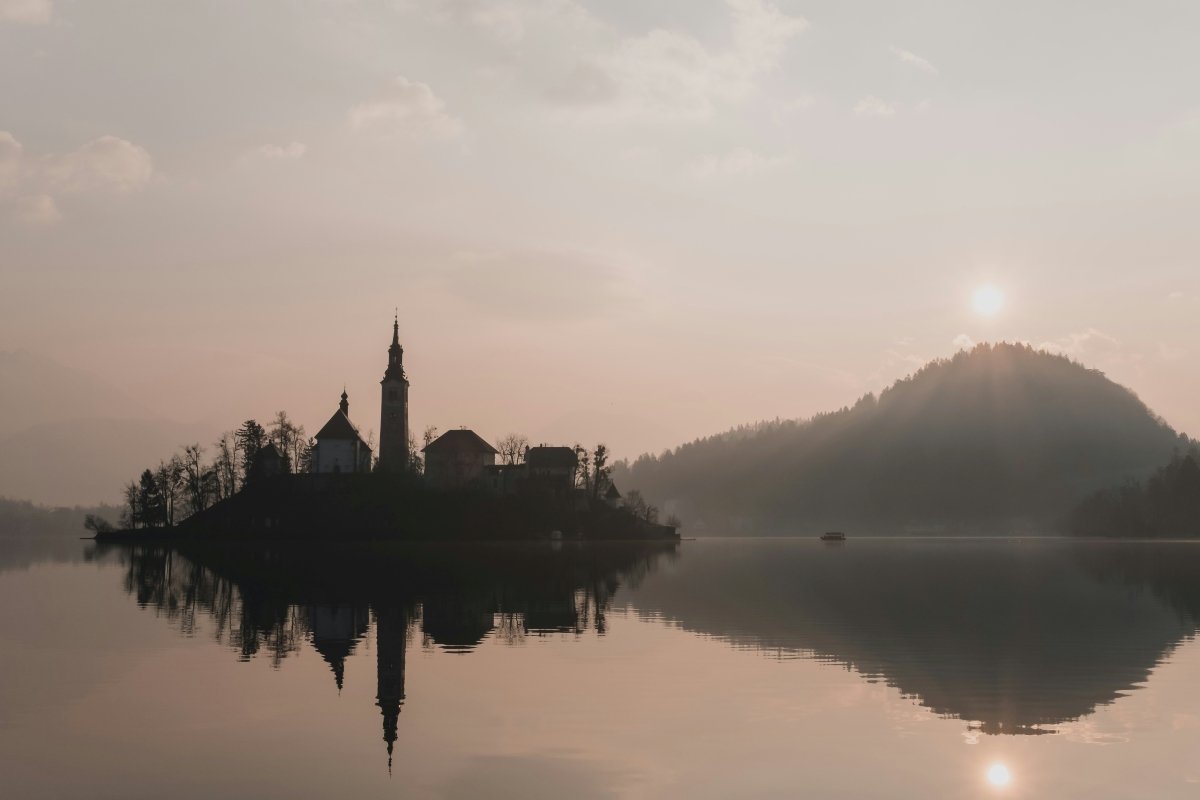
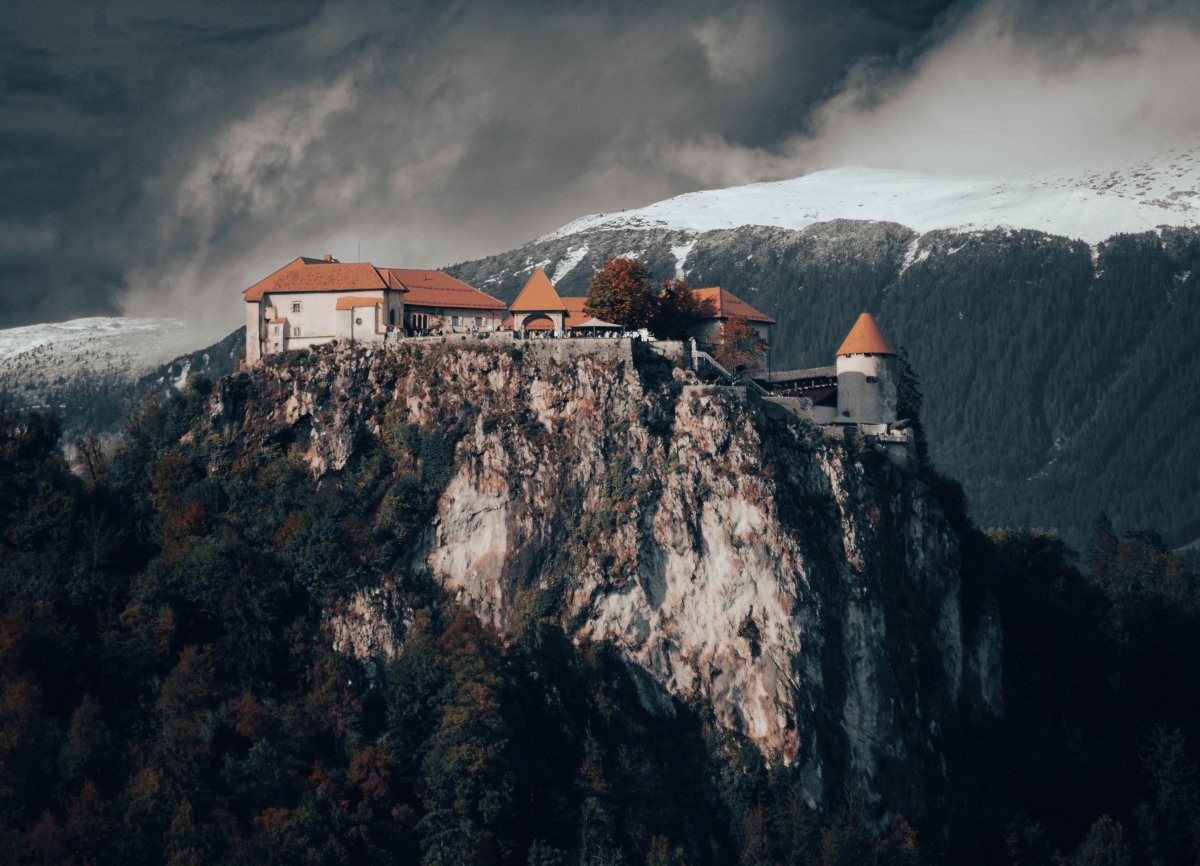
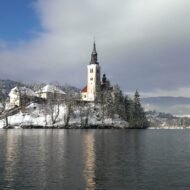
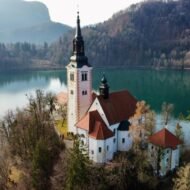
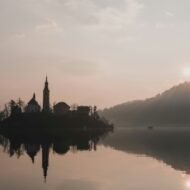
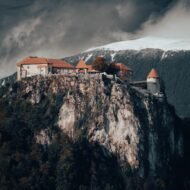
If a fairy godmother designed a winter destination, it would look exactly like Lake Bled. A medieval castle perched on a cliff. An island church in the middle of a frozen lake. Snow-capped Julian Alps surrounding everything. And crowds that are a fraction of what you’d find at comparable destinations.
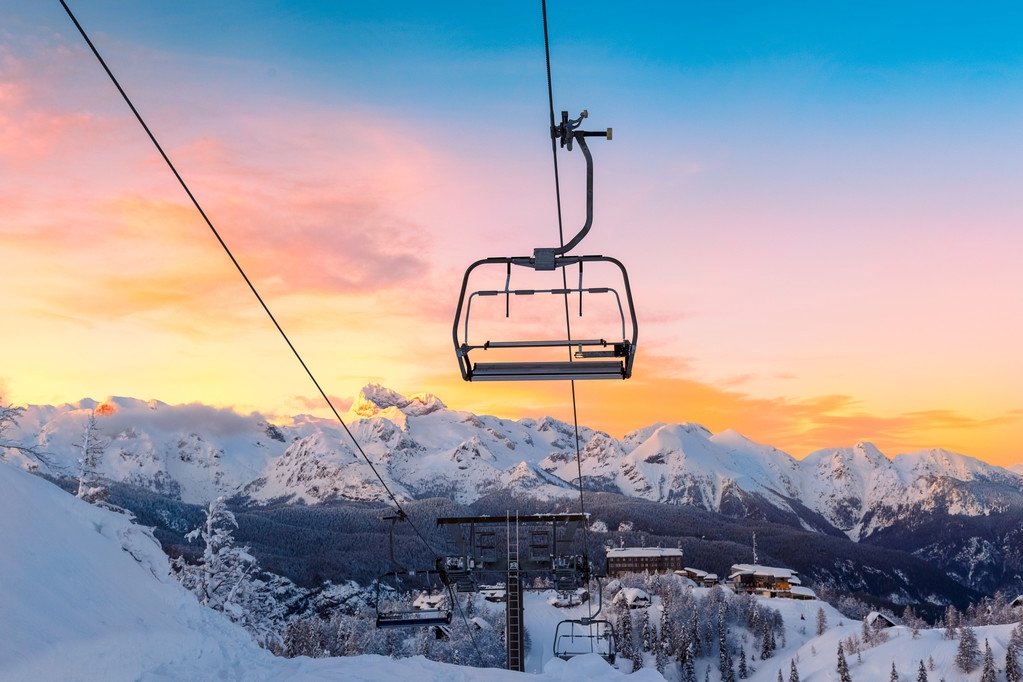
Why Families Love It: Slovenia punches way above its weight for family-friendliness. The Vogel ski area above Lake Bohinj (20 minutes from Bled) offers uncrowded slopes, a children’s ski school that’s remarkably patient and fun, and the famous Vogel cable car with panoramic views that’ll take your breath away. Kids love rowing to Bled Island in warmer spells or sledding down designated runs. Plus, everything is compact and manageable—no exhausting logistics here.
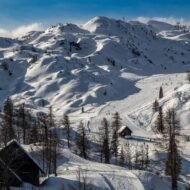
Skiing & Outdoor Adventures: Vogel delivers 18km of pristine slopes with stunning lake views—seriously, you’ll stop mid-run just to stare. The skiing is intermediate-friendly with some challenging blacks, and the lift infrastructure is modern. Beyond downhill skiing, explore winter hiking trails around Lake Bled, ice skating on the lake (when frozen solid), and the nearby Vintgar Gorge transformed into an icy wonderland. Adventure seekers can try ice climbing or ski touring in Triglav National Park.
Local Traditions: Slovenians celebrate “Miklavž” (St. Nicholas Day) on December 6th with processions, while New Year’s Eve brings “Silvestrovo” celebrations with fireworks over the lake. The tradition of church bells ringing at Bled Island creates magical moments throughout winter. Visit during Carnival season (February) for “Pust,” where masked figures parade through villages—it’s quirky, ancient, and totally worth planning around.
Budget Breakdown:
- Ski pass (Vogel): €35-45/day
- Traditional “gostilna” meal: €50-70 for a family
- Mid-range hotel: €80-130/night
- Castle entry: €15/adult, €9/child
- Lake Bled “kremšnita” (cream cake): €3.50—non-negotiable
Food Scene: Slovenian cuisine is criminally underrated. “Kranjska klobasa” (Carniolan sausage) is a must-try, along with “žganci” (buckwheat spoonbread) and hearty stews. The Bled cream cake (kremšnita) at Park Hotel isn’t just dessert—it’s a cultural institution with over 15 million served since 1953. For authentic local cooking, try Gostilna Murka or Vila Podvin.
Cultural Highlights: Bled Castle museum showcases Slovenian history with blacksmithing demonstrations and medieval wine pressing. The island church requires climbing 99 steps—legend says if a groom carries his bride up all 99, they’ll have a happy marriage (watching couples attempt this is free entertainment). Take a day trip to Ljubljana (35 minutes) for Christmas markets and castle views.
Useful Info:
- Getting There: Fly to Ljubljana Airport (35-minute drive), or Venice (3 hours)
- Best Time: January-February for best snow and fewer tourists
- Language: Slovenian, but English extremely common
- Special Tip: Buy the “Bled Guest Card” from your accommodation for free local transport and discounts
3. Zakopane, Poland 🎿
User Rating: 4.6/5 | Best For: Budget Skiers & Culture Enthusiasts
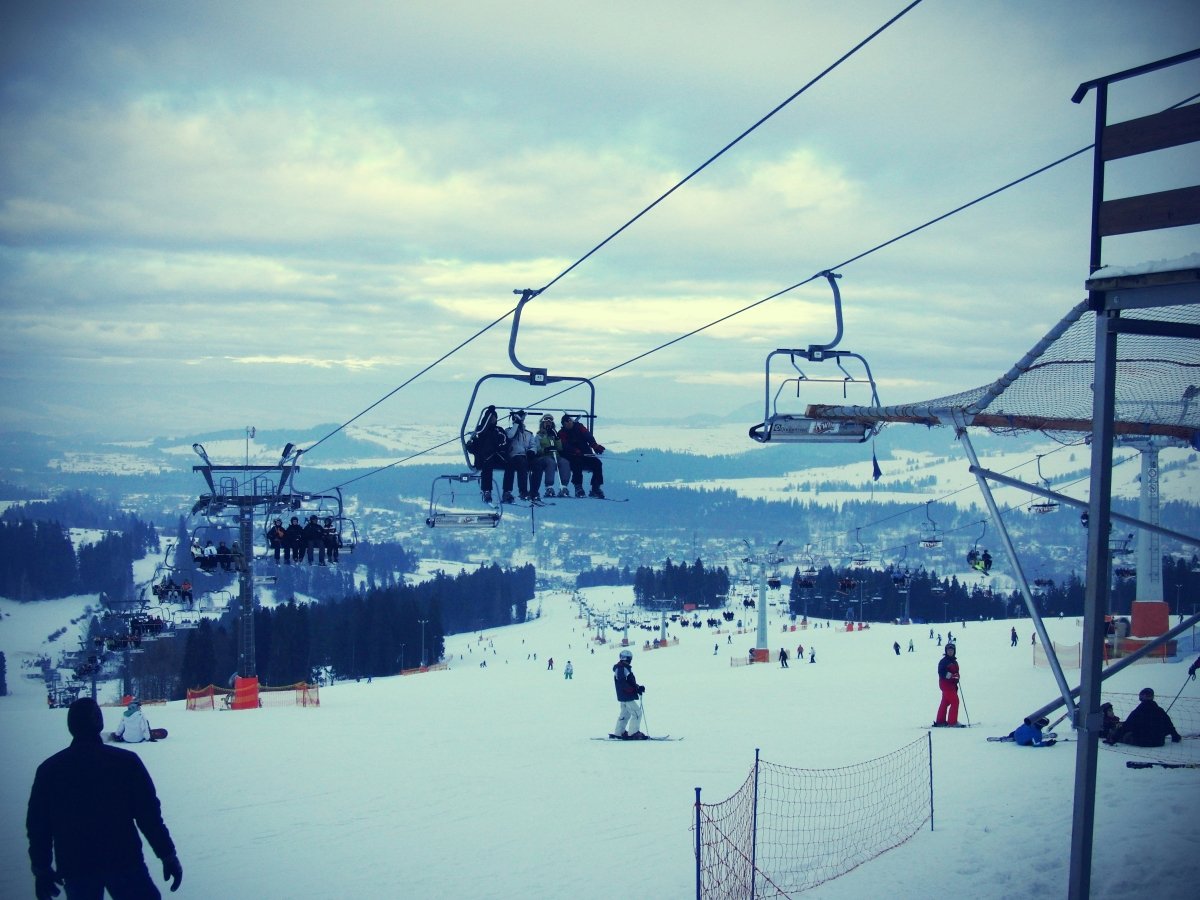
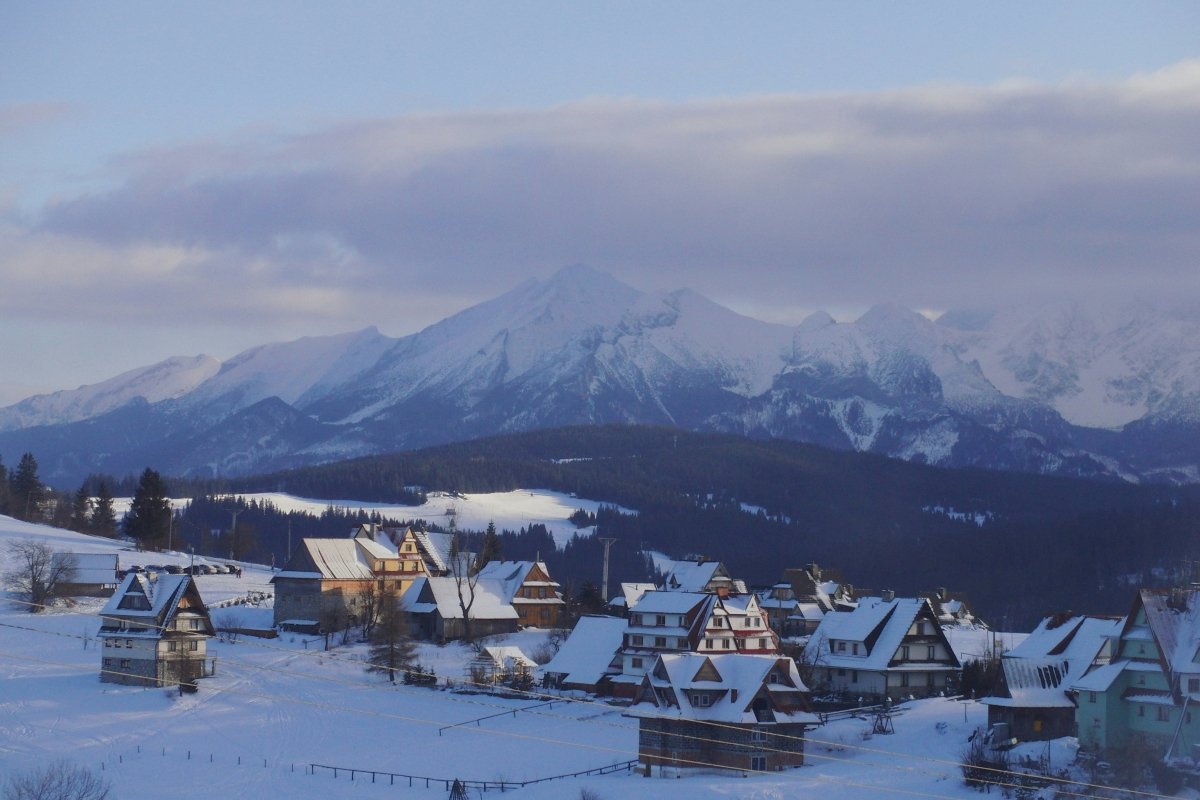
Poland’s winter capital sits at the foot of the Tatra Mountains, serving up authentic highland culture, surprisingly excellent skiing, and prices that’ll make you double-check your currency converter. This is where Poles go to ski, party, and celebrate mountain traditions—and they’re more than happy to welcome you into the fun.
Why Families Love It: Zakopane is refreshingly unpretentious and welcoming. The “Góral” (highlander) culture means locals are proud to share their traditions with visitors. Kids love the horse-drawn sleigh rides down Krupówki Street (the main pedestrian area), thermal pools at nearby Chochołów, and sledding on Gubałówka Hill. Multiple ski areas cater to different skill levels, so families can split up or stick together based on ability.
Skiing & Outdoor Adventures: Don’t underestimate Polish skiing. Kasprowy Wierch offers 15km of runs with a legendary cable car built in 1936—the ride itself is an adventure. Białka Tatrzańska (20 minutes away) provides modern facilities and family-friendly slopes. Beyond skiing, try ski touring in the Tatras, frozen waterfall climbing, or simply hiking marked trails with incredible mountain panoramas. The adventurous can hike to Morskie Oko, a stunning mountain lake that’s even more dramatic in winter.
Local Traditions: Highland culture runs deep here. Traditional “Góral” folk performances happen regularly at local restaurants—think energetic dancing, unique regional music, and elaborate costumes. The Christmas season brings “jasełka” (nativity plays) and caroling competitions. February’s “Sled Dog Rally” attracts mushers from across Europe. Every Thursday, locals gather for “krupniok” (blood sausage) at the markets—it’s an acquired taste but part of the experience.
Budget Breakdown:
- Ski pass: €25-40/day depending on resort
- Hearty highland dinner: €35-50 for a family
- Comfortable guesthouse: €60-100/night
- Cable car to Gubałówka: €8 round trip
- Thermal pools entry: €12-15/person
Food Scene: Highland cuisine is hearty, filling, and delicious. “Oscypek” (smoked sheep cheese) is everywhere—try it grilled with cranberry sauce. “Kwaśnica” (sauerkraut soup) and “moskol” (potato pancakes with goulash) will fuel your ski days. Wash it down with “grzane piwo” (mulled beer) or traditional “śliwowica” (plum brandy—careful, it’s strong). Restauracja Owczarnia or Karczma Po Zbóju offer authentic highland feasts.
Cultural Highlights: Krupówki Street buzzes with energy—wooden chalets housing shops, restaurants, and bars create a festive atmosphere every evening. The Tatra Museum showcases highland history and traditions. Wooden churches dotting the region are architectural marvels, particularly the one in Dębno Podhalańskie. Take the funicular to Gubałówka for sunset views that rival anywhere in the Alps.
Useful Info:
- Getting There: Fly to Kraków (2-hour drive), or Warsaw (5 hours)
- Best Time: January-February for snow; late December for New Year’s celebrations
- Language: Polish, but younger generations speak English
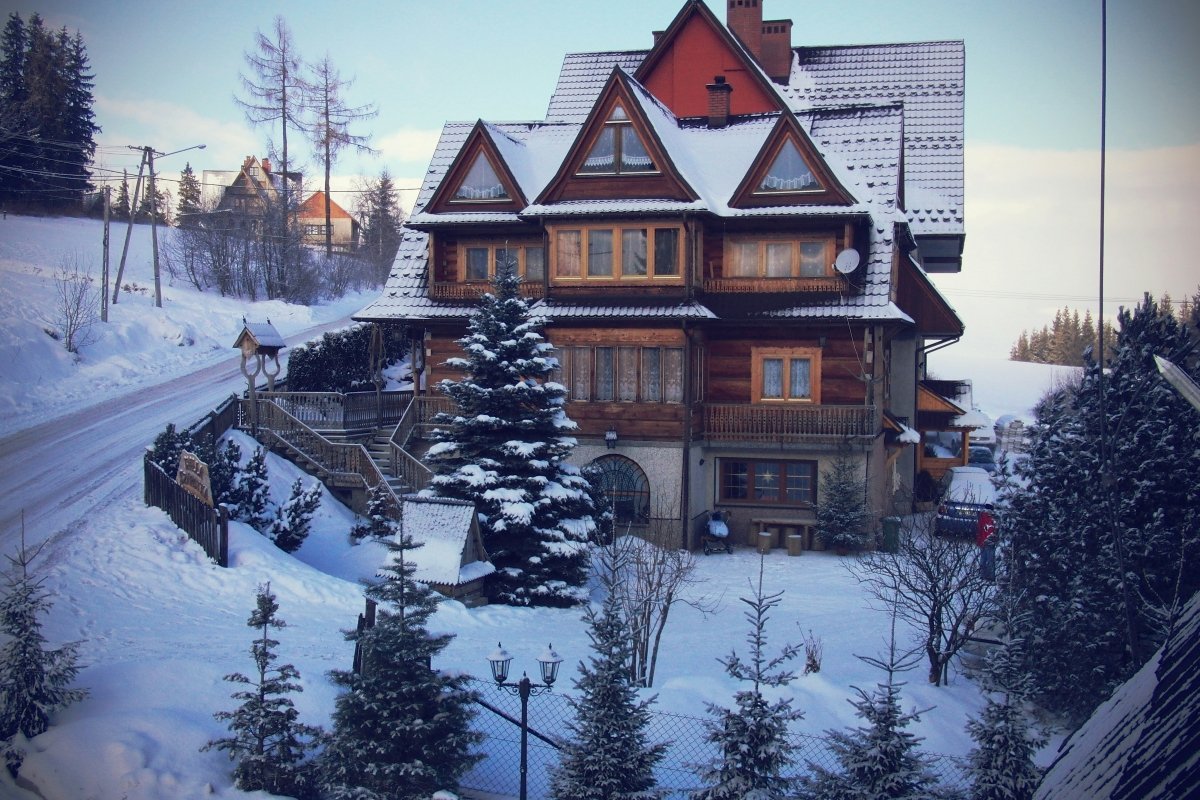
- Special Tip: Stay in a “willa” (guesthouse) for better value and home-cooked breakfasts