


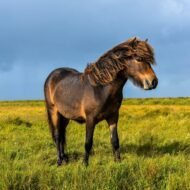
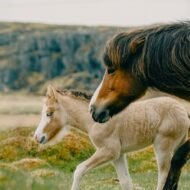
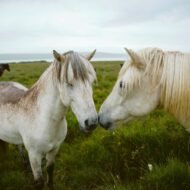
The Icelandic horse is more than just a pony-sized equine, it is a cultural treasure, a historical artifact, and a living embodiment of resilience and charm. Despite its small stature, this unique breed holds a giant place in the hearts of Icelanders and horse enthusiasts worldwide. In this article, we’ll explore the Icelandic horse’s history, characteristics, unique traits, and why it’s such a beloved breed.
A Brief History
The Icelandic horse’s roots trace back over a thousand years to the Viking Age. Norse settlers brought horses to Iceland in the late 9th and early 10th centuries, and these equines became the foundation of the Icelandic breed. Due to the island’s isolation and strict breeding laws, the breed has remained pure for over a millennium.
Iceland’s parliament, the Alþingi, prohibited the importation of horses as early as 982 AD. This means that no other horse breeds have influenced the Icelandic horse since then. Remarkably, once a horse leaves Iceland, it’s not allowed to return. These measures have preserved the breed’s unique characteristics and ensured its health and resilience.
Characteristics of the Icelandic Horse
First things first: the Icelandic horse is not a pony! Though its average height ranges between 13 and 14 hands (52 to 56 inches), it is considered a horse due to its sturdy build, strength, and ability to carry adults with ease.
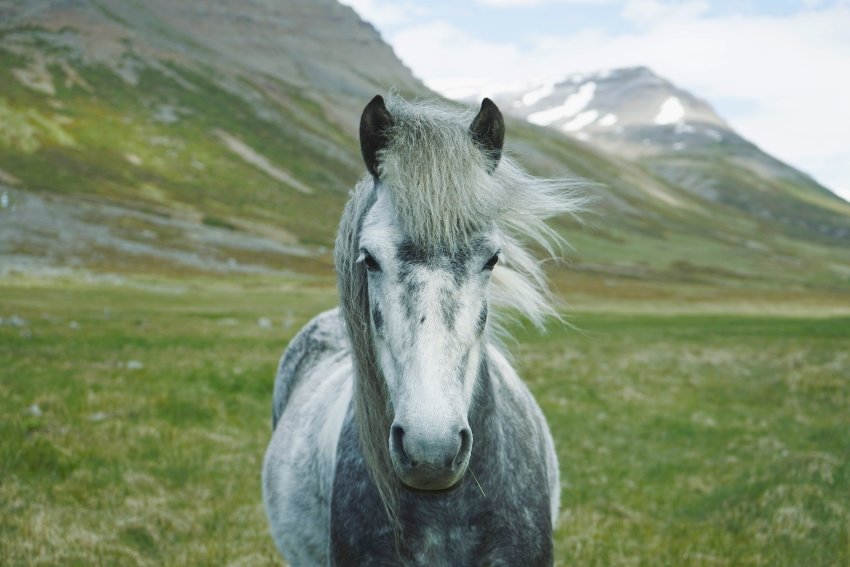
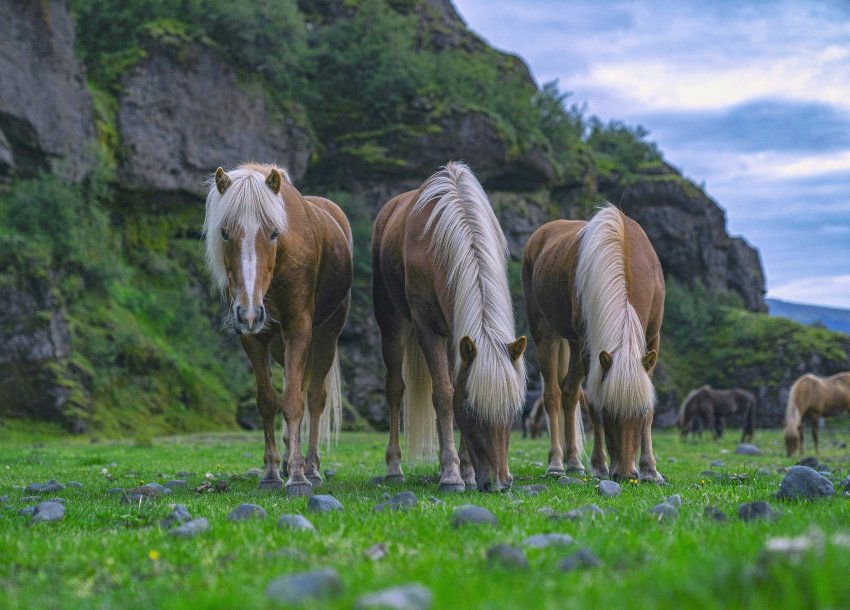
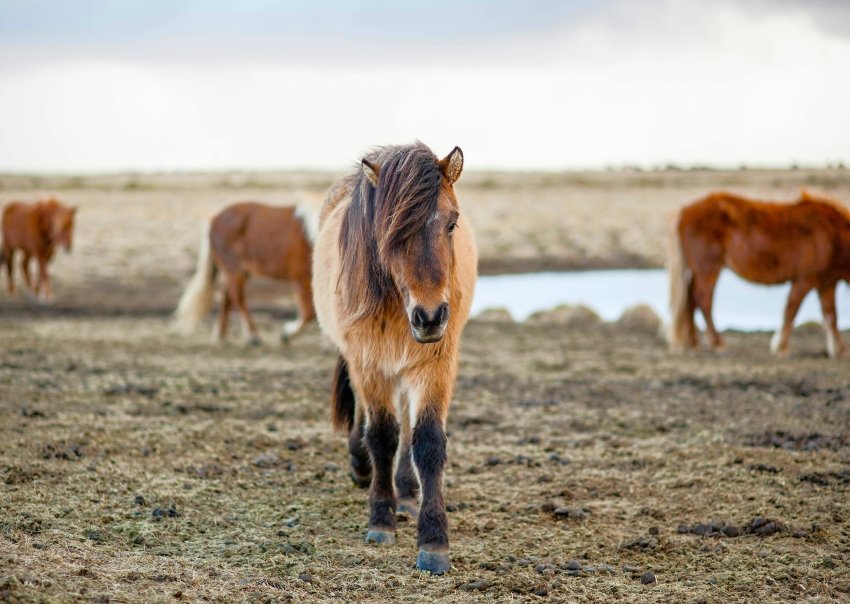
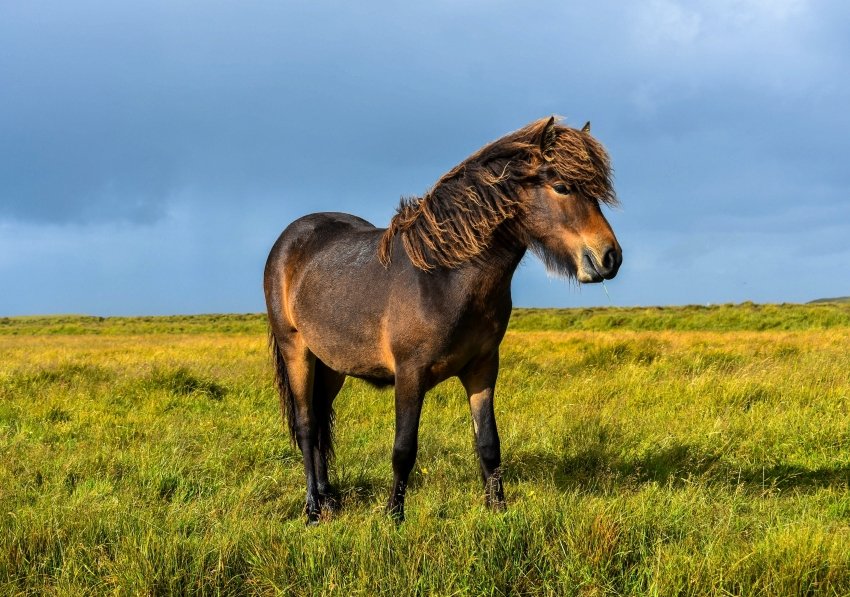
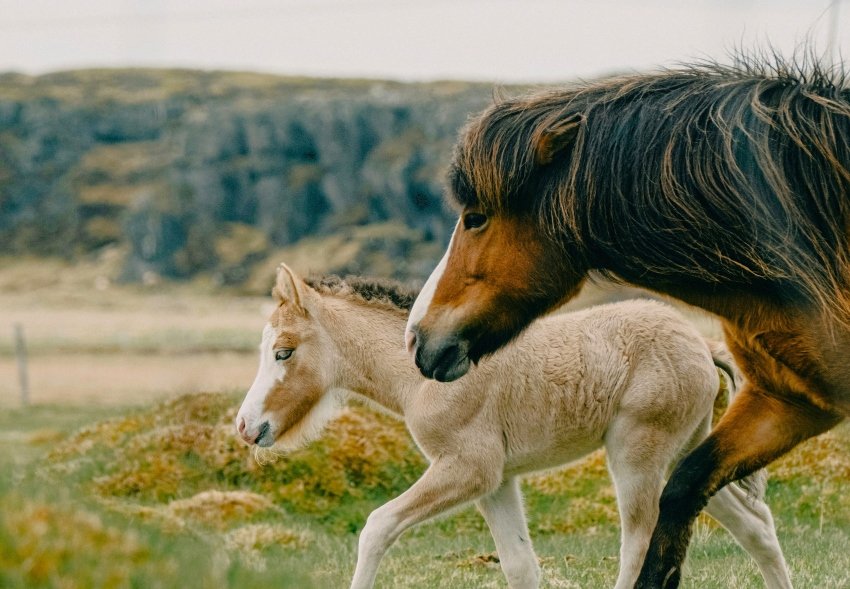
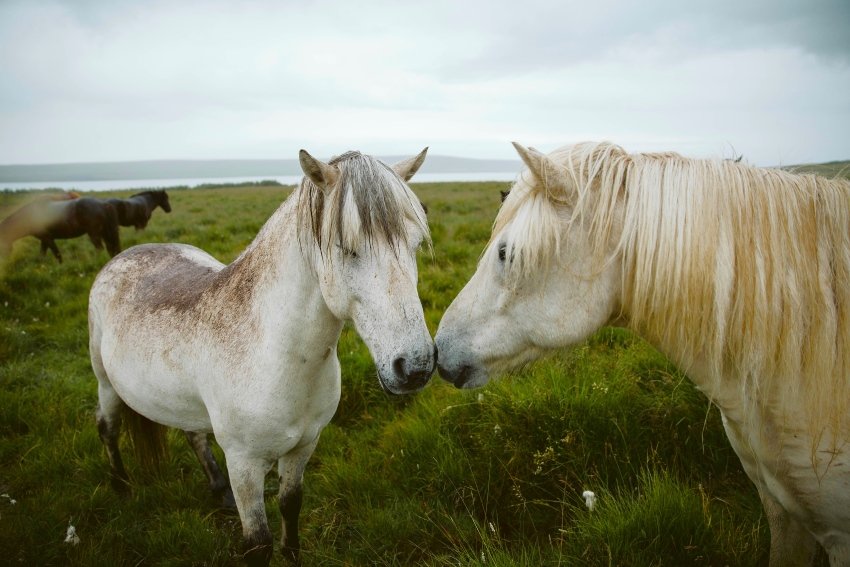
These horses are known for their thick, double-layered coats that help them endure Iceland’s harsh winters. Their manes and tails are often long and flowing, adding to their striking appearance. They come in a rainbow of coat colors, with over 40 recognized variations, including chestnut, bay, black, gray, palomino, and more. Some Icelandic horses even have rare and beautiful patterns like roan or dun.
Unique Gaits
One of the Icelandic horse’s standout features is its additional gaits. While most horses have three natural gaits (walk, trot, and canter/gallop), the Icelandic horse boasts two extra ones: the tölt and the skeið (pace).
- The Tölt: This smooth, four-beat gait is what the Icelandic horse is most famous for. It’s incredibly comfortable for the rider, making it ideal for long journeys or trail rides. The tölt can be performed at varying speeds, from a gentle amble to a brisk pace.
- The Skeið (Flying Pace): This two-beat lateral gait is used for short distances and can reach speeds of up to 30 miles per hour. It’s often seen in racing and is a thrilling experience for both the rider and the spectator.
These gaits are not just fascinating to watch but also reflect the breed’s adaptability to Iceland’s rugged terrain.
Resilience and Adaptability
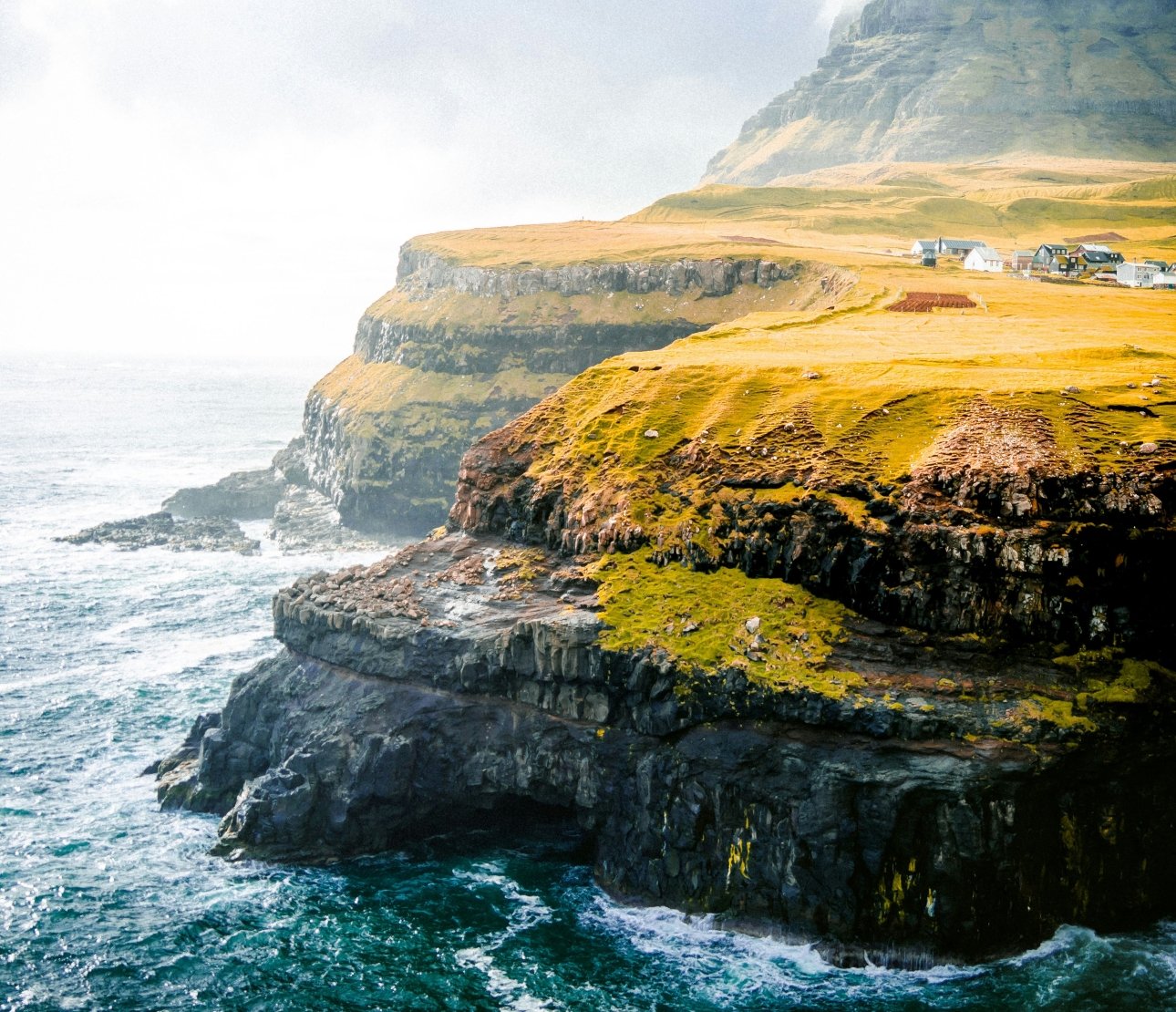
The Icelandic horse is a product of its environment. Iceland’s landscape is a mix of volcanic rock, glaciers, and unforgiving weather. To survive and thrive in these conditions, the breed has developed remarkable resilience. They’re known for their strong immune systems and hardiness, rarely falling prey to common equine illnesses.
Their thick coats protect them from the cold, while their smaller size allows them to navigate Iceland’s rough terrain with ease. Whether crossing rivers, traversing lava fields, or enduring snowstorms, the Icelandic horse proves time and time again why it’s one of the toughest breeds in the world.
Personality Plus
Icelandic horses are known for their friendly and curious nature. They’re incredibly social animals, often forming strong bonds with humans and other horses. This makes them excellent companions for riders of all experience levels. Despite their rugged origins, they’re gentle and easy to handle, making them particularly popular among children and beginners.
Their intelligence is another trait worth noting. Icelandic horses are quick learners and enjoy challenges, whether it’s mastering a new gait or navigating an obstacle course. This mix of friendliness, intelligence, and adaptability makes them a joy to work with and ride.
A Cultural Icon
In Iceland, the horse is much more than a means of transportation or recreation. It’s a cultural symbol deeply woven into the fabric of Icelandic identity. Horses appear in Icelandic sagas, folklore, and even modern literature. For centuries, they were indispensable to farmers and settlers, providing transportation, aiding in herding livestock, and serving as loyal companions.
Even today, Icelanders take immense pride in their horses. Annual events like the Landsmót National Horse Competition showcase the best of the breed, celebrating their beauty, agility, and unique gaits. These events draw participants and spectators from around the globe, highlighting the universal appeal of the Icelandic horse.
Exploring Iceland on Horseback
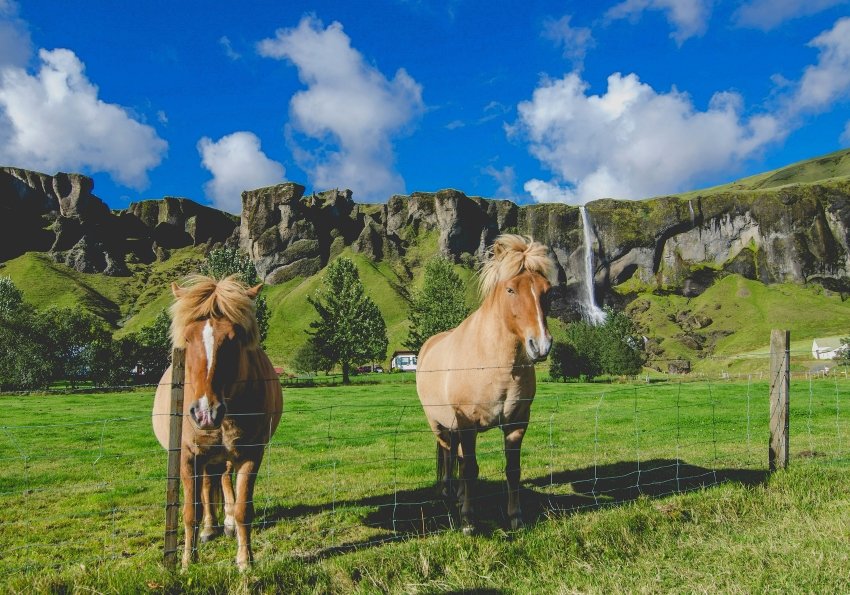
One of the best ways to experience Iceland’s breathtaking landscapes is on horseback. Numerous tour operators across the country offer riding tours, ranging from short excursions to multi-day adventures. Imagine tölting through a valley surrounded by volcanic mountains or crossing glacial rivers on a trusty Icelandic steed. It’s a once-in-a-lifetime experience that connects riders to both the land and its history.
Many tours cater to riders of all skill levels, so whether you’re a seasoned equestrian or a first-timer, there’s an adventure waiting for you. Plus, riding an Icelandic horse in its native environment offers a deeper appreciation for the breed’s incredible adaptability and endurance.
Global Popularity
The Icelandic horse’s appeal isn’t confined to its home country. These horses have found fans worldwide, with breeding programs and clubs in countries like Germany, the United States, and Canada. Enthusiasts are drawn to their unique gaits, manageable size, and charming personalities.
However, maintaining the purity of the breed remains a top priority. Strict guidelines govern Icelandic horse breeding outside of Iceland, ensuring the same standards of health and quality are upheld globally.
Fun Facts About Icelandic Horses
- Age Matters: Icelandic horses mature slowly, often not being ridden until they’re four or five years old. However, they also have a long lifespan, frequently living into their 30s.
- No Shoes Allowed: In many parts of Iceland, horses roam barefoot. Their strong hooves rarely require shoeing, thanks to the natural wear and tear from the volcanic ground.
- All-Weather Friends: Icelandic horses can comfortably stay outside year-round, even during the harsh Icelandic winters.
- No Predators: Iceland has no natural predators, so Icelandic horses often display a calm and confident demeanor.
- Mythical Origins: According to Icelandic folklore, some horses possess magical qualities, such as the ability to find their way home through storms or sense danger.
Conclusion
The Icelandic horse is a testament to the power of nature and nurture. Its unique traits, shaped by centuries of isolation and challenging conditions, make it a breed like no other. Whether you’re tölting across a windswept plain in Iceland or admiring one in a local stable, there’s no denying the magic of these incredible horses.
So, if you ever find yourself in Iceland, don’t miss the chance to meet these majestic creatures. They’re not just horses; they’re history, culture, and adventure rolled into one delightful package. And who knows? You might just find yourself planning your next ride before you even dismount!