


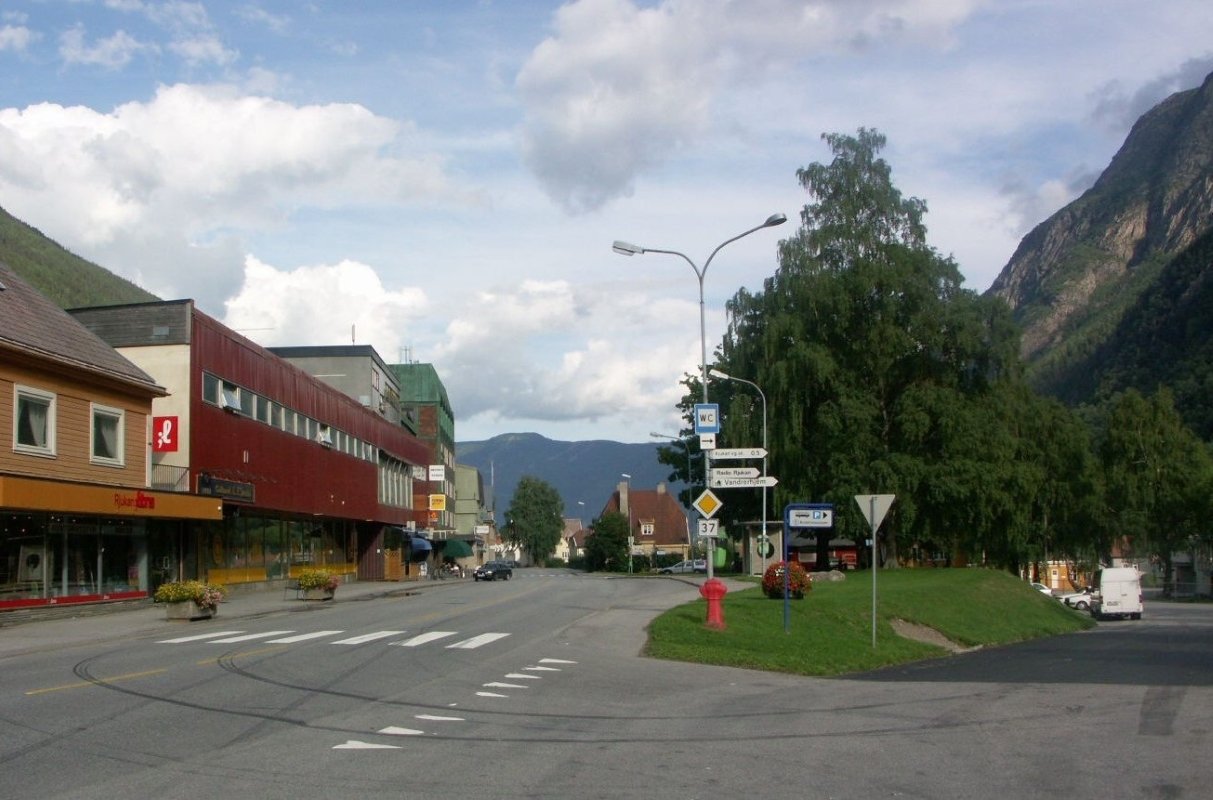



TL;DR: Rjukan is a UNESCO World Heritage gem Situated in Telemark’s valley, just 2.5 hours from Oslo. Think James Bond meets WWII history meets jaw-dropping mountains. Whether you’re a thrill-seeker, history buff, or mountain lover, Rjukan has it covered—and you’ll likely have the trails to yourself. Perfect for adventure enthusiasts of all skill levels.
- The Town That Refused to See Sunlight (And Actually Fixed It)
- Why Rjukan Made It Onto UNESCO’s List
- The Unmissable Attractions
- Gaustatoppen: Norway’s “Most Beautiful Mountain”
- Vemork & The Norwegian Industrial Workers Museum
- The Sun Mirrors (Solspeilet)
- Adventure Junkie’s Playground
- Getting There & Staying Put
- When To Visit (Picking Your Season)
- Food & Local Flavor
- Visitor Info You Actually Need
- The Real Talk
The Town That Refused to See Sunlight (And Actually Fixed It)
Here’s something wild: Rjukan sits so deep in a valley that it experiences months of almost zero sunlight during winter. So what did the locals do? They installed massive sun mirrors on the mountainside. Seriously. This town didn’t accept darkness—it literally reflected sunshine onto the main square during winter. If that doesn’t scream innovation, what does?
With a population of around 3,000, Rjukan punches way above its weight. It’s become Southern Norway’s ultimate adventure hotspot, and honestly, it deserves way more buzz than it gets. The town’s got everything: mind-bending WWII history, Europe’s most rewarding mountains, world-class outdoor activities, and that uniquely Norwegian vibe where nature rules everything.
Why Rjukan Made It Onto UNESCO’s List
Rjukan isn’t just another Norwegian town. It’s a UNESCO World Heritage Site, part of the Rjukan-Notodden Industrial Heritage Area. This designation exists because of the town’s massive significance in 20th-century industrial history—specifically, Norsk Hydro’s hydropower revolution that literally powered the nation.
But there’s more to the story. During World War II, Vemork (the power plant) became the center of one of history’s most daring sabotage missions. The Germans were producing heavy water here—a key ingredient for atomic bomb production. The Norwegian resistance? They pulled off Operation Gunnerside, an absolutely legendary ski-based sabotage that helped stop Nazi nuclear ambitions. This isn’t just history—this is the real-life stuff action movies are made from.
The Unmissable Attractions
Gaustatoppen: Norway’s “Most Beautiful Mountain”
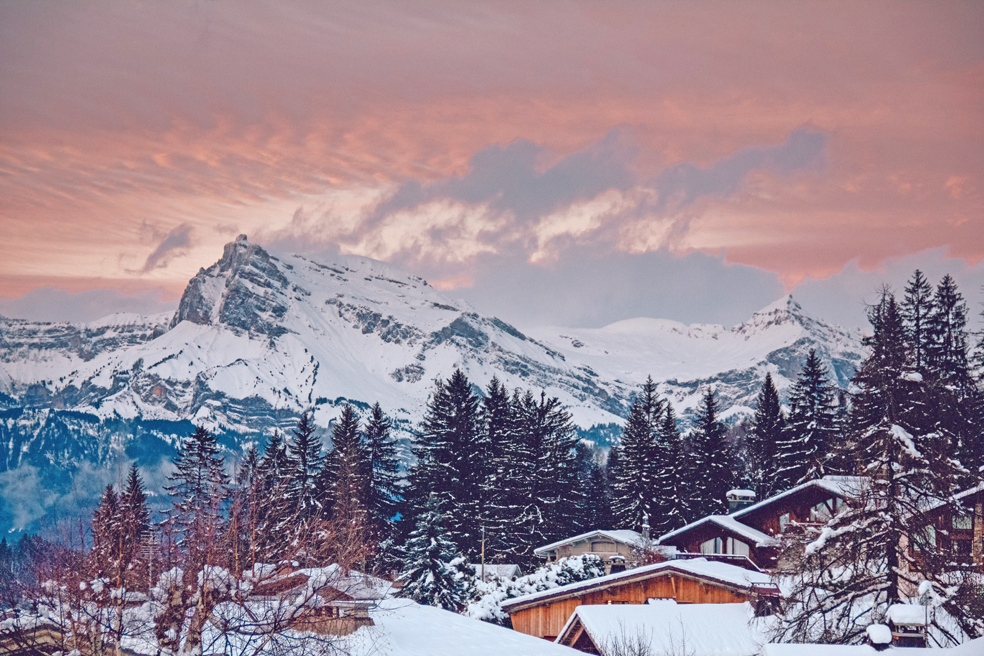
Lonely Planet called it. We’re not arguing. Gaustatoppen (1,883m) is the highest peak in Telemark and probably the most photogenic mountain in Southern Norway.
On a clear day, you can see one-sixth of Norway from the summit—up to 200+ kilometers of pure landscape porn. You can literally watch the sun set over mountains in Sweden. If that’s not Instagram gold, nothing is.
Here’s the genius part: you’ve got options depending on your vibe:
The Gaustabanen Funicular – This hidden cable car runs inside the mountain, built as a NATO Cold War project. It’s legitimately something James Bond would use. Take a 10-minute ride and suddenly you’re at the top. Stop at the DNT cabin for waffles and coffee while you process the views.
The Hiking Routes – Want to earn those views? Multiple trails exist, from family-friendly to “experienced mountaineers only.” The classic Stavsro route (4.3km, 700m elevation gain) takes about 2.5 hours and feels absolutely doable for anyone with decent fitness. Summer (July-September) is prime time, and starting early means avoiding crowds and catching magical light.
Overnight at the Summit – The Gaustatoppen Tourist Cabin (built in 1893!) lets you stay overnight. Sunset and sunrise from the top? Chef’s kiss.
Vemork & The Norwegian Industrial Workers Museum
This isn’t your average factory tour. Vemork tells the story of industrial revolution meets wartime drama.
The museum walks you through the heavy water production, the German occupation, and the absolutely bonkers sabotage mission that destroyed it. You’ll see the actual cellar where the Norwegian resistance struck. Interactive exhibits, films, and restored original buildings make it genuinely compelling—even if history isn’t usually your thing.
Pro move: book a guided “Saboteur’s Trail” tour. You’ll actually hike the routes the resistance took. It’s sweaty, it’s dramatic, and it connects the history to the landscape in a way that hits different.
The Sun Mirrors (Solspeilet)
This is such a clever solution to a real problem that it almost feels fictional. During winter darkness, these massive mirrors track the sun and redirect its light onto Rjukan’s town square. It’s pure problem-solving genius—very Norwegian.
Seeing them work is genuinely cool, and they’re a perfect photo opportunity. The engineering alone is worth geeking out over.
Adventure Junkie’s Playground
If you’ve got adrenaline running through your veins, Rjukan is calling.
Ice Climbing in Winter – Frozen waterfalls, professional guides, and the kind of rush that makes you feel alive. Even beginners can do this.
Bungee Jumping – Rjukan has Norway’s toughest bungee jump. If you’re daring enough, this is the place.
Mountain Biking – The Krossobanen cable car doubles as a bike lift in summer. Take it up to Hardangervidda (Europe’s largest mountain plateau) and bomb down trails through epic high-altitude scenery.
Kayaking & Canoeing – Guided trips on pristine mountain lakes let you paddle through landscapes that look genuinely unreal.
Skiing & Snowboarding – Gausta Ski Center offers everything from beginner slopes to Telemark skiing (the region’s traditional skiing technique).
Hiking Everything – The Solstien trail, countless fell walks, and routes through Hardangervidda. In summer, the trails are ridiculously well-maintained and beautifully marked.
Getting There & Staying Put
Getting To Rjukan
From Oslo – About 2.5 hours by car (the most scenic option). Drive via E134, and you’ll have total flexibility to explore.
By Bus – Vy express connects Oslo to Rjukan regularly. It’s chill and removes the stress of driving mountain roads.
By Air – Fly into Oslo Airport (225km away) or Torp Sandefjord Airport (180km away), then rent a car. Both have bus connections to Rjukan.
Once here? You’ll need a car or be prepared to use local buses and guided services to reach the mountain attractions.
Where To Stay
Rjukan Hytteby & Kro – Riverside cabins with a solid restaurant. Perfect if you want cozy Norwegian vibes.
Rjukan Admini – The historic hotel with old-school Norwegian charm and proper amenities.
Gaustablikk Høyfjellshotel – A mountain lodge close to the ski slopes. Ideal if you’re making Gausta your HQ.
Cabin Rentals – Loads of private cabins in the Gausta area across all price ranges. Local tourism sites can hook you up.
Camping – Multiple sites around Hardangervidda and the lakes offer everything from tent pitches to glamping.
When To Visit (Picking Your Season)
Summer (June-August) – Hiking season. Long daylight, warm weather, accessible trails. Peak crowds in late July/early August.
Winter (December-February) – Skiing, ice climbing, and northern lights potential. The sun mirrors actually do their job during this dark period. Shorter days but magical atmosphere.
Shoulder Seasons (April-May & September-October) – Fewer crowds, still-decent weather, and stunning scenery. Underrated times to visit.
Food & Local Flavor
Telemark has strong traditions around traditional Norwegian food. Expect hearty fare featuring local fish, game, and dairy. The town’s got cafes and restaurants scattered around the square and main area—nothing fancy, but solid comfort food that fuels adventure properly.
For groceries and supplies, the town has everything you need. Don’t expect gourmet options, but you’ll find what you’re after.
Visitor Info You Actually Need
Tourist Office – Centrally located at the town square (Tel: +47 35 08 05 50). The staff genuinely know the area and can help with activity bookings and recommendations.
Website – Visit Rjukan (visitrjukan.com) has updated info, weather forecasts, and activity bookings.
Best Time for Gaustatoppen Views – Early morning or late afternoon in summer (July-September) beats the tourist crowds.
Sustainable Destination Certified – Rjukan takes environmental responsibility seriously. It’s a commitment to reducing tourism’s negative impact, which is cool.
The Real Talk
Rjukan isn’t overcrowded. That’s not a bug—that’s the whole feature. You get world-class mountains, legitimate historical significance, and genuine adventure without feeling like you’re on a conveyor belt with thousands of other tourists.
The valley location means weather can be moody (dramatic clouds and sudden shifts), so pack layers and come flexible. The payoff? Those mood-lit mountains and the kind of silence you rarely find in Europe anymore.
This is the place for everyone: History nerds exploring WWII resistance missions. Mountain freaks chasing perfect summits. Adventure seekers doing ice climbing and bungee jumping. Families on that one epic summer trip. Photographers hunting golden hour light over one-sixth of Norway.
Rjukan is your call. Make it.
Ready to explore? Start planning at visitrjukan.com or reach out to the local tourist office. Two and a half hours from Oslo is all that stands between you and one of Norway’s most epic, underrated destinations.