





TL;DR: Ski resort Feldberg / Hochschwarzwald , in the Black Forest is Germany’s highest ski area (1,493m), offering 63km of slopes, stunning views, family-friendly skiing, and charming village vibes. Best visited December-March for snow sports, or year-round for hiking. About 2 hours from Basel/Freiburg, with accommodation ranging from €50-200/night.
So you’re thinking about hitting the slopes in Germany’s Black Forest? Smart move. Feldberg isn’t your typical massive Alpine resort, and that’s exactly why it works.
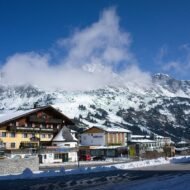
Located at 1,493 meters, this is the highest peak in Germany outside the Alps, which means when other German resorts are looking at rain, Feldberg’s often got snow. The ski area sprawls across several connected zones—Feldberg, Seebuck, and Grafenmatt—giving you about 63 kilometers of runs to explore without the shoulder-to-shoulder crowds you’d find in Garmisch or the Austrian mega-resorts.
Getting There (It’s Easier Than You Think)
Feldberg sits in Baden-Württemberg’s southern corner, practically winking at Switzerland. If you’re flying in, your closest major airports are Basel (about 90km) or Zurich (120km). From there, rent a car—it’s the easiest option and gives you freedom to explore the surrounding Black Forest villages.
Coming by train? The nearest stations are Titisee or Bärental, both connected to Freiburg’s main line. From there, you’ll need a bus (line 7300 runs regularly) or taxi to reach the resort areas. Weekend warriors from Stuttgart, Karlsruhe, or Frankfurt can make the drive in 2-3 hours, making this a solid option for quick getaways.
When to Visit (Timing Is Everything)
Winter (December-March): Prime time for skiing and snowboarding. January and February offer the most reliable snow coverage, with the season typically running from mid-December through late March, sometimes stretching into April if Mother Nature cooperates. Weekend crowds can be intense, especially during German school holidays, so midweek visits are your friend.
Summer (June-September): The mountain transforms into hiking paradise. Wildflowers carpet the meadows, and those same ski lifts become your shortcut to stunning panoramic trails. It’s cooler up here than in the valleys—perfect when lowland Germany is sweltering.
Shoulder seasons: May and October are quieter but many facilities run limited schedules. Great for solitude seekers, less ideal if you want all amenities open.
The Skiing Situation
Let’s be real: if you’re coming from the Alps expecting Chamonix-level vertical, adjust those expectations. What Feldberg lacks in extreme terrain, it makes up for in charm and accessibility.
The ski area breaks down roughly as 20% beginner runs, 60% intermediate, and 20% advanced. That sweet spot of blue and red runs makes this ideal for families, intermediate skiers looking to build confidence, and anyone who’d rather enjoy cruising than constantly battling steep moguls.
Lift passes: Day passes run around €44 for adults (2024/25 prices), with multi-day and family packages offering better value. Kids under 6 ski free, and youth discounts apply through age 17.
The Seebuck area is particularly nice for intermediates, with wide, well-groomed runs and that spectacular view platform at the top. Beginners should head to Grafenmatt, where gentler slopes and excellent ski schools make learning less intimidating.
Where to Stay
Feldberg village: The main hub with the most options, from traditional guesthouses to modern hotels. You’re closest to the slopes but you’ll pay a premium for convenience. Expect €80-150 per night for decent doubles.
Titisee: About 10km away, this lakeside town offers more budget-friendly options (€50-100/night) and is absolutely gorgeous. The commute adds 20 minutes but you get better restaurant choices and that postcard-perfect lake.
Hinterzarten: Slightly more upscale, halfway between Titisee and Feldberg. Great if you want a quieter, more refined base with excellent cross-country skiing access.
Bärental and Altglashütten: Wallet-friendly villages perfect for budget travelers and those who don’t mind a short drive to the slopes.
Pro tip: Book accommodations that include the KONUS guest card—it provides free public transport throughout the Black Forest region, a genuine money-saver if you’re planning day trips.
Beyond the Slopes
Here’s where Feldberg gets interesting. This isn’t just a one-trick ski pony.
Cross-country skiing: Over 100km of groomed trails wind through pristine forest. The Nordic skiing here rivals the downhill in popularity, with routes suitable for beginners through advanced skiers.
Snowshoeing and winter hiking: Marked trails take you through silent, snow-covered forests. Guided moonlight snowshoe tours happen regularly and they’re magical—book ahead.
The Feldberg Tower: Even non-hikers should make the trek to this observation tower. On clear days, you’ll see the Alps stretching from Mont Blanc to the Zugspitze. It’s a 15-minute walk from the Seebuck lift station.
Summer hiking: Hundreds of kilometers of trails, from easy family walks to challenging summit hikes. The Feldsee (Feldberg Lake) loop is particularly stunning—a glacial lake tucked in a cirque with impossibly blue water.
Mountain biking: Summer brings downhill and cross-country routes. Bike parks operate at Grafenmatt with rentals available.
Food and Drink
Black Forest cuisine is hearty, unapologetic comfort food. You’re here for Schnitzel, Spätzle (those addictive egg noodles), and Schwarzwälder Kirschtorte (Black Forest cake—yes, this is literally where it comes from).
On-mountain dining: Several huts serve traditional fare. The Todtnauer Hütte and Baldenweger Hütte are local favorites where you can refuel with Wurst, soup, and hot mulled wine.
Village restaurants: Feldberg village has everything from quick pizza joints to refined German restaurants. Try Rosi’s Sonnhalde for elevated regional cuisine or hit the grocery stores and cook in your accommodation to save money.
Après-ski: This isn’t Ischgl—the party scene is low-key. You’ll find cozy bars rather than raging clubs, which honestly suits the vibe perfectly.
Practical Tips
Parking: Can be a headache on busy weekends. Arrive early (before 9am) or use the park-and-ride facilities with shuttle buses.
Equipment rental: Available at multiple shops in Feldberg and surrounding towns. Book online ahead of time for better rates (typically €25-40/day for ski packages).
Ski schools: English-speaking instructors are available, though German dominates. Group lessons run about €40-50 for two hours; private instruction costs more but accelerates learning.
Weather: Changes fast in the mountains. Layer up, bring waterproofs, and check forecasts daily. The exposed summit can be brutally windy.
Language: German is standard, but tourist areas handle basic English fine. Learning a few phrases (Danke, Bitte, Entschuldigung) goes a long way.
Cash: While cards are increasingly accepted, smaller huts and shops may be cash-only. Keep euros handy.
Budget Breakdown
Here’s what a 3-day winter trip might cost per person:
- Accommodation: €150-450 (depending on your standards)
- Lift passes: €120 (3-day pass)
- Equipment rental: €75-120
- Food: €90-150 (mix of self-catering and restaurants)
- Transport: €50-100 (depends on your origin)
Total: €485-840 per person for a solid long weekend, excluding getting to the region.
The Verdict
Feldberg won’t blow your mind if you’re an expert skier seeking endless off-piste or massive vertical. But if you want accessible skiing, genuine Black Forest charm, stunning scenery, and crowds that don’t require a cattle prod to navigate, this place delivers.
It’s particularly brilliant for families, intermediate skiers, first-timers testing the mountain sports waters, and anyone who values atmosphere over bragging about how many kilometers they skied. The shoulder-season hiking is honestly better than the skiing if you ask locals, and the fact that you can enjoy excellent outdoor activities year-round makes it a flexible destination.
Plus, there’s something refreshing about a ski resort that hasn’t sold its soul to mass tourism. Feldberg still feels like a place where locals actually ski, where the mountain huts serve food people genuinely eat, and where the focus is on enjoying winter rather than performing it for Instagram.
So yeah, book that trip. Your legs (and wallet) will thank you.





, offering 63km of slopes, views and more..)