



TL;DR
Where: Slănic, Prahova County, Romania (100 km north of Bucharest)
Cost: Around 25-30 RON entrance (roughly $6-7 USD)
Time needed: 2-3 hours underground
Best for: Everyone—families, wellness seekers, history buffs, photographers
Bring: Warm jacket (constant 12°C/54°F year-round), comfortable walking shoes, camera
Unique factor: Largest salt mine in Europe with therapeutic air, 4K planetarium, and actual sports facilities 208 meters underground
Why You’ll Want to Visit This Place
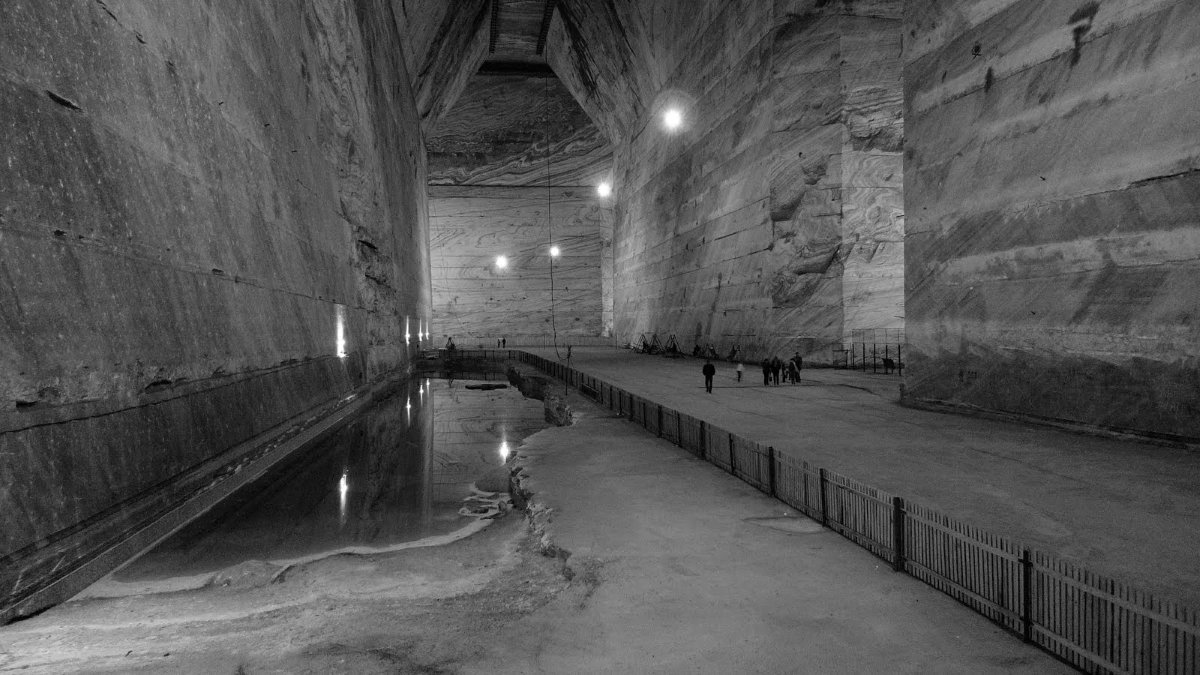
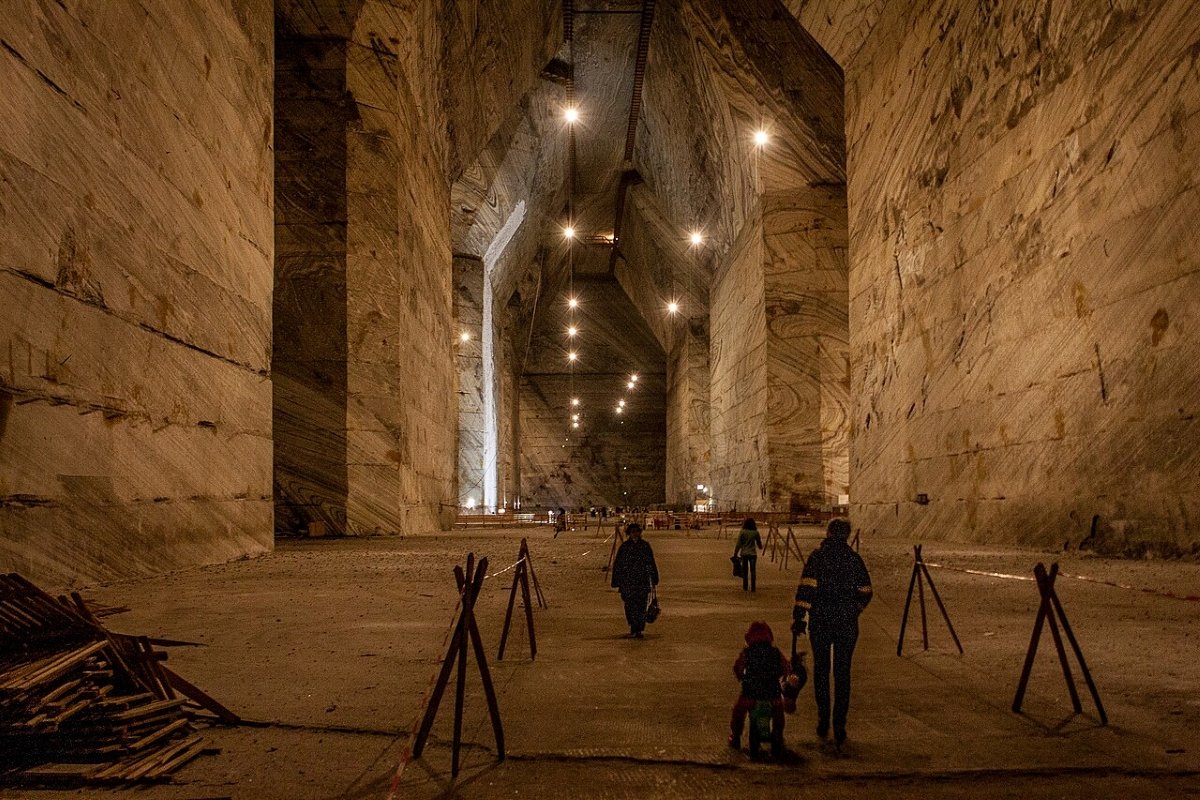
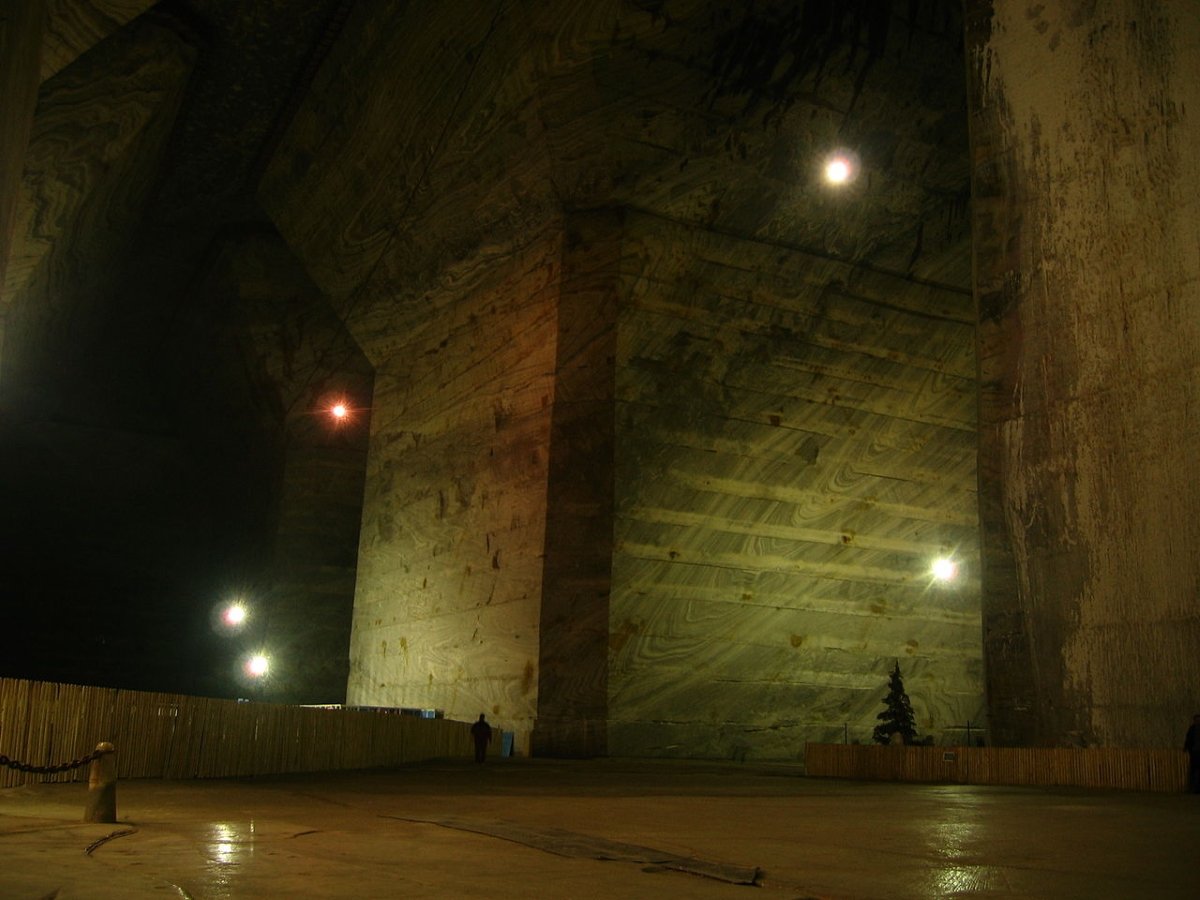
Picture this: you’re standing in a massive underground cathedral made entirely of salt, 70 meters high (that’s about 23 stories!), where the air tastes slightly salty and is so pure it actually improves your breathing. Welcome to Slănic Salt Mine, where “going underground” becomes an experience that’ll have you texting everyone you know.
This isn’t just one of the largest salt mines in Europe—it’s a place where you’ll find everything from a state-of-the-art planetarium to soccer fields, all carved deep beneath the Carpathian Mountains. Seriously, where else can you play mini-golf, watch a projection about black holes, and improve your respiratory health all in the same afternoon?
The Backstory (History That Doesn’t Suck)
According to historical documents, Mihai Cantacuzino bought the Slănic estate around 1685, kicking off what would become Romania’s salt mining legacy. The first excavation opened in 1688, and for nearly three centuries, miners extracted “white gold” from these deposits.
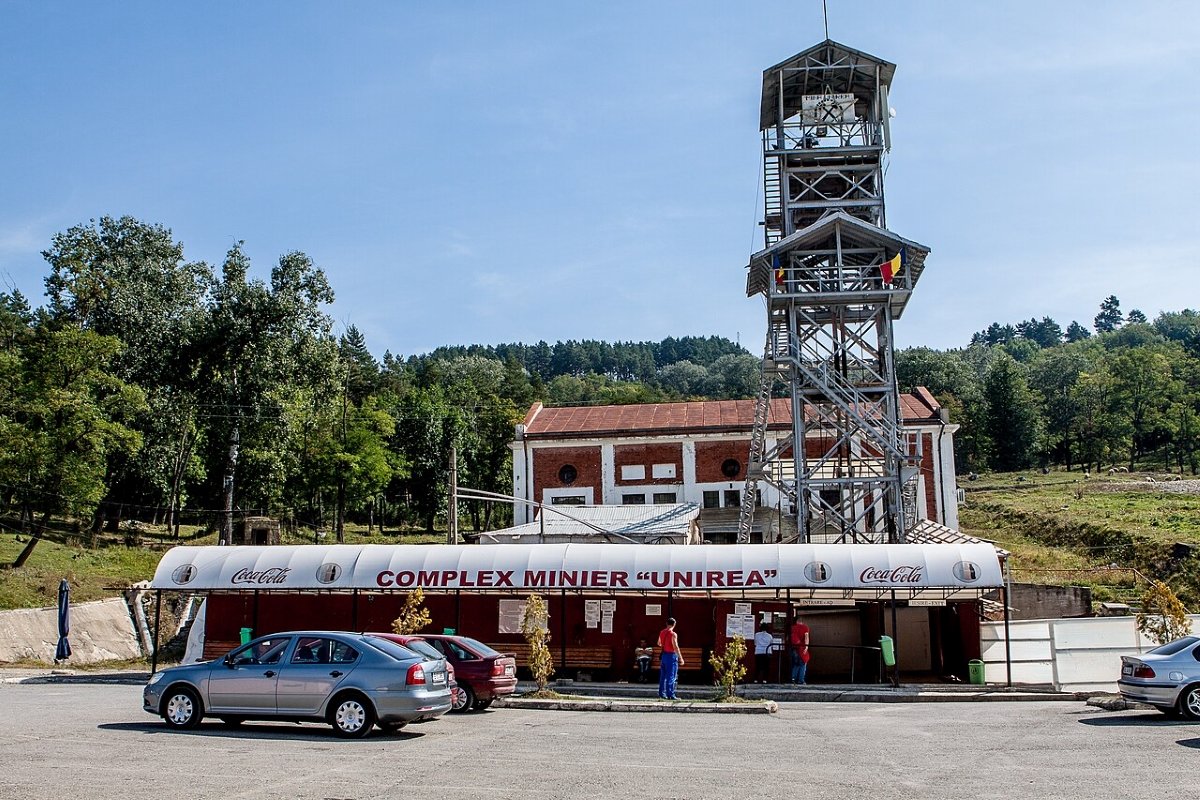
Though mining stopped in the 1970s, the mine has transformed into a scientific and tourist attraction. The Unirea Mine—the main attraction today—is the result of excavating roughly 2.9 million cubic meters of salt. That’s enough salt to season every french fry in Europe for… well, a really long time.
What Makes This Place Special
The Health Benefits Are Real
Let’s talk about the air down here. The underground air is rich in salt particles, known for improving respiratory conditions such as asthma and allergies. The unique microclimate features constant 12°C temperature, around 50-60% humidity, and is packed with sodium ions that have therapeutic effects on breathing issues.
Many visitors come specifically for the natural treatment—this isn’t just tourism marketing hype. The mine is used as a sanatorium for people seeking relief from respiratory ailments, and you’ll genuinely feel the difference in air quality the moment you step inside.
The Mind-Blowing Scale
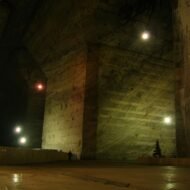
The mine consists of 14 trapezoidal rooms totaling about 80,000 square meters, with chambers that are 54 meters high, 32 meters wide at the bottom, and 10 meters at the ceiling. The depth reaches 208 meters below ground.
To put this in perspective: imagine standing in a space the size of 11 football fields, completely underground, with walls that shimmer in shades of white, gray, and blue salt crystals. It’s genuinely jaw-dropping.
The Unexpected Attractions
4K Planetarium: The mine features Romania’s largest and most modern planetarium, offering projections about topics like black holes, star formation, and the solar system. Watching a space documentary 200+ meters underground hits different.
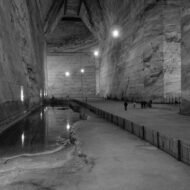
Sports & Recreation: You’ll find soccer fields, volleyball courts, basketball hoops, tennis areas, mini-golf, trampolines, and playgrounds. Yes, really. Kids (and let’s be honest, adults too) can burn off energy while breathing in therapeutic salt air.
Genesis Hall: This spectacular room houses busts of Trajan, Decebal, and Burebista made of salt, plus sculptures representing the Daco-Roman period, a bas-relief of Mihai Viteazul, and a bust of poet Mihai Eminescu.
Salt Museum: Check out vintage mining equipment, learn about the extraction process, and explore exhibitions showing how salt mining shaped Romania’s economy and culture.
Café & Gift Shop: Grab a coffee, snack, or purchase salt-based products (lamp, anyone?) before heading back to the surface.
Getting There: Your Options
From Bucharest (Most Common Route)
By Car: The easiest option if you’re renting. Take DN1 to Ploiești, then follow signs to Slănic. Journey time: about 1.5-2 hours depending on traffic. Parking costs a few RON and is just a short walk from the ticket office.
By Organized Tour: Day trips from Bucharest typically last 7-8 hours and include transportation, entrance fees, and English-speaking guides. Prices range from $45-55 USD per person. Tours usually leave around 8:30 AM and return by late afternoon, giving you plenty of time to explore the mine.
By Train: Take a train from Bucharest Nord to Ploiești Sud, then transfer to a local train to Slănic. The journey takes 2-2.5 hours total. This option is budget-friendly but requires a transfer.
By Bus: Local buses run from Bucharest to Slănic, though schedules can be less frequent. Check current routes at the bus station.
The Descent Into the Mine
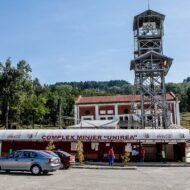
Once you’ve purchased your ticket, you’ll board a minibus that winds down through a tunnel to the actual mine entrance. The ride to 200 meters below ground is an adventure itself, taking about 3 minutes of spiraling down into the earth. The descent alone is worth the price of admission.
What to Expect Inside
Temperature: Bring layers! It’s a constant 12°C (54°F) year-round, which feels refreshingly cool in summer but chilly if you’re not prepared. A light jacket or hoodie is essential.
Layout: The mine operates on a single entry/exit system. You’ll walk around the enormous central pillar that supports the structure, with various chambers and attractions branching off along the circuit.
Time: Plan for 2-3 hours underground. You could technically see everything in 1.5 hours, but why rush? The peaceful atmosphere begs you to slow down and soak it in.
Accessibility: The mine involves walking on uneven surfaces and some stairs. It’s generally manageable for most fitness levels, but those with significant mobility challenges should inquire about specific accessibility options.
Photography: Absolutely allowed (just no flash or tripods to preserve the formations). The lighting and salt walls create stunning, otherworldly photos.
Pro Tips for Your Visit
Timing Matters: Visit on weekdays if possible to avoid weekend crowds. The mine is typically open Wednesday to Sunday, with slightly different hours—check current schedules before planning your trip.
Cash is King: Bring cash for activities like mini-golf, trampolines, and purchases at the café or gift shop. Not all vendors accept cards underground.
Layer Up: Seriously, that jacket recommendation isn’t optional. Even in sweltering Romanian summers, 12°C feels cold after 20 minutes.
Plan Your Exit: Remember that minibuses returning to the surface run every 5-7 minutes, but queues can form. Factor in 15-30 minutes for the exit process, especially during busy periods.
Combine Your Trip: Many visitors pair the salt mine with nearby attractions like Peleș Castle, Dealu Mare wineries, or the Muddy Volcanoes for a full day of exploration.
Bring Snacks: While there’s a café underground, having your own water and light snacks ensures you’re comfortable during your visit.
Practical Information
Opening Hours: Generally 9:00 AM – 3:45 PM (last entry), though hours vary by day and season. Always verify current hours online before visiting.
Entrance Fees:
- Weekdays: Around 25 RON (~$6 USD)
- Weekends: Around 30 RON (~$7 USD)
- Discounts available for children, students, and seniors
- Prices subject to change
What’s Included: Your ticket covers the minibus descent, access to all chambers and exhibitions, and the history museum. Additional activities (VR experience, planetarium shows, mini-golf, etc.) may cost extra.
Tour Duration: Most organized tours allocate about 2 hours of free time in the mine, though independent visitors can stay longer if desired.
Languages: Informational panels are in Romanian and English. Organized tours typically offer English-speaking guides.
Who Should Visit?
Families: Kids love the playgrounds, trampolines, and the sheer novelty of being in a massive underground space. The educational aspects bonus.
Wellness Seekers: If you have respiratory issues or just want to experience therapeutic salt air, this is genuinely beneficial.
History & Culture Enthusiasts: The mining history, Romanian sculptures, and museum exhibitions provide rich cultural context.
Photographers: The unique lighting, salt formations, and scale create incredible photo opportunities you won’t find anywhere else.
Adventure Travelers: Descending 208 meters into the earth to explore cathedral-sized chambers? That’s adventure gold.
Anyone Visiting Bucharest: With Slănic just 90 minutes away, it’s one of the most worthwhile day trips from Romania’s capital.
Nearby Attractions to Consider
Peleș Castle: One of Europe’s most beautiful castles, located in Sinaia, roughly 30 minutes away. Can easily combine with your salt mine visit.
Dealu Mare Wine Region: About an hour from Slănic, this area offers excellent wine tasting opportunities at local vineyards.
Salt Mountain & Bride’s Cave: Near the mine you’ll find Muntele de Sare (unique in the world), Grota Miresei (formed in 1914 after a salt mine collapse), and several saltwater lakes.
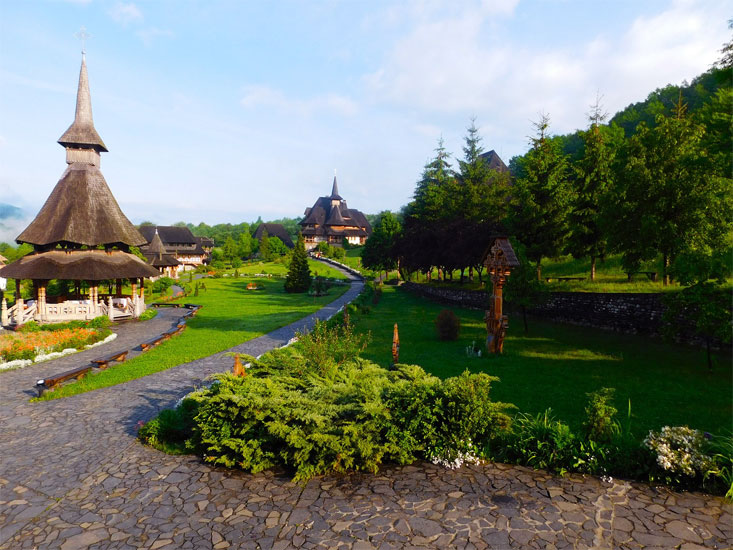
Crașna Monastery: A peaceful spiritual site located in the area, offering insight into Romanian Orthodox traditions.
The Bottom Line
Slănic Salt Mine isn’t just a tourist attraction—it’s a legitimate experience that combines natural wonder, health benefits, history, and unexpected fun in one massive underground package. Whether you’re seeking therapeutic air, stunning photography opportunities, or just something completely different from the usual European tourism circuit, this place delivers.
The cool (literally) thing about Slănic is how it manages to be both impressive and accessible. You don’t need to be an extreme adventurer or a history PhD to appreciate it. It simply welcomes you into this surreal underground world and lets you explore at your own pace.
So grab that jacket, charge your camera, and prepare to be genuinely amazed. This is one of those rare places that somehow manages to exceed the hype—and that’s saying something for what’s essentially a big hole in the ground filled with salt.
Planning your Romanian adventure? Slănic Salt Mine pairs beautifully with Bucharest, Brașov, and Transylvania’s other highlights. Don’t skip this underground gem—your lungs (and your Instagram) will thank you.