







































4. Chania, Crete, Greece – The Island That Doesn’t Close
Average January Temperature: 14°C (57°F)
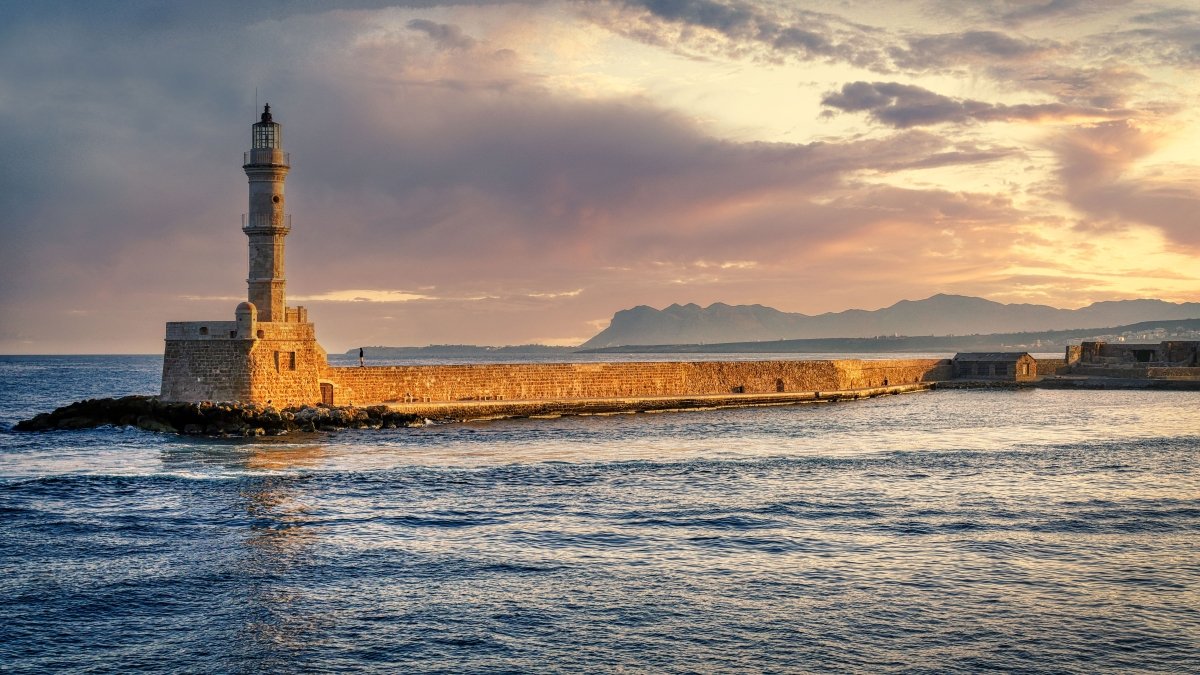
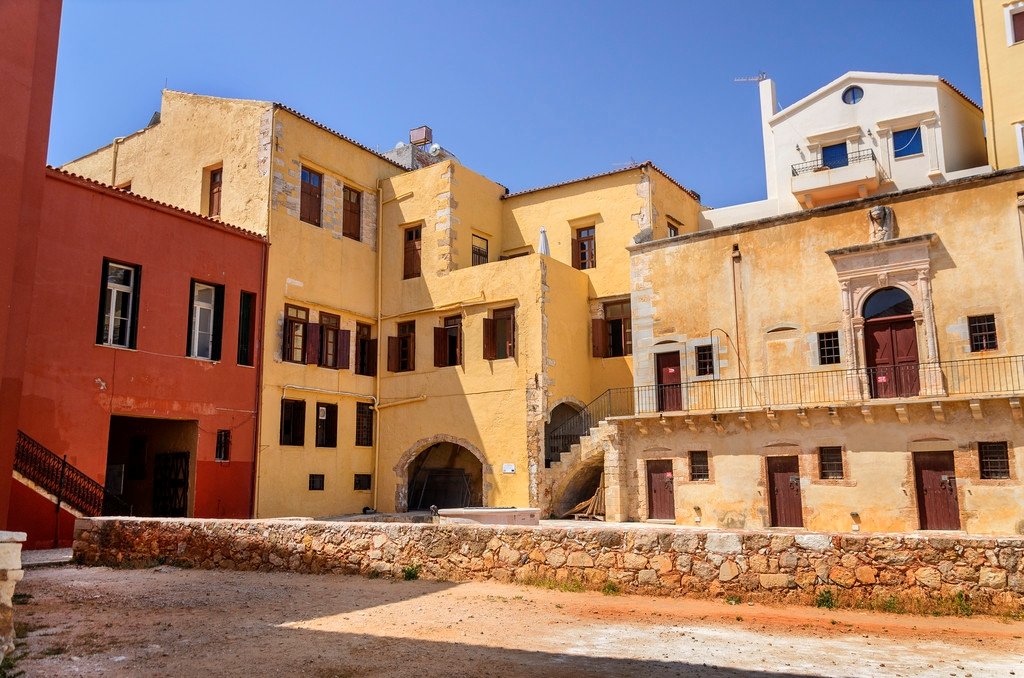
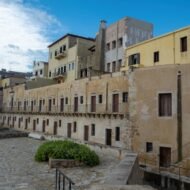
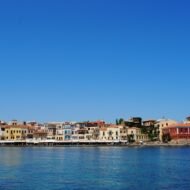
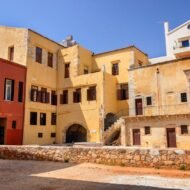
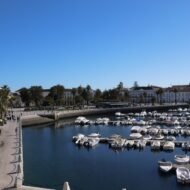
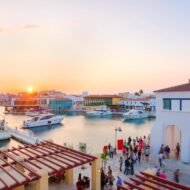
Crete in winter is for people who hate crowds and love authenticity. Chania, the island’s most beautiful town, stays lively when other Greek islands shut down completely. The Venetian harbor alone is worth the flight.
Winter Weather Decoded Cool but not cold. Expect 13-16°C days, dropping to 8-10°C at night. You’ll get rain—January is one of the wetter months—but it comes in bursts, not all-day affairs. Mountains get snow, coast stays clear. The mix of sun and storms creates dramatic light that photographers obsess over.
What Keeps People Busy
- Wandering Chania Old Town’s Venetian harbor (stupidly photogenic)
- Samaria Gorge hiking (check if open—weather dependent)
- Balos Lagoon and Elafonissi Beach (better in winter—no crowds)
- Botanical Park and Gardens of Crete
- Rethymno Old Town day trip
- Cretan cooking classes
- Archaeological Museum and ancient Aptera
Accommodation Spectrum Tons of converted Venetian townhouses as boutique hotels (€50-90), budget rooms in the old town (€30-50), or splurge on a seaside resort (€80-150). Many places close December-February, so book ahead.
Shopping Adventures Leather goods (Crete is famous for boots and bags), olive oil—like, THE olive oil, raki (local firewater), Cretan herbs, and honey. Municipal Market is the spot for local products.
Winter Traditions Cretans keep festivals going year-round. Epiphany (January 6) includes the “blessing of the waters” where priests throw crosses into the sea. Live Cretan music (lyra and laouto) happens in tavernas—spontaneous and real.
Budget Expectations
- Greek coffee: €1.50-2.50
- Taverna meal: €10-15
- Wine/beer: €3-4
- Local bus: €1.70 Daily budget: €50-75
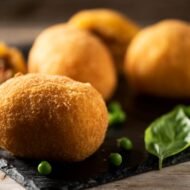
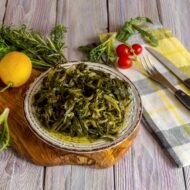
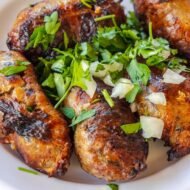
Food You’ll Dream About Later Dakos (barley rusk with tomato and cheese), kalitsounia (cheese or herb pies), lamb with stamnagathi (wild greens), snails in tomato sauce (trust it), fresh seafood, and raki with every meal whether you asked for it or not. Cretan diet is genuinely different from mainland Greece.
Cultural Identity Cretans see themselves as Cretan first, Greek second. Proud, independent, insanely hospitable. The island has its own music, dialect, and culinary traditions. Expect to be fed by strangers.
Event Calendar
- Epiphany celebrations (January 6)
- Carnival season (February-March) with traditional costumes
- Local saint day festivals in various villages
Getting In Chania International Airport (CHQ) – 14km from town, 20 minutes Heraklion Airport (HER) – 2 hours away, larger hub with more connections
Travel Hacks: Off-season ferry tickets to mainland Greece are cheap. Rent a car—buses exist but are limited in winter. Pack for rain and wind. Learn a few Greek phrases; effort is appreciated.
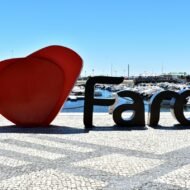
5. Faro, Portugal – The Algarve’s Authentic Side
Average January Temperature: 15°C (59°F)
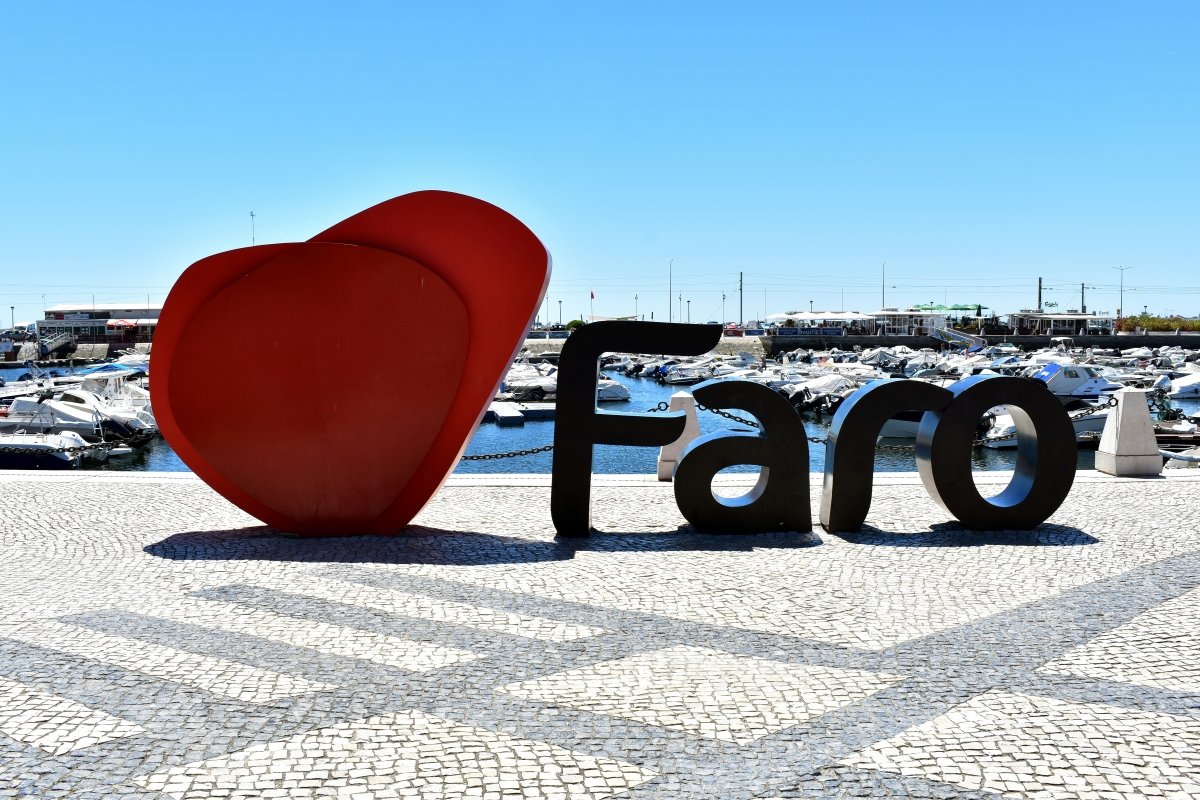
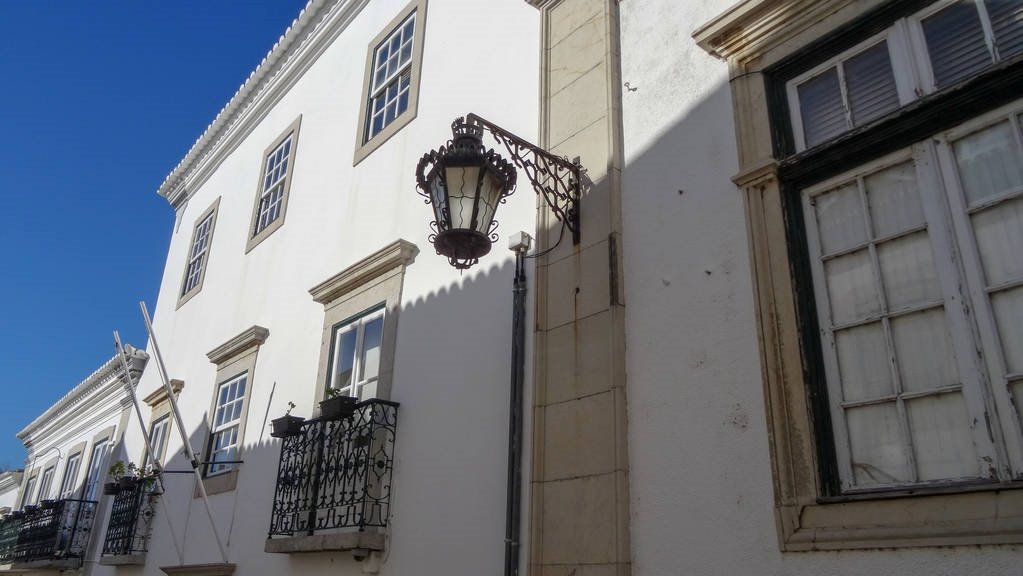
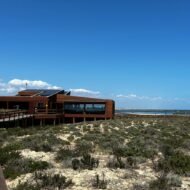
While tourists flock to Lagos and Albufeira, Faro keeps it real. This is the Algarve’s capital—a working city with actual Portuguese people, not just expat bars and golf courses. Plus, Ria Formosa Natural Park is RIGHT THERE.
Winter Conditions Mild, breezy, occasionally rainy. January sees about 8 rainy days, but when the sun’s out, it’s glorious. Atlantic water is cold (15-16°C)—locals think you’re insane for swimming. Mornings are cool (10°C), afternoons warm up nicely (16-18°C). Perfect for walking, terrible for sunbathing.
Stuff That’s Actually Worth Your Time
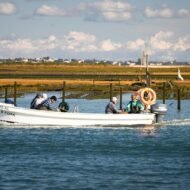
- Ria Formosa boat tours—barrier islands, flamingos, unspoiled beaches
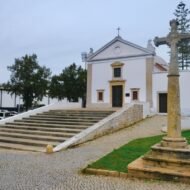
- Faro Old Town (Cidade Velha)—medieval walls, cathedral, stork nests
- Praia de Faro beach walk (long, wild, empty in winter)
- Day trips to Tavira or Olhão
- Birdwatching (winter brings migratory species)
- Surfing on western Algarve beaches
- Maritime Museum and Bone Chapel (made of monks’ skulls—cheerful!)
Place to Sleep Budget: Hostels and pensions in center (€20-40). Mid: 3-star hotels or guesthouses (€45-75). Upscale: Boutique hotels in old town or beach resorts with massive winter discounts (€80-130).
Shopping Scene Forum Algarve mall for basics, but hit the municipal market for fresh fish, produce, and local crafts. Loulé market (20 min away) on Saturdays is THE place for regional products.
Portuguese Winter Life January 1 is big (New Year’s Day beach plunges happen). Portuguese keep social life indoors more in winter—cafes and restaurants stay packed. Coffee culture is intense; people nurse espressos for hours.
Cost Breakdown
- Bica (espresso): €0.70-1.20
- Prato do dia (daily special): €7-12
- Beer/wine: €1.50-3
- Bus ticket: €1.60 Daily budget: €45-70 (Portugal’s still affordable!)
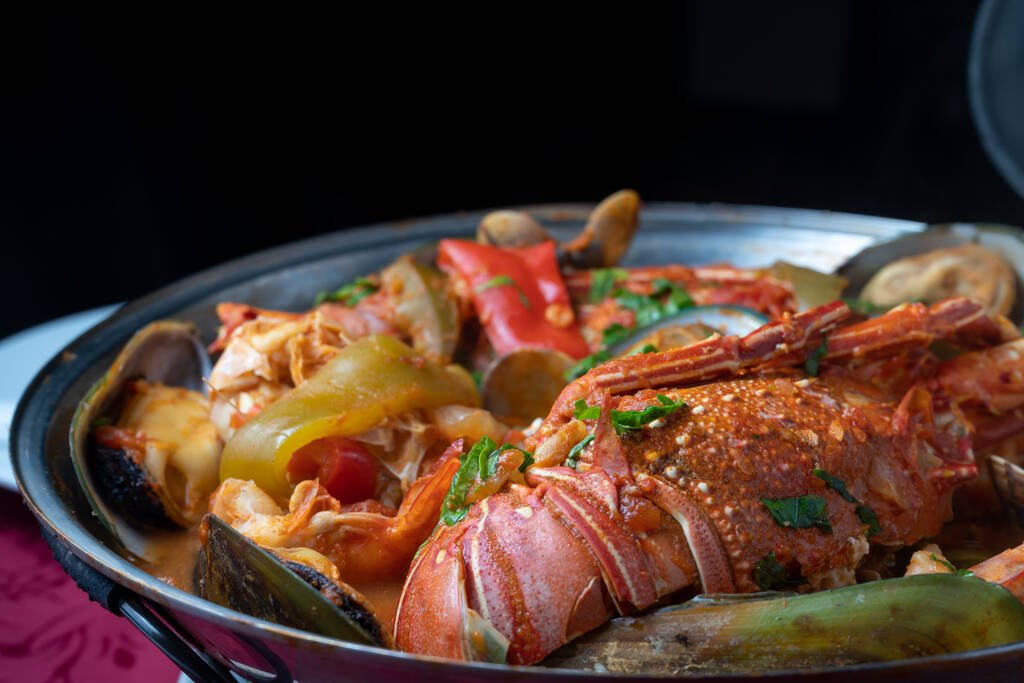
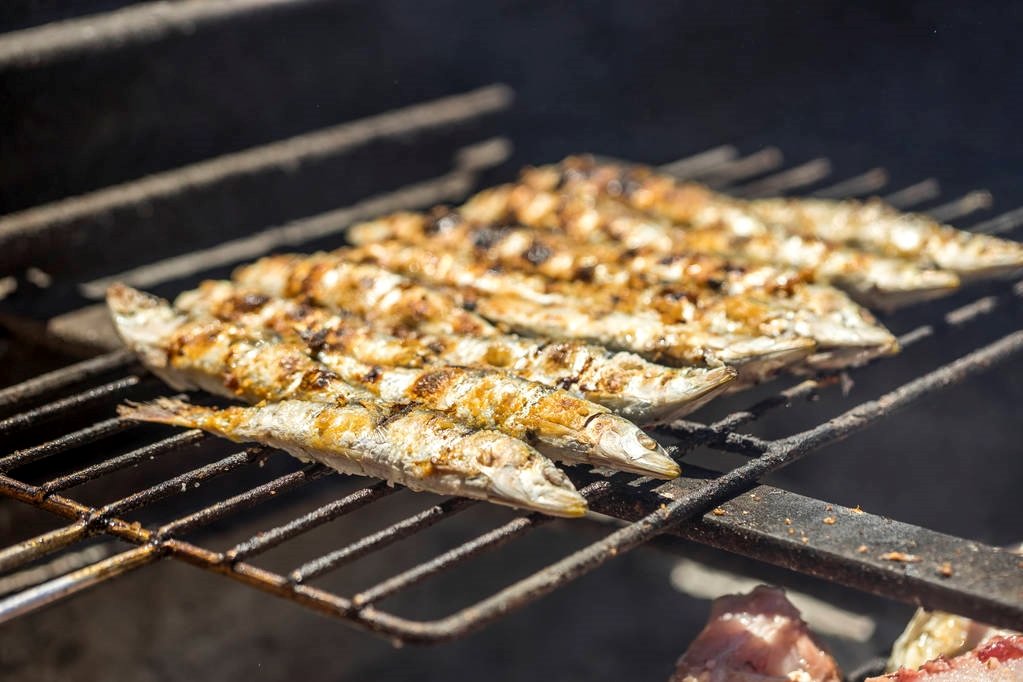
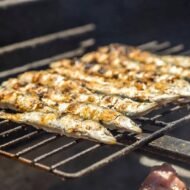
Food Highlights Cataplana (seafood stew), grilled sardines, percebes (barnacles—ugly, delicious), pastel de nata everywhere, octopus salad, and fresh oysters from Ria Formosa. Portuguese wine is criminally underrated and cheap.
Cultural Notes Faro feels more authentically Portuguese than touristy Algarve towns. Slower pace, locals outnumber visitors in winter, everyone’s friendly without being pushy. Fado music shows up in restaurants. Melancholic and beautiful.
Events in Season
- New Year celebrations
- Carnival (February/March)
- Almond blossom season in the hills
- Local football matches (Portuguese are SERIOUS about soccer)
Flying In Faro Airport (FAO) – literally 7km from city center, 10-minute drive Well-connected to UK, other European cities
Pro Tips: English is widely spoken (British expats everywhere). Rent a car to explore the Algarve properly—western beaches, mountain villages, etc. Tap water is safe. Learn “obrigado/a”—Portuguese appreciate the effort.
Quick Recap: Your European Winter Sun Cheatsheet
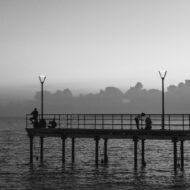
Warmest: Limassol, Cyprus (17°C average) Driest: Almería, Spain (desert climate = reliable sun) Best food scene: Southern Sicily (Italian excellence) Most beaches: Algarve, Portugal (Atlantic + lagoon options) Best value: Almería and Faro (budget-friendly even in accommodation) Most dramatic scenery: Cabo de Gata, Spain or Crete, Greece
All five destinations offer genuine winter warmth without long-haul flights or tropical prices. You’re looking at 15-20°C daytime temperatures, way fewer crowds, lower prices, and authentic local experiences instead of tourist circus shows.
Disclaimer
Weather is unpredictable—these temperatures are averages, not guarantees. Always check current forecasts before booking. Prices mentioned reflect 2025 estimates and fluctuate with exchange rates, seasons, and how badly airlines want your money. Individual experiences vary. Some attractions may have reduced winter hours or close entirely—call ahead. Travel insurance exists for good reasons; get it. We’re not responsible if you book a trip based on this and it rains every day (but seriously, it probably won’t).
Last thing: These destinations aren’t identical to summer Mediterranean vacations. You’re trading guaranteed beach weather for cultural immersion, space to breathe, and actual interaction with locals. If you need 25°C and full beach club operations, wait until May. If you want sunshine, authenticity, and zero crowds? Book now.