















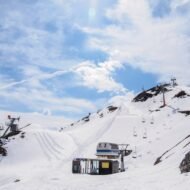


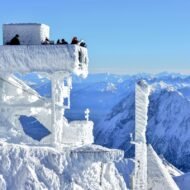
TL;DR: Zero Hiking, All the Views: 5 Epic European Summits , Skip the exhausting climbs and ride your way to Europe’s most spectacular winter panoramas. These five high-altitude installations combine breathtaking alpine views with easy accessibility—perfect for travelers of all fitness levels who want those Instagram-worthy moments without the altitude sickness.
- 1. Aiguille du Midi, Chamonix-Mont-Blanc, France ⭐ 4.7/5
- 2. Jungfraujoch – Top of Europe, Switzerland ⭐ 4.6/5
- 3. Gornergrat, Zermatt, Switzerland ⭐ 4.6/5
- 4. Zugspitze, Garmisch-Partenkirchen, Germany ⭐ 4.5/5
- 5. Nordkette, Innsbruck, Austria ⭐ 4.4/5
- Planning Your High-Altitude Winter Adventure
- When to Visit
- What to Pack
- Altitude Considerations
- Money-Saving Tips
- Accessibility Notes
- Quick Comparison: Winter 2026 Guide
- Final Thoughts
Winter in the European Alps isn’t just for hardcore mountaineers anymore. Thanks to some seriously impressive engineering, you can sip hot chocolate at 12,000 feet while gazing at glaciers that took millennia to form. We’re talking about viewpoints so stunning they’ll make your phone’s camera roll look like a National Geographic submission folder.
Whether you’re planning a romantic getaway, a family adventure, or just want to check “standing on top of Europe” off your bucket list, these five destinations deliver epic alpine experiences accessible to everyone. Let’s rank them by what real travelers actually think.
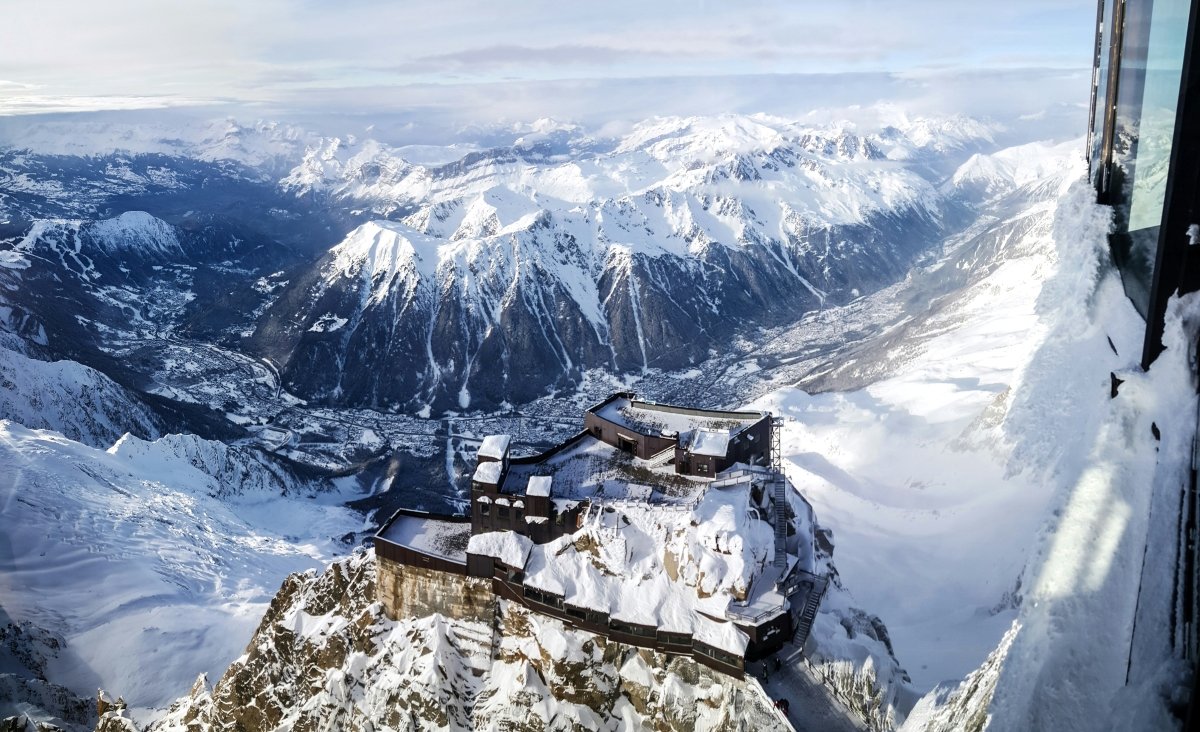
1. Aiguille du Midi, Chamonix-Mont-Blanc, France ⭐ 4.7/5
Why It Tops the List
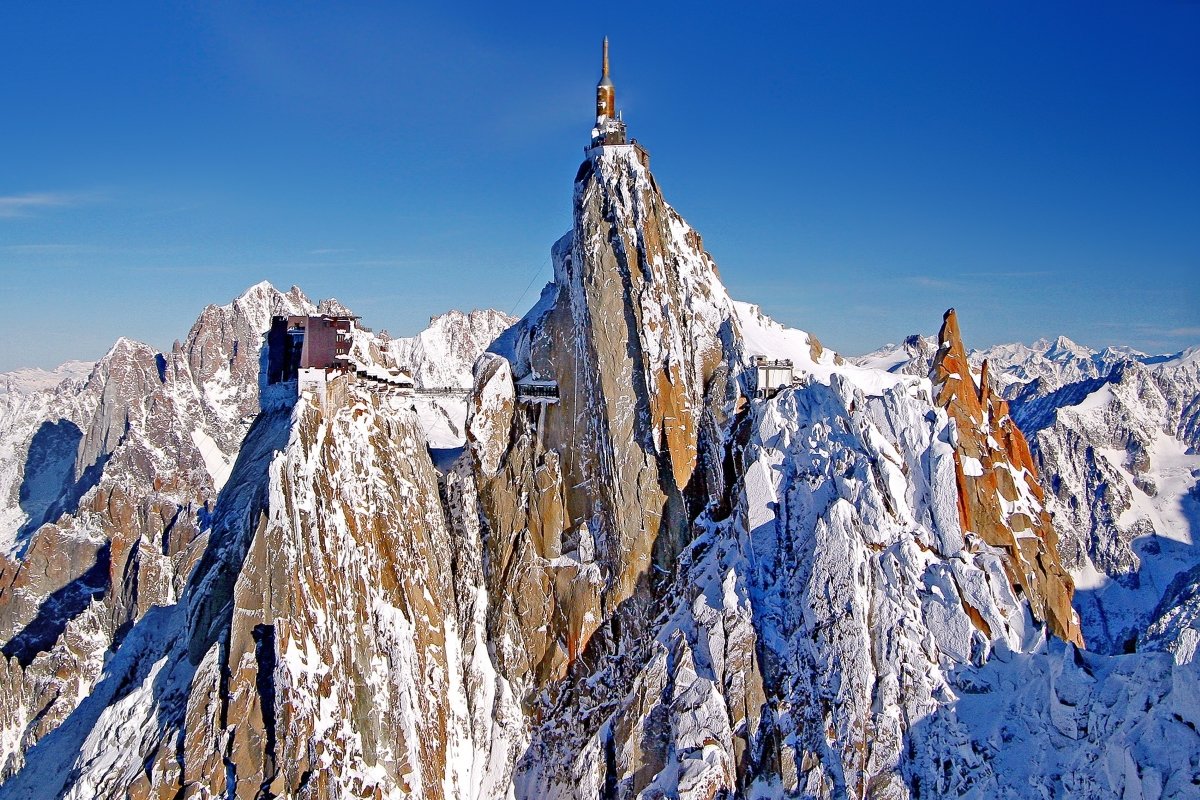
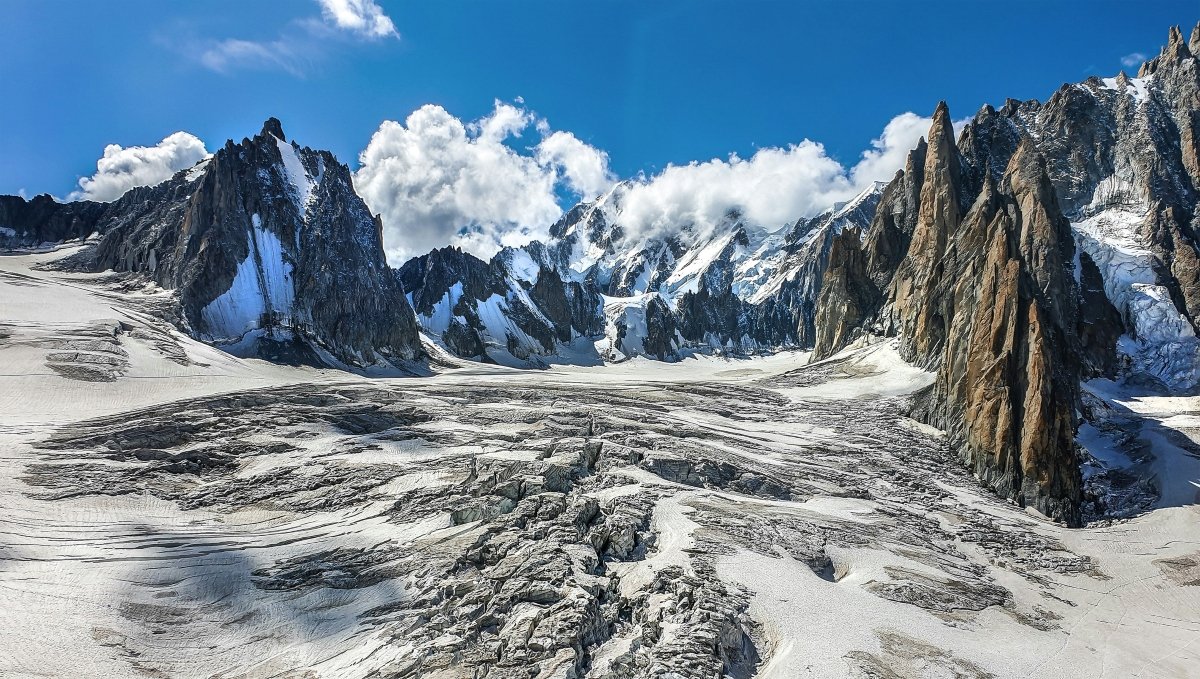
The Aiguille du Midi isn’t just a viewpoint—it’s a full-blown adrenaline rush at 12,605 feet. The cable car journey from Chamonix is almost as thrilling as the destination itself, climbing nearly 9,200 vertical feet in just 20 minutes. You’ll literally feel your ears pop as you ascend.
What Makes It Special:
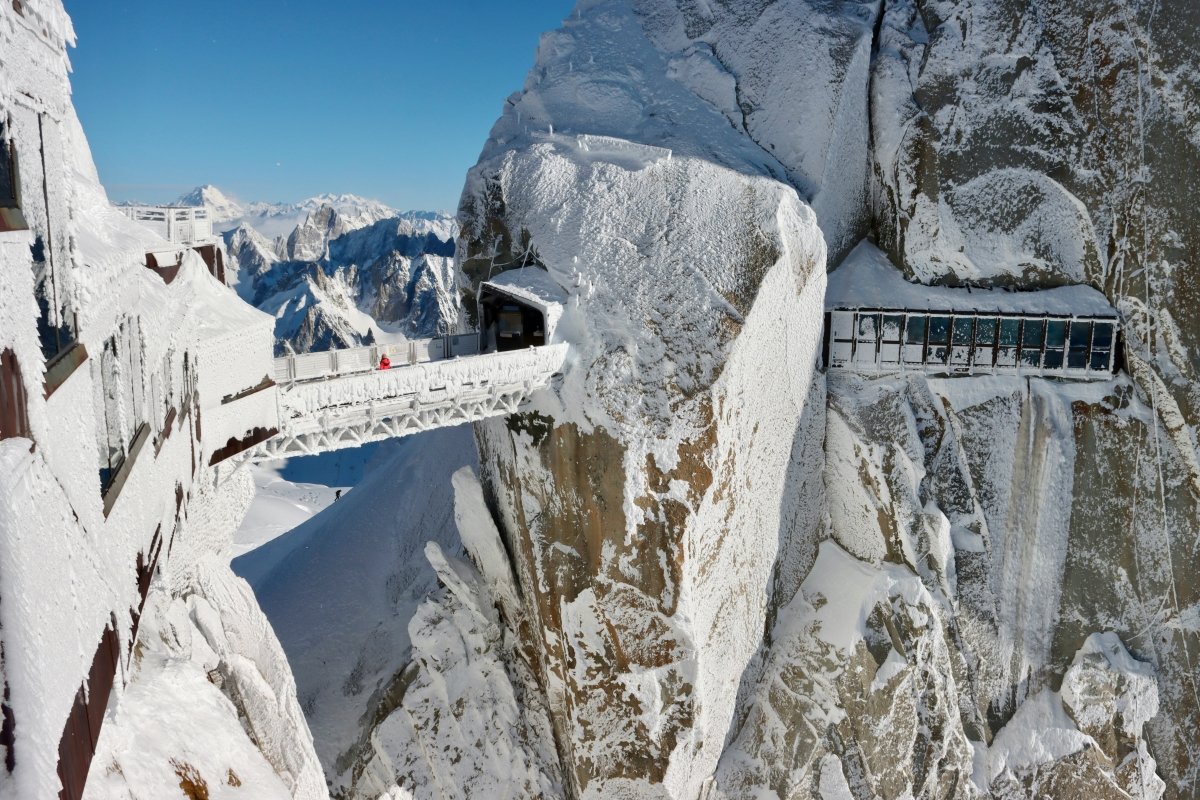
- Step Into the Void: A glass box suspended over a 3,300-foot drop. Not for the faint of heart, but absolutely unforgettable
- Mont Blanc Views: Europe’s highest peak (15,774 feet) is right there, close enough to feel like you could touch it
- Year-Round Access: Unlike some Alpine destinations, this one runs throughout winter (weather permitting)
- The Panoramic Terrace: 360-degree views spanning France, Switzerland, and Italy
Insider Tips:
- Go early morning (first lift at 8:00 AM in winter) to beat the crowds and catch sunrise over Mont Blanc
- Dress warm—seriously. It’s typically -15°C to -25°C (5°F to -13°F) up there in winter
- Pre-book tickets online, especially during school holidays
- The “Panoramic Mont Blanc” gondola to Pointe Helbronner adds an extra dimension to your journey
Getting There: The Aiguille du Midi cable car departs from central Chamonix. The town is easily accessible by train from Geneva (1.5 hours) or direct buses from Geneva Airport.
Budget Breakdown:
- Cable car ticket: €71 adults, €60 youth (15-17), €36 children (4-14)
- Peak season prices may vary
- Combined tickets with Montenvers-Mer de Glace available
Best For: Thrill-seekers and photography enthusiasts who want the most dramatic alpine experience MORE READ..
2. Jungfraujoch – Top of Europe, Switzerland ⭐ 4.6/5
Europe’s Highest Railway Station
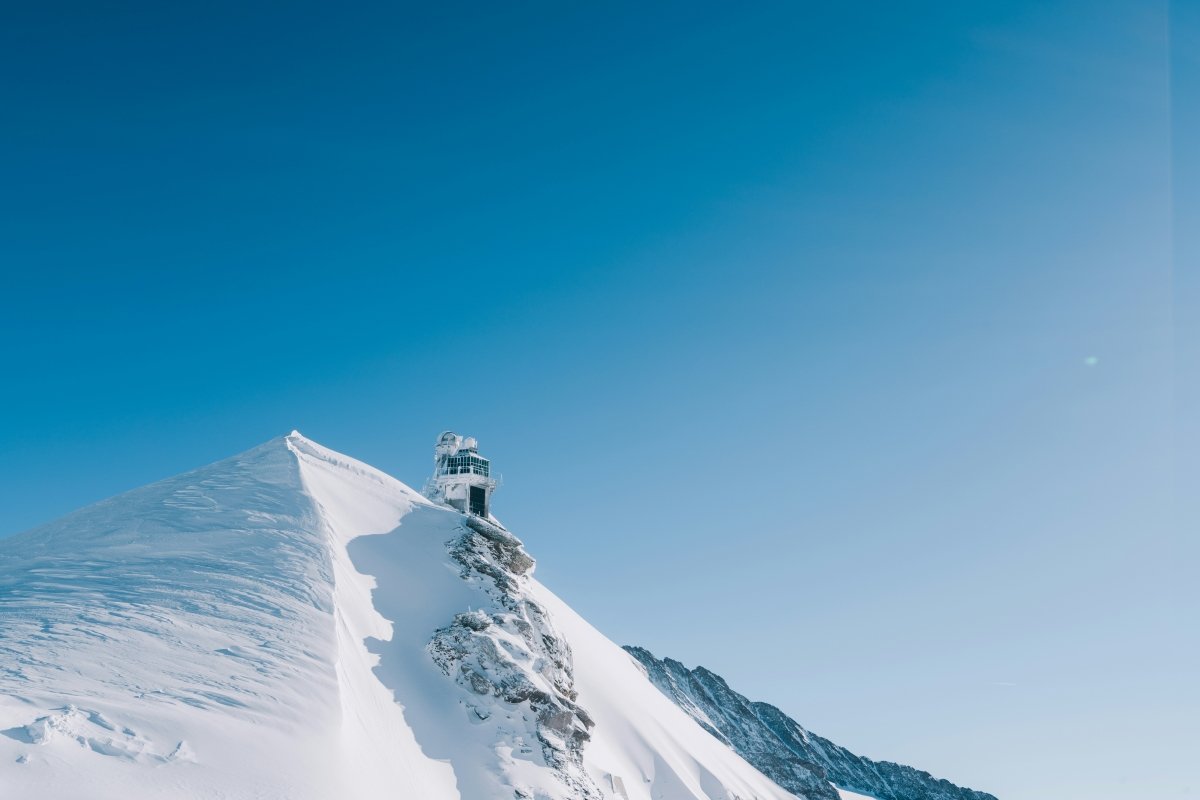
At 11,332 feet, Jungfraujoch has earned its “Top of Europe” nickname. The journey itself is an experience—the cogwheel train climbs through tunnels carved into the Eiger and Mönch mountains over a century ago, a feat of engineering that still impresses today.
What Makes It Special:
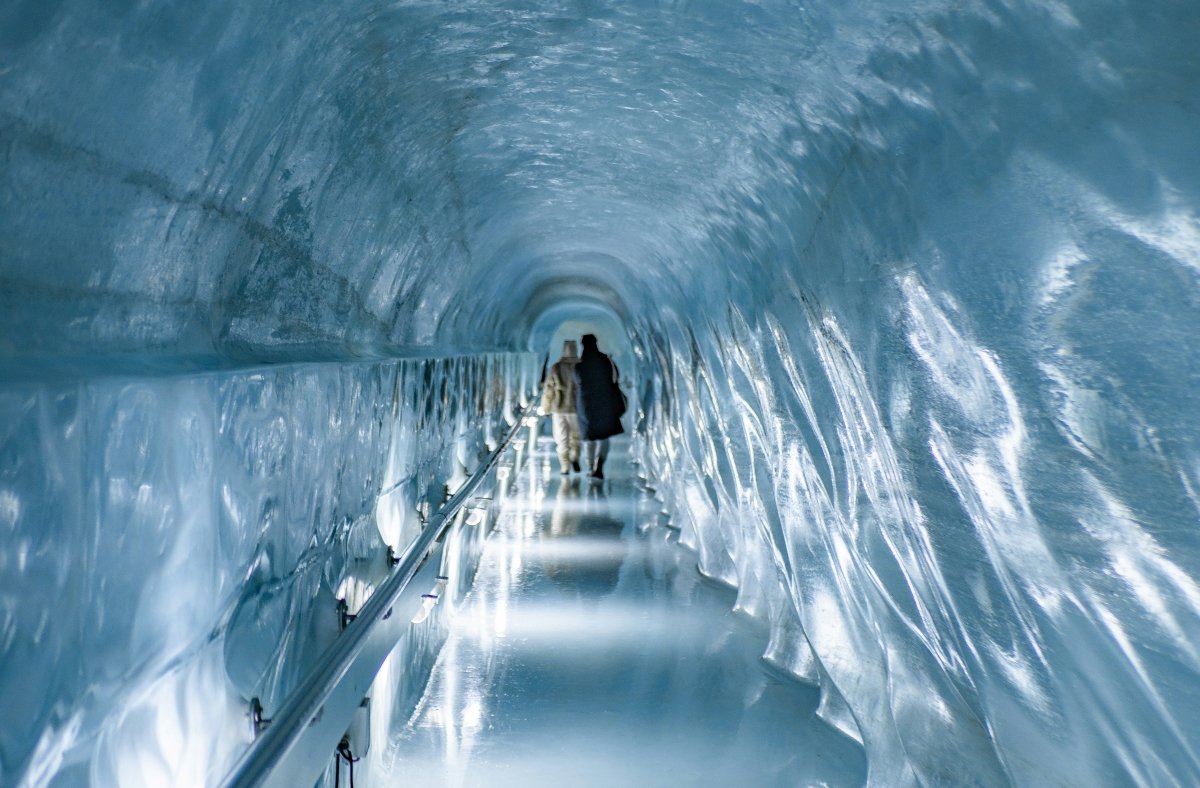
- The Ice Palace: Walk through tunnels carved into the glacier, with ice sculptures that gleam like diamonds
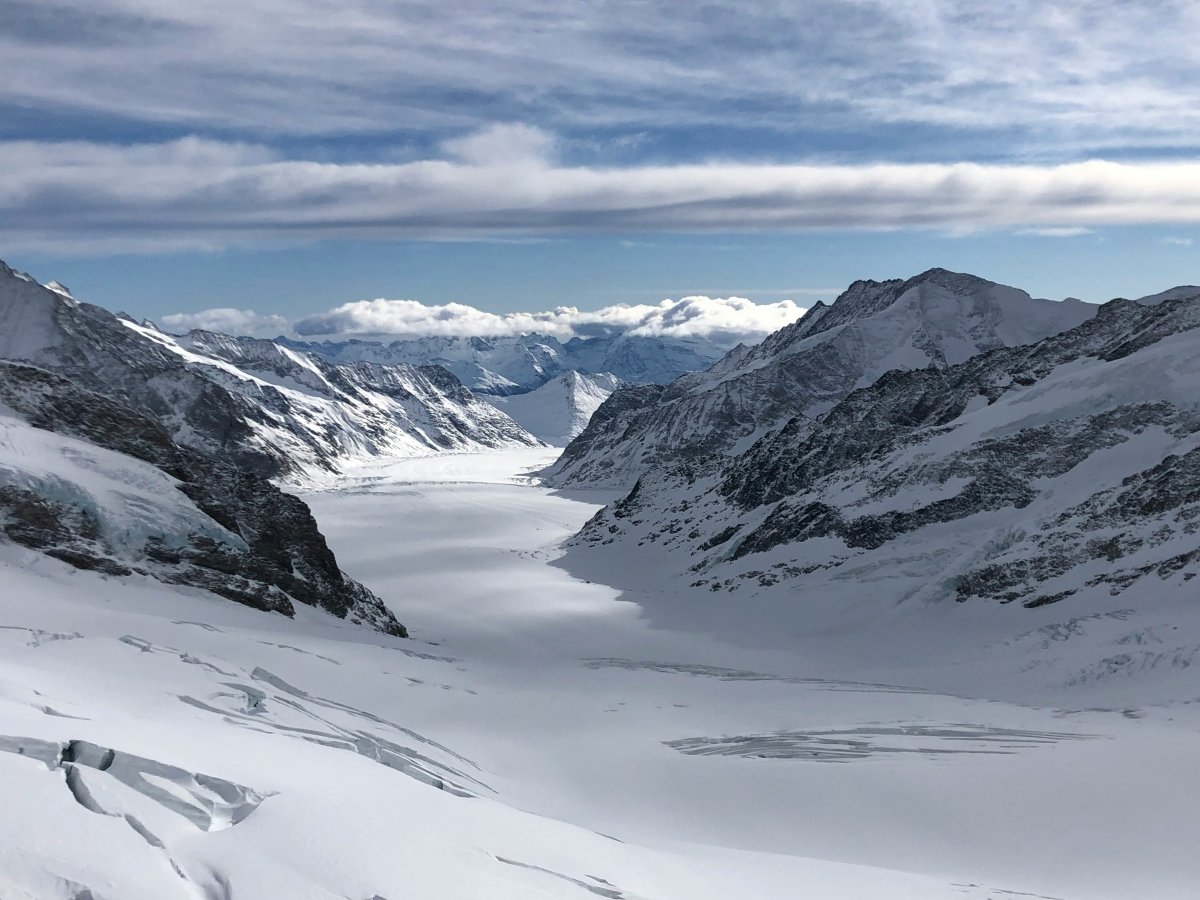
- Sphinx Observatory Terrace: The highest observation deck in Europe offers views of the 14-mile-long Aletsch Glacier (a UNESCO World Heritage site)
- Alpine Sensation Exhibition: Learn about the railway’s fascinating construction history
- Plateau Experience: Actually walk on the glacier surface (supervised areas only)
Insider Tips:
- The “Good Morning Jungfraujoch” ticket (first train up) offers significant discounts and fewer crowds
- Altitude can affect some visitors—ascend slowly, stay hydrated, avoid alcohol the night before
- Restaurants up top are pricey; bring snacks
- The journey takes about 2 hours from Interlaken, so plan accordingly
Getting There: From Interlaken Ost station, take the train to either Lauterbrunnen or Grindelwald, then transfer to the Jungfrau Railway. The entire route is covered by the Swiss Travel Pass (with surcharge).
Budget Breakdown:
- Round-trip fare from Interlaken: CHF 214 adults (higher in peak season)
- Swiss Travel Pass holders get 25% discount
- “Good Morning” ticket: CHF 175 (must reach top before 8:00 AM and depart by 12:30 PM)
Best For: Families and travelers who want a gentler alpine experience with indoor activities and amenities MORE READ..
3. Gornergrat, Zermatt, Switzerland ⭐ 4.6/5
The Matterhorn’s Best Friend
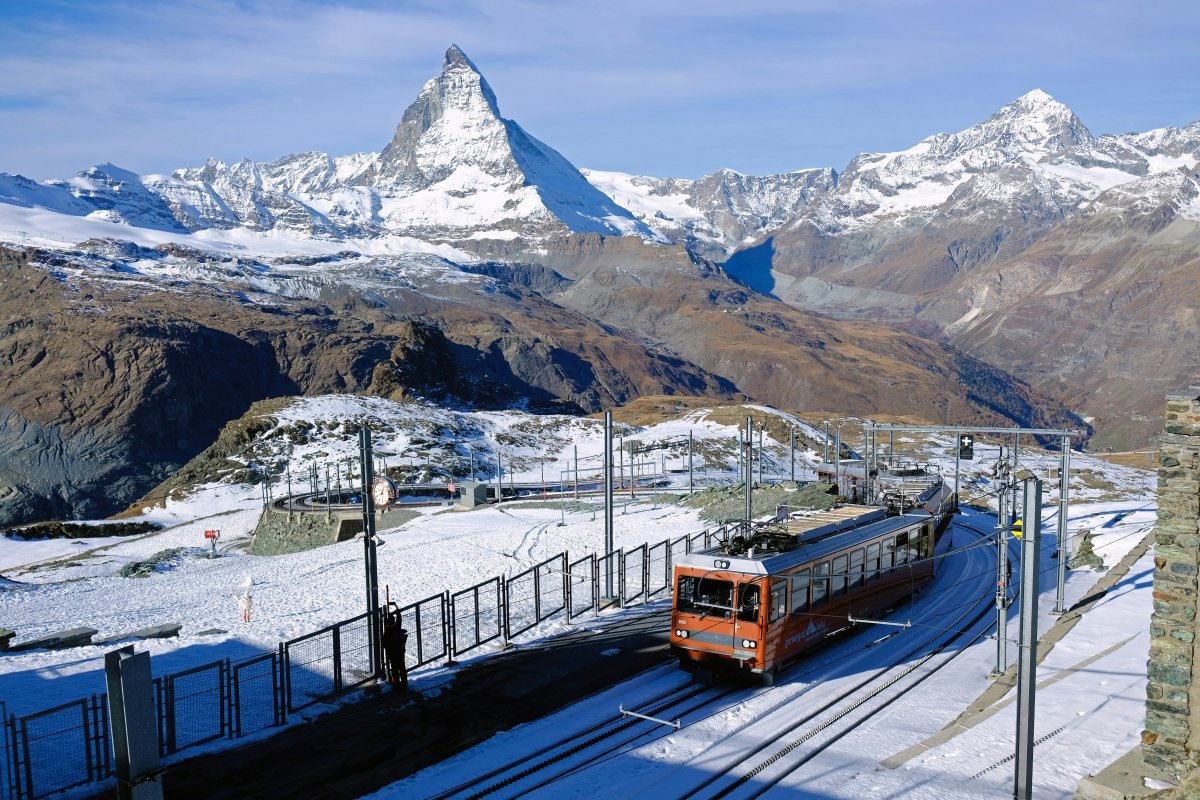
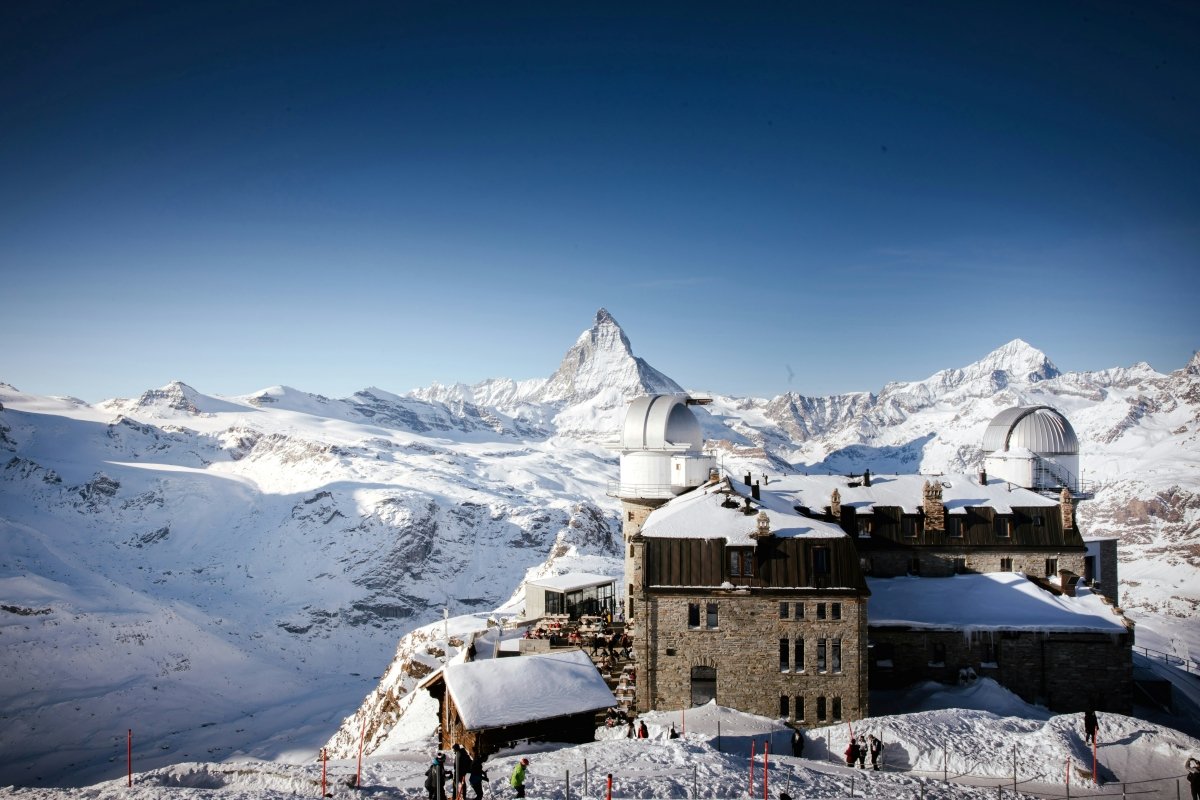
Gornergrat offers what many consider the single best view of the Matterhorn—that iconic pyramidal peak that’s graced a million chocolate boxes. At 10,135 feet, this destination combines accessibility with absolutely world-class scenery.
What Makes It Special:
- Matterhorn Central: Unobstructed views of one of the world’s most photographed mountains
- 29 Peaks Over 13,000 Feet: Including Monte Rosa (Switzerland’s highest at 15,203 feet)
- Europe’s Highest Open-Air Railway: The cogwheel train journey is beautiful in its own right
- Gornergrat Kulm Hotel: You can actually spend the night at this altitude (and catch sunrise over the Matterhorn)
Insider Tips:
- The right side of the train (going up) offers better Matterhorn views
- Stop at Riffelberg or Rotenboden stations on the way down for different perspectives
- Winter hiking trails from the summit are well-maintained and accessible
- Sunset departures are magical but book early—they’re popular
Getting There: The Gornergrat Bahn departs from Zermatt station (the town is car-free—you’ll arrive by train from Visp or Täsch).
Budget Breakdown:
- Round-trip ticket: CHF 110 adults, CHF 55 children
- Swiss Travel Pass holders get 50% discount
- “Sunrise Ticket” packages available with breakfast
Best For: Photography lovers and anyone who wants that perfect Matterhorn shot without the climb
4. Zugspitze, Garmisch-Partenkirchen, Germany ⭐ 4.5/5
Germany’s Rooftop
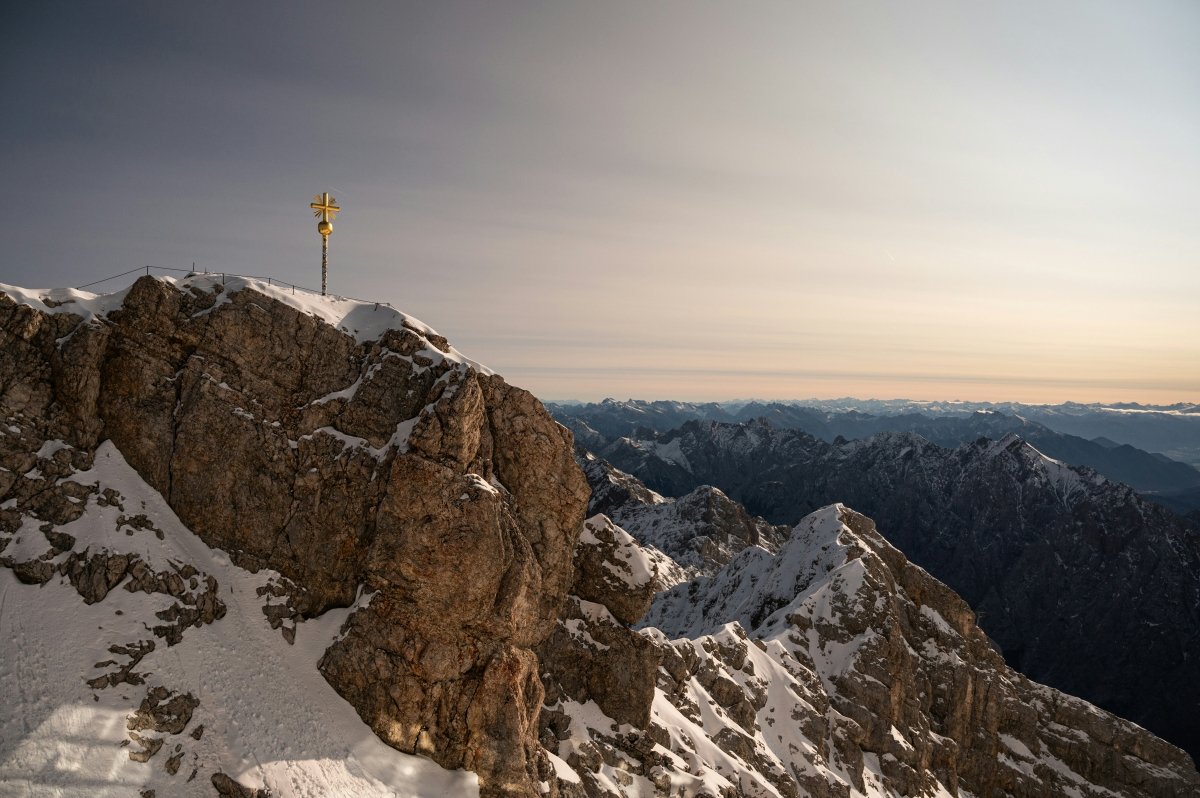
At 9,718 feet, the Zugspitze is Germany’s highest peak and offers something unique: you’re standing on the German-Austrian border with views into three countries. The Bavarian Zugspitzbahn (cogwheel railway) and cable cars provide multiple routes to the summit.
What Makes It Special:
- Three Countries, One View: See Germany, Austria, and Italy from the summit platform
- Glacier Experience: Walk on Germany’s highest glacier (while it lasts—climate change is taking its toll)
- Two Routes Up: Choose the nostalgic cogwheel train or the ultra-modern Zugspitze Cable Car
- Winter Sports Paradise: Ski in the morning, sightsee in the afternoon
Insider Tips:
- The new Zugspitze Cable Car (opened 2017) is the highest in Germany and an engineering marvel itself
- Combination tickets covering both the railway and cable car offer the best value
- The summit can get crowded on sunny weekends—weekdays are calmer
- The Panorama 2962 restaurant serves surprisingly good food (for a summit restaurant)
Getting There: From Munich, take the train to Garmisch-Partenkirchen (1.5 hours). The Zugspitze railway departs from the Zugspitze Bahnhof. Alternatively, take the Eibsee Cable Car from Eibsee station.
Budget Breakdown:
- Round-trip ticket: €71 adults, €40.50 children (all routes included)
- Combined ski pass and summit access available
- Parking at Eibsee: €6 per day
Best For: Travelers who want to combine serious skiing with spectacular views, or those exploring Bavaria MORE READ…
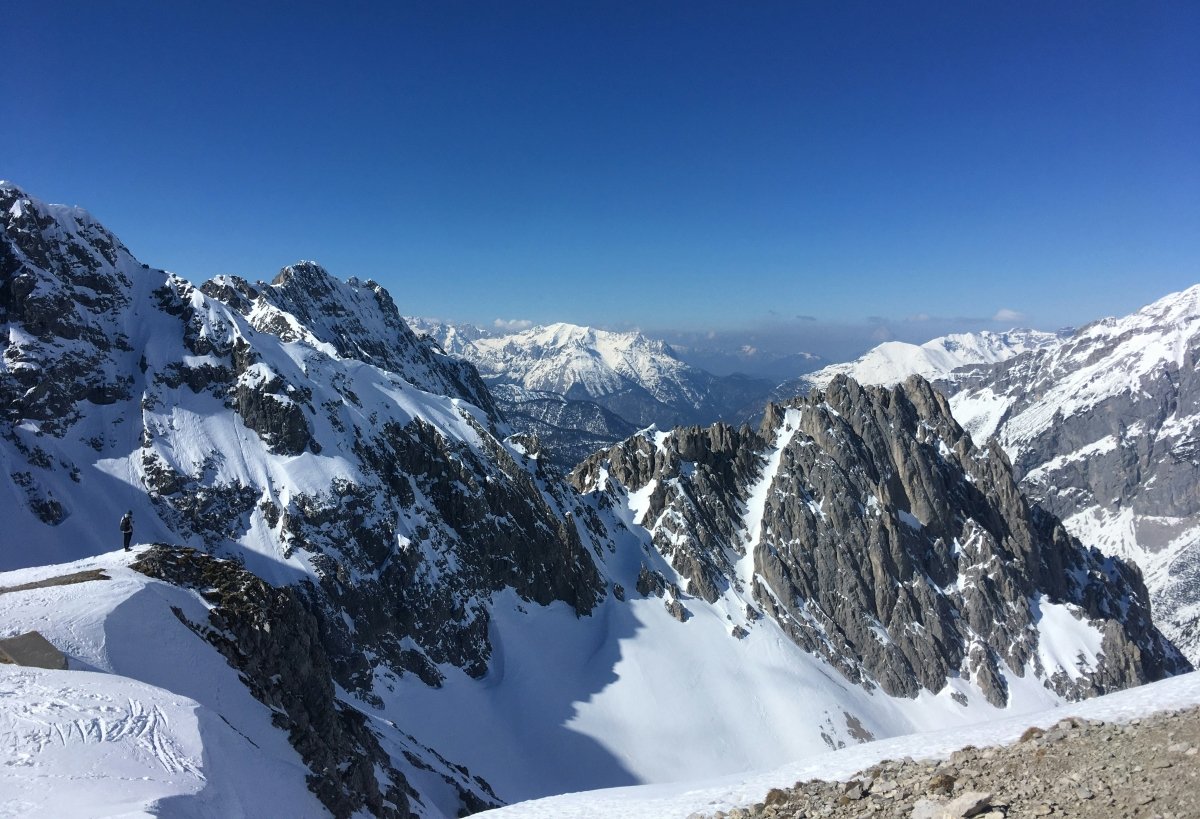
5. Nordkette, Innsbruck, Austria ⭐ 4.4/5
From City Center to Summit in 20 Minutes
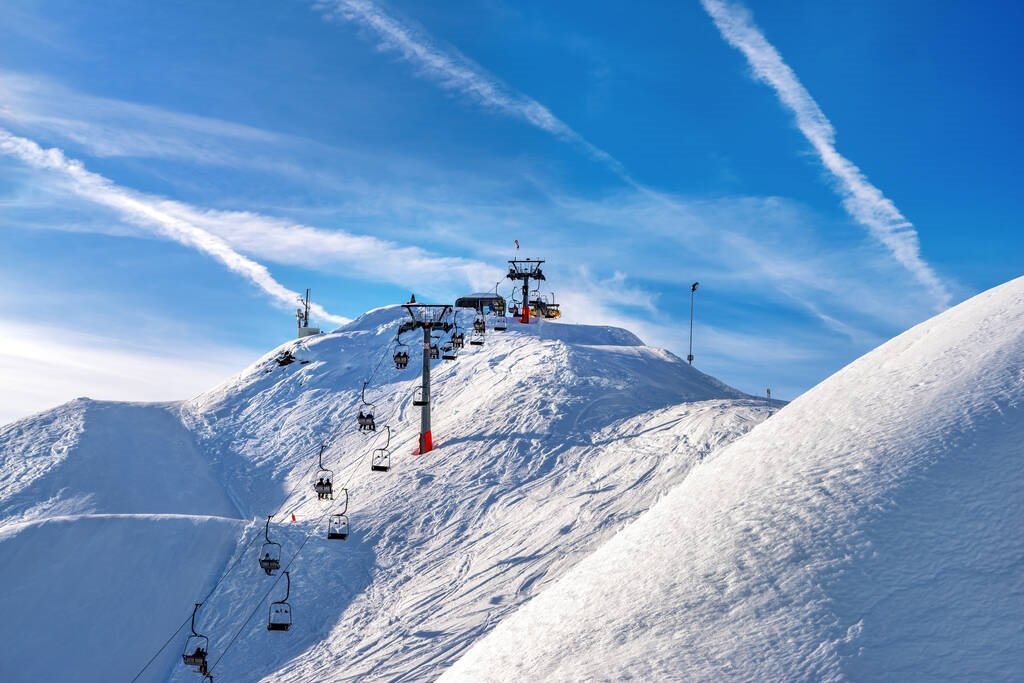
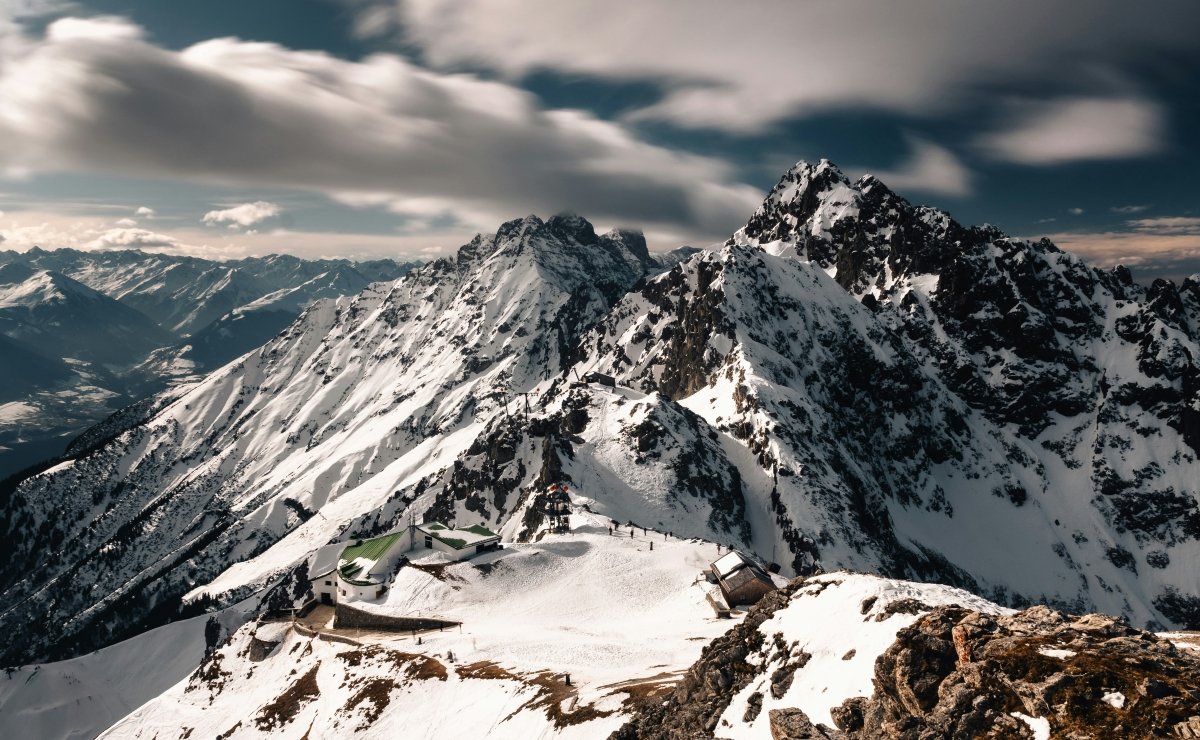
Here’s what makes Nordkette special: you can literally be having coffee in Innsbruck’s Old Town and 20 minutes later be standing at 7,401 feet with panoramic alpine views. The Nordkettenbahn is one of the most accessible mountain experiences in the Alps.
What Makes It Special:
- Fastest City-to-Summit Transit: The funicular and cable cars were designed by famed architect Zaha Hadid
- Innsbruck Views: Look down on the charming Tyrolean capital with the Alps as backdrop
- Excellent Skiing: If you’re into winter sports, this is your playground
- The Cloud 9 Igloo Village: Seasonal installation where you can actually sleep in an igloo (book ahead!)
Insider Tips:
- The Nordkette is included in the Innsbruck Card (alongside other attractions)
- Top of Innsbruck restaurant at Seegrube station offers excellent local cuisine
- The descent on foot from Seegrube is doable for fit hikers (about 2 hours)
- Less crowded than Swiss counterparts but equally impressive views
Getting There: Take the funicular from Congress station (right in Innsbruck’s city center) to Hungerburg, then cable cars to Seegrube and Hafelekar.
Budget Breakdown:
- Round-trip to Hafelekar: €39.50 adults, €19.80 children
- Innsbruck Card (24h): €59 adults (includes Nordkette and other attractions)
- Family tickets available with significant savings
Best For: Urban explorers who want mountain access without leaving the city, and budget-conscious travelers
Planning Your High-Altitude Winter Adventure
When to Visit
Peak Season (December-March):
- Best snow conditions and winter sports opportunities
- Clearest days typically in January-February
- Most expensive accommodation
- Book everything in advance
Shoulder Season (November, April):
- Fewer crowds, lower prices
- Weather can be unpredictable
- Some facilities may have reduced hours
- Excellent photography light
What to Pack
Don’t let the easy access fool you—these are serious alpine environments:
- Layers, layers, layers: Thermal base layer, fleece/wool mid-layer, waterproof outer shell
- Accessories: Warm hat, gloves, sunglasses (snow glare is intense), sunscreen (UV is stronger at altitude)
- Footwear: Waterproof boots with good grip (even at developed viewpoints)
- Tech: Extra camera batteries (cold drains them fast), power bank
- Essentials: Lip balm, water bottle, snacks
Altitude Considerations
Even though you’re riding up rather than climbing, your body still notices the altitude:
- Ascend gradually if possible: Consider stopping at mid-stations
- Stay hydrated: Drink water before, during, and after
- Avoid alcohol: At least the night before and during your visit
- Listen to your body: Headache, nausea, or dizziness means it’s time to descend
- Medical conditions: Consult your doctor if you have heart or respiratory issues
Money-Saving Tips
These experiences aren’t cheap, but there are ways to soften the blow:
- Multi-day passes: Swiss Travel Pass, regional passes often include discounts
- Early bird tickets: Many destinations offer discounted first-ascent rates
- Combination tickets: Package multiple attractions for savings
- Off-peak travel: Weekdays and shoulder seasons cost less
- Pack food: Summit restaurants charge premium prices
- Student/senior discounts: Always ask—many aren’t advertised
Accessibility Notes
All five destinations are wheelchair accessible to varying degrees:
- Best accessibility: Jungfraujoch and Zugspitze have the most comprehensive facilities
- Modern infrastructure: Aiguille du Midi and Nordkette have elevators and ramps at main viewing areas
- Contact ahead: Always call to confirm specific accessibility needs
Quick Comparison: Winter 2026 Guide
| Installation | Country | Elevation | Primary Transport | Best For |
| Nordkette | Austria | 2,256m | Funicular/Cable Car | City Vibes & Sunset |
| Gornergrat | Switzerland | 3,089m | Cogwheel Train | Matterhorn Selfies |
| Jungfraujoch | Switzerland | 3,454m | Cogwheel/Eiger Express | Glaciers & Luxury |
| Aiguille du Midi | France | 3,842m | Cable Car | Extreme Altitudes |
| Zugspitze | Germany | 2,962m | Rail/Cable Car | 4-Country Panorama |
Final Thoughts
These five destinations prove that experiencing the European Alps in winter doesn’t require crampons, ice axes, or months of training. Whether you’re watching sunrise illuminate Mont Blanc from Aiguille du Midi’s vertiginous platform, or stepping onto the Aletsch Glacier at Jungfraujoch, these are moments that stay with you forever.
Yes, they’re touristy. Yes, they can be expensive. But there’s a reason millions of travelers make these journeys every year—because standing on top of the world, with ancient glaciers stretching to the horizon and peaks piercing the clouds, puts everything else into perspective.
So pick your peak, book those tickets, and prepare for views that no photograph can truly capture. The Alps are waiting, and trust us—they’re worth every euro.
Ready to ride the rails to the top of Europe? Start planning your high-altitude adventure today!
Prices and schedules accurate as of winter 2025-26 season. Always check official websites for current information and weather conditions before traveling.


![By Derek Keats (Flickr: Elsie's Peak) [CC BY 2.0 (https://creativecommons.org/licenses/by/2.0)], via Wikimedia Commons](https://www.thewanders.eu/wp-content/uploads/2018/10/Fish_Hoek_from_Elsies_Peak.jpg)