


TL;DR: Arolla is a car-free alpine village at 2,000m in Switzerland’s Valais canton, offering world-class hiking, mountaineering, and skiing without the crowds of Zermatt or Verbier. Think dramatic glaciers, cozy stone chalets, and trails that’ll make your Instagram followers weep with envy. Budget-conscious travelers can find dorm beds from 40 CHF, while luxury seekers enjoy boutique mountain hotels. Best visited June-September for hiking or December-April for ski touring and ice climbing.
- Why Arolla Should Be Your Next Swiss Adventure (And How It Stayed Off Everyone’s Radar)
- At a Glance: What Makes Arolla Special
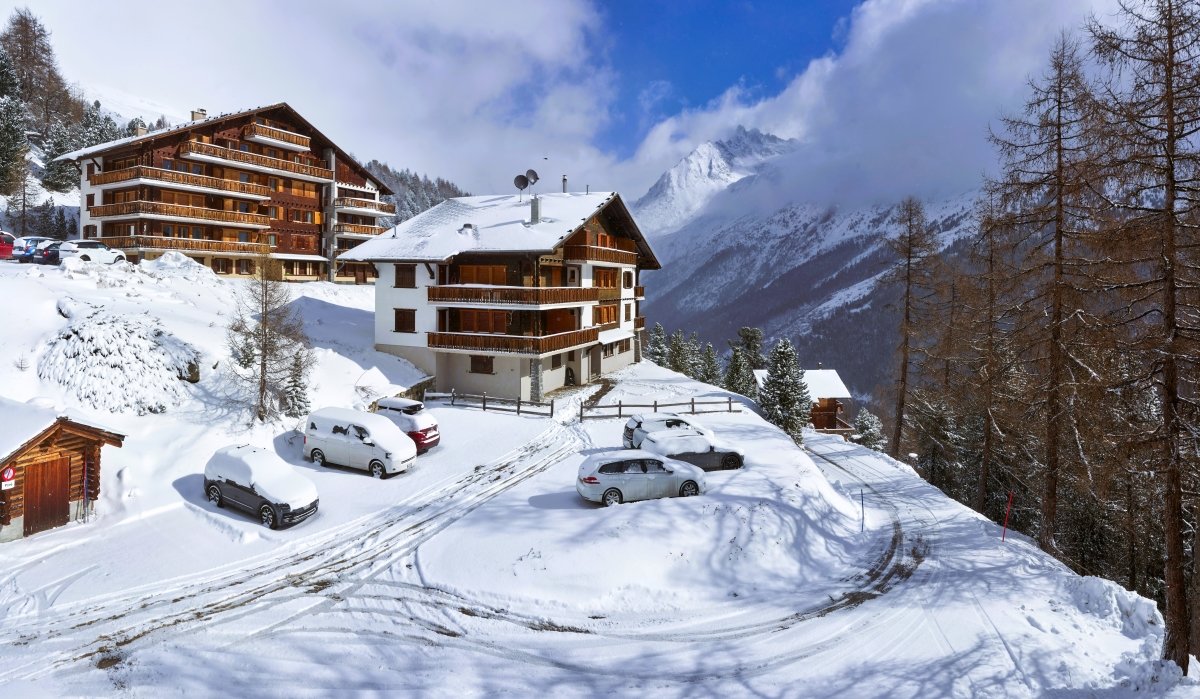
- Winter Wonderland: Snow Season Activities (December–April)
- Summer Adventures: When the Mountains Go Full Technicolor (June–September)
- Where to Sleep: Accommodations for Every Budget
- Budget-Friendly (40-120 CHF/person):
- Mid-Range (120-250 CHF/person):
- Splurge-Worthy (250+ CHF/person):
- Food Scene: What to Eat in Arolla
- Shopping & Local Crafts
- Cultural Deep Dive: Living Traditions in the Val d’Hérens
- Events & Festivals Not to Miss
- Budget Breakdown: What You’ll Actually Spend
- Sample Itineraries: Making the Most of Your Time
- Getting There: Connectivity & Transport
- Sustainable & Ethical Travel Choices
- Safety & Practical Considerations
- Useful Information At Your Fingertips
- Combo Trips: Extending Your Adventure
- The Bottom Line: Should You Go?
- Quick Recap: Arolla at a Glance
- Disclaimer
Why Arolla Should Be Your Next Swiss Adventure (And How It Stayed Off Everyone’s Radar)
Let’s be honest—Switzerland’s famous mountain resorts can feel like theme parks. But Arolla? This place still feels like a secret your cool friend would whisper about over craft beer. Tucked at the end of the Val d’Hérens, this tiny village of barely 150 permanent residents punches way above its weight in the “holy-crap-look-at-those-mountains” department.
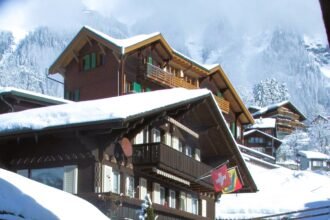
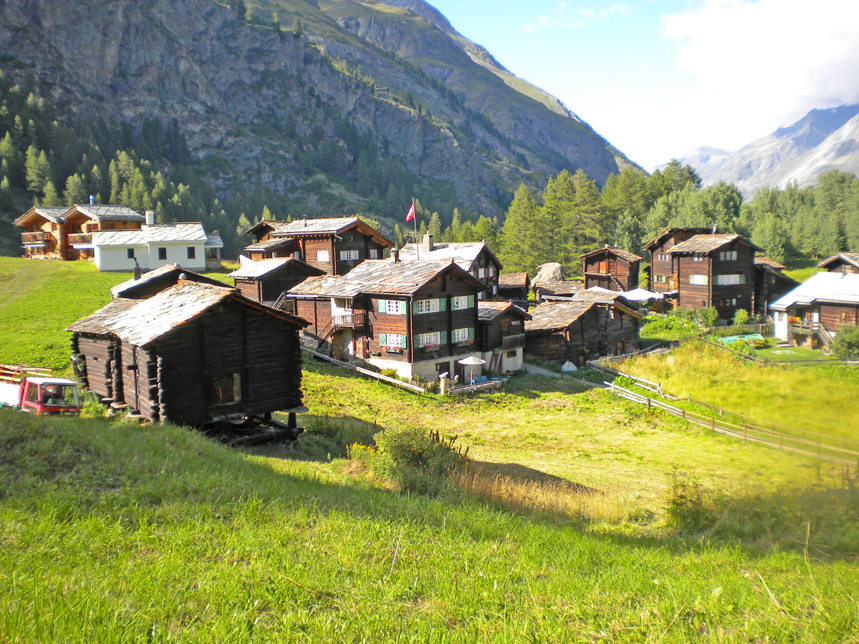
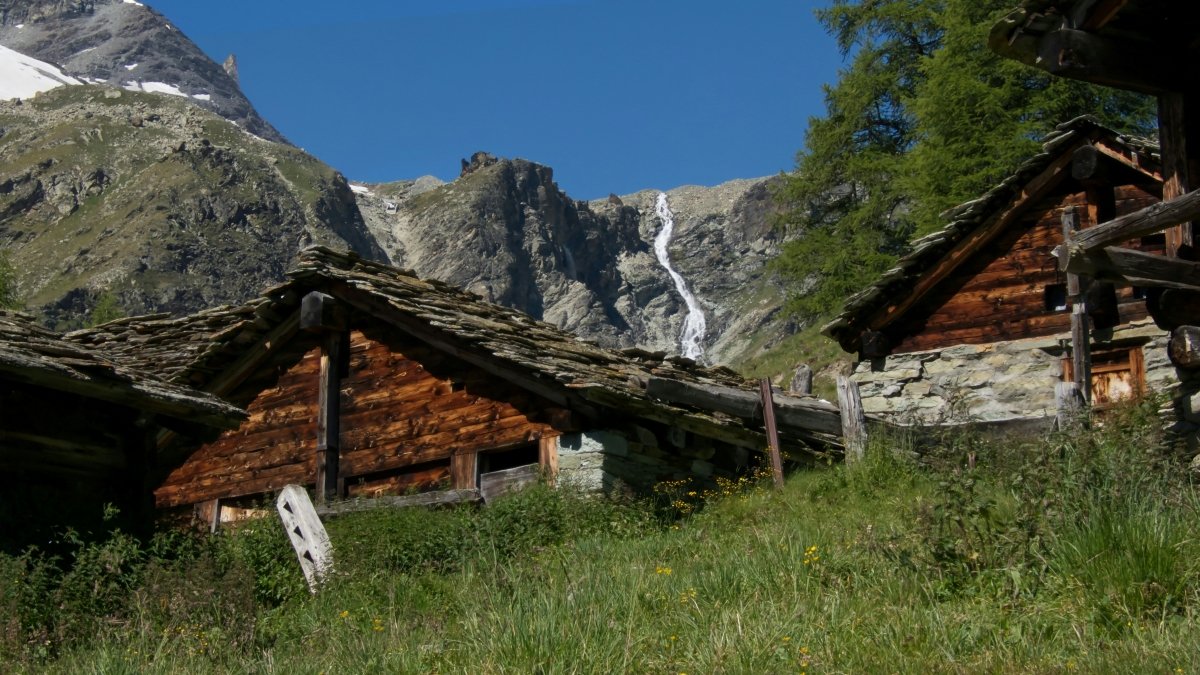
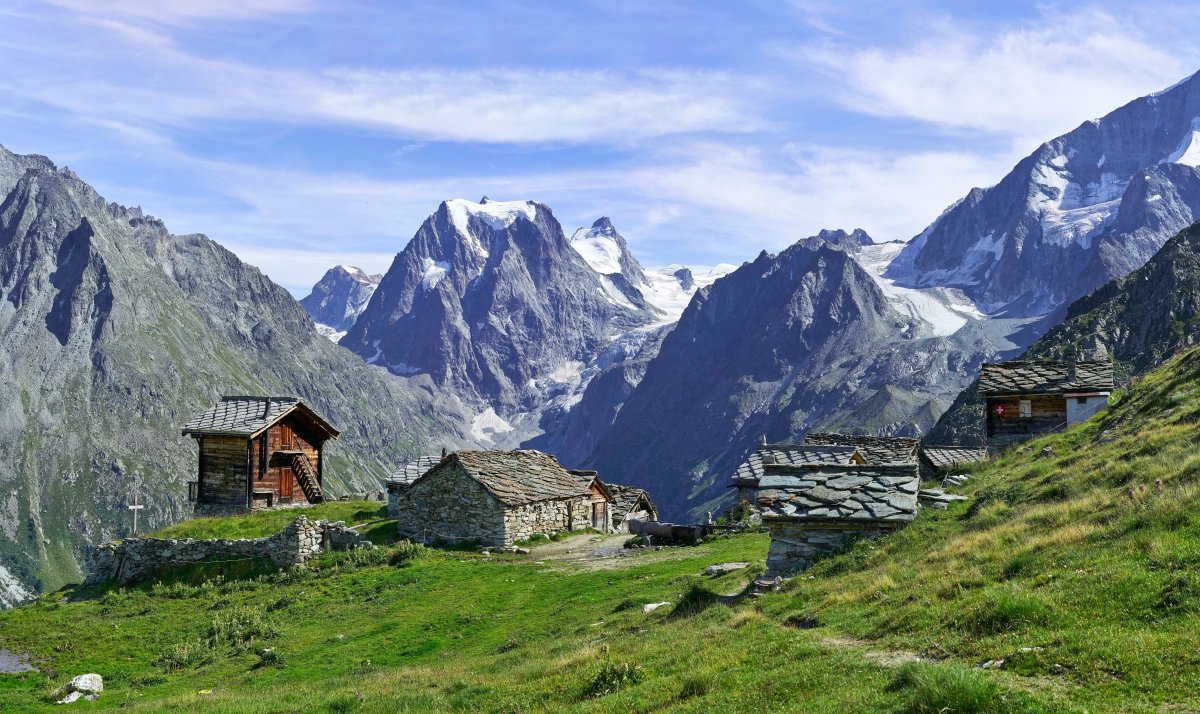
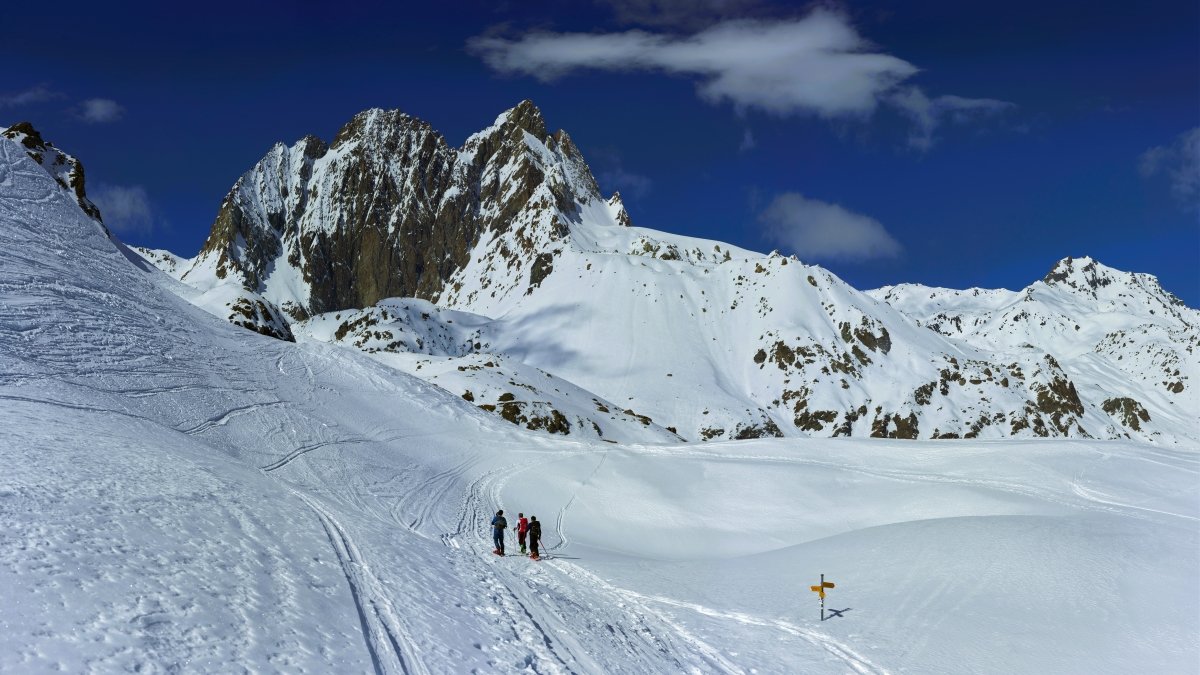
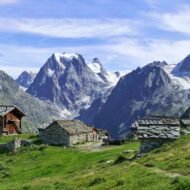
Here’s the deal: Arolla sits in a natural amphitheater surrounded by 20+ peaks over 3,000 meters, including the photogenic Pigne d’Arolla (3,796m) and Mont Collon (3,637m). The village has preserved its traditional Valaisan architecture—think weathered wood chalets with stone roofs—while quietly becoming a basecamp for serious alpinists and hikers who know what’s up.
At a Glance: What Makes Arolla Special
Interesting Facts That’ll Win You Bar Trivia:
- Arolla pines (a type of Swiss stone pine) are named after this valley
- The village has been car-free in its historic center since the 1970s
- Over 300km of marked hiking trails spider out from this single village
- The Arolla glacier once stretched all the way to the village—it’s now retreated 2km upvalley (climate change is real, folks)
- Darwin studied rock formations here in the 1800s
- Local legend says the mountains are home to protective spirits called “Sarvannes”
📍 Quick Stats:
- Elevation: 1,998m (6,555 ft)
- Population: ~150 year-round (swells to 2,000+ in peak season)
- Canton: Valais
- Municipality: Evolène
- Languages: French (primary), German, English widely spoken in tourism
Winter Wonderland: Snow Season Activities (December–April)
What Visitors Actually Rave About:
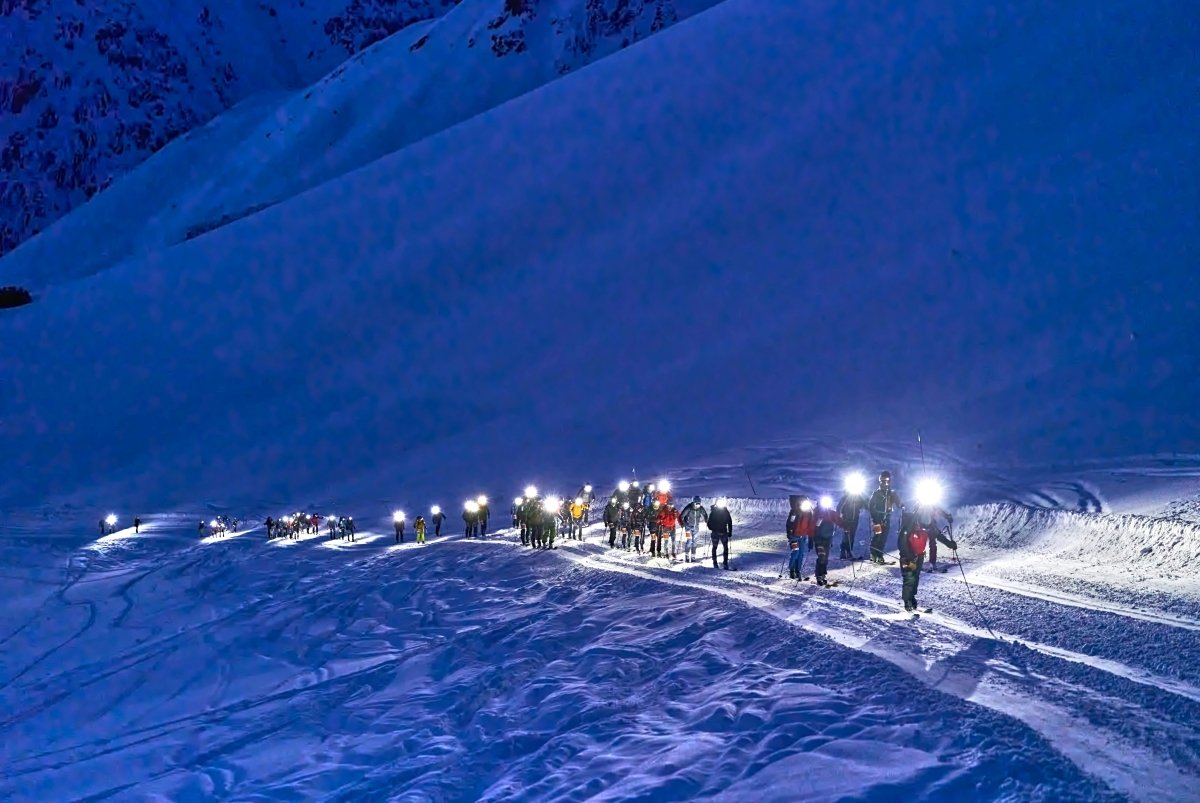
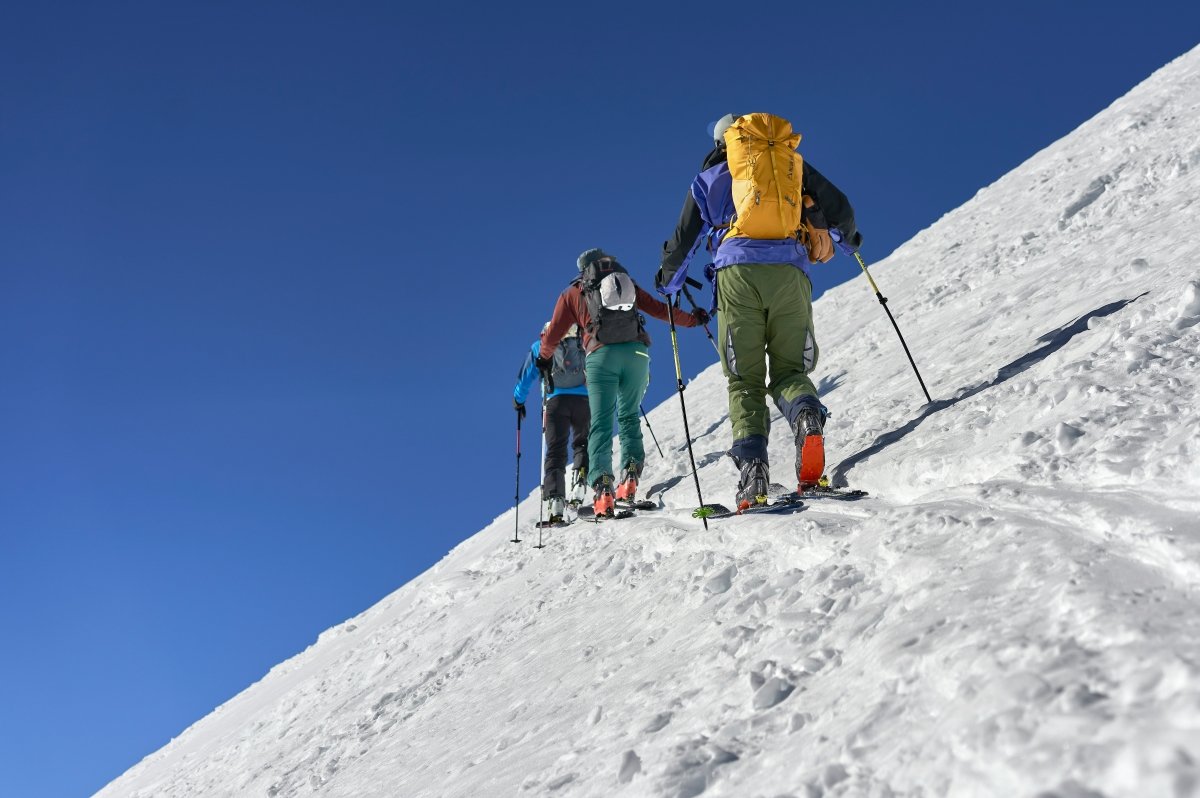
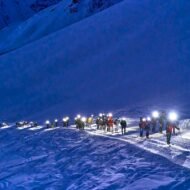
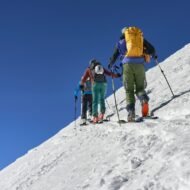
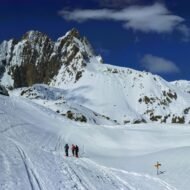
Ski Touring Paradise Forget crowded ski resorts. Arolla is THE destination for ski touring (backcountry skiing) in the Swiss Alps. Popular routes include:
- Pigne d’Arolla traverse: Classic spring ski mountaineering route
- Col de Riedmatten: Connects to Zermatt via high alpine pass
- Lac Bleu circuit: Gentler touring for intermediates
Real talk: You need proper avalanche training and equipment. Local guides are worth every franc.
Ice Climbing The frozen waterfalls around Arolla transform into vertical playgrounds. Top spots:
- Cascade de la Tza: Multi-pitch ice routes (WI3-WI5)
- Pra Gra sector: Beginner-friendly ice climbing
Snowshoeing Over 50km of marked trails, including the stunning route to Lac Bleu (Blue Lake), which looks impossibly turquoise even under snow.
Cross-Country Skiing 15km of groomed Nordic trails through the valley—quieter than a library on Sunday.
Budget Tip: Winter dorm beds start around 40-50 CHF. Bring your own touring gear to avoid 60+ CHF/day rental fees.
Summer Adventures: When the Mountains Go Full Technicolor (June–September)
The Trails Everyone’s Talking About:
The Haute Route (Chamonix to Zermatt) Arolla is THE key stopover on the world-famous walker’s Haute Route. Most hikers spend two nights here to tackle the challenging Col de Riedmatten or Pas de Chèvres sections.
Day Hikes From the Village:
- Lac Bleu (2-3 hours return): Easy family hike to a glacial lake that photographs like a CGI creation. The turquoise color comes from glacial flour—nature’s filter.
- Glacier de Tsijore Nouve (4-5 hours return): Get up close to a retreating glacier. Sobering and spectacular.
- Col de Riedmatten (8-10 hours return): Challenging high pass with ladder sections. Views that’ll make you forget your quads are screaming.
- Aiguilles Rouges (6-7 hours return): Scramble to a knife-edge ridge with 360° panoramas.
Mountaineering Technical climbers flock here for:
- Pigne d’Arolla: Popular 4,000m-class summit
- Mont Blanc de Cheilon: More challenging mixed routes
- Dent Blanche: Only for experienced alpinists
Trail Running The Arolla Trail Running Festival (usually late August) attracts ultra-runners to routes from 10km to 50km+.
Fishing The Borgne d’Arolla river offers fly-fishing for brown trout (permit required—get it in Evolène).
Mountain Biking Limited but growing trail network. Bring your own bike—rentals are scarce.
Where to Sleep: Accommodations for Every Budget
Budget-Friendly (40-120 CHF/person):
Mountain Huts:
- Cabane des Aiguilles Rouges (SAC): Authentic Alpine hut experience, dorm beds ~45 CHF
- Cabane de Bertol (SAC): Perched on a rock promontory (seriously dramatic), ~50 CHF
Hostels/Dorms:
- Kurhaus Arolla: Village institution with dorm beds from 40 CHF, hotel rooms from 90 CHF
- Check private chalets for “matratzen lager” (mattress rooms) around 35-50 CHF
Mid-Range (120-250 CHF/person):
Charming Hotels:
- Hôtel du Pigne: Family-run, excellent restaurant, rooms with mountain views
- Hôtel Mont Collon: Traditional chalet-style with half-board options
- Most include breakfast and often dinner (crucial since dining options are limited)
Splurge-Worthy (250+ CHF/person):
Boutique Mountain Lodges:
- Private chalets with modern amenities (book via Evolène tourism board)
- Some hotels offer suites with balconies facing the glaciers
Pro Tip: Half-board (breakfast + dinner) packages save money and hassle—there are only 3-4 restaurants in the village.
Food Scene: What to Eat in Arolla
Signature Dishes You Can’t Miss:
Raclette Melted Valais cheese scraped onto potatoes, gherkins, and pickled onions. Every restaurant serves it. Your arteries will complain; your soul will sing.
Fondue The moitié-moitié (half Gruyère, half Vacherin) is standard, but ask for Valais variants with local cheese.
Rösti Crispy shredded potato cake—the Swiss answer to hash browns, often topped with cheese, bacon, or a fried egg.
Assiette Valaisanne Cold plate of local dried meats (viande séchée, saucisson), cheese, and bread. Perfect hiking lunch.
Apricot Everything Valais is apricot country. Try apricot tarts, jams, and even apricot schnapps (eau de vie d’abricots).
Where to Eat:
- Restaurant du Pigne: Reliable Swiss classics, good rösti
- Kurhaus Restaurant: Rustic ambiance, hearty portions
- Hôtel Mont Collon Restaurant: Upscale Alpine cuisine
Budget Hack: Buy bread, cheese, and charcuterie from the small village shop (épicerie) for trail lunches. Sit-down meals run 25-50 CHF per person.
Shopping & Local Crafts
Real talk: Arolla isn’t a shopping destination. You’ll find:
- Village épicerie: Basic groceries, hiking snacks, emergency supplies
- Souvenir shop: Cow bells, hiking maps, Swiss Army knives (cliché but useful)
For serious shopping, head to Sion (45 minutes) or Evolène (20 minutes) for:
- Local honey and jams
- Valais wines (Fendant, Petite Arvine)
- Handmade wooden crafts
Cultural Deep Dive: Living Traditions in the Val d’Hérens
What Makes This Valley Different:
Cow Fighting (Combats de Reines) Yes, really. Hérens cows—a feisty black breed—naturally establish hierarchy by pushing each other. Spring and fall festivals celebrate the “queen cow.” It’s weirdly compelling and totally humane.
Traditional Architecture The old granaries (mazots) and stone-roofed chalets use centuries-old building techniques. Many buildings date to the 1600s-1800s.
Patois Dialect Older residents speak Evolénard patois—a Franco-Provençal dialect distinct from standard French. It’s disappearing but celebrated in local festivals.
Transhumance Watch for the May and September cow parades when herds move between valley and alpine pastures. Cows wear giant bells—it’s loud and magnificent.
Events & Festivals Not to Miss
- Arolla Trail Running Festival (late August): Ultra-marathon madness
- Fête de la Transhumance (Evolène, September): Traditional cow parade celebration
- Concert au Sommet (various dates): High-altitude classical music concerts
- Evolène Folklore Festival (summer): Traditional costumes, music, dancing
Check the Evolène tourism website for current dates—they shift annually.
Budget Breakdown: What You’ll Actually Spend
Sample Daily Budgets:
Shoestring (80-120 CHF/day):
- Dorm bed: 40-50 CHF
- Self-catered breakfast/lunch: 15 CHF
- One restaurant dinner: 25-30 CHF
- Miscellaneous: 10-15 CHF
Mid-Range (200-300 CHF/day):
- Hotel half-board: 150-180 CHF
- Lunch on trail: 20 CHF
- Drinks/snacks: 15 CHF
- Activities/transport: 20-35 CHF
Comfort (400+ CHF/day):
- Boutique hotel: 250+ CHF
- All meals in restaurants: 80-100 CHF
- Guided activities: 100+ CHF
- Wine/extras: 50+ CHF
Money-Saving Hacks:
- Stay in Evolène (8km down) for cheaper options
- Pack trail food from valley supermarkets
- Travel off-peak (June, September) for lower accommodation rates
- Use Swiss Half-Fare Card if exploring multiple regions
Sample Itineraries: Making the Most of Your Time
Weekend Warrior (3 Days/2 Nights):
Day 1:
- Arrive afternoon, check into hotel
- Easy acclimatization walk to Lac Bleu (2 hours)
- Sunset from village chapel
Day 2:
- Early start to Col de Riedmatten or Aiguilles Rouges (full day)
- Return for raclette dinner
- Stargaze (minimal light pollution!)
Day 3:
- Morning glacier walk to Tsijore Nouve
- Lunch in village
- Depart or extend for…
Week-Long Alpine Immersion:
Days 1-2: Acclimatize with shorter hikes (Lac Bleu, Plan de Bertol) Day 3: Attempt Pigne d’Arolla with guide (if experienced) Day 4: Rest day—explore Evolène village and culture Day 5: Tackle Haute Route section to Cabane de Dix Day 6: Return via alternative route Day 7: Relaxed valley walk, wine tasting in Sion
Winter Ski Touring Week:
Days 1-2: Skills refresh with guide, shorter tours Day 3: Pigne d’Arolla ski ascent Day 4: Rest or ice climbing Days 5-6: Multi-day haute route to Zermatt or Verbier Day 7: Easy touring or travel day
Getting There: Connectivity & Transport
Nearest Major Airport:
Geneva International Airport (GVA): 180km, ~2.5-3 hours
Route Options:
- Train + PostBus (Most Scenic):
- Geneva Airport → Sion (train, 2 hours)
- Sion → Les Haudères (PostBus, 45 min)
- Les Haudères → Arolla (PostBus, 20 min)
- Total: ~3-3.5 hours, 65-85 CHF one-way
- Swiss Travel Pass covers entire journey
- Rental Car:
- Drive to Les Haudères, park there (Arolla center is car-free)
- Electric vehicle charging available in Les Haudères
- Winter: Snow tires/chains mandatory (Nov-Apr)
- Private Transfer:
- 300-400 CHF for up to 4 people
- Book via Evolène tourism or local taxi services
Other Airports:
- Zürich (ZRH): 280km, 4 hours—better if combining with Eastern Switzerland
- Milan Malpensa (MXP): 180km, 3 hours—via Simplon/Aosta route
Getting Around:
- Within Arolla: Walk everywhere (village is 800m end-to-end)
- To Trailheads: On foot or local taxi for distant starts
- Valley Transport: PostBus connects to Evolène, Les Haudères (limited schedule)
Car-Free Living: Embrace it. The air is cleaner, the vibes are calmer, and your step count will soar.
Sustainable & Ethical Travel Choices
How to Travel Responsibly:
Transportation:
- Take trains/buses over rental cars (Swiss rail is carbon-efficient)
- Offset unavoidable flights through recognized programs
Accommodation:
- Choose locally-owned hotels over chains (easy in Arolla—there are no chains!)
- Respect quiet hours and local customs
On the Trail:
- Stay on marked paths (erosion is a real problem)
- Pack out ALL trash—even organic waste like banana peels
- Use refillable water bottles (tap water is pristine)
- Keep noise down (you’re in wildlife habitat)
Wildlife:
- Don’t approach ibex, chamois, or marmots for photos
- Keep dogs leashed (protected species nest here)
- No drones without permits (federal law in Swiss Alps)
Support Local Economy:
- Eat in village restaurants vs. self-catering only
- Buy local products (cheese, honey, crafts)
- Hire local guides—their expertise preserves your safety and the environment
Climate Awareness: Glaciers here have lost 30% of their volume since 2000. Witnessing this firsthand is powerful—let it inform your choices beyond your trip.
Safety & Practical Considerations
Mountain Safety:
Essential Knowledge:
- Weather changes FAST—check forecasts religiously (MeteoSwiss app)
- Afternoon thunderstorms are common July-August (start hikes early)
- Snow can fall any month above 2,500m
- Tell someone your route before heading out
What to Pack:
- Layered clothing (fleece + waterproof shell minimum)
- Sun protection (high-altitude UV is intense)
- First aid kit
- Map/GPS (phone signal is spotty)
- Enough food/water + emergency extras
Emergency Contacts:
- Mountain Rescue: 1414 (REGA helicopter)
- General Emergency: 112
- Weather Info: 162 (recorded forecast in French)
Health Considerations:
Altitude: At 2,000m, most people adjust quickly. Symptoms of altitude sickness are rare but possible. Hydrate, avoid alcohol the first day, and ascend gradually.
Water: Tap water and mountain streams are drinkable (except near glacier run-off, which looks milky).
Insurance: Switzerland is NOT in the EU. Ensure your travel/health insurance covers:
- Mountain rescue (REGA rescue can cost 10,000+ CHF)
- Medical treatment
- Trip cancellation
Wildlife: No dangerous animals. Cows can be protective of calves—give them space.
Useful Information At Your Fingertips
Connectivity:
- Wi-Fi: Available in hotels/restaurants (often free)
- Cell Service: Swisscom/Salt work well; check roaming costs
- ATMs: One in village (bring backup cash)
- Electrical Outlets: Type J (Swiss 3-pin), 230V
Language Tips:
- French is primary, but tourism staff speak English/German
- Useful phrases:
- Bonjour (Hello)
- Merci (Thank you)
- L’addition, s’il vous plaît (The check, please)
- Où est…? (Where is…?)
Etiquette:
- Greet people on trails (Bonjour!)
- Remove boots before entering huts/homes
- Tipping not mandatory but 5-10% appreciated for great service
- Quiet hours 10pm-7am (Swiss are serious about this)
Best Times to Visit:
- Summer Hiking: Late June-September (July-August peak crowds)
- Ski Touring: March-April (best snow + longer days)
- Fewer Crowds: June and September (shoulder season magic)
- Avoid: November (too little snow) and May (avalanche risk + trail closures)
Combo Trips: Extending Your Adventure
Arolla works brilliantly as part of a bigger Swiss itinerary:
The Valais Loop (7-10 Days):
- Arolla (3 nights) → Zermatt (2 nights, see the Matterhorn) → Saas-Fee (2 nights, glacier village) → Leukerbad (1 night, thermal baths) → Sion (wine tasting)
Haute Route Traverse:
- Chamonix, France → Arolla → Zermatt (walker’s route, 10-14 days)
- One of the world’s classic treks
Lakes & Mountains:
- Geneva (city culture, 2 days) → Montreux/Lavaux vineyards (1 day) → Arolla (nature immersion, 3-4 days)
Adventure Athlete Circuit:
- Interlaken (canyoning, paragliding, 2 days) → Arolla (mountaineering, 3 days) → Verbier (mountain biking, 2 days)
The Bottom Line: Should You Go?
Arolla is perfect if you:
- Crave authentic alpine experiences over manicured resorts
- Love hiking, ski touring, or mountaineering
- Appreciate quiet villages and slow travel
- Want Switzerland’s beauty without Zermatt’s crowds/prices
Arolla might not suit you if:
- You need nightlife and entertainment
- You’re not comfortable with outdoor activities
- You require extensive shopping/dining options
- You have mobility limitations (it’s very mountain-focused)
This village rewards those who come for the mountains, not the amenities. If that’s you, Arolla will likely become your new happy place.
Quick Recap: Arolla at a Glance
✅ Location: Val d’Hérens, Valais canton, Switzerland
✅ Elevation: 2,000m (car-free village center)
✅ Best For: Hiking, ski touring, mountaineering, alpine peace
✅ Season: Year-round (peak: July-August, March-April)
✅ Budget: 80-400+ CHF/day depending on style
✅ Getting There: Geneva Airport → Train to Sion → PostBus (3 hours)
✅ Signature Experiences: Lac Bleu hike, Haute Route trekking, Pigne d’Arolla summit
✅ Must-Eat: Raclette, Valais dried meats, apricot desserts
✅ Sustainability: Car-free village, support local businesses, respect trails
✅ Safety: Mountain weather awareness, proper gear, rescue insurance
Disclaimer
This guide was compiled with care, but mountains and travel conditions change. Always verify:
- Current trail conditions, weather forecasts, and avalanche reports before heading out
- Accommodation availability and pricing (rates fluctuate seasonally)
- Transportation schedules, especially PostBus times
- Permit requirements for fishing, camping, or specific activities
- COVID-19 or other travel restrictions (check Swiss government updates)
The author and publishers accept no liability for injuries, losses, or misadventures. Mountain activities carry inherent risks—use guides when appropriate, travel with proper insurance, and make conservative decisions.
Exchange rates referenced assume 1 CHF ≈ 1.10 USD/1.00 EUR (verify current rates).
Restaurant and hotel recommendations reflect general reputation but may change ownership or quality. This guide receives no compensation for recommendations—all opinions are genuine.
Now go pack your hiking boots, charge your camera, and prepare for alpine views that’ll ruin every other mountain range for you. Arolla is waiting, and trust me—those peaks don’t photograph themselves.
Got questions or want to share your Arolla experiences? The mountains are calling—will you answer?