





TL;DR: Sirogojno is a charming Serbian mountain village on Zlatibor that combines stunning nature, authentic cultural heritage, and traditional crafts. Perfect for travelers seeking an off-the-beaten-path Balkan adventure with hiking, local cuisine, and a step back in time at the Open-Air Museum. Best visited May-October for hiking or December-March for winter sports nearby.
Look, I’ll be straight with you: Sirogojno isn’t going to show up on Instagram’s trending travel destinations anytime soon. And honestly? That’s exactly why you should go.
Located at 1,000 meters above sea level on the slopes of Mount Zlatibor in western Serbia, this unassuming village of fewer than 1,000 residents has quietly become one of the Balkans’ best-kept secrets. While tourists flock to Belgrade’s nightlife or Novi Sad’s festivals, Sirogojno offers something increasingly rare in Europe—genuine, unhurried mountain authenticity.
Getting There (It’s Easier Than You Think)
From Belgrade: The journey takes about 3.5 hours by car via the E-763 highway toward Užice, then up into the mountains. If you’re relying on public transport, catch a bus to Užice (roughly 3 hours), then transfer to a local bus heading to Zlatibor—Sirogojno is just 8 kilometers from the main Zlatibor center.
From Užice: Only 30 kilometers away, this is your closest major town with train connections.
Pro tip: Renting a car gives you the freedom to explore the wider Zlatibor region at your own pace, and the mountain roads are genuinely spectacular (if occasionally narrow).
Why Sirogojno Should Be on Your Radar
The Open-Air Museum (Staro Selo)
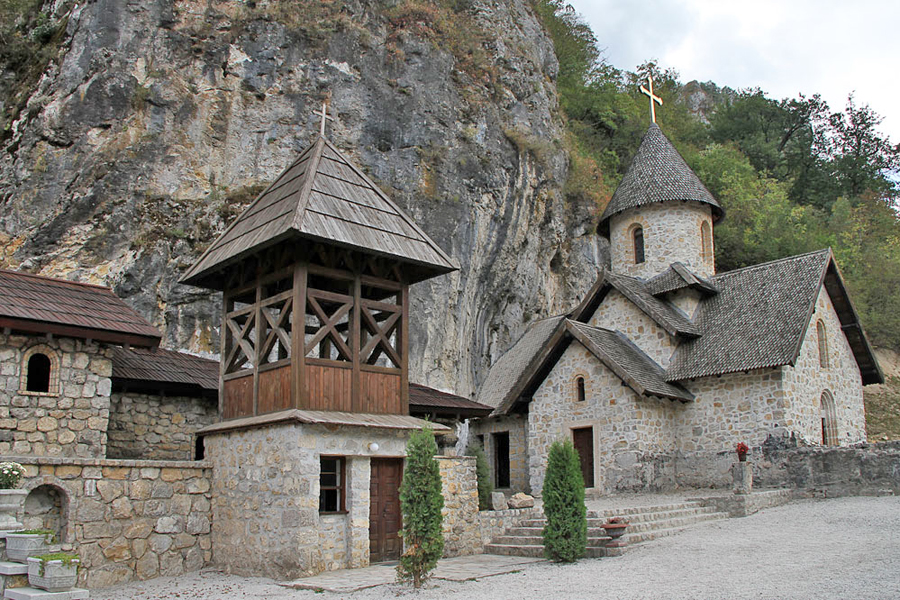
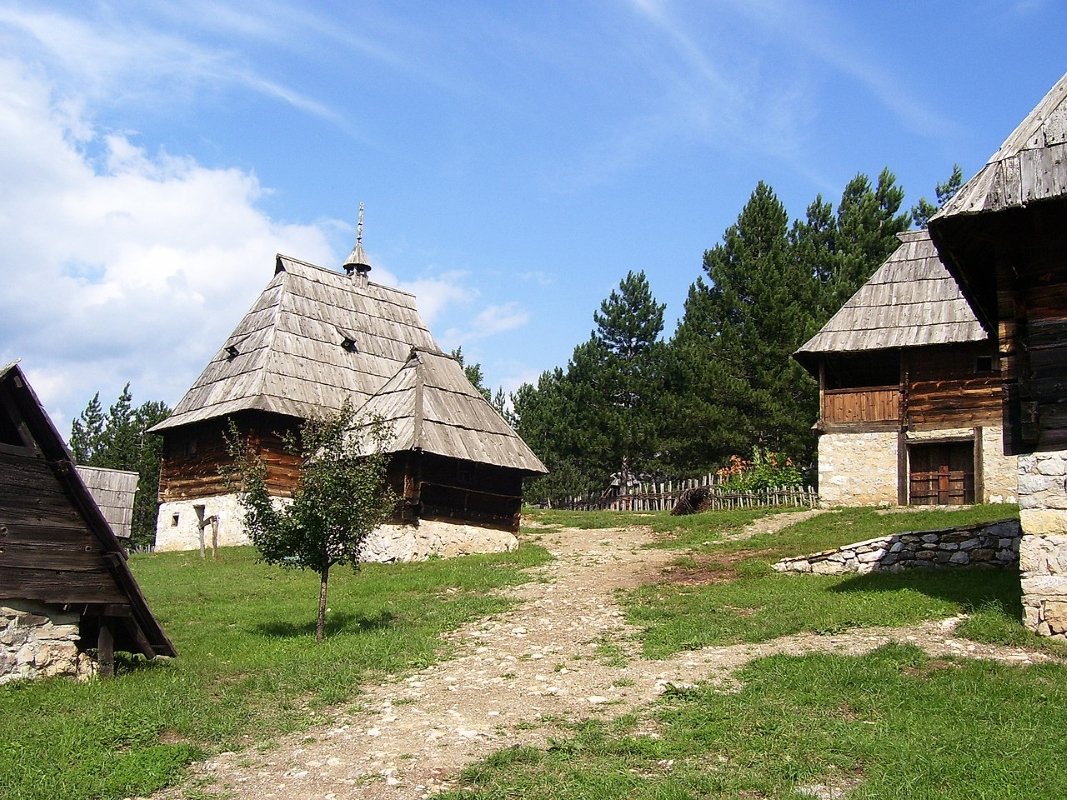
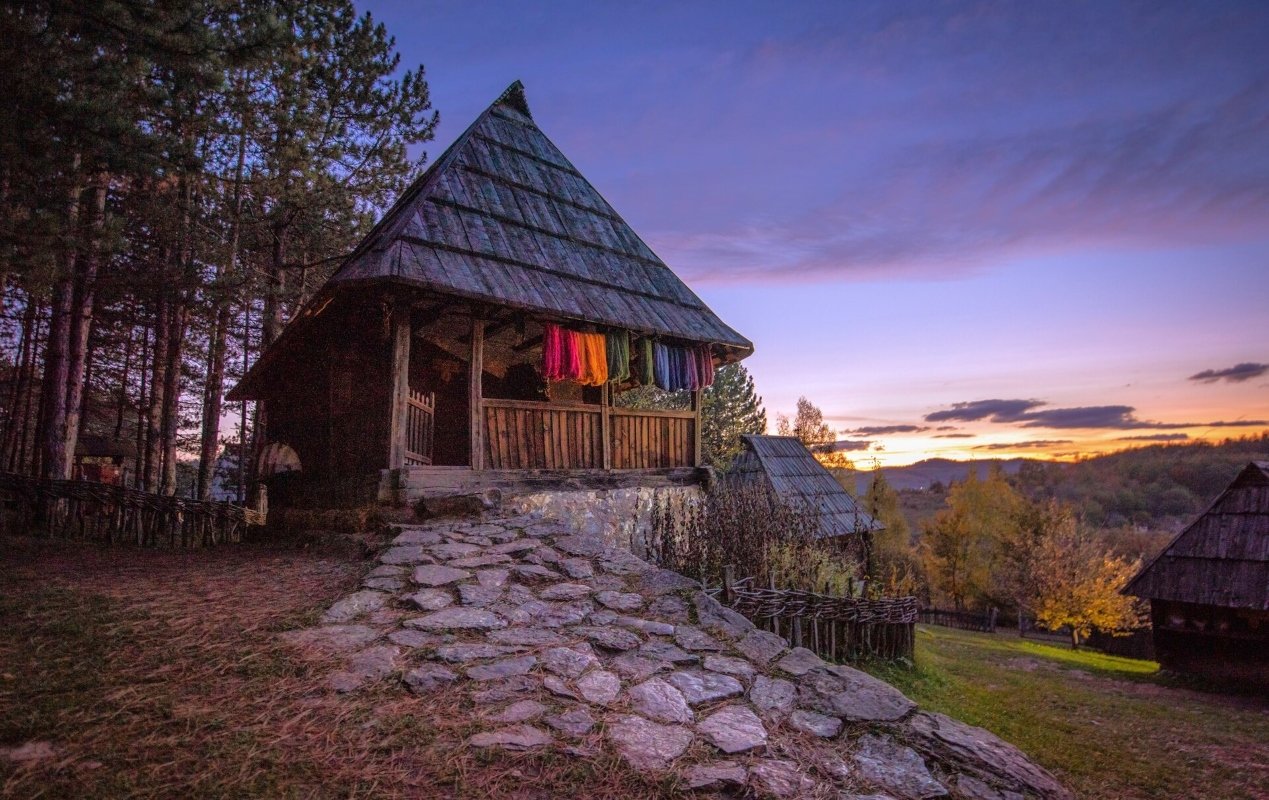
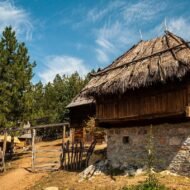
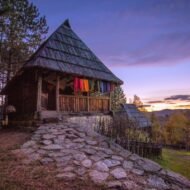
This is the main event. The Old Village Museum is basically a time machine to 19th-century Serbian mountain life, and it’s way cooler than it sounds. We’re talking authentic wooden houses, a church from 1764, water mills, and traditional log cabins called katuni where shepherds once lived.
Unlike sterile museum exhibits behind glass, you can actually walk through these structures, peek into the smoky kitchens, and understand how people survived brutal mountain winters with nothing but wool, wood, and serious determination.
Entrance fee: Around 300-400 RSD (roughly €2.50-3.50)
Best time to visit: Early morning or late afternoon for the best light and fewer tour groups
The Sirogojno Style
Here’s something unique: Sirogojno gave birth to its own fashion movement. In the 1970s, local women began creating contemporary designs using traditional wool-knitting techniques, and “Sirogojno Style” became internationally recognized. You can still buy these handmade woolens—sweaters, socks, carpets, and tapestries—at the cooperatives throughout the village.
Fair warning: these aren’t cheap tourist trinkets. You’re looking at genuine artisan craftsmanship that’ll outlast anything from a fast-fashion chain.
What to Do (Besides Breathe the Cleanest Air of Your Life)
Hiking and Nature Trails
The surrounding Zlatibor plateau offers trails for every fitness level. Popular routes include:
- Stopića Cave trail: A moderate 3-hour round trip to one of Serbia’s most impressive caves
- Gostilje Waterfall: An easy 1-hour walk to a 20-meter cascade
- Tornik Peak: For serious hikers, this climb rewards you with panoramic views across three mountain ranges
The landscape here is distinctive—rolling green meadows dotted with hay ricks, dense pine forests, and that crisp mountain air that makes you want to take ridiculously deep breaths.
Winter Activities
From December through March, the nearby Tornik ski center (just 15 km away) offers solid skiing and snowboarding. It’s not Aspen, but it’s affordable, uncrowded, and the snow quality at this altitude is consistently good.
Cultural Immersion
Time your visit right, and you might catch traditional festivals showcasing folk music, dance, and that distinctly Serbian hospitality that involves being force-fed rakija (fruit brandy) by smiling grandmothers who won’t take no for an answer.
Where to Eat and Sleep
Accommodation
Options range from family-run guesthouses (sobe) starting around €20-30 per night to more upscale mountain lodges at €50-80. Many include half-board with traditional home-cooked meals—absolutely take this option if offered.
Recommended stays:
- Ethno Village “Sirogojno”: Authentic log cabin accommodation within the museum complex
- Local family guesthouses: Ask at the tourist information center or locals will happily direct you
Food Scene
Forget molecular gastronomy. Sirogojno is all about hearty, stick-to-your-ribs Serbian mountain cuisine:
- Kačamak: Cornmeal porridge with cheese and cream (sounds weird, tastes incredible)
- Komplet lepinja: Bread stuffed with cheese, butter, eggs, and kajmak (Serbian clotted cream)
- Pečenje: Slow-roasted meats, usually lamb or pork
- Ajvar: Roasted red pepper spread that’ll ruin store-bought versions for you forever
Wash it down with local šljivovica (plum brandy) or a glass of homemade wine. Your arteries might protest, but your taste buds will thank you.
Practical Travel Tips
Best time to visit:
- Summer (June-September): Perfect hiking weather, temperatures 15-25°C, everything’s open
- Winter (December-March): Snow sports, cozy vibes, winter festivals
- Spring/Fall: Fewer tourists, lower prices, beautiful changing foliage
Money matters: Serbia uses the dinar (RSD), not the euro. While some places accept euros, you’ll get better rates with local currency. ATMs are available in the larger Zlatibor area.
Language: Serbian, but younger people and tourism workers often speak English. Learning a few basic phrases goes a long way—”Hvala” (thank you) and “Živeli” (cheers) are essential.
Accessibility: The terrain is naturally challenging for visitors with mobility limitations, though some guesthouses and the museum entrance areas are accessible. It’s worth calling ahead to discuss specific needs.
Internet/Cell service: Generally reliable in the village, though it can be spotty on hiking trails. Embrace the digital detox.
Day Trip Options
If you’ve got extra time, the Zlatibor region offers several worthwhile excursions:
- Mokra Gora: Home to the famous Šargan Eight railway, a heritage train line with breathtaking mountain views
- Drvengrad (Küstendorf): Director Emir Kusturica’s quirky wooden town, built for his film “Life Is a Miracle”
- Tara National Park: About 45 minutes away, featuring the spectacular Drina River canyon
- Uvac Canyon: A couple hours’ drive, but those meanders are Instagram gold (and griffon vulture spotting)
What Makes Sirogojno Special
Here’s the thing about Sirogojno: it’s not trying to be anything other than itself. There’s no manufactured charm, no theme-park “authenticity.” It’s just a working village that happens to preserve its heritage beautifully and welcome travelers who appreciate simplicity over spectacle.
You won’t find luxury spas or Michelin-starred restaurants here. What you will find is genuine connection—with nature, with history, and with a way of life that’s increasingly rare in our hyperconnected world.
The locals aren’t performing for tourists; they’re living their lives much as their grandparents did, just with better heating and occasional Wi-Fi. That authenticity is the real draw.
Final Thoughts
Sirogojno works best for travelers who appreciate slow tourism—those who’d rather spend an afternoon learning traditional knitting techniques from a village artisan than ticking off twenty Instagram locations. It’s for people who get excited about sampling homemade cheese, not Instagramming it.
If you’re planning a Balkans itinerary and want to experience Serbia beyond Belgrade’s urban energy, Sirogojno offers something refreshingly different. It’s accessible enough for independent travelers, affordable enough for budget-conscious adventurers, and interesting enough to keep you engaged for several days.
Pack layers (mountain weather is unpredictable), bring an appetite (you’ll need it), and leave your rigid schedule at home. Sirogojno operates on mountain time, where things happen when they happen, and that’s entirely the point.
Bottom line: This little village punches well above its weight in terms of authentic cultural experiences and natural beauty. It won’t be everyone’s cup of tea—or glass of rakija—but for the right traveler, it’s absolutely worth the detour into the Serbian mountains.