















Family-Friendly Options
The Spanish Pyrenees are surprisingly kid-friendly with proper planning.
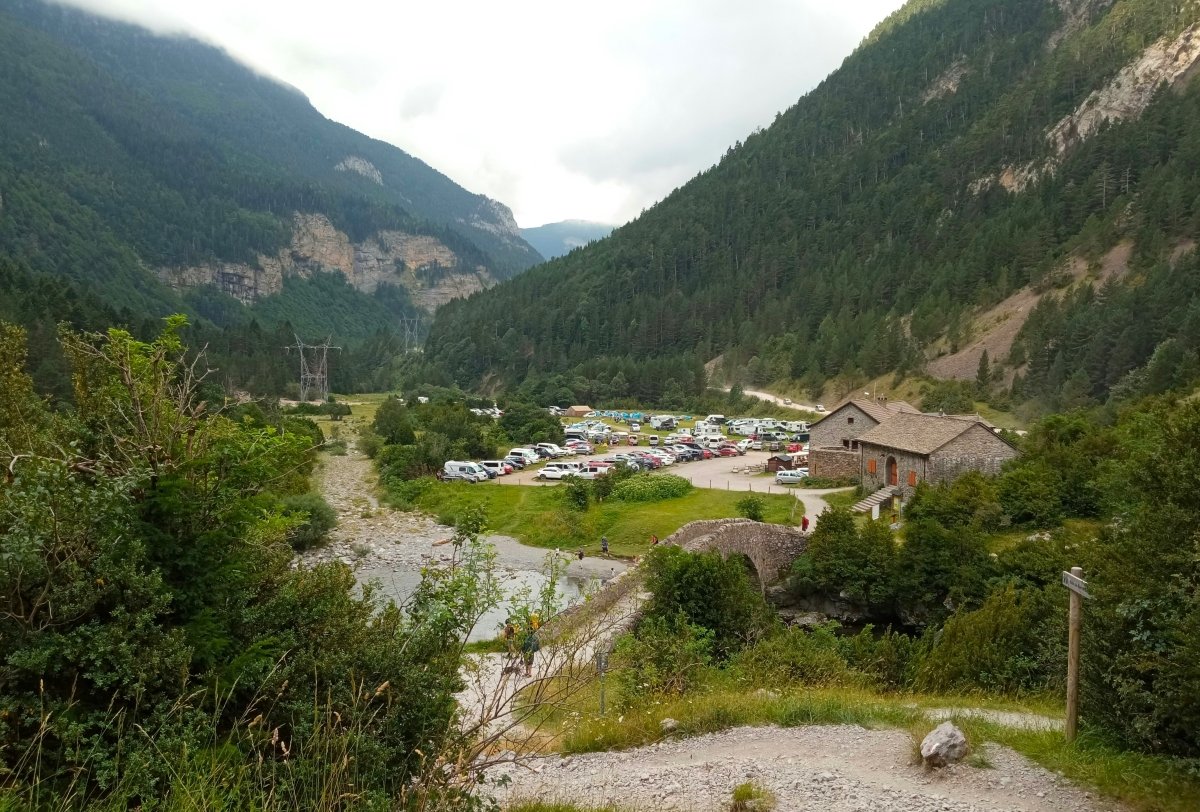
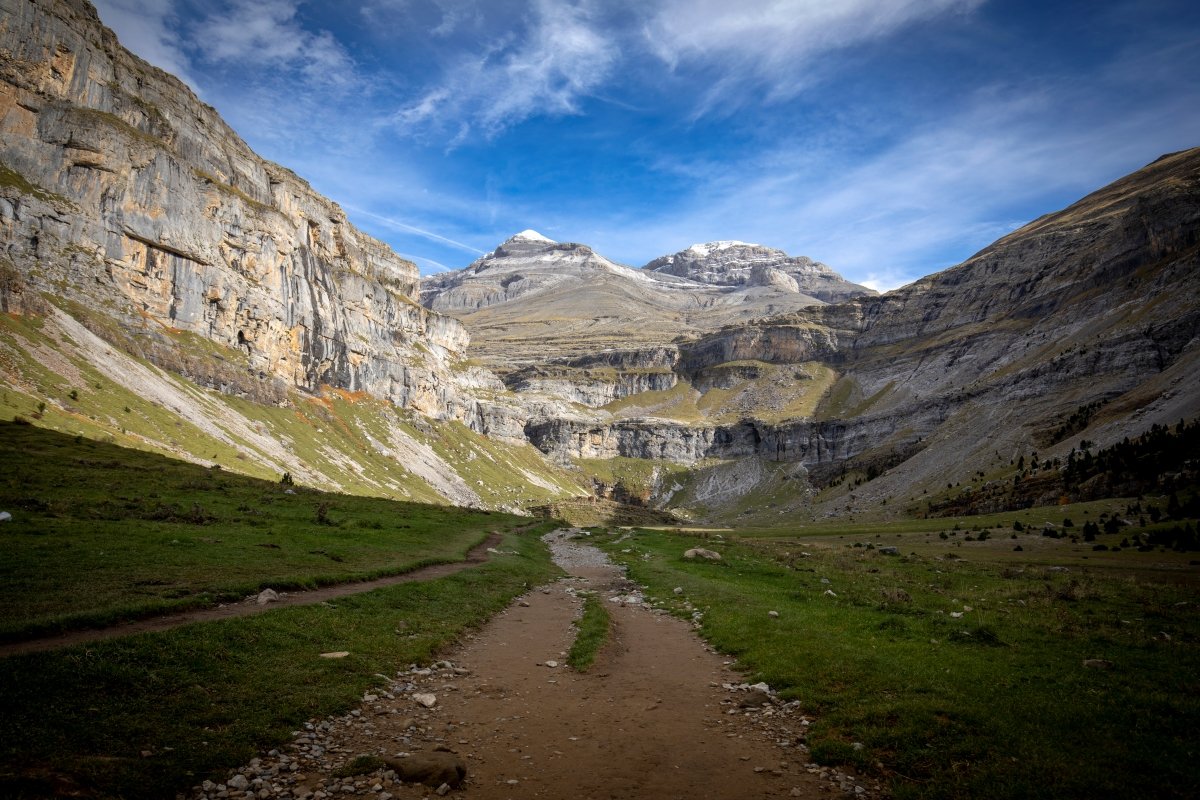
Easy Hiking – Ordesa’s flat valley floor path, Sant Maurici lakeshore loop, and Congosto de Ventamillo boardwalks work for kids 5+.
Animal Encounters – Lacuniacha Wildlife Park near Piedrafita showcases Pyrenean fauna including bears, wolves, and lynx in semi-natural enclosures. Kids love it.
Adventure Parks – Forest Park Huesca near Panticosa offers zip lines and treetop courses for ages 4+. Pirinaventura in Villanúa has similar offerings.
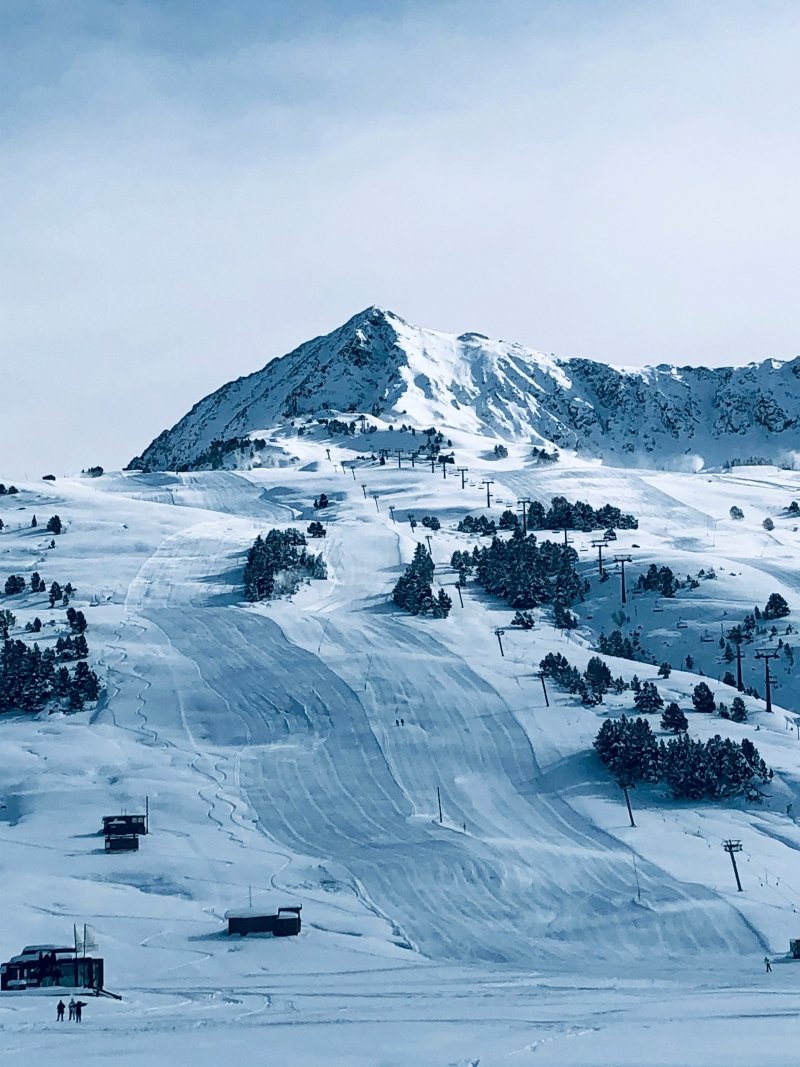
Snow Fun – Most ski resorts have dedicated children’s areas with gentle slopes and ski schools. Formigal’s Zona Anayet is specifically designed for families.
Swimming Holes – Kids go crazy for natural river pools. Congosto de Ventamillo has safe, shallow sections perfect for supervised splashing.
Educational Visits – The Ecomuseo de Ainsa and various visitor centers in national parks offer interactive exhibits about local nature and culture.
Accommodation – Look for casas rurales (rural houses) which often have gardens, games, and space for kids to run around. Many welcome families specifically.
Practical Tips – Towns like Jaca and Bielsa have playgrounds. Restaurants are kid-friendly (though service can be late by American standards). Baby supplies available in larger towns, but stock up.
Budget Considerations
The Spanish Pyrenees offer excellent value compared to other European mountain destinations.
Accommodation:
- Budget: €40-70/night (hostels, basic guesthouses, camping)
- Mid-range: €70-130/night (rural houses, 3-star hotels)
- High-end: €130-250+/night (boutique hotels, resorts)
Food:
- Breakfast: €3-8 (café con leche and pastry to full breakfast)
- Lunch menú del día: €12-18 (3 courses, drink included—best value)
- Dinner: €20-40 per person (casual to mid-range restaurants)
- Groceries for self-catering: €30-50/day for two people
Activities:
- Ski passes: €44-66/day (multi-day discounts available)
- Guided hikes: €25-45 per person
- Rafting/canyoning: €35-60 per person
- Museum entries: €3-8
- National park access: FREE
Transportation:
- Rental car: €30-60/day (essential for exploring)
- Gasoline: €1.50-1.70/liter
- Parking: Often free in villages, €5-15/day in resort towns
Daily Budget Estimates:
- Shoestring: €50-80/person (camping, self-catering, free activities)
- Mid-range: €100-150/person (rural accommodation, mix of restaurants and self-catering)
- Comfort: €150-250+/person (hotels, dining out, activities)
Money-Saving Tips:
- Visit shoulder season (June or September) for cheaper accommodation
- Use menú del día for lunch—same food as dinner for half the price
- Wild camp legally in designated areas (check regulations)
- Buy ski passes online in advance for discounts
- Shop at local markets instead of tourist shops
- Free hiking and swimming beat expensive activities
Food & Local Cuisine
Mountain food here is hearty, honest, and delicious.
Must-Try Dishes:
Ternasco de Aragón – Roasted young lamb, protected by DOP status. Tender, flavorful, and the pride of Aragonese cuisine.
Chiretas – Lamb intestines stuffed with rice, meat, and spices. Sounds weird, tastes amazing.
Pochas – White beans with chorizo and sometimes quail or partridge. Ultimate comfort food.
Trinxat – Catalan mashed potato and cabbage dish, sometimes with bacon. Simple and addictive.
Olla Aranesa – Val d’Aran’s massive mountain stew with pork, chicken, beef, vegetables, and noodles. One bowl is a meal.
Trucha a la Aragonesa – Mountain trout with ham—fresh from Pyrenean rivers.
Local Cheeses – Queso de Benasque, Queso de Graus, and Queso de Tronchón are phenomenal. Sample them at markets.
Cured Meats – Longaniza de Graus, cecina, and local chorizos pair perfectly with mountain wine.
Desserts – Costrada (custard tart), Crema Catalana (like crème brûlée), and Coca de llanda (light sponge cake).
Where to Eat:
Village fondas (simple restaurants) offer the most authentic food at fair prices. Look for packed-with-locals places rather than tourist-focused spots. In Jaca, Casa Fau and La Cocina Aragonesa deliver. In Ainsa, Bodegón de Mallacán serves traditional cuisine. Rincón del Humo in Benasque offers excellent grilled meats.
Food Experiences – Visit local markets in Jaca (Fridays), Ainsa (Saturday mornings), and Benasque (summer Thursdays) for cheeses, cured meats, and mountain honey.
Cultural Aspects & Events
Museums & History:
Museo Diocesano de Jaca – Houses one of Spain’s best Romanesque art collections. The frescoes transported from abandoned mountain churches are mind-blowing.
Castillo de Loarre – Not technically in the mountains but nearby—one of Europe’s best-preserved Romanesque castles and a Game of Thrones filming location.
Ecomuseo de Ainsa – Showcases traditional Pyrenean life with recreated workshops and tools.
Centre del Romànic de la Vall de Boí – Prepares visitors for the Romanesque church route with excellent context and digital recreations.
Major Events:
June 23-24: Falles (Fire Festival) – Spectacular torch descents in Val d’Aran and Pallars. UNESCO-listed tradition. Fallas de Isil are particularly impressive.
July: Festival Castillo de Aínsa – Medieval festival with markets, jousting, and period costumes transforming the village.
August: Fiestas Mayores – Every village celebrates its patron saint. Benasque Fiestas (early September actually) and Bielsa’s San Lorenzo (August 10) are legendary.
September: Fiesta del Pastor – Shepherd’s festival in Valle de Ansó celebrating transhumance traditions.
October: Mushroom Festivals – When autumn arrives, villages celebrate fungi season with tastings and foraging excursions.
Christmas Markets:
Pyrenean Christmas markets are smaller than central European ones but charming.
Jaca Christmas Market – The largest, running late November through early January in Plaza del Mercado with regional crafts and food.
Ainsa’s Feria de Artesanía – Small December market with local artisans selling handmade goods.
Vielha Winter Market – Focuses on Val d’Aran products with a cozy mountain atmosphere.
Most villages set up small Christmas markets or craft fairs, especially on weekends in December. Don’t expect the scale of German markets, but do expect quality local products and warm atmosphere.
Campervan Travel & Overland Routes
The Pyrenees are absolutely fantastic for campervan adventures, with numerous routes and facilities.
Best Routes:
N-260 (Eje Pirenaico) – This 445km road runs parallel to the French border from Navarre to Catalonia, connecting all major valleys. Spectacular scenery, well-maintained, and accessible year-round at lower elevations.
A-139 through Valle de Benasque – Dramatic route into the highest villages, ending at Hospital de Benasque. Dead-end means you loop back, but worth every kilometer.
Vall d’Aran Loop – N-230 through the tunnel from Vielha, or the dramatic Port de la Bonaigua (closed in winter). The valley’s unique microclimate and architecture make it special.
Circular Route via Ainsa-Bielsa-Ordesa – Connects three major highlights with good roads and numerous stops. Plan 3-4 days minimum.
Romanesque Churches Circuit – Vall de Boí requires winding mountain roads, but most campervans handle it fine. Allow a full day.
Practical Information:
Wild Camping – Legal in designated areas within national parks and many rural zones, but banned near towns and protected sites. Look for signs indicating zona de acampada or área de autocaravanas. Generally, you can park in remote areas for 24 hours if not causing damage or disturbance.
Campervan Facilities:
- Jaca – Several campsites and an aire near the citadel
- Torla – Camping San Antón with excellent facilities
- Benasque – Camping Ixeia and Camping Àneu
- Bielsa – Camping Valle de Pineta
- Ainsa – Several campsites including Camping Ainsa
Services – Most larger towns have water fill-up points. Dump stations exist at campsites and some aires. Fuel stations are regular along main routes but sparse in high mountain areas—fill up preemptively.
Road Conditions – Main routes are excellent. Secondary mountain roads can be narrow with hairpins. In winter, chains may be required on high passes (Port de la Bonaigua, Puerto de Cotefablo, etc.).
Size Matters – Roads are generally fine for standard campervans (under 7m). Larger motorhomes should check specific routes—some village streets are tight. Parking in popular destinations like Ordesa fills up by 9am in summer.
Best Times – June-September for high mountain roads. N-260 and lower valley routes accessible year-round. Winter campervan travel is possible but challenging in snow.
Apps & Resources – Park4Night shows free and paid spots with user reviews. iOverlander also helpful. Offline maps essential as signal can be patchy.
- MORE READ : European Campervan Travel Regulations Guide
- MORE READ : Complete Europe Campervan Travel Guide 2025
Useful Practical Information
Getting There:
- Nearest airports: Zaragoza (150km from Jaca), Pamplona (135km), Toulouse (France, 180km)
- No airports in the mountains – Huesca-Pirineos Airport is tiny with limited service
- By car: Most flexible option. Rental cars available at airports
- By bus: ALOSA runs routes from Zaragoza and Huesca to mountain towns
Best Time to Visit:
- Skiing: December-March (peak: January-February)
- Hiking: Late June-early October (peak: July-August, but crowded)
- Shoulder seasons: June and September offer best weather-to-crowd ratios
- Avoid: April-May (shoulder season, some facilities closed, unpredictable snow), November (rainy, quiet)
Language:
- Spanish essential, English limited outside major resorts
- Catalan in eastern valleys, Aranese in Val d’Aran
- Learn basic Spanish phrases—locals appreciate the effort
Mobile Coverage:
- Good in valleys and towns, spotty in high mountains
- Download offline maps before heading into remote areas
- Emergency services: 112 works throughout EU with or without signal
Accommodation Booking:
- Summer: Book 2-3 months ahead for popular spots
- Winter ski season: Book even earlier (3-6 months)
- Last-minute: Possible in shoulder season but risky
Safety:
- Weather changes rapidly—carry layers always
- Afternoon thunderstorms common in summer
- Bears present but extremely rare encounters
- Mountain rescue: 112 or GREIM (Guardia Civil mountain unit)
What to Pack:
- Hiking: boots, poles, sun protection, rain gear, first aid
- Winter: chains for car, warm layers, sun protection (high-altitude UV is intense)
- Any season: Cash (some villages lack ATMs), power adapter (Type F), reusable water bottle
Health & Pharmacies:
- EU citizens: Bring EHIC/GHIC card
- Pharmacies (farmacias) in all towns, identifiable by green cross
- Mountain clinics in major towns, hospitals in Jaca and larger cities
Environmental Responsibility:
- Stay on marked trails to prevent erosion
- Carry out all trash (including toilet paper)
- No fires except in designated areas
- Respect wildlife—maintain distance, especially during breeding seasons
- Use biodegradable soap if washing in streams
Local Etiquette:
- Siesta: 2pm-5pm many shops close
- Late meals: lunch 2-3pm, dinner 9-10pm
- Greeting: kiss on both cheeks for introductions in social settings
- Tipping: 5-10% appreciated but not obligatory; round up in bars
Money:
- Euro (€) used throughout
- Cards widely accepted, but carry cash for small villages and mountain refuges
- ATMs in most towns but not in tiny villages
Final Thoughts
The Spanish Pyrenees remain one of Europe’s best-kept travel secrets. While the French side gets most of the attention (and prices to match), the Spanish side delivers equally stunning landscapes, richer cultural heritage, and authenticity that’s increasingly rare in Europe’s mountain destinations.
This isn’t a place for resort-hopping luxury seekers or Instagram-only travelers. It’s for people who want to hike without fighting for trail space, eat traditional food in family-run restaurants, and sleep in stone villages where the waiter’s grandfather built half the houses.
The mountains are dramatic but accessible. The culture is distinct but welcoming. The food is hearty and honest. And unlike many European destinations drowning in overtourism, the Spanish Pyrenees still feel like a genuine discovery.
Whether you’re strapping on skis in Baqueira, hiking Ordesa’s legendary trails, road-tripping the Romanesque church route in a campervan, or simply sitting in Ainsa’s plaza with a glass of Somontano wine watching the sunset paint Monte Perdido orange—you’re experiencing something real.
The Spanish Pyrenees don’t shout for attention. They quietly deliver mountain magic to those who make the effort to get here. And that’s exactly why they’re worth visiting.
Disclaimer
This guide provides general travel information about the Spanish Pyrenees based on typical conditions and common experiences. However:
- Conditions change: Weather, trail closures, road accessibility, opening hours, and prices fluctuate. Always verify current information before your trip.
- Safety is your responsibility: Hiking, skiing, and mountain activities carry inherent risks. Assess your abilities honestly, check weather forecasts, carry appropriate gear, and inform someone of your plans.
- Independent verification required: Confirm business operations, accommodation availability, and local regulations directly with providers.
- Medical fitness: Consult healthcare professionals before undertaking strenuous activities, especially at altitude.
- Regulations: Respect all local laws, park rules, and private property. Camping regulations vary by location and season.
- Seasonal variations: Information about snow sports, hiking access, and water activities is season-dependent.
- This guide does not constitute professional advice: For technical climbing, backcountry skiing, or specialized activities, hire qualified guides.
- Travel insurance recommended: Ensure your policy covers mountain sports and potential evacuations.
The author and publisher are not liable for any issues arising from the use of this information. Travel responsibly and at your own risk.