


TL;DR: Szczyrk Mountain Resort in the Beskid Śląski mountains offers year-round adventure with exceptional skiing, hiking trails, and authentic Polish mountain culture. Located in the scenic Żylica Valley just 100km from Krakow, it’s your gateway to affordable European alpine experiences without the Western Europe price tag.
- Where Exactly Is This Place?
- Why Szczyrk Mountain Resort Works for Everyone
- Getting There Without the Hassle
- Where to Stay: Options for Every Budget
- The Food Situation: What You’re Actually Eating
- Winter: The Skiing and Snowboarding Scene
- Summer: Hiking, Biking, and Mountain Adventures
- Beyond the Resort: Day Trips Worth Taking
- Practical Tips That Actually Matter
- What It Actually Costs: Real Budget Breakdown
- The Verdict: Should You Go?
So you’re thinking about hitting the slopes (or trails) in Poland? Smart move. While everyone’s busy overpaying for the Alps, savvy travelers are discovering Szczyrk Mountain Resort—a seriously underrated destination that delivers the goods without destroying your budget.
Let me walk you through everything you need to know about this gem tucked into the Beskid Śląski mountains.
Where Exactly Is This Place?
Szczyrk sits pretty in southern Poland’s Silesian Beskids (Beskid Śląski), cradled in the stunning Żylica Valley. We’re talking about 100 kilometers south of Krakow and just 60 kilometers from Katowice. The mountains here max out around 1,200-1,300 meters, which might not sound massive compared to the Alps, but trust me—these peaks pack enough punch for genuinely great skiing and absolutely spectacular hiking.
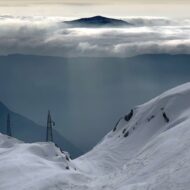
The Żylica Valley itself? Picture rolling green slopes in summer transforming into a winter wonderland when the snow hits. It’s that classic Central European mountain vibe, complete with traditional wooden architecture and forests that look like they belong in a fairytale.
Why Szczyrk Mountain Resort Works for Everyone
Here’s what makes Szczyrk special: it doesn’t gatekeep. Whether you’re bringing kids for their first ski lesson, looking to challenge yourself on black runs, or just want to breathe mountain air and eat pierogi, this place accommodates.
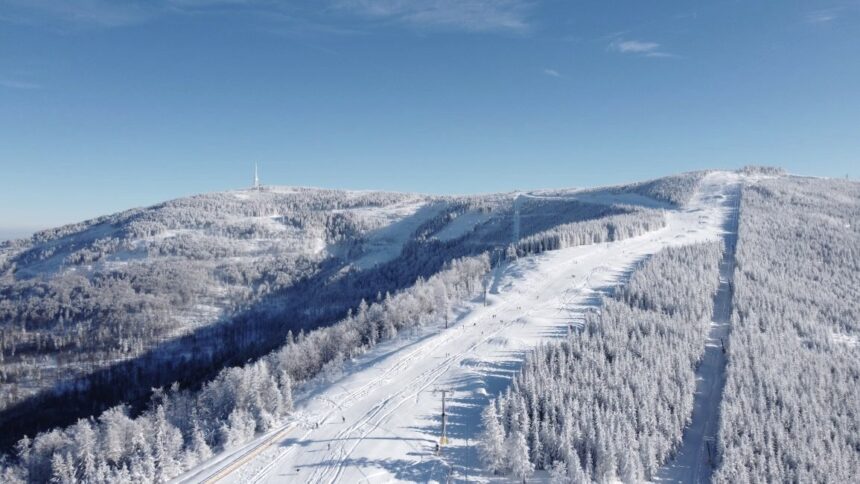
The skiing infrastructure spans multiple interconnected areas with modern lifts (we’re talking gondolas and chairlifts, not just sketchy T-bars). You’ve got around 40 kilometers of marked ski runs ranging from gentle greens perfect for beginners to legitimate black diamonds that’ll test experienced skiers. The resort invested heavily in snowmaking systems, so even when Mother Nature’s being stingy, you’ll have decent coverage from December through March.
Summer transforms everything. Those ski slopes become hiking and mountain biking trails. The gondolas still run, giving you easy access to summit views without the cardio punishment. Families love the summer toboggan runs and rope parks, while hikers can tackle everything from casual valley walks to serious peak-bagging expeditions across the Beskid Śląski range.
Getting There Without the Hassle
Flying in: Krakow Airport (officially John Paul II International Airport Kraków–Balice) is your best bet, with connections across Europe and beyond. From there, you’re looking at about 90 minutes by car. Katowice Airport works too and might have cheaper flights, though it’s slightly farther.
Driving: The roads are good—Poland’s been upgrading infrastructure like crazy. From Krakow, take the S52/DK52 south through Wadowice (yes, Pope John Paul II’s birthplace). The route itself is scenic, winding through villages and gradually climbing into mountain territory.
Public transport: Buses run regularly from Bielsko-Biała, which connects to major Polish cities by train. It’s doable but takes longer. If you’re committed to public transit, plan for 2-3 hours from Krakow with the transfer.
Pro tip: Renting a car gives you freedom to explore neighboring valleys and villages at your own pace. Plus, you can make grocery runs to local supermarkets instead of relying solely on resort restaurants.
Where to Stay: Options for Every Budget
Slope-side hotels offer that classic ski-in/ski-out convenience. Places like Hotel Beskid and Hotel Szczyrk offer comfortable rooms with mountain views, on-site restaurants, and easy lift access. Expect to pay €60-120 per night depending on season and room type.
Aparthotels and vacation rentals are huge here. You’ll find everything from studio apartments to multi-bedroom chalets, many with full kitchens. This is clutch if you’re traveling with family or friends, or if you just prefer cooking your own meals. Prices typically range €40-150 per night for the whole unit.
Guesthouses (pensjonaty) provide that authentic Polish hospitality experience. These family-run spots usually include breakfast, and owners often speak at least basic English. They’re scattered throughout Szczyrk town and offer the best value—think €30-60 per room per night.
Booking strategy: Winter weekends and Polish holidays (especially New Year’s and February break) book up fast and cost more. Weekdays are significantly cheaper. Summer is generally more affordable than winter across the board.
The Food Situation: What You’re Actually Eating
Let’s talk about what fuels your mountain adventures. Polish mountain cuisine is hearty, warming, and way more interesting than you might expect.
Oscypek is the star—this smoked sheep’s cheese from the nearby Tatra region shows up everywhere, usually grilled and served with cranberry sauce. It’s tangy, slightly chewy, and absolutely addictive.
Żurek (sour rye soup) and barszcz (beet soup) will warm you up after a cold day on the slopes. Most mountain huts and restaurants serve these with fresh bread.
Pierogi obviously make an appearance. You’ll find them stuffed with everything from traditional potato and cheese (ruskie) to meat, mushrooms, or sweet cheese. Don’t sleep on the fruit versions for dessert.
Kiełbasa (Polish sausage) grilled over an open fire is a slope-side snack staple. Simple, satisfying, perfect.
Where to eat: Mountain huts (schroniska) scattered across the trails serve hot food and drinks—they’re part of the experience. In town, try Karczma Rzym for traditional atmosphere or Bacówka Szczyrk for upscale mountain cuisine. Budget tip: grab supplies from Biedronka or Lidl supermarkets in town for DIY lunches.
Winter: The Skiing and Snowboarding Scene
Szczyrk Mountain Resort’s winter season typically runs December through March, sometimes extending into April at higher elevations.
Lift ticket prices are refreshingly reasonable—around 180-220 PLN (€40-50) for a full-day adult pass during peak season. That’s literally half what you’d pay in the Alps. Multi-day passes and family tickets offer better value.
The terrain breakdown: Roughly 40% beginner runs, 40% intermediate, 20% advanced. The Skrzyczne summit area offers the most challenging terrain and the best snow conditions. Lower areas around Szczyrk centrum are perfect for learning and warming up.
Ski schools operate across the resort with English-speaking instructors available (book ahead to ensure this). Group lessons start around 150 PLN (€35) for two hours. Private instruction costs more but delivers faster results if you’re serious about improving.
Equipment rental shops are everywhere in town, often cheaper than renting at the base stations. A full setup (skis/board, boots, poles) runs about 80-120 PLN (€18-28) per day, with discounts for multi-day rentals.
Night skiing happens on select runs, usually Wednesday through Saturday evenings. It’s a totally different vibe—less crowded, atmospheric lighting, and a unique way to maximize your mountain time.
Summer: Hiking, Biking, and Mountain Adventures
When the snow melts, Szczyrk transforms into an outdoor playground that honestly might be even better than winter.
Hiking trails spiderweb across the Beskid Śląski range. The classic route up Skrzyczne (1,257m)—the highest peak in Silesian Beskids—takes 2-3 hours from Szczyrk and rewards you with panoramic views across southern Poland and into Czech Republic and Slovakia on clear days. The trail is well-marked and manageable for anyone with moderate fitness.
Mountain biking has exploded here. The resort maintains dedicated downhill tracks accessed via gondola, plus countless cross-country and enduro trails through the forests. Bike rental shops in town have everything from basic hardtails to full-suspension enduro rigs (100-200 PLN/€23-46 daily).
The gondola runs in summer, turning a sweaty 2-hour climb into a comfortable 15-minute ride. This opens up hiking options for people who want summit views without the full ascent. You can ride up, hike the ridgeline, and catch the gondola down from a different station.
Adventure parks featuring zip lines, rope courses, and climbing walls cater to families and thrill-seekers. The toboggan run operates year-round and is genuinely fun (yes, even for adults—maybe especially for adults).
Paragliding launches happen from various peaks around Szczyrk if you want to see the valleys from an entirely different perspective. Tandem flights with experienced pilots run about 400-600 PLN (€90-140).
Beyond the Resort: Day Trips Worth Taking
Bielsko-Biała (20km away) combines Polish and Austrian architectural influences from its Habsburg past. The old town is charming, museums are interesting, and the restaurant scene surpasses Szczyrk’s. Great for a rainy day or cultural break.
Wadowice (35km) draws Catholic pilgrims as Pope John Paul II’s birthplace, but the town itself is pleasant regardless of religious interest. The papal museum is surprisingly engaging, and the kremówki (cream cakes) he famously loved are legitimately delicious.
Żywiec (20km) brews Poland’s most famous beer. The brewery offers tours, and the town sits on a pretty reservoir that’s great for summer swimming and water sports.
The Tatra Mountains and Zakopane (80km) represent Poland’s premier mountain destination. It’s more dramatic, more touristy, and more crowded than Szczyrk, but worth seeing if you have time. The high peaks there actually feel alpine.
Czech and Slovak borders are close enough for easy international day trips. Český Těšín on the Czech side and various Slovak mountain villages offer different mountain vibes and cultures just an hour away.
Practical Tips That Actually Matter
Language: English works in hotels, rental shops, and restaurants catering to tourists, but drops off fast elsewhere. Download Google Translate offline for Polish. That said, people are generally helpful even with zero shared language.
Currency: Polish złoty (PLN) is what you need. Cards work widely, but carry some cash for mountain huts, small shops, and parking. ATMs are common in Szczyrk town. Current exchange rate hovers around 4.3-4.5 PLN to 1 EUR or USD.
Weather: Mountain weather changes fast. Summer temperatures range 15-25°C in valleys, cooler at elevation. Winter is typically -5 to 5°C but can drop much colder. Always pack layers, waterproof outer layer, and sun protection regardless of season.
Crowds: Polish school holidays (especially February break and New Year’s) bring domestic crowds. Weekdays are significantly quieter year-round. If you hate crowds, schedule around Polish holiday calendars.
Mobile coverage: Generally good in town and on main slopes, spotty on remote trails. Download offline maps before heading into the backcountry.
Safety: Szczyrk is very safe. Standard precautions apply. Mountain rescue services are professional and well-equipped if needed (but hopefully you won’t need them).
What It Actually Costs: Real Budget Breakdown
Let’s talk money. Per person, per day, assuming mid-range choices:
Winter:
- Accommodation: €20-40 (shared apartment or guesthouse)
- Lift ticket: €40-50
- Meals: €15-25 (mix of restaurants and self-catering)
- Equipment rental (if needed): €20-30
- Daily total: €95-145
Summer:
- Accommodation: €20-40
- Activities (gondola, bike rental, etc.): €15-30
- Meals: €15-25
- Daily total: €50-95
Compared to Western European resorts where you’d easily spend €200-300 daily for similar experiences, Szczyrk delivers serious value.
The Verdict: Should You Go?
Here’s the honest assessment: Szczyrk Mountain Resort won’t blow your mind if you’re comparing it to Chamonix or Whistler. It’s not trying to be those places. What it offers is genuine mountain experiences, solid infrastructure, beautiful scenery, and authentic Polish culture at prices that let you extend your trip or splurge on better accommodation and meals.
It’s ideal for first-time skiers who don’t want to pay Alps prices while learning, families looking for adventure without breaking the bank, hikers who prefer peaceful trails over Instagram crowds, and anyone curious about Central European mountain culture.
The Beskid Śląski mountains and Żylica Valley might not be household names internationally, but that’s kind of the point. You’re getting in before the crowds discover what locals have known forever.
So yeah—book that trip to Szczyrk. Your wallet and your sense of adventure will both thank you.
Best time to visit: January-February for skiing, June-September for hiking and summer activities. May and October offer shoulder-season deals and fewer crowds if you don’t mind variable weather.
Now stop reading and start planning. Those mountains aren’t going to explore themselves.