












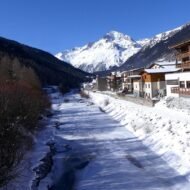

4. Bardonecchia, Italy – Turin’s Secret Mountain Playground
User Rating: ⭐ 4.4/5 (Based on 11,800+ reviews)
- 4. Bardonecchia, Italy – Turin’s Secret Mountain Playground
- Winter Weather Snapshot
- What Makes Bardonecchia Special
- Things to Do (According to Real Visitors)
- Accommodation Options
- Shopping & Local Traditions
- Budget Breakdown
- Signature Dishes You Can’t Miss
- Cultural Aspects
- Events & Festivities
- Getting There
- 5. Vogel, Slovenia – Europe’s Best-Kept Ski Secret
- RECAP: Which Resort Is Right For You?
- DISCLAIMER
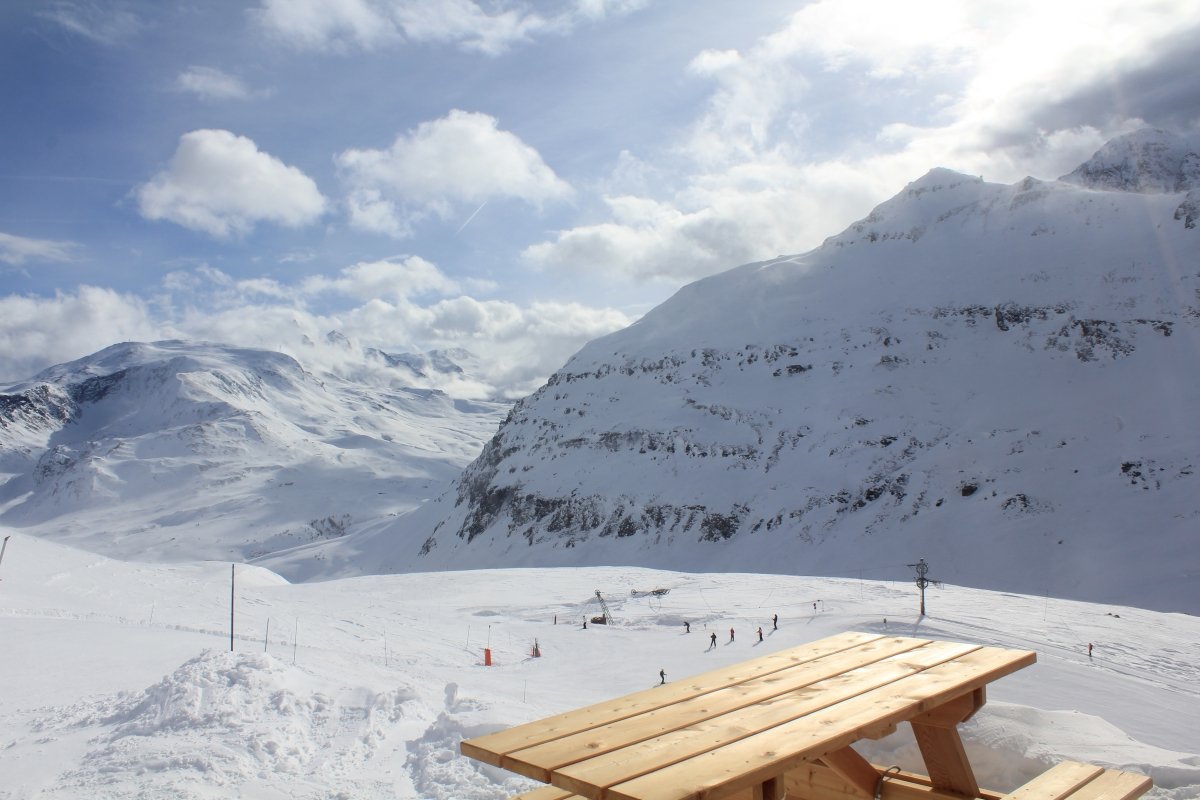
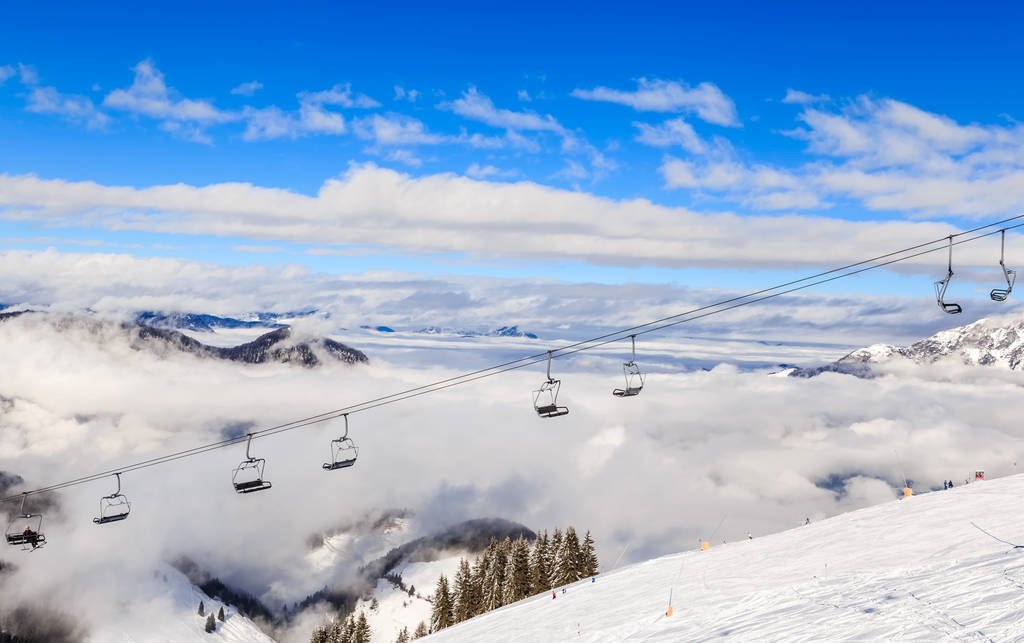
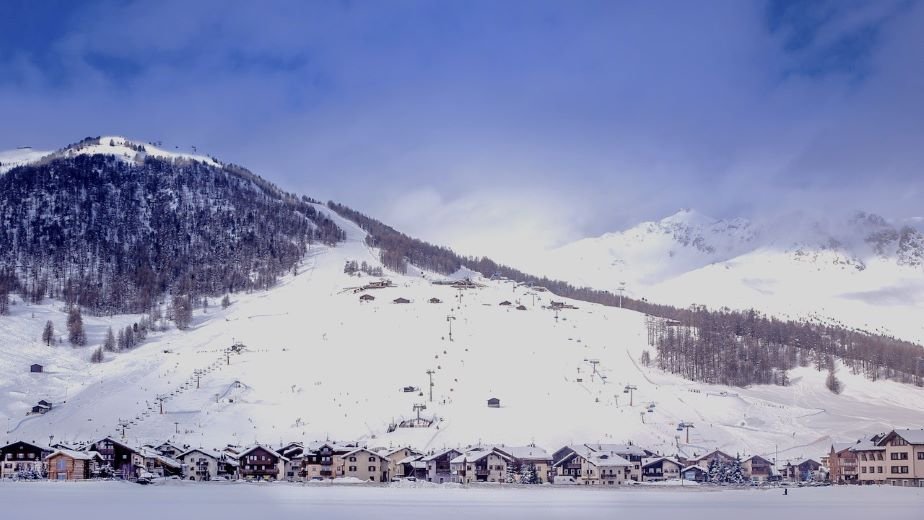
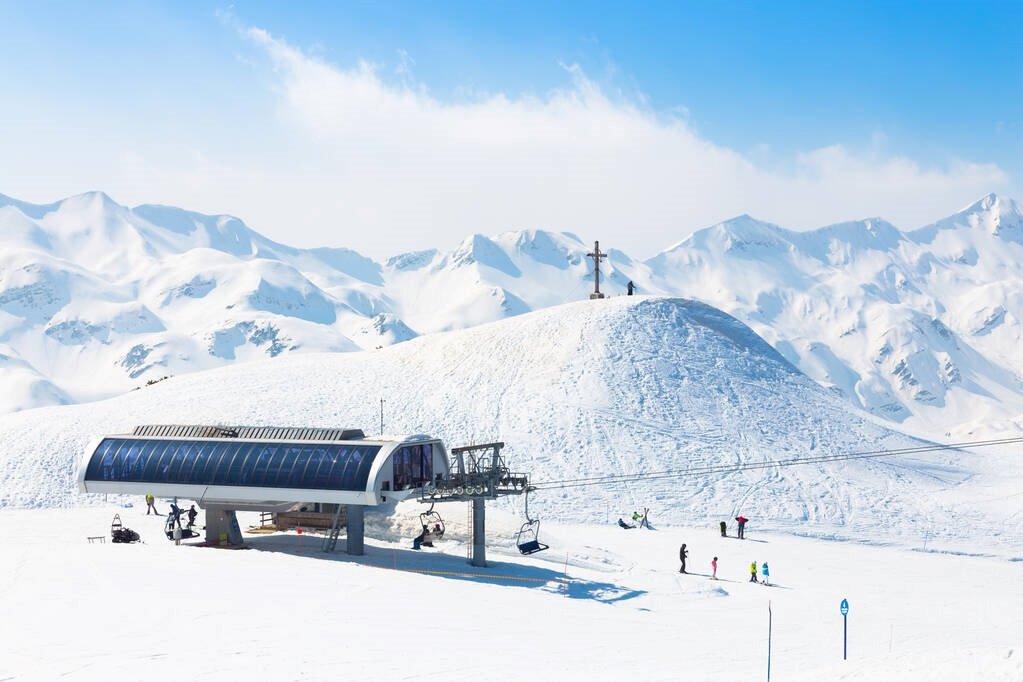
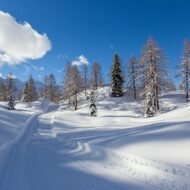
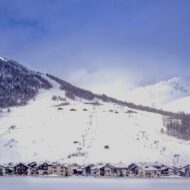
The closest proper ski resort to a major city (Turin is 90 minutes away), Bardonecchia hosted 2006 Winter Olympics events and still flies under the radar. It’s where Italians go when they want quality skiing without the Cortina price tag.
Winter Weather Snapshot
Avg. Temp (Jan): -5°C to 4°C (23°F to 39°F)
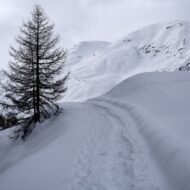
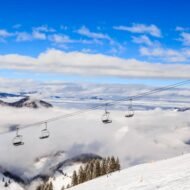
At 1,312m base elevation, Bardonecchia enjoys reliable snow from December through April. The resort spans two main areas (Jafferau and Melezet-Campo Smith), with slopes reaching 2,750m where snow is guaranteed. Weather can change quickly—pack waterproofs.
What Makes Bardonecchia Special
- Olympic pedigree (hosted snowboarding events in 2006)
- 100km of slopes split across varied terrain
- Authentic Italian town, not a resort village
- Frejus Railway Tunnel means easy access from France
Things to Do (According to Real Visitors)
- Les Arnauds area: Tree skiing through larch forests, magical after fresh snow
- Olympic halfpipe: Still maintained and open to public
- Forte Bramafam: WWII-era fortress with guided tours
- Valle Stretta: Cross-country skiing in a pristine valley
- Turin day trip: 90 minutes to world-class museums, chocolate, and aperitivo culture
- Ice skating: Natural ice rink in town center
Accommodation Options
Real Italian hospitality at real Italian prices:
- Family-run hotels: €50-90/night with amazing breakfasts
- Agriturismos nearby: €40-70/night (farm stays)
- 3-star hotels: €70-130/night
- Apartments: €60-120/night
- Luxury options: €150-250/night
Many include half-board—Italian hotel dinners are feasts.
Shopping & Local Traditions
Bardonecchia is a real town, not just a resort, so you’ll find regular shops alongside ski stores. Via Medail has cafes, bakeries, and family-run businesses that have operated for generations. The Thursday market sells local salami, mountain honey, and handicrafts.
Tradition: The town celebrates Carnevale with elaborate masks and costumes—the alpine version is darker and more mysterious than Venice.
Budget Breakdown
- Ski pass: €44-50/day (cheaper than French resorts)
- Equipment rental: €20-30/day
- Mountain lunch: €10-16
- Dinner in town: €15-25
- Aperitivo: €5-8 (includes snacks!)
- Daily budget: €100-150/person
The aperitivo culture is a budget hack—€6 Spritz includes free buffet.
Signature Dishes You Can’t Miss
- Agnolotti del Plin: Tiny hand-pinched pasta parcels with meat filling
- Brasato al Barolo: Beef braised in Barolo wine, melt-in-your-mouth tender
- Polenta concia: Creamy polenta with butter and Fontina cheese
- Bagna cauda: Hot anchovy and garlic dip with vegetables (winter staple)
- Gianduiotti: Hazelnut chocolate from nearby Turin—perfect gift
Cultural Aspects
Bardonecchia straddles French and Italian culture—historically part of France, then Italy, creating unique identity. You’ll hear French words mixed with Italian. The town maintains working-class authenticity; locals work in hospitality but aren’t defined by tourism. Sunday mass still fills the baroque church, and elderly men play bocce in the piazza year-round.
Events & Festivities
- Sciovia: Historic ski race with vintage equipment
- Carnevale Storico (February): Week-long celebration with masked balls
- Pizza Festival (March): Because Italians celebrate pizza even in ski resorts
Getting There
Nearest Major Airport: Turin Caselle (95km, 1.5 hours)
This proximity to a major city is Bardonecchia’s superpower. Trains run directly from Turin Porta Nuova station (€10-15, 2 hours)—no need to rent a car. Milan airports work too (220km). The Frejus Tunnel connects to France if coming from Lyon or Grenoble.
5. Vogel, Slovenia – Europe’s Best-Kept Ski Secret
User Rating: ⭐ 4.8/5 (Based on 6,400+ reviews)
Perched above Lake Bohinj in Triglav National Park, Vogel might be Slovenia’s only real ski resort, but what it lacks in size it makes up for in jaw-dropping scenery, unbeatable prices, and zero crowds. Seriously, this place is criminally underrated.
Winter Weather Snapshot
Avg. Temp (Jan): -7°C to 1°C (19°F to 34°F)
Vogel sits at 1,540m with skiing up to 1,800m—reliable snow from December to March, sometimes April. Lake effect from nearby Bohinj creates unique weather patterns and stunning cloud inversions. On clear days, you’ll see the Julian Alps, Italy, Austria, and Croatia. Pack warm layers; it’s exposed and can be windy.
What Makes Vogel Special
- Cable car launches from Lake Bohinj (most scenic ski access in Europe)
- Views of Triglav (Slovenia’s highest peak at 2,864m)
- Ridiculously cheap compared to Alpine neighbors
- Virtually no lift queues, even on weekends
- Slovenia’s only resort with this kind of infrastructure
Things to Do (According to Real Visitors)
- Ski with that view: Every run has Lake Bohinj panorama
- Explore Lake Bohinj: Winter wonderland, sometimes frozen solid
- Visit Bled Lake: 30 minutes away, fairy-tale castle and cream cake
- Savica Waterfall: Partially frozen in winter, accessible via short hike
- Vintgar Gorge: Closed in deep winter but spectacular in early/late season
- Traditional Slovenian dinner: Local gostilnas serve authentic cuisine
Accommodation Options
This is where your jaw drops at the prices:
- Bohinj village guesthouses: €35-60/night
- Lake-view hotels: €50-90/night
- Apartments: €45-80/night for entire unit
- Alpine huts: €25-40/night (shared rooms, incredible atmosphere)
- Luxury eco-hotels: €100-180/night
Seriously, you can ski a week for what three days costs in France.
Shopping & Local Traditions
Bohinj village is tiny and authentic—one grocery store, a few restaurants, and local shops selling wool products and honey. This isn’t a shopping destination; it’s about nature and simplicity.
Tradition: Kurentovanje (carnival celebration) happens in nearby Ptuj with elaborate costumes meant to chase away winter. Bohinj celebrates with smaller, family-friendly versions.
Budget Breakdown
- Ski pass: €36-42/day (sometimes cheaper than a restaurant meal!)
- Cable car + ski pass combo: €45/day
- Equipment rental: €15-25/day
- Mountain lunch: €8-12
- Dinner in village: €12-20
- Local beer: €2-3
- Daily budget: €80-130/person
You’ll spend more on travel to Slovenia than skiing there.
Signature Dishes You Can’t Miss
- Žlikrofi: Idrija-style dumplings filled with potato, bacon, and chives
- Kranjska klobasa: Slovenian sausage, protected designation of origin
- Potica: Rolled cake with walnut filling (Christmas/holiday special)
- Štruklji: Rolled dumplings, sweet or savory versions
- Blejska kremšnita: If you visit Bled (you should), this vanilla cream cake is mandatory
- Ajdovi žganci: Buckwheat spoonbread with cracklings—old mountain staple
Cultural Aspects
Slovenians are proud but humble about their country. Vogel attracts local families and budget-conscious Europeans who’ve discovered this secret. The vibe is unpretentious and welcoming—English is widely spoken, especially by younger people. Slovenia’s history (Yugoslavia, then independence in 1991) creates fascinating cultural layers. People here love nature deeply; Triglav National Park is sacred ground.
Events & Festivities
- Cow’s Ball (January): Absurd and hilarious costume party at the summit
- FIS Ski Jumping (Late winter): World Cup events in nearby Planica
- Bohinj Festival (Summer, but worth returning for): Folk music celebration
Getting There
Nearest Major Airport: Ljubljana Jože Pučnik Airport (85km, 1 hour)
Ljubljana is a charming capital worth exploring before hitting the slopes. Rent a car (€25-40/day) for maximum flexibility—Slovenia is tiny, and you can visit multiple attractions easily. Bus from Ljubljana to Bohinj costs €10-15. Venice Marco Polo (200km) and Trieste (150km) are alternatives if you’re combining Italy and Slovenia.
Pro tip: Fly into Venice, ski Vogel, then road-trip through Slovenia’s wine country. Best of both worlds. MORE READ..
RECAP: Which Resort Is Right For You?
Choose Söll if: You want reliable Austrian efficiency, massive terrain, legendary après-ski, and don’t mind sharing slopes with other savvy budget travelers.
Choose Livigno if: You’re combining skiing with shopping, want guaranteed snow, love Italian food, and appreciate the longest season in the Alps.
Choose Val Cenis if: You crave authentic French mountain culture, prefer quieter slopes, enjoy cheese-based cuisine, and want to explore the Vanoise region.
Choose Bardonecchia if: You’re flying into Italy anyway, want Olympic-standard facilities at budget prices, might take a day trip to Turin, and love proper Italian hospitality.
Choose Vogel if: You want absolutely stunning scenery, don’t need 100+ runs to be happy, travel on the tightest budget, and prefer nature over nightlife.
The truth: You can’t go wrong with any of these. They all deliver legitimate alpine skiing experiences at prices that won’t require a second mortgage. Book the one that matches your vibe and budget, then actually enjoy yourself instead of stress-eating instant noodles in Val d’Isère because you spent your food budget on lift tickets.
DISCLAIMER
Prices and conditions: All pricing, weather data, and facility information were accurate as of winter 2024-2025 season. Ski resorts change pass prices, EUR exchange rates fluctuate, and businesses close/open regularly. Always verify current information before booking.
Skill level: These resorts suit intermediate skiers best. Beginners will find appropriate slopes, but might progress faster in dedicated learning areas. Expert skiers will find challenges but might want more extreme terrain elsewhere.
Accessibility: Not all locations are equally accessible for travelers with mobility concerns. Contact resorts directly for specific accommodation needs.
Weather: Mountain weather is unpredictable. Insurance that covers missed skiing days due to weather or injury is worth considering.
Personal safety: Skiing and winter sports carry inherent risks. Follow resort rules, ski within your ability, and consider helmet usage regardless of local laws.
Environmental impact: These mountains are treasures. Practice Leave No Trace principles, use public transport when possible, and support local businesses that prioritize sustainability.
This guide reflects research and user reviews as of January 2025. Your experience may vary—that’s part of the adventure. Safe travels, and may your powder be deep and your glühwein warm!