

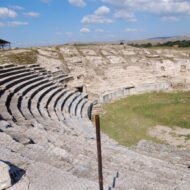
TL;DR: Stobi is a spectacularly preserved ancient Roman city near Gradsko, North Macedonia, offering stunning mosaics, amphitheater ruins, and early Christian basilicas—all without the crowds of more famous European sites. Budget around €5 entrance, 2-3 hours to explore, and you’ll get incredible photos plus a genuine connection to Roman history. Perfect for history buffs, photographers, and anyone wanting an authentic archaeological experience.
- What Makes Stobi Actually Worth Your Time?
- Getting There: It’s Easier Than You Think
- Practical Info: Money, Time & What to Expect
- What You’ll Actually See (The Good Stuff)
- The Theater
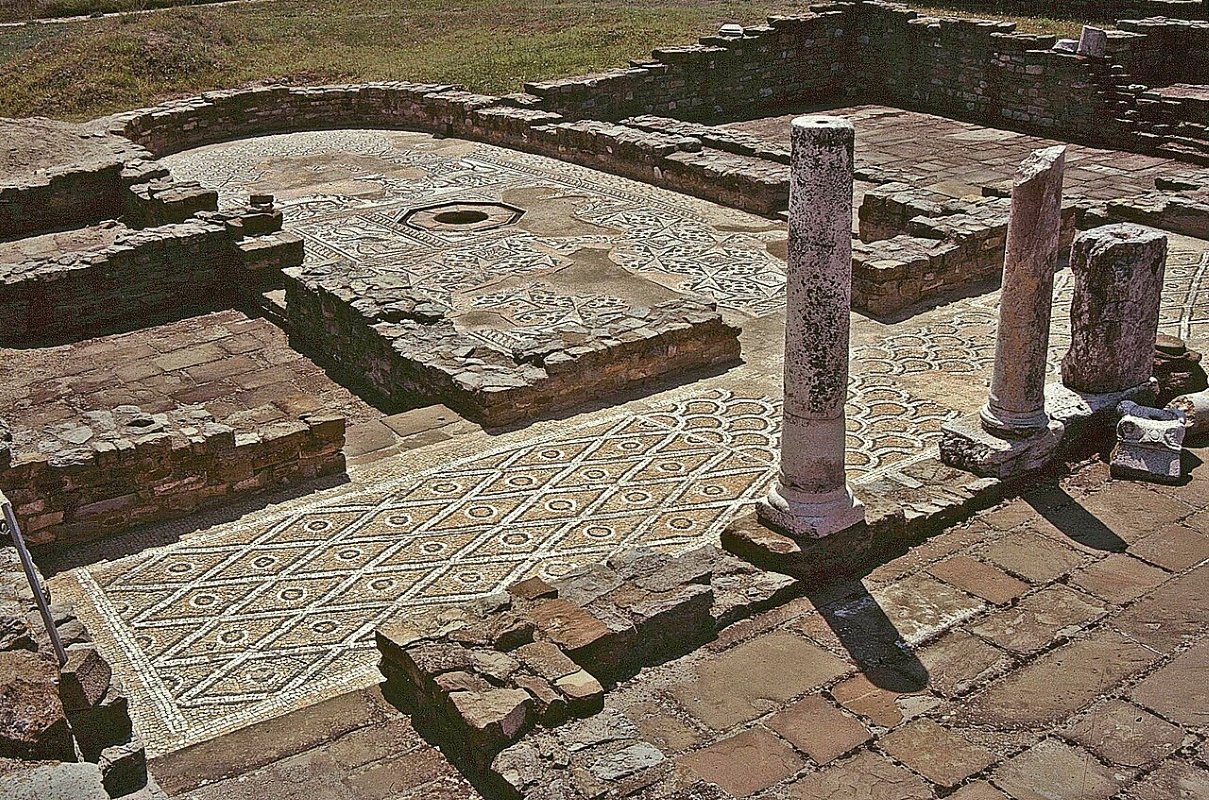
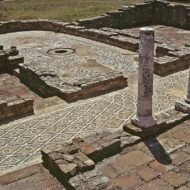
- House Mosaics That’ll Blow Your Mind
- The Basilicas
- The Streets and Infrastructure
- The Small Museum
- Tips for Making the Most of Your Visit
- Where to Eat & Stay Nearby
- Combining Stobi with Other Attractions
- Real Talk: Is Stobi Worth It?
- The Bottom Line
What Makes Stobi Actually Worth Your Time?
Look, we’ve all been to those “ancient ruins” that turn out to be three rocks and a sign. Stobi isn’t that. This place was once the capital of the Roman province of Macedonia Secunda, and honestly? It shows.
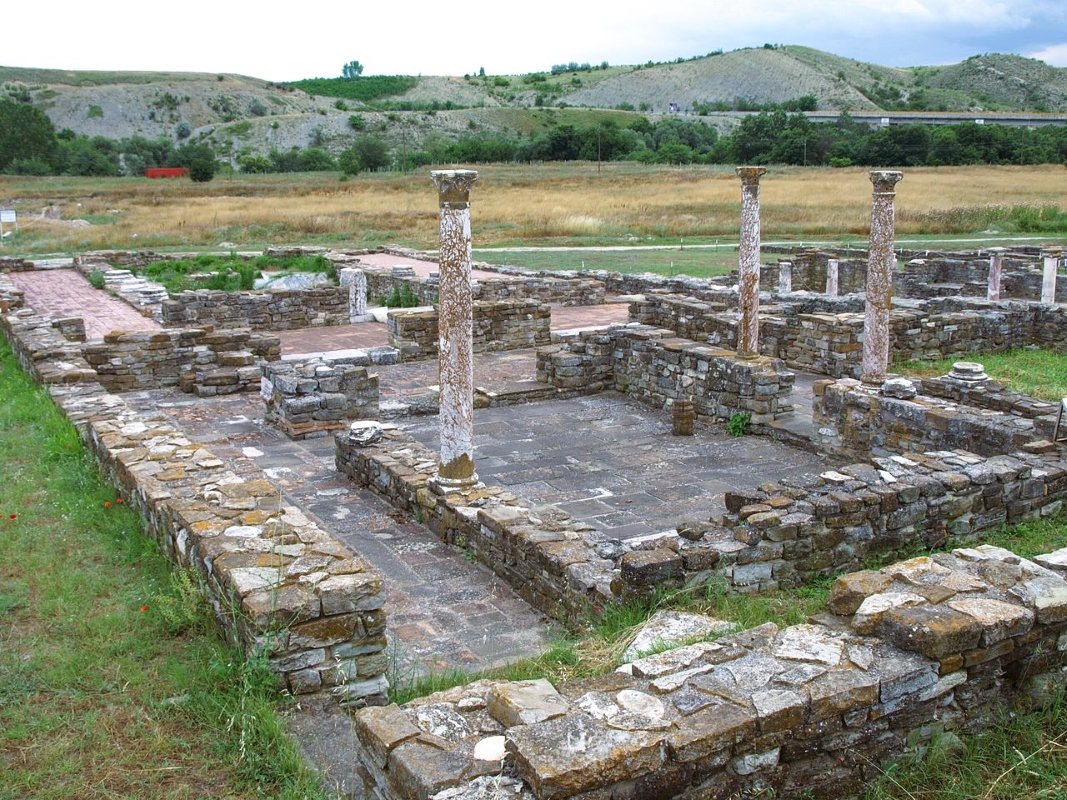
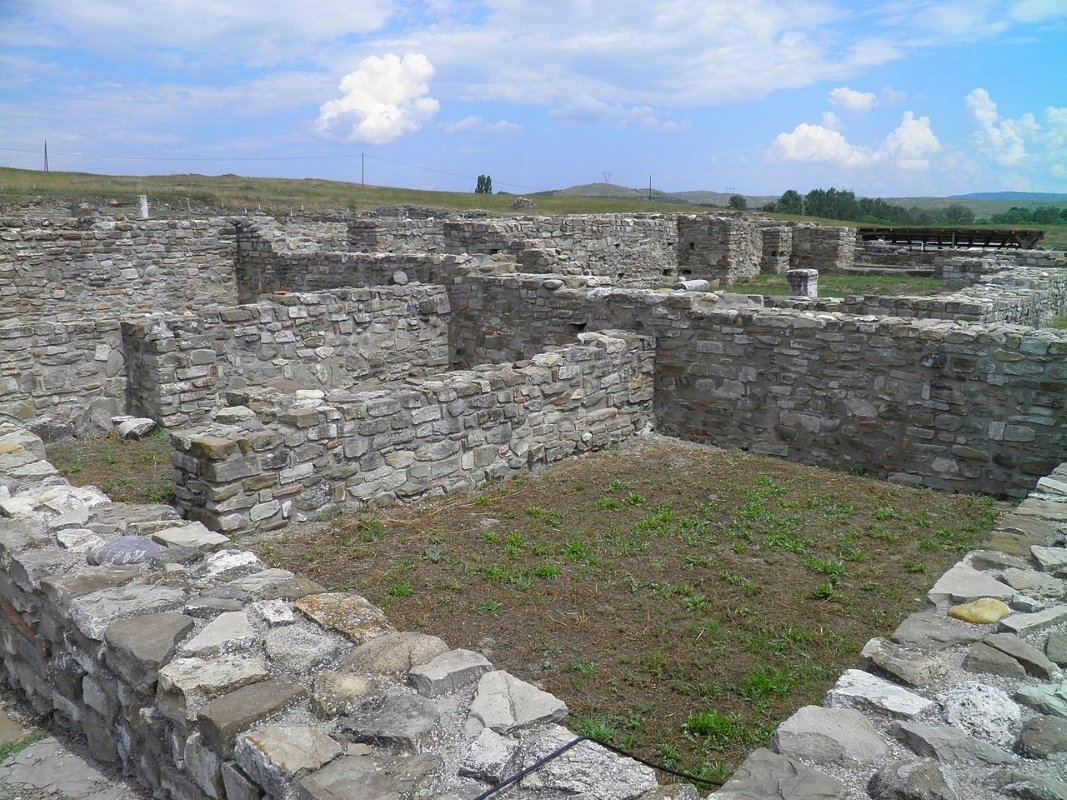
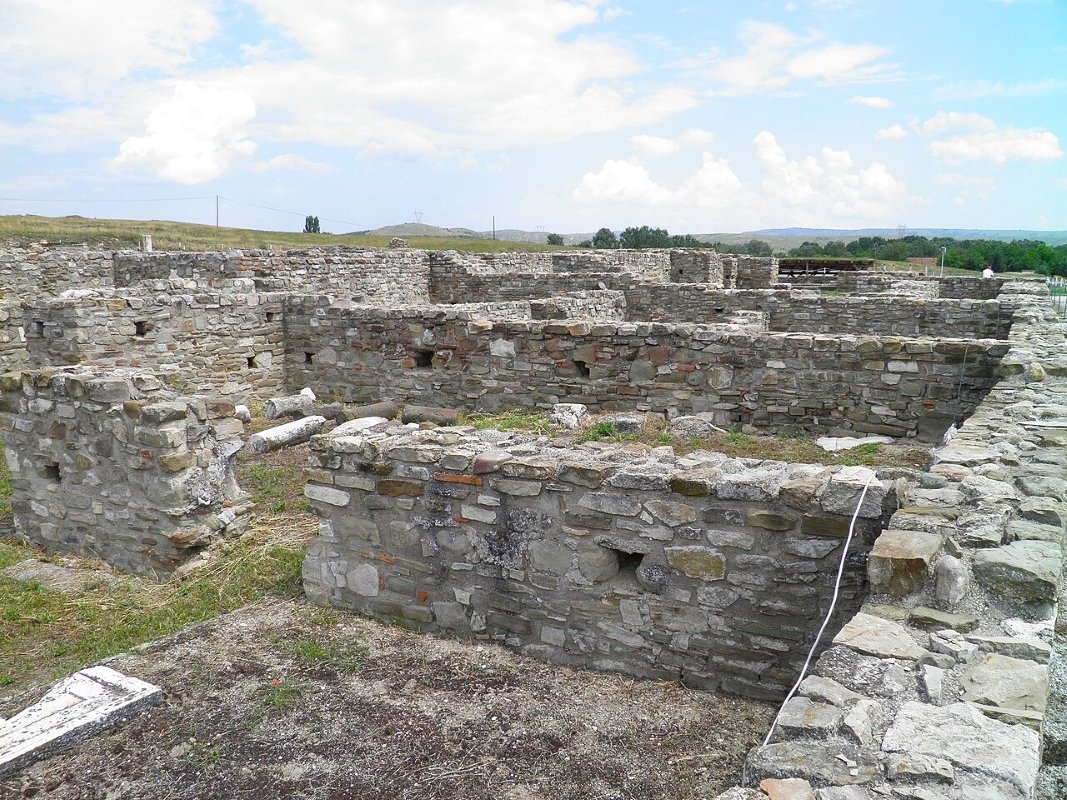
You’re walking through actual Roman streets where people lived, shopped, and gossiped 2,000 years ago. The mosaics are still vibrant (no joke—some look like they were laid last decade), the theater still has its stage intact, and the whole site sprawls across a landscape that’ll make your Instagram followers seriously jealous.
The best part? You might have the entire place to yourself. While everyone’s crowding into Pompeii or Ephesus, Stobi remains blissfully under-the-radar.
Getting There: It’s Easier Than You Think
Location: Near the town of Gradsko, about 5km off the main E75 highway connecting Skopje to Greece
From Skopje:
- Car: 90km south (about 1 hour drive)
- Bus: Take any Skopje-Bitola or Skopje-Greece bus, ask to be dropped at Gradsko intersection, then taxi/walk 5km
- Organized tour: Several Skopje tour companies offer day trips
From Thessaloniki, Greece:
- About 170km north (2 hours)
- Great for a cross-border day trip if you’re exploring the region
Pro tip: Having your own wheels makes life infinitely easier. The site entrance is well-signed from the highway.
Practical Info: Money, Time & What to Expect
Entrance Fee: Around 100-150 MKD (€2-3), sometimes up to 250 MKD (€5) depending on season
- Students and seniors often get discounts
- Kids typically free or heavily discounted
Opening Hours:
- Summer (April-October): 8am-8pm daily
- Winter (November-March): 8am-4pm daily
- Always check ahead for holidays or special closures
How Long to Spend: 2-3 hours minimum if you’re actually into it. You could rush through in an hour, but why would you?
Best Time to Visit:
- Spring (April-May): Perfect weather, wildflowers everywhere, not too hot
- Fall (September-October): Gorgeous light for photos, comfortable temperatures
- Summer: Doable but HOT—bring serious sun protection
- Winter: Fewer visitors, but chilly and some areas may be muddy
What You’ll Actually See (The Good Stuff)
The Theater
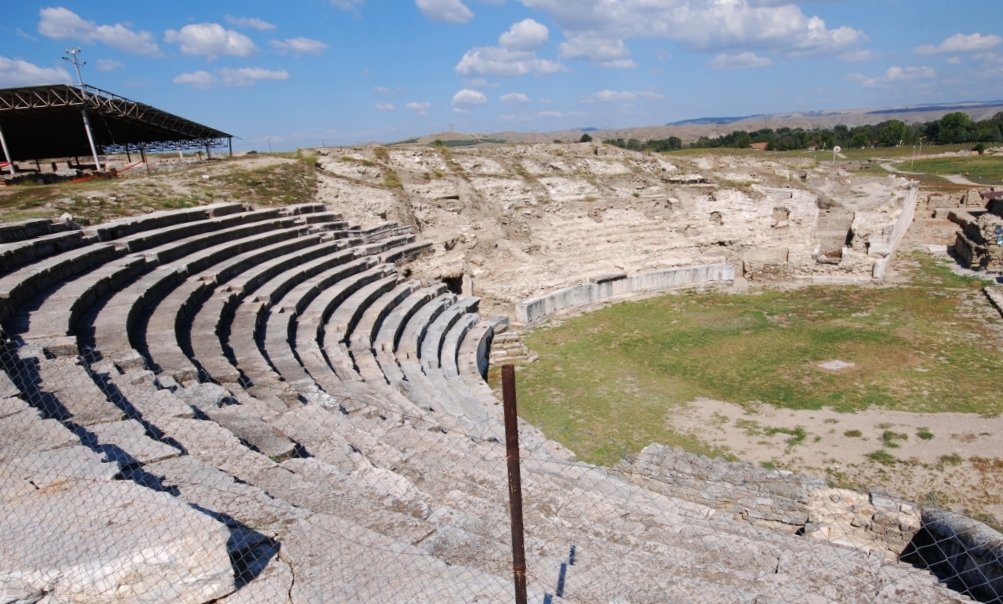
This 2nd-century amphitheater could seat around 7,600 people. The stage building (scaenae frons) still stands, and you can actually walk on the ancient stage. Sit in the seats, test the acoustics, feel like a Roman actor for a minute.
House Mosaics That’ll Blow Your Mind
Several aristocratic houses have floor mosaics that are legitimately museum-quality:
- House of Peristerias: Geometric patterns that seem impossibly intricate
- Episcopal Basilica: Early Christian motifs and scenes
- Theodosian Palace: Large complex with multiple mosaic rooms
The colors—blues, reds, golds—have survived remarkably well. It’s wild to think people walked on these daily.
The Basilicas
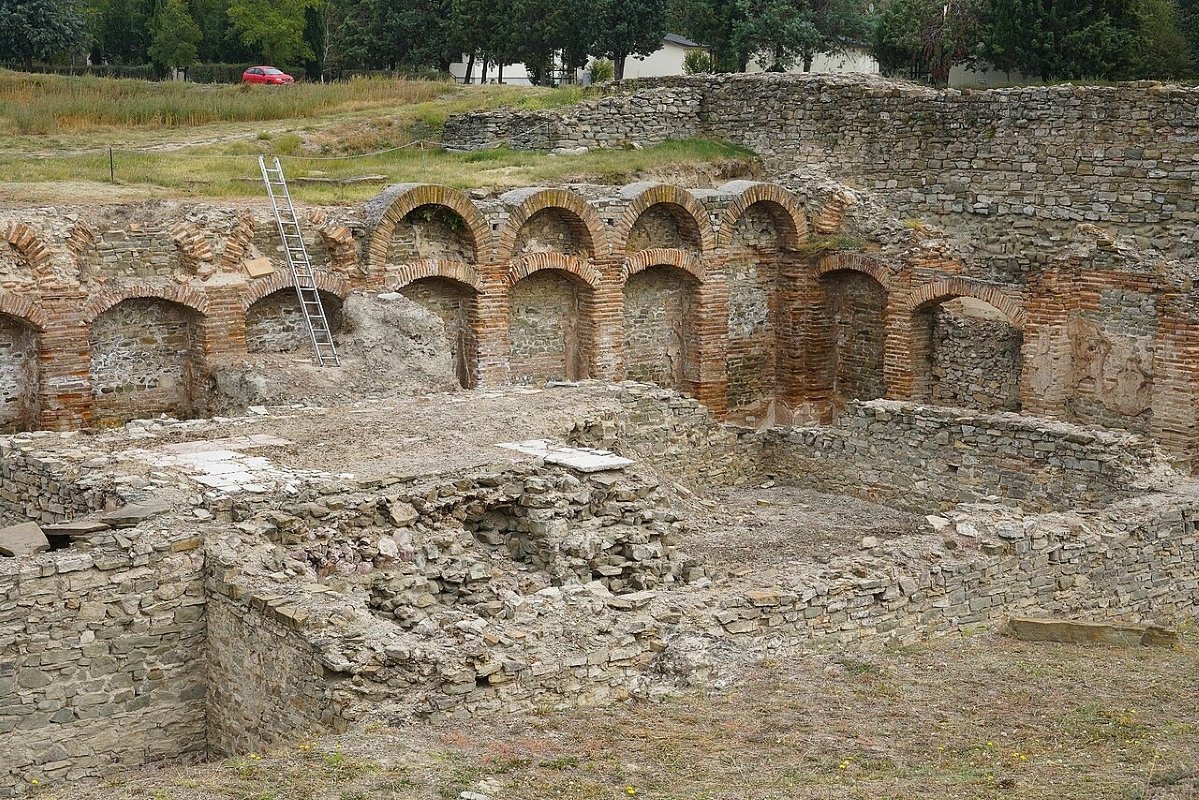
Stobi has several early Christian basilicas from the 4th-6th centuries AD, showing how the city transitioned from pagan Rome to Christian Byzantium. The Episcopal Basilica is particularly impressive with its baptistery still visible.
The Streets and Infrastructure
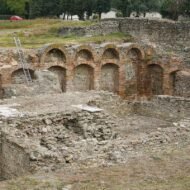
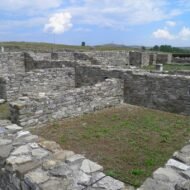
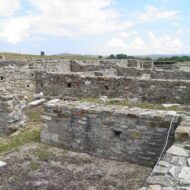
Walk the original Roman streets (complete with chariot wheel ruts), see the ancient water and sewage systems, check out shop foundations. This stuff makes history feel real in a way textbooks never could.
The Small Museum
On-site museum displays artifacts found during excavations—pottery, coins, jewelry, sculptures. It provides great context for what you’re seeing outside.
Tips for Making the Most of Your Visit
What to Bring:
- Water: Seriously. There’s minimal shade and no cafés inside.
- Sun protection: Hat, sunscreen, sunglasses—the Macedonian sun doesn’t mess around
- Comfortable shoes: You’re walking on ancient stones and uneven ground
- Camera: Obviously. The light at golden hour is chef’s kiss.
Accessibility Considerations:
- The site has significant uneven terrain, stairs, and unpaved paths
- Wheelchair access is challenging in many areas
- Visitors with mobility concerns should check ahead about accessible routes
Photography:
- No flash inside covered mosaic areas (preservation)
- Golden hour (sunrise/sunset) provides the most dramatic lighting
- The view from the theater looking out over the valley is spectacular
Guided Tours:
- English-speaking guides available (often need to arrange in advance)
- Highly recommended—the difference between “old rocks” and “understanding Roman daily life” is having someone explain what you’re seeing
- Ask at the entrance or book through Skopje tour companies
Where to Eat & Stay Nearby
Gradsko: Small town with basic restaurants serving traditional Macedonian food. Don’t expect fancy, but the grilled meats and shopska salad hit different after walking around ruins all morning.
Better Options:
- Veles (20km): Larger town with more restaurant and accommodation choices
- Skopje (90km): Full range of hotels, hostels, restaurants—make Stobi a day trip
- Bitola (85km south): Charming city with Ottoman history, good base for exploring southern North Macedonia
Combining Stobi with Other Attractions
Make a day or multi-day trip by adding:
- Tikveš Wine Region: 30km south—North Macedonia’s premier wine country
- Lake Dojran: Beautiful lake with beaches and seafood restaurants
- Veles: Ottoman-era architecture and traditional crafts
- Kokino Observatory: Ancient megalithic observatory (about 100km, but worth it)
Real Talk: Is Stobi Worth It?
If you’re traveling through the Balkans or spending time in North Macedonia, absolutely yes. It’s not going to compete with Rome or Athens in terms of scale, but that’s kind of the point. You get a genuine, uncrowded, affordable archaeological experience where you can really connect with the site.
For families, history enthusiasts, photographers, or anyone tired of tourist hordes, Stobi delivers. It’s one of those places that makes you think, “Why doesn’t everyone know about this?”
The Bottom Line
Budget €10-20 per person (entrance, transport, snacks), spend half a day, and you’ll come away with incredible photos, fascinating insights into Roman provincial life, and the satisfaction of discovering something genuinely special that isn’t on every “Top 10 Europe” list.
North Macedonia keeps getting more popular with travelers looking for authentic experiences without the crowds and prices of Western Europe. Stobi is exactly the kind of place that justifies the trip.
Getting there? Not always straightforward, but totally manageable. Worth it? 100%.
Have you visited Stobi or other archaeological sites in the Balkans? The region is packed with hidden gems—each one seems more impressive and less crowded than the last.