



The Hanseatic League: Europe’s Medieval Trading Empire
Updated July 2026 — Part of The Wanders Civilisation Trails · Trail VII: The Hanseatic Trail
Hanse Days 2026 are being held in Stargard Szczecin, Poland this summer — the most important annual gathering of Hanseatic cities. The full programme is at hansestaedte.de
For four centuries, a network of merchant cities ran northern Europe without a king, a capital or an army. The Hanseatic League — die Hanse — was an alliance of trading cities that stretched from London to Novgorod, from Bergen to Kraków, bound not by conquest but by commerce. It eliminated piracy in the Baltic, invented the modern cargo ship and amassed wealth that can still be read in the brick gables of Lübeck, the waterfront of Gdańsk and the city walls of Tallinn. It never formally dissolved. It simply became the world we live in.
This is the trail worth following across northern Europe — through the old towns, the guild halls, the waterfront warehouses and the Brick Gothic cathedrals that the Hanse left behind in almost every significant city between the Rhine and the Neva. The architecture survived. The amber roads survived. The tradition of civic pride that made these cities extraordinary survived.
What the Hanseatic League Was
The Hanseatic League originated in the 12th century as an association of Low German merchants trading along the Baltic coast. By the Late Middle Ages the cities themselves had taken over the administration of the Hanse — so that by its peak it was simultaneously a league of merchants and a league of cities, with the merchant elite and the civic government often being the same people.
The Hanse amassed immense wealth. It eliminated piracy in the Baltic. It brought major developments to sailing — including the cog, the dominant cargo vessel of the era — and extended its trade network as far south as Nuremberg and as far east as Novgorod in Russia. The commodities it moved defined medieval European life: Baltic herring and stockfish from Norway, furs and wax from Russia, amber and grain from Poland, cloth from Flanders, copper from Sweden, salt from Lüneburg.
At its peak the League controlled virtually all trade in the Baltic and North Seas through a system of trading posts called kontors — secure enclaves in strategic cities including London, Bruges, Bergen and Novgorod. These were effectively self-governing merchant districts: warehouses, churches, living quarters and courts all under Hanseatic jurisdiction within foreign cities. The Bergen kontor at Bryggen — a row of wooden warehouses on the harbour — is the most complete survivor and one of Norway’s UNESCO World Heritage Sites.
The League operated through a remarkably democratic structure for its era. Representatives from member cities met in assemblies called Hansetags to set trade policy, resolve disputes and occasionally wage economic warfare against rivals. Lübeck functioned as the de facto capital. No central government existed — the League ran on consensus, commercial interest and the shared recognition that cooperation was more profitable than competition.
The Decline
With the rise of the Italian merchant republics and the opening of Atlantic trade routes after 1492, the Hanse’s days were numbered. The major trade flows shifted south and west. Emerging nation-states — Sweden, Denmark, Poland — began asserting control over Baltic commerce. The Thirty Years’ War (1618–1648) dealt the final blow. By 1669 only Lübeck, Hamburg and Bremen still participated in the League’s final formal meeting.
The Hanse was never dissolved. It simply stopped meeting.
Some of its member cities did extraordinarily well even after the League’s decline — most notably Hamburg, whose golden era began precisely when the Hanse ended, as the opening of Atlantic trade routes made it one of the world’s great ports. To this day Hamburg’s official name is Freie und Hansestadt Hamburg — Free and Hanseatic City of Hamburg. The title is not ceremonial. The civic identity it represents is entirely genuine.
The Hanseatic Trail: Cities Worth Following
The wealth of the Hanseatic era can still be seen in the old towns of dozens of former member cities. What follows is the complete list of the Hansa Proper — the most influential members — with editorial notes on the cities most worth following today.
The Baltic States
1. Tallinn, Estonia The best-preserved Hanseatic old town in the world. Its medieval walls, guild halls, Town Hall Square and apothecary — the oldest continuously operating pharmacy in Europe — are as complete today as they were in the 14th century. The Upper Town (Toompea) and Lower Town together form a UNESCO World Heritage Site that feels, on a quiet winter morning, entirely medieval.
2. Riga, Latvia The Hanseatic old town sits alongside the greatest concentration of Art Nouveau architecture in Europe — two extraordinary layers of the same city, separated by seven centuries. The Ethnographic Open-Air Museum 30 minutes from the centre adds a third dimension entirely. One of the most underrated cities on the continent.
3. Kaliningrad, Russia Formerly Königsberg — the most extraordinary Cold War geography in Europe. A Russian exclave surrounded by EU territory, the former Prussian capital of Kant and the amber trade. Extraordinary and complex.
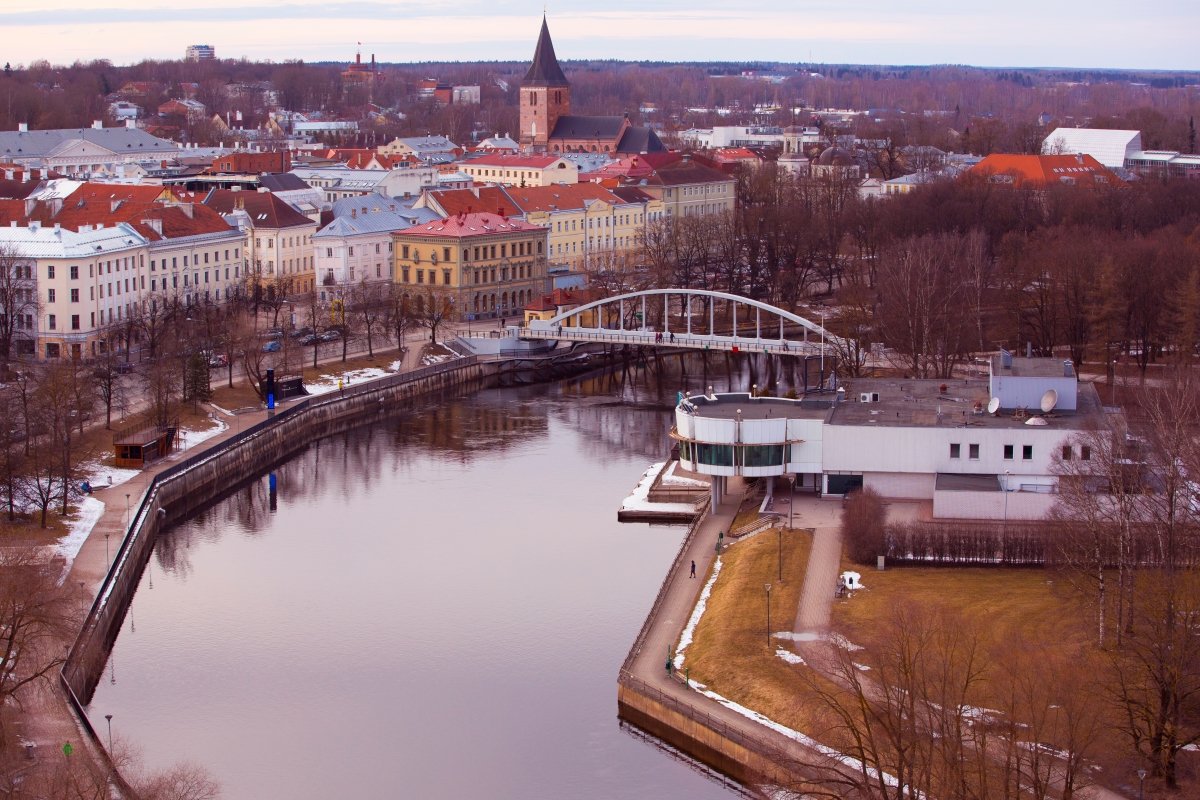
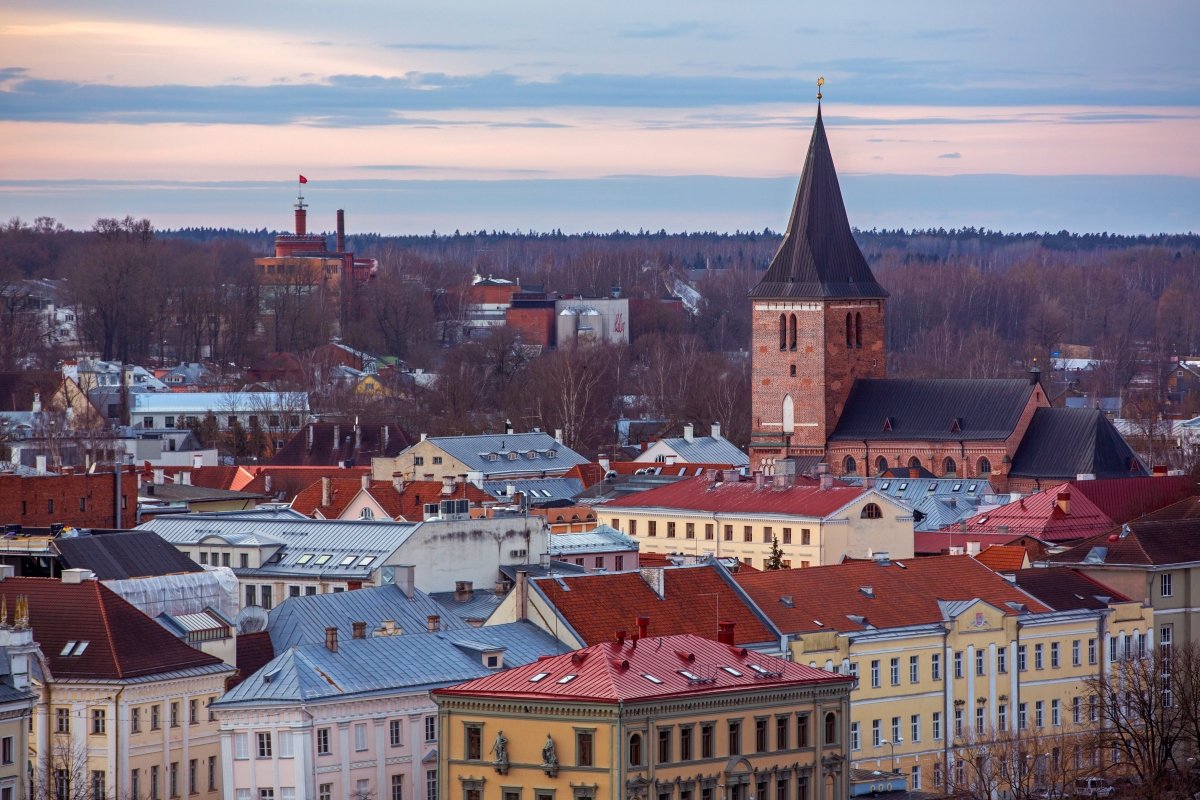
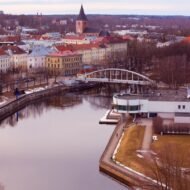
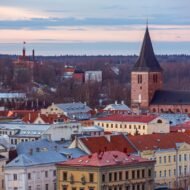
4. Tartu, Estonia Estonia’s intellectual capital — a university town on the Emajõgi River with a medieval history, a vibrant contemporary culture and almost no international visitors. One of the Baltic’s most genuine cities.
Finland
5. Turku Not a formal member of the original Hanse but with strong trade ties and a member of the modern Hanse. Finland’s oldest city and former capital — a medieval castle, a cathedral and an extraordinary archipelago stretching into the Baltic.
Germany
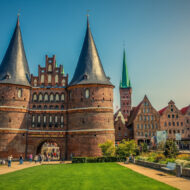
6. Lübeck The primus inter pares — first among equals — for most of the League’s existence. The Holsten Gate (one of Germany’s most recognisable medieval structures), the Marienkirche, the step-gabled merchants’ houses and the marzipan tradition are all Hanseatic. Lübeck lost its political autonomy only in the 1930s when the Nazis stripped it of its free city status. Heavily bombed in the war, it was rebuilt in the original style. A short detour from the Lübecker Bucht coast makes it a natural stop on the North Sea route.
7. Hamburg An important League member whose golden era paradoxically began after the Hanse ended. The opening of Atlantic trade routes made Hamburg one of the world’s great ports. Still carries the Hanseatic identity in its official name: Freie und Hansestadt Hamburg.
8. Bremen A Hanse member that retains its status as a city-state within Germany — one of only three. The market square, the Roland statue (a symbol of civic freedoms dating to 1404) and the old merchants’ quarter carry the Hanseatic identity visibly.
9. Rostock One of the members that still shows its Hanseatic status on its licence plates: HRO for Hansestadt Rostock. A university city with a substantial old town and the Hanse Sail — Europe’s largest annual gathering of traditional sailing vessels — every August.
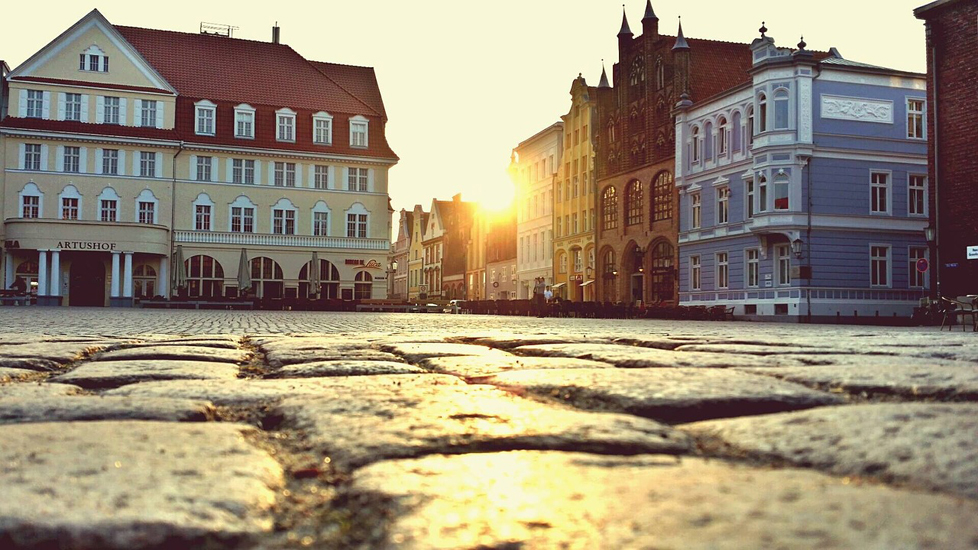
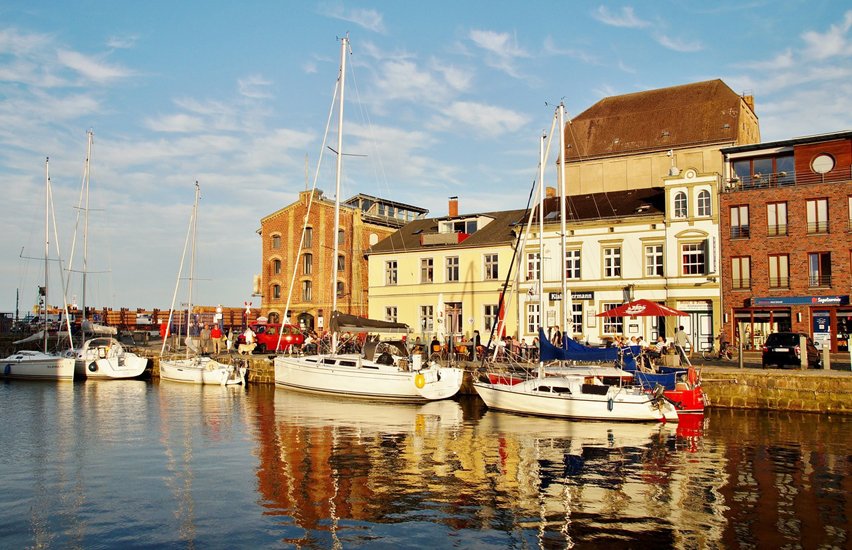
10. Stralsund A UNESCO World Heritage old town on a Baltic island connected to the mainland by bridge. The brick Gothic Marienkirche, the Nikolaikirche and the town hall are among the finest Hanseatic monuments in Germany. Hosts the Hanse Days in 2028.
11. Wismar UNESCO World Heritage alongside Stralsund. A smaller, quieter city with a perfectly preserved market square and three extraordinary brick Gothic churches. Hosts the Hanse Days in 2029.
12. Greifswald A university city with a remarkably intact medieval silhouette — three brick Gothic churches visible from across the Ryck River. Caspar David Friedrich was born here.
13. Lüneburg The salt city that funded much of the Hanse. The salt trade wealth is visible in the extraordinary variety of its medieval architecture — no two Hanseatic buildings are the same, because the salt merchants competed with each other in architectural ambition. The Old Salt Route ran from here to Lübeck and was the Hanse’s most important overland artery.
14. Brunswick (Braunschweig) A significant inland Hanse member. Hosts the Hanse Days in 2027.
15. Magdeburg One of the oldest cities in Germany — seat of an archbishopric, member of the Hanse and almost completely destroyed in 1631 during the Thirty Years’ War. The rebuilt city is an interesting layer cake of medieval foundations and contemporary architecture.
16. Goslar An Imperial city in the Harz mountains, member of the Hanse and UNESCO World Heritage Site for its medieval old town and the Rammelsberg mines. The Imperial Palace (Kaiserpfalz) is one of Germany’s most extraordinary Romanesque monuments.
17. Erfurt The largest city in Thuringia — a remarkably complete medieval city centre with a cathedral square, a bridge lined with medieval merchant houses (one of only three such structures surviving in Europe) and one of Germany’s oldest universities.
18. Berlin An early Hanse member, though its Hanseatic history is largely overshadowed by its more recent layers. The Nikolaiviertel preserves a small medieval core.
19. Frankfurt an der Oder A border city on the Oder River — once a significant Hanse trading post, now divided between Germany and Poland (the Polish side is Słubice). An extraordinary place to understand how borders change.
20–24. Cologne, Dortmund, Münster, Osnabrück, Soest The western Rhenish members of the Hanse — significant cloth trading cities. Cologne and Münster in particular have extraordinary Gothic cathedrals and medieval old towns.
The Netherlands
The Netherlands had a significant role in the Hanse despite its small size. The Dutch cities listed below still describe themselves as Hansestad:
25. Deventer · 26. Kampen · 27. Groningen · 28. Zwolle and Hattem · 29. Harderwijk · 30. Elburg · 31. Hasselt · 32. Zutphen · 33. Doesburg
Of these, Kampen, Zwolle, Elburg and Deventer are particularly well-preserved and worth visiting as a cluster in the IJssel Valley — one of the most complete concentrations of Hanseatic urban heritage outside Germany and the Baltic states. Zwolle hosts the Hanse Days in 2030.
Norway
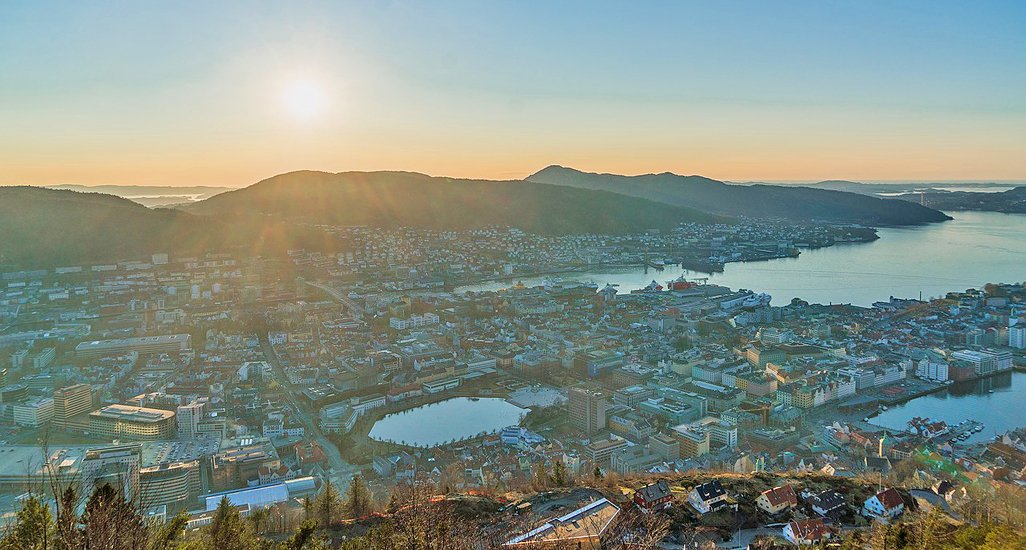
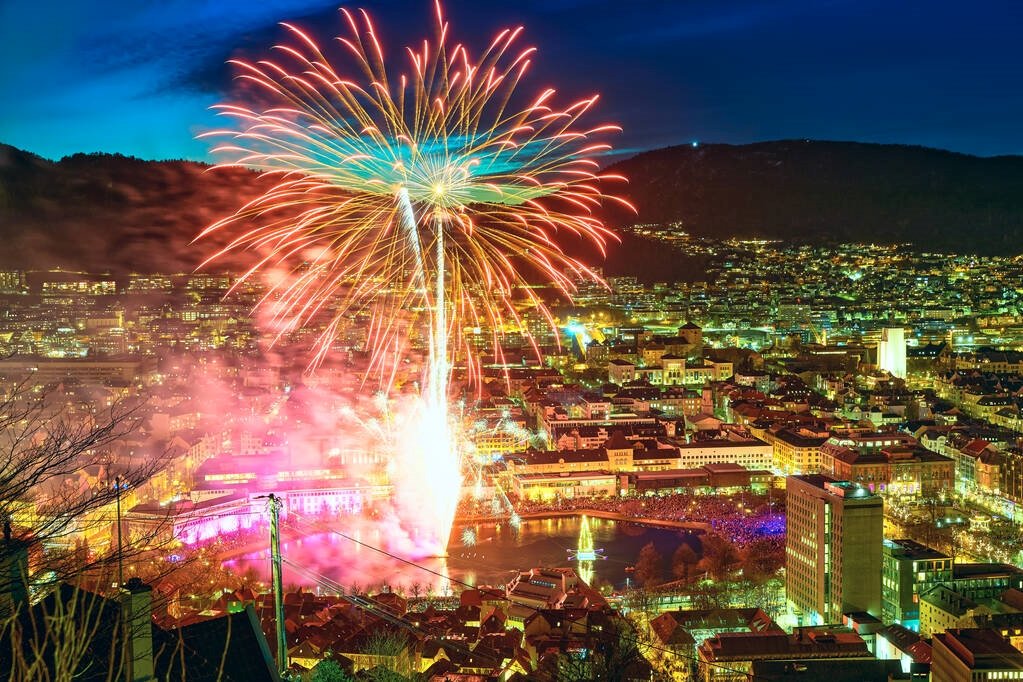
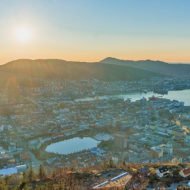
35. Bergen The Bryggen Hanseatic Wharf — a row of coloured wooden warehouses on the harbour — is a UNESCO World Heritage Site and the most complete surviving Hanseatic trading post outside Germany. The Hanseatic Museum inside one of the original buildings shows how the kontor functioned. Bergen’s fish market still occupies the same waterfront position it did when Hanseatic merchants traded here for four centuries.
Poland
36. Gdańsk (then Danzig) The city that built the League’s fortunes on Baltic grain trade. The Long Market (Długi Targ), the Artus Court, the Golden Gate and the extraordinary waterfront crane — the largest medieval port crane in Europe — make Gdańsk’s old town one of the finest Hanseatic streetscapes anywhere. Gdańsk also launched the Second World War (the first shots fired at the Westerplatte) and ended the Cold War (Solidarity was born in the Lenin Shipyard in 1980). No other city in Europe carries more historical weight per square kilometre. Hosts the Hanse Days — most recently in 2024.
37. Szczecin (then Stettin) · 38. Kołobrzeg · 39. Darłowo · 40. Elbląg · 41. Toruń Toruń is particularly worth noting — a UNESCO World Heritage old town on the Vistula, birthplace of Copernicus, with the most complete Hanseatic brick Gothic ensemble in Poland outside Gdańsk.
42. Kraków An inland Hanse member — the Royal City of Poland and one of Europe’s most complete medieval urban ensembles. The Cloth Hall (Sukiennice) in the centre of the Rynek Główny was the Hanseatic trading point.
43. Wrocław (then Breslau) A Silesian city that changed hands between Poland, Bohemia, Austria, Prussia, Germany and Poland again — its Hanseatic heritage is one layer among many in an extraordinarily complex history. The Market Square is one of Central Europe’s finest.
Sweden
44. Stockholm Not formally a member of the Hanseatic League, but Hanseatic merchants had significant influence in Stockholm until the Swedish Empire came to dominate Baltic commerce in the 17th century. Gamla Stan — the old town — preserves the medieval street pattern.
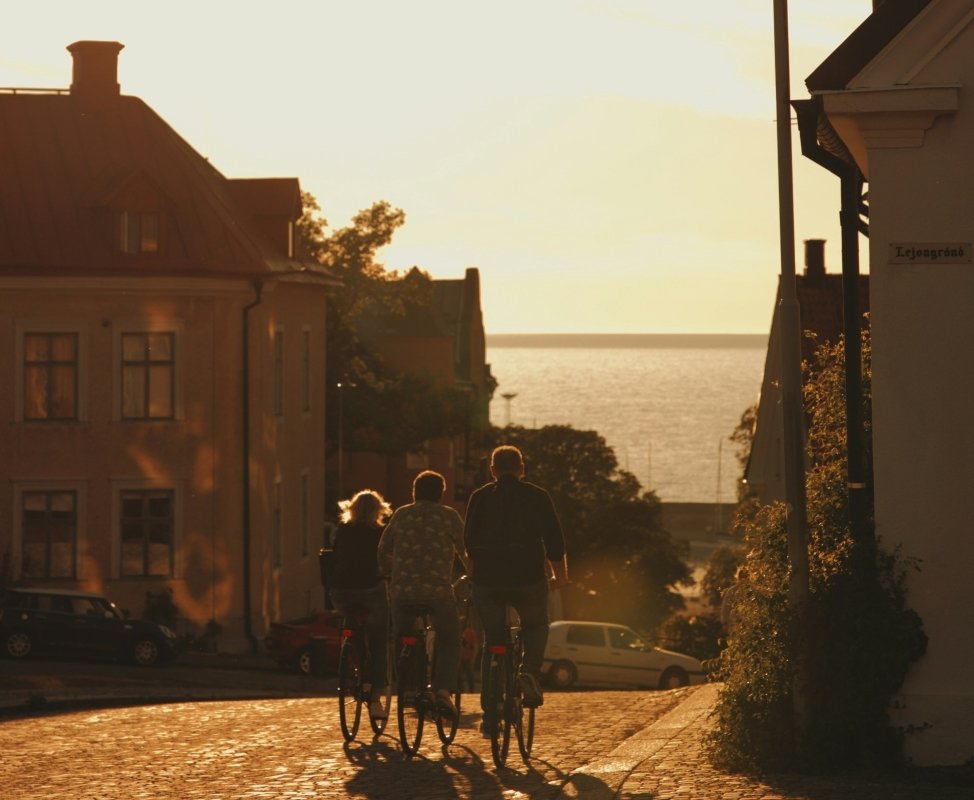
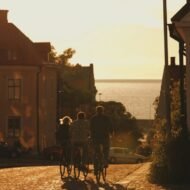
45. Visby, Gotland Gotland was independent during the Middle Ages and Visby was one of the great trading cities of the medieval Baltic. The city wall — 3.4km of limestone, largely intact — is one of the finest medieval fortifications in Scandinavia. Ruined church towers rise throughout the old town, remnants of a city that once had seventeen churches. UNESCO World Heritage. Medieval Week in August transforms the city into the most complete living Hanseatic experience in existence. Hosts the Hanse Days most recently in 2025.
Hanse Days: The Living Tradition
Most cities with a Hanseatic heritage are now members of the new Hanse — a network of over 200 cities that holds Hanse Days annually, rotating between member cities. The first was held in Zwolle, Netherlands in 1980.
| Year | Host city |
|---|---|
| 2026 | Stargard Szczecin, Poland ← this year |
| 2027 | Braunschweig, Germany |
| 2028 | Stralsund, Germany |
| 2029 | Wismar, Germany |
| 2030 | Zwolle, Netherlands |
The events are held in summer and include Hanse-themed markets, sailing vessels, historical re-enactments and cultural exchanges between representatives from almost all member cities. They are worth attending — the living connection between these cities is one of the most extraordinary examples of medieval heritage actively maintained in contemporary Europe.
Museums
Lübeck — the European Hanse Museum (Europäisches Hansemuseum), opened 2015, is the largest and most comprehensive museum of the Hanseatic League in existence. Built into the remains of a former Carmelite monastery, it covers the full history of the League from its origins to its decline. Essential for anyone following the Hanseatic Trail seriously.
Bergen — the Bryggen Museum and the Hanseatic Museum occupy original Bryggen buildings on the waterfront. The Hanseatic Museum was founded in 1872 and contains authentic objects from the Bergen kontor period.
Gdańsk — the Central Maritime Museum (Centralne Muzeum Morskie) covers the Baltic trading history with particular depth on the grain and amber trades that made Gdańsk the Hanse’s most prosperous Polish member.
Museums in many other Hanseatic cities — Stralsund, Tallinn, Riga, Toruń — also maintain substantial collections focused on their specific Hanseatic histories.
Following the Trail
The Hanseatic Trail covers seven countries and spans the full arc of northern European history from the 12th century to the present. It is best followed in sections rather than as a single journey:
The German core — Lübeck, Hamburg, Bremen, Stralsund, Wismar, Greifswald, Lüneburg. Compact, well-connected by rail, the densest concentration of Hanseatic architecture.
The Baltic arc — Tallinn, Riga, Tartu — best combined with the wider Baltic Sea coast for a complete picture of the region the Hanse dominated.
The Polish route — Gdańsk, Toruń, Kraków, Wrocław — following the Vistula through the cities that supplied the Hanse’s Baltic grain trade.
The Dutch cluster — Zwolle, Deventer, Kampen, Elburg — the IJssel Valley in an afternoon.
Norway — Bergen’s Bryggen is the most complete single Hanseatic site in existence. Worth the journey on its own terms.
The Hanse is not history in the conventional sense — something that ended and was replaced. Walk through Tallinn’s old town on a winter evening, or stand on Bryggen’s wooden quayside in Bergen, or climb the Marienkirche tower in Lübeck and look out across the Baltic. The trading network has gone. The cities it built are still exactly there.
That is what the Civilisation Trails are for.
Part of The Wanders Civilisation Trails — Trail VII: The Hanseatic Trail
Related reading: The Salt Roads of Europe · The Baltic Sea Coast: A Complete Holiday Guide · Bryggen Hanseatic Wharf, Bergen · Stralsund · Visby · Tallinn