




TL;DR: Tiny Cities, Legendary Food: Europe’s Most Delicious Destinations , Skip the tourist traps and dive fork-first into Europe’s best-kept culinary secrets. From truffle-hunting in Italy to chocolate that hasn’t changed in 400 years, these small cities deliver world-class food without the crowds or sky-high prices. Perfect for travelers who eat with their eyes, hearts, and wallets wide open.
- 1. Alba, Italy 🇮🇹 — Where White Truffles Cost More Than Your Flight
- The Food Scene
- Interesting Facts
- Things to Do (According to Travelers)
- Where to Stay
- Shopping & Markets
- Local Traditions & Culture
- Outdoor Adventures
- Budget Considerations
- Cultural Events
- Getting There
- 2. Modica, Sicily 🇮🇹 — Chocolate So Old-School It’s Actually Aztec
- The Food Scene
- Interesting Facts
- Things to Do (According to Travelers)
- Where to Stay
- Shopping & Markets
- Local Traditions & Culture
- Outdoor Adventures
- Budget Considerations
- Cultural Events
- Getting There
- 3. San Sebastián (Donostia), Spain 🇪🇸 — Pintxos, Beaches, and More Michelin Stars Than You Can Count
- The Food Scene
- Interesting Facts
- Things to Do (According to Travelers)
- Where to Stay
- Shopping & Markets
- Local Traditions & Culture
- Outdoor Adventures
- Budget Considerations
- Cultural Events
- Getting There
- 4. Périgueux, France 🇫🇷 — Duck, Foie Gras, and Truffle-Fueled Decadence
- The Food Scene
- Interesting Facts
- Things to Do (According to Travelers)
- Where to Stay
- Shopping & Markets
- Local Traditions & Culture
- Outdoor Adventures
- Budget Considerations
- Cultural Events
- Getting There
- 5. Český Krumlov, Czech Republic 🇨🇿 — Medieval Magic Meets Meat-and-Dumpling Heaven
- The Food Scene
- Interesting Facts
- Things to Do (According to Travelers)
- Where to Stay
- Shopping & Markets
- Local Traditions & Culture
- Outdoor Adventures
- Budget Considerations
- Cultural Events
- Getting There
- The Recap: Your Next Food Adventure Awaits
- Disclaimer
Forget everything you think you know about European food destinations. Sure, Paris has croissants and Rome has carbonara, but the real magic happens in places most people can’t even pronounce. These aren’t your typical tourist towns—they’re living, breathing food museums where grandmothers still guard secret recipes and every meal feels like a homecoming you didn’t know you were invited to.
Ready to eat your way through Europe’s most delicious hidden gems? Grab your stretchy pants and let’s go.
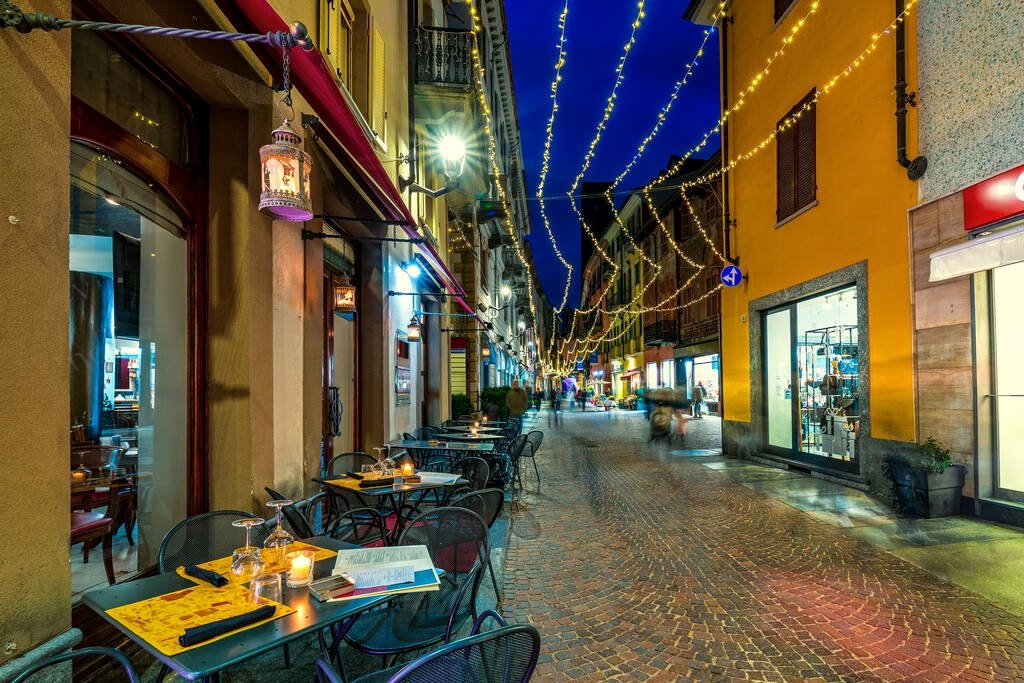
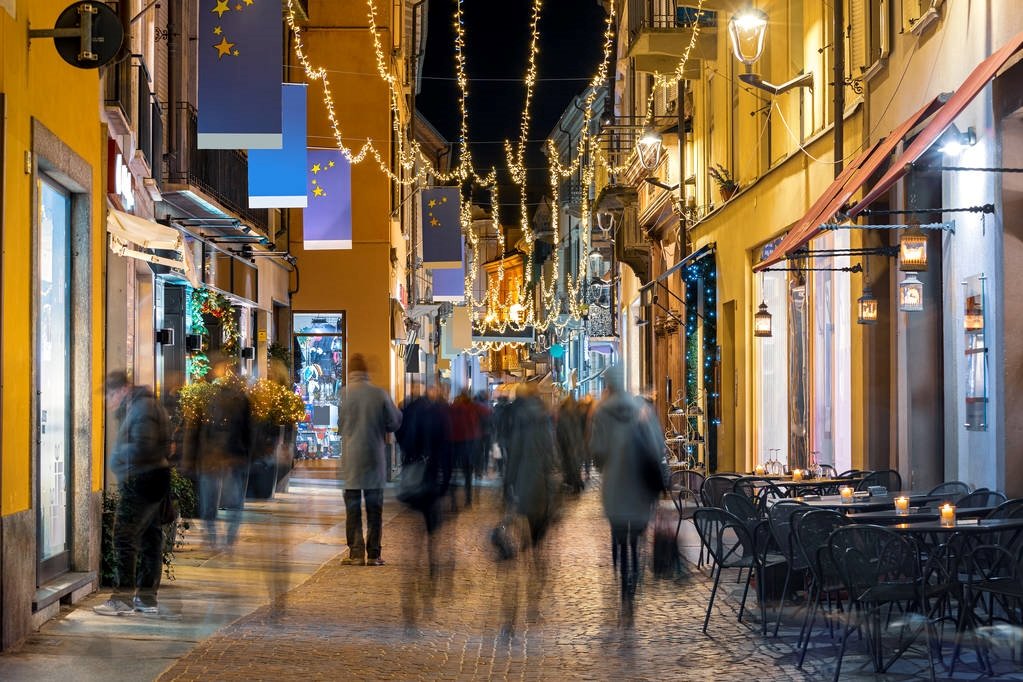
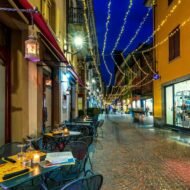
1. Alba, Italy 🇮🇹 — Where White Truffles Cost More Than Your Flight
The Food Scene
Alba is basically the Beyoncé of truffle towns—expensive, legendary, and worth every single euro. This tiny Piedmont city goes absolutely bonkers for white truffles (tartufi bianchi), those knobbly underground fungi that smell like garlic-kissed heaven and cost upward of €3,000 per kilo. But here’s the thing: even if you’re not dropping mortgage payments on mushrooms, Alba’s food scene will blow your mind.
Signature Dishes You Can’t Miss:
- Tajarin al tartufo — Hair-thin egg pasta drowning in butter and shaved white truffles
- Vitello tonnato — Cold veal with creamy tuna sauce (trust us, it works)
- Brasato al Barolo — Beef braised in local Barolo wine until it melts in your mouth
- Bagna cauda — Hot anchovy and garlic dip with fresh vegetables
- Hazelnut everything — Alba invented Nutella, so yeah, they know what they’re doing
Interesting Facts
- Alba hosts the International White Truffle Fair every October-November, attracting food pilgrims from around the globe
- The region produces Barolo and Barbaresco wines—some of Italy’s most prestigious (and pricey) reds
- Medieval towers still dot the cityscape, earning Alba the nickname “City of a Hundred Towers”
- Local truffle hunters (trifolau) use specially trained dogs, and they guard their secret spots like treasure maps
Things to Do (According to Travelers)
- Join a truffle hunting experience with a local trifolau and their eager dogs
- Wine taste your way through Barolo and Barbaresco vineyards in the Langhe hills
- Explore the historic center’s medieval streets and towers
- Visit during the Palio degli Asini (Donkey Palio) in October for medieval pageantry
- Take cooking classes focused on traditional Piedmontese cuisine
Where to Stay
Budget-Friendly: Agriturismi (farm stays) in the surrounding Langhe region offer authentic experiences from €50-80/night
Mid-Range: B&Bs and small hotels in Alba’s historic center run €100-150/night
Splurge-Worthy: Relais & Châteaux properties in the countryside with vineyard views (€250-400/night)
Shopping & Markets
The Saturday morning market in Piazza Duomo is where locals actually shop—fresh produce, local cheeses, and yes, truffles when they’re in season. For gourmet souvenirs, hit up specialty shops for hazelnuts, wines, and truffle products that won’t bankrupt you.
Local Traditions & Culture
Alba celebrates its medieval heritage fiercely. The Palio brings out knights, flag throwers, and donkey races that are equal parts serious competition and absolute chaos. Locals speak Italian with a Piedmontese accent that’ll make you wish you’d studied harder, and the pace of life moves at “savoring a good Barolo” speed.
Outdoor Adventures
The Langhe hills are UNESCO-listed for a reason—rolling vineyards, castle-topped villages, and hiking trails that connect wineries like a choose-your-own-adventure book for wine lovers. Bike rentals are easy to find, and autumn colors are absolutely unreal.
Budget Considerations
- Daily Budget: €80-150/person (mid-range, including accommodation)
- Meals: Lunch €15-25, Dinner €30-50 (truffle dishes add €10-30)
- Wine Tastings: €15-40 per winery
- Money-Saving Tip: Visit in early October before truffle prices peak, or stick to fall porcini mushrooms instead
Cultural Events
- International White Truffle Fair (Oct-Nov) — The Super Bowl of fungus
- Vinum Alba (April-May) — Major wine festival
- Palio degli Asini (First Sunday of October) — Medieval games and donkey races
Getting There
Nearest Major Airport: Turin Airport (TRN) — 70km, about 1 hour by car or bus
Also Consider: Milan Malpensa (MXP) — 150km, 1.5-2 hours
Local Transport: Rent a car to explore the Langhe properly, or use regional buses from Turin
2. Modica, Sicily 🇮🇹 — Chocolate So Old-School It’s Actually Aztec
The Food Scene
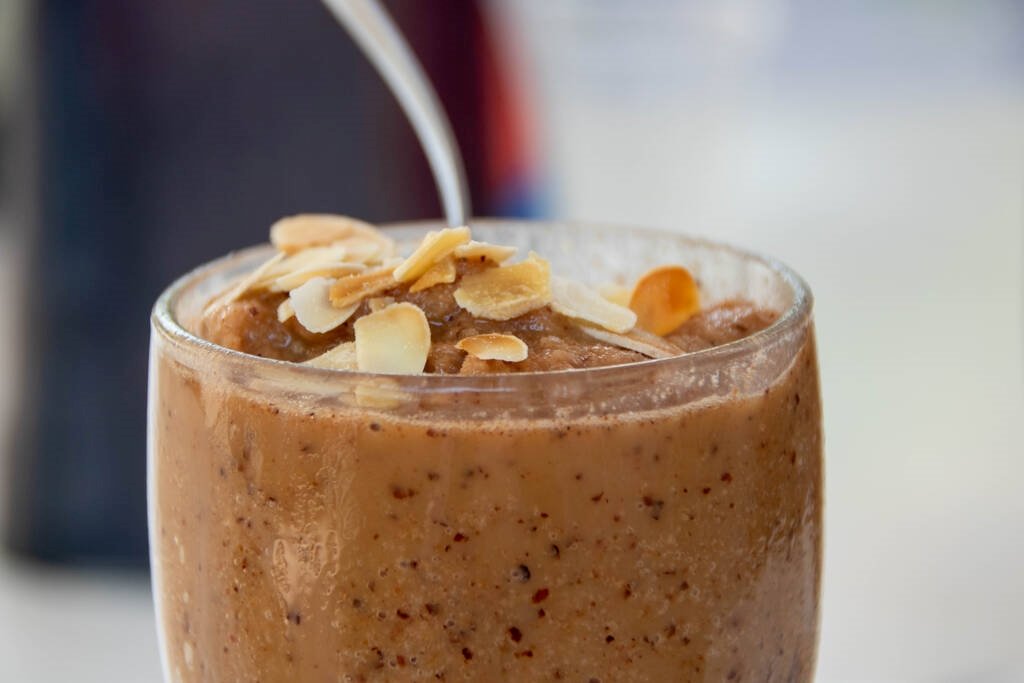
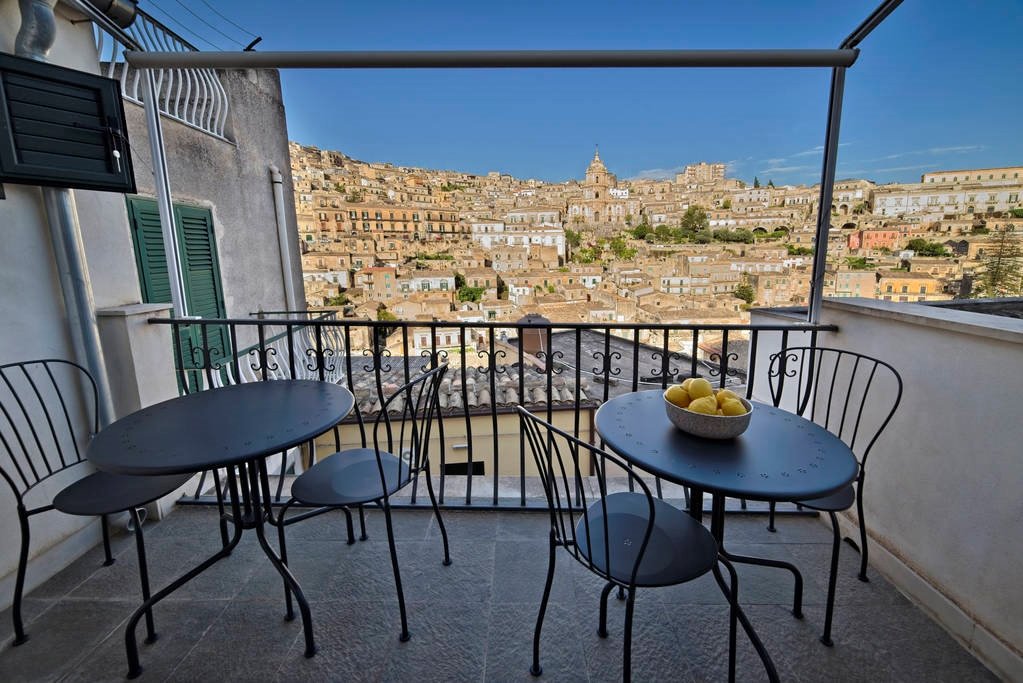
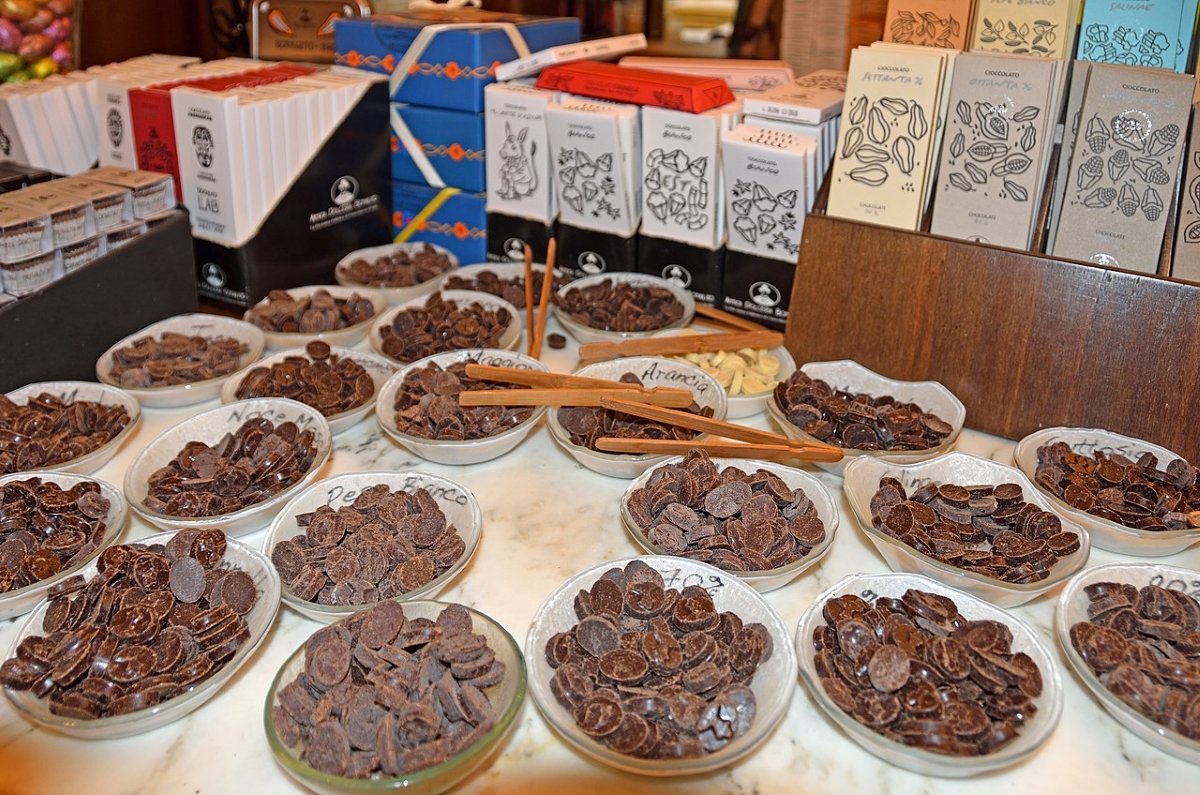
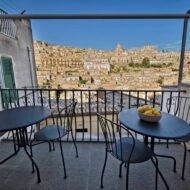
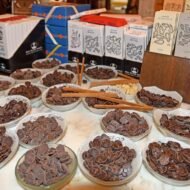
Modica looks like someone stacked a baroque wedding cake on a Sicilian hillside and said “now make chocolate there.” This UNESCO World Heritage town is famous for cioccolato di Modica—grainy, spiced chocolate made the same way the Aztecs did it 400 years ago. No conching, no smoothness, just pure cacao mixed with sugar at low temperatures so it stays crunchy and intense.
Signature Dishes You Can’t Miss:
- Cioccolato di Modica — Gritty chocolate bars flavored with cinnamon, chili, orange, or vanilla
- Scacce modicane — Stuffed flatbreads with tomato, cheese, or sausage
- Mpanatigghi — Medieval cookies filled with chocolate, meat, and spices (yes, really)
- Pasta alla Norma — Eggplant, tomato, ricotta salata—Sicilian comfort food
- Arancini — Because you’re in Sicily and it’s the law
Interesting Facts
- Modica’s chocolate recipe came from Spanish conquistadors who learned it from the Aztecs in the 1500s
- The city was rebuilt after a devastating 1693 earthquake, giving it that dramatic baroque architecture
- There are over 40 chocolate shops in a town of just 55,000 people
- The chocolate-making process hasn’t changed in centuries—no modern machinery allowed
Things to Do (According to Travelers)
- Tour chocolate factories like Antica Dolceria Bonajuto (oldest in Sicily, founded 1880)
- Climb the 250+ steps to Chiesa di San Giorgio for baroque magnificence and views
- Wander Modica Alta (upper town) and Modica Bassa (lower town) to appreciate the vertical drama
- Visit during ChocoModica festival (December) for tastings, workshops, and chocolate everywhere
- Explore nearby baroque towns like Ragusa and Scicli
Where to Stay
Budget-Friendly: Family-run B&Bs in converted historic buildings (€50-70/night)
Mid-Range: Boutique hotels in baroque palazzos (€90-130/night)
Splurge-Worthy: Cave hotels and luxury agriturismi in the countryside (€150-250/night)
Shopping & Markets
Hit the daily market in Piazza Matteotti for Sicilian produce, cheeses, and olives. For chocolate, skip the touristy shops and go to historic producers like Bonajuto, Antica Pasticceria Ruta, or Ciomod. Buy enough to share (you won’t want to).
Local Traditions & Culture
Modicans are proudly Sicilian, which means family comes first, lunch is sacred, and they’ll argue passionately about whose nonna makes the best scacce. Easter processions here are intensely dramatic, and local dialect sounds nothing like textbook Italian.
Outdoor Adventures
The Hyblaean Mountains offer hiking and cycling through carob groves and ancient stone walls. Beach lovers can hit Marina di Modica (20 minutes away) for golden sand and turquoise water that’ll make you forget you came for chocolate.
Budget Considerations
- Daily Budget: €60-100/person (mid-range)
- Meals: Lunch €12-20, Dinner €20-35
- Chocolate Shopping: €5-15 per bar
- Money-Saving Tip: Self-cater breakfast with pastries from bakeries (€3-5) instead of hotel breakfast
Cultural Events
- ChocoModica (December) — Chocolate festival with workshops and tastings
- Easter Processions (Holy Week) — Somber, beautiful religious celebrations
- Modica Unplugged (Summer) — Acoustic music festival
Getting There
Nearest Major Airport: Catania Airport (CTA) — 110km, 1.5 hours by car
Also Consider: Comiso Airport (CIY) — 40km, closer but fewer international flights
Local Transport: Buses connect to Ragusa and Catania, but a rental car opens up the region
3. San Sebastián (Donostia), Spain 🇪🇸 — Pintxos, Beaches, and More Michelin Stars Than You Can Count
The Food Scene
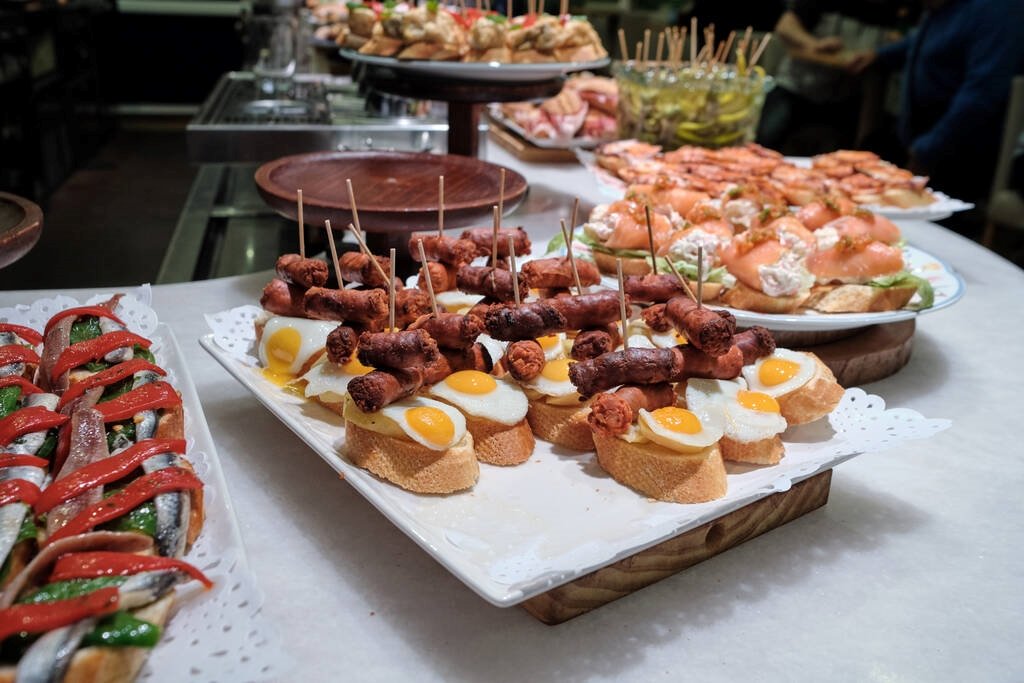
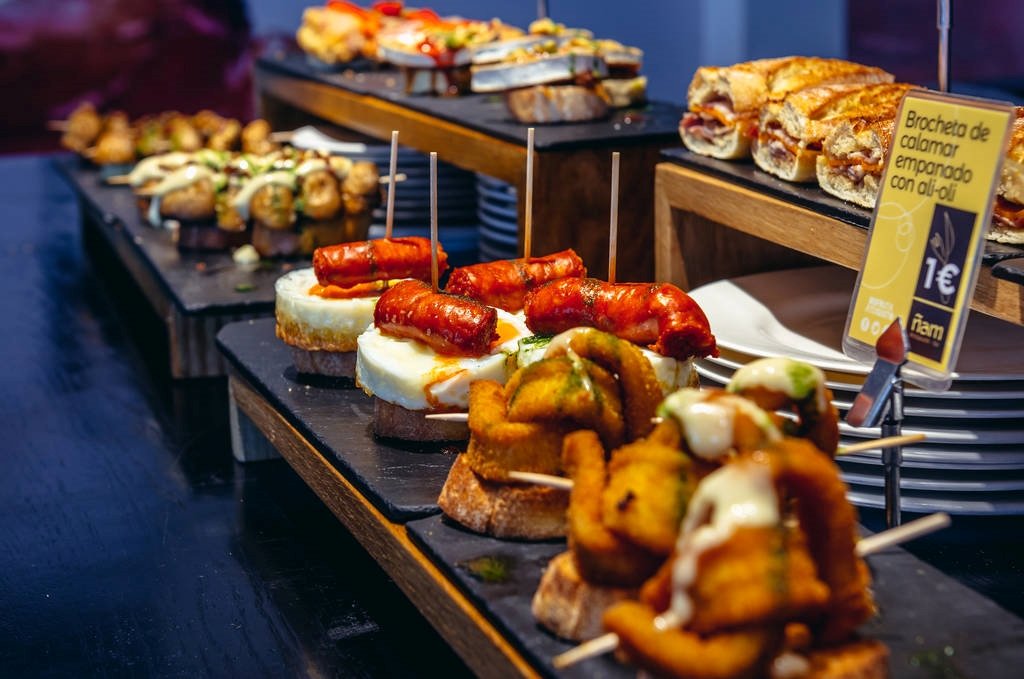
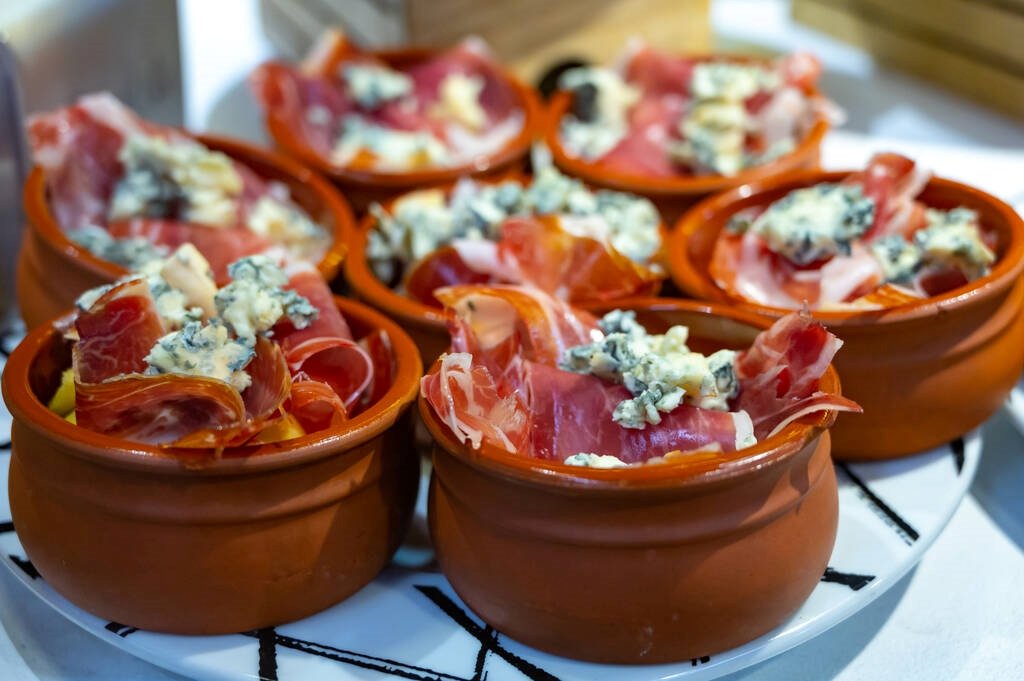
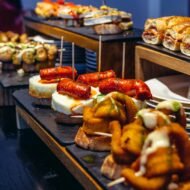
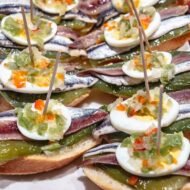
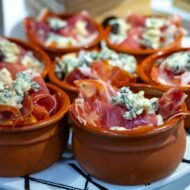
San Sebastián might be “small” (pop. 186,000), but it punches way above its weight class. This Basque beauty has more Michelin stars per capita than anywhere else on Earth. But forget fancy tasting menus for a second—the real magic happens in pintxos bars where locals hop from place to place, ordering one perfect bite and one small drink before moving to the next spot. It’s organized bar-hopping with world-class food.
Signature Dishes You Can’t Miss:
- Pintxos — Small bites on bread, toothpick-speared, covering every bar top (gilda with anchovy, olive, and pepper is iconic)
- Txuleta — Massive grilled steaks cooked over charcoal
- Kokotxas — Hake or cod cheeks in pilpil sauce (sounds weird, tastes like butter)
- Idiazabal cheese — Smoky Basque sheep’s milk cheese
- Txakoli — Lightly sparkling white wine poured from height for drama
Interesting Facts
- San Sebastián has three Michelin three-star restaurants: Arzak, Akelarre, and Martín Berasategui
- The city hosts the prestigious San Sebastián International Film Festival every September
- Locals are equally comfortable speaking Basque (Euskara) and Spanish
- La Concha Beach is consistently ranked among Europe’s most beautiful urban beaches
- The Basque Culinary Center trains the next generation of world-class chefs
Things to Do (According to Travelers)
- Do a proper pintxos crawl through Parte Vieja (Old Town)—Bar Nestor, La Cuchara de San Telmo, and Gandarias are favorites
- Hike or funicular up Monte Igueldo for panoramic coastal views
- Surf or sunbathe at La Concha or Zurriola beaches
- Visit the San Telmo Museum to understand Basque culture
- Take a cooking class to learn pintxos-making secrets
Where to Stay
Budget-Friendly: Hostels and budget pensions in Gros neighborhood (€40-70/night)
Mid-Range: Hotels near La Concha or in the Old Town (€100-180/night)
Splurge-Worthy: Hotel Maria Cristina or beachfront luxury properties (€250-500/night)
Shopping & Markets
La Bretxa Market is the beating heart—fresh fish, produce, and local products daily. For gourmet souvenirs, grab tinned seafood from conserveras, Idiazabal cheese, and pintxo cookbooks. Boutique shops line the streets of Centro Romántico.
Local Traditions & Culture
Basques are fiercely proud of their distinct culture and language. Join a txoko (gastronomic society) dinner if you’re lucky enough to be invited—these all-male cooking clubs are where tradition lives. The city shuts down for siesta, so plan accordingly.
Outdoor Adventures
Surf culture thrives at Zurriola Beach. Coastal trails connect San Sebastián to nearby fishing villages like Getaria and Zumaia. Rent bikes to cruise the beachfront promenade or venture into the green Basque countryside.
Budget Considerations
- Daily Budget: €80-150/person (mid-range)
- Pintxos: €3-5 each (budget 6-8 for a meal)
- Meals: Sit-down lunch €15-25, Dinner €25-40
- Money-Saving Tip: Do pintxos for lunch when they’re freshest and portions are generous; skip expensive sit-down dinners
Cultural Events
- Tamborrada (January 20) — 24 hours of drumming to celebrate the city’s patron saint
- San Sebastián International Film Festival (September) — Red carpets and premieres
- Semana Grande (August) — Week-long festival with fireworks, concerts, and parties
- Santo Tomás (December 21) — Traditional Basque celebration with cider and chorizo
Getting There
Nearest Major Airport: San Sebastián Airport (EAS) — 22km, but limited flights
Better Option: Bilbao Airport (BIO) — 100km, 1 hour 15 minutes by bus
Also Consider: Biarritz Airport (BIQ), France — 50km across the border
Local Transport: Compact and walkable; excellent bus system for beach-hopping
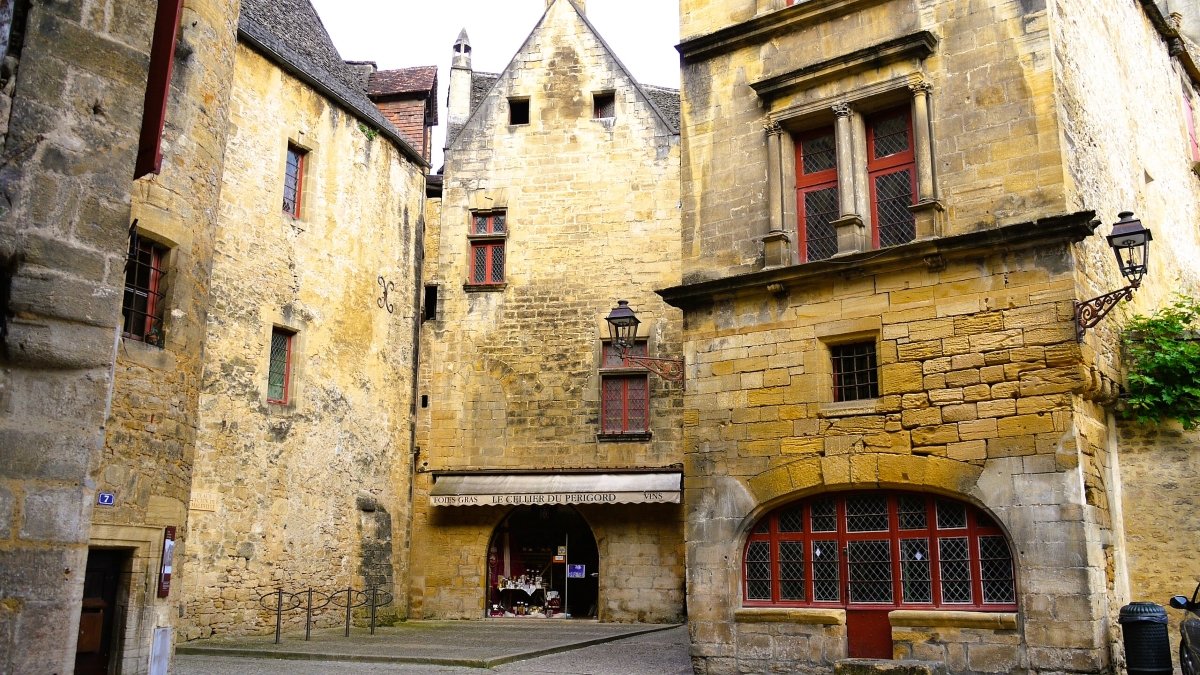
4. Périgueux, France 🇫🇷 — Duck, Foie Gras, and Truffle-Fueled Decadence
The Food Scene
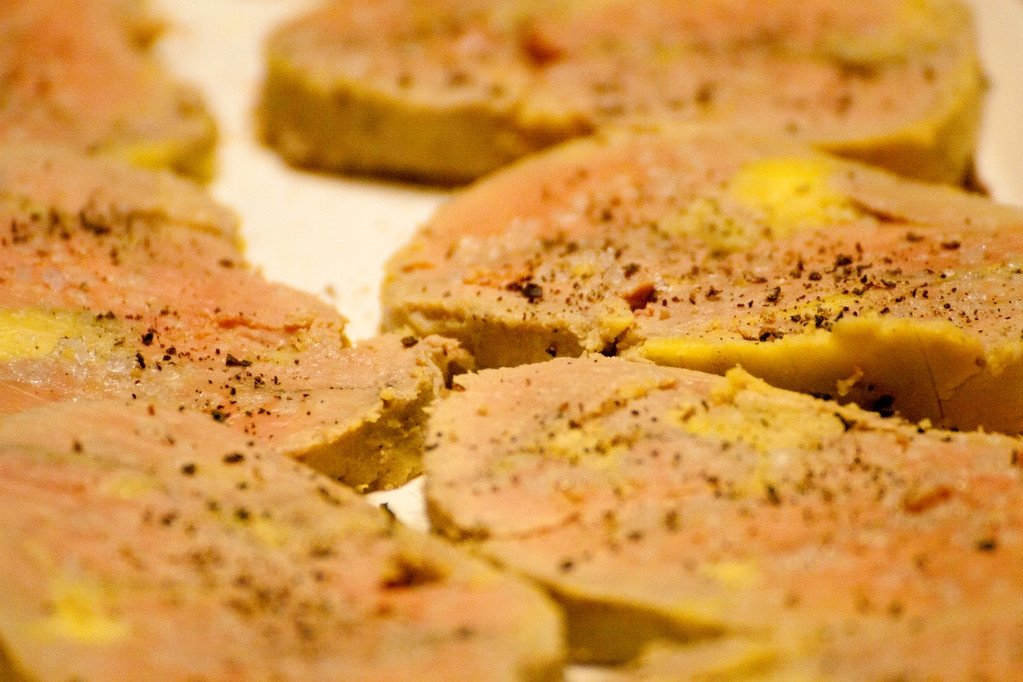
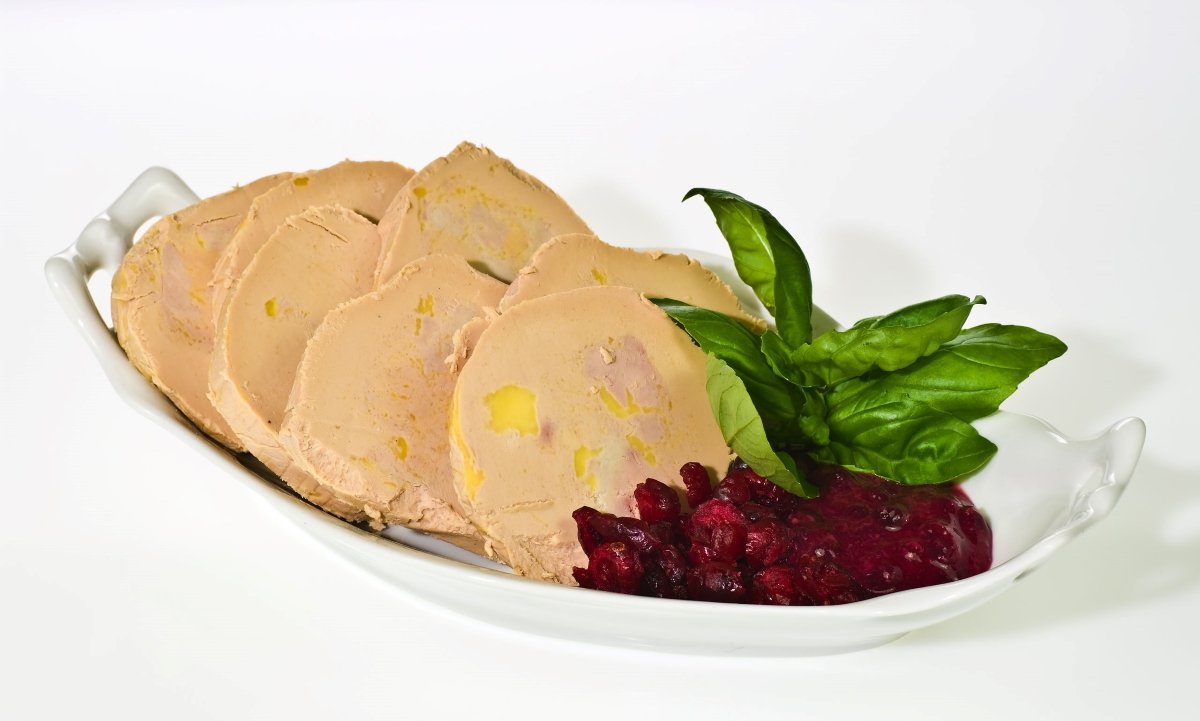
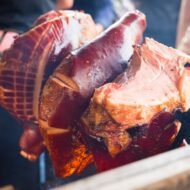
Welcome to the Dordogne, where ducks live their best (albeit short) lives before becoming your dinner. Périgueux is the capital of foie gras country, where locals take duck and goose liver as seriously as Parisians take complaining. This is rich, unapologetic French cooking—think confit, rillettes, and black truffles shaved over everything. Vegetarians might want to sit this one out.
Signature Dishes You Can’t Miss:
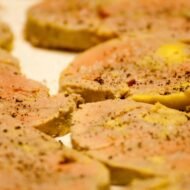
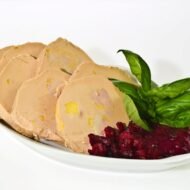
- Foie gras — Duck or goose liver, seared, in terrine, or in every form imaginable
- Confit de canard — Duck leg slow-cooked in its own fat until it falls off the bone
- Pommes sarladaises — Potatoes cooked in duck fat with garlic and parsley
- Truffe noire du Périgord — Black winter truffles (less expensive than Alba’s whites but still fancy)
- Cèpe mushrooms — When in season, grilled or in omelets
- Walnut everything — Cakes, oils, liqueurs—this region loves its walnuts
Interesting Facts
- Périgueux has been inhabited since Roman times; you can still see the ruins
- The region produces 45% of France’s foie gras
- Black Périgord truffles are harvested November-March and sell for €800-1,200/kg
- The cathedral (Cathédrale Saint-Front) is a UNESCO site with Byzantine-style domes
- Périgueux hosts one of France’s largest truffle markets every winter
Things to Do (According to Travelers)
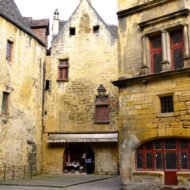
- Explore the medieval old town (Cité) with half-timbered houses and Roman ruins
- Visit the Wednesday and Saturday markets for foie gras, truffles, and local produce
- Tour nearby châteaux in the Dordogne Valley (Château de Beynac, Château de Castelnaud)
- Take a cooking class focused on duck and truffle preparations
- Canoe down the Dordogne River through dramatic limestone cliffs
Where to Stay
Budget-Friendly: Chambres d’hôtes (B&Bs) in surrounding villages (€60-90/night)
Mid-Range: Small hotels in Périgueux’s historic center (€90-140/night)
Splurge-Worthy: Château hotels in the Dordogne Valley with Michelin-starred restaurants (€200-400/night)
Shopping & Markets
The Place de la Clautre market (Wednesday & Saturday) is non-negotiable—arrive early for the best truffles and foie gras. For preserved goods, duck confit, and walnut oils, specialty shops around the cathedral area will vacuum-pack for travel.
Local Traditions & Culture
Périgueux moves at a civilized French pace—long lunches, closed Sundays, and profound respect for seasonal ingredients. Locals speak with a southern accent and may slip into Occitan dialect. Duck is not just food; it’s cultural identity.
Outdoor Adventures
The Dordogne and Vézère valleys offer canoeing, kayaking, and cycling through prehistoric cave country (Lascaux IV is nearby). Hiking trails connect medieval villages, and autumn truffle hunts with dogs are unforgettable experiences.
Budget Considerations
- Daily Budget: €70-130/person (mid-range)
- Meals: Lunch €15-25, Dinner €25-45
- Truffle Market Purchases: €20-50 for small amounts
- Money-Saving Tip: Buy prepared duck products at markets and picnic; foie gras at markets costs half what restaurants charge
Cultural Events
- Truffle Market (November-March, Saturdays) — The place to witness serious truffle commerce
- Sinfonia en Périgord (August) — Classical music festival in historic venues
- Foire Gras Festival (December) — Celebration of all things duck and goose
- Fête du Vin de Bergerac (July) — Wine festival in nearby Bergerac
Getting There
Nearest Major Airport: Bordeaux-Mérignac (BOD) — 130km, 1.5 hours by car
Also Consider: Bergerac Airport (EGC) — 50km, smaller with seasonal flights
Better Yet: Take the train from Paris Austerlitz (4.5 hours) or Bordeaux (1.5 hours)
Local Transport: Rent a car to explore the Dordogne Valley properly; buses are limited
5. Český Krumlov, Czech Republic 🇨🇿 — Medieval Magic Meets Meat-and-Dumpling Heaven
The Food Scene
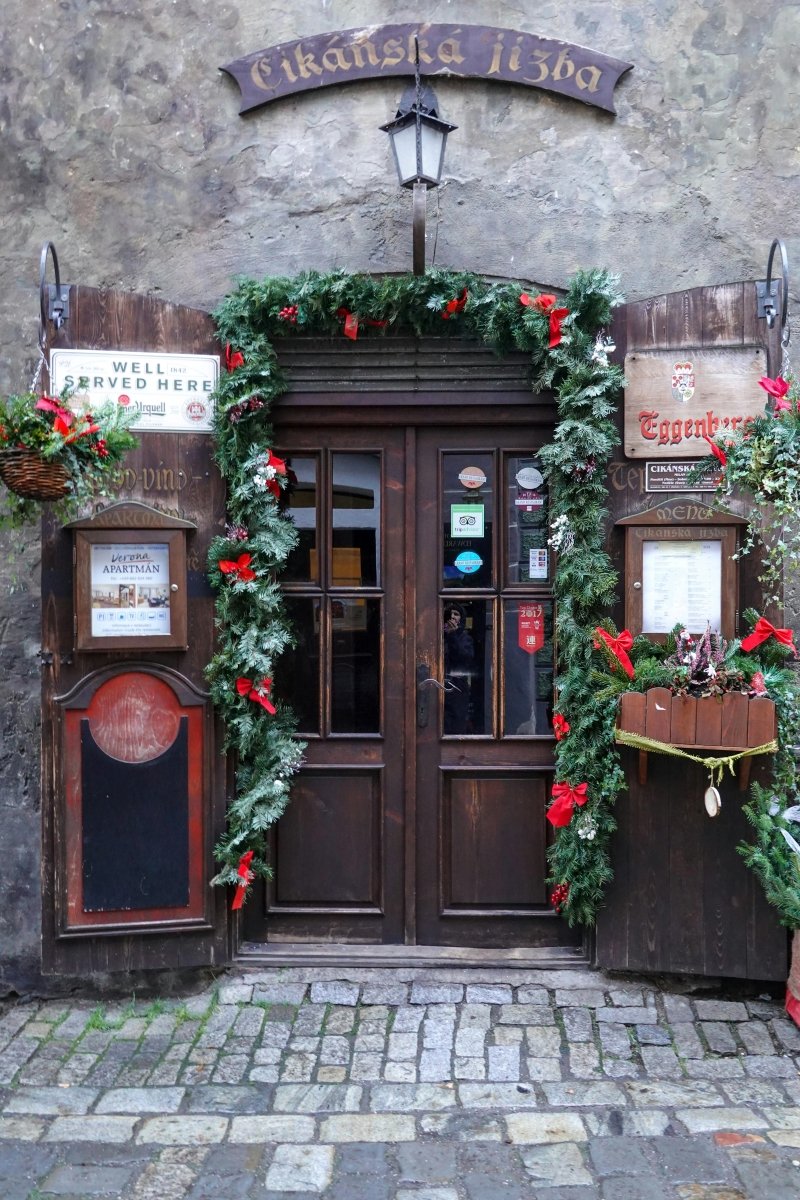
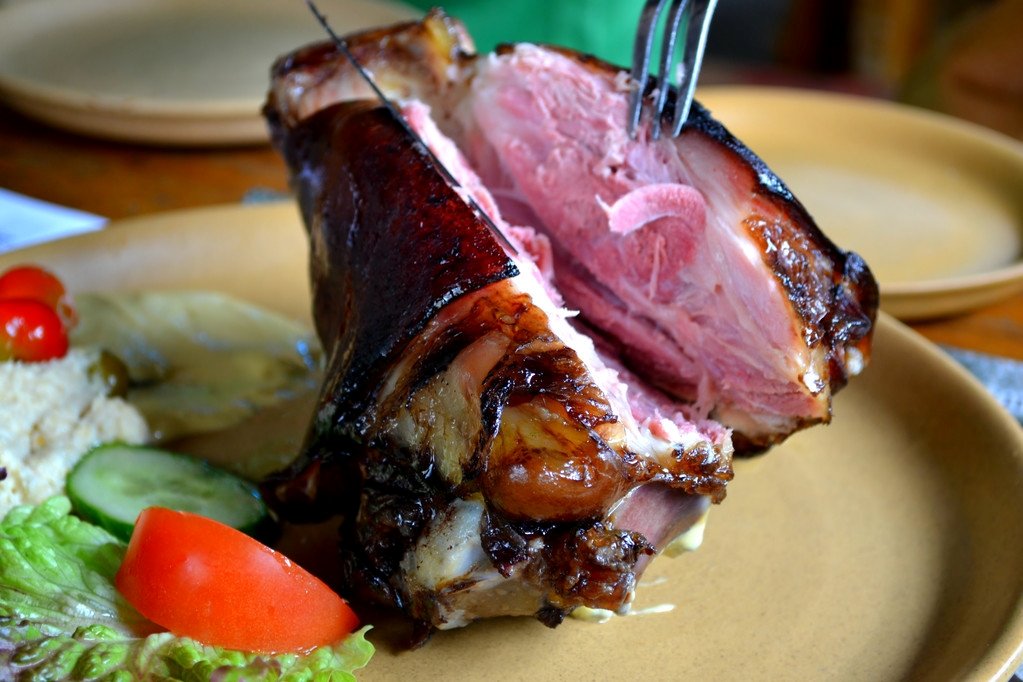
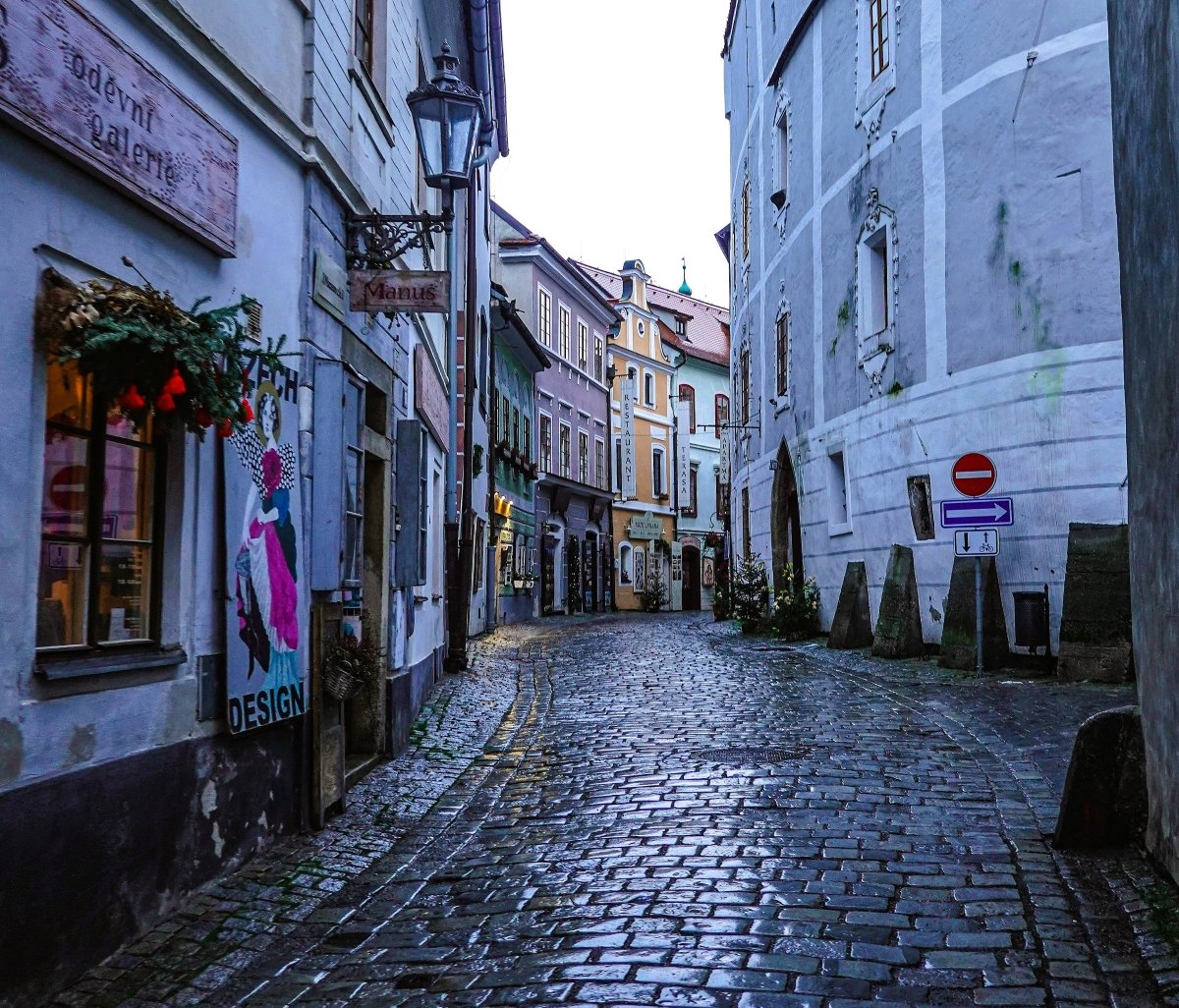
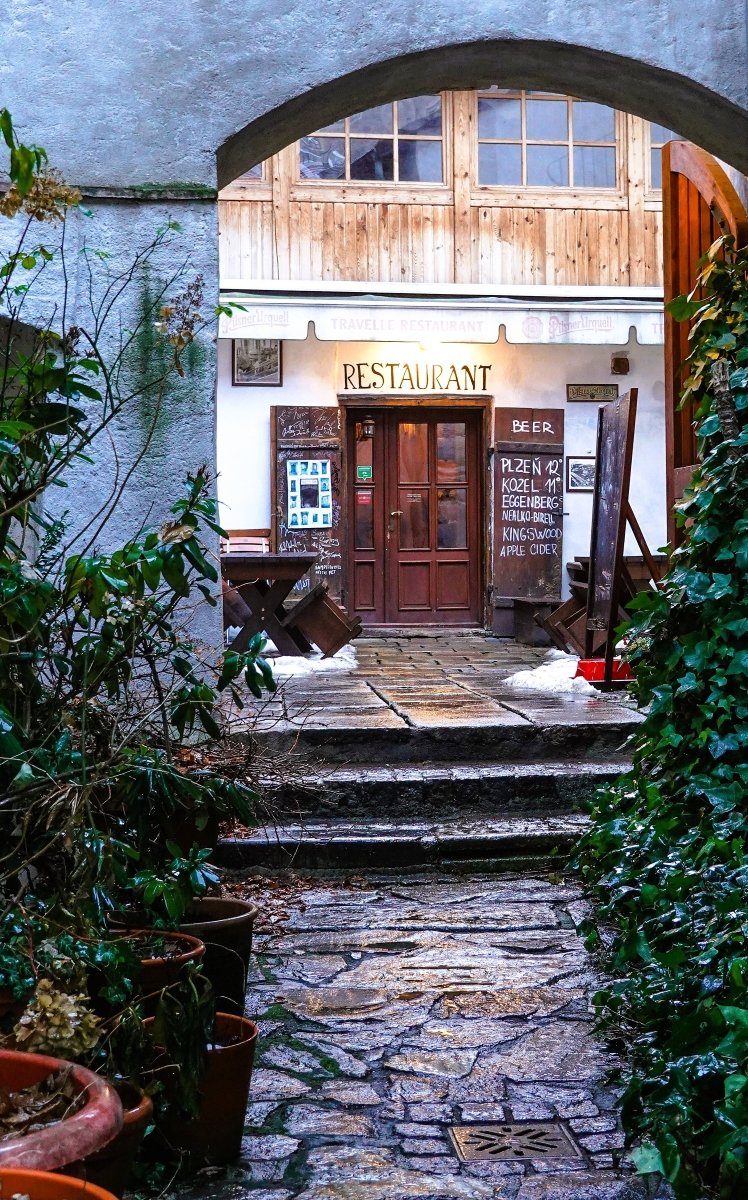
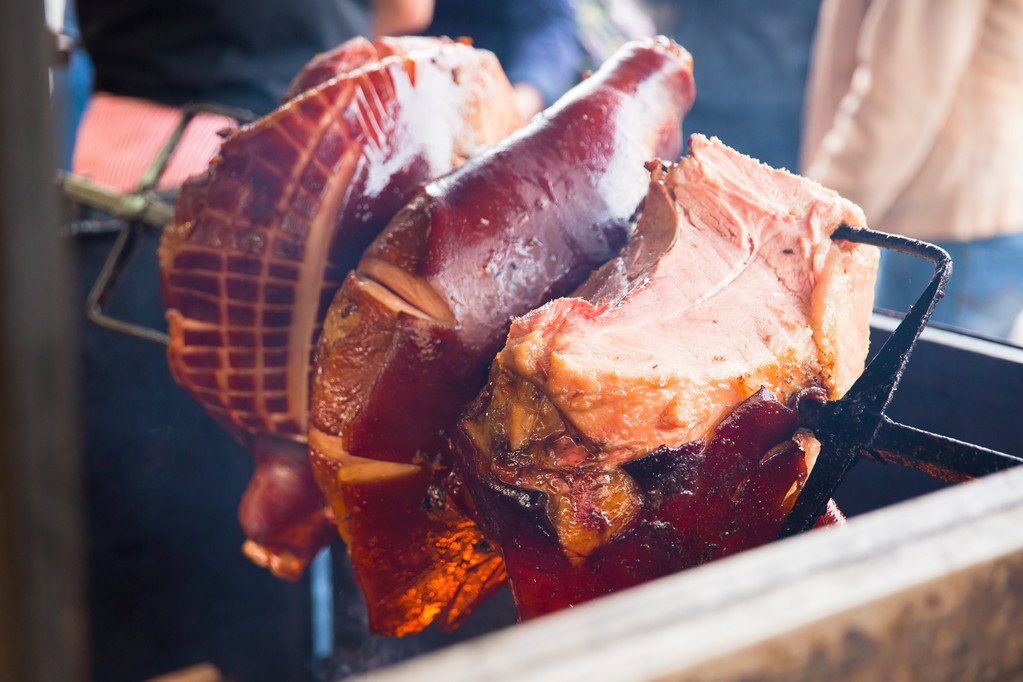
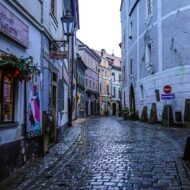
Český Krumlov looks like a fairy tale illustration came to life—a red-roofed medieval town wrapped in a horseshoe bend of the Vltava River, watched over by a castle straight out of a storybook. The food? Gloriously unpretentious Czech comfort food that’ll stick to your ribs and pair perfectly with some of the world’s best beer. Think roasted pork knuckles the size of your head, bread dumplings that soak up rich gravies, and enough beer to float that castle.
Signature Dishes You Can’t Miss:
- Vepřo-knedlo-zelo — The holy trinity: roast pork, bread dumplings, and sauerkraut
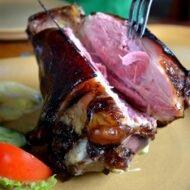
- Pečené koleno — Roasted pork knuckle, crispy outside, melt-inside
- Svíčková — Beef sirloin in cream sauce with cranberries and bread dumplings
- Kulajda — Creamy mushroom soup with dill, potatoes, and a poached egg
- Trdelník — Rolled pastry dusted with cinnamon sugar (tourist trap, but delicious)
- Czech beer — Pilsner Urquell, Budvar, and local Eggenberg brews
Interesting Facts
- The entire historic center is a UNESCO World Heritage Site
- Český Krumlov’s castle is the second-largest in the Czech Republic after Prague Castle
- The castle’s baroque theater (built 1682) still has original stage machinery and sets
- The town was preserved because it was too poor to modernize in the 20th century—lucky us
- Bears have lived in the castle moat since the 16th century (seriously, there are bears)
Things to Do (According to Travelers)
- Explore Český Krumlov Castle with its painted tower and baroque gardens
- Wander the cobblestoned Old Town and get deliberately lost
- Raft or canoe down the Vltava River (best in summer)
- Visit Eggenberg Brewery for tours and tastings of local beer
- Catch a show at the rotating auditorium during the Five-Petalled Rose Festival
Where to Stay
Budget-Friendly: Hostels and pensions in the Old Town (€30-60/night)
Mid-Range: Small hotels and guesthouses with river views (€70-120/night)
Splurge-Worthy: Boutique hotels in converted historic buildings (€150-250/night)
Shopping & Markets
The town is compact, so shopping means browsing artisan shops for garnets (Czech semi-precious stones), Bohemian glass, and wooden toys. The farmers’ market at náměstí Svornosti (town square) runs Thursday mornings with local produce and crafts.
Local Traditions & Culture
Czechs are laid-back, beer-loving people with a dry sense of humor and deep skepticism of authority (thanks, history). Locals in Krumlov navigate hordes of day-trippers with weary patience—stay overnight to see the town’s real personality emerge after the tour buses leave.
Outdoor Adventures
Summer means water sports on the Vltava—rafting, kayaking, and paddleboarding through gentle rapids. The surrounding Šumava region offers hiking, cycling, and cross-country skiing in winter. Rent bikes to explore the countryside or just walk the riverside trails.
Budget Considerations
- Daily Budget: €50-90/person (mid-range)—this is affordable Europe!
- Meals: Lunch €8-15, Dinner €12-25
- Beer: €2-3 per half-liter (yes, really)
- Money-Saving Tip: Eat where locals eat (U Dwau Maryi, Laibon) instead of square-adjacent tourist traps; portions are huge, so share
Cultural Events
- Five-Petalled Rose Festival (June) — Medieval festival with period costumes, jousting, and crafts
- International Music Festival (July-August) — Classical concerts in historic venues
- St. Wenceslas Celebrations (September) — Harvest festival with traditional music and food
- Christmas Markets (December) — Smaller than Prague’s but way more charming
Getting There
Nearest Major Airport: Prague Václav Havel Airport (PRG) — 180km, 3 hours by bus (frequent departures)
Also Consider: Munich Airport (MUC), Germany — 250km, 3.5 hours
Better Yet: Take the Student Agency bus from Prague (€8-12, comfy, WiFi, coffee included)
Local Transport: The town is tiny and pedestrian-friendly; no car needed
The Recap: Your Next Food Adventure Awaits
Here’s the truth: these five cities won’t show up on everyone’s European bucket list, and that’s exactly why you should go. While tourists line up for average pasta in Rome or overpriced crepes in Paris, you’ll be truffle-hunting in Alba, chocolate-hopping in Modica, pintxo-crawling in San Sebastián, duck-feasting in Périgueux, and beer-cheersing in Český Krumlov.
Each destination offers:
- Authentic food culture where locals still run family businesses and recipes haven’t been dumbed down for tourists
- Better value than mega-cities without sacrificing quality
- Fewer crowds so you can actually enjoy your meal without elbowing through selfie-stick wielders
- Unique specialties you literally can’t get anywhere else
Whether you’ve got a week or a month, these cities string together beautifully for a food-focused European adventure. Start planning, book those flights, and prepare your stomach for the trip of a lifetime.
Disclaimer
Please Note: Prices, opening hours, and travel conditions mentioned in this guide are approximate and subject to change. Always verify current information before traveling, especially regarding:
- Restaurant reservations and operating hours (many European establishments close Sundays/Mondays or take seasonal breaks)
- Accommodation availability during peak seasons and festivals
- Transportation schedules and costs
- COVID-19 or other health-related travel requirements
- Currency exchange rates and local payment preferences (some small-town businesses prefer cash)
Seasonal variations dramatically affect food availability—truffle seasons, harvest times, and market schedules shift. This guide is intended for inspiration and general planning; do your homework before you go. Dietary restrictions? Call ahead—English isn’t always spoken in smaller establishments.
Travel insurance is always a good idea. Buon appetito, bon appétit, and dobrou chuť!
Ready to book your food adventure? Start with the city that makes your mouth water most, then work your way through the rest. Your taste buds (and Instagram followers) will thank you.