









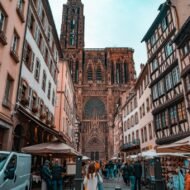
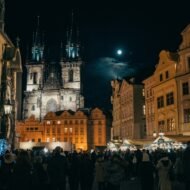

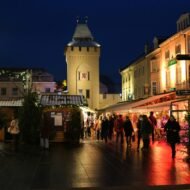
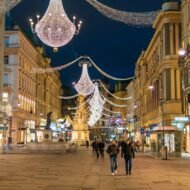



Belgium: Medieval Cities, Modern Markets
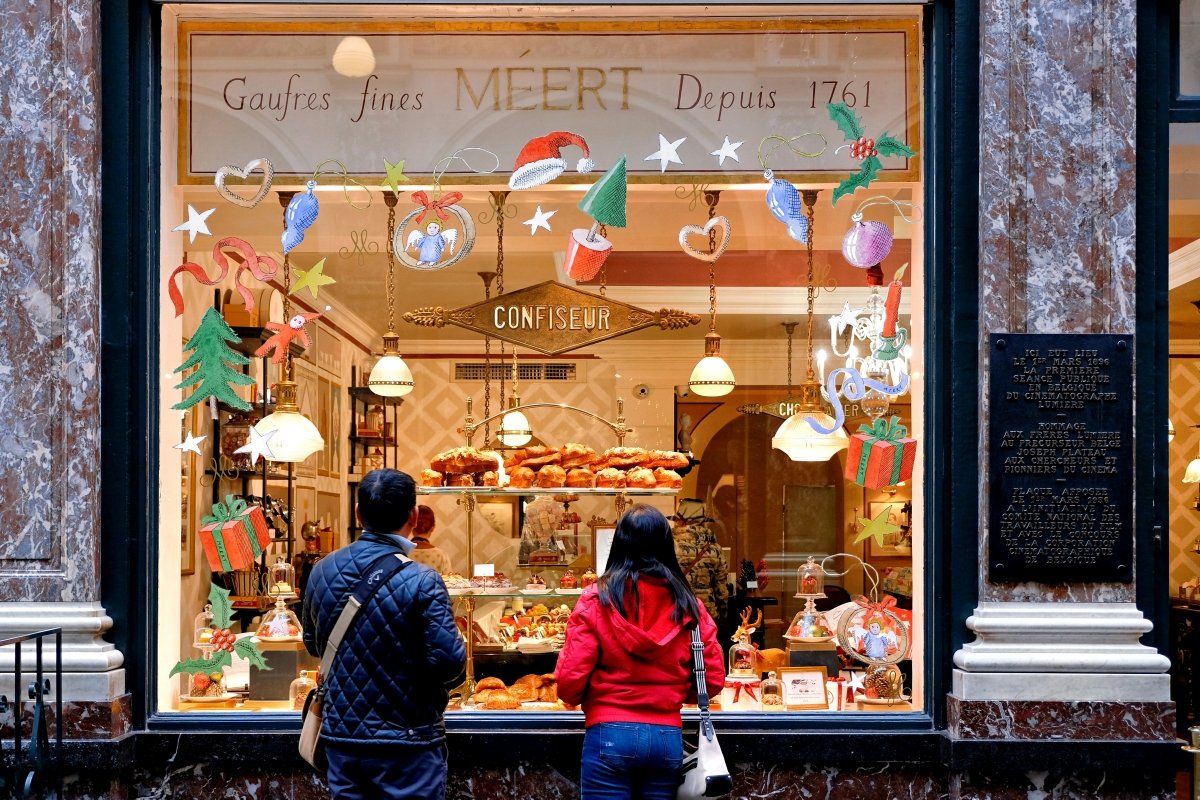
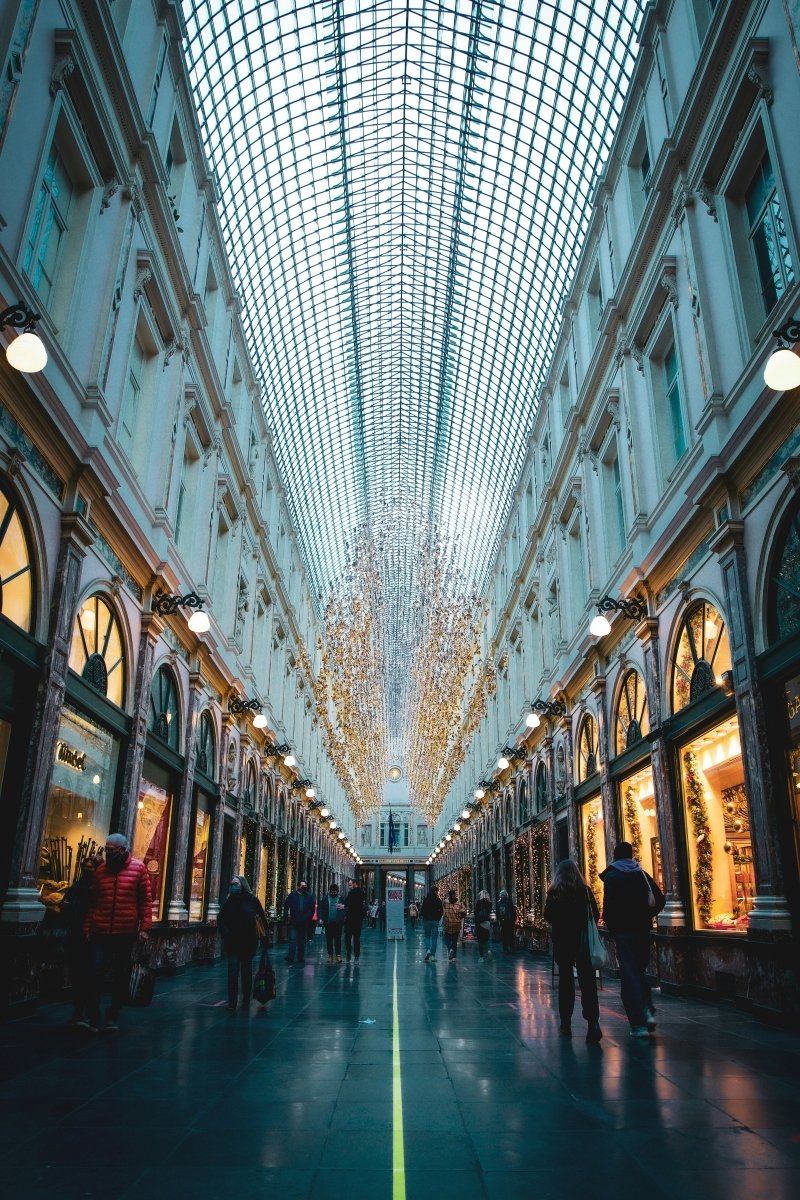
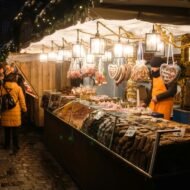
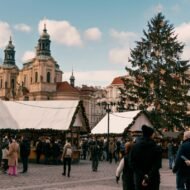
Belgium might be small, but its Christmas markets pack a serious festive punch. Plus, Saint Nicholas arrives in late November, making December 6th his feast day when Belgian children traditionally receive gifts—which means the markets open earlier than most of Europe!
- Belgium: Medieval Cities, Modern Markets
- The Netherlands: Cave Markets & Canal-Side Cheer
- Scandinavia: Nordic Hygge & Winter Wonderlands
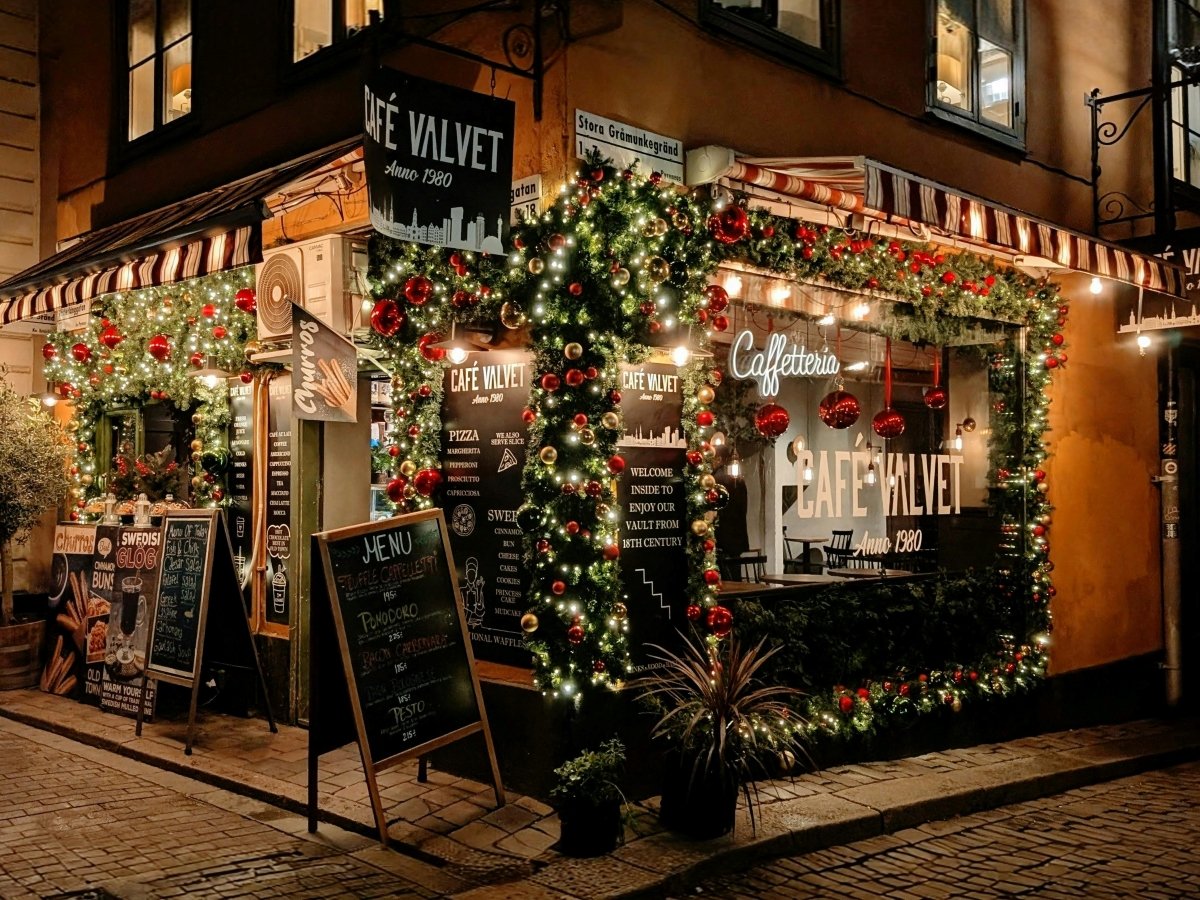
- Stockholm, Sweden – Historic Markets & Lucia Celebrations
- Copenhagen, Denmark – Tivoli Gardens & Danish Hygge
- Oslo & Bergen, Norway – Fjord-Side Festivity
- Poland, Eastern Europe & Beyond
- Essential Christmas Market Survival Guide
- Making It Magical: Insider Experiences
- Regional Shopping & Souvenir Guide
- Final Thoughts: Make Your Own Magic
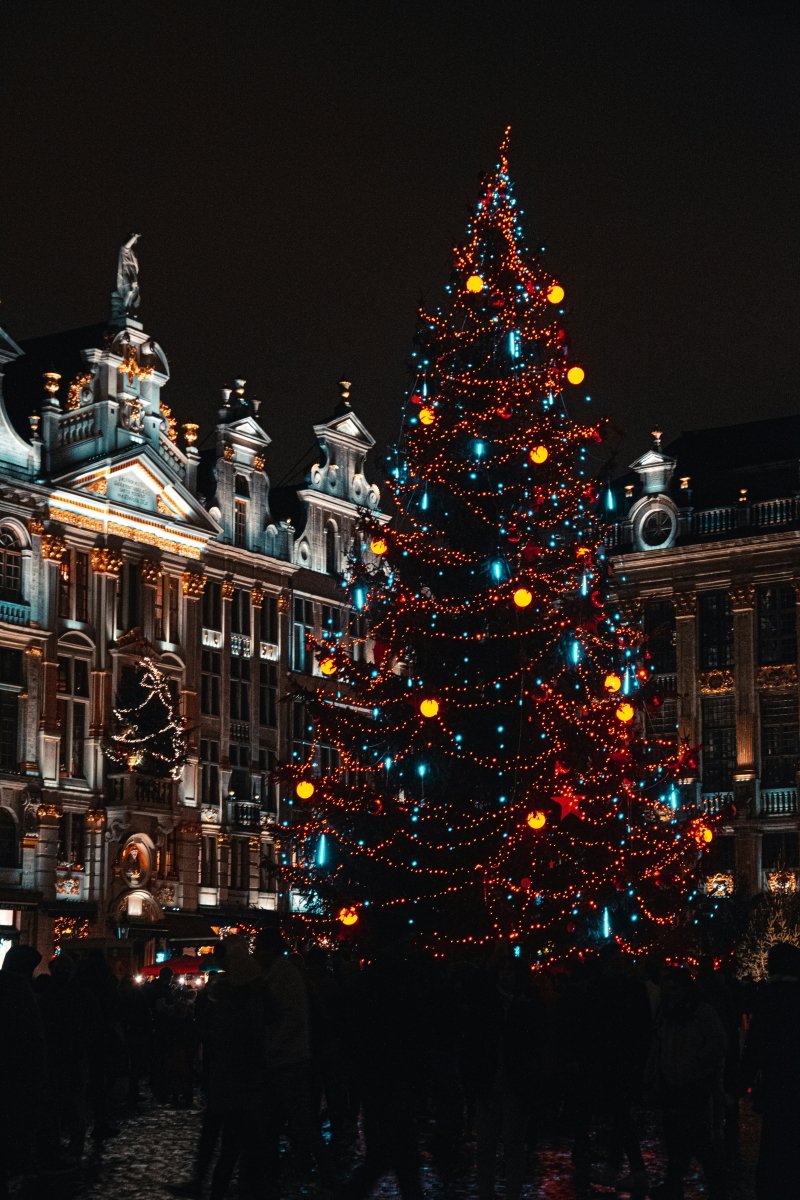
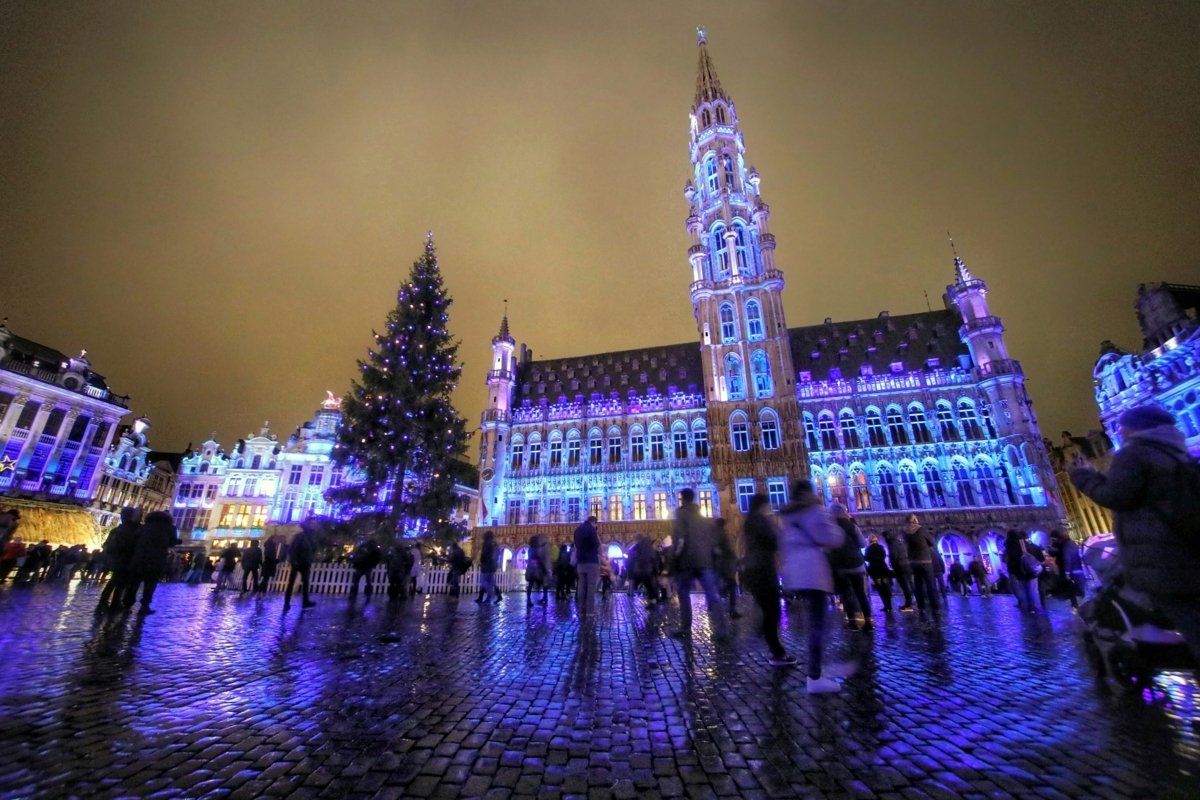
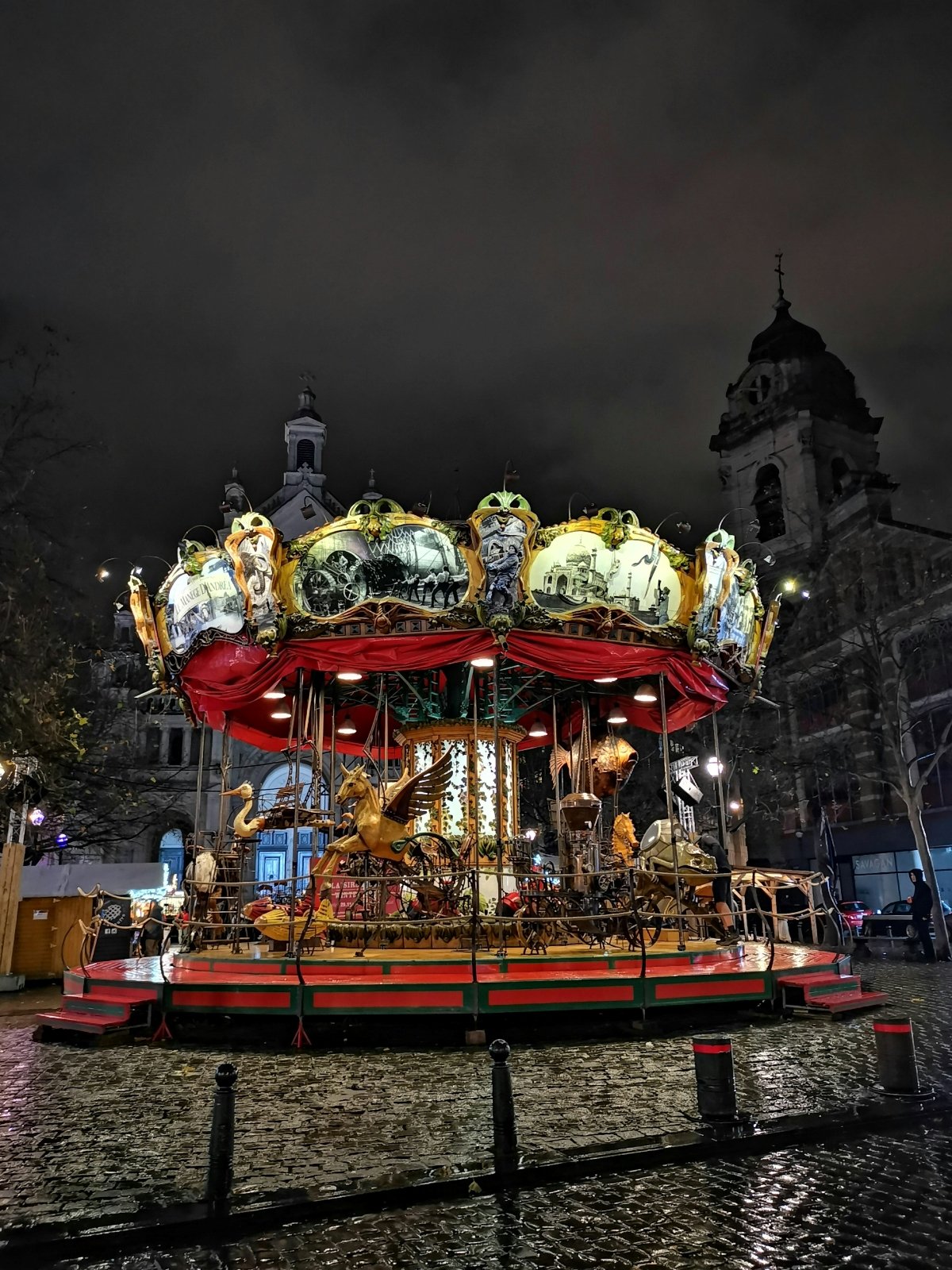
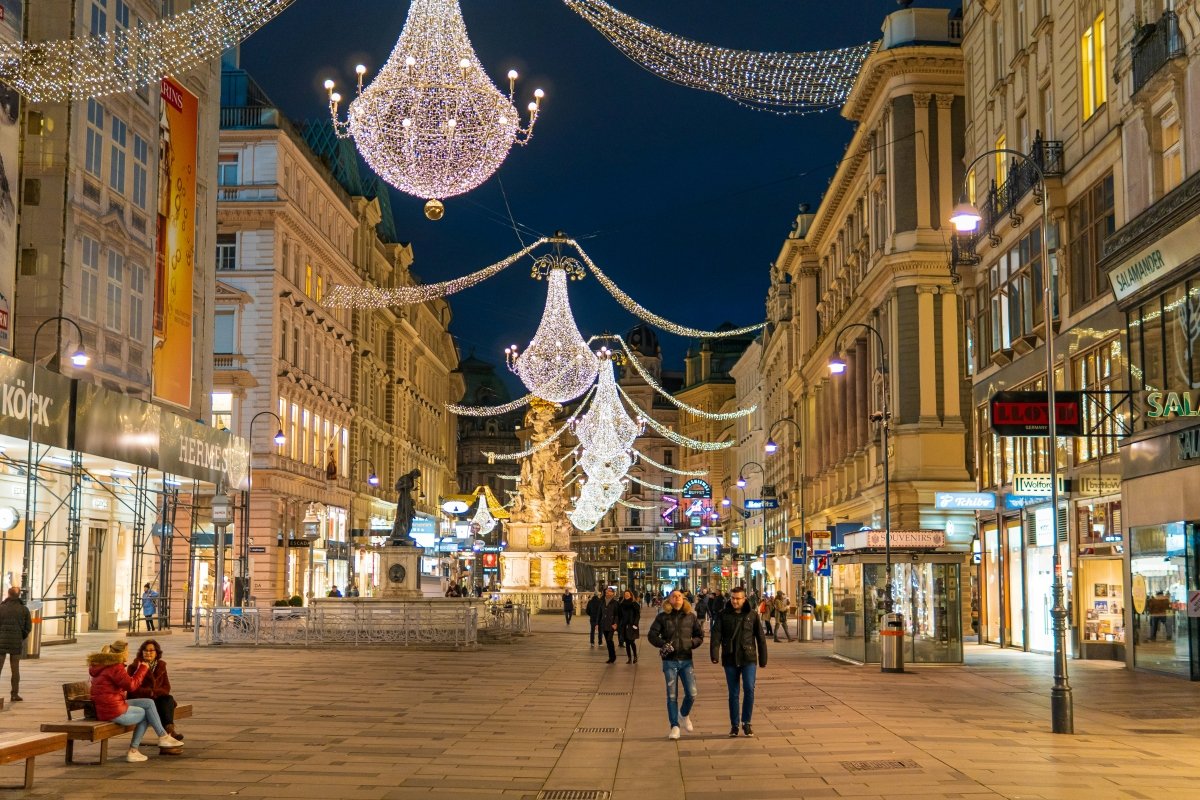
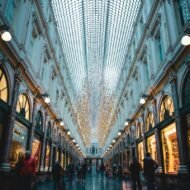
Brussels – Winter Wonders Extravaganza
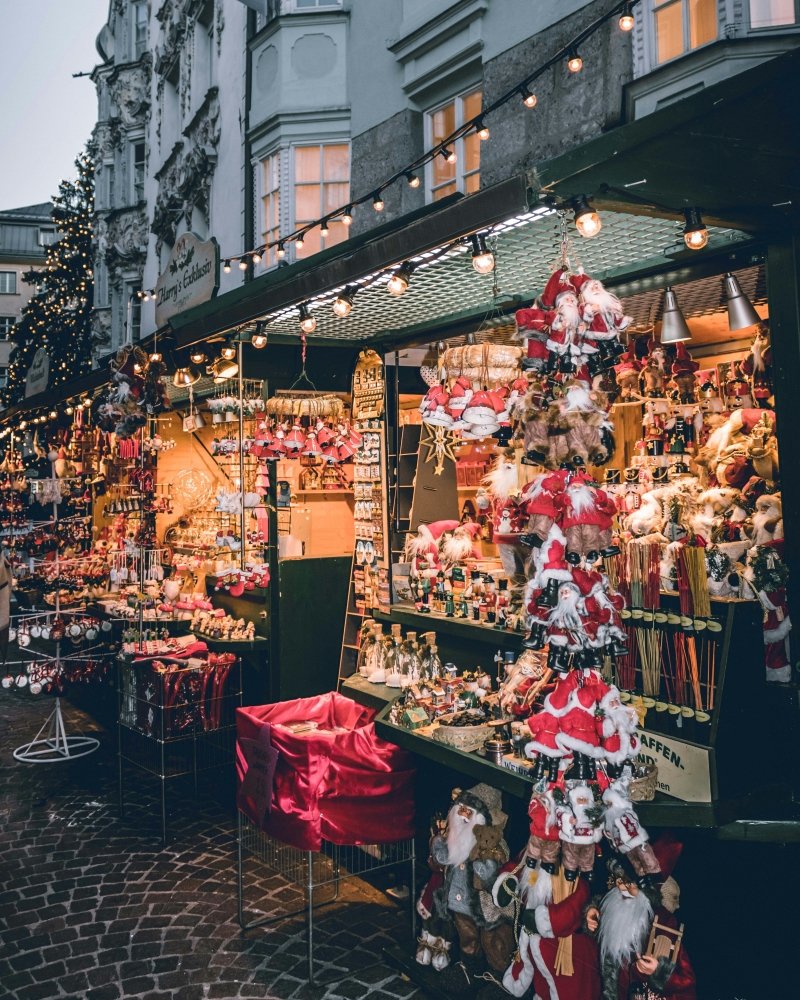
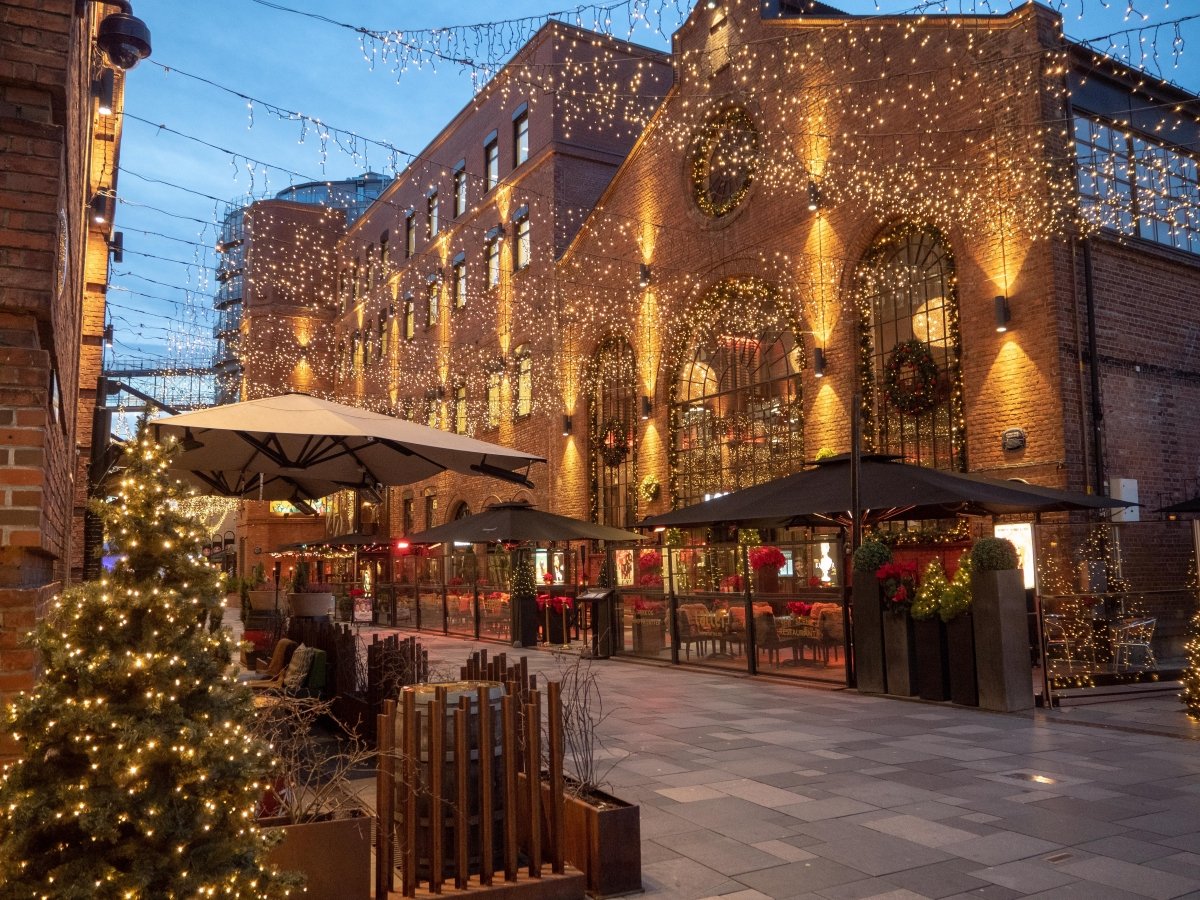
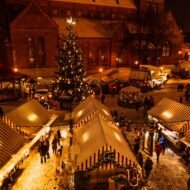
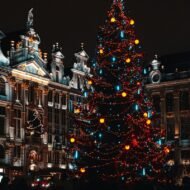
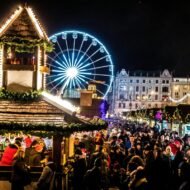
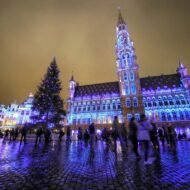
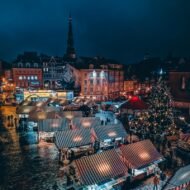
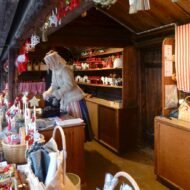
Brussels’ Winter Wonders features over 250 wooden chalet stalls spread across the Grand Place, Rue de la Bourse, Place Sainte-Catherine, and Marché aux Poissons. This isn’t just a market—it’s a 2km stretch of festive wonderland!
What You’ll Find:
- A spectacular sound and light show on the Grand Place (absolute must-see!)
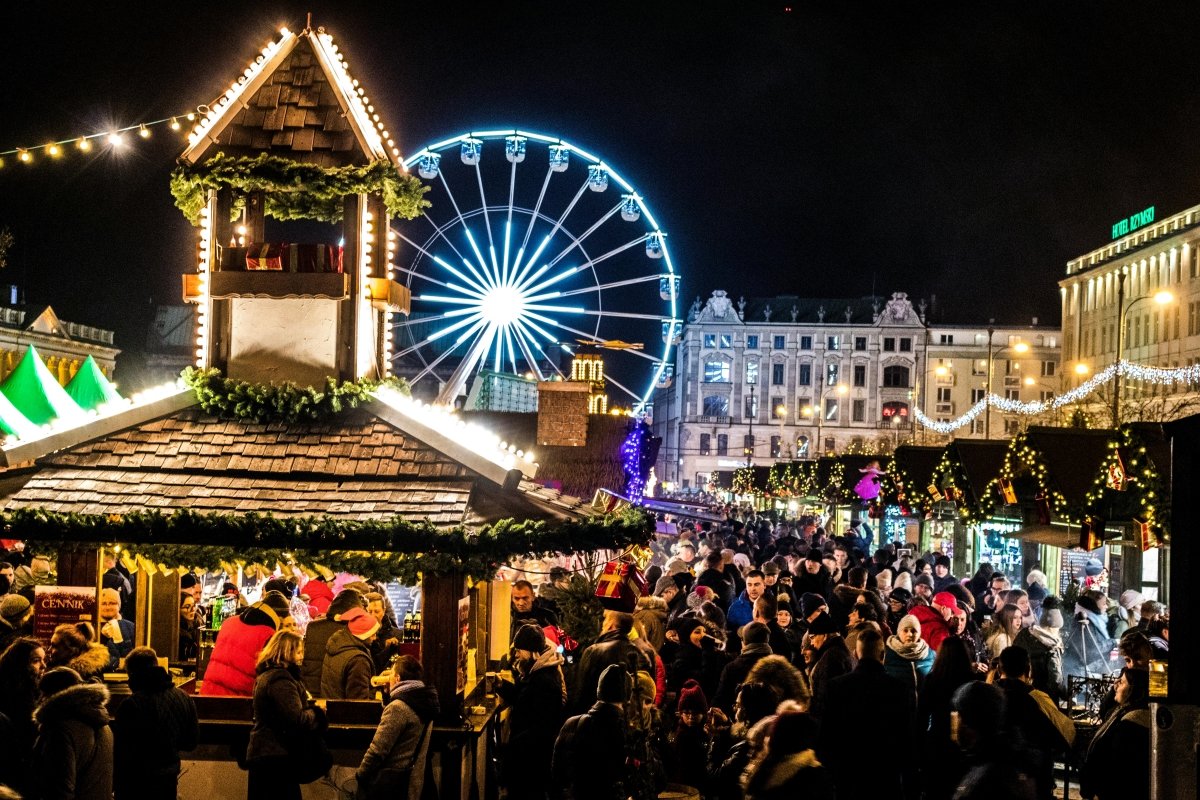
- A Ferris wheel offering stunning views of the decorated city from above
- Two ice skating rinks (Place de Brouckère and Bois de la Cambre)
- Over 200 illuminated stalls
Dates: November 28, 2025–January 4, 2026
Bruges – Winter Glow Magic
The two Christmas Markets in Bruges center are beautifully decorated: on the Markt you’ll find a traditional Christmas market, while Simon Stevinplein emphasizes short chain and craft products.
Dates: November 21, 2025–January 4, 2026 Bonus: New light experience trail transforming Bruges into something you’ve never seen before!
Antwerp, Ghent & Beyond
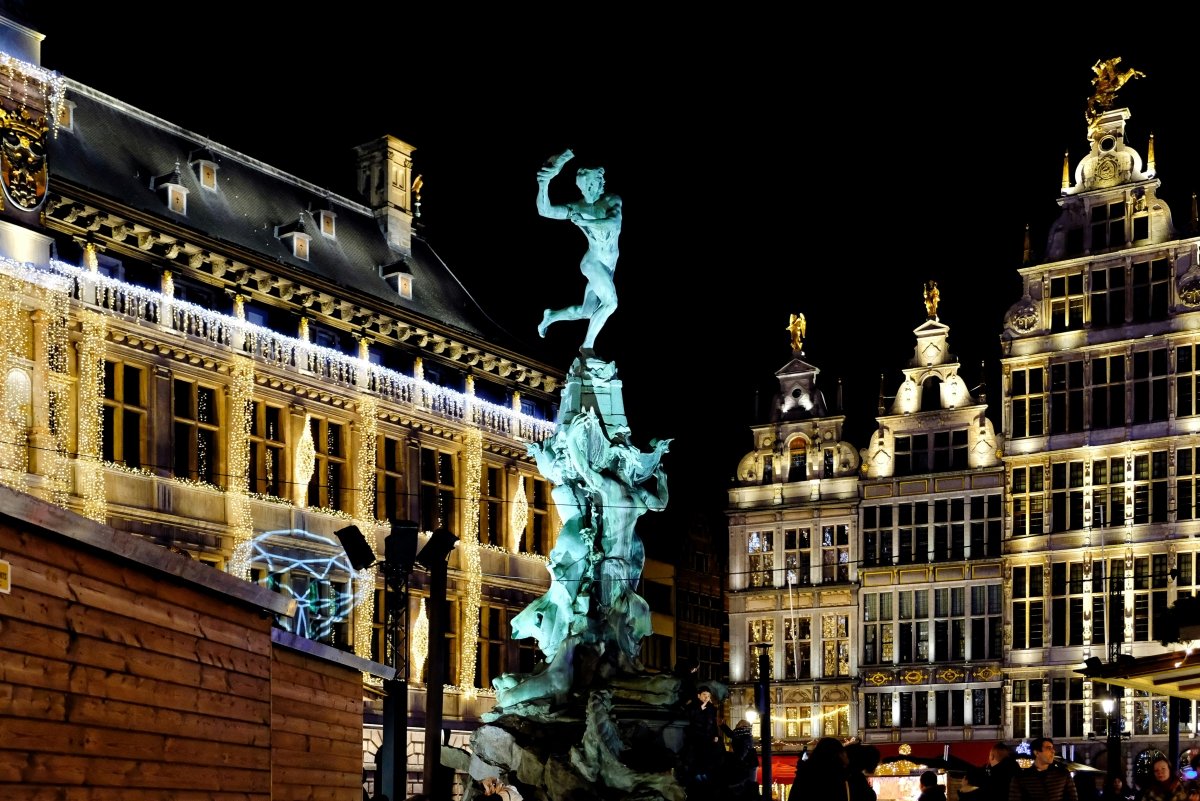
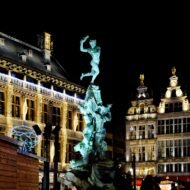
Antwerp: December 5, 2025–January 4, 2026. The Old Town buildings are beautifully lit up and it feels like walking in a fairytale.
Ghent: One of Belgium’s best-kept secrets with markets along the canals.
Belgian Christmas Foods Not to Miss:
- Glühwein/Vin Chaud – Hot mulled wine served in decorative mugs with a €3-4 deposit you can keep as souvenir
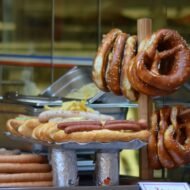
- Smoutebollen – Doughy balls deep-fried and dusted with powdered sugar, light, warm, and utterly addictive
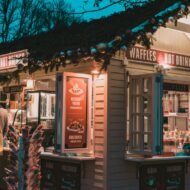
- Belgian waffles – Both Brussels-style (lighter, crispier) and Liège-style (denser, with pearl sugar)
- Belgian hot chocolate – Rich, thick, made with real Belgian chocolate—a serious drink often served with whipped cream
- Genever – Belgian gin, perfect for warming up
- Belgian frites – With mayo, obviously
Travel Tip: Belgium’s compact size makes multi-city visits feasible—Brussels to Bruges is under an hour by train, Ghent to Antwerp is 45 minutes.
The Netherlands: Cave Markets & Canal-Side Cheer
Dutch Christmas markets have exploded in popularity, blending traditional German influences with unique Dutch creativity.
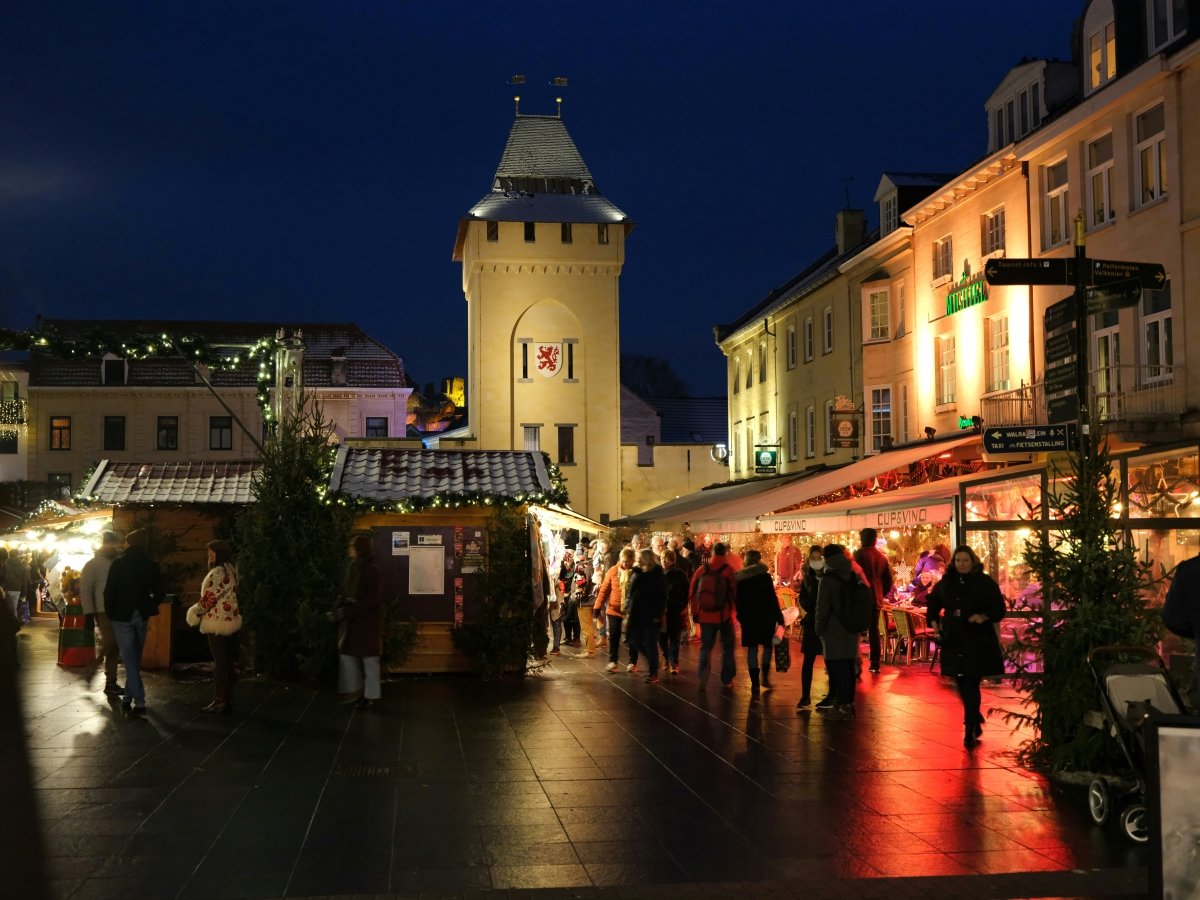
Valkenburg – Europe’s Largest Underground Market
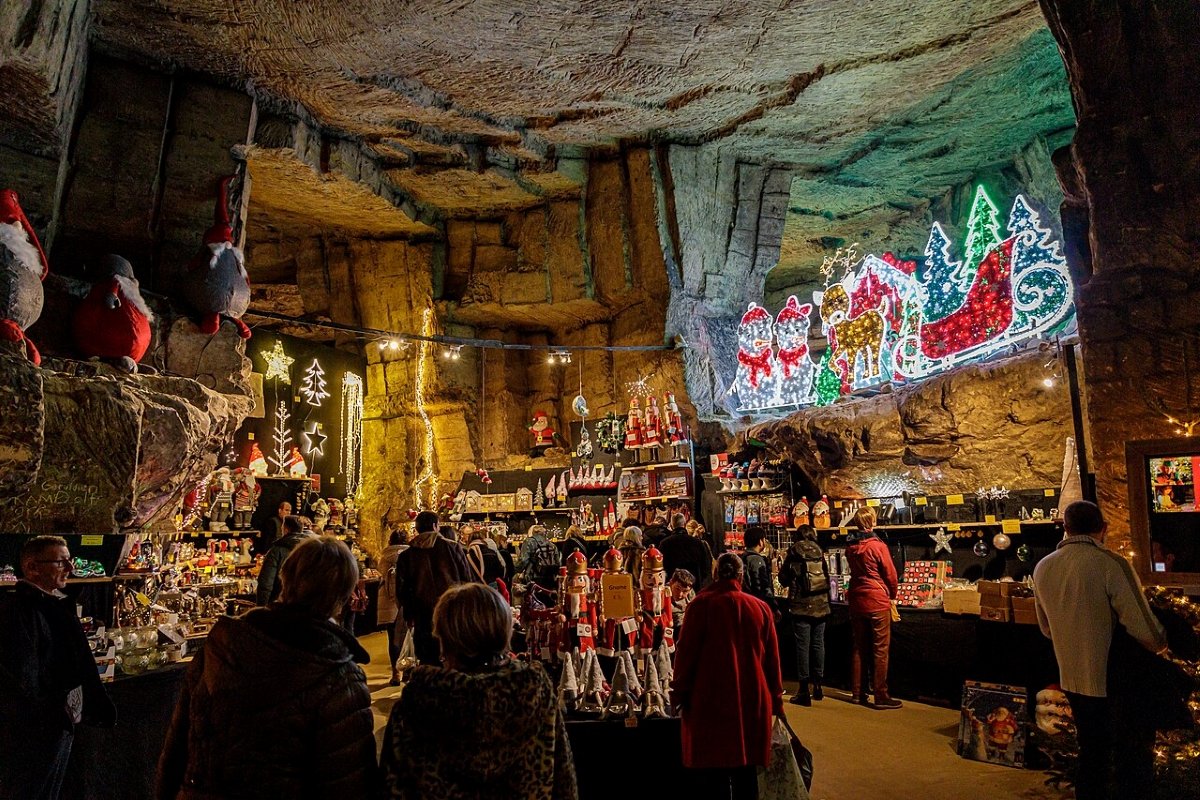
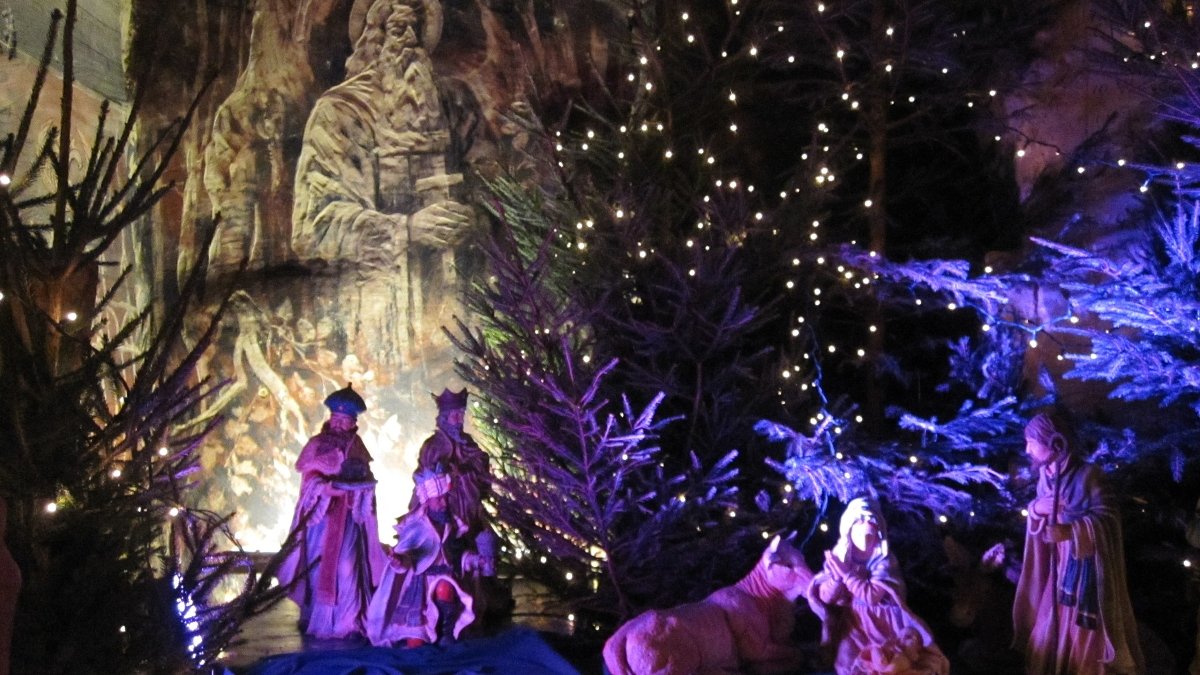
This is genuinely unique. Boasting the largest underground Christmas market in Europe, the Gemeentegrot (Municipal Cave) features centuries-old tunnels under the castle ruins filled with over 50 festive stalls.
Multiple Cave Experiences:
- Velvet Cave Christmas Market
- Municipal Cave Christmas Market
- Christmas in MergelRijk
- Winter Wonderland Valkenburg
Dates: November 14, 2025–January 5, 2026 Cost: €8.50-€9 (must book tickets online in advance!)
Amsterdam Winter Paradise
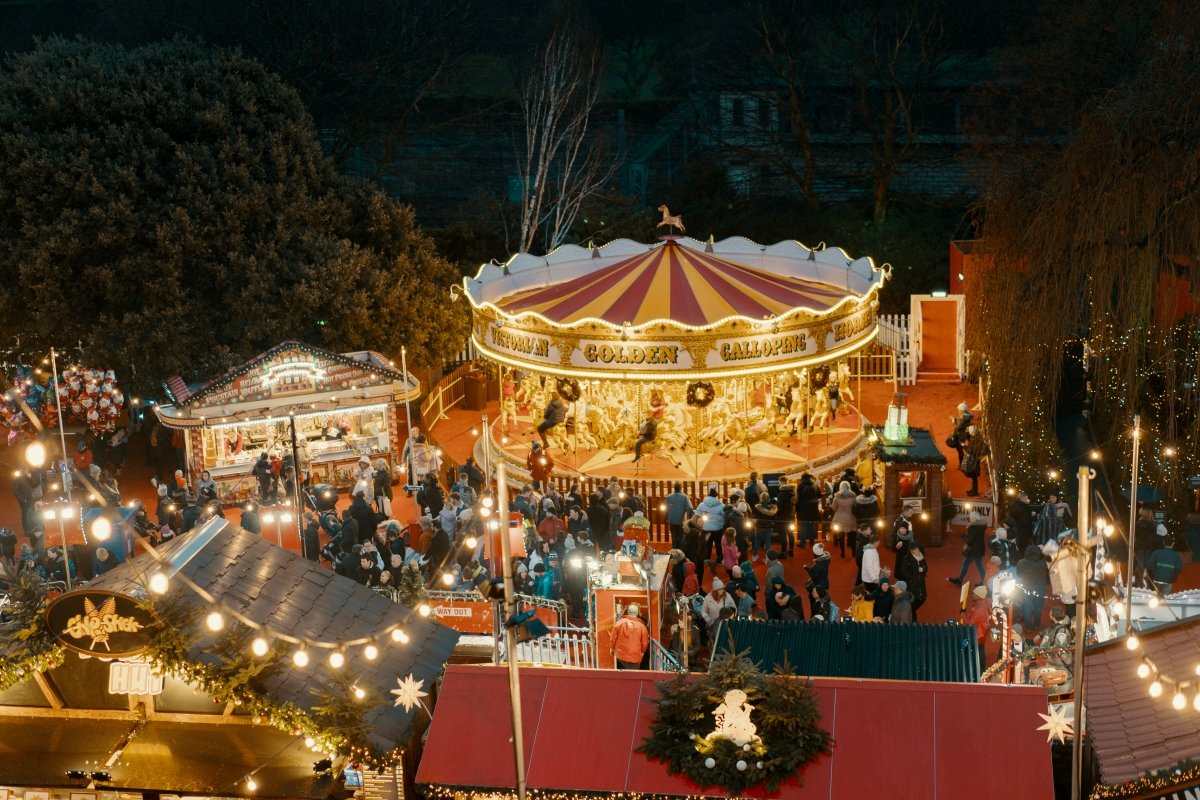
Amsterdam’s sixth edition features festive booths under twinkling lights, live music performances, skating rink, Ferris wheel, and even skiing.
Dates: December 13, 2025–January 3, 2026 Cost: From €24 (note: 18+ after 9pm, no sweatpants dress code!) Location: Amsterdam RAI
Other Dutch Gems:
Maastricht: “Magical Maastricht” with true Limburgian charm Haarlem: December 12-13, 2025—compact but charming throughout the city center Leiden: WinterWonderWeken with floating festivities Utrecht: Cozy markets near Molen de Ster
Dutch Christmas Treats:
- Oliebollen – Deep-fried dough balls dusted with powdered sugar
- Poffertjes – Mini fluffy pancakes with butter and sugar
- Stroopwafels – Warm caramel waffle cookies
- Hot chocolate with whipped cream
- Glühwein – Dutch-style mulled wine
Scandinavia: Nordic Hygge & Winter Wonderlands
Scandinavian Christmas markets bring a unique flavor to European festive celebrations—think hygge (Danish coziness), gløgg (mulled wine), and fairy-tale settings with snow-capped fjords and medieval town squares lit by thousands of candles.
Stockholm, Sweden – Historic Markets & Lucia Celebrations
Sweden’s capital transforms into a winter wonderland with multiple markets offering traditional Swedish Christmas experiences.
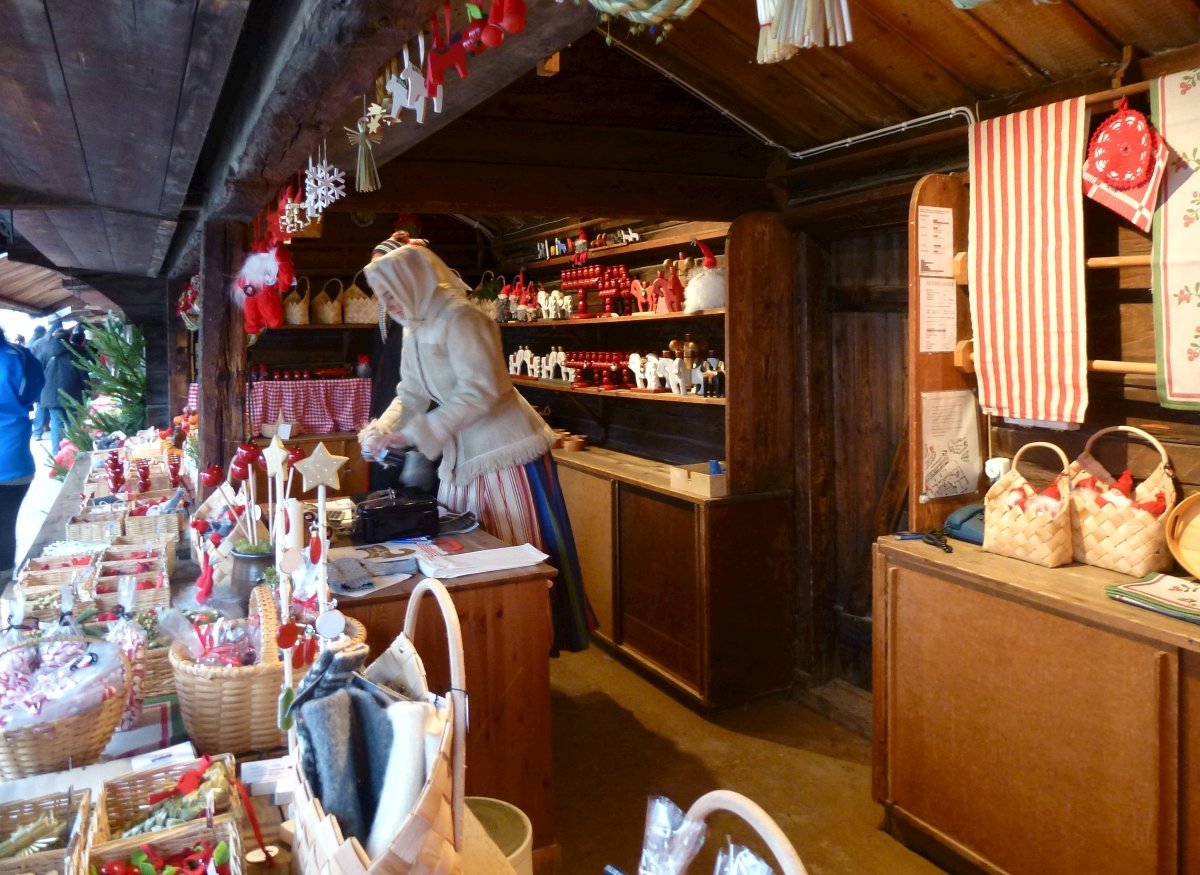
Skansen Christmas Market (The Historic Gem) Dating back to 1903, Skansen’s Christmas market is a beloved tradition set within the historic open-air museum on Royal Djurgården. This is Sweden’s oldest and most traditional market experience.
- Location: Bollnästorget square at Skansen Open-Air Museum
- Dates: Fridays, Saturdays, and Sundays from November 28–December 21, 2025
- Admission: 305 SEK adults (includes full museum access)
- Special Features: Dance around the Christmas tree, listen to choir concerts, visit historic houses decorated for traditional Swedish Christmas
Gamla Stan (Old Town) Christmas Market First held in 1837, Stockholm’s Stortorget market is Sweden’s oldest Christmas market, set in the heart of the charming medieval Old Town.
- Location: Stortorget square
- Dates: November 22–December 23, 2025, daily
- Hours: 11am–6pm
- What to Buy: Swedish ironwork, ceramics, Christmas sausages, game meat, caramels
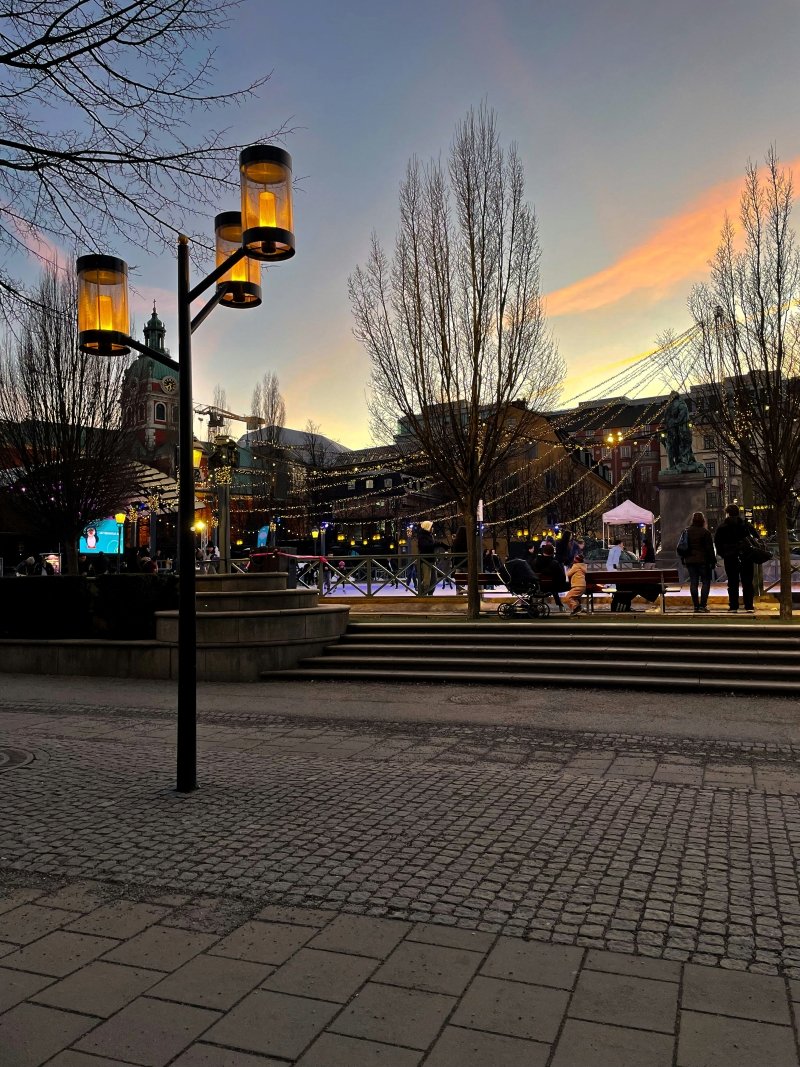
Kungsträdgården Christmas Market With over 400 stands, Kungsträdgården hosts Sweden’s largest Christmas market, featuring Junior Achievement companies where upper secondary students showcase their creative products.
Swedish Christmas Specialties to Try:
- Glögg – Swedish mulled wine with raisins and almonds
- Pepparkakor – Ginger snap cookies, a Swedish Christmas staple
- Julmust – Traditional Swedish Christmas soda
- Lussekatter – Saffron buns traditionally eaten on St. Lucia Day (December 13)
- Ris à la Malta – Rice pudding with whipped cream and orange
- Julskinka – Christmas ham
Stockholm Travel Tip: December daylight is limited (sunrise around 8:30am, sunset by 3pm), so markets begin twinkling by mid-afternoon—no need to wait for evening!
Copenhagen, Denmark – Tivoli Gardens & Danish Hygge
Copenhagen earns its reputation as one of Europe’s top Christmas destinations with multiple enchanting markets and the concept of hygge—that uniquely Danish coziness—in full effect.
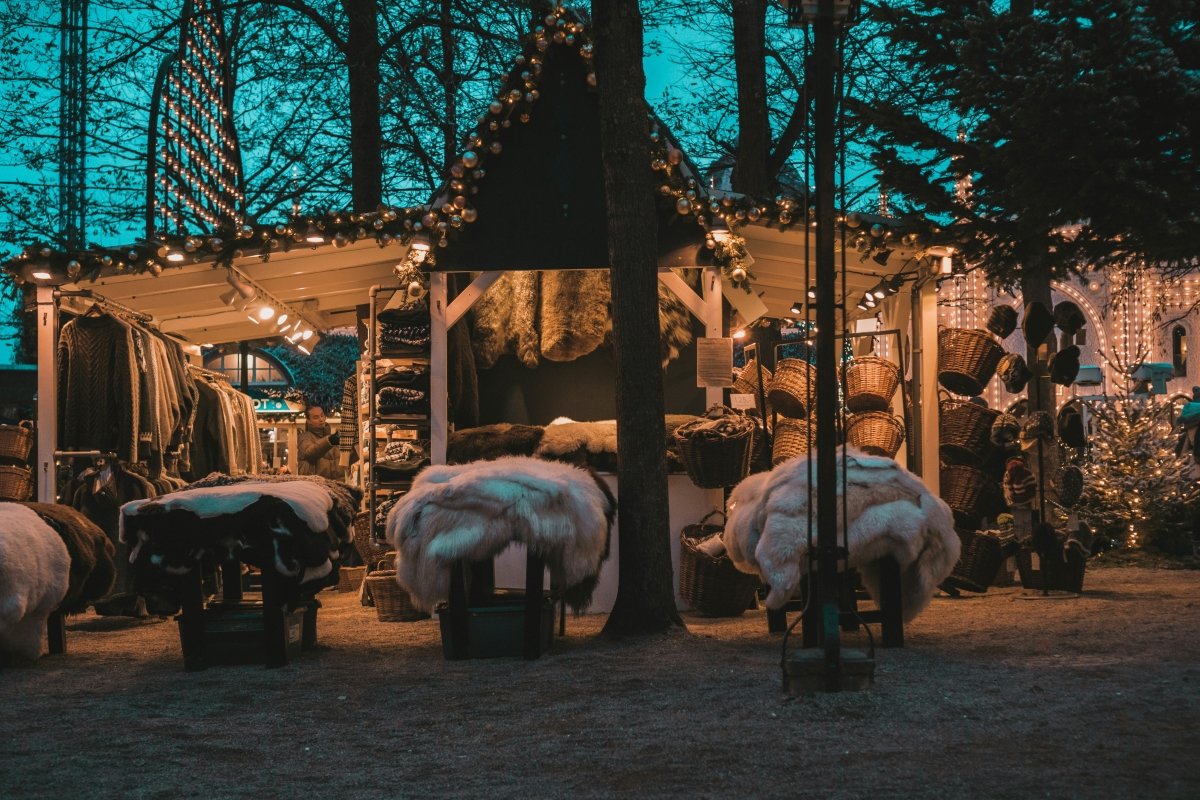
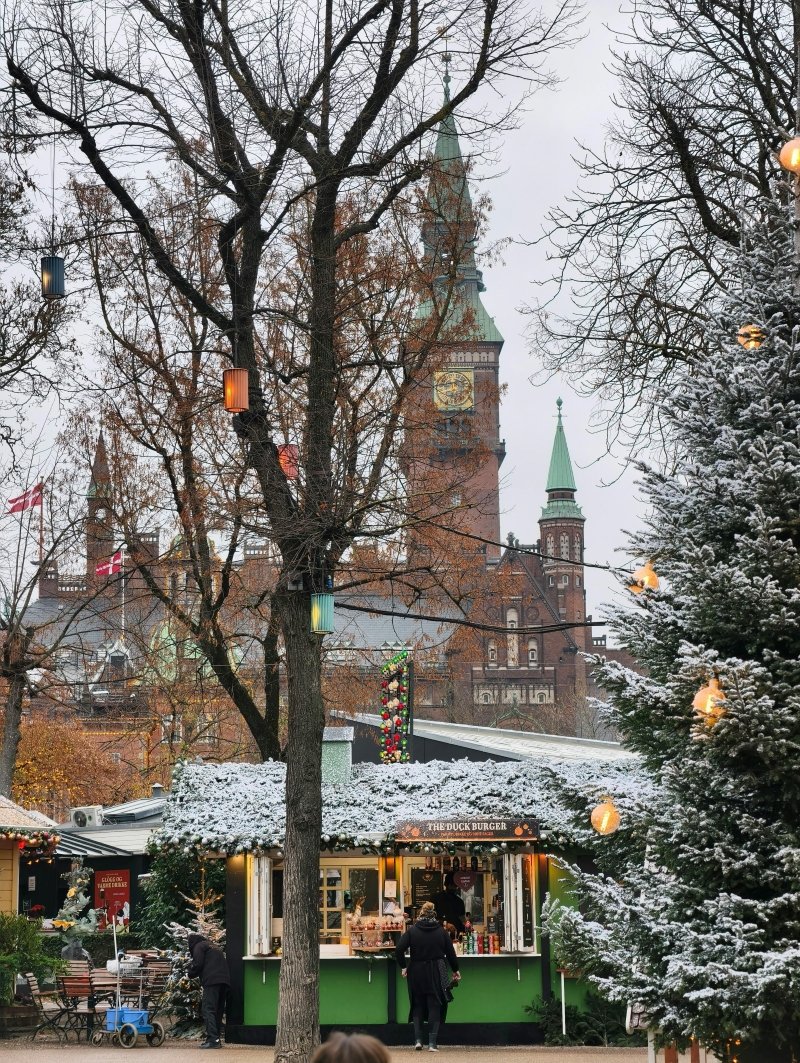
Tivoli Gardens Christmas Market (The Must-See) Tivoli Gardens opens for Christmas on November 14, 2025, running until January 4, 2026, featuring over 70,000 ornaments and 1,000 beautifully decorated trees. This isn’t just a market—it’s a full winter wonderland experience!
- Admission: 190-210 DKK adults, 95-105 DKK children (3-7), free under 3
- What Makes It Special: Amusement rides stay open, The Snow Queen ballet performances, massive Christmas tree, around 60 market stalls
- Hours: Varies, closed December 24
Copenhagen Winter Wonderland at Kongens Nytorv Running from November 14, 2025 to January 4, 2026, this features a unique 1,300 m² ice skating rink winding around the historic square. Free skating if you bring your own skates!
Nyhavn Christmas Market Set along Copenhagen’s famous colorful waterfront with 17th-century buildings creating an Instagram-perfect backdrop. The market stalls nestle beside historic ships with lights reflecting on the water.
Højbro Plads Christmas Market Copenhagen’s self-proclaimed “coziest Christmas market” with a traditional German-influenced vibe right next to Strøget shopping street.
Essential Danish Christmas Foods:
- Gløgg – Danish mulled wine, similar to Swedish glögg
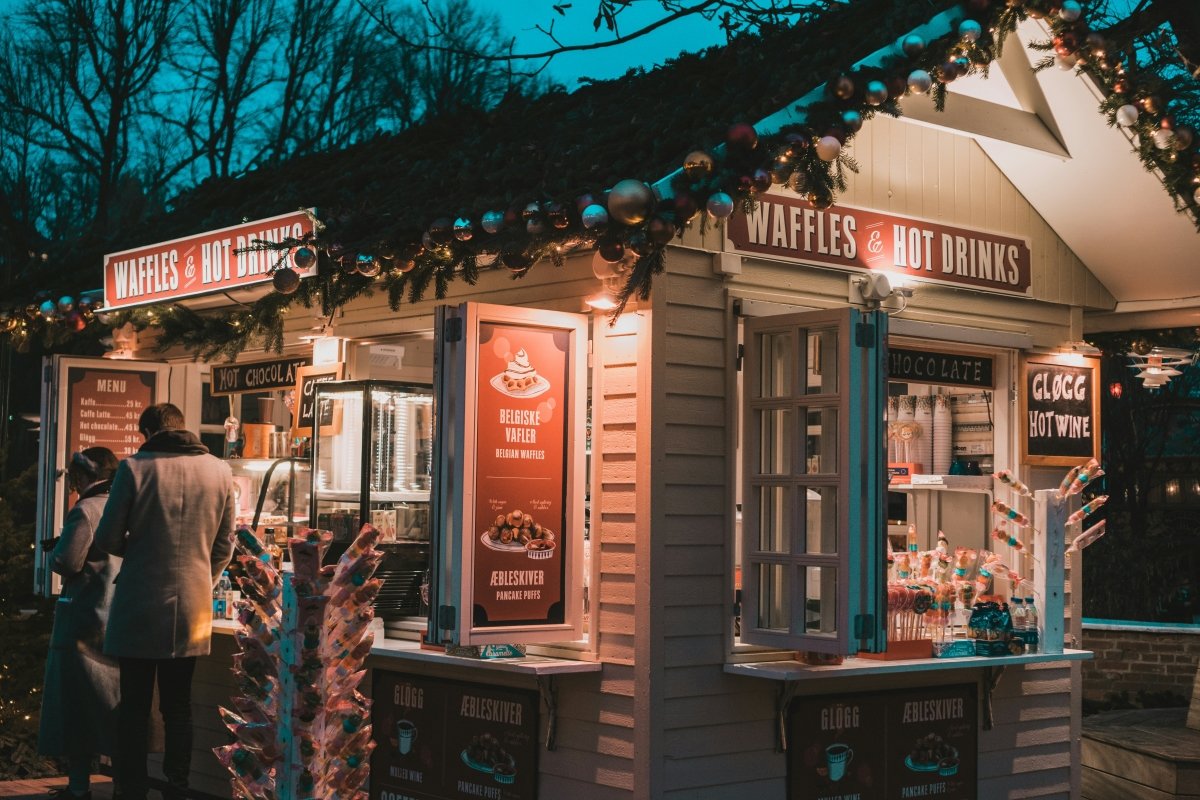
- Æbleskiver – Small round pancakes served with jam and powdered sugar, a cherished Danish tradition
- Risalamande – Rice pudding dessert topped with cherry sauce, a Christmas classic
- Flæskesteg – Roast pork with crispy skin, served with red cabbage and boiled potatoes
- Pebernødder – Small spiced cookies similar to gingerbread
- Smørrebrød – Open-faced sandwiches with various toppings
Special Copenhagen Event: On December 13, 2025, experience an alternative Santa Lucia parade where kayaks sail along the Nyhavn canal dressed in lights and Christmas decorations!
Copenhagen Practicalities: Unlike most European markets, Copenhagen doesn’t do mug deposits—drinks come in disposable paper cups. Budget about $20 USD per meal per person.
Oslo & Bergen, Norway – Fjord-Side Festivity
Norway’s Christmas markets combine stunning natural backdrops with cozy Nordic traditions. Expect reindeer meat, gingerbread towns, and gløgg served against dramatic mountain scenery.
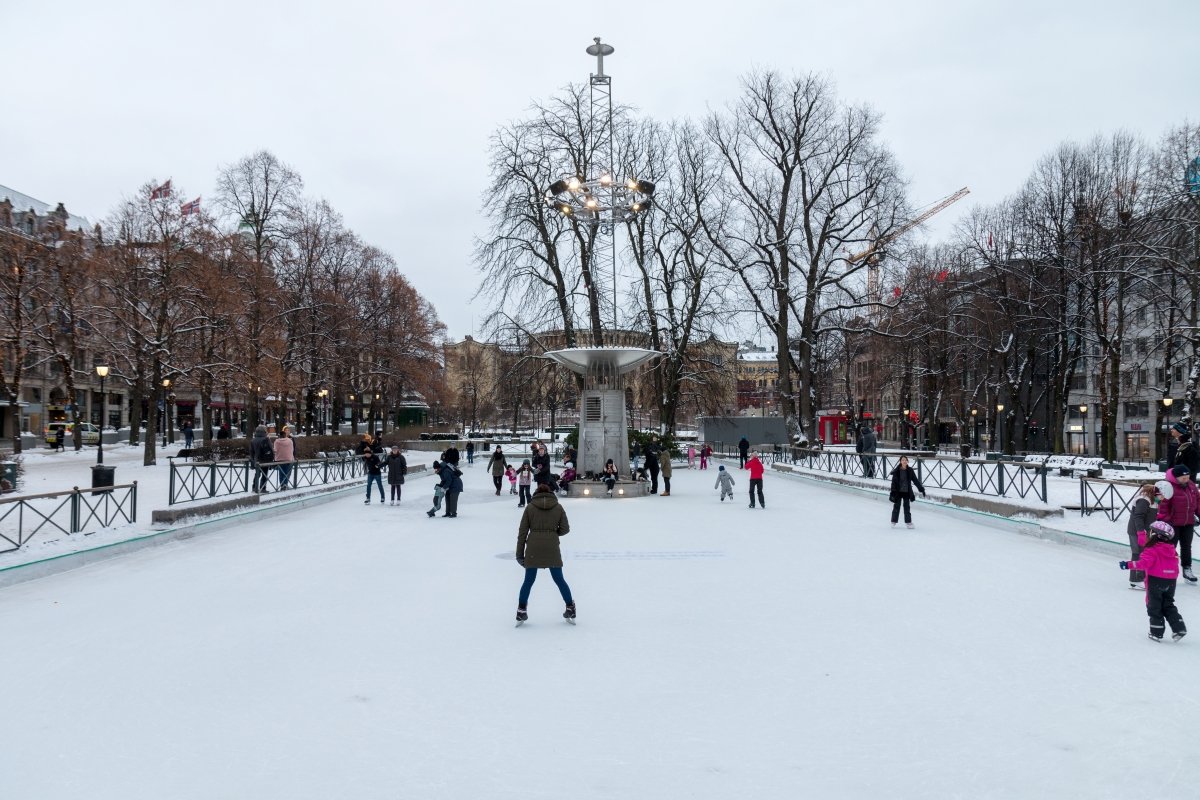
Oslo: Jul i Vinterland (Christmas in Winterland) Located at Spikersuppa, the urban park between the National Theatre and Parliament building, Oslo’s main market officially opens November 8, 2025.
- Location: Karl Johans gate, Oslo’s main street
- Features: Ice skating rink, Ferris wheel, over 100 wooden stalls
- What to Buy: Knitted hats and mittens, reindeer meat products, Norwegian design items
- Duration: Runs through early January 2026
Norwegian Folk Museum Christmas Market Experience how Christmas was celebrated in Norway hundreds of years ago with traditional demonstrations and historic settings.
- Dates: December 6-7 and December 13-14, 2025
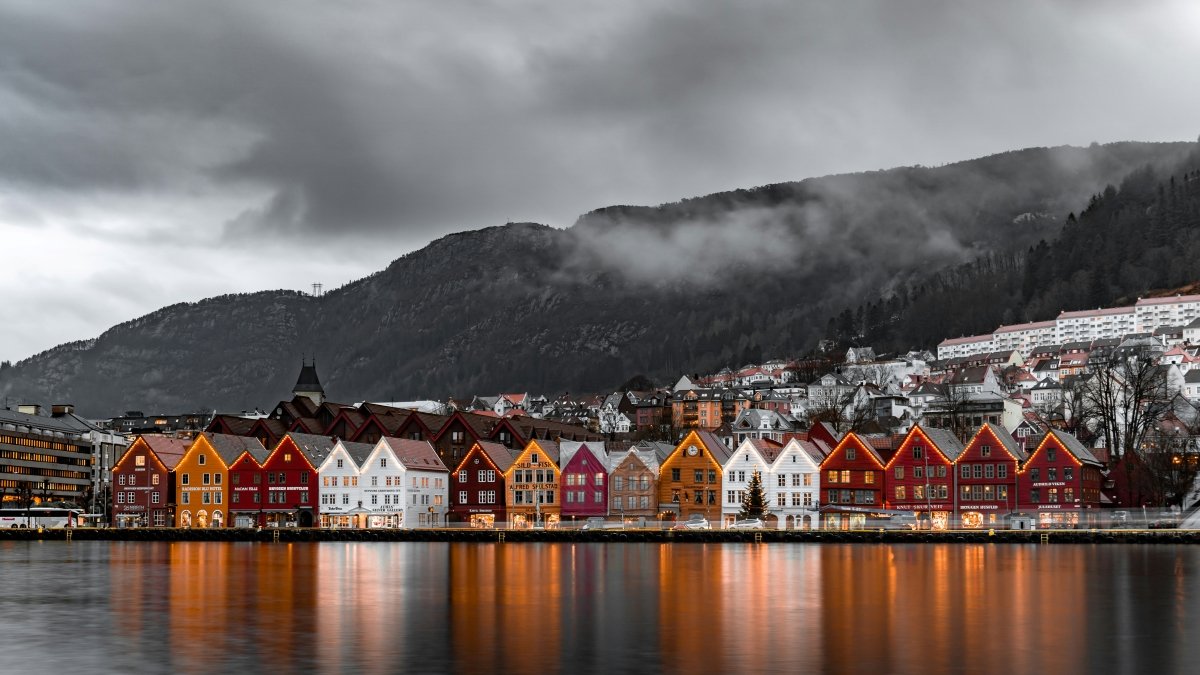
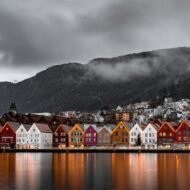
Bergen Christmas Market Bergen’s Christmas Market wraps around the city lake at Festplassen from November 21 to December 22, 2025, with mountains and water providing a photogenic setting.
- Features: Wooden huts, illuminated Ferris wheel, carousel, 80+ stalls
- Hours: Daily 10am–8pm (extended weekend hours)
- Bonus: Free entry!
World’s Largest Gingerbread Town in Bergen! Running from November 15, 2025 to January 11, 2026, Bergen hosts the world’s largest gingerbread town where kindergartens, schools, and individuals contribute to creating Bergen in miniature. Everything from houses to trains and ships made from real gingerbread!
- Admission: 199 kr adults, 149 kr students/teens, free for children under 12 on weekdays (49 kr weekends)
Norwegian Christmas Foods:
- Gløgg – Norwegian mulled wine
- Pepperkaker – Gingerbread cookies, a huge part of Norwegian Christmas
- Pinnekjøtt – Dried lamb ribs, a traditional Christmas dish
- Lutefisk – Dried cod treated with lye (an acquired taste!)
- Rømmegrøt – Creamy porridge with butter, cinnamon, and sugar
- Reindeer sausage – Grilled fresh at market stalls
- Multekrem – Cloudberry cream dessert
Norway Travel Note: Norwegian Christmas markets tend to be smaller and more intimate than their Central European counterparts, but they make up for it with unbeatable natural scenery and authentic Nordic atmosphere.
Poland, Eastern Europe & Beyond
Krakow, Poland – Medieval Square Magic
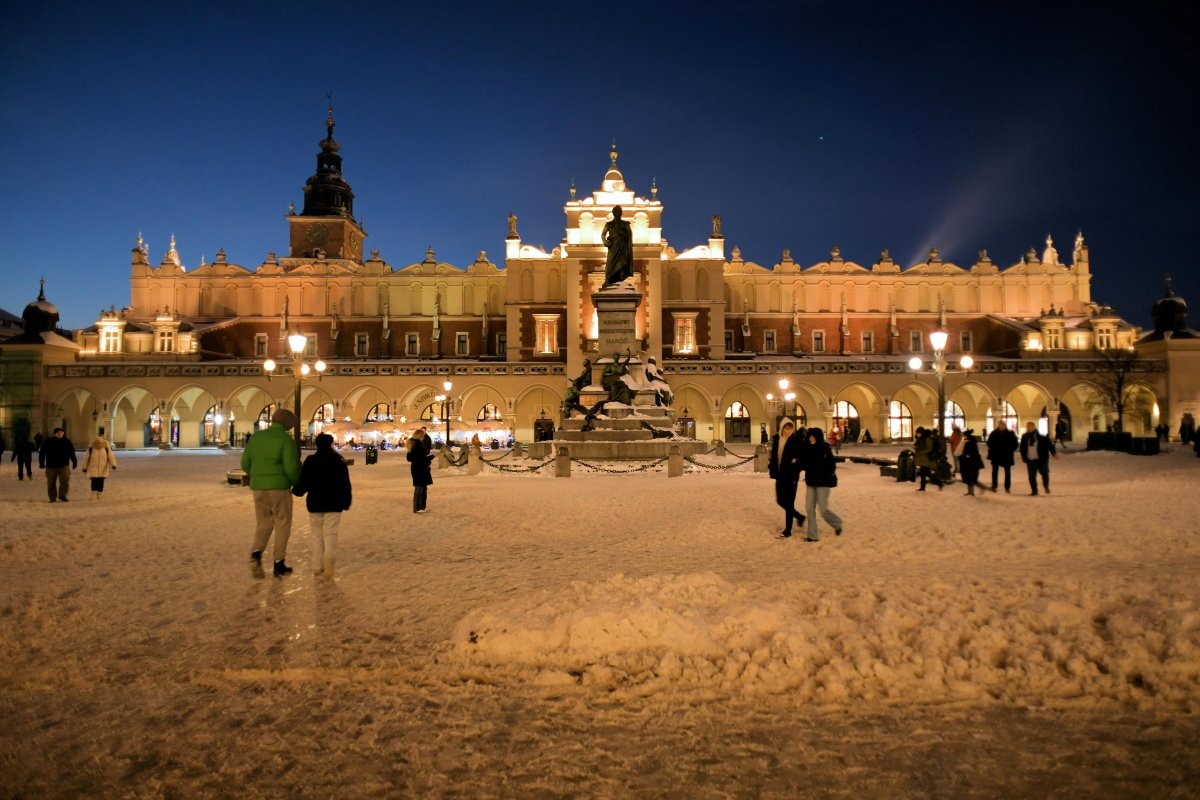
One of Europe’s biggest and best medieval squares, Rynek Glowny, provides the perfect romantic backdrop to Poland’s most popular Christmas market. Browse elaborate homemade cribs and quirky crafty gifts.
Dates: November 28, 2025–January 1, 2026
Riga, Latvia – Baltic Beauty
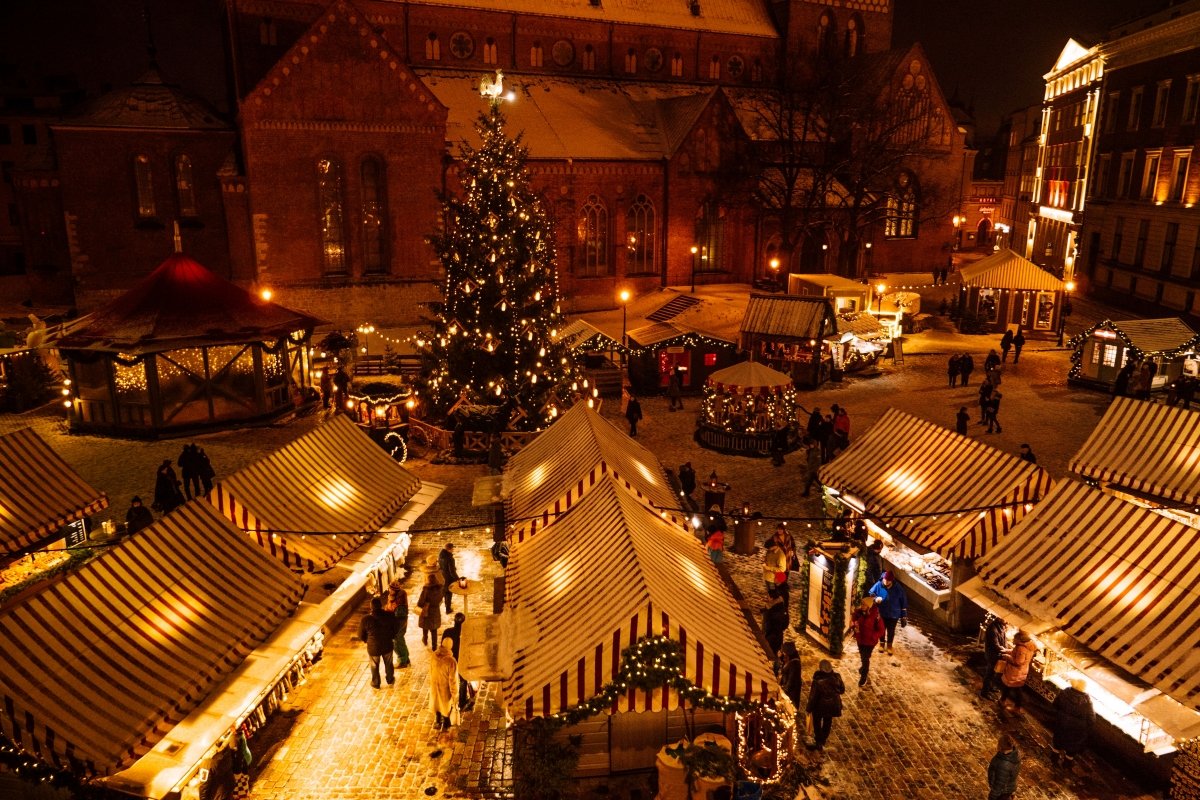
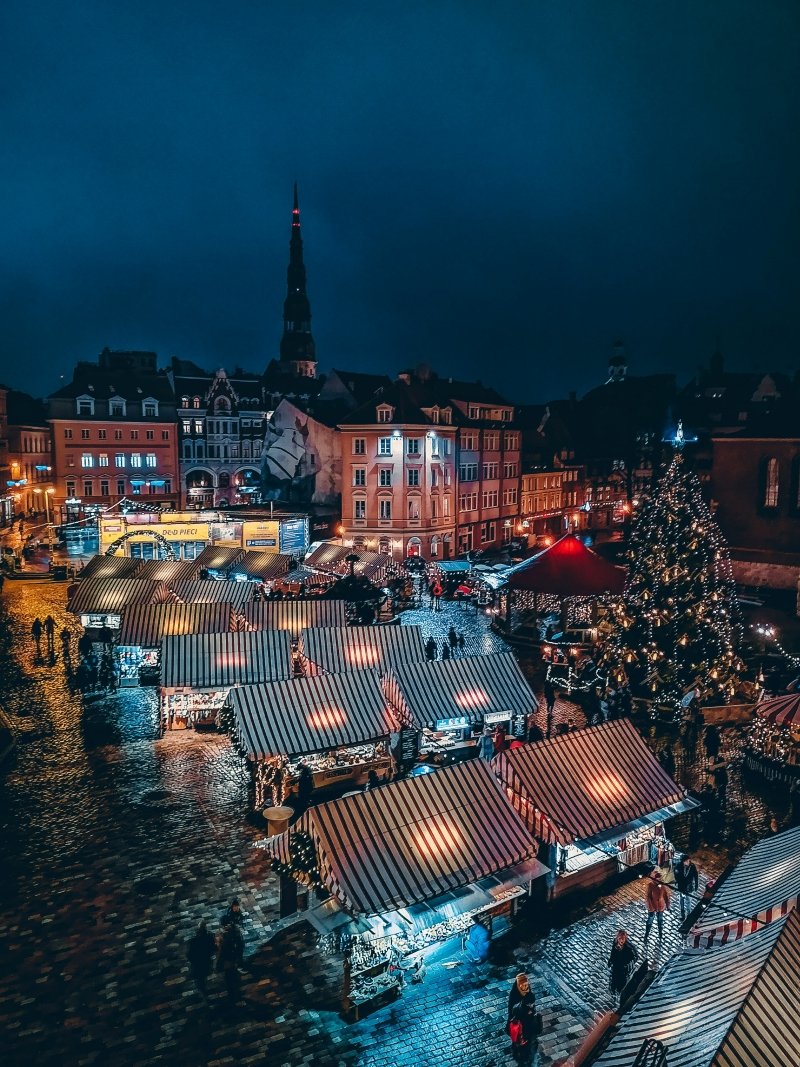
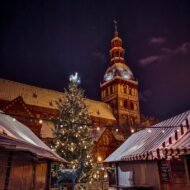
Riga’s romantic cobbled streets and squares sparkle with festive spirit during the market season.
Dates: November 29, 2025–January 2, 2026
Edinburgh, Scotland – Hogmanay Celebration
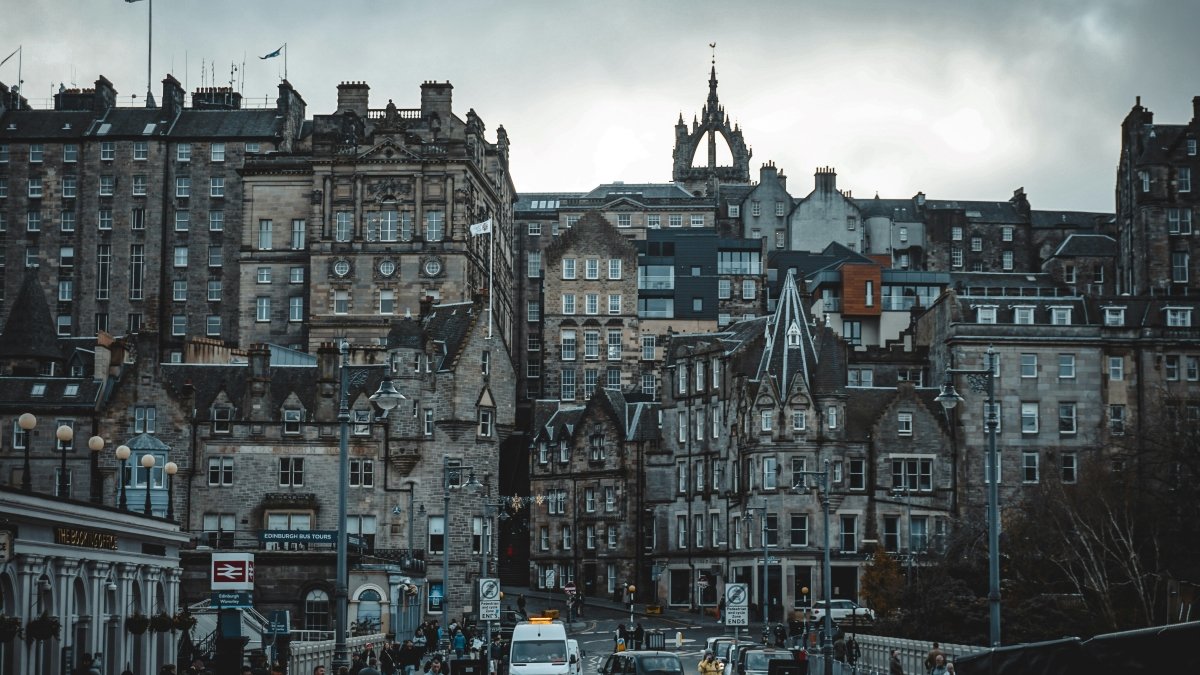
The market offers Scottish specialties like haggis balls, hot toddies and fudge, with an ice rink, Ferris wheel and magical maze of lights. The festive atmosphere continues all the way to the famous Hogmanay (New Year’s Eve)!
Dates: November 14, 2025–January 4, 2026
Essential Christmas Market Survival Guide
When to Visit
Early Season (Late November-Early December):
- ✅ Fewer crowds
- ✅ Fresh decorations
- ✅ Better hotel prices
- ❌ Some markets haven’t opened yet
- ❌ Weather can be unpredictable
Mid-Season (First Three Weeks of December):
- ✅ All markets open
- ✅ Peak festive atmosphere
- ✅ Special events and concerts
- ❌ Bigger crowds
- ❌ Higher accommodation costs
Late Season (Week Before Christmas):
- ❌ Extremely crowded
- ❌ Many markets close Dec 23-24
- ❌ Premium pricing everywhere
- ✅ Maximum Christmas spirit!
What to Pack
Clothing Essentials:
- Waterproof winter coat with hood
- Thermal layers (top and bottom)
- Warm, waterproof boots with good grip
- Thick gloves (touchscreen-compatible!)
- Cozy scarf and warm hat
- Hand warmers (lifesaver!)
Market Must-Haves:
- Small crossbody bag (keeps hands free and deters pickpockets)
- Reusable shopping bags
- Cash (many stalls don’t take cards)
- Portable phone charger
- Travel-size hand sanitizer
- Lip balm (trust me!)
Money-Saving Hacks
- Mug Deposits: Most markets charge €2-4 deposits for drink mugs. Return them for your money back or keep as unique souvenirs!
- Eating Strategy: Most dishes cost between €5 and €15, so you can easily snack your way through markets without spending too much. Skip restaurants and graze!
- Shopping Smart: Buy actual handicrafts, not mass-produced tourist tat. Look for “handmade” signs and talk to artisans.
- Accommodation: Stay slightly outside city centers and take public transport in. Or visit smaller cities—their markets are often just as magical at half the price!
- Free Entertainment: Most markets feature free concerts, carol singing, and street performers. The best experiences often cost nothing!
Safety & Practical Tips
Pickpocket Prevention:
- Pickpockets enjoy Christmas markets just as much as shoppers do, probably more
- Keep valuables in inside pockets
- Use crossbody bags worn in front
- Never leave bags on carousel seats
Crowd Management:
- Visit weekday mornings for thinner crowds
- Avoid Saturdays in December (absolute chaos!)
- Popular markets like Prague Old Town are busiest 5-8pm
Dietary Needs: Most major markets now offer vegetarian and some vegan options. Gluten-free can be trickier—ask individual vendors and beware cross-contamination.
Accessibility: Major markets like Vienna Rathausplatz, Brussels Grand Place, and Strasbourg center are wheelchair accessible. Smaller markets in medieval town centers may have cobblestones and uneven surfaces.
Making It Magical: Insider Experiences
Beyond the Markets
Christmas Concerts: Many cities offer special holiday concerts in historic churches. Vienna and Salzburg especially shine here.
River Cruises: Rhine River cruises include stops at Christmas markets on their itineraries, letting you visit multiple markets in comfort.
Hot Chocolate Crawls: Create your own hot chocolate tour, trying different variations at each market.
Photography Golden Hours: The hour after sunset (around 4-5pm in December) is magical for photos—the lights are on but there’s still some ambient light.
Tour Options
River Cruises: Perfect for visiting multiple German markets along the Rhine or Danube. Travelers can experience Christmas markets through both river cruises and land tours.
Group Bus Tours: Generally more budget-friendly, covering a concentrated area. Companies like Grand European Travel and Insight Vacations offer comprehensive itineraries.
Independent Travel: Eurostar and European trains make DIY trips incredibly easy. Brussels is just over 4 hours from London, Cologne takes 5 hours 30 minutes from London with a quick change.
Sustainable Market Visiting
Eco-Friendly Choices:
- Use public transportation (most cities have excellent networks)
- Vienna’s Art Advent market is completely certified organic
- Bring reusable bags and coffee cups
- Prague’s Christmas markets use environmentally friendly materials that are 100% BIO/COMPOSTABLE
- Support local artisans over mass-produced goods
Regional Shopping & Souvenir Guide
What to Buy Where
Germany:
- Handcrafted wooden ornaments and toys from the Erzgebirge (Ore Mountains)
- Nutcrackers and smoking figures
- Traditional Christmas pyramids
- Lebkuchen in decorative tins
- Christmas market mugs (each city has unique designs!)
Austria:
- Handblown glass ornaments
- Mozartkugel (Mozart balls) from Salzburg
- Traditional lederhosen or dirndl accessories
- Swarovski crystal decorations
- Austrian wines and schnapps
Czech Republic:
- Bohemian crystal ornaments
- Handpainted Christmas baubles
- Marionettes and wooden toys
- Garnet jewelry
- Czech beers and Becherovka
France (Alsace):
- Bredele cookie molds and recipes
- Gingerbread from Mireille Oster
- Hand-painted pottery
- Alsatian wines (Gewürztraminer, Riesling)
- Lace and embroidered textiles
Belgium & Netherlands:
- Belgian chocolate (obviously!)
- Handmade lace
- Delftware ceramics
- Stroopwafels
- Jenever/Genever
Scandinavia:
- Hand-knitted wool mittens and hats
- Swedish Dala horses
- Danish porcelain and design items
- Norwegian trolls and folk art
- Sami handicrafts
- Gingerbread kits and cookie cutters
Price Ranges
Budget-Friendly:
- Small ornaments: €3-8
- Cookies and treats: €5-12
- Mugs (with deposit returned): €2-4
- Food items: €5-15
Mid-Range:
- Handcrafted gifts: €15-50
- Clothing items: €20-80
- Quality ornaments: €10-30
Splurge-Worthy:
- Cuckoo clocks: €100-1000+
- Christmas pyramids: €50-300+
- Swarovski decorations: €30-200+
Final Thoughts: Make Your Own Magic
Here’s the thing about European Christmas markets—they’re not just about shopping or eating (though both are fantastic!). They’re about soaking in centuries of tradition, experiencing local culture at its warmest, and creating memories that’ll warm you through every winter to come.
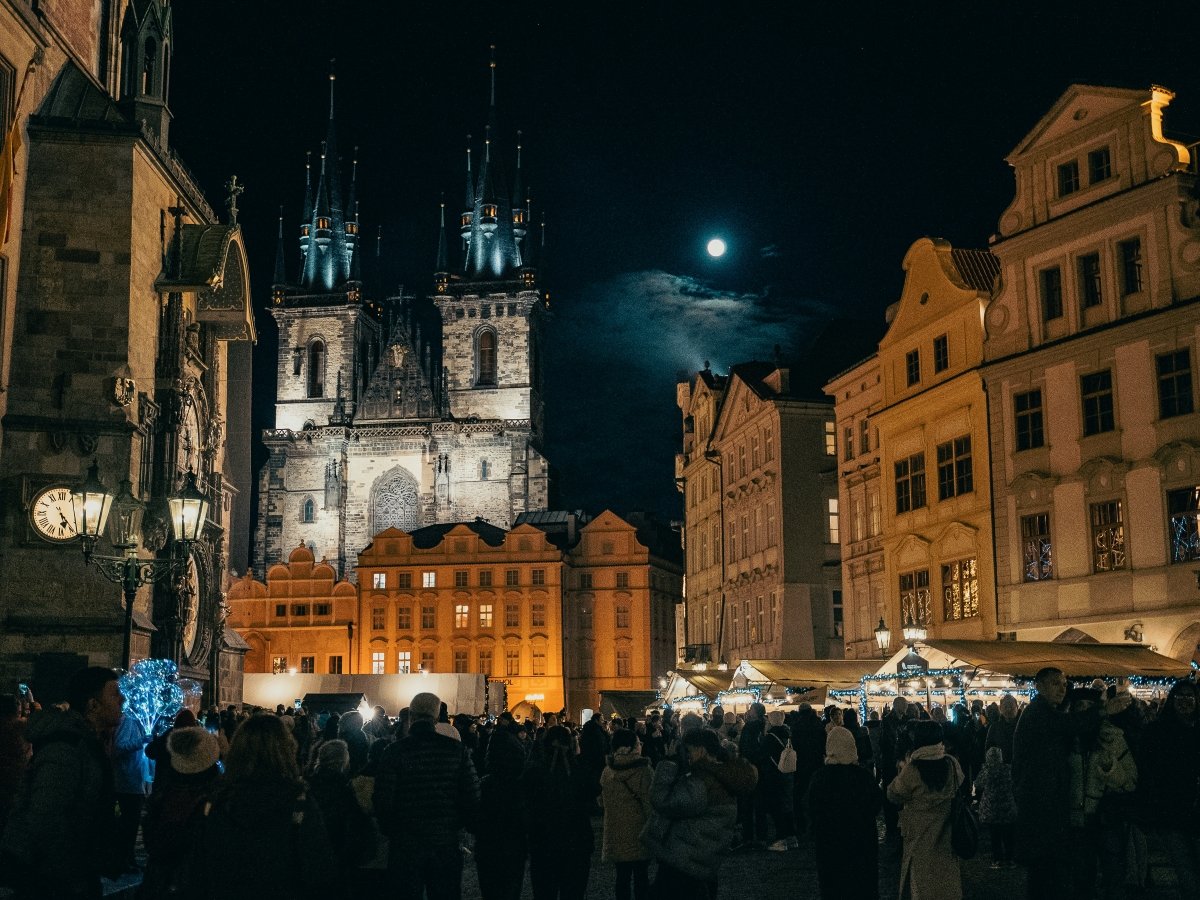
Whether you’re sipping Glühwein under Prague’s illuminated astronomical clock, browsing handcrafted toys in Nuremberg’s medieval square, ice skating in front of Vienna’s City Hall, experiencing Nordic hygge in Copenhagen’s Tivoli Gardens, or watching the world’s largest gingerbread town come to life in Bergen, you’re participating in a tradition that connects you to millions of people across hundreds of years.
My Top Recommendations Based on Your Style:
First-Timers: Start with Vienna or Prague—they’re manageable, spectacular, and have excellent infrastructure for visitors.
Tradition Seekers: Nuremberg or Munich for authentic German Christmas market culture.
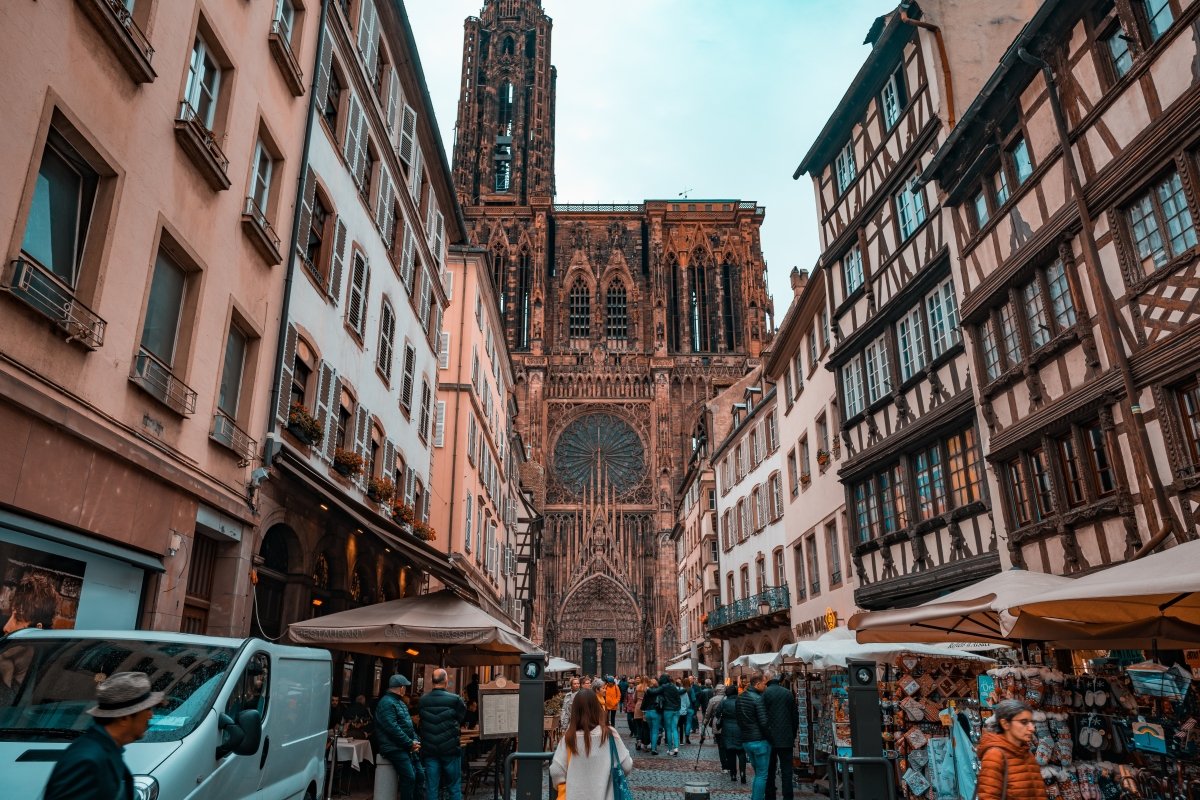
Romantic Escapes: Strasbourg or Bruges—seriously, bring the tissues for the beauty overload.
Foodie Adventures: Brussels or Vienna for the widest variety of delicious options.
Budget-Conscious: Smaller German cities like Heidelberg or Rothenburg, or Eastern European markets in Krakow.
Off-the-Beaten-Path: Ghent, Belgium, or Colmar, France—absolute gems without the overwhelming crowds.
Nordic Seekers: Stockholm, Copenhagen, or Bergen for hygge, gløgg, and stunning natural backdrops.
Unique Experiences: Valkenburg for underground caves, Bergen for the world’s largest gingerbread town.
The Christmas markets of 2025 are calling your name. The question isn’t whether to go—it’s which magical destination to choose first. And honestly? You might just need to visit several. For research purposes, obviously.
Book early, pack warm, arrive hungry, and prepare for the most festive adventure of your life! 🎄✨
Dates and details accurate as of November 2025. Always check official market websites before traveling as schedules can change. Most markets accept cash only at individual stalls, though card payment areas are increasing.
Have you visited these markets? Got insider tips to share? The Christmas market community thrives on shared experiences—drop your favorite hidden gems in the comments!