





























Local Winter Traditions You’ll Actually Experience
Christmas & New Year (Late December 2025 – Early January 2026)
Transylvania celebrates Christmas on December 25th (unlike some Orthodox traditions on January 7th). Here’s what makes it special:
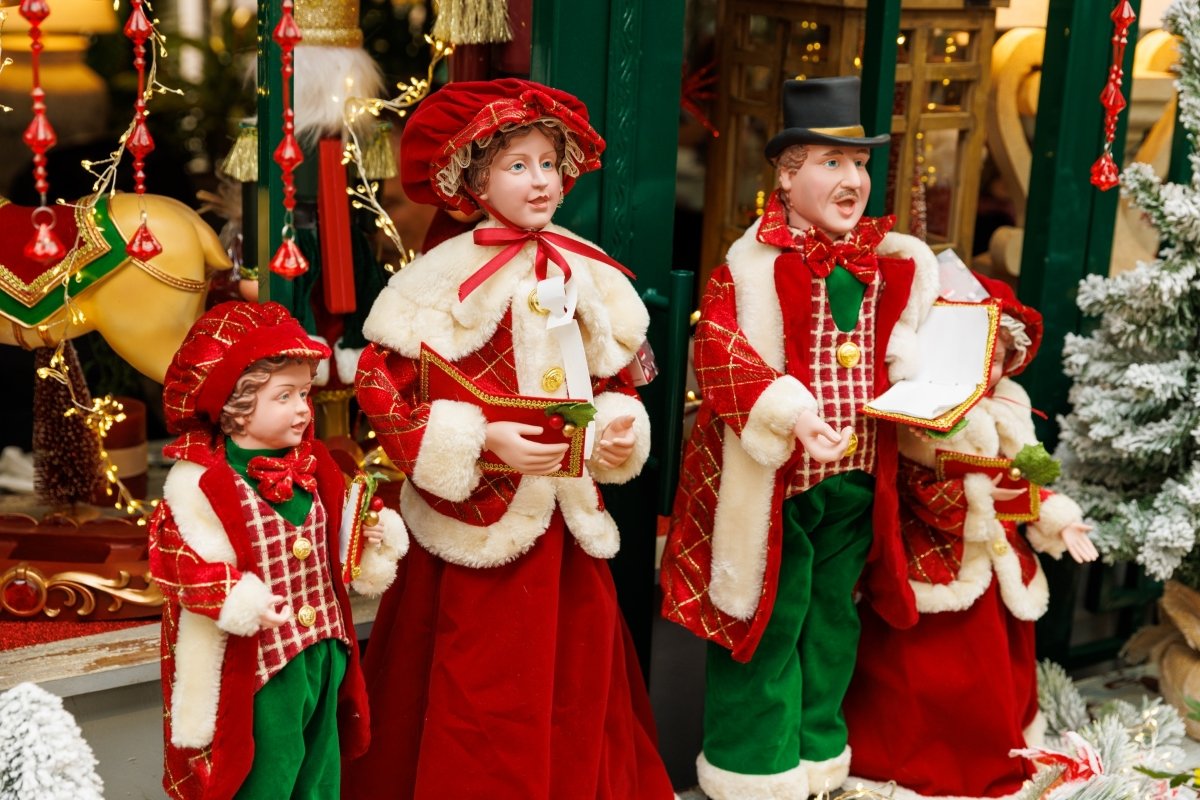
- Colindători (Carolers): Groups of children and adults go door-to-door singing traditional carols. In tourist areas, you’ll encounter this authentic tradition, not a performance—join in if invited!
- Plugușorul (The Little Plough): On New Year’s Eve, you’ll hear groups cracking whips and singing farming songs to ensure a good harvest. Sounds random, feels magical.
- Ursul (The Bear Dance): Men dress in real bearskins and perform ritualistic dances to ward off evil spirits. Main performances in Comănești, but smaller villages throughout Transylvania host versions.
Mărțișor Tradition (Early March 2026) If you’re visiting in late winter, you’ll see red-and-white string tokens everywhere on March 1st. This pre-Christian tradition celebrates spring’s arrival—locals exchange these tokens for good luck.
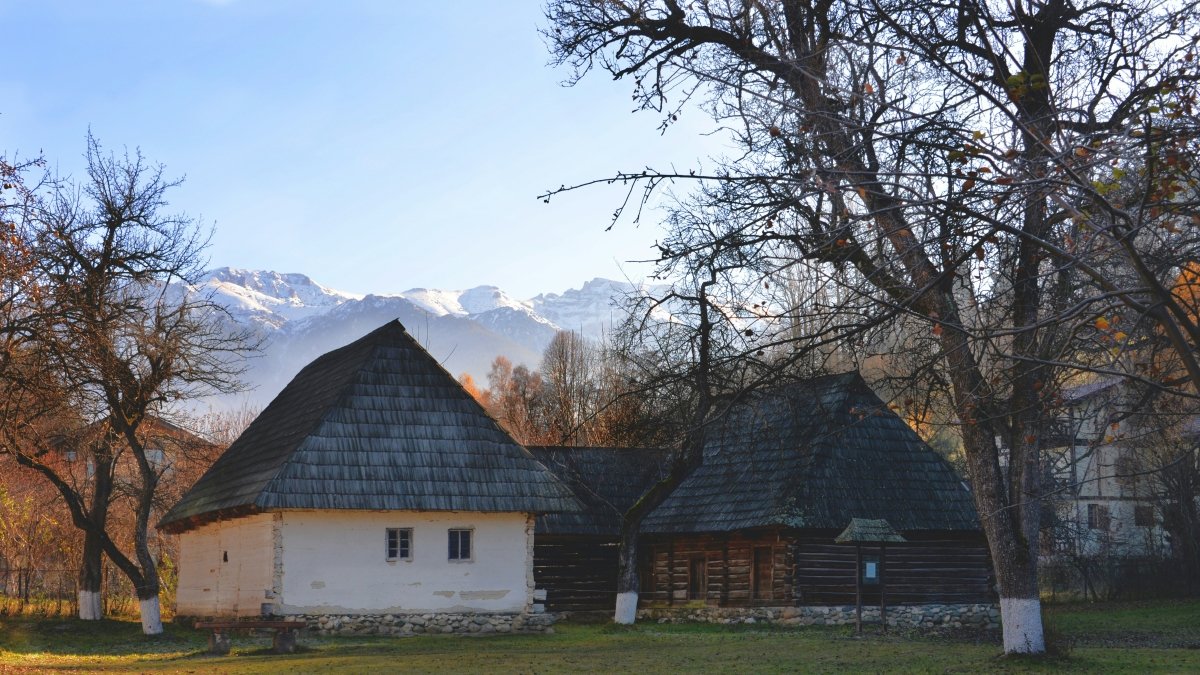
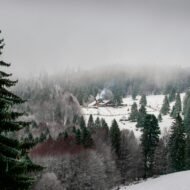
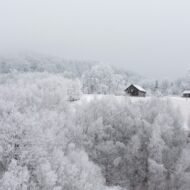
Village Life in Winter: Stay in a traditional guesthouse (pensiune) in villages like Viscri, Biertan, or Rimetea. You’ll witness daily life largely unchanged for generations: wood-heated homes, horse-carts for transport, and communal bread-baking. Many homestays offer hands-on experiences (fee-based):
- Wool-spinning and weaving demonstrations
- Traditional cooking classes (€20-40)
- Cheese and bread-making workshops
Food: Winter Comfort Transylvanian-Style
Romanian winter cuisine exists for one purpose: keeping you warm and happy. Here’s what to hunt down:
Must-Try Dishes:
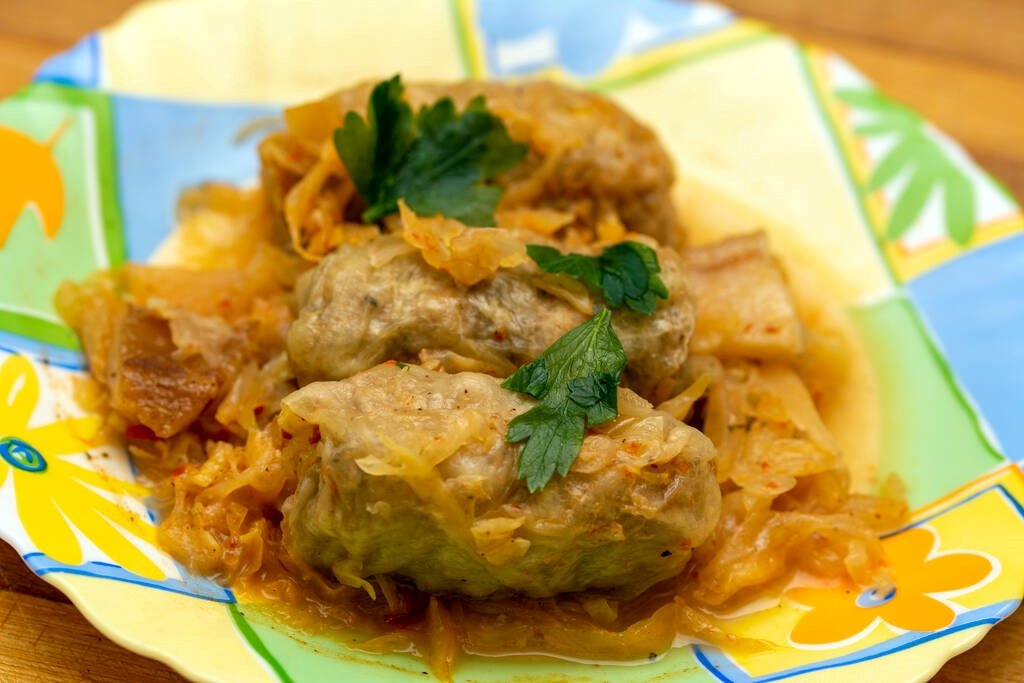
- Sarmale: Cabbage rolls stuffed with pork and rice, slow-cooked for hours. Served with sour cream and polenta. This is THE Romanian winter comfort food.
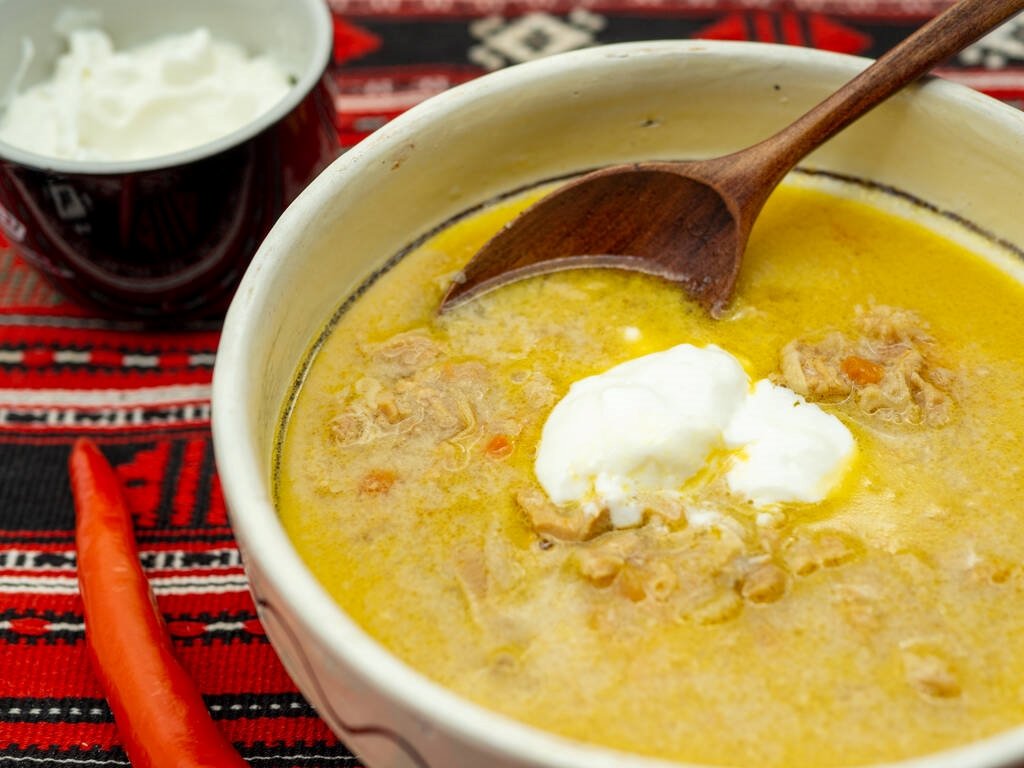
- Ciorbă de burtă: Tripe soup with garlic and sour cream. Sounds intimidating, tastes incredible, and locals swear it cures hangovers.
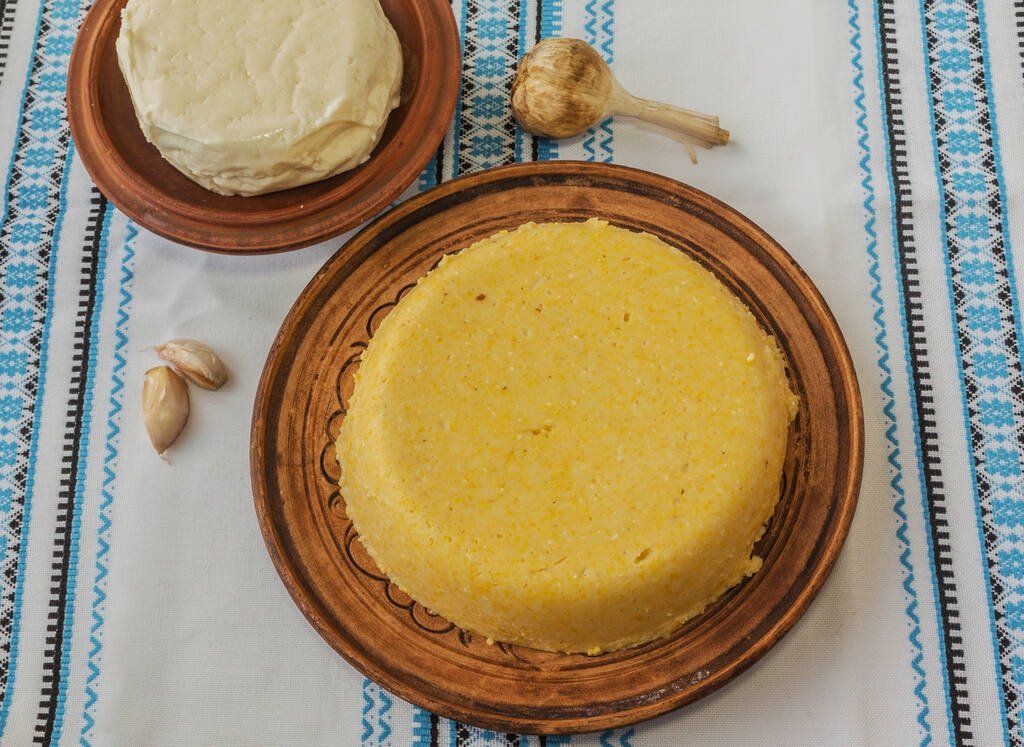
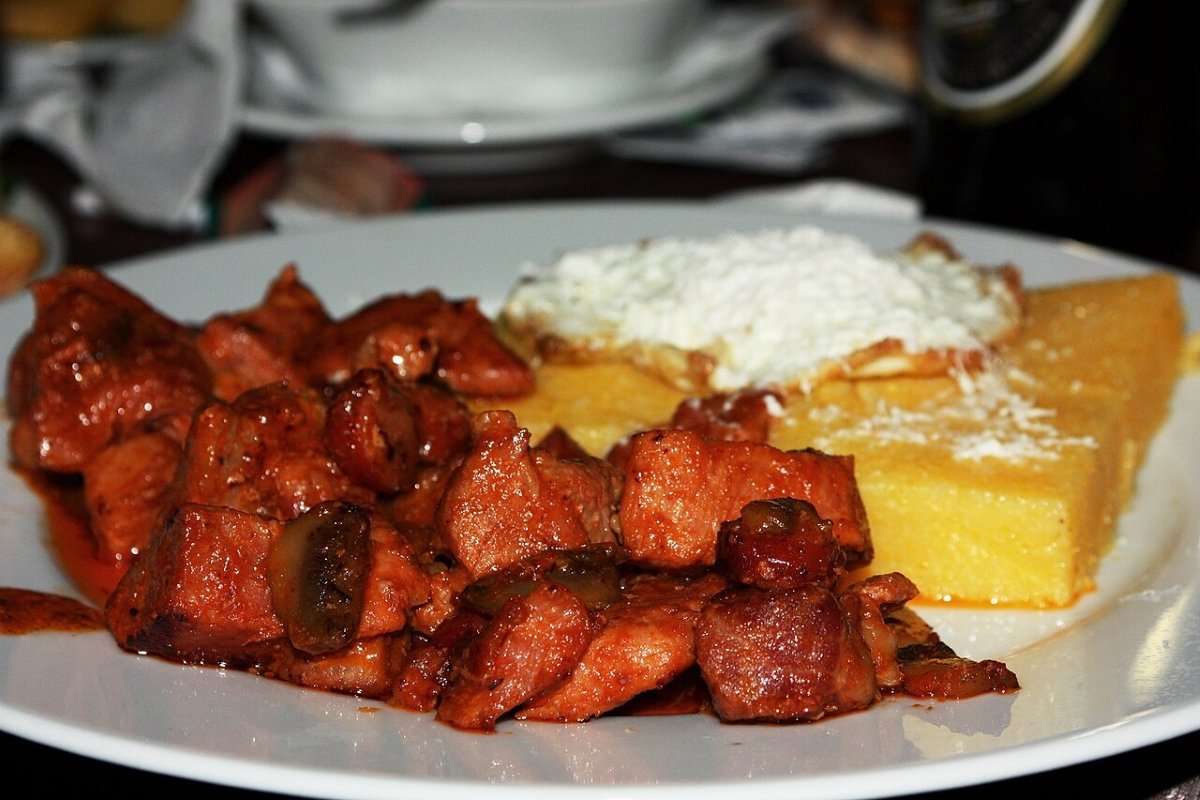
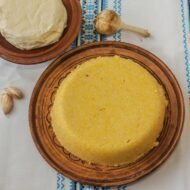
- Mămăligă: Polenta that’s practically a religion here. Served with everything—cheese, sour cream, stews.
- Tochitură: Pork stew with polenta, fried eggs, and cheese. Protein bomb perfect after skiing.
- Papanași: Fried doughnuts with sweet cheese filling, topped with sour cream and jam. Dietary goals be damned.
Where to Eat:
High-End (€20-40/person):
- Bella Musica, Brașov (live classical music, refined Romanian cuisine)
- Sergiana, Brașov (upscale traditional, excellent wine list)
Mid-Range (€10-20/person):
- La Ceaun, Bran (authentic village restaurant)
- Casa Hirscher, Brașov (historic building, solid traditional menu)
- Bistro de l’Arte, Sighișoara (trendy vibe, local ingredients)
Budget (€5-10/person):
- Festival 39, Brașov (craft beer and Romanian pub food)
- La Piazzetta, Brașov (surprisingly good pizza and local dishes)
- Street food at winter markets (grilled mici, kürtőskalács chimney cakes)
Drinks:
- Țuică/Palincă: Plum brandy that’ll put hair on your chest. The local firewater, often homemade and offered as hospitality. Accept at least one shot or risk offending.
- Vișinată: Cherry liqueur, sweeter and more approachable than țuică.
- Romanian Wine: The country’s wine regions produce excellent reds (Fetească Neagră) and whites (Fetească Albă). Wine at restaurants is remarkably affordable (€3-8/glass).
- Hot mulled wine (vin fiert): Essential at Christmas markets.
Cultural Immersion Opportunities
Language: Romanian is a Romance language, so if you speak Spanish, Italian, or French, you’ll recognize words. Basic phrases go far:
- Bună ziua (boo-nah zee-wah) = Hello
- Mulțumesc (mool-tzoo-mesk) = Thank you
- Cât costă? (cut cos-tuh) = How much?
- Vorbești engleza? (vor-besh-t eng-leh-zah) = Do you speak English?
English is common in tourist areas and among younger people, but learning a few phrases shows respect.
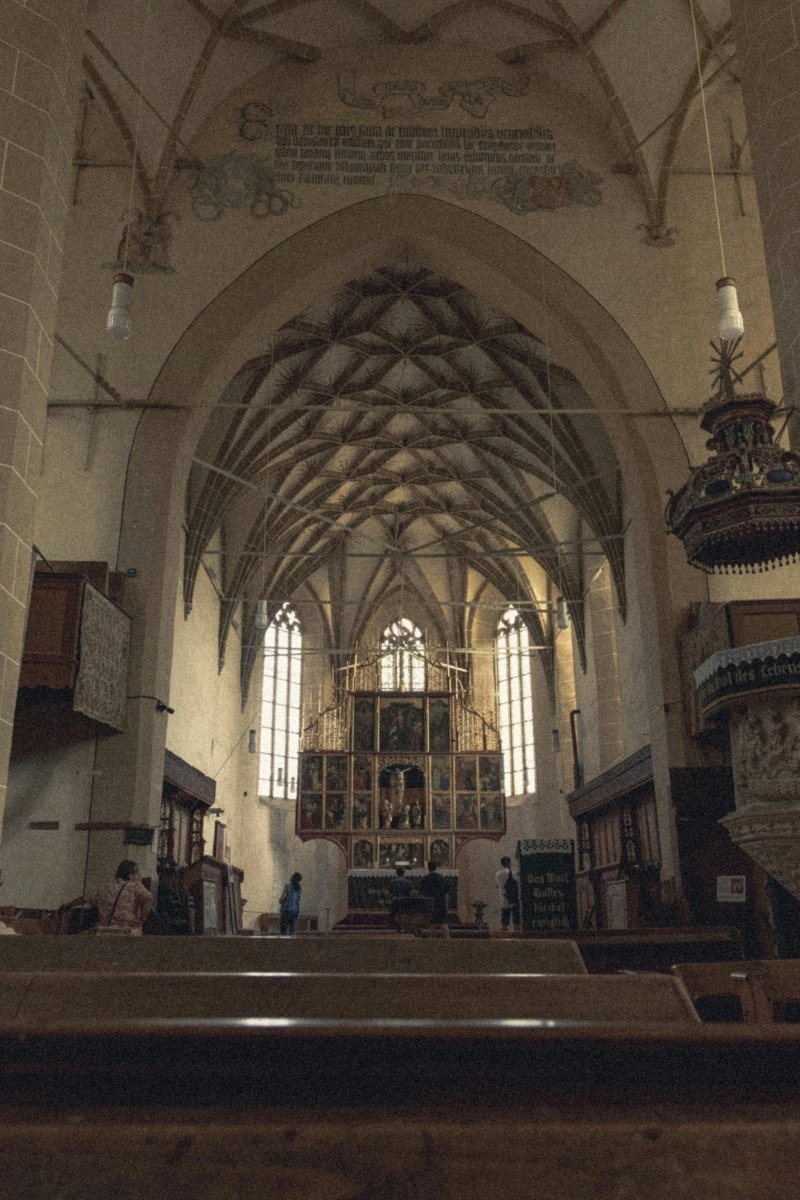
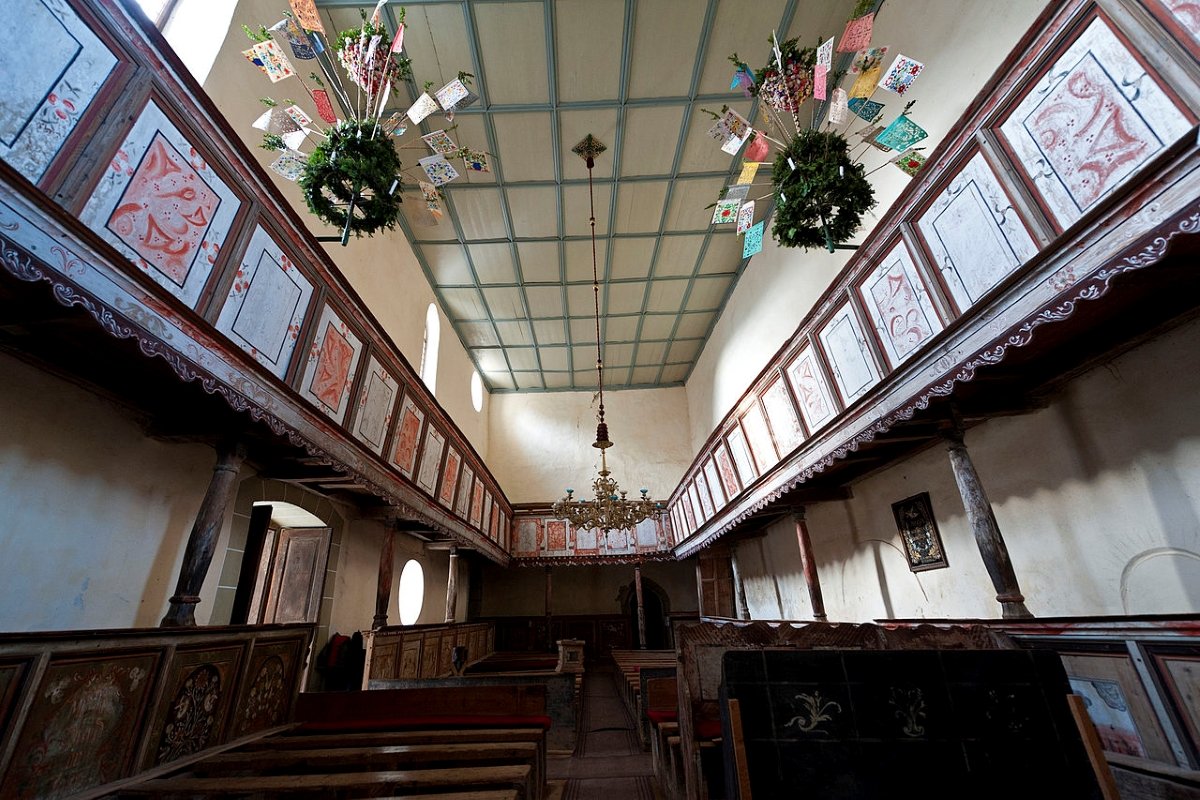
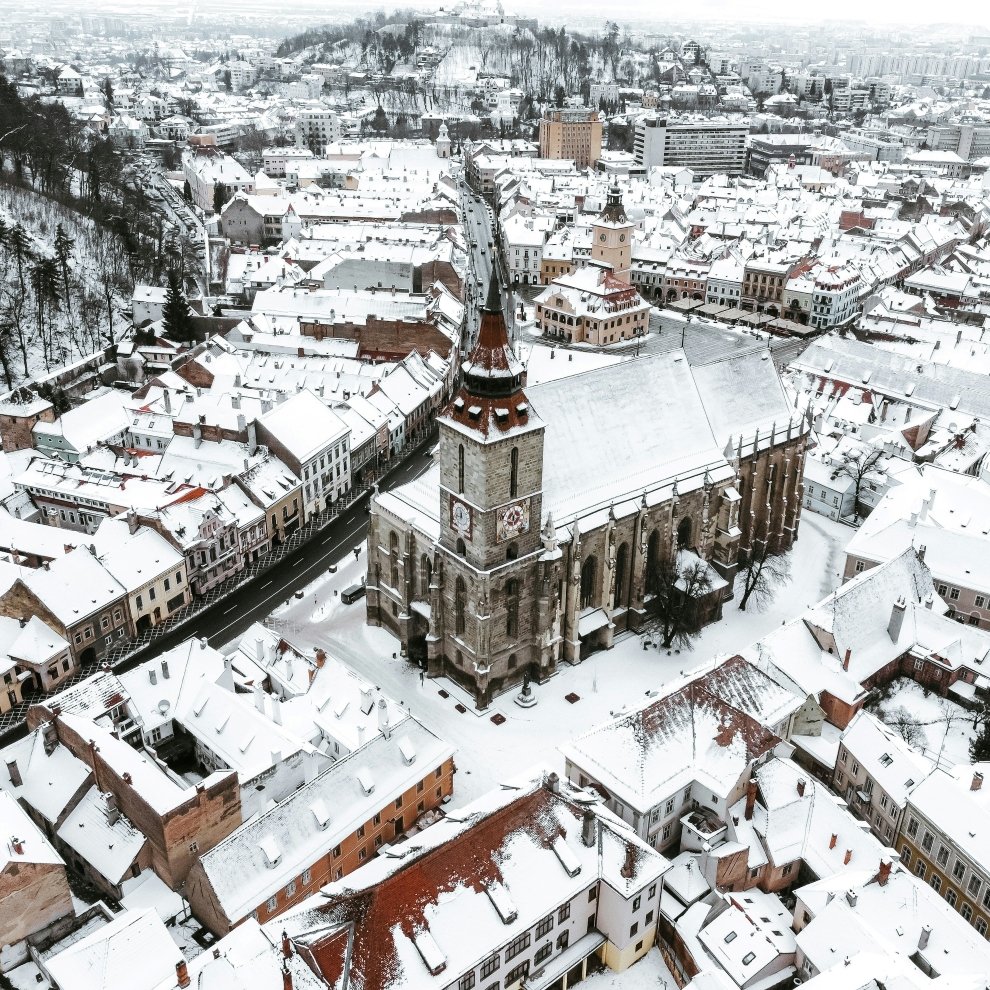
Church Services & Spiritual Sites: Most Transylvanians are Orthodox Christians, with significant Catholic and Protestant (Saxon Lutheran) minorities. Attending a winter service at a fortified church offers genuine cultural insight. The Black Church in Brașov sometimes hosts organ concerts—magical acoustics.
Etiquette Notes:
- Remove shoes when entering homes
- Bring flowers (odd numbers only) if invited to someone’s home
- Tipping: 10% in restaurants, round up for taxis
- Romanians are warm but not overly familiar—wait for cues about appropriate familiarity
Winter 2026 Events Calendar
December 2025:
- December 1: National Day celebrations throughout Transylvania
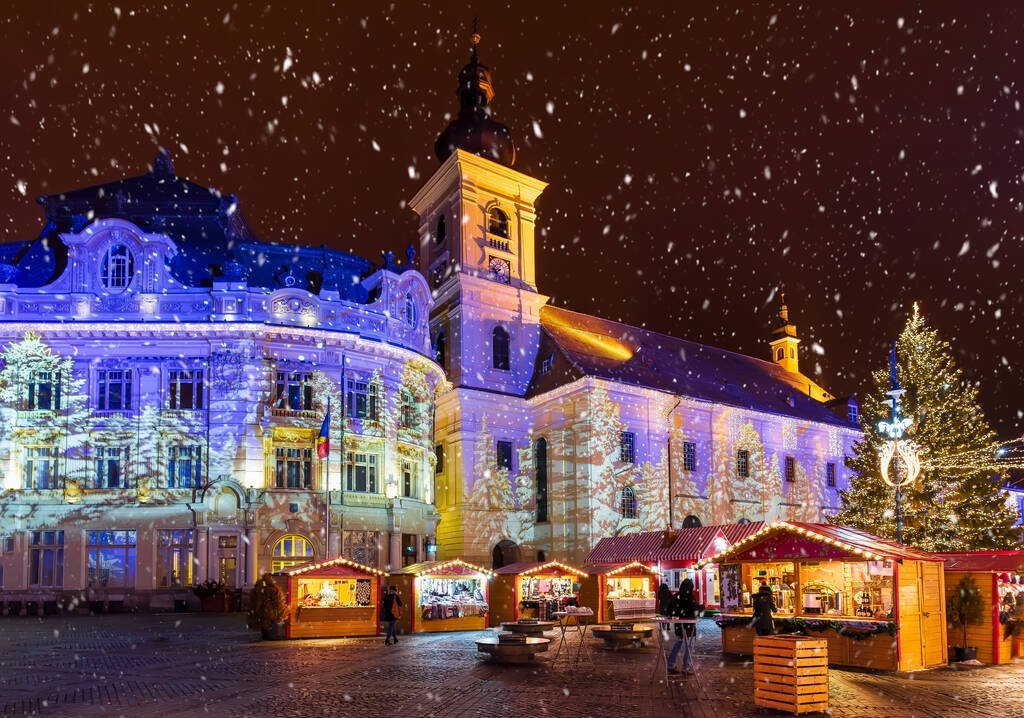
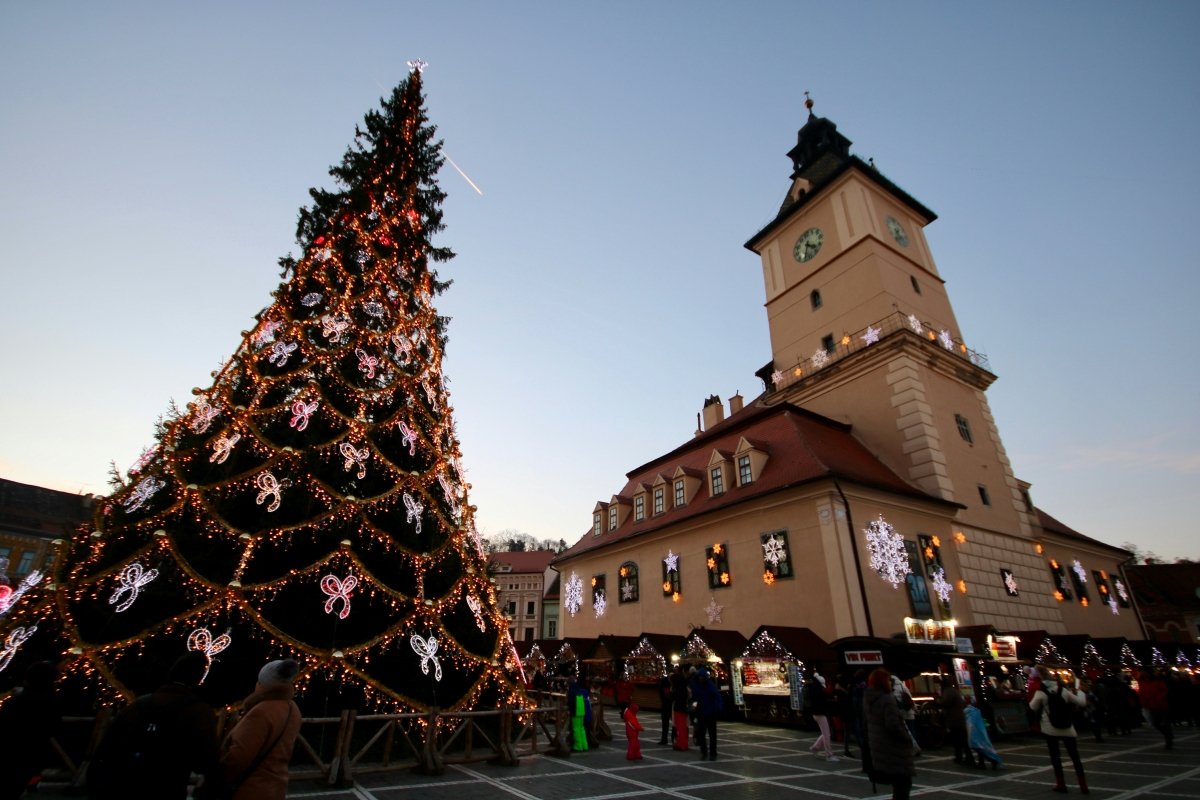
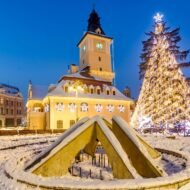
- Mid-December through early January: Christmas Markets in Brașov, Sibiu, Cluj-Napoca, and Sighișoara
- December 24-26: Traditional Christmas celebrations (carolers, church services, family feasts)
- December 31: New Year’s Eve celebrations with Plugușorul traditions
January 2026:
- January 6: Epiphany (Bobotează) water-blessing ceremonies
- Late January: Brașov Winter Festival (if continued from previous years—check dates)
February 2026:
- Mid-February: Possible Carnival celebrations (dates vary by village)
- Valentine’s Day: Dragobete (traditional Romanian Valentine’s) celebrated February 24th
March 2026:
- March 1: Mărțișor spring celebration
- March 8: International Women’s Day (widely celebrated)
- Late March: Beginning of spring festivals, though some snow remains
Budget Breakdown: What You’ll Actually Spend
Budget Traveler (€40-60/day):
- Hostel dorm: €10-15
- Street food + one restaurant meal: €10-15
- Public transport/shared rides: €5-10
- One attraction entry: €5-10
- Miscellaneous: €10
Mid-Range Traveler (€80-120/day):
- 3-star hotel or good guesthouse: €30-50
- Three meals at decent restaurants: €25-35
- Rental car or organized tours: €15-25
- Two-three attractions: €10-20
- Miscellaneous: €10-15
Comfort Traveler (€150-200+/day):
- 4-star hotel or boutique accommodation: €70-100
- Fine dining experiences: €40-60
- Private tours or rental car: €30-40
- Multiple attractions and activities: €20-30
- Shopping, extras: €20-30
Money-Saving Tips:
- Book accommodations directly (often cheaper than booking sites)
- Eat at lunch when restaurants offer daily menus (meniu zilnic) at reduced prices
- Use Flixbus for intercity travel (incredibly cheap, surprisingly comfortable)
- Many museums have free entry days (usually once monthly)
- Supermarket shopping for breakfast/snacks saves significantly
- Skip ATMs at airports/tourist spots (higher fees)—use bank ATMs
Currency: Romanian Leu (RON). €1 ≈ 5 RON (check current rates). Credit cards widely accepted in cities, but carry cash for villages, markets, and small vendors.
Practical Information for Your Trip
Getting There:
- By Air: Main gateway is Henri Coandă International Airport (Bucharest/OTP), then 2.5-hour drive/train to Brașov. Alternatively, Cluj-Napoca Airport (CLJ) serves northern Transylvania.
- By Train: Romania’s rail network connects major cities. Bucharest to Brașov takes 2.5-3 hours (€8-15). Book tickets at cfrcalatori.ro
- By Car: Rental cars from €20-40/day. Roads are generally good, but winter driving requires caution. Snow tires mandatory December-March by law.
Getting Around:
- Between Cities: Trains are scenic and affordable, buses (Flixbus, Autogari) are faster
- Within Cities: Walking is best for old towns, local buses available (€0.50-1/ride)
- To Villages: Rental car offers most flexibility, though organized tours exist
Accommodation Types:
- Hotels: Range from budget chains (€25-40) to luxury properties (€100+)
- Pensiuni (Guesthouses): Best value for authenticity, often include breakfast (€20-50)
- Hostels: Common in Brașov, Cluj, Sibiu (€10-20/dorm bed)
- Airbnb/Vacation Rentals: Good for longer stays or groups
Safety: Transylvania is very safe for travelers. Standard precautions apply:
- Pickpocketing rare but possible in crowded markets
- Taxi scams in Bucharest (less common in Transylvania)—use Uber/Bolt
- Stray dogs in some areas, usually harmless but don’t approach
- Mountain weather changes rapidly—check forecasts
- Emergency number: 112 (works throughout EU)
Health & Insurance:
- EU citizens: Bring European Health Insurance Card (EHIC)
- Non-EU: Get travel insurance with medical coverage
- Pharmacies (farmacii) well-stocked and affordable
- Tap water generally safe in cities, bottled water in villages
- COVID/health requirements: Check current Romania entry requirements before travel
Connectivity:
- WiFi widely available in hotels, restaurants, cafes
- EU roaming applies for EU citizens
- Local SIM cards cheap (€5-10) from Orange, Vodafone, Telekom outlets
- Download offline maps (Maps.me works well in remote areas)
What to Pack:
- Layered clothing (temperatures range -5°C to 5°C/23-41°F)
- Waterproof winter boots with good grip
- Thermal underwear for outdoor activities
- Sunglasses (snow glare!)
- Power adapter (Type C/F, 230V)
- Headlamp (villages have limited street lighting)
- Reusable water bottle
- Small daypack for excursions
Best Resources:
- romaniatourism.com – Official tourism board
- transylvaniancastle.com – Castle visiting information
- infotrafic.ro – Road conditions and closures
- meteo.ro – Weather forecasts
- rome2rio.com – Transportation planning
Final Thoughts: Why Transylvania Deserves Your Winter 2026 Trip
Here’s the honest truth: Transylvania in winter isn’t for everyone. If you want guaranteed sunshine, Michelin-starred dining on every corner, or luxury resorts with heated sidewalks, look elsewhere.
But if you want affordable authenticity—a place where centuries-old traditions still breathe, where your travel budget stretches like rubber, where castles aren’t just museum pieces but living parts of communities—Transylvania delivers in spades.
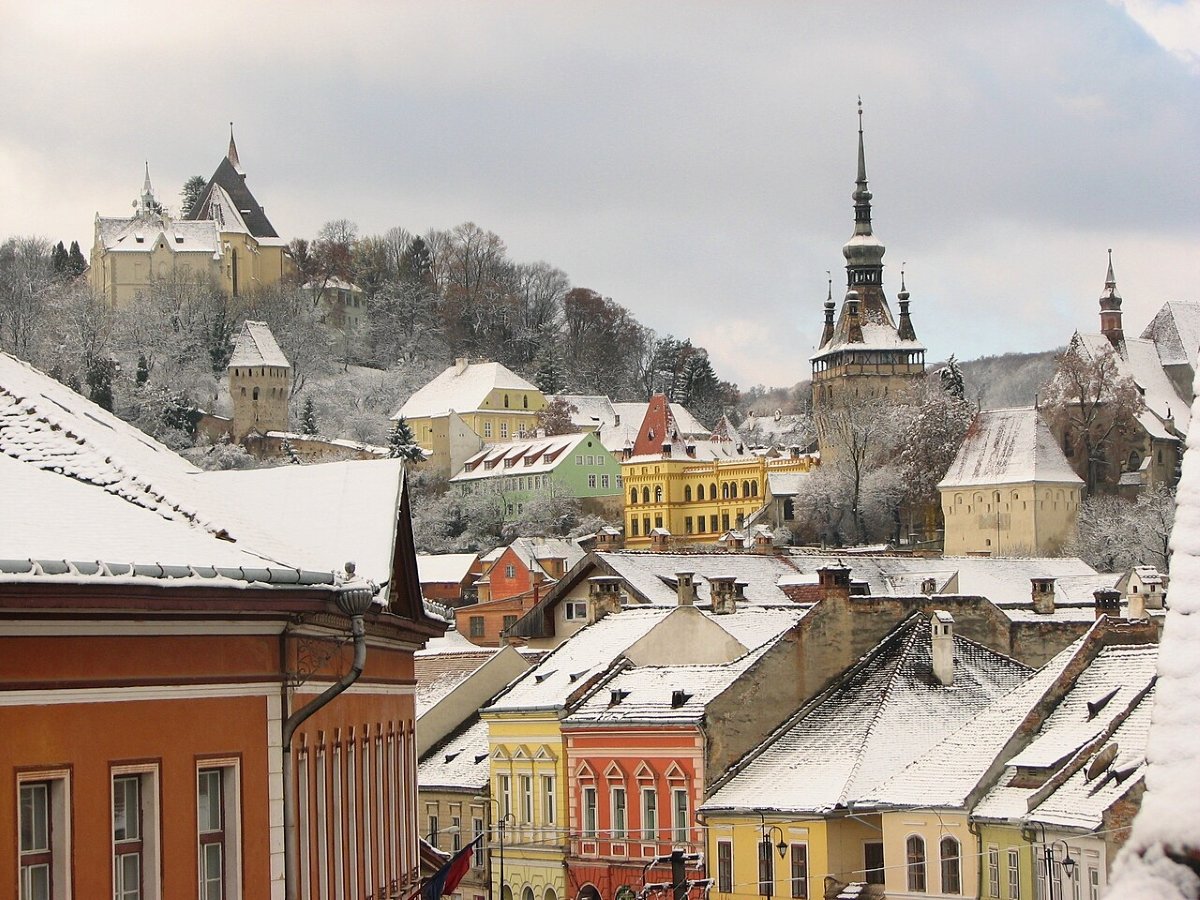
The region sits at that sweet spot where tourism exists but hasn’t consumed the soul of the place. Yes, you’ll encounter some Dracula kitsch (it’s unavoidable and honestly part of the fun). But you’ll also experience genuine village life, meet locals who are genuinely curious about you, and explore winter landscapes that feel almost private compared to the Alps or Rockies.
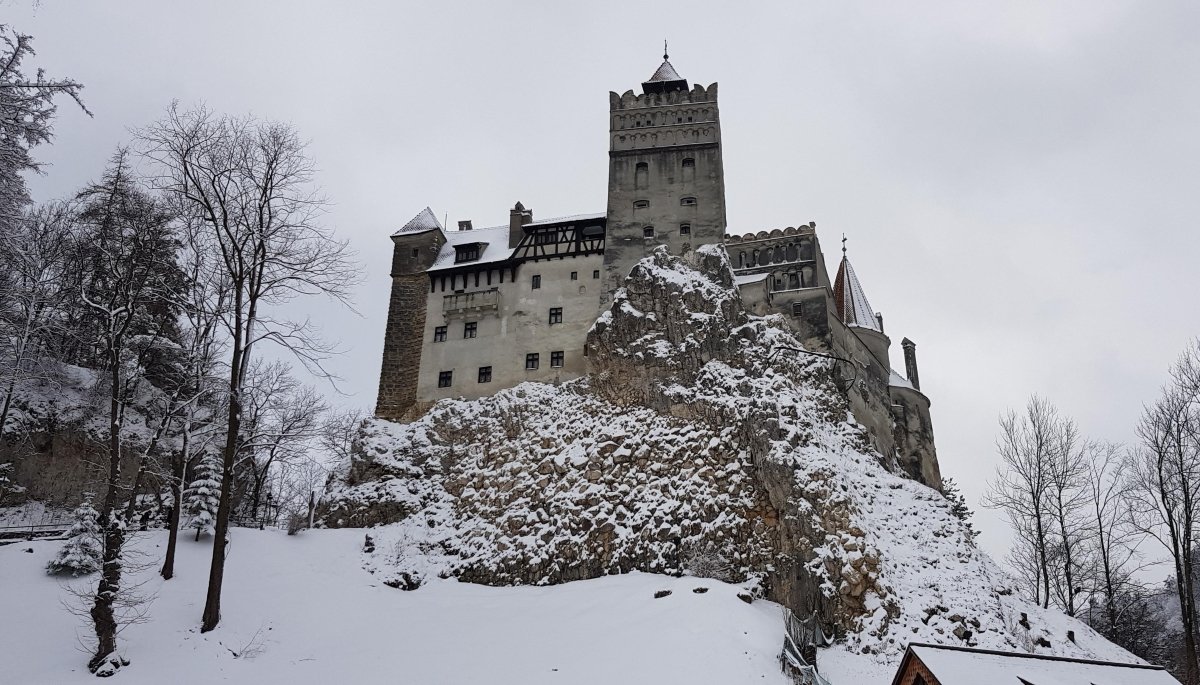
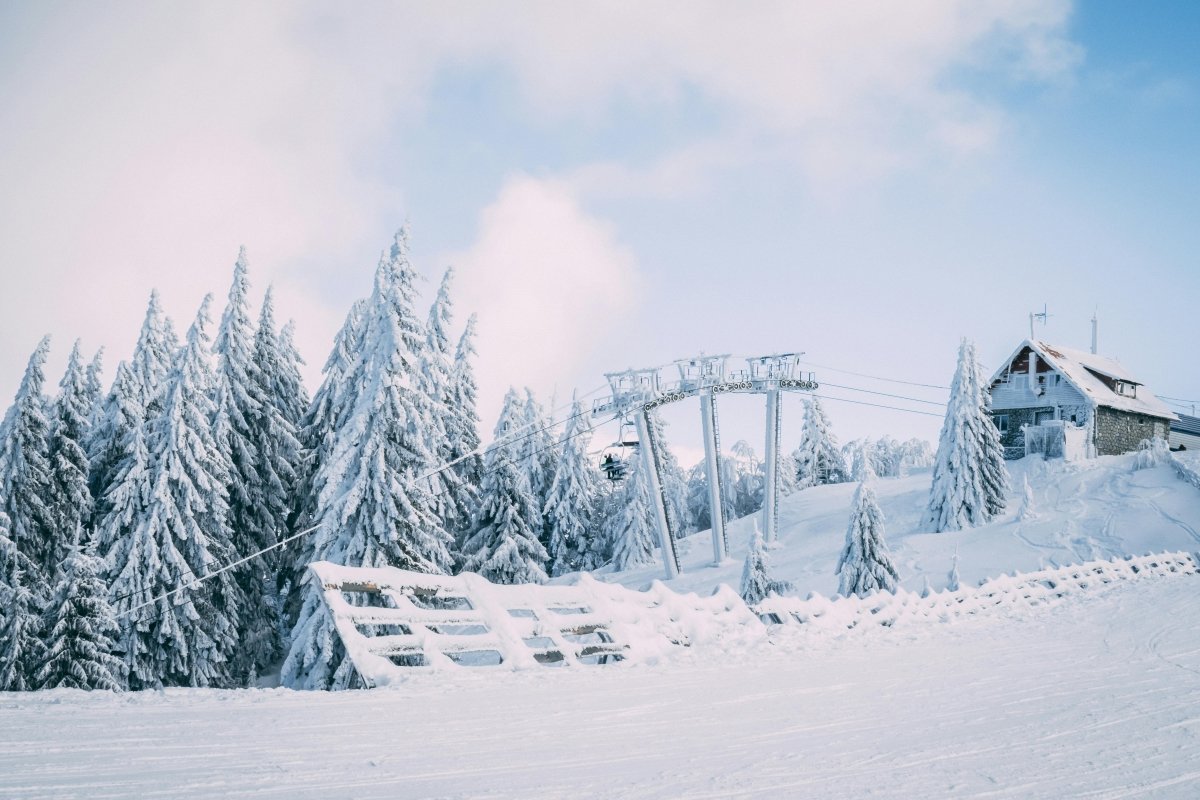
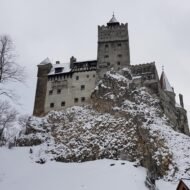
The infrastructure is better than you expect, the food heartier than you need, and the value unbeatable for what you experience. Whether you’re carving turns at Poiana Brașov, getting tipsy on țuică with villagers in Viscri, or standing in Bran Castle at dusk imagining vampire legends, you’ll leave with stories that no crowded Western European resort could provide.
Transylvania rewards the curious, the flexible, and those willing to embrace a bit of unpredictability. It’s not a place you conquer; it’s a place that quietly wins you over, one horse-drawn sleigh ride and papanași dessert at a time.
Start planning now for winter 2026. Your future self—warmer, fatter, and full of stories—will thank you.
Disclaimer: This travel guide reflects conditions, prices, and information available as of late 2025/early 2026. Travel situations can change rapidly due to weather, political developments, economic factors, or unforeseen events. Always verify current entry requirements, health regulations, attraction hours, and accommodation availability before booking. Prices quoted are estimates in euros and may vary based on exchange rates and seasonal factors. The author and publisher assume no responsibility for changes, errors, or any outcomes resulting from the use of this information. Travel insurance is strongly recommended for all international trips. For activities like skiing and winter sports, ensure you have appropriate insurance coverage. Some links and recommendations may be affiliate partnerships, though all opinions are genuine and based on research. Check official government travel advisories for your country before planning international travel.